
Costa Rica Expat Cost of Living: Monthly Budget Breakdown (2026 Guide)
Living in Costa Rica appeals to thousands of expats every year, drawn by its stunning natural beauty, tropical climate, and a slower pace of life. But how much does it actually cost? This practical 2026 guide breaks down every major monthly expense so you can build a realistic budget before moving abroad.
Table of Contents
Click to jump to the section that matters most to you:
- How Much Do You Need to Live Comfortably in Costa Rica?
- Average Monthly Budgets by Lifestyle
- Location Matters: Central Valley vs. Coastal & Expat Hubs
- Housing Costs for Expats
- Utilities & Internet
- Food, Dining & Grocery Shopping
- Transportation Costs
- Healthcare Costs & Health Insurance
- Education Costs & Family Expenses
- Taxes, Residency & Money Management
- Is Costa Rica Right for Your Budget?
- FAQ: Costa Rica Expat Cost of Living
How Much Do You Need to Live Comfortably in Costa Rica?
In 2026, monthly expenses in Costa Rica typically range from $1,600 to $4,500 for expats. A single expat can live comfortably on roughly $1,600–$2,200 per month. A couple can live comfortably on $2,500 per month in the central valley, or $2,300–$3,000 in pricier areas. Families with school-age children should plan for $3,200–$4,500+.
The cost of living in Costa Rica for expats varies by lifestyle choices. “Comfortable” here means safe housing, eating out weekly, maintaining health insurance, owning a modest car or using convenient transport, and taking occasional weekend trips. It does not mean ultra-luxury.
Costa Rica is considered one of the more expensive countries in Central America for expats, but it delivers stronger healthcare, political stability, and infrastructure than cheaper neighbors. Under a tighter budget, singles in inland towns can manage on $1,000–$1,300, though this means real compromises on dining, transport, and housing quality.
At Coastal Realty & Property Management, we work mainly with buyers and renters targeting mid-range to luxury budgets in Guanacaste’s Gold Coast-communities like Tamarindo, Playa Flamingo, and Playas del Coco.
Quick summary of monthly budget ranges:
- Single expat: $1,600–$2,200
- Couple: $2,300–$3,000
- Family of four: $3,200–$4,500+
- Monthly budgets range from $1,800 to $4,500 depending on location and lifestyle preferences
Average Monthly Budgets by Lifestyle (2026)
These are realistic, experience-based 2026 averages for expats who earn in us dollars or euros-not ultra-frugal backpackers. Many expats recommend budgeting more than initially expected for the first few months while you settle in and encounter unexpected expenses.
Frugal single in an inland town (Grecia or Atenas):
- Monthly rent: $500 for a one bedroom apartment
- Grocery costs: $200–$300 from local farmers markets
- CAJA public health insurance: ~$90
- Phone/internet: $60
- Public transportation: $30–$50
- Entertainment and dining: $50–$80
- Total: ~$930–$1,070/month
At an exchange rate of roughly 1 USD ≈ 530 CRC, that translates to approximately ₡493,000–₡567,000 per month in Costa Rican colones.
Mid-range couple in the Central Valley (Escazú or Santa Ana):
- Rent (2-bedroom): $1,200–$1,500
- Groceries including some imported goods: $400–$600
- CAJA for both: $150–$200
- Private insurance supplement: $150
- Car ownership or taxis: $250
- Utilities: $150–$250
- Dining and leisure: $200–$400
- Total: ~$2,500–$3,000/month
Comfort-seeking family on Guanacaste’s Gold Coast:
- Rent (3-bedroom home near beach): $1,800–$3,000
- International school tuition per child: $800–$1,200/month
- Groceries: $600+
- Healthcare: $200–$400
- Car costs: $300–$500
- Utilities with air conditioning: $200–$350
- Entertainment: $300–$500
- Total: ~$4,200–$6,000+
Property owners using Coastal Realty & Property Management for vacation rentals can offset their own monthly costs with rental income, sometimes covering housing and utilities entirely during peak season.
Location Matters: Central Valley vs. Coastal & Expat Hubs
Key factors affecting the cost of living in Costa Rica include location and lifestyle. Expenses vary greatly between coastal areas and less touristy inland towns. Location is the single biggest driver of your overall cost.
Central Valley (San José, Escazú, Santa Ana, Grecia, Atenas):
The central valley offers cooler climate, better healthcare access, and generally lower housing costs than beach towns. Rent for a two-bedroom apartment in san josé ranges from $700 to $1,300. A one-bedroom apartment in Escazú averages around $1,100. You’ll find more grocery options at reasonable prices, and many expats appreciate the proximity to private hospitals and international schools.
Gold Coast and Coastal Towns (Tamarindo, Playa Flamingo, Playas del Coco, Potrero):
Coastal towns like Tamarindo have rentals from $1,000 to $2,500 for modern 2–3 bedroom homes or condos near the beach. Grocery prices can be higher in beach towns due to tourism demand and transport logistics. However, the lifestyle-ocean views, year-round warmth, vibrant expat communities-is what draws many people here.
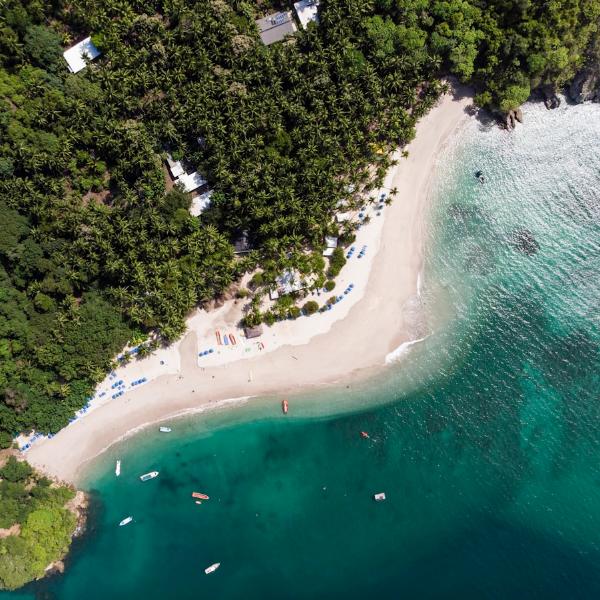
More rural areas like Playa Grande or Avellanas may offer housing prices 10–20% lower cost than the busiest hubs, but with fewer services and longer drives to hospitals or supermarkets.
Coastal Realty & Property Management specializes in these Guanacaste coastal markets and can tailor property searches to your budget, whether you prioritize lower housing costs or ocean views.
Housing Costs for Expats: Rent, Buy & Property Management
Housing is usually the largest expense for expats in Costa Rica, consuming 30–45% of a typical monthly budget. Rent in Costa Rica averages 44.2% lower than in the USA, but that gap narrows in popular beach towns.
2026 rental ranges:
Property Type | Location | Monthly Rent (USD) |
|---|---|---|
Simple 1-bedroom | Inland town (Grecia, San Ramón) | $400–$700 |
Modern 1-bedroom/studio | Near Tamarindo or Playas del Coco | $900–$1,500 |
3-bedroom home/condo with pool | Gold Coast area | $1,800–$3,000+ |
High-end or furnished properties in tourist areas can cost significantly more. Gated communities and furnished rentals in Costa Rica often command premium prices, particularly during high season.
Buying property on the Gold Coast:
A 2-bedroom condo within walking distance of the beach typically runs $250,000–$500,000. Single-family ocean-view homes go higher. Annual property taxes in Costa Rica are approximately 0.25 percent of declared value-remarkably low by North American standards.
Extra housing costs include HOA/condo fees, furnishings, and property management fees for absentee owners. Professional management through a firm like Coastal Realty & Property Management can protect your asset and generate vacation rental income.
Foreigners have the same property rights as costa ricans outside the maritime zone, giving long-term investment security.
Utilities, Internet & Monthly Home Services
Utilities can be modest in the central valley but rise sharply in hot coastal areas where air conditioning is common. Utilities in Costa Rica can range significantly based on air conditioning use-this is the wild card in beach towns.
2026 monthly utility estimates:
- Electricity (no AC): $40–$70
- Electricity (regular AC in coastal home): $120–$250+
- Water: $15–$25
- Trash collection: $5–$10
- Mobile phone plan: $15–$30
- Fiber internet: $50–$70
Most expat-oriented buildings in Guanacaste have solid broadband suitable for remote work. Internet speeds have improved significantly in coastal communities over the past few years.
Optional home services like gardening, pool maintenance, and cleaning help add $100–$300 monthly depending on property size. Full-service property management companies like Coastal Realty & Property Management often bundle and coordinate these services for absentee owners.
Budget roughly $120–$220 per month for utilities in a typical 2–3 bedroom home, and more if you run air conditioning daily.
Food, Dining Out & Grocery Shopping
Food costs in Costa Rica surprise many expats. Local produce is affordable, but imported goods like specialty cheese, cereal, almond milk, and wine carry steep import taxes-often 30–60% above origin prices.
Monthly grocery budgets:
A single person cooking at home and shopping at local farmers markets can spend $200–$350. A family relying on imported brands at chains like Auto Mercado in the Gold Coast area should expect $500–$700+. Local farmers’ markets in Costa Rica provide inexpensive fresh produce and are the best way to save money on everyday expenses.
Sample 2026 prices:
- 1 kg rice: $1–$2
- Whole chicken: $4–$6/kg
- Dozen eggs: $2–$3
- Seasonal fruits (pineapple, mangoes): $1–$3
- Almond milk (imported): $4–$6
- Cheddar cheese (imported): $6–$9
- Fresh produce costs $15 to $25 per week per person
Dining out:
Dining at local restaurants is typically more affordable compared to tourist areas. Local meals at sodas-traditional Costa Rican restaurants-cost between $6 and $9. An inexpensive restaurant meal runs similarly. Dining at a mid range restaurant costs $18 to $30 per person. Tourist-oriented restaurants in Tamarindo or Flamingo push dinner for two to $80–$120.
Buying local products can help keep overall living costs lower in Costa Rica. Favor local foods, plan meals around seasonal produce, and do weekly grocery shopping at ferias to stretch your budget.
Transportation Costs: Car, Fuel & Getting Around
Transportation costs depend heavily on whether you live in a walkable town with buses or a spread-out beach community where car ownership is nearly essential.
Car ownership costs:
Gas prices average $5.50 to $6 per gallon in 2026. Owning a car incurs higher costs due to import taxes of 52–79% on vehicle value, making even used cars significantly cheaper to buy locally than to import. A used compact SUV popular in coastal areas runs $15,000–$25,000. Add the annual marchamo (road tax and mandatory insurance), Dekra inspection, and maintenance, and total car costs run $285–$560 per month. Transportation costs can average $180/month for gas alone.
Public transportation:
Using public transportation is generally a cheaper option for getting around. Public transportation fares in Costa Rica are typically under one dollar-a one-way local transport ticket costs about $1.05. Monthly bus commuting in the central valley can cost as little as $25–$50. However, bus service is limited in many coastal areas and rural areas.
When Coastal Realty & Property Management helps clients select a home, walkability and driving distances to schools, grocery stores, and clinics are key factors that influence total living costs over time.
Healthcare Costs & Health Insurance for Expats
Costa Rica has a public healthcare system that covers eligible residents through the CAJA (CCSS). Costa Rica ranks 48th in healthcare quality globally, and life expectancy in Costa Rica is 81 years according to OECD. Overall medical expenses are 50 to 70 percent lower than in the U.S., which is why healthcare access draws so many expats.
CAJA (public system):
Legal residents must enroll. Public healthcare contributions range from $90 to $300 monthly depending on declared income and visa category. CAJA covers primary care, specialist consultations, hospital stays, prescriptions, and maternity care. Wait times for non-emergency specialist appointments can run weeks to months.
Private healthcare:
Many expats supplement CAJA with private insurance to reduce wait times. A general doctor visit costs between $50 and $90. Specialist consultations range from $80 to $150 each. Private insurance premiums range from $80 to $200 monthly depending on age and coverage.
The best-equipped private hospitals are in the central valley (san josé area). Many Gold Coast expats use local clinics for everyday needs and plan occasional trips to San José for advanced care or specialist consultations.
For retirees especially, healthcare costs should influence your location choice. Factor in both CAJA contributions and a private insurance supplement when calculating your monthly budget, and explore options through our retirement planning guide.
Education Costs & Family-Related Expenses
For families, education costs are often the second-largest expense after housing. Costa Rica has a strong literacy rate, attracting families who value education alongside lifestyle.
Public schools are free and taught in Spanish. Most expat families in the central valley and Guanacaste choose bilingual or international schools instead.
2026 education costs:
School Type | Location | Approximate Cost |
|---|---|---|
Private bilingual school | Central Valley | $300–$700/month |
International schools | San José area | $8,000–$15,000/year |
International schools | Coastal areas (Tamarindo, Brasilito, Liberia) | $8,000–$12,000/year |
Preschool/daycare | San José | $300–$600/month |
Preschool/daycare | Gold Coast | $400–$800/month |
Additional family expenses include after-school activities, sports, school transportation, uniforms, supplies, and health insurance premiums for children. These add several hundred dollars to a family’s monthly expenses. Budget at least $200–$400 in other expenses on top of tuition for the full picture. For more on the best areas in Costa Rica for families, we’ve written a dedicated guide.
Taxes, Residency & Managing Money as an Expat
Costa Rica works under a territorial tax system, which can benefit foreign retirees and remote workers whose income originates abroad. Foreign-sourced income-such as US or European pensions, remote salaries, and investment income-is not taxed by Costa Rica under current rules.
However, us citizens and other expats must still comply with their home country’s tax obligations. US citizens, for example, still file with the IRS regardless of residency.
Common residency options:
- Pensionado: Requires at least $1,000/month lifetime pension income
- Rentista: Requires $2,500/month passive income or a $60,000 bank deposit
- Inversionista: Requires roughly $150,000 invested in Costa Rica
All categories require enrollment in the CAJA system. Government and legal fees for the application process vary depending on complexity.
For practical money management, many expats open local bank accounts in colones, use SINPE móvil for digital payments, and transfer funds from abroad through services like Wise to minimize conversion fees. ATM withdrawal fees apply at most banks.
Property owners on the Gold Coast often receive rental income in USD while paying many living costs in colones. Coastal Realty & Property Management assists with transparent accounting, HOA payments, and budgeting for property taxes and maintenance.
Is Costa Rica Right for Your Budget and Lifestyle?
Costa Rica offers a rare combination: quality healthcare services, political stability, and natural beauty at a significantly lower overall cost than most US or Canadian cities. Costa Rica is politically stable and comparatively safe for expats. Living costs in Costa Rica are 20.1% lower than in the USA, though it’s not a bargain-basement destination.
The expats who thrive here tend to be remote workers earning in strong currencies, retirees with predictable pensions, and investors combining lifestyle with rental income. Match your income to one of the earlier budget profiles and ask honestly whether you prefer central valley practicality or the coastal lifestyle despite higher housing prices.
An exploratory stay of 1–3 months split between the central valley and Guanacaste’s Gold Coast can reveal real-world grocery costs, transportation costs, and healthcare costs before you commit. Costa Rica remains one of Latin America’s most attractive destinations for affordable living with a high quality of life. Costa Rica continues to draw expats who want more than just low prices-they want a life worth living.
If you’re considering Guanacaste’s coastal communities, contact Coastal Realty & Property Management to discuss properties that fit your target monthly budget and long-term goals.
FAQ: Costa Rica Expat Cost of Living (2026)
This FAQ answers the most common money-related questions expats ask when planning a move to Costa Rica. All figures reflect 2026 data and real-world experience. Check local facebook groups and expat forums for additional crowd-sourced pricing in specific towns.
How much money do I need per month to live comfortably in Costa Rica?
In 2026, singles should budget $1,600–$2,200 per month, couples $2,300–$3,000, and families $3,200–$4,500+. These ranges cover safe housing, dining out several times a month, private healthcare access, air conditioning in coastal areas, some travel, and a contingency fund for car repairs or visa runs.
Central valley towns like Grecia or Atenas sit at the lower end. Coastal expat hubs like Tamarindo and Playa Flamingo push you toward the higher end. Average monthly expenses in Costa Rica are about $937.60 excluding rent, which gives you a useful baseline for non-housing costs.
Homeowners without monthly rent or a mortgage can often live comfortably on notably less-especially if they rent their property part-time through a professional manager to generate income.
Is Costa Rica cheaper than the US, Canada, or Europe in 2026?
Yes, but with nuance. Housing, healthcare, dining at local sodas, domestic help, and local produce are significantly cheaper. Rent in Costa Rica is about 44.2% lower than in the USA overall.
However, imported goods, car ownership, and utilities in air-conditioned coastal homes can offset some savings. A mid-range restaurant meal that costs $25–$40 per person in a US city runs $18–$30 in Costa Rica’s tourist zones and even less at an inexpensive restaurant inland.
Many Europeans and North Americans find their cost of living 20–35% lower overall compared to a mid-sized city back home, depending on whether they choose an inland town or a premium beach community.
What are the biggest expenses for expats in Costa Rica?
The main budget drivers are:
- Housing (rent or mortgage)-the largest line item everywhere
- Healthcare and insurance-CAJA plus private insurance adds up
- Education for children at international schools
- Car ownership and fuel-import taxes make vehicles expensive
- Imported grocery items-cheese, wine, cereals, specialty products
Each expense changes by region. Rents are lower in the central valley, but transportation costs may be higher for those living far from work. Careful choices in just two areas-housing location and car use-can reduce total monthly costs by several hundred dollars.
Can I live in Costa Rica without speaking Spanish?
Many expats live comfortably in expat hubs like Tamarindo, Playas del Coco, Flamingo, and parts of santa ana and Escazú with limited Spanish. But this often keeps them in higher-priced, tourist-oriented services and stores.
Learning basic Spanish unlocks access to local markets, local culture, and neighborhoods where prices reflect what costa ricans actually pay-significantly lower than tourist pricing. It also improves integration and daily satisfaction.
Coastal Realty & Property Management operates bilingually, helping new arrivals bridge the language gap when renting, buying, or managing coastal properties.
Do most expats buy or rent their homes in Costa Rica?
Most expats start by renting for 6–12 months to test different regions-central valley, Lake Arenal, or the Guanacaste Gold Coast-before committing to a purchase. This approach lets you discover real everyday expenses and lifestyle preferences before locking in.
Renting offers flexibility but can mean rising costs in popular beach towns. Buying in stable coastal markets like Guanacaste provides equity growth, vacation rental income potential, and long-term cost control. Property taxes remain remarkably low at roughly 0.25%.
Coastal Realty & Property Management supports both long-term renters and buyers with market insight, purchase guidance, and ongoing property management for clients who travel or live part-time in Costa Rica. Whether you rent or buy, having a realistic monthly budget is the first step toward making your move work.