
Why Costa Rica — and Why the Gold Coast Specifically — Keeps Calling You Back
The Dream That Refuses to Quiet Down
The same image keeps returning: coffee on a terrace, howler monkeys at dawn, the Pacific catching the first light. For most people researching costa rica real estate for expats, the pull started years before the serious searching did. What keeps it alive isn’t just the scenery. It’s the convergence of things that are genuinely rare to find together.
Costa Rica is politically stable, democratically governed, and has maintained no standing army since 1948, redirecting that budget into education and healthcare. The U.S. dollar is widely accepted alongside the colón. English is spoken throughout the expat-facing economy. The time zone aligns reasonably with the eastern and central United States, which matters when you’re managing a property or staying connected with family back home. And the cost of living, while not as dramatically low as it was a decade ago, still allows a comfortable, even generous lifestyle at a fraction of what it would cost in California or coastal Florida.
None of these things are secrets. But they accumulate into something that doesn’t have a direct competitor elsewhere in the Western Hemisphere, which is why the dream persists.
Why the Gold Coast Is a Category Apart
Costa Rica contains multitudes: the cloud forests of Monteverde, the Caribbean energy of Puerto Viejo, the urban rhythm of San José, and the Pacific drama of the Osa Peninsula. All of it is beautiful. But the Gold Coast, the Pacific coastline of Guanacaste province stretching from the Papagayo Peninsula south through Tamarindo, Flamingo, Coco, and beyond, occupies a specific position in the country’s expat ecosystem.
The practical reasons are substantial. Daniel Oduber Quirós International Airport in Liberia receives direct flights from major U.S. and Canadian cities, meaning you can board a plane in Houston or Toronto and be on the beach in under four hours with no connection. The dry season here runs roughly from November through April, which is exactly when northern buyers most want to be somewhere warm. Infrastructure investment in Guanacaste has accelerated meaningfully over the past decade: paved roads, reliable electricity, fiber internet in key communities, and a growing network of private clinics and dental practices catering to the international community.
Beyond logistics, the Gold Coast has an established critical mass of expat residents that creates something you can’t manufacture quickly: community. There are running groups and book clubs and weekly beach volleyball games. There are English-speaking property lawyers, bilingual accountants, and professionals who understand the specific complexity of foreign ownership. That density of expertise and social infrastructure makes a real difference to the quality of daily life, and to the security of your investment.
What “Pura Vida” Actually Means for Your Daily Life as a Property Owner
Visitors sometimes treat “pura vida” as a slogan. Property owners learn it’s a calibration. It means that things move at a pace that prioritizes quality of life over efficiency of transaction. The electrician may arrive on Thursday instead of Tuesday. The permit process may take longer than expected. The hardware store closes at noon on Saturday.
This isn’t dysfunction. It’s a different operating system. Once you internalize it, it becomes one of the things you love most about living here. But it does mean that owning property in Costa Rica, especially from abroad, requires a local partner who knows how to navigate the local rhythm on your behalf. Not someone to fight it, but someone to work within it effectively.
For daily life, pura vida translates to more time at the table, longer sunsets watched rather than scrolled past, and neighbors who actually know your name. That’s not marketing copy. That’s what our clients tell us year after year.
The Fear Underneath the Dream
Here’s the honest tension: the more research you do about buying property in Costa Rica as a foreigner, the more questions you accumulate. Maritime zone law. Title searches. Escrow requirements. Corporate structures. Transfer taxes. Rental income obligations. Each answer seems to generate two more questions.
Information is genuinely valuable, and this guide will give you a lot of it. But information alone doesn’t protect your investment. What protects your investment is a locally rooted team that has navigated every one of these processes many times before, knows which attorneys to trust and which to avoid, and will still be answering your calls five years after closing. We’ll return to this idea throughout the guide, because it’s the most important thing we’ve learned in nearly two decades on the Gold Coast.
Your Legal Rights as a Foreign Buyer: What Costa Rican Law Actually Guarantees You
Equal Ownership Rights, Full Stop
Costa Rica’s constitution grants foreign nationals the same property ownership rights as citizens. This is not a bureaucratic technicality. It is a foundational guarantee that has held consistently for decades and is enforced through a functioning independent judiciary and a transparent national registry.
You do not need residency. You do not need a local partner to hold title on your behalf. You can own property here in your own name, with the same legal protections a Costa Rican national enjoys.
No Residency Required to Purchase Property
Many buyers arrive expecting a maze of residency prerequisites. There are none. A valid passport is sufficient to enter into a real estate transaction, sign a purchase agreement, and hold title to property. Your immigration status has no bearing on your property rights.
This is one of the clearest advantages Costa Rica offers relative to other popular expat markets, and it’s worth stating directly: you can buy before you decide whether to relocate permanently.
The Same Title Standards for Everyone
Title to property in Costa Rica is recorded in the Registro Nacional (National Registry), a centralized public database that documents ownership, liens, encumbrances, and legal restrictions on every registered parcel in the country. A foreign buyer’s title carries the same legal weight and is subject to the same standards as a citizen’s. What matters is that the title is clean, registered, and verified, not who holds it.
How the National Registry Protects Your Investment
The Registro Nacional is public, searchable, and updated in near real-time. Every registered property in Costa Rica has a folio real, a unique registration number that links the parcel to its full ownership history, including any mortgages, liens, easements, or legal holds recorded against it.
A thorough title search through the Registro Nacional is one of the most important steps in any Costa Rica transaction, and it’s a standard part of the due diligence process your attorney conducts before you commit any funds.
The One Major Exception: Understanding the Maritime Zone Law
Almost everything about foreign property ownership in Costa Rica is straightforward, with one significant exception that every buyer must understand before considering any property near the coast.
The 50-Meter Public Zone
The first 50 meters inland from the mean high tide line along Costa Rica’s coastline is designated public domain. No one owns it. No one can own it. This includes the beach itself, which is a public resource regardless of what any listing may imply. Any property purporting to include or guarantee access to this zone through ownership should be treated with immediate skepticism.
The 150-Meter Restricted Zone: Concessions and What to Know
The next 150 meters inland, measured from the edge of the public zone, is the restricted zone governed by the Maritime Zone Law (Zona Marítimo Terrestre). Private ownership of land in this area is generally prohibited. Instead, the right to occupy and develop it is granted through a concession system administered by the relevant municipality, under MINAE (the Ministry of Environment) oversight.
Concessions are not the same as ownership. They can be revoked, they have expiration dates, and their legal status varies significantly depending on whether the relevant municipality has an approved coastal management plan (plan regulador) in place. Many don’t.
Our general guidance: for most buyers, especially those purchasing for primary residence or long-term investment, titled property outside the maritime zone offers substantially more legal security. Concession properties aren’t impossible to purchase wisely, but they require expert legal vetting that goes well beyond a standard title search.
Owning Through a Corporate Structure: SRL and Offshore Holding Options Explained
Holding property through a Sociedad de Responsabilidad Limitada (SRL), Costa Rica’s equivalent of a limited liability company, is common and offers real advantages for some buyers. An SRL can provide a layer of liability protection, may simplify the transfer of ownership interests to heirs, and can make it easier to bring on co-investors without recording a new deed each time.
The tradeoffs include annual maintenance costs, such as corporate tax filings, registered agent fees, and compliance with the beneficial ownership registry introduced in 2019, plus additional complexity in the purchase and sale process.
Offshore holding structures are less common for residential buyers and typically make sense only when the property is part of a larger asset protection or estate planning strategy. These should always be evaluated in consultation with both a Costa Rican attorney and a tax advisor familiar with your home country’s rules.
Direct Personal Ownership vs. SRL Corporate Structure: A Practical Comparison
Choosing how to hold title is a decision worth making deliberately before you sign anything. Here are the key dimensions to consider.
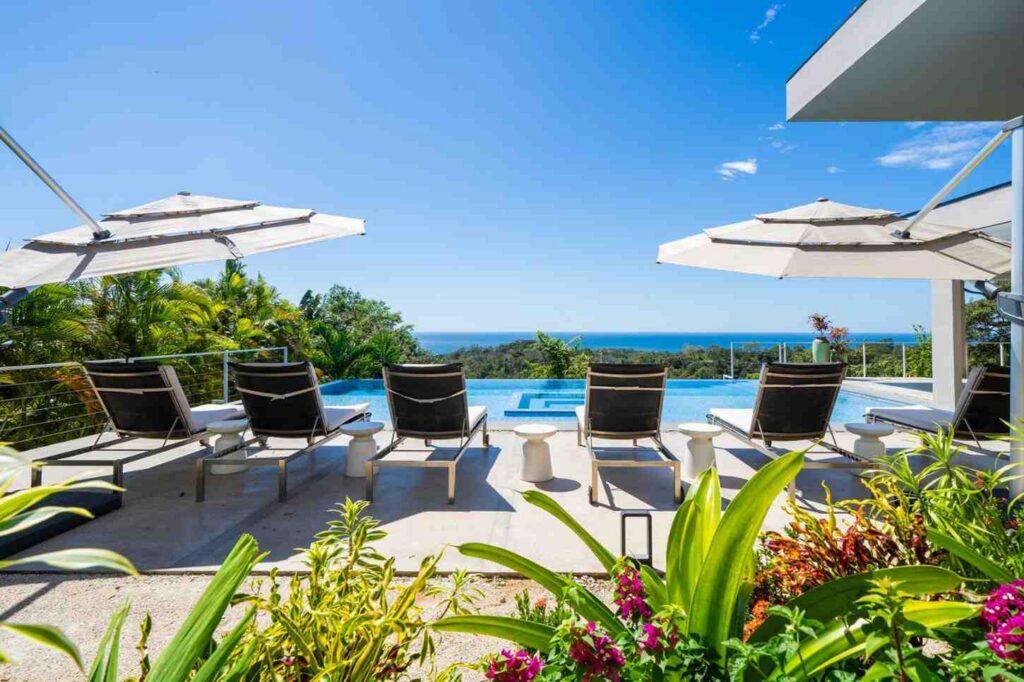
Ownership Clarity. Direct personal ownership means the title is held in your name, which is simple, transparent, and requires no additional legal infrastructure. With an SRL, title is held by the corporation and you own the corporation, which adds a layer that requires ongoing maintenance.
Liability Protection. With direct personal ownership, personal assets could theoretically be exposed if a liability claim arises from the property. An SRL holds the asset, which can limit personal liability exposure in some circumstances.
Transfer and Inheritance. Direct personal property transfers require a new deed, notary, and transfer taxes at the time of sale or inheritance. Transferring ownership of the corporation rather than the underlying property may simplify estate transfers and reduce transfer tax exposure in some cases, though legal advice is essential here.
Annual Costs. Direct personal ownership carries no corporate maintenance costs. An SRL requires registered agent fees, annual corporate tax filings, and beneficial ownership registry compliance, typically $300 to $600 per year combined.
For most first-time buyers purchasing a single residential property, direct personal ownership is simpler and perfectly adequate. An SRL makes more sense when multiple buyers are sharing ownership, when the property will generate rental income as a business, or when estate planning considerations favor the corporate structure. Talk to your attorney before deciding.
Gold Coast Neighborhoods: Finding the Community That Fits Your Life
Why Generic National Guides Miss the Point
A national overview of Costa Rica real estate tells you that Guanacaste is desirable, that beachfront is expensive, and that you should hire an attorney. All true. None of it helps you choose between a condo in Tamarindo and a villa outside Flamingo, or understand why a lot in Coco might outperform a turnkey home in Samara as an investment.
The Gold Coast is not a uniform market. Each community has a distinct character, a different buyer and renter profile, a different infrastructure reality, and a different price-to-value equation. What nearly two decades in this specific market makes possible is the ability to match you to a place, not just a property.
Tamarindo: Vibrant, Walkable, and Built for Expat Life
Tamarindo is the Gold Coast’s most internationally recognized community, and for good reason. It has the highest concentration of restaurants, surf schools, yoga studios, short-term rentals, and expat-oriented services of any community in Guanacaste. You can live here without a car for stretches of time. The social calendar is full year-round, not just in high season.
For buyers who want to feel immediately connected, who want neighbors they’ll meet within the first week and a morning coffee spot they’ll claim within the first month, Tamarindo delivers faster than anywhere else on the coast. It’s also the strongest short-term rental market in the region, which matters if income generation is part of your plan.
The tradeoff is price and density. Tamarindo real estate carries a premium relative to communities further north or south, and it can feel crowded at the peak of high season. Buyers who want more space and quiet often find themselves gravitating elsewhere once they’ve spent real time here.
Playa Flamingo: Luxury, Marina Access, and a Quieter Pace
Flamingo sits north of Tamarindo and occupies a different emotional register: unhurried, scenic, and increasingly sophisticated. The development of Marina Flamingo has added a dimension of international boating culture and corresponding amenities. The residential stock skews toward larger homes and villas on generous lots, with ocean views that rank among the best on the coast.
Buyers who choose Flamingo typically prioritize space and calm over walkability and nightlife. It’s a strong fit for semi-retired buyers who want a primary residence or a vacation home they’ll use personally for extended periods. Rental demand exists but is more seasonal and skews toward longer stays.
Playa del Coco: Affordability, Community Density, and Convenience
Coco is the most practical community on the Gold Coast, in the best sense of that word. It sits closest to the Liberia airport, roughly 35 minutes away, has the most established expat infrastructure, including English-speaking dentists, accountants, and attorneys, and offers the most accessible price points for both buyers and renters.
If your priority is getting into the market, building equity, and being part of a dense, active expat community without the premium that Tamarindo commands, Coco deserves serious consideration. It’s also a strong rental market, particularly for budget-conscious and first-time international visitors who drive significant demand from the Liberia airport.
Nosara and Samara: Wellness-Oriented, Remote, and Right for a Specific Buyer
Nosara and Samara sit further south, accessed by roads that are improving but still require a four-wheel-drive vehicle during rainy season. They attract a specific type of buyer: wellness-focused, creatively oriented, and drawn to the feeling of genuine remoteness that Tamarindo and Coco have largely left behind.
Nosara in particular has developed a global reputation in the surf and yoga communities. Property values have risen sharply in response, and the rental market now performs strongly for the right property. But the lifestyle is intentionally quieter, the infrastructure is genuinely more limited, and the buyer who thrives here knows that going in.
Matching Your Lifestyle to Your Location
Price and property type are the starting point, not the destination. The conversations that lead to genuinely good purchase decisions always go deeper.
Healthcare Access and Private Clinic Availability
For buyers planning extended stays or permanent relocation, healthcare infrastructure is a practical filter. All Gold Coast communities are served by Costa Rica’s public healthcare system (CAJA) to varying degrees, but response times and facility quality vary. Private clinics are clustered primarily around Tamarindo, Coco, and Liberia city. If medical proximity matters to you, and for buyers over 60 it often matters more than they initially admit, this deserves weight in your location decision.
Community Density vs. Peaceful Seclusion
Many buyers arrive telling us they want seclusion, then discover after a few weeks that they want neighbors, conversation, and the energy of a social scene. The reverse also happens. We ask specific questions before showing properties: How long will you actually stay at a stretch? Do you travel with a partner or alone? Do you need structured activities to feel satisfied, or does a book and a beach cover you? The answers consistently reveal which communities will actually fit.
Infrastructure, Road Quality, and Year-Round Accessibility
Rainy season runs roughly May through October. During that period, unpaved roads in more remote communities can become genuinely difficult. Some of the most beautiful lots on the Gold Coast sit at the end of tracks that require a capable four-wheel-drive vehicle even in dry season. This isn’t a dealbreaker, but it needs to be a known variable before purchase, not a surprise discovered after.
Property Types on the Gold Coast
The Gold Coast market offers real variety across property types.
- Condominiums offer entry-level price points, HOA management included, and strong rental performance in managed complexes. Best for buyers who want minimal ownership responsibility.
- Villas and single-family homes are the dominant purchase category for serious buyers, ranging from modest two-bedroom bungalows to luxury five-bedroom oceanview estates.
- Titled lots allow you to purchase land and build to specification. The process is longer, but it allows full design control and can offer the best value per square meter in certain communities.
- Beachfront and oceanview properties represent the premium category, where values are driven by view corridor and proximity to beach, not just square footage. Every purchase in this category requires careful maritime zone verification before any offer.
The Step-by-Step Buying Process: From First Search to Closing Day
How the Purchase Timeline Actually Works
Most Costa Rica transactions close within 30 to 90 days from an accepted offer, assuming due diligence proceeds cleanly and both parties are motivated. Delays typically originate in three places: title complications discovered during the registry search, financing arrangements that take longer than anticipated, or incomplete documentation on the seller’s side. A well-prepared buyer with a good attorney and a knowledgeable agent can move through the process efficiently without cutting corners.
Step One: Defining Your Brief
Before showing you a single listing, we want to understand your life. Budget is part of that conversation, but so are: How long will you actually use the property each year? Do you want rental income, and if so, how actively do you want to manage it? Are you buying alone or with a partner whose priorities may differ? What does your exit look like in ten years?
Those answers shape a qualified search, one that filters for properties that actually fit rather than properties that simply fall within a price range. Buyers who skip this step often end up viewing a dozen properties that feel wrong without being able to articulate why, then circling back to the beginning.
Step Two: Due Diligence and the Title Search
Title due diligence is the phase where a transaction either earns your confidence or reveals its risks. It is never optional, and it should never be rushed.
Verifying a Clean Title Through the Registro Nacional
Your attorney pulls the complete record for the property’s folio real from the Registro Nacional. This reveals the full chain of ownership, any mortgages or liens recorded against the property, and any legal annotations that restrict its use or sale. A clean title shows unencumbered ownership that traces back through a consistent history.
Identifying Liens, Encumbrances, and Maritime Zone Complications
Beyond clean ownership history, due diligence looks for unpaid property taxes, HOA arrears that may transfer with the property, easements affecting use, and any proximity to the maritime zone that could subject the property to restrictions not immediately visible in the registry record. Properties marketed as “beachfront” require specific maritime zone analysis, every time, without exception.
Property Appraisal and Independent Inspection
An independent appraisal establishes fair market value and provides a defensible basis for negotiation. A physical inspection, conducted by a qualified local inspector, assesses structural condition, roof, plumbing, electrical systems, and any deferred maintenance. Skipping either of these steps to save money is consistently one of the most expensive decisions buyers regret.
Step Three: The Purchase Agreement
Once due diligence confirms the property is clean, both parties sign a purchase agreement, the Contrato de Opción de Compra. This document binds the seller to the agreed price and terms for a specified period, typically 30 to 60 days, while the buyer completes financing and final preparations for closing. A deposit, commonly 10% of the purchase price, is placed into escrow at this stage.
The purchase agreement should be drafted or reviewed by your attorney, not simply signed off the seller’s template. Terms around closing dates, deposit forfeiture conditions, and inspection contingencies vary and warrant careful attention.
Step Four: Escrow
Escrow in Costa Rica functions similarly to escrow in the United States: a neutral third party holds the buyer’s funds until all conditions of the sale are met and the title transfer is confirmed. Using escrow is not legally required in Costa Rica, but it is the standard practice for any transaction involving a sophisticated buyer and should be non-negotiable for foreign buyers.
The escrow agent holds your deposit and closing funds in a secure account, releasing them only upon confirmation that the title has transferred cleanly and all closing conditions are satisfied. Never wire funds directly to a seller or an unknown third party before the title transfer is confirmed.
Step Five: The Notary Public, Title Transfer, and Closing
In Costa Rica, the closing is conducted by a notary public, a licensed attorney who also holds a notarial commission. The notary drafts the transfer deed (escritura), witnesses the signatures of both parties or their legal representatives with power of attorney, and submits the deed for registration at the Registro Nacional.
You do not need to be physically present at closing. Many clients close remotely using a power of attorney granted to a trusted attorney in Costa Rica. This is a standard and legally valid mechanism, and it removes the logistical burden of timing an international trip to a specific closing date.
Step Six: Registration and What Happens After
After closing, the notary submits the transfer deed to the Registro Nacional. The registration process typically takes two to eight weeks. Once registered, the property appears in the national database in your name or your corporation’s name, and you receive the registered deed as proof of ownership.
This is also the moment where ongoing ownership responsibilities begin: property tax registration, HOA enrollment if applicable, utility transfers, and, if you plan to rent the property, setting up the operational infrastructure for rental management. We consider this moment the beginning of a relationship, not the conclusion of a transaction.
How to Avoid Real Estate Scams When Buying Property in Costa Rica
Scams in Costa Rica real estate exist, but they are almost entirely concentrated in a specific set of circumstances that experienced guidance helps you avoid entirely.
Red Flags That Signal Risk
Watch for any of the following:
- A seller or agent resisting an independent title search or asking you to “trust them” on ownership history
- Requests for wire transfers directly to a seller before closing is complete
- Properties described as “beachfront” without clear documentation of their legal distance from the maritime zone
- Unusually low prices with pressure to decide quickly before other buyers move
- Agents or attorneys you cannot independently verify through public professional registries
Each of these is a pattern that precedes the vast majority of foreign buyer problems in this market.
Why a Long-Tenured Local Firm Is Your Best Protection
The most effective protection against scams isn’t a checklist. It’s a team that has been operating in this specific market long enough to know every counterpart in it. We know which attorneys have a track record of clean work. We know which developments have title complications that aren’t visible without history in the market. We know which listings are priced below market for legitimate reasons and which are priced below market because something is wrong.
Nearly two decades of Gold Coast transactions is not just experience. It’s a network and a reputation that bad actors simply cannot operate within. That’s the structural protection a long-tenured local firm provides, and it’s something no checklist can replicate.
Understanding the True Costs: Every Fee, Tax, and Ongoing Expense Explained
What “Hidden Costs” Actually Means
The phrase “hidden costs” in real estate usually means costs that weren’t disclosed early enough to factor into the buyer’s decision. In Costa Rica, none of the standard costs in a transaction are genuinely hidden. They are simply not explained proactively by everyone involved. We explain them upfront, because surprises at closing create distrust that undermines the relationship we’re trying to build.
Closing Costs in Detail
Total closing costs in a Costa Rica real estate transaction typically run between 3% and 4% of the purchase price, split between buyer and seller by negotiated convention, though all costs can technically be allocated by agreement between the parties.
Transfer Tax and How It Is Calculated
The transfer tax is assessed at 1.5% of the registered value or the declared transfer value, whichever is higher. The registered value is the figure recorded at the Registro Nacional for property tax purposes, which is often lower than market value. The declared transfer value must reflect the actual transaction price to avoid legal complications. Your attorney will guide you on proper declaration. On a $300,000 purchase, the transfer tax amounts to $4,500.
Notary and Legal Fees
Notary fees in Costa Rica are partially regulated by a sliding scale set by the Colegio de Abogados (the national bar association). For a typical residential transaction, combined legal and notary fees commonly fall in the range of 1% to 1.5% of the purchase price. On a $300,000 transaction, expect $3,000 to $4,500. Fees below this range may indicate reduced services. Fees significantly above this range should prompt a detailed conversation about what’s included.
Stamp Duties and Registration Fees
Several smaller fiscal stamps are required by law at closing, including the Fiscal Stamp, the Bar Association Stamp, the Archives Stamp, and the Agrarian Stamp. Together these add a modest cost, typically a few hundred dollars on a standard residential transaction, but they are fixed obligations that your attorney will calculate and collect as part of the closing process.
Escrow Service Fees and Wire Transfer Costs
Escrow services are charged by the escrow provider, typically between $500 and $1,500 for a standard residential transaction depending on complexity. International wire transfers carry fees on both ends. Your home bank will charge an outgoing wire fee, and the receiving bank may charge a corresponding receipt fee. Confirm that your escrow account is dollar-denominated and confirm fees with your bank before initiating any transfer.
Ongoing Ownership Costs
Closing costs are a one-time event. Ongoing ownership costs recur indefinitely, and underestimating them is one of the more common sources of dissatisfaction among foreign buyers in their second and third year of ownership.
Property Tax (Impuesto sobre Bienes Inmuebles)
Costa Rica’s annual property tax is assessed at 0.25% of the registered property value, among the lowest in the hemisphere. On a property registered at $300,000, the annual tax obligation is $750, paid to the local municipality in quarterly installments. The fiscal value is often lower than market value, which keeps actual tax bills modest. This is not the line item that will strain your budget.
HOA and COA Assessments
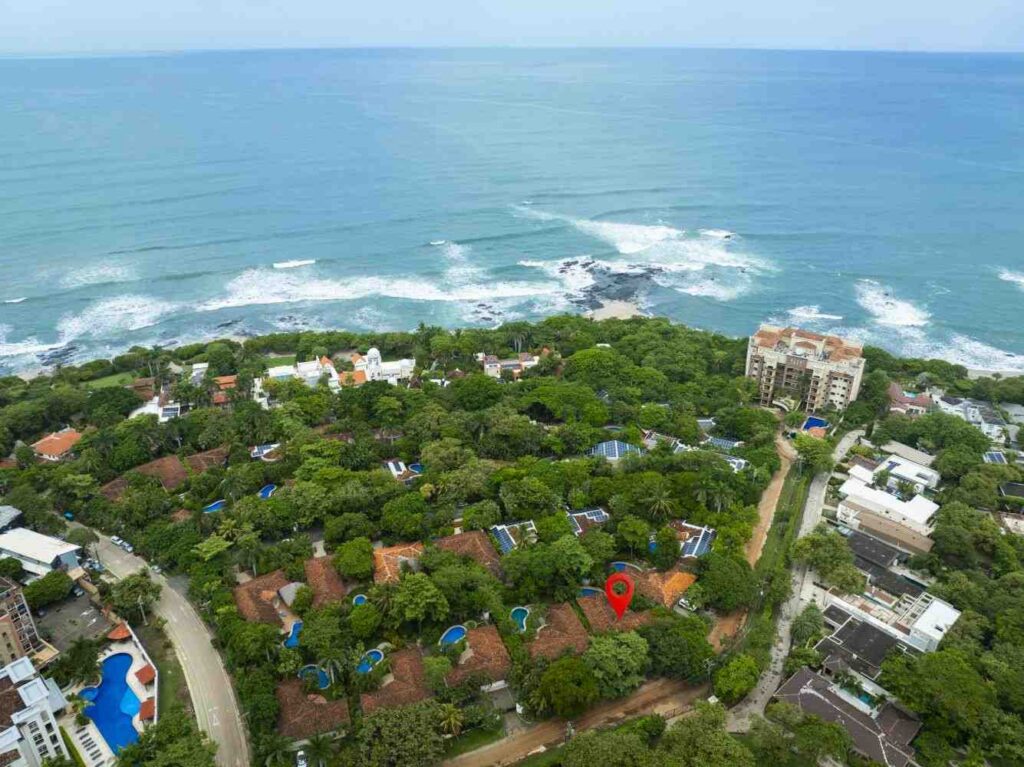
HOA and COA fees vary widely across Gold Coast developments and can range from $100 per month in a modest condo complex to $800 or more per month in a gated community with 24-hour security, maintained common areas, pool service, and on-site management. Before purchasing any property within a managed development, request three things: the current monthly assessment, the last 12 months of HOA financial statements, and the reserve fund balance.
A healthy reserve fund tells you the development is planning ahead for major maintenance. A depleted reserve fund suggests that a special assessment, a one-time charge levied on all owners to cover a capital expense the reserve cannot fund, may be coming. That’s a cost that can arrive unexpectedly and run into several thousand dollars.
Property Insurance, Utilities, and Routine Maintenance
Property insurance is available through both the national insurer (INS) and a growing number of private providers. Annual premiums for a well-constructed $300,000 home typically run $1,500 to $3,000 depending on coverage level, construction type, and location.
Utilities for a typical Gold Coast residence run $150 to $350 per month for electricity, water, and internet combined. Properties with pools and air conditioning throughout run higher.
Budget a maintenance reserve of $1,500 to $3,000 per year for a well-maintained home. Tropical climates accelerate wear on roofing, exterior paint, deck surfaces, and HVAC systems. Owners who maintain this reserve address issues promptly. Owners who don’t often face larger repair bills when deferred maintenance compounds.
Capital Gains Tax, Rental Income Tax, and Financing Considerations
How Costa Rica Taxes Rental Income for Foreign Property Owners
Rental income generated by property located in Costa Rica is taxable in Costa Rica, regardless of where the owner resides. The default withholding rate for rental income paid to a foreign person or foreign-held entity is 25% of gross rental revenue. An alternative structure is to operate the rental property through a registered Costa Rican business entity, which allows deduction of legitimate business expenses and taxes net income at the standard corporate rate rather than the flat gross withholding rate. A local accountant familiar with both Costa Rican tax law and your home country’s foreign income reporting requirements is the right resource for this decision.
Capital Gains Tax: The Current Framework
Costa Rica enacted a capital gains tax regime effective July 1, 2019. The rate is 15% on the net gain from the sale of a property, calculated as the difference between the acquisition cost plus documented capital improvements and the sale price. Properties purchased before that date are subject to a reduced transitional rate. Keep every receipt for capital improvements from day one of ownership, because those costs directly reduce your taxable gain. And declare the actual purchase price at closing, not an artificially reduced value, because the declared price becomes your cost basis for capital gains purposes.
Financing and SUGEF Considerations
SUGEF is Costa Rica’s financial system regulator, relevant primarily if you are seeking local financing from a regulated institution. Costa Rican banks have historically applied conservative standards to mortgage lending for non-residents. Most foreign buyers finance a Gold Coast purchase through private lenders, developer financing, or home equity from their country of origin. If local bank financing is important to your plan, discuss it early in the process so it doesn’t become a surprise constraint close to closing.
The Dollar-Denominated Market
The U.S. dollar functions as a de facto second currency throughout Costa Rica’s real estate economy. Property prices are quoted in dollars, rental income is collected in dollars, and most HOA fees are assessed in dollars. This means buyers from the United States avoid foreign exchange risk on the transaction itself. For buyers from Canada, the United Kingdom, or the EU, the exchange rate between your home currency and the U.S. dollar is a real variable worth managing through forward contracts or staged transfers if the timing exposure concerns you.
What Are the Full Ongoing Costs for Gold Coast Property Owners?
To summarize the complete picture:
- Annual property tax: 0.25% of registered value, typically $500 to $1,500 per year for most residential properties
- HOA/COA fees: $100 to $800 or more per month depending on development
- Property management fees if renting: typically 20% to 30% of gross rental revenue for full-service management
- Utilities: $150 to $350 per month for a typical residence, higher for larger properties with pools
- Routine maintenance reserve: $1,500 to $3,000 per year for a well-maintained home
Understanding these costs before you buy, not after, is how you make a purchase decision you’ll feel good about five years from now.
Rental Income and Investment Returns: What Is Realistically Achievable on the Gold Coast
Why the Gold Coast Vacation Rental Market Is Structurally Strong
The Gold Coast’s vacation rental market rests on a supply-demand dynamic that consistently works in the owner’s favor during high season. Liberia International Airport receives direct flights from dozens of North American cities. The dry season peak aligns with winter in the United States and Canada, which is exactly when demand for warm-weather escapes is highest. And the Gold Coast has enough international recognition to draw first-time visitors while retaining the kind of loyal repeat visitors who book the same property year after year.
Infrastructure improvements over the past decade have expanded the market further. Reliable fiber internet and improved road access have made communities like Flamingo and Coco more attractive to a broader visitor profile, including remote workers and longer-stay travelers.
An Illustrative Income Model: Occupancy, Nightly Rates, and Net Returns
A two-bedroom, well-appointed condo in Tamarindo or Coco with a pool, ocean view, and professional photography might achieve the following in the current market:
- High season (December through April): 75% to 85% occupancy at $200 to $300 per night
- Green season (May through November): 40% to 55% occupancy at $150 to $200 per night
- Gross annual revenue: $30,000 to $50,000 depending on performance and active optimization
- Net revenue after management fees, platform fees, and operating costs: $18,000 to $35,000
This is an illustrative range, not a guarantee. Properties at the higher end consistently benefit from professional photography, active listing optimization, rapid guest response, and strong review profiles built over time. Properties that sit passively on a platform with minimal management deliver substantially lower results.
High Season vs. Green Season Demand Patterns
High season runs roughly November through April. December and January are the strongest weeks of the year, with rates peaking around the Christmas and New Year window, and Semana Santa (Easter week) commanding premium pricing. February through April delivers consistent mid-tier high season demand.
Green season brings rainy afternoons and cooler, greener landscapes that a growing segment of visitors actively prefer. Rates are lower, but a well-managed property with green season pricing and flexible minimum stays can capture meaningful occupancy.
How Property Type, Location, and Amenities Affect Achievable Rates
Proximity to the beach is the single largest driver of nightly rate premium. A direct oceanfront property commands rates 30% to 60% higher than a comparable property 500 meters inland. Air conditioning throughout, a private pool, high-speed internet, and a fully equipped kitchen are threshold amenities for most travelers in this market. Properties lacking any of them compete at a discount.
Single-family homes and villas attract longer average stays and family groups, which reduces turnover costs and increases net yield. Condos attract more frequent short stays with higher occupancy potential but greater management overhead per booking.
What Vacation Rental Platforms Work in Costa Rica
Airbnb dominates vacation rental discovery in Costa Rica, particularly for first-time visitors. VRBO performs strongly for family-oriented longer stays, especially from U.S. markets. Booking.com adds meaningful volume for international travelers, particularly European visitors who use it as a default search platform.
Direct booking channels, including your own website, returning guest email lists, and referral networks, represent the highest-margin revenue because they eliminate platform commissions. Building a direct booking base takes time and requires consistent guest experience, but it is a realistic goal for any property managed with genuine attention to the guest relationship.
Honest Expectations: Optimization vs. Hands-Off Ownership
A well-managed Gold Coast property can generate returns that offset a significant portion of ownership costs and in strong cases produce net income. A hands-off property listed and forgotten on a single platform will underperform those projections by a wide margin.
Optimization means professional listing photography updated seasonally, pricing reviewed weekly against comparable listings, same-day or next-day response to inquiries, proactive communication with guests before and during their stay, and a maintenance team that resolves issues between guests rather than leaving them for the next booking to discover. That level of attention is what a good property management team provides. It is not what most platforms or high-volume management companies deliver automatically.
Managing Your Property from Abroad: Why Post-Purchase Support Is Everything
What Absentee Ownership Actually Requires
You can manage your Costa Rica property from abroad, with the right local infrastructure in place. Without it, distance amplifies every small problem into a large one. A leaking pipe becomes water damage because there was no one to catch it in the first week. A negative guest review becomes a booking slump because no one adjusted the listing or responded professionally. An HOA meeting passes resolutions affecting your fees because no one represented your interests.
Managing from abroad is not about doing less. It is about having people on the ground who function as if the property were their own.
The Full-Lifecycle Model: What Happens After the Keys Are in Your Hand
Most real estate firms measure their relationship with you in transactions. We measure ours in years. The post-closing phase is where that difference becomes visible.
Day-to-Day Property Management: Maintenance, Vendors, and Emergency Response
Day-to-day management means a roster of vetted, reliable vendors, including plumbers, electricians, landscapers, and pool technicians, who show up when called and charge fair rates because they value the ongoing relationship with a property management firm that sends them steady work. It means a site visit after every guest departure to catch anything that needs attention before the next arrival. It means a property manager whose phone number you actually have and who answers it.
Emergency response is where this matters most. A burst pipe at 10pm in a rented property needs someone who can be there within the hour, not someone who sends an email and follows up in the morning.
Vacation Rental Marketing, Guest Experience, and Revenue Optimization
Marketing your rental property is not a one-time setup task. Listing algorithms reward active management. Pricing needs to respond to comparable inventory, local events, and booking pace. Guest messaging needs to be prompt, warm, and informative, because the guest experience begins before arrival and the review is written after departure. Revenue optimization means treating your property as a hospitality product, not just a space with a lock code.
HOA and COA Oversight on Your Behalf
If your property is in a managed development, HOA and COA decisions happen whether you are present or not. Assessments are voted on. Maintenance projects are approved or deferred. Rules affecting rental activity are updated. Without representation at those meetings and someone reading the notices that arrive in Spanish, you learn about important changes after the fact. We attend those meetings, track those communications, and keep you informed before decisions affect you.
An Illustrative Scenario: What Absentee Ownership Looks Like Without a Trusted Team
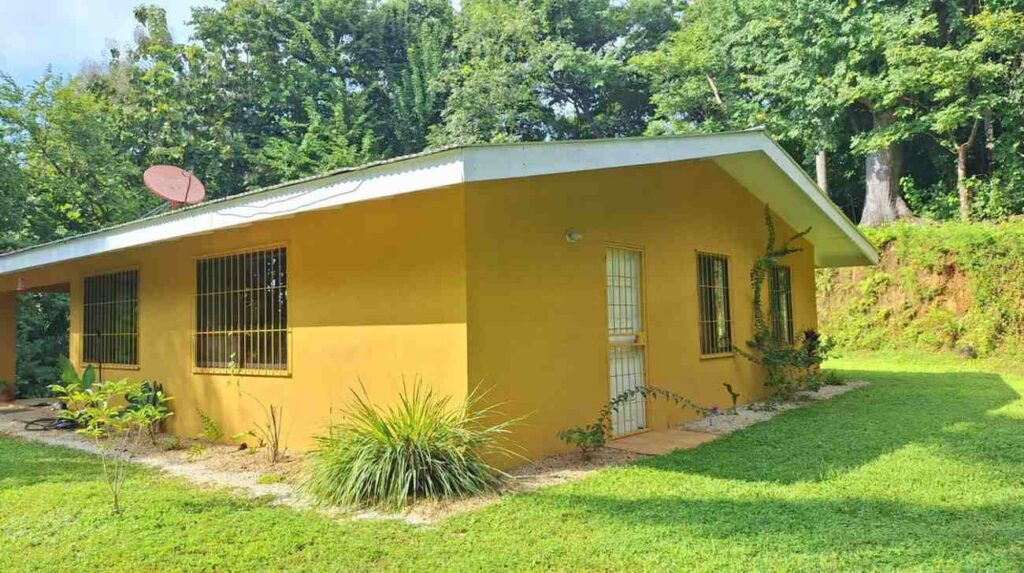
A client purchased a well-positioned Tamarindo condo several years before connecting with us. He managed it independently from the United States using a single Airbnb listing and a neighbor who had agreed informally to hold a spare key. Over two years, he dealt with an unreported plumbing issue that caused ceiling damage to the unit below, three months of zero bookings when the algorithm deprioritized an inactive listing, and an HOA special assessment he only learned about because the management company eventually reached him by phone.
None of those problems were inevitable. All of them were the predictable result of absentee ownership without active local support. When he transitioned to full-service management, his net revenue in the first year covered the management fees and then some, and he stopped getting calls about problems he couldn’t solve from 3,000 miles away.
Boutique, First-Name-Basis Service vs. High-Volume Property Management
Why Scale Works Against the Absentee Owner
A property management company overseeing a very large portfolio cannot give meaningful individual attention to any one property. The economics of that model require standardization. Your property becomes a unit in a system built for throughput. Guest issues get resolved to the minimum standard that prevents a one-star review. Maintenance gets deferred until it becomes urgent. Your occupancy rate is a number in a dashboard, not something anyone is actively working to improve.
The boutique model inverts this. A smaller portfolio means each property receives active attention. Your manager knows the quirks of your specific unit, the preferences of your repeat guests, and which vendor to call for which problem. That specificity produces better outcomes for the property, for the guests, and for your returns.
When evaluating any property management firm, ask directly: how many properties does each manager oversee? What does a monthly reporting summary look like? Who calls you if something goes wrong at 9pm on a Saturday? The answers tell you whether you are entering a relationship or a queue.
Why Longevity and Specialization Matter on the Gold Coast
Eighteen years in a specific market builds something that cannot be replicated quickly: trust relationships with every counterpart in the ecosystem. We know which municipal processes move slowly and which can be navigated more efficiently with the right contact. We know which contractors do clean work and which take shortcuts that show up six months later. We know the neighborhoods well enough to tell you when a property is priced fairly and when the asking price reflects a seller’s optimism rather than the market.
For an absentee owner, that depth of local knowledge is not a luxury. It is the infrastructure that makes ownership viable.
Building the Relationship Before You Need It
The buyers who navigate costa rica real estate for expats most successfully are the ones who started a relationship with a local team before they were ready to make an offer. Early conversations cost nothing and reveal everything, including what the market looks like at your budget, whether your timeline is realistic, and whether the team you’re speaking with is the kind of partner you want for the long term.
We don’t pressure early explorers to become buyers on any timeline. What we offer is a genuine conversation about your goals, an honest assessment of what the market looks like today, and a relationship that will be there when you’re ready to move.
Which service do you need first?
- Early explorer (just starting to research, no timeline set): Start with a discovery conversation. Tell us where you are in your thinking, what draws you to the Gold Coast, and what questions are keeping you up at night. We’ll give you honest answers and a clear picture of what the buying process actually looks like.
- Active buyer (budget defined, ready to search within six months): Start with a property brief consultation. We’ll build a qualified search based on your lifestyle priorities, budget, and rental income goals, and show you listings that actually fit, not just listings that fall in your price range.
- Post-close owner (you already own property on the Gold Coast): Start with a property management review. We’ll walk through your current setup, identify gaps in coverage, and show you what a full-lifecycle management relationship looks like in practice.
Your Gold Coast Journey Starts with the Right Partner, Not the Right Listing
What This Guide Has Armed You to Do
You now have what most expat buyers spend months assembling in fragments: a clear understanding of your legal rights as a foreign owner, a framework for matching your lifestyle to the right community, a step-by-step map of the buying process, a transparent breakdown of every cost from closing through ongoing ownership, a realistic picture of rental income potential, and an honest account of what absentee ownership requires to succeed.
That knowledge matters. Walking into a real estate transaction in an unfamiliar country without it is how buyers end up with properties that don’t fit, costs that weren’t anticipated, and post-closing surprises that could have been prevented.
Why the Right Team Matters More Than Any Single Property
Here is what nearly two decades on the Gold Coast has made undeniable: the buyers who are genuinely glad they bought in Costa Rica five years after closing are almost never the ones who found the most spectacular listing. They are the ones who found the right team first.
The right property purchased with poor guidance produces problems. A good-but-not-perfect property purchased with excellent guidance, managed attentively, and supported through every stage of ownership produces exactly what brought you here in the first place: a life that runs better, an investment that performs, and a place that feels like yours.
Costa rica real estate for expats is not complicated when you have people beside you who have done it many times before and will still be beside you long after the paperwork is filed.
Your Invitation: Begin a Relationship, Not a Transaction
We are not asking you to make a decision. We are asking you to have a conversation.
Tell us where you are in your thinking. Tell us what draws you to the Gold Coast, what worries you about the process, and what you want your life to look like when this is all done. We’ll tell you honestly what we see in the market, what fits your goals, and what to watch out for.
That conversation is free. The relationship it starts is the most valuable thing you will find in this market.
Frequently Asked Questions
Do I need to be a resident of Costa Rica to buy property?
No. A foreign national with a valid passport can purchase, own, and sell property in Costa Rica without any residency status. Many buyers own property here for years before applying for residency, or never apply at all. Residency becomes relevant primarily if you want to live here full-time, access the public healthcare system, or qualify for programs like the Pensionado or Rentista visa, but it has no bearing on your right to own real estate.
Can you buy a house in Costa Rica for $50,000?
Properties at that price point exist, but they are typically rural lots, older structures in interior communities, or properties with significant title or condition complications. On the Gold Coast specifically, the realistic entry point for a clean, titled, move-in-ready property in an established expat community starts around $150,000 to $200,000 for a modest condo unit, with single-family homes beginning closer to $250,000 to $350,000. Very low prices in a desirable coastal market almost always signal a location far from expat amenities, a meaningful condition or title problem, or a distressed sale with complications.
What are the hidden costs and fees when buying property in Costa Rica?
Nothing about the standard closing costs is truly hidden, but they are often under-explained. Budget for a transfer tax of approximately 1.5% of the purchase price, combined legal and notary fees of 1% to 1.5%, escrow service fees typically between $500 and $1,500, and miscellaneous stamp duties of a few hundred dollars. In total, closing costs generally run 3% to 4% of the purchase price. Ongoing ownership costs include annual property tax at 0.25% of registered value, HOA or COA fees, property insurance, utilities, and a routine maintenance reserve. We walk every client through the full picture before they commit to anything.
How long does it take to buy property in Costa Rica?
Most transactions close within 30 to 90 days from an accepted offer, assuming due diligence proceeds cleanly and both parties are motivated. The most common sources of delay are title complications discovered during the registry search, financing arrangements that take longer than anticipated, or incomplete documentation on the seller’s side. Working with an experienced local attorney and a knowledgeable agent keeps the process moving without cutting the corners that matter.
What is the best region in Costa Rica for expats?
The honest answer is that the best region depends on your specific life. The Gold Coast of Guanacaste offers direct international flight access, an established expat community, warm and dry high season weather, strong vacation rental income potential, and a concentration of professionals who specialize in foreign ownership. For buyers who want to retire in Costa Rica, invest in a vacation rental, or relocate as a remote professional, it is the most consistently well-suited region in the country. That said, if cooler temperatures, urban amenities, or deep wilderness are your priorities, the Central Valley or Southern Zone may be a better fit, and we’ll tell you that honestly.
Can I manage my Costa Rica property from abroad?
Yes, with the right local infrastructure in place. Without it, distance turns small problems into large ones quickly. A good full-service property management team handles day-to-day maintenance, vacation rental marketing and guest communication, HOA representation, utility payments, and emergency response on your behalf. The key questions to ask any management firm are how many properties each manager oversees, what their reporting process looks like, and who you call at 9pm on a Saturday. The answers tell you whether you’re entering a real relationship or simply joining a queue.
What are property taxes and ongoing costs for owners in Costa Rica?
Costa Rica’s annual property tax (Impuesto sobre Bienes Inmuebles) is 0.25% of the property’s registered fiscal value, one of the lowest rates in the Western Hemisphere. On a $300,000 property, that’s approximately $750 per year. Add HOA or COA fees ranging from $100 to $800 or more per month depending on your development, property insurance of roughly $1,500 to $3,000 annually, utilities of $150 to $350 per month, and a maintenance reserve of $1,500 to $3,000 per year. If you rent the property, factor in management fees of 20% to 30% of gross rental revenue for full-service management. Understanding all of this before you buy is how you make a decision you’ll feel confident about for years to come.