
The Cheapest Place to Live in Costa Rica: Real Budgets, Real Towns, and Honest Trade‑offs
If you are comparing where to live in Costa Rica, the cheapest answer is usually not the postcard answer. The lowest monthly costs are found inland, in mountain towns, agricultural hubs, and less-developed coastal areas-not in the most famous beach towns. This guide explains the cheapest place to live in Costa Rica for buyers and renters who want lower costs without ignoring safety, services, or resale.
This guide gives you realistic 2026 budgets in U.S. dollars, the trade-offs behind the lower prices, and where the Gold Coast of Guanacaste still makes sense if lifestyle, resale, and beach access matter.
Table of Contents
What is the cheapest place to live in Costa Rica? (Fast answer first)
How much does it really cost to live in Costa Rica in 2026?
Cheapest regions in Costa Rica at a glance
Central Valley: Costa Rica’s budget-friendly heartland
Inland Guanacaste: living near the Gold Coast without paying beach premiums
Caribbean coast: cheaper ocean living with a different vibe
Southern Zone and Arenal: mountain value and nature first
The Gold Coast: not the cheapest place to live in Costa Rica, but often the best value for some lifestyles
Matching your budget to your ideal lifestyle
Why choose Coastal Realty for Gold Coast and nearby value options
Frequently asked questions about the cheapest places to live in Costa Rica
Conclusion: choosing your version of “cheap” in Costa Rica
What is the cheapest place to live in Costa Rica? (Fast answer first)
The cheapest place to live in Costa Rica is usually an inland town such as Cartago, San Isidro de El General in the Southern Zone, or smaller inland communities in Guanacaste and Limón. In 2026, a single person can often live on about $900–$1,300 per month in these areas, while a couple may land around $1,400–$1,900.
Some of the cheapest places are affordable because they are not built around tourists or luxury rentals.
- They are inland, rural, or outside major tourist areas.
- They have fewer English-speaking services and less expat infrastructure.
- They require more Spanish and more connection with local culture.
- They are usually a longer drive from beach towns and international schools.
The very cheapest areas are rarely on the sand; you trade proximity to famous coastal areas for lower housing costs and everyday cost of living. Below, you’ll compare costa rica regions, real towns, and practical monthly budget examples.
How much does it really cost to live in Costa Rica in 2026?
The cost of living in Costa Rica varies significantly depending on the region, with urban areas and popular tourist destinations being more expensive than rural locations. These numbers are for long term residents, not vacationers. If you’re weighing Costa Rica against its southern neighbor, our Costa Rica vs Panama cost of living comparison for 2026 breaks down how the two countries stack up for North American expats.
For a single person, average costs often look like this:
- Shoestring in a rural inland town: around $900–$1,100.
- Comfortable in a typical Central Valley town: about $1,300–$1,700.
- Comfortable in a mid-range beach town: around $1,800–$2,400.
- Gold Coast beach comfort: often $2,200–$3,000+.
Your monthly costs depend on housing costs, groceries, public transportation versus owning a car, healthcare, dining, and other expenses. Housing prices are usually the biggest swing factor. In Costa Rica, rental prices for a one-bedroom apartment in a central location typically range from $700 to $1,500 per month, while in less central areas, prices can drop to between $350 and $600.
Imported goods, restaurant-heavy routines, and air conditioning raise living costs quickly. Local markets, buses, fan-only homes, and a simple pura vida lifestyle help you save money.
Cheapest regions in Costa Rica at a glance
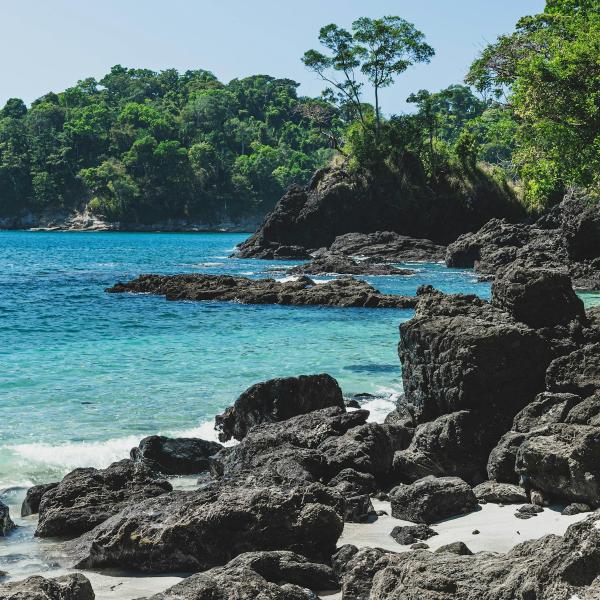
Costa Rica’s cheapest places cluster away from the priciest parts of San José and the most famous pacific coast communities. The most affordable places to live in Costa Rica are inland mountain towns, rural agricultural hubs, and lesser-developed coastal regions.
- Central Valley satellite towns such as Grecia, San Ramón, Atenas, and Cartago: often $1,000–$1,600 per month, with cooler weather and good services.
- Inland Guanacaste, including Liberia and smaller towns inland from the Gold Coast: often $900–$1,400, with beach access by car.
- Caribbean coast towns such as Puerto Viejo, Cahuita, and smaller villages: often $1,000–$1,700, with more rain and rustic charm.
- Southern Zone inland, especially San Isidro de El General / Pérez Zeledón: often $900–$1,300, with strong agriculture and lower prices.
- Arenal / Lake Arenal: often $1,000–$1,400, with natural beauty, bird watching, and outdoor activities.
The Central Valley and the Southern Zone are among the most affordable regions for expats in Costa Rica, and choosing towns further from tourist-heavy beach enclaves can save expats between 30% and 40% on rent and daily expenses.
Central Valley: Costa Rica’s budget-friendly heartland
The Central Valley is considered the cheapest overall region for expats looking to settle down in Costa Rica while keeping access to san jose hospitals, the capital city, and the country’s largest city services. Central Valley towns like Grecia and San Ramón experience spring-like weather year-round, making air conditioning or heating unnecessary.
Reliable and expansive local bus networks make owning a vehicle optional in many Central Valley areas, allowing for savings on gas, insurance, and maintenance. City center costs are higher than rural edges, but still significantly lower than many coastal hotspots.
Grecia: small-city living with mountain views
Grecia, located in the Alajuela province, has coffee-covered hills, a walkable city center, and a noticeable expat community. A single person can expect to spend between $1,000 to $1,500 per month in areas like Grecia, which is considered one of the more affordable places to live in Costa Rica.
The cost of living in Grecia is about 25% cheaper than in the more popular Tamarindo, with rental prices for a two-bedroom home averaging around $800. Typical housing:
- One bedroom apartment or small casita: roughly $450–$700.
- Two- to three-bedroom homes: about $700–$1,100.
Grecia suits budget conscious expats who want community, cooler nights, and lower utility bills. It is often 1.5–2 hours from the central pacific or Gold Coast beach towns, so beach lovers should be honest about that trade-off.
San Ramón: university town on a budget
San Ramón is a Central Valley town west of San José with a university, central market, and a local rhythm that feels less polished than Atenas. A single person often spends $1,000–$1,400; a couple may spend $1,500–$2,000.
Housing ranges include:
- Simple one-bedroom rentals: around $400–$650.
- Larger homes outside the town center: about $700–$1,000.
San Ramón works well if you value lower cost, buses to San José, and a slower pace over resort amenities. The beach is usually 1.5–2.5 hours away.
Atenas: “perfect climate” and low utility bills
Atenas is known for rolling hills, mild weather, and a growing foreign-buyer presence. Budgets are slightly higher: about $1,200–$1,700 for a single person and $1,700–$2,200 for a couple.
Housing usually runs:
- One-bedroom or small two bedroom homes: about $550–$900.
- View homes or gated communities: $1,200+.
Because residents in the mountainous and Central Valley regions do not need to pay for heating or air conditioning, utility bills can stay low. Atenas is roughly 45–60 minutes to San José and 60–90 minutes to central Pacific beaches.
Cartago: historic and genuinely cheap
Cartago, Costa Rica’s former capital east of San José, is cooler, family-oriented, and less focused on many expats. Downtown one-bedroom apartments can still appear in the $350–$500 range, and a monthly total for a single person may fall around $900–$1,300 with careful budgeting.
Cartago is best if you want a lower cost, strong local culture, and local services over English-speaking convenience. You are about 1.5–2 hours from many Pacific beaches, so it is not ideal for daily surf.
Inland Guanacaste: living near the Gold Coast without paying beach premiums
Inland Guanacaste gives you access to the Gold Coast without Gold Coast rents. Instead of living directly in Playas del Coco, Playa Hermosa, Flamingo, Las Catalinas, or Tamarindo, you base yourself inland and drive.
This can be excellent value if you want the airport, shopping, and beaches nearby without paying beachfront premiums.
Liberia: gateway city with a budget-friendly core
Liberia is the largest city in Guanacaste, home to the international airport, hospitals, shopping, and schools. Liberia, Guanacaste has a cost of living for a single person ranging from $700 to $1,000 per month on a barebones local lifestyle, while many expats budget $1,000–$1,400.
In Liberia, expats can find a variety of housing options, with rental prices for a two bedroom apartment ranging from $750 to $1,200, while a three-bedroom apartment can be rented for as low as $320 in very local or older inventory. Local-style one-bedrooms or small two-bedrooms often run $450–$750; newer gated options may reach $800–$1,300.
You are roughly 25–40 minutes to Playas del Coco or Playa Hermosa, and 45–60 minutes to Flamingo or Tamarindo. The trade-off is heat, a city feel, and possible A/C costs.
Smaller inland Guanacaste towns
Small towns between Liberia and the coast, or along the Pan-American Highway, can be among the cheaper options in the northwest. A single person may spend $900–$1,300, while couples often land around $1,400–$1,900.
Local houses can rent for $350–$600, sometimes less on year-long leases. You will find fewer formal condos, less English, basic clinics, and longer rural-road drives to the Gold Coast.
Caribbean coast: cheaper ocean living with a different vibe
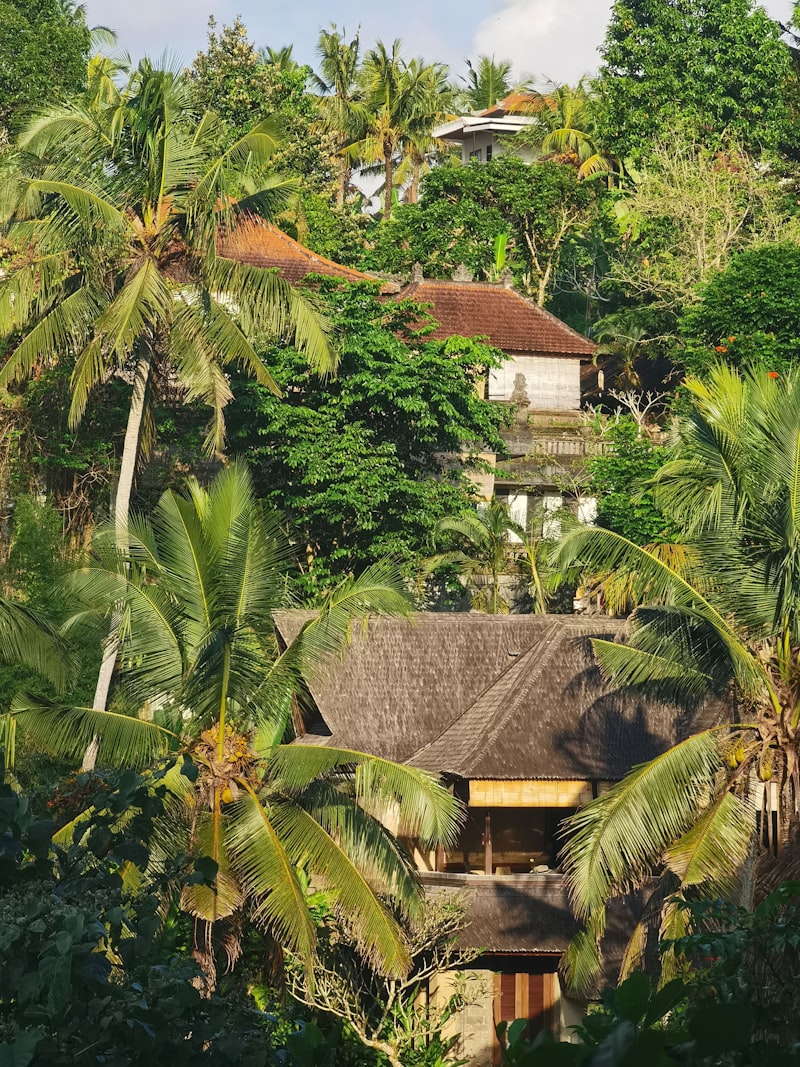
The caribbean coast has Afro-Caribbean culture, reggae rhythms, thick jungle, and more rain than much of the Pacific. The Caribbean coast towns of Puerto Viejo and Cahuita provide a lower cost of living compared to the Pacific coast, with affordable housing and local eateries offering budget-friendly dining options.
Puerto Viejo: laid-back and relatively affordable
Puerto Viejo is a beach town with surf, backpackers, locals, and long-term residents. It is not always the absolute cheapest place to live in Costa Rica, but it is one of the more affordable true beach towns.
Budget about $1,200–$1,700 for a single person and $1,800–$2,300 for a couple. Simple studios or one-bedrooms may run $500–$800; larger modern homes with A/C can reach $900–$1,400+.
Expect humidity, mold maintenance, fewer hospitals, and fewer banking options than the Central Valley or Gold Coast.
Cahuita and smaller Caribbean villages
Cahuita is quieter than Puerto Viejo and close to Cahuita National Park. A single person may spend $1,000–$1,500, while a couple may spend $1,600–$2,000.
Basic houses often run $400–$650, while more tourist-ready rentals can reach $700–$1,100. The upside is nature and community; the downside is fewer services, weaker internet in some pockets, and longer travel to major urban areas.
What Is the Cheapest Beach Town in Costa Rica?
Many people searching for the cheapest place to live in Costa Rica eventually ask a different question: What is the cheapest beach town in Costa Rica? The answer depends on how much infrastructure, tourism, and expat amenities you’re willing to give up.
Generally speaking, the most affordable beach communities are found on the Caribbean Coast, in parts of the Southern Zone, and in lesser-known Pacific towns away from Costa Rica’s major tourism hubs. While beach living almost always costs more than inland living, there are still places where renters and retirees can keep monthly expenses relatively low.
Puerto Viejo
Puerto Viejo is one of Costa Rica’s most affordable and popular beach towns. It offers surf, restaurants, and a strong international community, often at a lower cost than Pacific Coast destinations like Tamarindo or Santa Teresa.
Cahuita
Cahuita is typically quieter and more affordable than Puerto Viejo. Residents enjoy access to beaches, nature, and a relaxed lifestyle, though services and amenities are more limited.
Southern Zone Communities
Areas near Dominical, Uvita, and smaller coastal communities south of them can offer good value compared to Costa Rica’s best-known beach destinations. Buyers and renters willing to live a short drive from the beach often find significantly lower housing costs.
Gold Coast Communities
Places like Tamarindo, Flamingo, and Playa Hermosa generally are not the cheapest beach towns in Costa Rica. However, many buyers consider them among the best values because of their infrastructure, airport access, rental demand, and resale potential.
For most people, the cheapest beach town isn’t necessarily the best place to live. The right choice relies on your budget, healthcare needs, transportation requirements, and desired lifestyle.
Southern Zone and Arenal: mountain value and nature first
These areas appeal to retirees and nature lovers who want affordability more than a bustling beach town. Individuals or couples can live comfortably in these areas on a budget of $1,500 to $2,500 per month, depending on housing and transport.
San Isidro de El General (Pérez Zeledón): affordable Southern Zone hub
San Isidro de El General, located in the Southern Zone of Costa Rica, offers a significantly lower cost of living compared to urban areas, making it a popular choice for those seeking tranquility and affordability. It is an agricultural and commercial hub about an hour from Dominical and Uvita.
A single person typically spends $900–$1,300; a couple often spends $1,400–$1,900. Local one- to two-bedroom rentals start around $350–$600, while larger newer homes may cost $700–$1,000.
Towns like Pérez Zeledón thrive on local farming, keeping grocery budgets around $300 a month by shopping at local markets. Trade-offs include curvy mountain roads, fewer international schools, and fewer English-speaking professionals.
Arenal and Lake Arenal: volcano views on a budget
Arenal includes La Fortuna and Lake Arenal communities such as Nuevo Arenal. Expect volcano views, hot springs, hiking, boating, and a tight-knit expat community.
A single person may spend $1,000–$1,400; a couple may spend $1,500–$2,000. Simple one-bedroom apartments can run $320–$600, and three-bedroom houses may fall around $600–$1,000 away from tourist cores.
You get outdoor activities and natural beauty, but you are several hours from any coastline.
The Gold Coast: not the cheapest place to live in Costa Rica, but often the best value for some lifestyles
The Gold Coast is Guanacaste’s Pacific strip: Playas del Coco, Playa Hermosa, Flamingo, Las Catalinas, and Tamarindo. Tamarindo is a bustling beach town famous for surf, nightlife, and restaurants; Flamingo adds a new marina and luxury appeal.
The Gold Coast is not the cheapest option, but for many North American buyers, it offers excellent value through lifestyle, rental demand, and resale potential.
Typical cost of living on the Gold Coast
A single person often spends $1,800–$2,800+ per month. A couple commonly spends $2,400–$3,500+ for a comfortable beach lifestyle.
Housing usually looks like this:
- Long-term studio or one-bedroom near Playas del Coco or Tamarindo: $800–$1,500.
- Two- to three-bedroom condos or homes: $1,400–$2,500+.
- Ocean views, pools, and luxury finishes: higher.
Utilities can run $100–$250 monthly, especially with air conditioning. Groceries in Costa Rica can cost around $300 to $400 per month for a single individual, with local markets offering lower prices compared to supermarkets. Dining out in Costa Rica can range from $5 for a meal at a local soda to $15–$30 for a three-course meal at a mid range restaurant.
Why some buyers choose the Gold Coast anyway
Many North American retirees and investors pay more because the Gold Coast offers:
- Easy Liberia International Airport access to the US and Canada.
- English-speaking services, schools, healthcare, and many expats.
- Strong short- and long-term rental markets.
- Better liquidity if you buy property rather than rent.
Coastal Realty has worked in this region since 2006, helping buyers compare beachfront dreams with realistic monthly costs.
Matching your budget to your ideal lifestyle
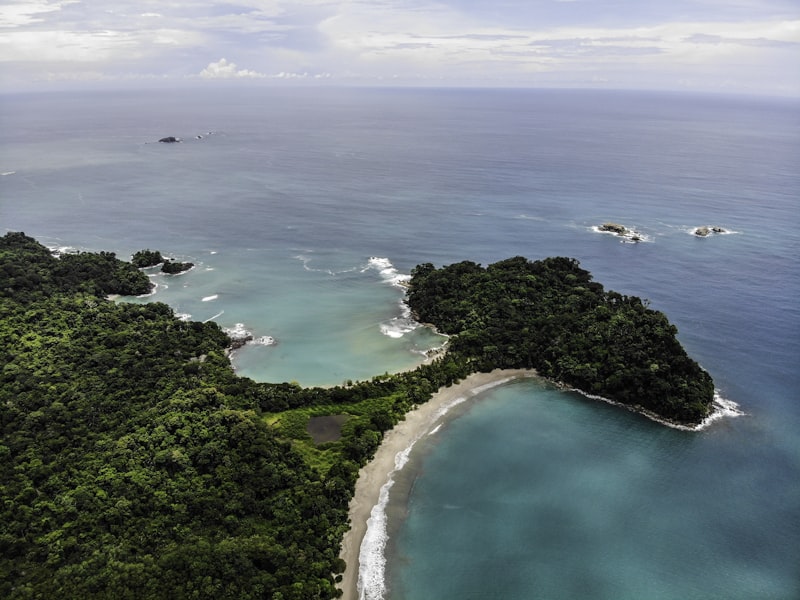
There is no single cheapest place to live in Costa Rica for everyone. The right affordable place depends on climate, healthcare, transportation, community, and how often you want the ocean.
- Under $1,200 per month, single: look at Cartago, San Ramón, and San Isidro.
- $1,300–$1,800: consider Grecia, Atenas, inland Guanacaste, Arenal, or modest Caribbean options.
- $1,800–$2,500+: modest rentals in Pacific beach towns become possible.
- $2,500+ couple: broad choice, including comfortable Gold Coast communities.
Ask yourself how important it is to walk to the beach, how often you fly home, whether you prefer cooler nights, and how comfortable you are with Spanish.
Why choose Coastal Realty for Gold Coast and nearby value options
Coastal Realty is a boutique Costa Rica real estate agency focused on Guanacaste’s Gold Coast since 2006. You get grounded advice for US and Canadian buyers, not a tourist brochure.
Coastal Realty helps you evaluate:
- Playas del Coco, Playa Hermosa, Flamingo, Las Catalinas, Tamarindo, and nearby inland options.
- Smaller condos, older homes, and up-and-coming neighborhoods with lower monthly costs, including homes for sale in Costa Rica under $100K.
- HOA fees, utilities, property taxes, rental potential, and unexpected expenses.
- Whether your numbers actually fit the Gold Coast or point to a cheaper Central Valley or Southern Zone town.
You can explore practical ownership resources at coastalrealtycostarica.com.
Frequently asked questions about the cheapest places to live in Costa Rica
- Is Costa Rica really cheaper than the US or Canada? Yes, especially outside top tourist zones. Housing and healthcare can be significantly lower than in North America, though imported goods, A/C, and coastal amenities can resemble prices in other countries.
- Can I live on $1,000 a month? It is tight but possible for a single person in rural areas such as Cartago, San Isidro, or very local inland neighborhoods if you rent modestly and avoid car ownership.
- What are the absolute cheapest areas, and are they safe? Inland Central Valley towns and the Southern Zone are often cheapest. Costa Rica is known for being a friendly and hospitable nation, but understanding local safety dynamics is crucial for expats and travelers.
- What safety tips matter most? Expats and travelers should stay informed about the safety of their chosen areas in Costa Rica to ensure a stress-free experience. While Costa Rica has a low crime rate compared to many countries, petty theft can occur in tourist areas, so maintaining attention to personal belongings is recommended. Engaging with local expat communities can enhance safety and provide useful insights about living in Costa Rica.
- Is any beach town truly cheap? Rarely. The Caribbean coast and a few lesser-known Pacific communities can be relatively affordable, but beach towns almost always cost more than inland.
- How do healthcare and insurance affect my budget? Expats who are legal residents can access the universal Caja system for affordable healthcare, and your monthly caja payment should be included in your plan. Private care is still often cheaper than North America, especially near San José, San José private hospitals, and the Gold Coast.
- What about residency? Costa Rica offers several pathways to residency, including investor, rentista, and pensionado options, each with different requirements. To qualify for the Pensionado Program, retirees must demonstrate a monthly pension income, which is relatively modest, ensuring they can support themselves. Engaging legal professionals familiar with Costa Rican laws is beneficial for expats to navigate the residency process and avoid common pitfalls.
- What about property ownership costs? Property taxes are low by North American standards, but HOA fees, maintenance, insurance, and repairs vary widely.
Conclusion: choosing your version of “cheap” in Costa Rica
- The cheapest place to live in Costa Rica is usually inland, in smaller Central Valley or Southern Zone towns.
- Costa Rica offers a wide spectrum, from ultra-frugal rural living to higher-end coastal ownership.
- Beach towns and the Gold Coast cost more, but they offer ocean access, services, rental strength, and resale potential.
- Most expats land somewhere between the cheapest possible life and the most expensive coastal lifestyle.
Before you decide, map your real monthly budget, visit at least two contrasting areas, and include healthcare, transportation, and community in the calculation. Participating in local festivals and events is a great way for expats to immerse themselves in Costa Rican culture and build connections with locals, enhancing their overall experience in the country. Engaging in cultural activities and supporting local businesses are essential aspects of the local lifestyle in Costa Rica, allowing expats to connect with the community and experience authentic cultural exchanges. The motto “Pura Vida” reflects the relaxed and content way of life in Costa Rica, encouraging residents to embrace simplicity and community engagement.
If Guanacaste’s Gold Coast or nearby inland value options are on your shortlist, contact Coastal Realty through coastalrealtycostarica.com for an honest, budget-focused consultation.
Frequently Asked Questions
What is the cheapest place to live in Costa Rica?
The cheapest places to live in Costa Rica are typically inland communities such as Cartago, San Ramón, Grecia, and San Isidro de El General. These areas generally offer lower housing costs, reduced daily expenses, and access to local services without the premium associated with major beach destinations.
Can you live comfortably in Costa Rica on $1,500 per month?
Yes. Many singles and couples live comfortably in Costa Rica on $1,500 per month, particularly in inland communities such as San Ramón, Cartago, Grecia, or San Isidro de El General. Housing choices, transportation, dining habits, and healthcare needs will ultimately determine how far your budget goes.
Can you retire in Costa Rica on $2,000 per month?
Many retirees successfully live in Costa Rica on $2,000 per month, especially outside the country’s most expensive tourist destinations. Inland communities and smaller towns often provide affordable housing, lower utility costs, and access to quality healthcare while maintaining a comfortable lifestyle. For town-by-town recommendations, see our ranked guide to the best places to retire in Costa Rica.
Is Costa Rica cheaper than the United States and Canada?
In many cases, yes. Housing, healthcare, property taxes, and local services are often significantly less expensive than in the United States or Canada. However, imported products, vehicles, air conditioning, and some coastal amenities can be comparable to North American prices.
What are the most affordable areas in Guanacaste?
Liberia and smaller inland communities throughout Guanacaste tend to have the lowest cost of living in the region. Buyers and renters can often reduce housing expenses significantly by living 20 to 40 minutes inland from popular beach destinations such as Tamarindo, Playa Flamingo, or Playa Hermosa.
What are the hidden costs of living in Costa Rica?
Common overlooked expenses include private health insurance, vehicle ownership, air conditioning, property maintenance, HOA fees, internet service, residency-related costs, and travel back to North America. Budgeting for these items provides a more realistic picture of long-term living expenses.