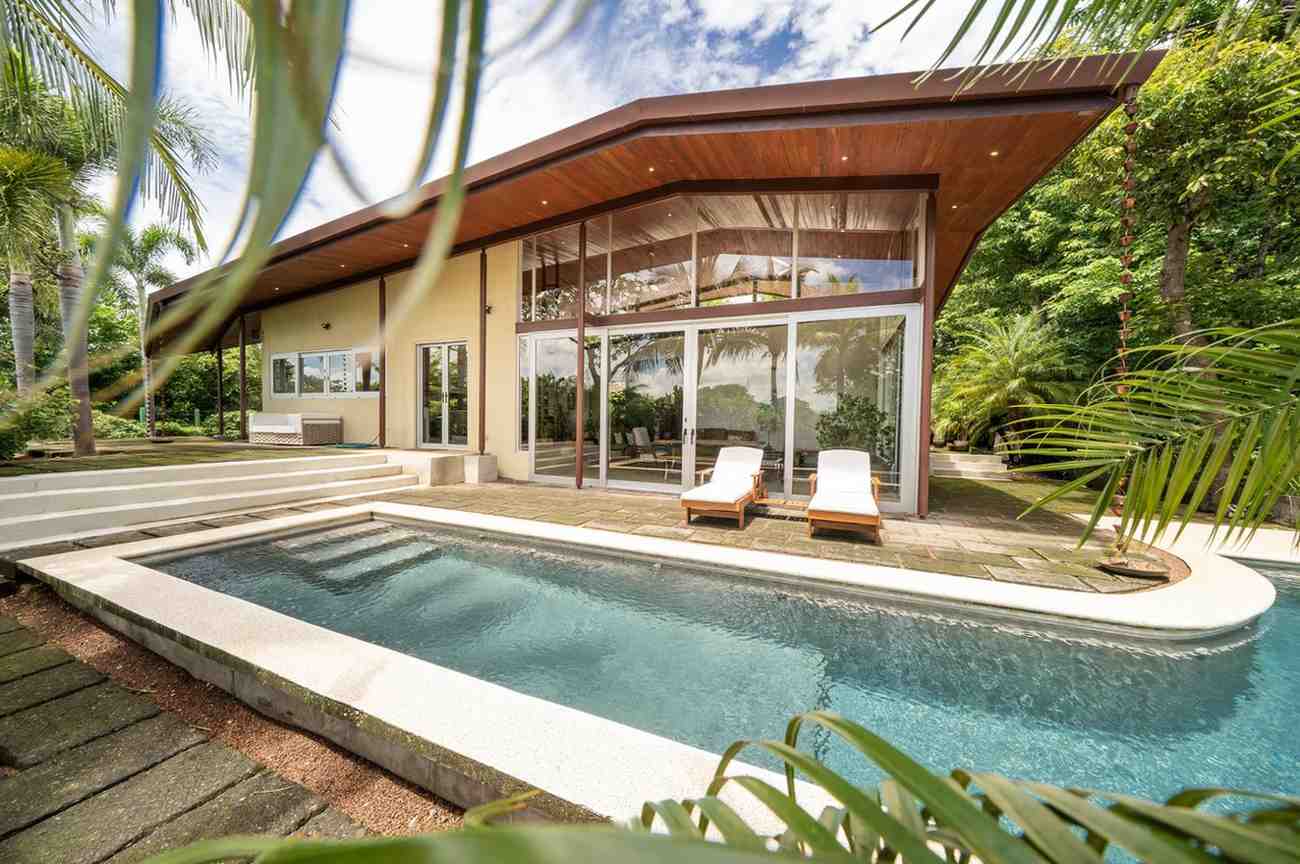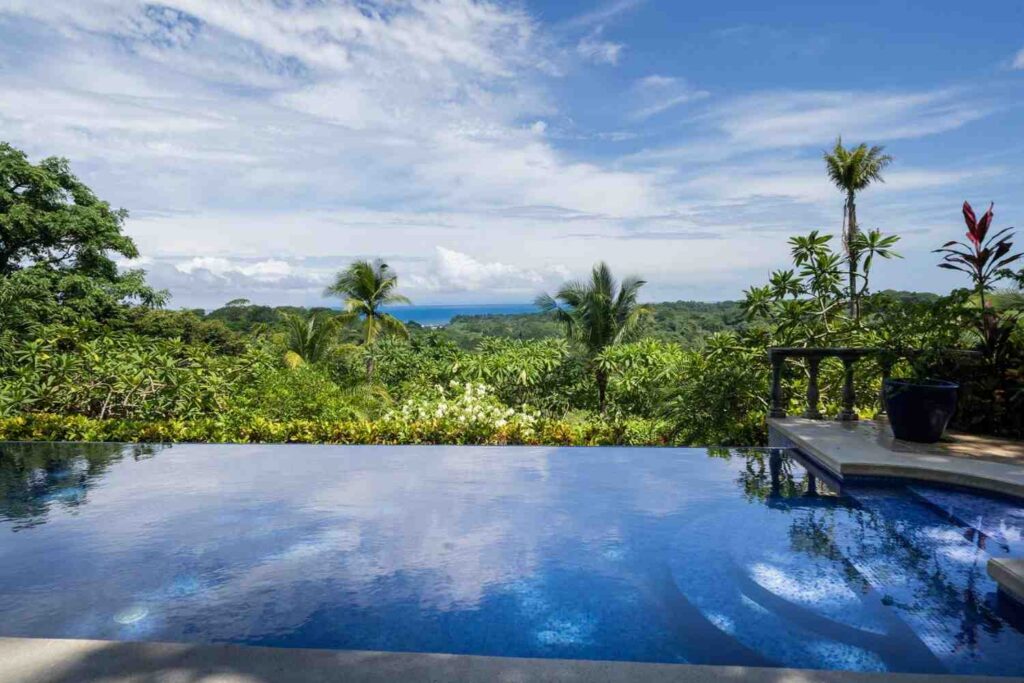
Playas del Coco Real Estate: Playas del coco costa rica real estate: Why Playas del Coco Belongs on Every Foreign Buyer’s Radar Right Now

Foreign buyers who discover Playas del Coco rarely stop researching it. The combination of established infrastructure, direct international air access, a thriving expat community, and one of Costa Rica’s most consistent sunshine records makes this corner of Guanacaste Province a rare convergence of dream and practicality. For those evaluating playas del coco costa rica real estate seriously, the more you learn, the more the case builds.

The Gold Coast Lifestyle Promise: What Makes Guanacaste Province Different

Guanacaste is Costa Rica’s driest province, and that matters enormously for people planning a life around the outdoors. While the rest of the country navigates a long rainy season, the Gold Coast averages 300 or more sunny days per year. Combine that with Pacific Ocean temperatures that rarely drop below comfortable, and you have a region where outdoor living is not a weekend luxury but an everyday condition.

The Papagayo Region Advantage: Sun, Infrastructure, and Accessibility

The Papagayo Peninsula sits at the northern tip of the Gulf of Papagayo, and the towns and beaches that ring it, including Playas del Coco, have benefited from two decades of deliberate infrastructure investment. Paved roads, reliable high-speed internet, modern medical facilities, and a growing hospitality sector make this corridor function at a standard that surprises many first-time visitors. This is not frontier territory. Grocery stores carry familiar brands. Pharmacies are well-stocked. Private clinics with English-speaking physicians operate within a short drive.

Daniel Oduber Quirós International Airport and the Direct-Flight Factor

The single most underrated driver of Gold Coast real estate demand is the Liberia airport, commonly referenced by its code LIR. Direct non-stop flights connect Liberia to Atlanta, Dallas, Houston, Miami, New York, Toronto, and several other North American cities, with seasonal routes expanding each year. Playas del Coco sits roughly 35 minutes from LIR on a progressively improved highway. For a part-time resident managing a property from abroad, that connection time is the difference between a grueling travel day and a simple afternoon arrival. This dynamic makes playas del coco costa rica real estate one of the most exciting opportunities in Central America.

The Expat Community Already Here: You Won’t Be Starting from Zero

One of the quieter fears buyers carry into this market is social isolation, the worry of moving to a foreign country where they know no one and cannot communicate easily. In Playas del Coco, that concern dissolves quickly. The town has hosted a significant North American and European expat population for more than two decades, which means the community infrastructure that supports newcomers is already mature. English is widely spoken in businesses, restaurants, and professional services. Expat Facebook groups, weekly social gatherings, sailing clubs, dive shops, and volunteer organizations give new residents an immediate on-ramp to a full social life. You are joining an established community, not building one from scratch.

Pura Vida as a Practical Reality: What Daily Life Actually Looks Like

“Pura vida” gets used so often as a marketing slogan that its practical meaning gets lost. For North American buyers who actually live on the Gold Coast, it translates to something specific: a pace and culture that prioritizes quality of life over urgency. Daily routines tend to center on the water, whether that means morning walks on the beach, afternoon sailing, or simply having coffee on a terrace with an ocean view. Restaurants in town serve everything from fresh ceviche to American-style burgers. Weekend farmer’s markets supply local produce. The practical reality is that a North American buyer can build a familiar, comfortable daily life here without sacrificing the things they value, while genuinely gaining a slower, warmer, and more connected rhythm.

— For buyers focused on playas del coco costa rica real estate, this point deserves careful attention.

What the Playas del Coco Property Market Actually Looks Like

The playas del coco costa rica real estate market offers more range than most buyers expect, from modest building lots under $100,000 to oceanfront villas well into the millions. Understanding how that inventory is structured helps you enter conversations with agents from a position of knowledge.

A Living Inventory: Homes, Condos, Villas, Lots, and Commercial Properties

The market here is not dominated by one property type. Active listings at any given time include single-family homes, condominium units in gated communities, standalone luxury villas, raw land parcels, and a smaller share of commercial properties. Each category attracts a different buyer profile and carries different ownership and management implications.

Beachfront and Ocean-View Properties: Understanding the Tier Structure

True beachfront in Costa Rica refers to properties fronting the Maritime Zone, which is subject to specific legal restrictions covered in detail later in this guide. What most buyers actually purchase are ocean-view properties on elevated hillsides or ridgelines overlooking the Pacific. These divide into three informal tiers: direct water frontage with beach access, elevated lots with unobstructed panoramic views, and partial-view properties positioned lower on a slope or partially screened by vegetation. Price differences between tiers are significant, and the view quality at any given property changes with the season and time of day in ways that listings rarely capture accurately. This is a critical factor when evaluating playas del coco costa rica real estate options.

Luxury Villas and Resort-Style Condominiums: The Premium Segment

The premium end of the Gold Coast market concentrates around gated communities with resort amenities, including infinity pools, 24-hour security, fitness centers, and professional HOA management. Villas in this segment typically start around $600,000 and scale well beyond $2 million for architecturally distinctive builds on prominent view lots. Resort-style condominiums offer a lower entry point into the same amenity profile, with units ranging from approximately $250,000 for a well-positioned one-bedroom to $700,000 or more for a penthouse in a sought-after community.

Mid-Market Homes and Building Lots: Entry Points Worth Knowing

The mid-market segment, roughly $150,000 to $450,000, includes a mix of established homes in residential neighborhoods, newer construction in smaller gated communities, and building lots where buyers want to design their own space. This is also where value-oriented buyers find opportunities that luxury-focused marketing rarely highlights: a well-maintained three-bedroom home a few minutes from the beach, or a lot in an already-established neighborhood with utilities in place.

Price Range Context: From Accessible to Ultra-Luxury

A useful mental framework: the Gold Coast market has no real price floor for land, with raw parcels in secondary locations starting below $80,000, and no practical price ceiling for the right villa on the right view lot. Most foreign buyers who have done early research arrive expecting to spend between $250,000 and $600,000, and the market has meaningful inventory across that full range. What changes within that band is not just size and finish quality but location, community amenities, rental potential, and the degree of management required as an overseas owner. Savvy investors in playas del coco costa rica real estate often cite this as a decisive advantage.

Market Positioning in 2026: Why the Gold Coast Continues to Attract Serious Buyers

The Gold Coast has not experienced the speculative boom-and-bust cycle that affected some other Latin American beach markets. Appreciation here has been steadier, underpinned by genuine demand from North American retirees, part-time residents, and vacation rental investors. Inventory constraints, specifically the finite amount of developable land near the water, continue to support values. The 2026 market reflects elevated interest-rate conditions in North America that have pushed more cash buyers toward Costa Rica as a comparatively straightforward international purchase with no foreign ownership restrictions.

Neighborhood and Property Type Decision Matrix

Use this matrix to identify which property category and micro-location best fits your priorities before speaking with an agent. This is why demand for playas del coco costa rica real estate continues to grow year on year.

Your PriorityBest Property TypeBest Micro-Location

| Social energy, walkability, low maintenance | Condo or townhome | Coco Centro or adjacent residential streets | Anyone serious about playas del coco costa rica real estate should factor this into their decision.

Privacy, panoramic views, spaceVilla or single-family homeElevated lots above Ocotal or Hermosa
Rental income optimizationResort-style condo with HOAGated communities near Coco with pool and security
Custom build, long-term investmentBuilding lotMid-slope lots in established neighborhoods
Quiet retreat, nature proximitySmall home or casitaPlaya Hermosa or inland from Ocotal
Lock-and-leave simplicityManaged condoAny Gold Coast community with full-service HOA

Before finalizing your category, consider these four questions:

  • How many weeks per year will you actually use the property?
  • Does rental income need to offset carrying costs, or is this purely a lifestyle purchase?
  • How hands-on are you willing to be with maintenance from abroad?
  • Do you want to be walking distance to restaurants and services, or is a quiet hillside preferable?

These questions will shape which column of this matrix matters most to you, and they are the right starting point for any conversation with a local advisor.

Neighborhoods That Match Your Lifestyle: From Coco Centro to Playa Ocotal and Beyond

No two neighborhoods on the Gold Coast attract the same buyer, and the differences go well beyond price and distance to the beach. Choosing the right micro-location is one of the highest-leverage decisions in this purchase, and it is one where a local partner’s knowledge genuinely cannot be replicated by browsing listings.

Coco Centro: The Heartbeat of Town Life

Coco Centro is the commercial and social hub of Playas del Coco, and buyers who choose it are specifically choosing the energy of a working beach town. The main beach, the town square, the best seafood restaurants, the dive shops, and the weekly informal social gatherings all operate within walking distance. Property here skews toward condominiums and smaller homes rather than large estates, and values reflect the premium of walkability. For buyers who want to feel the pulse of a real community rather than retreat behind a gated perimeter, Coco Centro is the right choice. It also performs well as a vacation rental due to its proximity to all town amenities.

Playa Ocotal: Quieter Coves, Elevated Views, and a Different Pace

Playa Ocotal sits about two kilometers south of Coco Centro, and the distance translates to a measurable shift in atmosphere. The beach here is a smaller, protected cove with calmer water, and the surrounding hillsides host some of the Gold Coast’s most desirable view properties. Buyers in Ocotal tend to prioritize privacy and scenery over walkability. The trade-off is a short drive to town for daily needs, which is a genuine trade-off worth naming honestly. The hillside properties command higher prices precisely because the views are consistent and the setting is quieter, and those same qualities make them strong performers in the upper tier of the vacation rental market.

Playa Hermosa: The Understated Neighbor with Its Own Loyal Following

Playa Hermosa, roughly 10 minutes north of Coco, attracts buyers who have specifically decided they do not want the energy of a beach town. The beach itself is longer and less developed, the neighborhood is primarily residential, and the pace is genuinely slower. Buyers here tend to be full-time or near-full-time residents who value the separation from tourist activity. Property values in Hermosa are generally lower than comparable properties in Ocotal or Coco, which makes it an interesting value play for buyers whose priority is quality of daily life rather than rental yield.

How to Evaluate a Neighborhood Before You Visit

Listings tell you the address and the view. They do not tell you that the road to a specific property floods for two weeks during peak rainy season, or that a neighboring lot has approved construction permits that will alter the view within 18 months, or that a particular gated community’s HOA is currently resolving a governance dispute. A local agent who operates in the market daily carries this knowledge as a matter of course. Before you fly down, the right partner can give you a candid assessment of specific streets, specific communities, and the practical realities of specific properties that no listing description will ever volunteer. That pre-visit conversation is where a long-term relationship earns its value immediately.

Your Rights as a Foreign Owner: What Costa Rica’s Legal Framework Actually Guarantees

Can Foreigners Own Property in Costa Rica?

Yes, completely and without restriction. Costa Rica grants non-citizens the same constitutional property rights as its own nationals. There are no foreign ownership caps, no required local partner, no minimum residency period, and no approval process tied to nationality. A Canadian retiree, an American entrepreneur, and a Costa Rican citizen all hold property under identical legal terms.

Fee Simple Title Explained: What Full Ownership Means for Non-Citizens

Fee simple title is the strongest form of property ownership recognized under Costa Rican law. When you hold fee simple title to a property, you own it outright. You can sell it, rent it, improve it, or pass it to heirs without government interference. Title is recorded in the National Registry (Registro Nacional), a public system that documents every registered property in the country. Your attorney pulls a certified title study directly from that registry during due diligence, confirming ownership history, any liens or encumbrances, and property boundaries. The transparency of that system is one of the genuine structural advantages of buying here.

One important carve-out: the Maritime Zone Law restricts private fee simple ownership of the 200-meter band from the mean high-tide line. Properties directly on the beach operate under a concession model, not fee simple title. Most foreign buyers are purchasing elevated ocean-view properties or homes in residential communities that sit outside the Maritime Zone entirely, and those purchases transfer as clean fee simple title.

What SUGEF Regulations Mean for Financing as a Foreign Buyer

SUGEF is Costa Rica’s financial regulatory authority, and its rules govern local bank lending. Costa Rican banks do extend mortgages to foreign nationals, but the qualification process is more involved than what most North American buyers are accustomed to. Documentation requirements are extensive, loan-to-value ratios tend to be conservative, and interest rates on local mortgages run higher than current U.S. or Canadian benchmarks. The practical result is that most foreign buyers in this market transact in cash or arrange financing through home equity in their country of origin before they arrive. This is not a disadvantage so much as a condition to plan for.

The Role of a Costa Rican Real Estate Attorney: Why This Is Non-Negotiable

In Costa Rica, real estate closings are handled by licensed attorneys, not title companies or escrow officers as in the U.S. Your attorney, known locally as an abogado, performs the title search, drafts and reviews the purchase agreement, manages the escrow disbursement, and files the transfer with the National Registry. The attorney represents one party, not both, so you need your own independent counsel rather than sharing the seller’s lawyer.

The cost is predictable. Attorney fees for a standard residential transaction are set by the Costa Rican Bar Association at a sliding percentage of the declared transfer value, typically landing between 1% and 1.5% of the purchase price. That fee covers significant legal work. Skipping independent legal counsel to save that cost is the single most avoidable mistake a foreign buyer can make in this market.

Legal Protections That Make Costa Rica One of the Safest Markets for Foreign Buyers in Latin America

Costa Rica’s legal stability is not marketing language. The country has maintained a functioning democracy and an independent judiciary for over 75 years. Property rights are enshrined in the constitution. The National Registry creates a public, verifiable ownership record that closes most avenues for fraudulent title transfer. Foreign nationals cannot be forced to sell under different terms than locals. The country is also a signatory to bilateral investment treaties with the United States and other nations, providing additional layers of protection for foreign-held assets.

No market is entirely without risk, and due diligence is the mechanism that manages those risks. But the structural framework here is more transparent and better-enforced than in most comparable beach markets across Latin America.

Residency Is Not Required to Own: Separating Myth from Reality

You do not need to be a Costa Rican resident to buy, own, or rent out property here. Tourists entering on a standard 90-day visa can legally close on a property during that stay. Residency is a separate legal process with its own benefits, including the ability to work locally and access certain banking and social services, but it is not a prerequisite for ownership.

Many foreign owners in Playas del Coco manage their properties entirely from abroad, entering Costa Rica a few weeks or months per year on tourist status. Others pursue residency over time, often using the Rentista or Pensionado programs. That decision is personal and financial rather than required by property law.

How Foreign Buyers Successfully Navigate the Purchase Process in Costa Rica

The Step-by-Step Purchase Timeline: From First Offer to Closing Day

The purchase process in Costa Rica follows a clear sequence, and understanding it removes the anxiety of the unknown.

  1. Offer and acceptance. The buyer submits a written offer, often with a good-faith deposit. The seller accepts or counters. This stage can move quickly.
  2. Purchase agreement (Opción de Compra). Your attorney drafts a formal agreement that defines price, conditions, deposit amount (typically 10%), and a closing date. Both parties sign.
  3. Due diligence period. Your attorney conducts the full title investigation. The buyer may also commission an independent survey and property inspection.
  4. Closing. The attorney prepares the transfer deed (escritura), funds move through escrow, the deed is signed before a notary, and the transfer is filed with the National Registry.

Due Diligence Phase: Title Search, Survey, and What Your Attorney Is Verifying

During due diligence, your attorney pulls the full title chain from the National Registry to confirm the seller holds clear title, that no liens or mortgages encumber the property, and that the legal description matches what you are being sold. If the property is in a condominium or HOA community, they also review the regime documents, any outstanding fees, and community rules that will affect your ownership. An independent survey (plano catastrado) confirms the physical boundaries match the registered description. A structural inspection, while not legally required, is wise for any constructed property.

The Escrow Process and Closing Costs: What to Budget Beyond the Purchase Price

All funds are held in a neutral escrow account until closing conditions are met, which protects both parties. Budget the following closing costs beyond the purchase price:

  • Transfer tax: 1.5% of the registered property value
  • Documentary stamps: approximately 0.6% to 0.9%
  • National Registry fees: roughly 0.5%
  • Attorney fees: 1% to 1.5%
  • Total closing costs typically land between 3.5% and 4% of the purchase price

Budget a few hundred dollars additionally for an independent property survey and physical inspection if applicable.

How Long Does a Real Estate Transaction Take in Costa Rica?

A straightforward purchase from signed offer to recorded transfer typically takes 30 to 60 days. More complex transactions involving construction permits, concession properties, or title irregularities can extend that timeline. Cash transactions close faster than those involving financing. Your attorney will give you a realistic timeline after reviewing the specific property’s title status.

What Property Taxes Foreign Owners Actually Pay

Costa Rica’s annual property tax, known as the Impuesto sobre Bienes Inmuebles, is 0.25% of the registered property value, assessed by the local municipality. On a property registered at $400,000, that is $1,000 per year. The registered value is often lower than market value, so actual tax bills frequently run even lower. This is one of the lowest annual property tax rates in the hemisphere for a market of this quality. Taxes are paid quarterly to the local municipality (in this area, the Municipalidad de Carrillo).

Luxury properties registered above approximately $275,000 at declared value also pay a Solidarity Tax (Impuesto Solidario) on a tiered scale starting at 0.25% and stepping up gradually for higher-value properties. Your attorney will calculate the specific liability for any property you are considering.

How to Find and Vet a Trustworthy Real Estate Partner Before You Ever Board a Plane

The Gold Coast has no mandatory licensing requirement for real estate agents, which means market knowledge and professional integrity vary more here than in regulated North American markets. Before you book a flight, invest time in the vetting process.

Ask any agent you are considering these questions directly:

  • How long have you operated specifically in the Playas del Coco and Gold Coast market?
  • Do you offer property management services after closing, or is your involvement limited to the transaction?
  • Can you provide references from foreign buyers you have represented in the past two years?
  • Do you have established relationships with independent attorneys you can recommend?

The answers reveal whether you are speaking with a long-term market participant or a transactional agent who moves on after closing. The distinction matters enormously when questions arise six months after you take title.

What It Truly Costs to Own Property in Playas del Coco Beyond the Purchase Price

Property Tax, HOA Fees, and COA Administration: A Plain-Language Breakdown

The property tax picture is clear and covered above. HOA (homeowners association) and COA (condominium owners association) fees are where ongoing costs vary most significantly across property types.

Gated communities with resort-level amenities, including pools, security guards, landscaping, and fitness facilities, carry monthly HOA fees that reflect those services. Fees typically range from $200 to $600 per month for well-managed communities in this market, with luxury complexes occasionally running higher. These fees fund shared maintenance and reserve funds for future capital improvements. A community with no reserves and below-market fees is not a good deal. It is a deferred cost waiting to land on owners.

Standalone homes outside gated communities carry no HOA fee, but the owner absorbs all maintenance costs directly.

Maintenance, Insurance, and Currency Considerations for Overseas Owners

A property that sits vacant for months at a time in a tropical climate needs active maintenance, not passive neglect. Humidity, salt air, and regular rain accelerate wear on structures, appliances, pools, and landscaping at a rate that surprises buyers accustomed to temperate climates. Budget for regular pool service, pest control, landscaping, and an annual inspection of the roof and HVAC systems as baseline costs, regardless of whether the property is rented.

Property insurance in Costa Rica covers structure and contents but functions differently from U.S. or Canadian policies. The state insurer (INS) is the dominant provider, and premiums are generally lower than North American equivalents, typically running 0.3% to 0.5% of the insured value annually. Earthquake and basic structural coverage are standard. Review the policy carefully for contents and liability provisions if you are renting the property.

The currency consideration is straightforward: most property transactions and rental income in this market are denominated in U.S. dollars. This eliminates the exchange rate exposure that complicates ownership in markets where local currency fluctuates against the dollar. For Canadian or European buyers, the USD/CAD and USD/EUR rates still apply, but the dollar denomination provides a stable base.

Building a Realistic Annual Ownership Budget: An Illustrative Model

The following model assumes a $450,000 condominium in a gated community near Coco, used personally for six weeks per year and generating rental income the remainder of the time.

Cost CategoryAnnual Estimate
Property tax (0.25% of registered value)$750 to $1,125
HOA fees ($350/month)$4,200
Property insurance$1,350 to $2,250
Utilities (electric, water, internet)$1,800 to $3,000
Maintenance and repairs$1,500 to $3,000
Property management (if rented)Deducted from rental income
Total annual carrying cost$9,600 to $13,575

This is a working estimate, not a guarantee, and it excludes any capital improvements or unexpected repairs. The point is that carrying costs for a well-chosen property in this market are manageable relative to the asset value, and they become more manageable still when rental income offsets a meaningful portion.

Vacation Rental vs. Owner-Occupancy: Designing Your Investment Strategy

Can You Generate Real Rental Income from a Playas del Coco Vacation Property?

Yes, with the right property and the right management. Guanacaste is Costa Rica’s dominant tourism destination, and short-term rental demand in the Gold Coast corridor is genuine, not speculative. The question is not whether demand exists but whether your specific property, in its specific location and with its specific amenities, is positioned to capture it.

Rental Income Potential in Guanacaste: The Dry Season Advantage and Year-Round Demand

The dry season runs roughly December through April and represents peak rental demand, driven by North American and European travelers fleeing winter. Occupancy rates for well-managed vacation properties during this window can be strong, with nightly rates for a quality two-bedroom condo ranging from $150 to $350 depending on amenities and location. The shoulder months (May and November) and green season (June through October) see lower rates and occupancy but are not dead periods, particularly for properties marketed to adventure travelers, surfers, and budget-conscious visitors who prefer the quieter season.

costa rica real estate rentals

An honest annual range for a well-positioned, well-managed condo targeting the Playas del Coco vacation rental market: gross rental income of $18,000 to $35,000 per year before management fees and expenses. The range is wide because location, amenities, and management quality drive enormous variation. Properties with private pools, ocean views, and professional photography consistently outperform comparable properties without those features.

Which Property Types and Neighborhoods Perform Best as Vacation Rentals

Resort-style condominiums in gated communities near Coco Centro consistently outperform other categories in rental yield because they combine the amenities guests book for, including pools, security, and reliable internet, with walkable proximity to restaurants and the beach. Standalone villas with private pools in Ocotal and on Gold Coast hillsides capture the upper end of the market, where families and groups pay premium rates for privacy and views.

Playa Hermosa and rural inland properties generally underperform in the rental market unless they offer a specific differentiator, such as surf access. The rental market rewards convenience and amenity density.

Managing a Rental Property from Abroad: How a Full-Service Local Firm Makes It Viable

Running a vacation rental from thousands of miles away without local support is not a strategy. It is an invitation to problems. Guest communication, key management, cleaning coordination, maintenance response, pricing optimization, and listing management across platforms are all time-sensitive activities that require someone physically present in the market.

A full-service property management firm handles all of it: active listing management on major booking platforms, dynamic pricing based on market demand, guest vetting and communication, cleaning and inspection between stays, and a local contact who responds when something breaks at 10 p.m. on a Saturday. Management fees in this market typically run 20% to 30% of gross rental revenue. That percentage sounds significant until you consider that the alternative is doing all of that work yourself from a different time zone, or watching your property sit underbooked because no one is actively managing it.

The right management firm is not a vendor you hire after closing. It is a partner you identify before you buy, because their honest assessment of a property’s rental potential should influence your purchase decision.

Illustrative Ownership Scenario: Comparing Three Approaches

Consider three buyers who each purchase the same $450,000 ocean-view condo in a gated Gold Coast community.

Buyer A uses the property purely for personal enjoyment: six to eight weeks per year, no rentals, minimal management needs. Annual carrying costs run approximately $10,000 to $13,000. The property is a lifestyle asset, and the return is measured in quality of life rather than cash flow.

Buyer B uses the property for four to five personal weeks, rents it during peak and shoulder season, and targets $22,000 in gross annual rental income. After management fees and operating expenses, net rental income offsets a significant portion of carrying costs. The property largely pays for itself to hold, and Buyer B still enjoys their own vacation weeks.

Buyer C is primarily an investor with minimal personal use and an aggressive rental strategy managed professionally from day one. Gross rental income targets $28,000 to $32,000 annually. After fees and expenses, net income generates a meaningful return on a cash purchase while the property appreciates in a supply-constrained market.

None of these is the right model in the abstract. The right model depends on why you are buying, how often you plan to visit, and whether cash flow matters to your financial picture. Walking through this with a local advisor before you make an offer means you enter the purchase with a clear strategy rather than a vague hope.

Life After Closing: Why Property Management and HOA Support Make or Break the Experience

The purchase closes. The deed transfers. And then the real work of Gold Coast ownership begins, work that most foreign buyers are not physically present to handle.

What Full-Service Property Management Actually Covers Day to Day

Full-service property management is not a call answering service. A capable local firm handles the complete operational life of your property: coordinating maintenance technicians, managing pool and landscaping contractors, conducting routine inspections, overseeing utility accounts, and responding to anything that goes wrong between your visits. When the water heater fails or a storm damages a screen door, your manager resolves it, with your approval on costs above an agreed threshold, without requiring you to troubleshoot from a different country and time zone.

The daily scope also includes property checks during periods of vacancy, which matter in a tropical climate where an undetected leak or a pest intrusion can cause serious damage within weeks. A management firm that visits the property regularly, not just when something breaks, protects your asset in ways that remote ownership simply cannot replicate.

Vacation Rental Marketing and Optimization: Beyond Just Listing on Booking Platforms

Listing a property on a booking platform takes an afternoon. Getting that property consistently booked at strong rates across an entire season takes ongoing strategy.

Effective vacation rental management in this market includes:

  • Dynamic pricing adjusted to local demand patterns, competitor availability, and seasonal peaks
  • Professional photography and listing copy that communicates the property’s actual experience
  • Active review management that builds the rating history driving future bookings
  • Multi-platform distribution across Airbnb, VRBO, direct booking sites, and regional travel networks
  • Guest screening and communication from inquiry through check-out

The firms that do this well treat each property as an individual product with its own positioning. A two-bedroom condo near Coco Centro markets differently than a hillside villa above Ocotal, and the pricing strategy, photography, and target guest profile should reflect that difference. Generic management produces generic results.

HOA and COA Administration: The Hidden Differentiator for Condo Buyers

Foreign buyers researching playas del coco costa rica real estate tend to focus on community amenities when evaluating condominiums. What they should also evaluate is the governance structure managing those amenities, because a poorly run HOA can turn a desirable property into an ongoing frustration.

A competent HOA administration function maintains accurate financial records, collects fees on schedule, enforces community rules consistently, builds reserve funds for capital improvements, and communicates transparently with owners. A dysfunctional one runs reserve balances to zero, defers critical maintenance, and surfaces special assessments that arrive as surprises. When your property manager also handles HOA administration for the community, you have a direct line into the financial health of the association, not just the condition of your individual unit.

This integration is rare and valuable. Ask any firm you are considering whether they provide both individual property management and community association administration, and ask for specifics on how they communicate financial status to absentee owners.

The Real Cost of Getting Post-Purchase Support Wrong

The financial cost of poor property management is quantifiable. A property that sits underbooked loses significant annual rental income. A maintenance issue caught six months late costs considerably more than early intervention would have. An HOA with no reserve fund eventually delivers a five-figure special assessment.

The non-financial cost is harder to measure but arguably worse: the anxiety of owning something valuable that you cannot see, managed by people you are no longer confident in, in a country where you lack the local relationships to intervene effectively. That anxiety erodes the entire point of the investment. The buyers who thrive as long-distance Gold Coast owners are the ones who established trustworthy local support before they needed it, not after something went wrong.

Why a Boutique Local Partner Changes Everything for Overseas Owners

Boutique vs. High-Volume Brokerage: What the Difference Means for Your Outcome

A high-volume brokerage optimizes for transaction count. Its incentive structure rewards agents who close deals and move to the next client. That model works reasonably well for buyers who know exactly what they want, require no ongoing support, and will never need to call someone about a maintenance issue eighteen months after closing.

A boutique firm operates differently. With a smaller client base, every relationship represents a meaningful share of the business, which creates a structural incentive to deliver outcomes rather than just closings. You will speak with senior people who know your file, your property, and your goals. When something comes up post-closing, you call the same person who helped you buy, not a general support line.

Nearly Two Decades on the Gold Coast: Why Longevity and Local Depth Cannot Be Faked

Market knowledge in a specific coastal community accumulates slowly and cannot be acquired by opening a new office. A firm that has operated on the Gold Coast for close to two decades has watched neighborhoods evolve, seen which communities have managed their HOAs well and which have struggled, observed how specific view lots perform across seasons, and built relationships with the attorneys, inspectors, contractors, and municipal contacts that make things move when they need to move.

That institutional knowledge is not listed in any brochure. It surfaces in the conversation when an experienced advisor tells you that a specific listing has a permitted construction project on the adjacent lot, or that a particular community has a well-funded reserve and a history of stable fees. You cannot find that on a property search portal. You can only get it from someone who has been in the market long enough to know it.

The Full-Lifecycle Partnership Model: From First Search Through Decade-Long Ownership

Most real estate relationships end at the closing table. The lifetime partner model starts there. The right firm walks you through property search, neighborhood evaluation, offer strategy, legal coordination, and closing, and then transitions seamlessly into ongoing management, rental optimization, and annual ownership support for as long as you hold the property.

This continuity matters for practical reasons. The firm that managed your purchase already knows the property’s condition, the community’s governance structure, the specific contractors who have worked on the unit, and your personal preferences as an owner. Transferring all of that context to a separate management company after closing is a cost in time, risk, and relationship-building that serves no one’s interest except the transactional brokerage that has already moved on.

How Coastal Realty & Property Management’s Integrated Services Serve One Goal: Your Long-Term Success

Coastal Realty & Property Management was built specifically for the foreign buyer who needs more than a listing agent. The integrated service model covers property search and buyer representation, transaction coordination and legal referrals, vacation rental management and marketing, HOA and COA administration, and long-term property oversight. These services are not offered as separate products from separate teams. They are delivered by a firm that treats your ownership experience as a single, continuous relationship.

After nearly two decades serving foreign buyers on the Gold Coast, the team brings the kind of local depth and personal accountability that defines the difference between an asset that works for you and one that worries you.

Quick-Pick Consultation Readiness Guide

Before your first conversation with a Gold Coast advisor, know your answers to these questions:

  • How many weeks per year do you realistically plan to use the property?
  • Is rental income a financial necessity or a nice-to-have offset?
  • Do you prefer a gated community with amenities or a standalone property with more privacy?
  • Are you buying for lifestyle, long-term appreciation, or both?
  • What is your realistic purchase budget, all-in including closing costs?
  • Do you want turnkey condition, or are you open to renovating?

Arriving at your consultation with clear answers to these six questions lets the conversation move directly to matching you with specific properties and strategies. It also signals to your advisor that you are serious, which is the fastest way to receive their most candid and useful guidance.

Your Gold Coast Future Starts with the Right Conversation

What the Most Successful Foreign Buyers on the Gold Coast Have in Common

The foreign buyers who look back on their Gold Coast purchase with genuine satisfaction share a recognizable pattern. They entered the process with realistic expectations but real conviction. They chose neighborhoods based on how they actually intended to live, not based on which listing photograph looked most impressive. They retained independent legal counsel. And they partnered with a local firm they trusted not just for the purchase, but for what came after.

None of them were real estate experts before they started. What they had was the discipline to ask good questions, the patience to do the process correctly, and the judgment to recognize that the right partner was worth more than the right listing price.

Bringing It Together: The Lifetime Partner Framework and Why It Matters

Across this guide, the consistent argument has been that the quality of your Gold Coast ownership experience is determined as much by who you work with as by what you buy. Legal protections are real. The purchase process is navigable. The costs are manageable. The lifestyle is as good as it looks. All of those things are true, and none of them fully materialize without a local partner who knows this specific market, remains accountable after closing, and brings the management and operational depth to make absentee ownership genuinely viable.

The transaction is not the destination. It is the beginning.

Your Invitation: A No-Pressure Consultation Built Around Your Specific Goals

If you are at the stage of serious evaluation, the most useful next step is a direct conversation with someone who knows this market from the inside. Not a sales call designed to push you toward a listing, but a working conversation about your goals, your timeline, your budget, and the honest realities of what ownership looks like for someone in your specific situation.

Coastal Realty & Property Management offers exactly that. Reach out through the contact form on this site, and a member of the team will respond to schedule a consultation at your convenience. There is no pressure and no obligation. There is just the chance to get your specific questions answered by people who have been doing this on the Gold Coast for nearly two decades, and who will be here long after the conversation ends.

Frequently Asked Questions

Can foreigners own property in Costa Rica? What are the legal restrictions and protections?

Yes, foreigners can own property in Costa Rica under the exact same constitutional rights as Costa Rican citizens. There are no ownership caps, no local partner requirements, and no nationality-based restrictions. The one meaningful limitation is the Maritime Zone Law, which prevents private fee simple ownership of the 200-meter coastal band directly fronting the beach. The vast majority of properties foreign buyers purchase, including ocean-view homes and condominiums in residential communities, sit outside this zone and transfer as clean, unrestricted fee simple title.

What is the process for buying real estate in Playas del Coco as a foreign buyer?

The process follows four clear stages: submitting an offer and reaching acceptance, signing a formal purchase agreement (Opción de Compra) prepared by your attorney, completing a due diligence period that includes a title search and property inspection, and then closing before a notary with funds moving through escrow. Your independent attorney handles the legal heavy lifting at every stage. From signed offer to recorded transfer, a straightforward transaction typically takes 30 to 60 days.

How much does it cost to own property in Playas del Coco beyond the purchase price?

Closing costs typically run 3.5% to 4% of the purchase price, covering transfer tax, documentary stamps, National Registry fees, and attorney fees. Ongoing annual costs for a condominium in a gated community include property tax (0.25% of registered value), HOA fees (often $200 to $600 per month depending on amenities), property insurance, utilities, and routine maintenance. For a well-chosen property in this range, total annual carrying costs are manageable relative to the asset value, and rental income can offset a meaningful share of them.

What are the best neighborhoods in Playas del Coco for retirement living?

The right neighborhood depends entirely on how you want to live. Coco Centro suits buyers who want walkability, social energy, and the pulse of a working beach town. Playa Ocotal attracts those who prioritize elevated views, privacy, and a quieter pace, with town just a short drive away. Playa Hermosa is ideal for buyers who want a primarily residential setting, a longer undeveloped beach, and genuine separation from tourist activity. A candid conversation with a local advisor who knows each micro-location is the fastest way to identify which fits your lifestyle.

Can I generate rental income from a vacation property in Playas del Coco?

Yes, and the demand is real. Guanacaste is Costa Rica’s most visited tourist region, and well-managed properties in the Gold Coast corridor attract consistent bookings, particularly during the dry season from December through April. Resort-style condominiums with pools near Coco Centro and private villas with ocean views in Ocotal tend to be the strongest performers. Gross annual rental income for a well-positioned, professionally managed property can range meaningfully depending on the property type, location, and amenities, with management fees typically running 20% to 30% of gross revenue.

What taxes do foreign property owners pay in Costa Rica?

The primary annual tax is the Impuesto sobre Bienes Inmuebles, Costa Rica’s property tax, set at 0.25% of the registered property value and paid quarterly to the local municipality. On a property registered at $400,000, that amounts to roughly $1,000 per year, one of the lowest rates in the region. Higher-value properties above a certain declared value threshold also pay a tiered Solidarity Tax (Impuesto Solidario) starting at 0.25%. Your Costa Rican attorney can calculate the specific tax liability for any property you are considering before you commit to a purchase.

How do I find a trustworthy real estate agent in Playas del Coco?

Start by asking the right questions directly. How long has the agent operated specifically in the Playas del Coco and Gold Coast market? Do they offer property management services after closing, or does their involvement end at the transaction? Can they provide references from foreign buyers they have represented recently? Do they have established relationships with independent attorneys? A firm with deep local roots, a track record of serving foreign buyers, and the capacity to support you well after closing is a fundamentally different partner than a transactional agent whose interest ends when the deed transfers.

Coastal Realty Logo

Coastal Realty & Property Management Serves the Following Areas of Costa Rica:

Avellanas

Brasilito

Hacienda Pinilla

Langosta

Playa Conchal

Playa Flamingo

Playa Grande

Playa Hermosa

Potrero

Playa Danta

Las Catalinas

Tamarindo

Find the Right Property

List a Property For Sale

Find a Property Manager