
Americans Moving to Costa Rica: Practical Guide, Costs, and Best Places to Live
Americans moving to Costa Rica in 2026: what you need to know first
Can Americans move to Costa Rica? Yes. U.S. citizens can usually enter costa rica visa-free as tourists for a stamped stay that is typically 90–180 days, then pursue legal residency through Pensionado, Rentista, Inversionista, or the digital nomad visa.
Interest in moving to Costa Rica remains strong in 2026. Americans are choosing to move to Costa Rica to escape the high cost of living and political polarization in the U.S. in search of the slower, wellness-focused “Pura Vida” lifestyle. Costa Rica offers geographical proximity to North America, diverse tropical climates, a stable democracy, and excellent, affordable healthcare.
Roughly 70,000+ U.S. citizens live in Costa Rica long term, with thousands more staying seasonally. Most settle in the central valley, Guanacaste’s gold coast, the southern zone, and the caribbean coast. At Coastal Realty & Property Management, we focus on helping Americans relocating to Costa Rica’s Gold Coast, including Flamingo, Potrero, Tamarindo, Surfside, Brasilito, and Reserva Conchal, find and manage coastal homes.
This guide covers visa options, cost of living, safety, healthcare, banking, the costa rica moving process, and how to rent or buy costa rican real estate as a foreigner.
At a glance:
Tourist stay: U.S. citizens can usually enter on a tourist visa stamp for 90–180 days.
Residency: Main paths include Pensionado, Rentista, Inversionista, and Digital Nomad.
Cost: Many expats live comfortably on $2,000–$3,000 per month, depending on location.
Safety: Costa Rica is considered one of the safest countries in Latin America, though petty theft exists.
Property: Foreigners generally have the same titled-property rights as costa ricans, except in maritime zones.
Costa Rica quick facts for American expats
| Topic | Details |
|---|---|
| Language | Spanish (English widely spoken in tourist areas) |
| Currency | Costa Rican colón (CRC); USD widely accepted |
| Time zone | CST (UTC−6), no daylight saving |
| Flight from US | 2.5–5.5 hours from major US cities |
| Tourist stay | 90 days visa-free for US citizens |
| Healthcare | Universal (CAJA) + private options |
| Internet | High-speed available in most towns |
| Safety | Safest in Central America; petty theft common |
Costa Rica is a small democratic country in central america between Nicaragua and Panama, with the pacific coast on one side and the Caribbean Sea on the other. Its population is about 5.2 million, and the country is known for stability, biodiversity, and the pura vida lifestyle.
Capital: san josé, also written San José.
Official language: Spanish.
Currency: Costa Rican colón, or CRC.
Time zone: Central Standard Time, with no daylight savings.
Population: About 5.2 million.
Literacy: Over 97%.
Life expectancy: Around 80 years.
Renewable electricity: Often above 98% from hydro, wind, solar, and geothermal sources.
Key expat regions: central valley, including San José, Escazú, Heredia, and Alajuela; costa rica’s pacific coast, including Tamarindo, Flamingo, and Potrero; southern zone and costa ballena, including Dominical, Uvita, and Ojochal; and caribbean coast towns like puerto viejo and Cahuita.
Costa Rica abolished its army in 1948 and is often called the “Switzerland of Central America.” That reputation helps explain why many consider costa rica safe compared with regional neighbors, although common-sense precautions still matter.
Americans enjoy nearly equal property rights to a costa rican citizen for titled land, which makes real estate attractive for long-term living and investment.
Can you really move to Costa Rica from the USA?
Yes. Moving from the United States to Costa Rica is legally straightforward if you follow immigration rules and can prove sufficient monthly income, stable income, retirement income, or qualifying investment. The official immigration authority is the Dirección General de Migración y Extranjería, often referred to by expats as the costa rican immigration office.
To enter costa rica as a tourist, U.S. citizens need a valid passport, proof of onward travel, and sometimes proof of financial means. Border officials decide the actual number of days stamped, usually up to 90–180 days. Major airlines operate frequent direct flights to Costa Rica’s two international airports, facilitating travel to and from the U.S.
Living as a perpetual tourist by doing repeated border runs is not recommended. Immigration scrutiny has increased, and serious movers should plan legal residency status within the first year. Common profiles include retirees using Pensionado, remote workers and digital nomads using the digital nomad visa, investors buying coastal property, and families seeking private and international schools in the Central Valley or Guanacaste.
Temporary residents under the Pensionado, Rentista, or Inversionista residency tracks are restricted from working as local employees. Many Americans instead work for U.S. companies, run businesses, or own rental property. If your move is tied to a Gold Coast home purchase, Coastal Realty & Property Management can refer trusted immigration attorneys in Guanacaste.
Immigration, residency, and the digital nomad visa
| Visa Type | Income/Investment Req. | Duration |
|---|---|---|
| Tourist (visa-free) | None | 90 days |
| Digital Nomad | $3,000/mo or $36,000/yr | 1–2 years |
| Pensionado (Retiree) | $1,000/mo pension | 2 years (renewable) |
| Rentista | $2,500/mo stable income | 2 years (renewable) |
| Inversionista | $150,000 investment | 2 years (renewable) |
US citizens have four main residency pathways to legally live in Costa Rica: Pensionado (Retiree) Program, Rentista (Income-based), Inversionista (Investor), and Digital Nomad Visa. All are processed through Costa Rica’s immigration system, and the immigration process for residency in Costa Rica often requires a background check, identity certifications, and financial proof of income.
Pensionado is designed for retirees. The Pensionado program requires proof of a lifetime pension or retirement income of at least $1,000 per month, such as Social Security, a government pension, or a private pension. It is temporary residency, generally valid for two years, renewable, with a four-month annual presence requirement and Caja enrollment.
Rentista is for people with guaranteed income. The Rentista program requires a guaranteed monthly income of at least $2,500 for two years or a deposit of $60,000 in a Costa Rican bank. Rentistas may own a business but cannot work as employees for a Costa Rican company.
Inversionista is for investors. The current threshold is generally $150,000 in qualifying Costa Rican real estate or business projects, including coastal property purchases in Guanacaste. This route can fit buyers purchasing a Gold Coast condo, villa, or income property through Coastal Realty & Property Management, though investors should confirm rules before applying because thresholds can change.
The Digital Nomad Visa allows remote workers to live in Costa Rica for up to two years while working for employers or clients outside the country, requiring proof of a stable monthly income of at least $3,000, or $4,000 for families. It gives legal stay, foreign-income tax exemption, and the right to open a costa rican bank account, but it does not lead directly to permanent residency.
After three years of temporary residency, individuals can apply for permanent residency in Costa Rica, which offers more stability and fewer renewal requirements. Costa rican residency can eventually support citizenship after five to seven years of legal stay, depending on family ties and other factors. Budget $1,500–$4,000 for legal and government fees, translations, apostilles, FBI checks, birth certificates, and marriage certificates. Start early.
Entry requirements and Costa Rican driver’s license
U.S. visitors should arrive with a valid passport, onward ticket, and funds for the stay. Your U.S. driver’s license is valid only for the length of your admitted tourist stay. Once you become a legal resident, you should convert it to a costa rican driver’s license at COSEVI.
Typical documents include passport with latest entry stamp, DIMEX residency card, original foreign license, proof of blood type, and a dictamen médico medical exam. Many expats in Tamarindo, Playa Flamingo, and rural areas choose a 4×4 because roads can be rough during rainy season. Annual costs include insurance, marchamo registration, and RTV inspection.
Cost of living: Costa Rica compared to the US
| Expense | Costa Rica | United States |
|---|---|---|
| Single person monthly | $1,400–$1,700 | $2,500–$3,500 |
| Couple monthly | $2,000–$3,000 | $3,500–$5,000 |
| Family of four (before rent) | ~$3,355 | ~$5,000+ |
| 1BR apartment (city center) | ~$485 | ~$1,500+ |
| 1BR apartment (outside city) | ~$332 | ~$1,100+ |
| Beach town (couple) | $2,800–$4,000+ | $4,000–$6,000+ |
The overall cost of living in Costa Rica is generally lower than in the United States, with many expats living comfortably on $2,000 to $3,000 per month, including housing, food, healthcare, and entertainment. Costa Rica compared with the U.S. is often 20–30% less expensive overall, but prime beach towns can feel closer to mid-range U.S. cities.

A single person can live on between $1,400 and $1,700 a month in Costa Rica, while many retired couples live well on $2,000 per month and even better on $2,500 to $3,000. Monthly expenses for a family of four in Costa Rica average around $3,355 before rent, while a single person typically spends about $920 before rent.
Housing costs in Costa Rica vary significantly by location, with the average rent for a one-bedroom apartment in a city center being around $485 and $332 outside of a city. Beach communities on the gold coast usually cost more: a couple in Tamarindo or Flamingo may spend $2,800–$4,000+ monthly, especially with a car, air conditioning, imported groceries, and dining out.
Imported cars, electronics, specialty foods, and construction materials can be expensive because of import taxes and 13% VAT. Local produce, sodas, ferias, domestic services, and healthcare are often much cheaper. Living like a Costa Rican, shopping locally, using buses, and eating seasonal foods can lower costs significantly.
Main expense examples:
Housing: Furnished two-bedroom near Tamarindo or Flamingo often $1,000–$2,400+.
Food: Local groceries for one person often $250–$400 monthly.
Transport: Public buses are low cost; cars raise expenses sharply.
Healthcare: Caja contributions usually 7–11% of declared income.
Schooling: private international schools can be a major family expense.
Cost of moving to Costa Rica from the USA
The cost of moving to Costa Rica can vary significantly depending on whether you are shipping a household of belongings or just bringing what fits in your suitcase, with shipping costs typically being a substantial part of the overall expenses. When moving to Costa Rica, you should budget approximately $3,000 to $5,000 for moving and setup expenses, in addition to residency application costs which can range from $1,500 to $4,000.
Shipping household goods to Costa Rica typically involves using a container, with costs varying based on the provider and the distance from where you are shipping. A 20-foot container from Miami, Houston, or Los Angeles to Puerto Limón may cost $5,000–$9,000+, with 4–8 week transit times. A 40-foot container costs more.
Vehicle import taxes can reach 40–80% of Aduana’s assessed value, plus port fees and delivery to Guanacaste or the Central Valley. Get at least three quotes and compare shipping against buying locally. Coastal humidity can damage older U.S. furniture, so buyers of turnkey coastal condos often ship selectively and let our property management team coordinate local setup.
Is Costa Rica safe for Americans?
Costa Rica is considered one of the safest countries in Latin America, with low rates of violent crime compared to other countries in the region. While Costa Rica maintains one of the lowest crime rates in Central America, petty crime such as theft can occur, especially in tourist areas.
The U.S. State Department often advises travelers to exercise increased caution because of theft and occasional robberies, particularly around San José, Jacó, bus terminals, and popular tourist destinations. Expatriates living in Costa Rica should exercise caution by avoiding displaying valuables in public and being aware of their surroundings in crowded tourist areas.
Practical tips:
Do not leave laptops, bags, or phones visible in cars.
Avoid isolated beaches or streets at night.
Use secure parking and reputable taxis or ride-hailing.
Lock windows and doors, especially near the coast.
Ask local real estate agents about neighborhood-level security.
Many Americans feel safe in Escazú, Santa Ana, Tamarindo, Flamingo, Potrero, and parts of Costa Ballena. Costa Rica abolished its army in 1948, prioritizes education and healthcare, and ranks highly in democracy and peace indices. Coastal Realty & Property Management also advises buyers on gated communities, HOAs, guards, lighting, alarms, and practical coastal home security.
Best regions and cities for Americans moving to Costa Rica
Choosing the right region is often the most important decision for americans moving to costa rica. Climate, services, schools, roads, airports, and community vary dramatically between the central valley, Guanacaste, the southern zone, and the caribbean coast.
Rent for 3–6 months before buying if possible. A short vacation rarely shows traffic, water reliability, internet performance, or rainy season road conditions. Coastal Realty & Property Management offers vacation and longer-stay rentals on the Gold Coast for people who want to try the lifestyle first.
Central Valley: San José, Escazú, Heredia, and Atenas
San José, the capital city of Costa Rica, is favored by expats for its modern urban amenities, excellent healthcare, and cosmopolitan lifestyle, along with a milder climate due to its higher elevation. The Central Valley has major hospitals, government offices, universities, shopping, and the widest selection of international schools.
Escazú and Santa Ana attract families who want private healthcare facilities, malls, restaurants, and private international schools. Heredia offers green hills and university culture. Atenas is celebrated for having one of the best climates year-round, making it a desirable location for expats who prefer a tranquil environment while still being accessible to urban amenities.
Two- or three-bedroom rentals in better suburbs often run $1,200–$2,000+, depending on amenities. Many families live inland for school and healthcare, then buy a Gold Coast beach condo as a weekend or rental property.
Guanacaste Gold Coast: Tamarindo, Playa Flamingo, Potrero, and beyond
The Gold Coast in northwestern Costa Rica is our core service area. It offers year round warm weather, a tropical climate, pristine beaches, strong expat networks, and access to Liberia International Airport about 1–1.5 hours from many beach towns.
Tamarindo, located on the Pacific Coast, is known for its beach lifestyle and surfing opportunities, making it a popular choice for expats seeking a laid-back atmosphere with plenty of amenities. Tamarindo is more expensive than many inland towns, but it offers walkable beach living, restaurants, schools nearby, nightlife, and reliable services for remote work.
Playa Flamingo has become even more attractive since the new marina opened, supporting boating, sportfishing, premium condos, and luxury villas. Potrero and Surfside are quieter, with many full-time residents, digital nomads, and vacation renters. Coastal Realty & Property Management manages vacation rentals, individual homes, and HOAs across these communities.
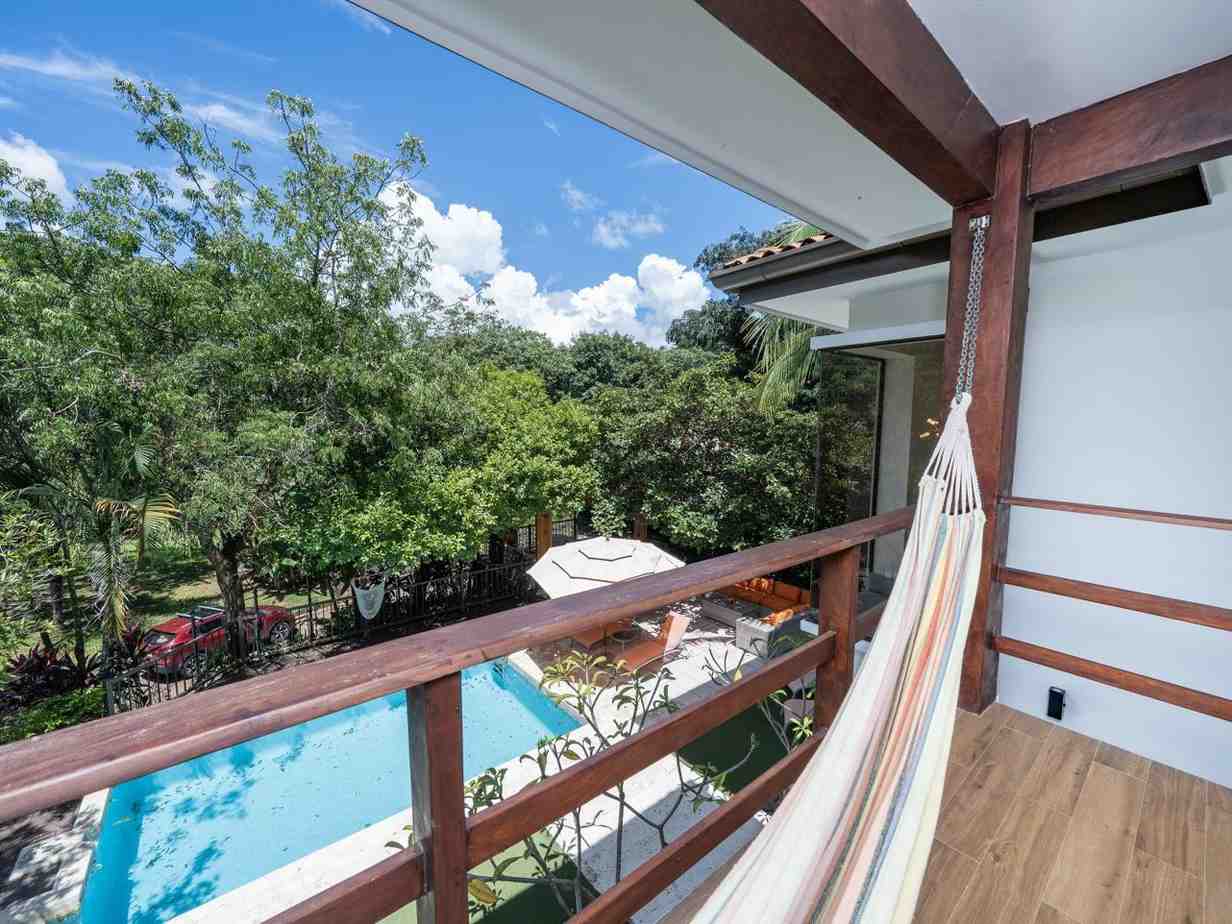
This region suits surfers, boaters, beach families, investors, and anyone who wants a U.S.-adjacent beach life without giving up supermarkets, clinics, restaurants, and professional property management.
Southern Zone and Costa Ballena: Dominical, Uvita, Ojochal
Costa Ballena on the southern Pacific coast is lush, green, and dramatic, with jungle hills dropping toward the ocean. Uvita is home to the famous Whale’s Tail at Marino Ballena National Park, while Dominical is a surf village with a bohemian feel and Ojochal is known for dining and expat community.
Costs can be lower than Tamarindo or Flamingo, but the trade-offs are heavier rain, steeper roads, more humidity, and longer travel times to international airports. Many Americans compare costa ballena with Guanacaste first, especially if they value a drier climate and easier airport access. manuel antonio is also nearby enough to visit as one of Costa Rica’s most famous beach-and-wildlife areas.
Caribbean coast: Puerto Viejo and Cahuita
Puerto Viejo on the Caribbean Coast offers a unique cultural experience with its Afro-Caribbean influence, relaxed vibe, and stunning beaches, appealing to those looking for a more bohemian lifestyle. Cahuita offers wildlife, a national park, and a quieter pace.
The caribbean coast has lower prices than many Pacific hot spots, but also more humidity, different rainfall patterns, and infrastructure limitations. It appeals to adventurous movers who value authenticity and a slower pace more than luxury services or deep property management networks.
Housing, renting, and buying property as an American
Expats have the same property rights as Costa Ricans when it comes to buying property, although there are restrictions in coastal and maritime zones. That makes buying homes, condos, and titled land relatively straightforward with proper legal help.
Many Americans rent first for 6–12 months to test commutes, schools, medical access, and climate. There is no centralized MLS in Costa Rica, so listings are fragmented. A reputable local firm is essential for understanding real value, not just asking prices.
Costa Rica’s real estate market has seen a steady increase in property values in recent years, making it an attractive option for foreign investors. In Guanacaste, premium ocean-view villas and condos can command high prices, while inland Central Valley homes are usually more affordable. Coastal Realty & Property Management offers buyer representation, seller services, vacation-rental-focused investment guidance, and full property and HOA management.
Renting in Costa Rica
Most Americans begin with Airbnb, VRBO, or local agencies, then move to 6–12 month leases. Lease norms often include a one-month security deposit, sometimes first and last month upfront, and a Spanish contract with an English translation.
The average rent for a one-bedroom apartment in a city center in Costa Rica is approximately $485, while outside the city, it averages around $332. A furnished two-bedroom near Tamarindo or Flamingo may run $1,000–$2,400+, while a similar unit in Heredia or parts of Escazú may be less depending on amenities.
Before signing, confirm internet speed, water reliability, AC costs, HOA rules, parking, and security. Our Gold Coast rental portfolio is a practical way to “try before you buy.”
Buying coastal real estate and understanding maritime zones
Foreigners can own titled property in their own name or through a Costa Rican corporation. The key exception is the Maritime Zone on most coasts: the first 50 meters from high tide are public, and the next 150 meters are usually concession land leased through municipalities. Concessions often require Costa Rican majority ownership or special structuring, so expert legal counsel is essential.
A typical purchase includes offer, earnest deposit, due diligence, National Registry title search, zoning review, water letters, purchase-sale agreement, notary closing, and registration. Annual property taxes are low by U.S. standards, around 0.25% of registered value, though luxury home tax may apply.
Coastal Realty & Property Management helps buyers coordinate inspections, water and septic checks, legal review, utility setup, rental marketing, and ongoing maintenance after closing.
Bank accounts, money transfers, and everyday finances
Short-term visitors can use U.S. cards, but anyone living in costa rica long term eventually needs a bank account for utilities, Caja payments, payroll, rent, and local transfers.
Major banks include Banco Nacional, banco de costa rica, BAC, and Scotiabank. Opening a full costa rican bank account is easiest with residency and a DIMEX card. Some banks offer limited non-resident accounts, but maximum balances and services may be restricted.
You may need a passport, residency card, proof of address, income documentation, and reference letters. Processes are slower and more paper-based than in the U.S., so Spanish support helps. Many expats keep a U.S. account, use online transfer services, and hold both USD and CRC balances to manage exchange-rate shifts. Cards are widely accepted in urban and tourist zones, but cash remains useful in rural areas.
Taxes for Americans in Costa Rica
Costa Rica taxes residents strictly on locally sourced income; foreign-sourced investments, digital nomad salaries, and U.S. corporate incomes remain exempt from local income taxes. This territorial tax system is a major reason foreign retirees and remote workers consider Costa Rica.
U.S. citizens still have U.S. tax obligations on worldwide income. They may need FBAR/FinCEN filings if foreign accounts exceed $10,000. The foreign earned income exclusion and foreign tax credits may help, but there is no comprehensive U.S.–Costa Rica tax treaty. Consult a U.S. expat tax professional before buying rental property, forming a company, or moving large funds.
Healthcare in Costa Rica for US expats
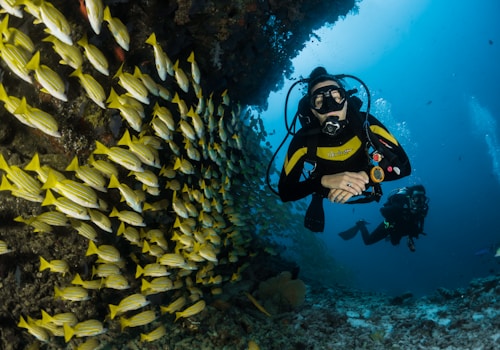
Costa Rica is known for high-quality, affordable healthcare. Costa Rica has a universal healthcare system called CAJA (Caja Costarricense de Seguro Social) that provides 100% coverage for all medical procedures, appointments, hospital visits, and prescription drugs to citizens and residents.
The healthcare system in Costa Rica is funded through small monthly contributions based on income levels, typically ranging from 7% to 11% of your monthly income. Wait times can be long for non-urgent procedures, and English may be limited in smaller clinics.
Many expats in Costa Rica use a hybrid approach to healthcare, utilizing both the public CAJA system and private clinics for shorter wait times or specialized procedures. Private hospitals such as CIMA and Clínica Bíblica in the Central Valley, plus clinics in Tamarindo, Liberia, and Costa Ballena, often cost one-third to one-half of U.S. prices.
Costa Rica is recognized as a Blue Zone through the Nicoya Peninsula, an area where people often live longer due to healthy lifestyle choices and diets rich in local foods. Bring medical records and 3–6 months of critical medications during your transition.
How to enroll in Caja and choose insurance
After residency approval and DIMEX issuance, residents register with Caja at the local EBAIS or regional office using ID, residency resolution, proof of income, and address. Premiums are often paid monthly through a local bank account, and missed payments can complicate renewals.
Many residents combine Caja for broad coverage with private insurance for faster appointments and physician choice. Premiums vary widely by age and health; a healthy 60-year-old may see private plans ranging from modest local coverage to several hundred dollars monthly for international coverage.
Daily life, culture, and integrating with Costa Ricans
Costa Ricans, or Ticos and Ticas, are generally warm, polite, family-oriented, and community-minded. many costa ricans in tourist areas speak English, but learning basic Spanish is essential for daily interactions, especially outside expat communities.
Local Spanish contains unique expressions known as ‘Tico Spanish’ that differ from textbook Spanish, making practice with locals beneficial. Language barriers can affect repairs, medical visits, municipal offices, and legal paperwork, so make an effort to speak spanish early.
Embracing ‘pura vida’ – a philosophy of appreciation and relaxation – is important for adapting to the local culture in Costa Rica. Expect “Tico time,” indirect communication, and more bureaucracy than in the U.S.
Ferias, football matches, beach cleanups, sailing clubs, surf schools, and holiday events are good entry points. Engaging in community projects or volunteering can help expats build meaningful connections and integrate into local life in Costa Rica.
Finding community as an American expat
Common networks include Facebook groups, Meetup events, churches, coworking spaces, school communities, language exchanges, and business associations. Established expat costa rica communities exist in the Central Valley, Gold Coast, Costa Ballena, and Puerto Viejo area.
Property management companies often become informal hubs. Coastal Realty & Property Management regularly connects new owners and renters with service providers, activities, contractors, and the local community. Balance expat friendships with relationships with costa ricans to avoid isolation.
Pros and cons of moving to Costa Rica as an American
Costa Rica can feel like a tropical paradise, but it is not perfect for everyone. Successful moves come from understanding the advantages and the friction points before deciding to move to costa rica permanently.
The pros are real: natural beauty, beaches, national parks, relative safety, affordable healthcare, friendly culture, legal property ownership, a favorable tax system for foreign income, and potential rental income from coastal property. The cons include rising prices in popular towns, import taxes, bureaucracy, language barriers, variable roads and internet, power outages in remote zones, termites, salt air, and humidity-related maintenance.
A retired couple in Atenas may live comfortably on $2,000–$3,000 monthly with mild weather and local food. A digital nomad in Tamarindo may spend closer to U.S. levels for rent, AC, imported groceries, and nightlife, but gain surf, community, and beach access.
Visit for at least one extended stay, ideally during both dry and rainy season. If coastal living is the goal, spend real time in Tamarindo, Flamingo, Potrero, and nearby Gold Coast towns before buying.
How Coastal Realty & Property Management can help your move
Coastal Realty & Property Management is a boutique, full-service real estate and property management firm based on Costa Rica’s Gold Coast in Guanacaste. We serve Playa Flamingo, Potrero, Surfside, Brasilito, Tamarindo, and surrounding coastal communities.
Our services include buyer representation, seller representation, vacation rental management, individual property management, and HOA/COA management. For Americans moving to Costa Rica, we help coordinate inspections, due diligence, utility setup, attorney referrals, school suggestions, contractors, renovations, and long-term maintenance.
For investors, we advise on neighborhoods with rental demand, nightly rate expectations, occupancy, operating costs, and legal setup. Beyond the transaction, our goal is to keep owners on a first-name basis with a responsive local team.
Next steps for Americans considering Costa Rica
If you are serious about costa rica relocating, start with these steps:
Plan a 2–4 week exploratory trip and compare Central Valley, Gold Coast, Costa Ballena, and the Caribbean.
Speak with an immigration professional about visa options and legal residency.
Define a realistic budget for housing, healthcare, transport, taxes, and setup.
Gather U.S. documents early: birth certificates, FBI background checks, financial statements, and marriage certificates if applicable.
Coastal-focused movers should begin with Tamarindo, Flamingo, Potrero, and Surfside. Stay in a managed rental, test the lifestyle, and then decide whether a condo, villa, land purchase, or vacation-rental investment fits your plan.
Contact Coastal Realty & Property Management for curated property recommendations, rental options, and personalized guidance on making Costa Rica, especially the Gold Coast, your new home.
Americans Moving to Costa Rica FAQ
How much does it cost for an American to live in Costa Rica?
A single person can live comfortably on $1,400 to $1,700 per month, while couples typically spend $2,000 to $3,000, with beach town living running higher at $2,800 to $4,000 or more.
Do Americans need a visa to live in Costa Rica?
U.S. citizens can stay 90 to 180 days visa-free, but longer stays require a residency visa such as the Pensionado, Rentista, Inversionista, or Digital Nomad visa.
What is the best place in Costa Rica for Americans to live?
Tamarindo and Playa Flamingo on the Gold Coast are popular for beach lifestyle, Escazu and Santa Ana in the Central Valley offer urban amenities, and Uvita in the Southern Zone provides a quieter, more affordable option.
Do Americans still pay U.S. taxes if they move to Costa Rica?
Yes, U.S. citizens must continue filing and paying taxes on worldwide income regardless of where they live, though foreign earned income exclusions and tax credits may help reduce the burden.
How much does it cost to ship belongings to Costa Rica?
A 20-foot shipping container from cities like Miami, Houston, or Los Angeles to Puerto Limon costs $5,000 to $9,000 or more, with a transit time of 4 to 8 weeks.
Can Americans buy real estate in Costa Rica?
Yes, Americans have nearly equal property rights to Costa Rican citizens for titled land, though restrictions apply in coastal maritime zones within 200 meters of the high tide line.
How does healthcare in Costa Rica compare to the U.S.?
Private healthcare costs one-third to one-half of U.S. prices, and the public Caja system provides universal coverage once you have residency, though wait times can be longer for non-urgent procedures.
Is it safe for Americans in Costa Rica?
Costa Rica is one of the safest countries in Latin America with low violent crime, though petty theft is common in tourist areas, and the U.S. State Department recommends exercising increased caution.
How do I open a bank account in Costa Rica?
Full bank accounts are easiest to open with residency and a DIMEX card, though some banks offer limited non-resident accounts; you will need your passport, proof of address, income documentation, and reference letters.
How much does it cost to import a car to Costa Rica?
Import taxes on vehicles run 40 to 80 percent of the assessed value, making it significantly more expensive than buying locally, so most Americans purchase a vehicle after they arrive.
What is the Pura Vida lifestyle?
Pura Vida means pure life and reflects Costa Rica’s relaxed, community-oriented culture that emphasizes appreciation, family, and a slower pace, which can also mean flexible punctuality and service timelines.
Should I rent before buying a home in Costa Rica?
Yes, most Americans rent for 6 to 12 months first to test the location, climate, commute, and access to schools and medical care before committing to a purchase.