
International Schools in Costa Rica: 2026 Guide
International schools in Costa Rica give expatriate and relocating families globally recognized education, bilingual instruction, and smoother university pathways in Costa Rica, North America, Europe, and beyond. From San Jose to Guanacaste, families can explore private schools offering American, British, European, IB, and AP curriculum options in a nurturing environment.
Find the right school for your children, compare location and tuition carefully, and explore coastal properties nearby that keep your family close to strong academics and daily quality of life.
International Schools for Every Family Situation
International schools in Costa Rica range from $3,000 to $20,000+ per year, offering IB, US, British, and Montessori curricula. Coastal Realty & Property Management helps Gold Coast families find properties within reach of top schools, including Costa Rica International Academy in Guanacaste. International schools in Costa Rica offer globally recognized academic programs and modern amenities aimed at expatriate families, while most schools also build strong community ties through parents, teachers, students, arts, sports, and service.
Families Relocating Full-Time to Costa Rica
| School Type | Annual Tuition | Curriculum | Language |
|---|---|---|---|
| Public (free) | Free | Costa Rican national | Spanish |
| Private bilingual | $3,000–$8,000 | US/CR hybrid | English + Spanish |
| International (IB/US accredited) | $8,000–$20,000+ | IB, US, or British | English primary |
| Montessori / alternative | $2,000–$6,000 | Montessori, Waldorf | Varies |
For families making Costa Rica home, stability matters as much as curriculum. Before committing to a location, it is worth understanding does Costa Rica have universal healthcare, since school proximity and healthcare access often shape the same neighborhood decision. American International School of Costa Rica (AIS) in San Jose offers complete K-12 programs, while Country Day School provides a rigorous American curriculum, college preparation, and a strong emphasis on university placement. Lincoln School is another long-established institution known for globally minded education and a broad school community.
The public school system in Costa Rica is managed by the Ministry of Public Education (MEP) and is extensive, with schools available even in the smallest villages, reflecting the country’s commitment to education as a constitutional right. However, private schools in Costa Rica often provide a higher quality of education and more stability compared to public schools, which can be affected by strikes and interruptions. For families considering a permanent move, education is one of several factors to evaluate alongside other potential problems retiring in Costa Rica, such as healthcare access, transportation infrastructure, and regional service availability.
Expat Families on Short-Term Assignments
Families on temporary assignments often prioritize transferable credits and familiar academics. International schools in Costa Rica typically follow three major academic tracks, including International Baccalaureate (IB), U.S. Curriculum with Advanced Placement (AP), and British/Cambridge Track. These international schools increase global academic mobility by offering curricula that are recognized worldwide, simplifying the university admissions process.
The European School in Costa Rica is notable for being the only institution in the country with European accreditation, offering a curriculum that prepares students for higher education in Europe. Families may also compare British School options, schools offering IGCSE and A-level qualifications, and institutions with flexible enrollment policies for mid-year entries.
Private schools in Costa Rica may be accredited by the MEP or follow international standards, allowing for flexibility in curriculum and school calendar, which can be beneficial for expatriates. Standard application materials for international schools in Costa Rica generally include official transcripts, passports, and vaccination records.
Vacation Home Owners Seeking Seasonal Education
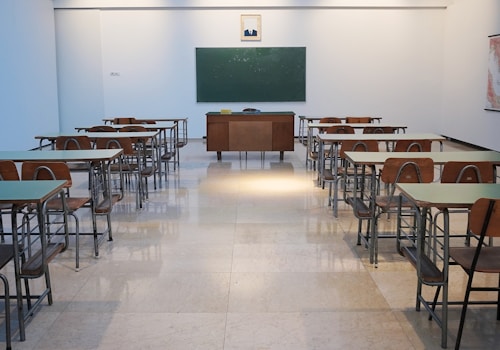
Vacation home owners often need education that supports part-time living, seasonal stays, or a future move. Costa Rica International Academy in Guanacaste is a strong option for families near Tamarindo, Brasilito, Reserva Conchal, and other Gold Coast communities, especially when parents want U.S.-accredited bilingual education near the beach.
Schools near Gold Coast communities may offer semester-based programs, summer activities, holiday programs, or flexible services that help kids continue learning while living between countries. Bilingual schools also allow children to maintain Spanish language development, make friends locally, and stay engaged in a multicultural classroom.
For example, a family with two boys buying a vacation property may look closely at commute times, tuition, transportation, and the school calendar before choosing a home. The right match allows students to thrive academically while enjoying nature, exploration, and the coastal lifestyle that brings many families to Costa Rica.
Choose the Right International School for Your Location
The right school location enhances your family’s lifestyle and property investment decisions. International schools in Costa Rica are characterized by their multicultural environment, welcoming students from diverse nationalities and backgrounds, which promotes tolerance and global awareness.
For San José and Central Valley Residents
San Jose and the Central Valley offer the widest choice of international schools, private schools, and specialized programs. American International School of Costa Rica (AIS) serves families in the capital region, while Country Day School and Blue Valley School are popular with families seeking strong academics, modern campuses, and access to college-preparatory curriculum.
Lincoln School serves the metropolitan San Jose community with a focus on global citizenship, creativity, arts, and extracurricular activities. Families living in this area also benefit from museums, cultural activities, universities, medical services, and urban amenities that support a comprehensive education beyond the classroom.
For Guanacaste Gold Coast Families
For Guanacaste Gold Coast families, Costa Rica International Academy is one of the best-known schools in Costa Rica. Located near popular beach communities, Costa Rica International Academy provides U.S.-accredited bilingual education in a tropical coastal setting, making it especially relevant for families browsing homes for sale in Guanacaste who want school proximity to be part of their property decision.
Premium international schools feature expansive campuses designed for holistic student development, including athletic complexes and STEM & arts hubs. Costa Rica International Academy is known for its large campus environment, outdoor learning opportunities, creativity, and facilities that support academics, sports, music, science, and social development.
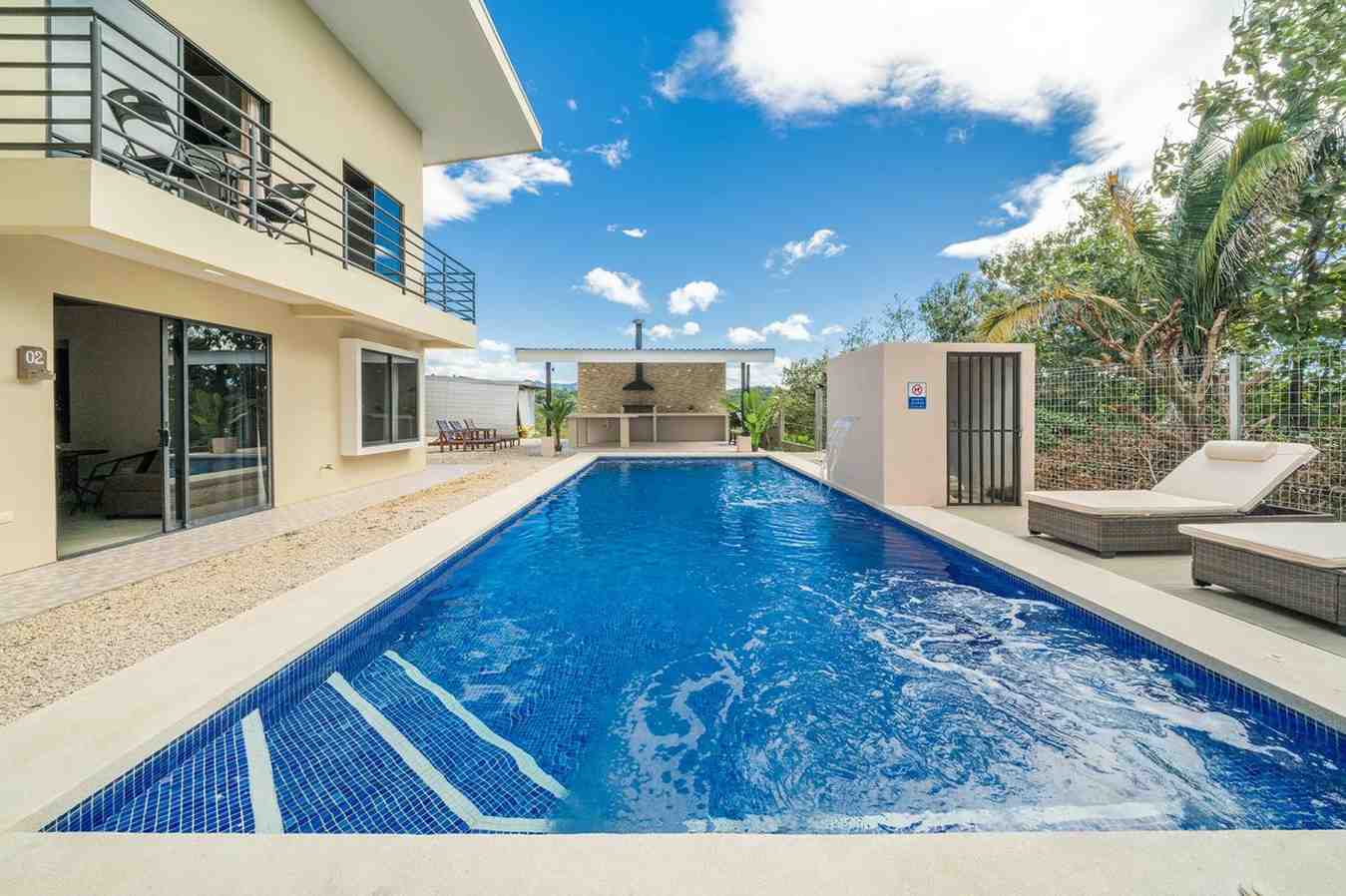
Many international schools in Costa Rica emphasize bilingual education, providing instruction in both English and Spanish from an early age to foster fluency and cultural understanding. For families living near Tamarindo or surrounding beaches, proximity to school can be just as important as ocean views, because daily travel affects children, parents, and long-term property value.
For Beach Communities and Coastal Areas
Beach communities such as Manuel Antonio, Jacó, and the central Pacific coast require careful school research. Some families choose bilingual institutions within commuting distance, while others look for schools offering transportation services to coastal communities or flexible enrollment that supports vacation rental and property management lifestyles.
International schools in Costa Rica offer a variety of curricula, including American, British, and European systems, catering to diverse educational needs and preferences. Because international schools follow different academic calendars and accreditation models, parents should contact each school directly to understand grade placement, mid-year admission, language support, and special needs services.
The school calendar for MEP schools typically runs from early February to early December, with breaks for Christmas, mid-year, and public holidays, while private international schools often follow a different schedule, starting in mid-August and ending in June. This difference can affect travel, housing, rental income, and family planning.
For Families Near Heredia and Northern Regions
Heredia and northern regions attract families who want mountain living, cooler weather, coffee plantation areas, and eco-tourism access while remaining close to respected schools. European School in Heredia has a diverse international community and a European-oriented academic identity, while Pan American School combines American and Costa Rican curricula for families who value dual pathways.
Schools in this region can suit families living in mountain and rural luxury properties, especially when parents want more space, nature, and a calm environment without losing access to strong education. Most schools in these areas combine academics with community, extracurricular activities, and language development.
International schools in Costa Rica often feature smaller class sizes and better resources compared to local public schools, fostering a supportive and diverse environment for students. This can be particularly valuable for children transitioning from another country, learning Spanish, or needing individual support from faculty and teachers.
Premium Educational Features That Set Schools Apart
Top international schools in Costa Rica offer exceptional programs that justify their investment value. The best schools balance accreditation, bilingual fluency, critical thinking, hands on projects, music programs, sports, arts, community service, and strong parent involvement.
Accreditation and Academic Standards
Accreditation is one of the first details parents should verify. Dual accreditation is common in top-tier international schools in Costa Rica, which integrate local educational requirements with international programs. MEP accreditation supports local recognition, while U.S., IB, European, or Cambridge accreditation can help students transfer between countries.
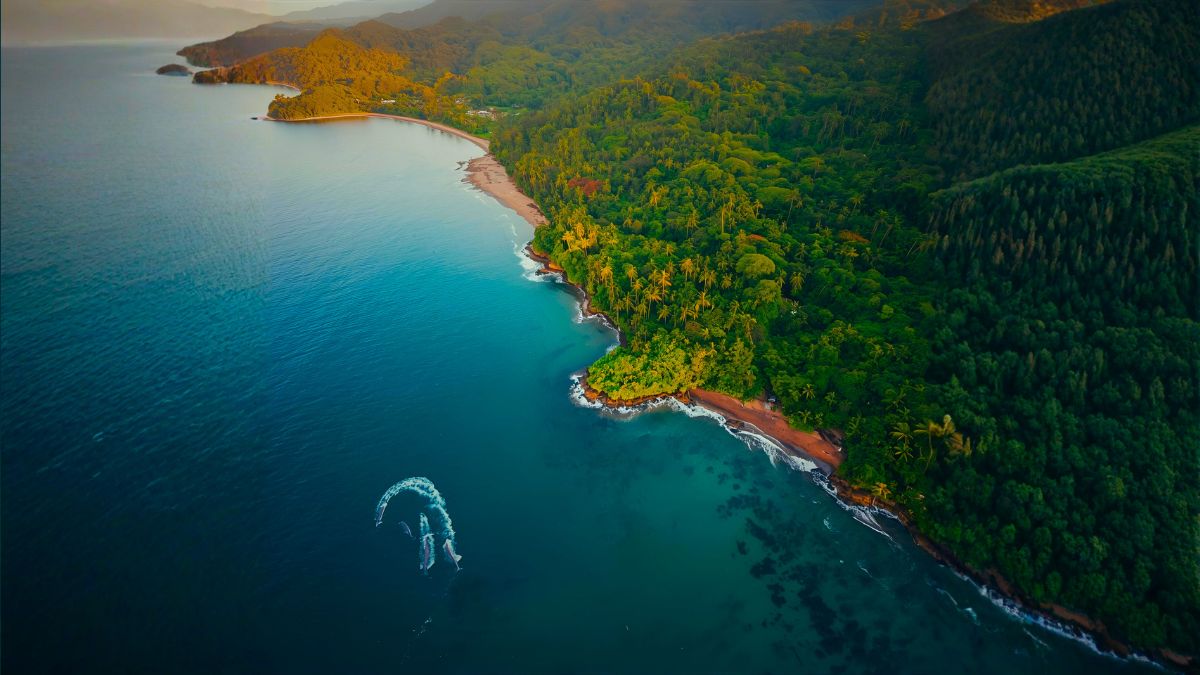
Many private schools use U.S. accreditation, Advanced Placement, IB authorization, Cambridge International standards, or European accreditation to create a flexible academic journey. These systems help students learn through recognized standards while keeping options open for Costa Rican, American, European, and other international universities.
Private schools in Costa Rica often require families to pay tuition, matriculation, books, exam fees, transportation, uniforms, and activity costs. The cost of private schools in Costa Rica varies significantly, with basic options starting at $300-400 per month and prestigious institutions charging $1,000 or more per month.
Most private schools in Costa Rica charge an annual matriculation fee, typically ranging from $600 to $1,000 per year, in addition to monthly tuition fees. Books for preschool students in private schools can cost between $200-240, while books for elementary and high school students are around $650.
Bilingual and Language Immersion Programs
Language is a major reason parents choose international schools in Costa Rica. Many international schools in Costa Rica offer language immersion programs, ensuring students attain fluency in both English and Spanish from an early age, which is increasingly valued in today’s globalized world.
English-Spanish instruction can begin in preschool or early childhood, helping children build confidence in both languages before academic demands increase by grade level. Native-speaking teachers from the United States, Canada, Europe, and Costa Rica may support reading, math, science, arts, and classroom communication.
A school fosters confidence when students feel safe speaking, asking questions, and making mistakes while they learn. In a multicultural environment, language immersion also builds cultural understanding, diversity, friendships, and practical communication skills that benefit every person in the school community.
International Baccalaureate and Advanced Placement
IB and AP programs are especially important for families focused on university admissions. IB World School programs, authorized by the International Baccalaureate Organization, offer globally recognized diplomas, while Advanced Placement courses may provide university credit opportunities and demonstrate academic rigor for U.S.-oriented admissions.
International schools in Costa Rica provide a wide range of extracurricular activities, including sports, arts, music, and community service, allowing students to explore their interests and talents outside the classroom.
How to Select and Enroll in Costa Rica International Schools

Choosing the right school requires careful research and planning for a smooth transition. Parents should compare curriculum, accreditation, tuition, classroom size, special needs support, transportation, faculty experience, extracurricular activities, and how well the school environment fits each child.
Research and Campus Visits
Schedule campus tours during active school hours so you can observe classes, teachers, students, facilities, and the overall environment. A polished admissions presentation is useful, but seeing kids interact with friends, faculty, and classroom routines gives a clearer sense of daily school life.
Meet with admissions staff, teachers, and current parent families to understand the school community. Ask about academic calendars, tuition costs, additional fees, extracurricular activities, music, arts, sports, transportation options, and support services for English learners, Spanish learners, or children with special needs.
Parental involvement is integral to the success of international schools in Costa Rica, as parents engage in school activities and volunteer efforts, fostering a supportive environment for students. A strong parent community can make relocation easier and help children settle into their new journey.
Application and Documentation Process
Once you have a shortlist, review the application timeline and required documents for each institution. Standard application materials for international schools in Costa Rica generally include official transcripts, passports, and vaccination records, and many schools also request recommendation letters, student assessments, and English or Spanish language evaluations. International families relocating from abroad often ask, do US citizens need a visa for Costa Rica, as immigration status and residency plans can affect enrollment requirements and the documentation needed for school registration.
Plan enrollment around the school calendar and housing decisions. Families on the Costa Rica investment visa should note that residency approval and school enrollment timelines can overlap, so coordinating early helps avoid gaps. If your family is moving from a different academic year, a school may need to evaluate grade placement carefully, especially for high school students pursuing IB, AP, British/Cambridge qualifications, or dual diplomas.
Find Your Dream Home Near Top International Schools
Ready to explore Costa Rica’s Gold Coast while securing excellent education for your family? Whether you are looking at houses or condos for sale in Costa Rica, Coastal Realty & Property Management specializes in luxury properties near premier international schools, including communities within reach of Costa Rica International Academy and other respected private institutions.
Let us help you find the perfect beachfront home or investment property within reach of Costa Rica’s best educational institutions. With the right location, your children can thrive in school while your family enjoys the lifestyle, nature, and long-term value that make living in Costa Rica so appealing.
International Schools in Costa Rica FAQ
How much do international schools in Costa Rica cost?
Tuition ranges widely: private bilingual schools run $3,000 to $8,000 per year, while fully accredited international schools offering IB or U.S. curricula cost $8,000 to $20,000+ per year.
What curricula do international schools in Costa Rica offer?
Schools offer International Baccalaureate (IB), U.S. curriculum with AP courses, British/Cambridge tracks with IGCSE and A-levels, European accreditation, and Montessori or Waldorf programs.
Are international schools in Costa Rica taught in English?
Yes. Most international schools use English as their primary language of instruction, and many offer bilingual English-Spanish immersion programs starting from preschool.
What international schools are in Guanacaste, Costa Rica?
Costa Rica International Academy is located on the Gold Coast in Guanacaste, serving families in Tamarindo, Brasilito, Reserva Conchal, and surrounding communities.
What international schools are in San Jose, Costa Rica?
Major options include the American International School (AIS), Country Day School, Lincoln School, and Blue Valley School, all located in the San Jose and Central Valley area.
What is the school calendar for international schools in Costa Rica?
Most private international schools follow a Northern Hemisphere schedule starting in mid-August and ending in June, while Costa Rican public schools run from early February to early December.
What documents do I need to enroll my child in a Costa Rican international school?
Typical requirements include official transcripts, passports, vaccination records, recommendation letters, student assessments, and English or Spanish language evaluations.
Do international schools in Costa Rica prepare students for U.S. universities?
Yes. Top international schools hold dual accreditation and offer IB diplomas and AP courses that are recognized by universities in Costa Rica, the United States, Europe, and internationally.
Are class sizes smaller at international schools in Costa Rica?
Yes. International schools typically feature smaller class sizes and better resources compared to local public schools, allowing for more individualized attention.
What extracurricular activities do Costa Rica international schools offer?
Schools provide sports, arts, music, STEM programs, community service projects, field trips, and various clubs designed for personal growth beyond academics.
How does the Costa Rican public school system compare to international schools?
Public schools are free and widely available but can have variable quality, limited classroom hours, and occasional disruptions from strikes. International schools offer more stability, modern facilities, and college-prep programs.