
Does Costa Rica Have Universal Healthcare? A Practical Guide for Expats and Property Buyers
If you are comparing retirement destinations, planning a second home, or looking at coastal real estate in Costa Rica, health care should be part of your due diligence. Here is how Costa Rica’s healthcare system works, what expats should expect, and how to plan for medical care before buying on the Gold Coast.
Quick Answer: Does Costa Rica Have Universal Healthcare?
| Feature | CAJA (Public) | Private Insurance |
|---|---|---|
| Monthly cost | $50–$150 (income-based) | $100–$500+ |
| Coverage | Comprehensive, including prescriptions | Varies by plan |
| Wait times | Weeks to months for specialists | Days to weeks |
| Hospital quality | Good, some facilities dated | Modern, US-comparable |
| ER access | Free, available 24/7 | Fast, private rooms |
| Dental/vision | Basic included | Often included or add-on |
| Prescription drugs | Free or very low cost | Copay varies |
Yes, Costa Rica has universal healthcare through the Caja Costarricense de Seguro Social (CCSS). Legal residents contribute 7–11% of monthly income for comprehensive coverage. Coastal Realty & Property Management helps buyers on the Gold Coast factor healthcare access into their property and relocation decisions.
Universal health coverage does not mean everything is free for tourists. It means that enrolled residents can use the public system for medical services, appointments, hospital visits, medical procedures, major surgeries, diagnostic testing, and prescription drugs, usually without paying at the point of service.
The system is funded by workers, employers, self-employed residents, pensioners, and the costa rican government. The monthly contribution to the CAJA for expats is typically between 7% to 11% of their monthly income, depending on their salary or declared financial amount if retired.
Compared with the United States, medical costs in Costa Rica are low cost: many medical visits, tests, and surgeries cost about 25% to 33% of U.S. prices, or roughly one-third to one-fifth depending on the service. If you plan to live, retire, or buy property here, understanding the health care system is as important as understanding title, insurance, and HOA rules.
Overview of Costa Rica’s Healthcare System
Costa Rica has a dual healthcare system: a strong public healthcare system and an active private sector. This system in Costa Rica is widely respected in central america and latin america for delivering strong health outcomes in a middle income country, especially when compared with many developing countries.
Key terms are simple:
Healthcare in Costa Rica is especially known for primary care, preventive medicine, vaccination programs, and local EBAIS teams. The Ministry of Health oversees disease control, food and drug regulation, and environmental sanitation in Costa Rica’s healthcare system, including issues such as communicable diseases, hepatitis a monitoring, teenage pregnancy prevention, and broader public health campaigns.
For long-term foreign residents, retirees, and real estate investors, this strong Costa Rican healthcare system is one reason the country offers a high quality of life alongside beaches, security, and stable property ownership. Costa Rica’s healthcare quality is also recognized internationally, including in rankings such as the CEOWORLD Health Care Index, which evaluates healthcare systems around the world.
How Costa Rica’s Universal Healthcare (Caja) Works
The CCSS was founded in 1941, and the universal healthcare system in Costa Rica has been in place since the 1940s, ensuring that all residents contribute to the system through small monthly payments based on their income levels. Coverage expanded over the following decades to include dependents, rural communities, agricultural workers, and vulnerable groups.
The healthcare system in Costa Rica is funded mainly through payroll-based contributions from employees, employers, self-employed workers, pensioners, and state support. Subsidized care for low-income households, children, and pregnant women is financed by specific taxes on luxury goods, alcohol, and sodas.
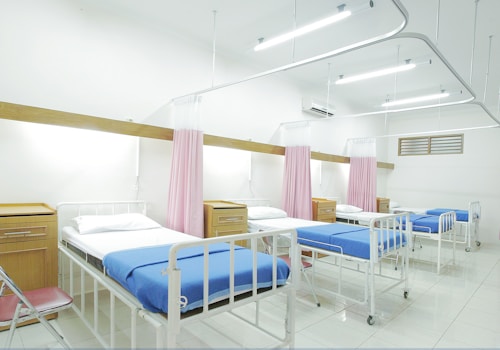
Caja coverage includes doctor visits, emergency care, hospitalization, maternity care, lab work, diagnostic testing, prescription drugs, and most medical procedures, funded through mandatory income-based contributions.
Care is delivered through a three-tier model: primary care through EBAIS, secondary care through regional clinics and hospitals, and tertiary care through large national hospitals for specialized care, complex surgeries, and serious conditions.
The main strengths are comprehensive benefits, pre existing conditions covered under Caja, no age limit to enroll, and a national network with unified records. The health infrastructure is complemented by a digital health record application, which unifies medical histories across public health establishments. The main challenges are resource allocation issues, significant waiting lists due to high demand, occasional overcrowding, and less freedom to choose specialists.
Public Facilities: Hospitals, Clinics, and EBAIS
Costa Rica’s public health care network includes roughly 30 public hospitals and hundreds of clinics, from large national hospitals in san josé to regional and local facilities. Public hospitals include emergency room access, an emergency department, specialist departments, and referral pathways for advanced care.
EBAIS (Equipos Básicos de Atención Integral de Salud) are primary care clinics that serve populations of roughly 4,000 people and are assigned to specific neighborhoods or districts.
Typical EBAIS services include annual checkups, vaccinations, basic chronic disease management, prenatal care, minor ailments, community outreach, and campaigns where medical staff may dispense medication through Caja pharmacies. In some areas, especially rural communities, EBAIS teams and local nurses also help coordinate house calls or follow-up care.
This community-based model helps explain how Costa Rica achieved long life expectancy with modest spending. Cambridge University Press and other academic sources have discussed how strong primary care can improve health outcomes even when a country has fewer resources than high-income systems.
Public vs. Private Healthcare in Costa Rica
Most residents use a mix of public care and private care depending on urgency, budget, comfort, and timing. Many residents, including expatriates, choose to supplement public healthcare with private insurance or out-of-pocket payments for quicker access to services.
Public care offers low out-of-pocket costs once enrolled, broad benefits, and strong preventive programs. Private medical care offers shorter wait times, more choice of doctor, easier scheduling, more English-speaking specialists in larger towns, and often more modern private facilities in major cities.
Private healthcare in Costa Rica is generally more expensive than public healthcare but offers advantages such as shorter wait times, more flexibility in choosing healthcare providers, and often better facilities. In Costa Rica, approximately 30% of the population utilizes private health services at least once a year, often due to shorter wait times and the ability to choose their doctor.
Many Costa Rican doctors work mornings in the public system and afternoons in private clinics. This overlap helps maintain consistent professional standards between the public healthcare and private healthcare system, while giving patients options.
Expats and affluent Costa Ricans often use Caja for routine care, chronic conditions, emergencies, and major procedures, then pay privately for faster imaging, elective procedures, second opinions, or specialized consultations.
Typical Healthcare Costs in Costa Rica

Healthcare costs in Costa Rica are significantly lower than in North America and many European countries. The average cost of a doctor’s visit in Costa Rica ranges from $60 to $75, while specialist visits can be around $100.
Common private health care price ranges in the mid-2020s include:
Once properly enrolled in Caja, residents generally do not pay at the point of service in public facilities, aside from limited administrative costs or special items. Private hospitals in San José, including CIMA Hospital, Clínica Bíblica, and La Católica, are popular with medical tourists for dental care, cosmetic surgery, orthopedic work, and other procedures because quality is high and prices are lower than in the U.S.
Costa Rica is also known for medical tourism, and medical tourists often combine private medical procedures with recovery time near beaches or in the Central Valley. Anyone relocating full time should budget for Caja contributions plus optional private health insurance, private medical insurance, or cash payments for private care.
Who Can Use Costa Rica’s Universal Healthcare?
Citizens, permanent residents, temporary residents, and tourists have different access rights. Costa Rican citizens and legal residents with approved residency status are required to enroll in Caja and pay monthly contributions.
Since 2010, it has been mandatory for all permanent residents in Costa Rica to join the Caja Costarricense de Seguro Social (CAJA), which provides public healthcare coverage. Dependents, such as a non-working spouse or minor children, are usually covered under the primary contributor’s plan.
Tourists and short-stay visitors do not receive full public health insurance benefits — and if you are still determining whether do US citizens need a visa for Costa Rica applies to your situation, it is worth understanding that tourist entry does not include CAJA access. They can receive emergency stabilization in public hospitals, but they are responsible for their own medical costs unless they have travel insurance, private coverage, or another health insurance arrangement.
Certain vulnerable groups, including low-income families, some elderly residents, children, and pregnant women, may receive subsidized or state-financed care within the Costa Rican healthcare system.
Enrollment and Contributions for Expats
Enrollment in Caja is a mandatory step in the residency process for most foreign applicants, including those on the Costa Rica investment visa. After residency approval, applicants register with CCSS, declare income, complete the registration request form, and receive an assigned monthly contribution.
To enroll in the CAJA system, expats must present proof of residency approval, their passport, and notarized photocopies of their passport ID page and entry page at their nearest CAJA office. This applies equally to holders of the Costa Rica Rentista Visa and other temporary residency categories. In practice, expats may also work through the nearest government regional office or a local attorney depending on residency status and documentation needs.
Contribution rates vary by category and declared income, whether you hold standard temporary residency or entered through the Costa Rica Golden Visa. Many Costa Rican expats pay a few hundred U.S. dollars per month to cover themselves and dependents, though the exact amount depends on income, pension, or declared financial support.
While applications are pending, which can take months or longer, foreigners often use private health insurance or pay out of pocket for private care. It is wise to keep copies of your medical history, recent medical exams, prescriptions, and insurance documents during the transition.

For current rules, consult a local attorney or relocation specialist. At Coastal Realty & Property Management, we can connect buyers with reputable legal and insurance professionals in Guanacaste who understand residency, property purchases, and healthcare in Costa Rica.
Private Health Insurance and Medical Care Options
Many expats and higher-income Costa Ricans choose additional private health insurance to complement Caja. Options include local private medical insurance, international expat policies, and short-term travel insurance for visitors.
Private health insurance in Costa Rica typically costs between $60 and $250 per month, depending on factors such as age and coverage needs. Basic local plans may be modest, while global plans with treatment outside Costa Rica usually cost more.
The main benefits are faster access to diagnostic testing, elective procedures, private hospitals, private facilities, English-speaking specialists, and broader choice within the private sector. Private health can be especially useful if you want weekend appointments, faster specialist visits, or care at a specific hospital.
If you are considering a long-term stay or property purchase on the Gold Coast, evaluate both Caja enrollment and private coverage as part of your relocation budget. This is especially important for retirees, families with children, and owners who will split time between Costa Rica and another country.
Healthcare in Guanacaste and Costa Rica’s Gold Coast
Prospective buyers browsing homes for sale in Guanacaste often ask Coastal Realty & Property Management about local medical care near beach communities. In Guanacaste, the answer depends on your town, distance from Liberia, and whether you prefer public healthcare or private health care.
Tamarindo, Flamingo, Playas del Coco, Brasilito, and nearby communities have a mix of EBAIS clinics, private doctors, pharmacies, urgent care options, and growing private facilities. Regional hospitals and clinics serve broader needs, while complex or highly specialized treatment often requires travel to san jose or san josé, usually by short domestic flight or half-day drive.
English-speaking doctors are more common in private care, especially around tourism and expat hubs. Ambulance and medevac options exist along the Pacific coast, but buyers should still consider drive times, road conditions, and emergency access before choosing a remote property.
For most health needs, the combination of local clinics, regional support, and access to major private hospitals makes long-term living on Costa Rica’s Gold Coast feasible. Retirees researching the region should also review the common problems retiring in Costa Rica before settling on a location. The key is to plan realistically rather than assume every service is available in every beach town.
What This Means if You Plan to Live or Buy Property in Costa Rica
Costa Rica’s universal healthcare system can make long-term lifestyle planning easier for retirees, families, and investors. Stable access to medical care, lower medical costs, and optional private healthcare help buyers budget more confidently for retirement, rental property ownership, or a second home.
When evaluating coastal or beachfront real estate, include Caja contributions, private health insurance, travel time to hospitals, and potential out-of-pocket private care in your cost-of-living plan. Also consider how an economic crisis, policy change, or personal health change could affect your budget.
Coastal Realty & Property Management helps clients think beyond the listing photos. We can introduce you to relocation experts, residency attorneys, and insurance brokers who understand the Costa Rican healthcare system, the health system in Guanacaste, and the realities of owning property near the beach.
If you are considering a move to Costa Rica’s Gold Coast, contact Coastal Realty & Property Management for personalized guidance on neighborhoods, properties, due diligence, and practical living details, including healthcare access.
Costa Rica Healthcare FAQ
Does Costa Rica have universal healthcare?
Yes. Costa Rica provides universal healthcare through the CCSS (Caja Costarricense de Seguro Social), covering more than 90% of the population with comprehensive medical services.
How much does public healthcare cost in Costa Rica for expats?
Expats enrolled in the Caja pay 7% to 11% of their monthly income, which generally works out to around $50 to $150 per month.
Can expats use the public healthcare system in Costa Rica?
Yes, but you must have legal residency. Permanent residents are required to enroll, temporary residents are eligible, and tourists only receive emergency stabilization care.
What is the difference between public and private healthcare in Costa Rica?
Public healthcare through the Caja offers comprehensive coverage at low cost but has longer wait times. Private healthcare costs more ($60-$75 per doctor visit) but offers shorter wait times, more doctor choice, and often English-speaking specialists.
What are EBAIS clinics in Costa Rica?
EBAIS are primary care clinics that each serve roughly 4,000 people, providing checkups, vaccinations, chronic disease management, prenatal care, and basic medication dispensing in assigned neighborhoods.
How long are wait times in the Costa Rican public health system?
Specialist appointments in the public system can take weeks to months. Private healthcare typically offers appointments within days to weeks.
What private hospitals are available in Costa Rica?
The top private hospitals are CIMA Hospital, Clinica Biblica, and Hospital La Catolica, all located in San Jose, with modern facilities comparable to U.S. standards.
Is healthcare in Costa Rica cheaper than the United States?
Yes. Medical costs in Costa Rica are roughly 25% to 33% of what you would pay in the United States, depending on the service.
Are prescriptions covered under the Costa Rica public health system?
Yes. Prescription medications are free or very low cost when dispensed through Caja pharmacies for enrolled members.
What healthcare is available in Guanacaste and beach areas?
Beach towns like Tamarindo, Flamingo, and Playas del Coco have EBAIS clinics, private doctors, pharmacies, and urgent care, but complex or specialized treatment may require traveling to San Jose.
Do many Costa Rica residents use both public and private healthcare?
Yes. Many residents strategically use the Caja for routine care, chronic conditions, and major procedures, while turning to private care for faster imaging, elective procedures, and specialist consultations.