
How to Choose a Costa Rica Real Estate Lawyer Who Actually Protects You
You may be looking at a hillside villa in Playas del Coco, a lock-and-leave condo in Tamarindo, or raw land with an ocean view. Costa Rica is one of the most attractive places in Central America for foreign buyers, retirees, and investors, but the legal process is not the same as in the US or Canada.
After choosing a property, your most important decision is choosing an independent Costa Rica real estate lawyer who protects you, not the seller, developer, or anyone trying to keep the deal moving.
Foreigners, including Americans and other non-residents, enjoy the same property ownership rights as Costa Rican citizens, allowing them to legally buy, sell, mortgage, or transfer real estate under their personal name. Costa Rica’s Constitution guarantees the right to private property, making it a secure and attractive jurisdiction for real estate investment for foreigners.
Still, the risks are real: unclear title, liens, no legal ASADA or AYA water, boundary conflicts, possession claims, Maritime Zone rules, and hidden HOA debts. Coastal Realty has worked on Guanacaste’s Gold Coast since 2006, and this guide is meant to help you choose the right real estate attorney with calm, practical legal guidance.
Table of Contents
Do You Really Need a Costa Rica Real Estate Lawyer?
How Real Estate Law and Closings Work in Costa Rica
The Role of the Notary Public and Why You Still Need Your Own Lawyer
What a Costa Rica Real Estate Attorney Actually Does for You
How to Choose the Right Real Estate Attorney in Costa Rica
Common Red Flags When Hiring a Costa Rica Real Estate Lawyer
Regional Realities: Why Local Knowledge on the Gold Coast Matters
Practical Tips for Working with Your Costa Rica Real Estate Lawyer
FAQ: Costa Rica Real Estate Lawyer and Buying Process
Why Choose Coastal Realty as Your Partner in the Buying Process
Conclusion: Do This Once, Do It Right
Do You Really Need a Costa Rica Real Estate Lawyer?
Yes. If you are buying any meaningful real estate property, you should hire your own attorney. North American buyers often expect title insurance, standardized contracts, a unified MLS, and tightly regulated brokers. Costa Rica works differently: real estate transactions rely heavily on due diligence, the public registry, survey records, and the legal skill of the person reviewing them.
It is recommended to hire your own independent lawyer rather than using an attorney suggested by your real estate agent to avoid potential conflicts of interest. That does not mean every referral is bad; it means you must verify independence. A good Costa Rica real estate lawyer can save you money by saying “no” to a bad purchase.
For example, a Tamarindo condo may show unpaid HOA assessments, or a Playa Flamingo lot may have a visible road but no registered easement. Legal fees for legal and notary services in Costa Rica typically range from 1% to 1.5% of the property’s purchase price, which is small compared with litigation, title loss, or unusable land.
How Real Estate Law and Closings Work in Costa Rica
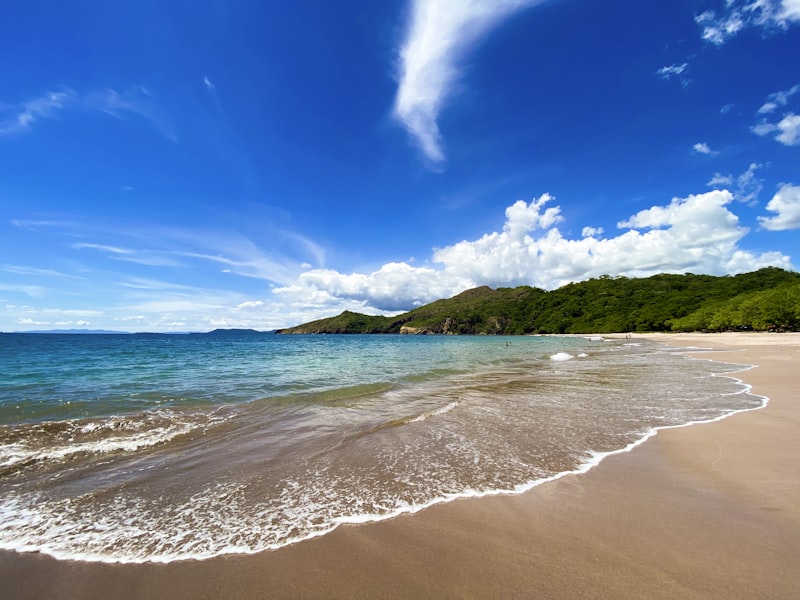
The legal process to purchase property in Costa Rica involves several key steps, including due diligence, signing a purchase agreement, and registering the title with the Public Registry. In Costa Rica, each property is identified by a unique number called the Folio Real, which includes information about the province and ownership structure.
The Costa Rican Public Registry provides essential information about property ownership, including any mortgages, liens, or legal issues that may affect the property. Your legal team also checks the cadastral survey plan, or plano catastrado, because the map and registry must match the real estate on the ground.
Titled Costa Rican property is different from concession property in the Maritime Zone, common near beaches from Flamingo to Manuel Antonio. Many properties in Costa Rica are held inside a Costa Rican corporation (Sociedad Anónima or S.R.L.), often requiring legal expertise for audits and transfers. Some deals are share transfers, so corporate documents, tax status, asset liabilities, companies records, and payments must be reviewed before closing.
The Role of the Notary Public and Why You Still Need Your Own Lawyer
In Costa Rica, a notary public is a specialized attorney with authority to draft and register public deeds. A real estate purchase agreement in Costa Rica must be executed in a public deed known as an escritura de traspaso, which includes essential information about both parties and the property transaction.
One lawyer can technically act for both sides, but foreign buyers should avoid blurred loyalty. You want your own independent Costa Rica real estate lawyer, plus a Notary Public who is either your lawyer or clearly neutral. Independence matters when negotiating repairs, tax allocation, preexisting liens, financing conditions, seller promises, insurance issues, or who pays for curing defects before sale.
What a Costa Rica Real Estate Attorney Actually Does for You
A qualified Costa Rica real estate attorney does far more than prepare documents. They coordinate due diligence, verify ownership and legal status, identify risks, review contracts, and help ensure the transaction closes properly.
Title Search and National Registry Review
Your lawyer uses the Folio Real to pull registry certifications and confirm seller identity, ownership, size, plano reference, mortgages, liens, embargos, trusts, usufructs, easements, co-owners, pending lawsuits, and property tax or luxury home tax issues. A proper due diligence report must comply with real estate law in Costa Rica and is crucial for ensuring that the property is legally secure and free of hidden risks.
Survey, Boundaries, and Access
Due diligence in Costa Rica involves verifying the title, survey plans, boundaries, municipal permits, and potential legal risks associated with a property before purchase. Your attorney may coordinate a topographer for rural land near Sardinal or hillside lots above Tamarindo. Legal road access must be registered; a dirt track is not enough. For condos, the lawyer checks the condominium plan, parking, storage, bylaws, and common areas.
Water Rights, Utilities, and Buildability
Running water is not the same as legal water. Your lawyer should confirm the ASADA, AYA, municipal system, or registered well concession and request a water availability letter when needed. In Guanacaste, water can decide whether construction is possible. Checks should also cover electricity, septic or sewer feasibility, zoning, setbacks, environmental restrictions, mangroves, wetlands, and protected zones.
Squatter / Possession Risks and Occupancy Issues
Costa Rica recognizes possession rights in some circumstances. Your lawyer should ask about tenants, caretakers, peones, staff housing, labor claims, and occupancy history. Vacant rural land needs a plan: fencing, signs, management, and periodic visits. If workers are involved, employment contracts and severance exposure should be reviewed.
Escrow, Option Agreements, and Purchase Contracts
Escrow services in Costa Rica are essential for ensuring secure real estate transactions, as they hold the purchase funds until all contractual obligations are met and the property title is transferred. Using an escrow service is particularly recommended for buyers who do not have a local bank account in Costa Rica, as it simplifies the financial aspects of the transaction.
An escrow agent is responsible for managing the funds and documents involved in a real estate transaction, ensuring that the seller receives payment only after the buyer’s conditions are satisfied and the property deed is properly executed. Your lawyer reviews the escrow service, escrow account, KYC rules, deposit refunds, diligence deadlines, default clauses, and final contract terms.
Forming a Corporation (S.A. or S.R.L.) When Appropriate
A corporation can help with liability separation, succession, powers of attorney, and future transfers. Your lawyer can form the entity, draft bylaws, appoint managers, and obtain the corporate ID. But corporations bring annual corporate tax, beneficial owner filings, accounting, and possible home-country reporting. A corporation is useful for some buyers, not mandatory for every person.
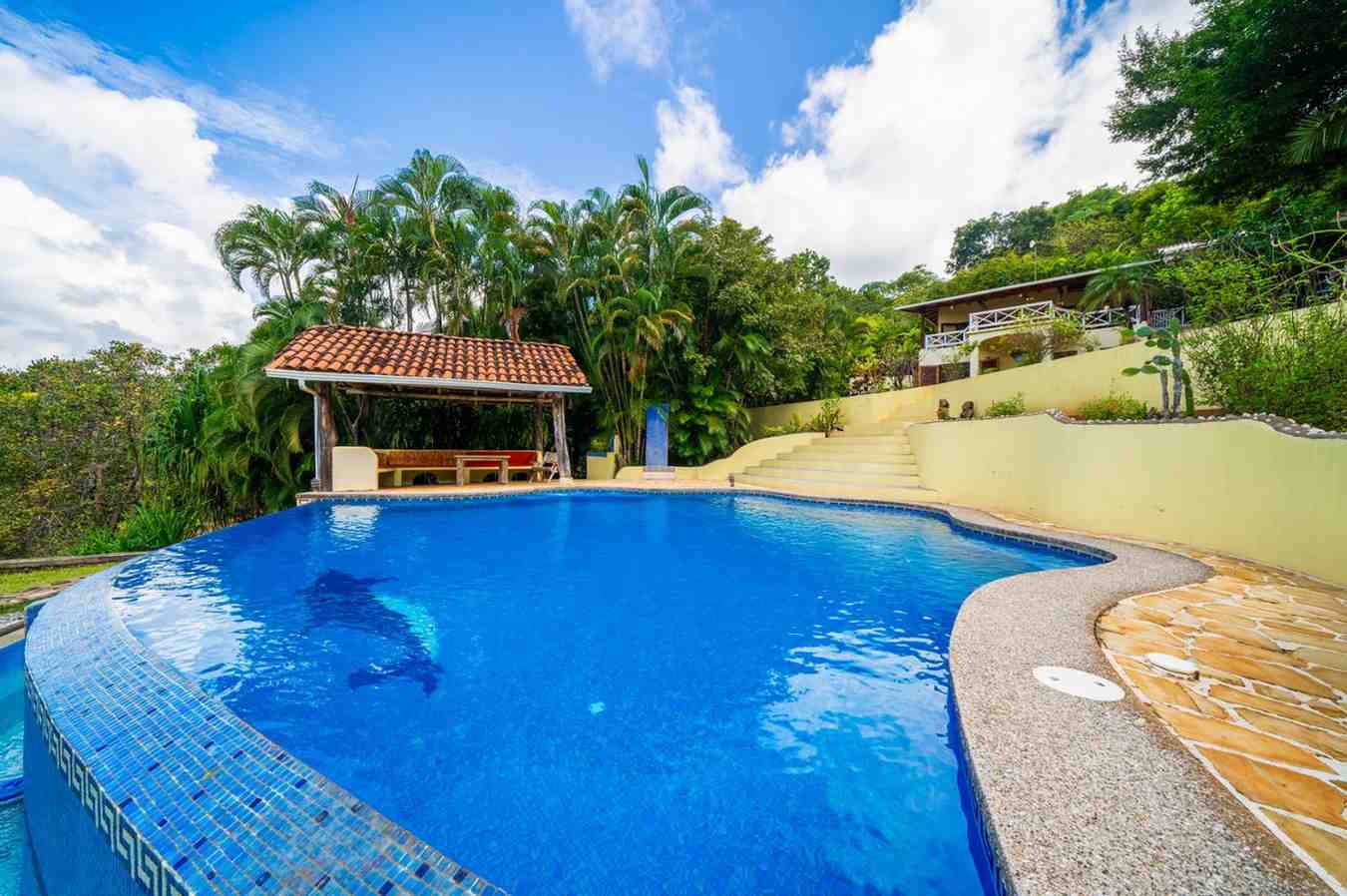
How to Choose the Right Real Estate Attorney in Costa Rica
Not all lawyers are real estate specialists. Interview two or three law firms before signing any letter, promise, reservation, or agreement.
Specialization in Real Estate Law and Closings
Ask how many closings they deliver each year, how much of their work is property-related, and whether they know Playas del Coco, Hermosa, Flamingo, Las Catalinas, Tamarindo, San José, or coastal concession deals. Development land and raw land require deeper expertise than a simple condo purchase.
Bar Membership, Notary Status, and Professional Standing
Confirm Bar membership, notary authorization, professional liability insurance, and reputation. Coastal Realty can introduce vetted attorneys, but you should still ask direct questions and choose the attorney who represents your interests.
English Fluency and Communication Style
Good guidance should reduce confusion. Look for timely replies, written summaries, plain English, and a clear process. If the attorney avoids questions or pressures you, pause.
Independence and Conflict-Free Representation
It is essential to choose an attorney who is independent and represents your interests, rather than one who is aligned with the seller or developer, to ensure that your investment is protected throughout the transaction. Ask: “Who is your client?” Get the answer in writing.
Transparent Fees and Written Scope of Work
Before hiring an attorney, request a written engagement letter outlining exactly what services are included, who will perform the work, expected timelines, and all anticipated legal fees. Buyers are responsible for notary fees, property transfer taxes, and registration costs, which must be paid to ensure the property is registered in their name.
The property transfer tax in Costa Rica is 1.5% of the sales price or the fiscal value, whichever is higher, and additional registration costs and mandatory stamps amount to approximately 2.5% of the property’s value. In addition to the property transfer tax, buyers must also cover various administrative fees, including National Registry stamps and agrarian stamps, which contribute to the overall cost of purchasing real estate in Costa Rica.
Costa Rica Real Estate Lawyer Hiring Checklist
Before You Hire an Attorney
- ✅ Verify Bar membership
- ✅ Confirm Notary Public status
- ✅ Request written fee structure
- ✅ Ask about local market experience
- ✅ Confirm who represents you
- ✅ Review communication expectations
- ✅ Verify experience with foreign buyers
- ✅ Request references if appropriate
Common Red Flags When Hiring a Costa Rica Real Estate Lawyer
Red Flags in the Initial Conversation
Be careful if the attorney dismisses water, easements, Maritime Zone issues, or municipal permits as “always fine,” promises a clean deal before reviewing documents, or pushes closing before diligence is complete.
Red Flags in Fees and Engagement
Avoid vague fee promises, no written scope, unclear legal fees, refusal to separate government costs from services, or reluctance to share documents obtained on your behalf.
Red Flags During Due Diligence and Closing
Do not accept skipped water verification, no survey review, no corporate audit in a share sale, or no written findings. Downplaying red flags is not legal protection; it is risk transfer to you.
Regional Realities: Why Local Knowledge on the Gold Coast Matters
National law matters, but local practice matters too. Coastal Realty works with attorneys who understand ASADAs, HOAs, municipal offices, construction realities, and subdivision history across the Gold Coast.
Playas del Coco and Playa Hermosa
Older subdivisions may have mixed documents, shared roads, retaining walls, and varying HOA structure. Water confirmation is especially important in dry seasons.
Flamingo, Potrero, and Las Catalinas
Near-beach parcels require Maritime Zone review, setbacks, drainage checks, view-corridor awareness, and close study of rental rules and HOA documents.
Tamarindo and Surrounding Areas
Tamarindo mixes older holdings, new projects, commercial zoning, parking pressures, and access issues. Your lawyer should match registry reality to market reality.
Practical Tips for Working with Your Costa Rica Real Estate Lawyer
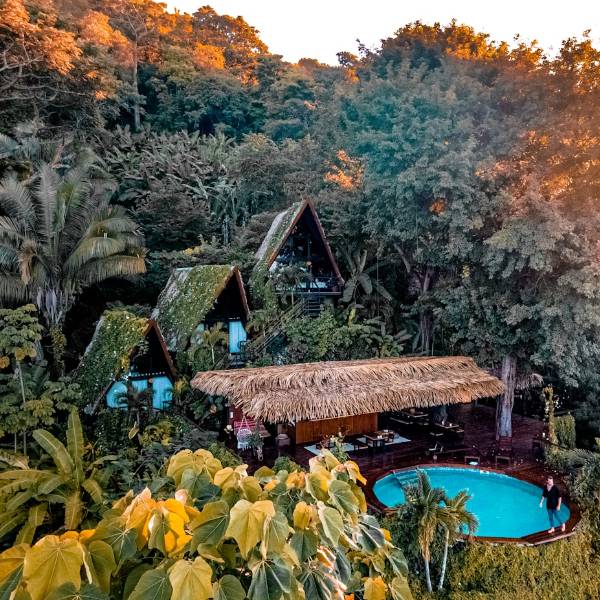
Before You Make an Offer
Speak with counsel before signing. Send listing details, draft terms, HOA information, developer materials, and any known documents. Condition your offer on title, water, zoning, and survey review.
During Due Diligence
Ask for a checklist, timeline, and mid-process call. This is when you renegotiate, require fixes, extend deadlines, or walk away.
At Closing and After
Expect funds in escrow, signatures before the notary, and deed submission. Request scanned contracts, proof of filing, and a later registry certificate showing you or your corporation as owner.
FAQ: Costa Rica Real Estate Lawyer and Buying Process
Can Americans and Canadians legally buy and own real estate in Costa Rica just like locals?
Yes, for titled property, foreign buyers generally have the same ownership rights as Costa Ricans.
How much should I expect to pay a Costa Rica real estate lawyer?
Usually 1% to 1.5% for legal and notary work, depending on complexity.
How long does a typical purchase take?
Many closings take several weeks for diligence and signing, then additional weeks for registration.
What are the main closing costs?
Budget for legal fees, notary fees, transfer tax, registry stamps, escrow, surveys, and administrative costs.
Personal name or corporation?
It depends on liability, succession, rental plans, and simplicity. Ask for case-specific advice.
Can I close from outside Costa Rica?
Often yes, using a properly drafted power of attorney.
What if diligence finds a lien or no legal water?
Your lawyer should explain options: cure, renegotiate, delay, or cancel.
How do I verify that a Costa Rica real estate lawyer is qualified?
Buyers should verify bar membership, notary status, professional reputation, and experience with real estate transactions in the specific region where they plan to purchase.
Can one lawyer represent both the buyer and seller?
Technically yes, but most foreign buyers are better served by hiring an independent attorney whose sole responsibility is protecting their interests.
What documents should my attorney review before I buy?
Your attorney should review title records, surveys, zoning information, water availability documentation, HOA records, corporate documents (if applicable), and any purchase agreements before closing.
Why Choose Coastal Realty as Your Partner in the Buying Process
Coastal Realty is not a law firm. We are a boutique agency founded in 2006, assisting clients across Playas del Coco, Playa Hermosa, Flamingo, Las Catalinas, and Tamarindo. Our value is pairing property search with grounded local guidance.
Our two-layer approach is simple: independent legal counsel plus a buyer’s agent who understands the local market, construction, HOAs, water providers, and practical risks. We maintain a vetted network of English-speaking attorneys, escrow providers, and notaries based on years of performance, not referral fees. You can also learn more about our Costa Rica buying process before you start.
Conclusion: Do This Once, Do It Right
Costa Rica can be a solid country for lifestyle, retirement, and real estate investment when you respect the legal landscape. When purchasing property in Costa Rica, it is essential for foreigners to work with an attorney who understands the legal, financial, and technical aspects of Costa Rican property law to ensure compliance and protection of their investment.
Your independent Costa Rica real estate lawyer is your main line of defense against expensive surprises involving title, water, boundaries, possession, escrow, and coastal rules. Start with clarity, not pressure.
If you are considering a purchase on Guanacaste’s Gold Coast, contact Coastal Realty for a calm conversation about your goals, budget, and risk tolerance. We can help you connect with vetted independent counsel and move forward with the right team around you.