
Why Guanacaste Costa Rica Real Estate Has Become the Gold Coast of the Americas
The Lifestyle Equation That Draws North Americans to the North Pacific
North Americans don’t move to Guanacaste for a lower cost of living. They move for a better one. The North Pacific coast of Costa Rica offers something that no amount of money can reliably purchase in the United States or Canada: roughly 300 days of sunshine per year, warm water within twenty minutes of nearly any address, world-class surfing and sportfishing, and the kind of unhurried pace that people spend decades chasing on weekends. Guanacaste costa rica real estate is one of the most searched topics among foreign buyers exploring this part of Central America.
The lifestyle equation isn’t abstract. It’s a retired couple from Colorado who spends their mornings walking the beach at Playa Hermosa and their afternoons watching howler monkeys cross the tree line from their terrace. It’s a remote professional who discovered that a two-bedroom condo in Tamarindo costs less per month than her apartment in Austin, while delivering a quality of daily life that no comparable American city can match. Guanacaste Costa Rica real estate has become a serious market precisely because the lifestyle isn’t a fantasy, and a growing number of buyers are arriving having already visited, having already stayed, having already fallen a little bit in love with what they found.
Climate, Infrastructure, and Accessibility: What Has Changed
The transformation of Guanacaste’s infrastructure over the past fifteen years changed the nature of this market entirely. The Daniel Oduber Quiros International Airport in Liberia now receives direct flights from major North American cities, including multiple daily connections from Miami, Houston, and Toronto. What once required a four-hour drive from San José now takes three hours from takeoff. This is a key dynamic shaping the guanacaste costa rica real estate market in 2026.
The road network has expanded and improved significantly. The highway connecting Liberia to the coast communities now allows reliable access to Playas del Coco, Flamingo, Tamarindo, and the Papagayo Peninsula. Modern hospitals, private medical clinics, high-speed fiber internet, and international grocery options have arrived in the major centers. These aren’t amenities that were quietly present and overlooked. They represent a generational shift in what it means to live here full-time or manage property remotely. This is a key dynamic shaping the guanacaste costa rica real estate market in 2026.
The 2026 Market Moment: Why Serious Buyers Are Moving From Research to Action
Buyers who have been watching Guanacaste Costa Rica real estate from a comfortable distance are increasingly aware that watching has a cost. Property values in established corridors, particularly around Papagayo, Flamingo, and the Tamarindo area, have absorbed a sustained period of appreciation. Post-pandemic migration added demand pressure that hasn’t fully dissipated. Quality inventory at mid-market price points cycles faster than it did five years ago.
None of this means buyers should rush or skip due diligence. What it does mean is that 2026 is a market where preparation and decisive action are rewarded, and prolonged hesitation tends to result in settling for second-choice properties at prices that feel less justified. The buyers making smart moves right now aren’t impulsive. They’re simply prepared. They’ve done the research, they’ve found trustworthy advisors on the ground, and they’re ready to act when the right property appears.
Where Guanacaste Fits in the Broader Costa Rica Property Landscape
Costa Rica offers several distinct real estate regions, and they attract meaningfully different buyers. The Central Valley around San José appeals to those prioritizing urban amenities, mild temperatures, and proximity to government services. The Caribbean coast draws a niche crowd seeking authenticity, rainforest, and dramatically different pricing. The Southern Zone, including the Osa Peninsula, remains the frontier: biodiverse, remote, and complex to develop.
Guanacaste occupies a specific position in this landscape as the most accessible, most developed, and most internationally connected coastal region in the country. It carries the highest concentration of foreign ownership, the most mature vacation rental market, the strongest supporting infrastructure for absentee owners, and the deepest liquidity when it comes time to sell. For buyers whose goals include rental income, ease of management, or eventual resale, the North Pacific coast simply has no peer in Costa Rica. Buyers researching guanacaste costa rica real estate will find this pattern consistent across the region.
—
Mapping Guanacaste Costa Rica Real Estate: Understanding Each Sub-Market
Papagayo Peninsula: Luxury Infrastructure and the Gated Community Standard
The Papagayo Peninsula sets the standard for luxury real estate in Costa Rica. The peninsula is home to Four Seasons and Andaz resorts, master-planned marina communities, and some of the most refined residential developments in Central America. Buyers here expect paved private roads, 24-hour security, marina access, and the social infrastructure that comes with a neighborhood of like-minded, high-net-worth residents. Buyers researching guanacaste costa rica real estate will find this pattern consistent across the region.
Properties start in the high six figures and move well into the millions. The tradeoff for that premium is genuine: you’re purchasing into a self-contained luxury ecosystem with high professional management standards, consistent property values, and a rental market that attracts premium travelers. For buyers who want the best and want it secured, Papagayo delivers. It is one of the factors that distinguishes guanacaste costa rica real estate from comparable markets.
Playas del Coco and the Hermosa Corridor: The Expat-Integrated Community
Playas del Coco is where the expat community actually lives. It’s a real town with full-time residents, local restaurants, a functioning commercial district, and social networks that welcome newcomers without requiring them to build from scratch. Playa Hermosa, just minutes south, provides a quieter beach setting while remaining close enough to Coco’s amenities to benefit from them.
This corridor attracts buyers who want to integrate, not just vacation. Price points are significantly more accessible than Papagayo, with solid condos and single-family homes available in the $200,000 to $500,000 range. Rental demand is healthy, driven by long-stay travelers and the robust diving and sportfishing market that anchors the area’s tourism economy. This context is essential for anyone seriously researching guanacaste costa rica real estate.
Tamarindo: The Surf-Town Balance of Lifestyle and Investment Liquidity
Tamarindo has achieved something rare in coastal real estate: it became a well-developed town without losing the character that made it worth developing. The surf culture is genuine, the restaurant and nightlife scene is legitimate, and the international school options make it viable for younger buyers with families.
From an investment perspective, Tamarindo carries some of the highest vacation rental liquidity on the Gold Coast. Name recognition among North American travelers drives consistent booking demand, and resale markets are active. The risk, if any, is that higher baseline demand means entry prices have climbed, and finding genuine value requires local knowledge rather than a casual online search.
Nosara and the Nicoya Peninsula: Privacy, Wellness Culture, and a Different Kind of Value
Nosara operates on its own terms. The community has deliberately resisted the kind of commercial development that transformed Tamarindo, which means quieter roads, limited signage, and a wellness-oriented culture that prioritizes quality of experience over convenience. Buyers here tend to be more intentional about their choice: yoga practitioners, surfers, and remote professionals who value the lack of crowds as a feature rather than a limitation.
The Nicoya Peninsula is also recognized as one of the world’s Blue Zones, a designation tied to the region’s exceptional longevity and quality of life. That profile has filtered meaningfully into the buyer demographic and supports premium pricing for properties near the beach. Access remains less straightforward than the northern corridor, which both limits development pressure and limits rental market scale. The guanacaste costa rica real estate sector has been defined by exactly these dynamics in recent years.
Flamingo, Conchal, and the Mid-Coast Pocket Markets Worth Knowing
The stretch between the Papagayo access road and Tamarindo includes some of the Gold Coast’s most compelling pockets. Playa Flamingo combines a blue-flag beach with a developing marina and a residential feel that hasn’t yet priced in the full trajectory of growth underway. Playa Conchal, anchored by the Westin Reserva Conchal resort and its residential communities, offers a mix of managed resort ownership and independent properties within reach of one of the most beautiful beaches in the country.
These mid-coast markets reward buyers who understand them well. Generic online searches surface less inventory here, which means the best opportunities exist in the relationships and local knowledge that a skilled area advisor brings to the table.
Where Is the Best Place for Americans to Buy in Costa Rica?
There is no single best place, which is actually good news. The right answer depends on who you are, what you need the property to do, and which version of your life in Costa Rica actually appeals to you. The question worth asking isn’t “where is the best location?” but rather “which location fits my stage of life, my ownership goals, and the way I want to spend my time?”
Matching Sub-Market Character to Life Stage and Ownership Goals
Use the framework below to identify which Gold Coast zone aligns with your buyer profile. Match your priorities across four dimensions: lifestyle character, budget range, rental income potential, and ownership complexity.
Papagayo Peninsula
- Buyer profile: Luxury-focused, wealth preservation priority, turnkey expectations
- Budget entry point: $700,000 and above
- Rental income potential: High nightly rates, premium short-stay market
- Ownership complexity: Low, with professional HOA management and strong legal infrastructure
Playas del Coco and Hermosa Corridor
- Buyer profile: Full-time or long-stay expat, community integration priority, active retirement
- Budget entry point: $180,000 to $500,000
- Rental income potential: Moderate to strong, driven by diving, fishing, and long-stay demand
- Ownership complexity: Low to moderate, with established expat services and property management options
Tamarindo
- Buyer profile: Lifestyle buyer with income goals, family-friendly priorities, resale liquidity focus
- Budget entry point: $250,000 to $700,000
- Rental income potential: Among the highest on the Gold Coast, with strong year-round name recognition
- Ownership complexity: Moderate, active market requires attentive management to maximize returns
Nosara and Nicoya Peninsula
- Buyer profile: Privacy-seeker, wellness culture fit, long-term appreciation play
- Budget entry point: $300,000 to $1,000,000 for beachside properties
- Rental income potential: Moderate, strong nightly rates but limited volume and seasonal access
- Ownership complexity: Higher, limited infrastructure requires experienced local oversight
Flamingo, Conchal, and Mid-Coast Pocket Markets
- Buyer profile: Value-oriented investor, mid-market lifestyle buyer, growth-stage appreciation focus
- Budget entry point: $200,000 to $600,000
- Rental income potential: Moderate and growing, with marina development and resort proximity improving demand
- Ownership complexity: Moderate, local market knowledge matters significantly more than in established zones
The most common buyer mistake isn’t choosing the wrong town. It’s choosing a town based on a listing rather than the life. Spend time in each area before committing, and ask an advisor who knows each sub-market intimately which one actually fits your profile. That conversation, more than any search filter, is where good decisions begin.
—
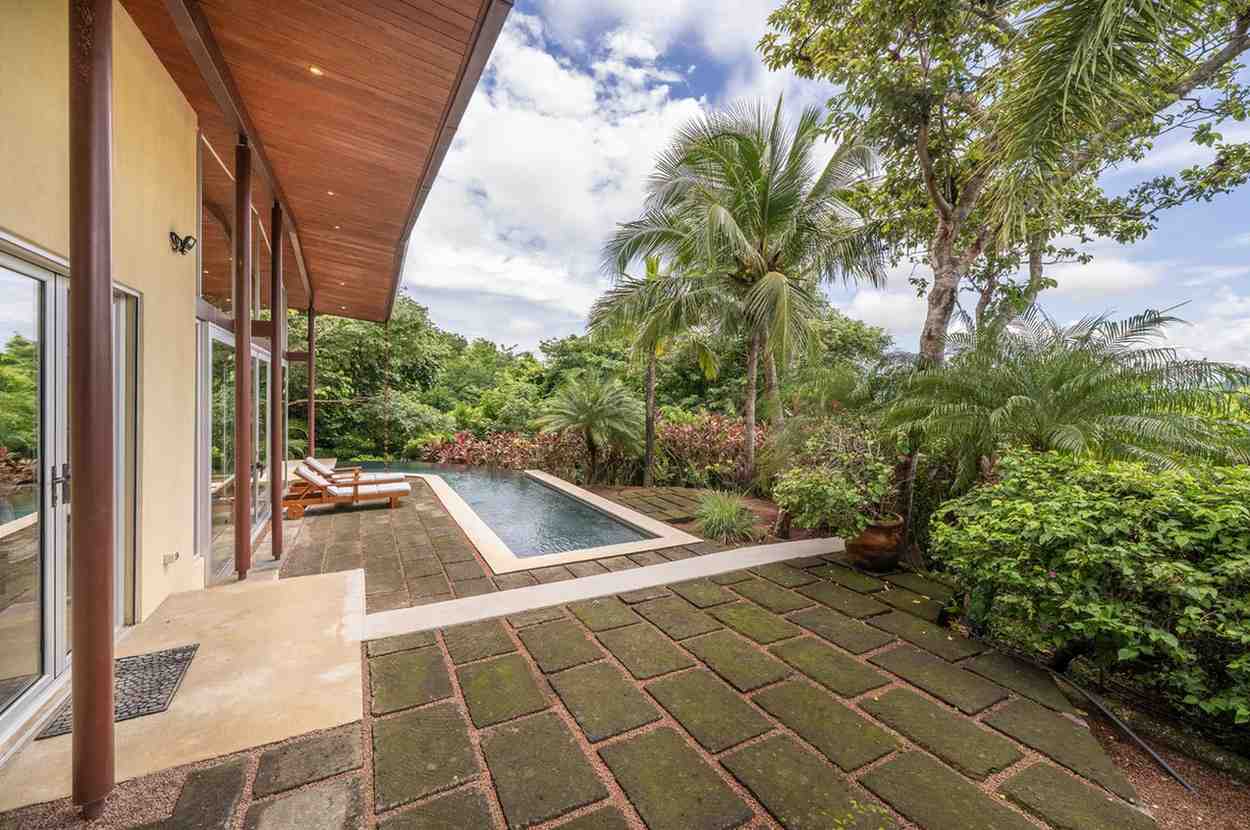
From Beachfront Villas to Inland Farms: What the Guanacaste Costa Rica real estate Market Actually Offers
Beachfront and Ocean-View Homes: What the Premium Really Buys
Beachfront property in Guanacaste commands a premium that goes well beyond the view. You are paying for scarcity, proximity to the activity that drives the rental market, and in most cases, a property that holds its value through market cycles because supply is structurally limited. A true beachfront home on a titled lot in Flamingo or Tamarindo can run from $800,000 to well over $3 million. Ocean-view homes set back from the beach, often on hillside lots with panoramic sightlines, offer a more accessible entry point, typically $400,000 to $1.2 million depending on location and finish quality.
What buyers sometimes miss is that “ocean view” covers enormous variation. A partial view from a second-floor terrace and an unobstructed horizon from a primary living space are different products with different rental performance profiles. Ask an advisor who knows the specific community to walk you through exactly what you’re buying before you commit to the premium.
Condominiums and Gated Residential Communities: The Turnkey Case
For absentee owners, condominiums and gated communities solve a problem that standalone homes create: ongoing management. A well-run community association handles landscaping, pool maintenance, security, and common infrastructure. When you are not in the country, that structure protects your investment without requiring you to orchestrate it yourself.
The Guanacaste Costa Rica real estate market offers a strong selection at this tier. Developments near Papagayo, Coco, and Tamarindo range from studio and one-bedroom units in the $150,000 to $280,000 range to fully furnished three-bedroom residences at $450,000 and above. The turnkey case is real, but it depends entirely on the quality of the HOA. Before purchasing any condo or gated community property, review the HOA financials, reserve fund balances, and meeting minutes. A community with deferred maintenance and underfunded reserves is a liability that no listing price reflects.
Building Lots and Raw Land: Opportunity, Patience, and Risk
Titled building lots represent the highest upside and the longest runway in the Guanacaste Costa Rica real estate market. An ocean-view lot in a developing corridor can be acquired for $80,000 to $250,000 and built into a property worth significantly more in the right location. Inland agricultural land, including small farms known locally as fincas, sells at prices that would seem impossible to a North American buyer.
The risks are proportional. Land requires a clear title review, verified water access, confirmation of legal road access, and in coastal areas, a Maritime Zone assessment. Construction in Costa Rica moves on its own timeline, requires trustworthy project oversight, and involves permit processes that reward patience. Buyers who treat raw land as a passive investment often discover it requires active stewardship. Buyers who approach it as a long-term build project with experienced local support frequently find it the most rewarding path in the market.
Income-Producing Properties and Small Commercial Real Estate
Guanacaste’s tourism economy creates legitimate opportunities in income-producing residential and small commercial properties: boutique hotels, vacation rental portfolios, restaurant spaces, and small retail buildings near beach communities. These assets attract buyers who want operating income rather than appreciation as their primary return.
Pricing varies widely and due diligence requirements are higher than for residential purchases. Financial statements, occupancy history, staff agreements, and licensing compliance all require independent verification. This is a category where experienced local counsel and an advisor with commercial market knowledge are not optional.
Can You Buy a House in Costa Rica for $50,000?
Yes, occasionally, but not in Guanacaste, and not without significant risk. Properties at that price point exist in remote rural areas and typically involve structures with no permits, unclear title history, or locations where resale is years away and rental income is zero. They are not starter investments. They are projects for people with deep local networks, construction experience, and the ability to absorb a loss if the title or structure turns out to be exactly what the price implied.
If your budget is genuinely under $150,000 for a Guanacaste Costa Rica real estate property, the right conversation with an advisor focuses on what that budget can realistically achieve in the current market, rather than on finding a listing that matches a number you’ve decided in advance.
Price Ranges Across the Market in 2026
- Entry-level ($150,000 to $300,000): Smaller condos in established communities near Coco, Tamarindo, and Flamingo, some ocean-view lots in developing areas, and older single-family homes in expat neighborhoods
- Mid-range ($300,000 to $700,000): Three-bedroom homes and condos in gated communities, titled hillside properties with strong rental profiles, and newer construction in secondary beach corridors
- Luxury ($700,000 and above): Beachfront homes, Papagayo Peninsula properties, fully finished villas with pools and panoramic views, and branded residence programs
These ranges reflect the active market in 2026. Specific corridors push these numbers in both directions, which is why working with an advisor who tracks individual sub-markets matters more than relying on broad averages.
—
The Legal Landscape Every Foreign Buyer Must Understand Before Signing Anything
The Foundational Truth: Foreigners Own Property in Costa Rica With the Same Rights as Citizens
Costa Rica’s constitution grants foreigners full property ownership rights equivalent to those held by citizens. There is no foreign ownership restriction on titled land, no requirement to form a local partnership, and no limitation on repatriating proceeds when you sell. This is not a common arrangement in Latin America, and it is a foundational reason why buying property in Guanacaste as a foreigner attracts serious international buyers rather than speculators looking for workarounds.
You can purchase in your personal name or through a Costa Rican corporation, known as a Sociedad Anónima. Each structure carries different implications for liability, estate planning, and tax treatment. Your independent attorney, not your real estate agent, should guide that decision based on your specific situation.
How the Public Registry and Title System Actually Works
Costa Rica maintains a centralized Public Registry (Registro Nacional) where all titled properties are recorded. Every titled property carries a folio real number, a unique identifier that links to the full ownership history, recorded liens, mortgages, easements, and encumbrances. This system is publicly searchable, and a clean title search against the folio real is one of the first steps in any legitimate purchase process.
The registry is reliable when the title is clean and the property is properly registered. The risks emerge with properties that have boundary disputes, outdated surveys, or ownership structures that haven’t been properly maintained. A thorough title search conducted by your attorney, along with a new survey from a licensed topographer, eliminates most of these risks before they reach closing.
Maritime Zone Law: The Critical Exception That Catches Buyers Off Guard
Maritime Zone Law (Ley de la Zona Marítimo Terrestre, Law 6043) governs the first 200 meters from the mean high-tide line along Costa Rica’s coastline. The first 50 meters is public land and cannot be privately owned by anyone. The next 150 meters is concession territory, meaning it can be leased from the government through a municipal concession but cannot be titled and owned outright.
This distinction catches buyers off guard because properties in the Maritime Zone can look and feel like owned real estate. They have homes on them, they sell for significant prices, and the transactions are legal. But you are purchasing a concession right, not a fee-simple title, and concessions carry renewal risk, restrictions on transferability, and requirements that only Costa Rican citizens or corporations majority-owned by citizens can hold them.
Some of the most beautiful beachfront properties in Guanacaste sit in this zone. That doesn’t make them bad investments, but it means the due diligence process is fundamentally different. This is exactly the kind of issue where an experienced local advisor protects you before you fall in love with a listing.
The Step-by-Step Purchase Process for a Foreign Buyer
The purchase process follows a defined sequence once you identify a property.
- Offer and acceptance. A letter of intent or purchase offer establishes price and basic terms.
- Escrow opened. Earnest money deposits go into a licensed escrow account, not to the seller directly.
- Due diligence period. Your attorney conducts a title search, reviews the survey, confirms permits, checks for liens, and examines the corporate structure if the property is held in a corporation.
- Purchase agreement. A formal sales agreement (escritura de compraventa) is drafted by the attorney.
- Closing. The deed is signed before a Costa Rican notary/attorney, transfer taxes and closing costs are paid, and the transaction is submitted to the Public Registry.
- Registration. The new title registers in your name, completing the transfer.
The due diligence phase is where problems surface and where experienced legal representation earns its fee many times over.
Escrow in Costa Rica: Why It Is Non-Negotiable
Escrow protects both parties by holding funds with a neutral third party until all conditions are met. In a foreign transaction where the buyer has limited ability to assess the seller’s financial position or the property’s encumbrances in real time, escrow eliminates the scenario where funds are released before title is confirmed clean.
Use a licensed escrow company or a reputable law firm’s escrow service. Never wire funds directly to a seller or a real estate agent’s operating account, regardless of how the request is framed. This single rule prevents the most common financial losses in Costa Rica real estate transactions.
What Legal Risks Do Foreign Buyers Face, and How Do You Protect Yourself?
The risks that actually materialize for foreign buyers fall into a few categories: purchasing property with undisclosed liens or back taxes, buying a Maritime Zone concession without understanding what you don’t own, dealing with fraudulent sellers or title fraud in corporate-held properties, and overlooking unpermitted construction that creates liability after closing.
Choosing an Independent Attorney
Your real estate agent, however experienced and trustworthy, represents the transaction. Your attorney represents you. These are different jobs with different obligations, and the distinction matters most during due diligence when problems are discovered.
Hire an attorney who is independent of your agency relationship, who specializes in real estate and property law, and who charges a flat fee or transparent hourly rate rather than a commission tied to closing. Ask for references from other foreign buyers. The cost is typically 1 to 1.5 percent of the purchase price, and it is one of the most valuable fees you will pay in the entire process.
How to Verify That a Property Title Is Clean
Title verification runs through the Public Registry search against the folio real, a review of the cadastral map to confirm boundary alignment, a check for recorded easements and rights of way, and confirmation that property taxes are current. Your attorney conducts this work during the due diligence period. A legitimate seller welcomes it. Any resistance to a thorough title review is a signal to walk away.
How Long Does the Purchase Process Take?
A straightforward purchase with a clean title and no complications typically closes in four to eight weeks. Transactions involving corporate transfers, Maritime Zone concessions, or properties with title issues that need resolution can run three to six months. Plan your timeline accordingly, and build buffer room rather than assuming the fast end of the range.
—
The True Cost of Ownership: What Most Buyers Forget to Budget For
The Luxury Tax (Impuesto Solidario): How It Is Calculated and When It Applies
Costa Rica levies a solidarity tax (Impuesto Solidario para el Fortalecimiento de Programas de Vivienda) on properties valued above approximately $265,000, adjusted periodically. The rate is progressive, starting at 0.25 percent annually for properties near the lower threshold and stepping up for higher-value properties. For a $500,000 home, the annual tax runs roughly $1,250. For a $2 million property, the figure climbs considerably higher each year.
This tax applies regardless of residency status and is assessed on the declared property value registered with the municipality. Undervaluing a property to reduce tax exposure creates legal risk and complications at resale. Budget for this cost from the start.
HOA and COA Fees in Guanacaste: What You Should Know Before Buying a Condo
HOA and community fees in Guanacaste range from around $150 per month for a modest condo in a well-run smaller community to $800 or more per month in full-service gated developments with 24-hour security, pool staff, and grounds maintenance. These fees cover real services that a standalone property owner pays for separately, so the comparison isn’t purely an added cost, but you need to know exactly what you’re paying and what it delivers.
Before closing, request the last 12 months of HOA financial statements, the current reserve fund balance, and any pending special assessments. A community with a depleted reserve fund and aging infrastructure is a predictable future expense that the listing price won’t reflect.
Property Insurance, Maintenance Reserves, and the Tropical Climate Factor
Tropical environments are not gentle on buildings. Salt air, humidity, intense sun, and the heavy rain of wet season (May through November) accelerate wear on roofing, exterior paint, wood elements, plumbing, and HVAC systems. A property that looks pristine in dry season can reveal deferred maintenance issues after the first wet season.
Budget a maintenance reserve of 1 to 2 percent of property value annually for an older standalone home. Property insurance through a reputable Costa Rican insurer typically runs $1,500 to $3,500 per year for a mid-range home, depending on coverage, location, and construction quality. Skipping insurance because it feels optional is a risk not worth taking.
Utility Infrastructure, Water Rights, and the Costs Unique to Coastal Properties
Properties connected to municipal water systems are straightforward. Properties in rural areas or on large lots may rely on wells, water concessions, or private water associations, each with separate rights, costs, and risks. Confirm water rights documentation as part of due diligence. A property without a clear, legal water source is a property with a problem.
Electricity in Guanacaste is reliable in established communities and less consistent in remote areas. Internet connectivity through fiber or fixed wireless is available in most coastal towns. If remote work or rental appeal depends on connectivity, verify it directly rather than assuming the listing description is current.
Property Management Fees and What Full-Service Oversight Actually Covers
Full-service property management in Guanacaste typically costs 10 to 15 percent of gross rental revenue, plus monthly oversight fees ranging from $100 to $300 for non-renting periods. What that fee should buy: local inspection and maintenance coordination, rental marketing and guest communication, bill payment and utility management, vendor relationships for repairs, and direct availability to handle problems on your behalf.
The operational reality of absentee ownership in a tropical environment is that things break, guests have questions, and bureaucratic tasks accumulate on a calendar that doesn’t pause because you are thousands of miles away. A management fee paid to a capable local team is not a luxury line item. It is the infrastructure that makes remote ownership function.
The Hidden Costs That Turn Affordable Properties Into Expensive Mistakes
The gap between purchase price and total ownership cost is where buyers most commonly underestimate their actual exposure. Recurring costs that catch new owners off guard include:
- Transfer taxes and closing costs at purchase, typically 3.5 to 4 percent of the declared value
- Annual corporate maintenance if the property is held in a Sociedad Anónima, covering attorney fees and required filings
- Municipal taxes assessed by the local municipality at 0.25 percent of property value annually, on top of the solidarity tax
- Permit costs for any improvements or construction, which require licensed engineers and municipal approvals
- Import duties and customs fees on furniture and appliances brought from abroad
A property listed at $280,000 that feels like an accessible entry point can carry $18,000 to $25,000 in acquisition costs and several thousand dollars more in annual carrying costs before any maintenance or management. That math isn’t discouraging if you plan for it. It is only a problem when it surprises you after closing.
—
Vacation Rental Income and the Absentee-Owner Reality
How the Guanacaste Vacation Rental Market Performs and What Drives Occupancy
Guanacaste’s vacation rental market is one of the strongest performing in Latin America, and the drivers are structural rather than cyclical. North Americans can reach Liberia on a direct flight from most major cities, the dry season runs from December through April and aligns perfectly with peak travel demand from cold-weather markets, and the Gold Coast’s reputation is established enough that travelers book here confidently without requiring a personal referral.
Occupancy rates vary significantly by location and management quality. Well-positioned properties in Tamarindo and the Coco-Hermosa corridor with professional management and strong listing presence can achieve solid occupancy during high season. Properties that underperform are almost never underperforming because of location. They underperform because of presentation, pricing strategy, or neglected guest experience.
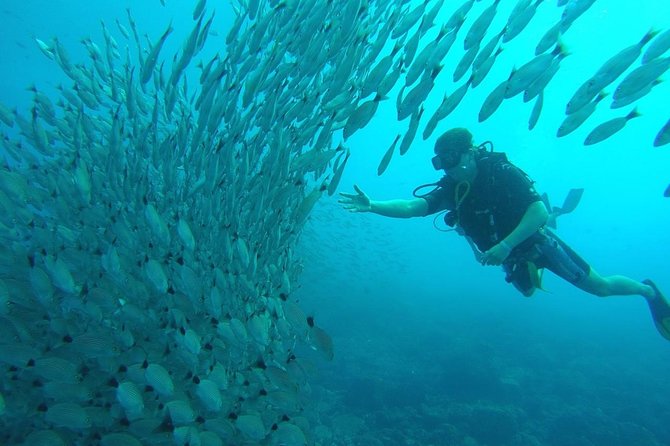
The Operational Stack: What Remote Income Generation Actually Requires
Running a vacation rental from North America is not a passive endeavor. The income is real, but it requires a functioning operational layer in Guanacaste that most buyers underestimate before purchase.
The minimum operational stack for a performing rental includes:
- A local property manager or management company with full-time availability
- A professional cleaning crew with reliable scheduling around check-in and check-out windows
- A licensed property listed accurately on major booking platforms with current pricing
- A trusted local vendor network for plumbing, electrical, appliance repair, and pool maintenance
- A process for handling guest communication, emergencies, and key management
None of this is unmanageable. All of it requires coordination. The buyers who generate consistent rental income are the ones who treated the operational setup as part of the investment, not an afterthought.
Can You Manage a Costa Rica Property Remotely, or Do You Need Local Help?
The honest answer is that remote self-management is possible but rarely sustainable. Booking platforms and digital communications make the guest-facing side of management workable from abroad. What they don’t solve is the physical reality of a tropical property: the pool pump that stops working the night before arrival, the water pressure issue a guest reports at 10 p.m., the cleaning crew that doesn’t show because of a local holiday you didn’t know about.
Without local representation, the gap between a guest’s expectation and your ability to respond from thousands of miles away produces bad reviews, refund requests, and declining occupancy over time. Remote ownership works. Remote self-management in a tropical environment, without a competent local team, almost always erodes the investment it was meant to protect.
What Breaks Down When Absentee Owners Choose the DIY Path
The failures follow a predictable pattern. Maintenance deferred because coordinating vendors from abroad feels complicated compounds into repair bills that dwarf what a property manager would have cost. Guest complaints go unresolved because there is no one on the ground with authority to act. Listing quality decays because no one is updating photos, refreshing pricing, or responding to platform algorithm changes. The property gradually slips out of competitive ranking while the owner wonders why occupancy is falling.
The cost of under-management is always higher than the cost of proper management. It shows up in vacancy, in deferred repair costs, and in the depreciation of a property that stops looking like a premium rental product.
Structuring Your Property for Both Personal Use and Rental Income
The owners who extract the most value from Guanacaste Costa Rica real estate are those who design the property’s use calendar deliberately from the start. Personal use windows get blocked on the rental calendar well in advance. High-season weeks that command premium nightly rates get prioritized for rental income. The shoulder season fills with mid-range bookings that cover carrying costs.
This requires a direct conversation with your property manager before you purchase, not after. The best managers will walk you through a realistic income projection based on comparable properties, help you understand which months carry the highest demand, and advise on whether a particular property’s layout and amenities will appeal to the rental profile you’re targeting. That conversation should inform your purchase decision, not follow it.
Legal and Tax Considerations for Rental Income as a Foreign Owner
Rental income earned in Costa Rica is taxable in Costa Rica, regardless of where you live. Property owners who operate through a Costa Rican corporation can register as an active business and deduct legitimate operating expenses, including management fees, maintenance, insurance, and utilities, before calculating taxable income.
You also carry an obligation to report rental income in your home country. The United States taxes worldwide income for citizens and permanent residents, and Costa Rica rental income is no exception. A tax advisor familiar with both jurisdictions will ensure you are not doubling up on tax obligations unnecessarily and are capturing all legitimate deductions available to you. This is a manageable situation, not a deterrent, but it requires proper setup from the beginning rather than correction after the fact.
—
Why Who Represents You Matters More Than the Listing Itself
The Volume-Brokerage Model and Why It Fails the Overseas Buyer
Large volume brokerages operate on a simple logic: more listings mean more transactions, and more transactions mean more revenue. For a buyer who lives locally and can visit properties repeatedly, ask questions of multiple agents, and verify claims independently, that model is workable. For a foreign buyer making one or two site visits before committing to a purchase from thousands of miles away, it is a structural mismatch.
Volume brokerages have no particular incentive to steer you toward the right property over the closeable one. Their agents often cover multiple markets without deep expertise in any of them. The post-closing relationship is, in most cases, nonexistent. Once the commission is paid, your needs are no longer their operational priority.
What a Relationship-Driven, Boutique Firm Actually Does Differently

A boutique advisory firm organizes its practice around the buyer’s full journey rather than the individual transaction. The practical difference shows up in the specifics: an advisor who has watched a particular community’s HOA mismanage its reserve fund over three years will tell you not to buy there, even if it costs a commission. An advisor with deep sub-market knowledge will identify the property that fits your actual life rather than the one that photographs well. An advisor invested in your long-term success introduces you to the attorney, the property manager, the insurance broker, and the tax accountant, and those introductions carry genuine weight because they’re grounded in years of working relationships.
The advisory model also extends past closing. Property management, annual compliance filings, maintenance oversight, and market updates on your asset’s value are part of an ongoing relationship, not services you have to locate and vet from scratch after the deed is signed.
How to Identify a Legitimate Agent and Avoid Scams in the Costa Rica Market
Costa Rica does not require real estate agents to hold a license, which means the barrier to calling yourself an agent is exactly zero. Legitimate practitioners distinguish themselves through verifiable track records, transparent business practices, professional affiliations with organizations like CRGAR (the Costa Rican Association of Real Estate Agencies), and a willingness to provide references from past foreign buyers.
Walk away from any agent who discourages you from hiring an independent attorney, pressures a timeline before due diligence is complete, or cannot explain clearly how their commission is structured and who pays it. Legitimate advisors welcome scrutiny because scrutiny is how trust is built.
The Questions Every Buyer Should Ask Before Signing a Representation Agreement
- How long have you worked specifically in this sub-market, and can you provide references from foreign buyers you’ve represented in the past two years?
- Do you offer property management services, or will you refer me to a manager after closing?
- How is your commission structured, and who pays it?
- How do you handle a situation where the best advice for my goals is not to purchase a specific property?
- Who handles my needs after the transaction closes?
Red Flags That Signal a Transactional Rather Than Advisory Relationship
- Pressure to move quickly before you have completed due diligence
- Reluctance to discuss properties outside their own listing inventory
- No clear answer on what happens to the relationship post-closing
- Vague or evasive responses to questions about their legal or tax knowledge
- No established property management capability or trusted referral network
Nearly Two Decades on the Gold Coast: Why Longevity and Local Depth Are Non-Negotiable
Institutional knowledge in a real estate market cannot be transferred and it cannot be faked. An advisor who has operated on the Gold Coast for close to two decades has watched communities cycle through management regimes, seen which developers deliver on their commitments and which don’t, built working relationships with the attorneys and government officials who move transactions forward, and developed a calibrated sense of which properties are priced fairly and which are not.
That depth protects you in ways that no amount of online research replicates. The advisor who knows the history of a particular development, or the quiet encumbrance issue that affected a corridor three years ago, is not reading from a database. That knowledge comes from being present, active, and invested in a single market over time.
From First Inquiry to Long-Term Stewardship: The Property Lifecycle Partnership Model
The buyers who experience the least friction and the most satisfaction with Guanacaste Costa Rica real estate are those who found a single, trusted point of accountability before they purchased and kept that relationship active through every phase of ownership. Acquisition is the beginning of that relationship, not the end of it.
A true lifecycle partner handles the search, the negotiation, the attorney and escrow introductions, and the closing. After closing, that same firm manages the property, coordinates maintenance, handles rental oversight, and monitors the market on your behalf. When you decide to sell, they know the asset’s history, the current buyer profile, and the pricing context better than any outside party could.
That continuity has a real dollar value. Properties that are well-maintained, properly managed, and represented by advisors who know their history sell faster and closer to asking price. The relationship is not a soft benefit. It is a financial asset.
—
The Single Most Important Question to Ask Any Real Estate Firm
Before engaging any firm to represent you in a Guanacaste Costa Rica real estate property purchase, ask this: “What does your relationship with me look like one year after closing?”
A transactional firm will stumble on that question. A lifecycle partner will answer it without hesitation, because they’ve built their entire practice around that answer. Listen for specifics: named contacts, described services, management capabilities, and a clear sense that your ownership success matters to them after the commission is paid. If the answer is vague, the relationship will be too.
—
Your New Life on the Gold Coast Starts With the Right Partner, Not the Right Listing
Recapping the Full-Journey Framework: Legal Clarity, Lifecycle Stewardship, and Lasting Peace of Mind
This guide has covered a lot of ground because buying Guanacaste Costa Rica real estate as a foreign buyer requires a lot of ground to be covered. The legal framework, the sub-market differences, the full cost of ownership, the rental income reality, the absentee management challenge: each of these is a place where things can go right or wrong depending on the quality of your preparation and the quality of your representation.
The through-line connecting every section is the same: information matters, but who applies it on your behalf matters more. The buyers who navigate this market well are not necessarily the most financially sophisticated or the most experienced international investors. They are the ones who found a trusted local partner early and let that partnership do the work it’s designed to do.
The Emotional Weight of This Decision Deserves More Than an Inventory Search
Buying property in Guanacaste is rarely just a financial decision. For most buyers, it represents a commitment to a different version of their life: mornings on the water, slower days, a community that feels chosen rather than inherited. That decision carries real emotional weight, and it deserves more than a database search and a wire transfer.
The fear of making a costly, irreversible mistake from thousands of miles away in an unfamiliar legal and cultural system is legitimate. The way to address that fear is not to hesitate indefinitely. It is to put the right people in your corner before you act, people who have done this before, who know this market deeply, and who will still be accountable to you long after the closing documents are signed.
How Coastal Realty & Property Management Walks With You From First Question to Long-Term Ownership
Coastal Realty & Property Management has spent nearly two decades building a practice specifically designed to support foreign buyers through every phase of Gold Coast ownership. The team combines deep sub-market expertise with integrated property management capabilities, which means the relationship that begins with your property search continues through closing and extends through every year you own the asset.
The firm’s approach is straightforward: your goals shape the search, not the other way around. The advisory conversation comes before the listing tour. The attorney, the escrow company, the insurance broker, and the property manager are all part of an established network that works together, rather than a collection of vendors you have to assemble from scratch.
Starting the Conversation: What Reaching Out Actually Looks Like
The first conversation is not a commitment. It is a calibration. You share what you’re hoping for: the lifestyle you’re after, the budget you’re working with, the timeline you’re considering. The team shares what the market actually offers that matches those priorities, where the opportunities are right now, and what the honest path forward looks like.
There is no pressure attached to that conversation and no expectation beyond honest dialogue. The buyers who become long-term clients almost always describe the first call the same way: they expected a sales pitch and got a planning session instead.
Reach out to Coastal Realty & Property Management and start with the question you’ve been sitting on. That’s where every good Gold Coast story begins.
—
Frequently Asked Questions
What legal risks do foreign buyers face when buying property in Costa Rica, and how do I protect yourself?
The most common legal risks include purchasing property with undisclosed liens or back taxes, buying a Maritime Zone concession without fully understanding what you own, and overlooking unpermitted construction that creates liability after closing. The most effective protection is hiring an independent attorney who specializes in Costa Rica property law and who has no financial stake in whether the transaction closes. A thorough title search, a current survey, and a full review of the property’s permit history will surface the vast majority of issues before you commit.
Can I manage a Costa Rica property remotely, or do I need local help?
Remote management of the guest-facing side of a rental property, through booking platforms and digital communication, is workable from abroad. What remote management cannot handle is the physical reality of a tropical property: maintenance issues, vendor coordination, and on-the-ground guest emergencies. Without a trusted local team in place, deferred maintenance and unresolved guest problems accumulate quickly and erode both occupancy and property condition. A qualified local property manager is not an optional expense for an absentee owner. It is the foundation that makes remote ownership viable.
What are the hidden costs of owning property in Guanacaste as a foreign owner?
Beyond the purchase price, buyers should budget for transfer taxes and closing costs at purchase (typically 3.5 to 4 percent of declared value), the annual solidarity tax on properties above the threshold, municipal property taxes, HOA or community fees, property insurance, a maintenance reserve of 1 to 2 percent of property value annually, and ongoing corporate maintenance costs if the property is held in a Sociedad Anónima. A property with a $280,000 listing price can easily carry $18,000 to $25,000 in acquisition costs and several thousand dollars per year in carrying costs before any active management or repairs. Planning for these figures from the start turns them from surprises into simple line items.
How do I verify that a property title is clean and that I won’t lose my investment?
Title verification in Costa Rica runs through the Public Registry using the property’s folio real number, which links to the full ownership history, recorded liens, mortgages, and easements. Your attorney conducts this search during the due diligence period, alongside a review of the cadastral map to confirm boundary alignment and a check that property taxes are current. A licensed topographer can provide a fresh survey if the existing one is outdated. Any seller who resists a thorough title review is giving you important information. Walk away.
What is the actual process for a foreigner to buy property in Costa Rica, and how long does it take?
The process moves through six defined stages: offer and acceptance, opening of escrow, the due diligence period, drafting of the formal purchase agreement, closing before a Costa Rican notary/attorney, and registration of the new title in the Public Registry. A clean, straightforward transaction typically closes in four to eight weeks. Transactions involving Maritime Zone concessions, corporate transfers, or properties with title complications can take three to six months. Working with an experienced local advisor and an independent attorney from the start keeps the process moving and prevents avoidable delays.
What should I know about HOA and COA fees before buying a condo in Guanacaste?
HOA fees in Guanacaste range from roughly $150 per month in smaller managed communities to $800 or more per month in full-service gated developments. Before closing on any condo or community property, request the last 12 months of HOA financial statements, the current reserve fund balance, and documentation of any pending special assessments. A community with a depleted reserve fund and aging common infrastructure is a predictable future cost that the listing price will not reflect. The strength of the HOA is as important as the quality of the individual unit, particularly for absentee owners who rely on the community to protect their investment year-round.
Where is the best place for Americans to buy in Costa Rica?
The honest answer is that it depends entirely on your goals and how you plan to use the property. Papagayo suits luxury buyers who want turnkey gated living and wealth preservation. Playas del Coco and the Hermosa corridor work well for full-time or long-stay expats who want community integration. Tamarindo offers the strongest vacation rental liquidity and family-friendly amenities. Nosara appeals to buyers prioritizing privacy and wellness culture. Flamingo and Conchal offer mid-market value with strong growth potential. The most important step isn’t picking a location from a map. It’s having a conversation with an advisor who knows each sub-market and can match your specific profile to the right fit.