
Costa Rica Remote Work Visa (Digital Nomad Visa) – 2026 Guide
If you want to work from the beach without relying on border runs or a short tourist visa, the costa rica remote work visa may be the cleanest path. This guide explains who qualifies, what documents you need, how taxes work, and how remote workers can use a year in Costa Rica to explore long-term rentals or property ownership.
Quick Facts: Costa Rica’s Digital Nomad / Remote Work Visa in 2026
Costa Rica’s “Stay (Estancia) for Remote Workers and Service Providers” lets digital nomads live in Costa Rica and work remotely for one year, renewable once. The program launched in 2022 under Law No. 10008 to attract remote workers and support the local economy.
The digital nomad visa is valid for one year and can be renewed for an additional year if the applicant meets the minimum stay and income rules. The minimum income requirement is USD $3,000 per month for individuals and USD $4,000 per month when bringing dependents, with all income sourced outside Costa Rica.
Visa holders can work remotely for a foreign company or foreign clients, receive tax exemptions on foreign income, open a local bank account, and avoid Costa Rican income tax on qualifying earnings. The application process can be completed entirely online through the official Trámite Ya platform, with initial review typically around 15 working days, though busy periods or additional documents can slow processing.
This guide is for remote employees, freelancers, investors, and family members considering the Costa Rica digital nomad visa and a longer stay on the Gold Coast or elsewhere in Central America. Coastal Realty & Property Management has helped digital nomads find long-term rentals and coastal properties on the Gold Coast since 2006.
Overview: Costa Rica’s Digital Nomad / Remote Work Visa
Costa Rica’s remote work visa is a special immigration category created for foreign nationals earning income from abroad. Officially, it is called “Estancia para Trabajadores y Prestadores Remotos de Servicios,” sometimes shortened to Estancia para Trabajadores Remotos.
It is separate from most visas, tourist status, and permanent residency categories. If you are still deciding whether you need any visa at all, our guide to do US citizens need a visa for Costa Rica explains tourist entry rules and when a formal visa category becomes necessary. The purpose of this visa is simple: allow digital nomads to live legally in Costa Rica for up to two years without border runs, while spending locally on housing, restaurants, schools, transport, and services.
With this visa, you may work remotely for foreign employers, live anywhere in Costa Rica, rent long-term accommodation, enroll children in private schools, and use your home country driver’s license for the full duration of the visa. You do not need a local driver’s license.
Unlike pensionado, the Costa Rica Rentista Visa, or investor residency, this work visa does not directly lead to permanent residency or citizenship.
Who Qualifies as a Costa Rica Digital Nomad?
Ideal applicants include:
A digital nomad, remote worker, consultant, designer, software developer, marketer, executive, trader, or business owner working fully online.
Remote employees paid by an employer outside Costa Rica.
Freelancers invoicing clients outside Costa Rica.
Company owners whose income comes from sources outside Costa Rica.
Applicants who can prove stable monthly income without working for a Costa Rican company.
Dependents, including a spouse or civil partner, unmarried children up to 25, children with disabilities of any age, and in some cases cohabiting elderly parents.
All qualifying income must be foreign income. Local employment, local invoicing, or services sold into the Costa Rican market are not allowed under the rica digital nomad visa.
What the Digital Nomad Visa Allows (and What It Doesn’t)
The visa allows you to:
Stay for 12 months and renew once, for up to two years.
Work remotely for foreign employers or clients.
Receive exemption from local income taxes on foreign-earned income.
Import essential remote work equipment, such as laptops and monitors, duty-free.
Use your foreign driver’s license during the entire stay.
Open a Costa Rican bank account, subject to banking controls.
Banks may allow a savings or checking bank account once legal status is documented. Law 8.204 and SUGEF anti-money laundering rules mean banks may scrutinize income origin before approving a local bank account or access to SINPE Móvil.
The visa does not allow work for Costa Rican companies, voting rights, automatic access to the Caja public healthcare system, or an automatic path to permanent residency. For a full breakdown of how that system works and what legal residents can access, see our guide to does Costa Rica have universal healthcare. Time under the digital nomad visa normally does not count toward standard residency requirements.
Requirements: Income, Documents & Insurance for Costa Rica’s Digital Nomad Visa

The Costa Rica Digital Nomad Visa is document-heavy but straightforward if you prepare early. The three pillars are the income requirement, valid health insurance, and clean required documents.
All documents in a foreign language must be officially translated into Spanish by an official translator or Costa Rican public notary, and some documents must be apostilled or legalized. Applications involving minors or disabled adult children must be supported by a parent or legal representative.
Minimum Income Requirement and Financial Evidence
Financial proof is the most important approval factor.
Individual applicants must show minimum monthly income of at least USD $3,000.
Applicants with dependents must show monthly income of at least USD $4,000.
Income must come from foreign sources and cover the previous year.
Income must be verified through bank statements covering at least the past 12 months.
Bank statements must show consistent deposits each month.
A sworn affidavit must support the income evidence.
The affidavit must be notarized or certified by a CPA, certified public accountant, public accountant, or Public Notary.
Variable income from commissions, freelance retainers, dividends, or consulting should be averaged and clearly explained.
Bank statements and affidavits may need apostille or consular legalization, depending on the issuing country.
Immigration official review focuses on whether the applicant can support themselves without Costa Rican income.
Health and Medical Insurance Requirements
Applicants and dependents must carry valid health insurance or medical insurance for the entire stay in Costa Rica.
The policy must provide minimum coverage of USD $50,000 per person and must include medical care in Costa Rica. International policies and Costa Rican policies can qualify if they meet the full duration and coverage rules.
Travel insurance is not accepted; applicants must have long-term residency health insurance to meet the requirements for the visa. Proof of insurance, ideally in Spanish or with certified translation, is checked during the first application and renewal.
Supporting Documents, Translations, and Fees
| Requirement | Details |
|---|---|
| Proof of income | $3,000/mo or $36,000/yr (bank statements, contracts) |
| Valid passport | 6+ months validity |
| Health insurance | Must cover Costa Rica stay |
| FBI background check | Apostilled, translated to Spanish |
| Application fee | ~$100–$250 |
| Processing time | 2–8 weeks |
Prepare the following documents before filing:
Completed application form from Trámite Ya.
Valid passport and copy of the photo page with biographical information.
Latest entry stamp or Costa Rican entry stamp if applying inside Costa Rica.
Recent passport-style photo.
Bank statements and income affidavit.
Proof of health insurance.
Marriage or civil union certificate for a spouse.
Birth certificate for children.
Medical or legal proof for disabled dependents or cohabiting seniors.
Additional documents requested for background checks, including criminal record certificates in some cases.
The application fee is USD $100 per applicant, including each dependent. It is usually paid by bank transfer to the Ministry of Finance account at banco de Costa Rica, IBAN CR15015201001024248003. Include the applicant’s full name in the payment reference and account for international bank charges.
How to Apply for the Costa Rica Remote Work Visa (Application Online)
The application online can be submitted through Trámite Ya from abroad or after you enter Costa Rica as a tourist. The path is: gather documents, pay the USD $100 fee, submit the application, answer requests, then finalize accreditation in Costa Rica.
Processing times for the Costa Rica Remote Work Visa can be slow, with the application portal requiring all documents to be translated into Spanish by an official translator. Typical processing time is around 15 working days, but it may vary during high-demand periods or if extra paperwork is requested.
Step 1 – Prepare Documentation and Plan Your Timeline
Collect everything before opening the portal.
Gather passport, 12 months of bank statements, income affidavit, insurance certificate, and civil records.
Complete apostilles and Spanish translations early.
Confirm passport validity, ideally 6–12 months beyond the planned stay.
Save clear PDF or JPG scans.
Check that names match across all documents.
Step 2 – Create Your Trámite Ya Account
Visit the official immigration portal and register with email, password, and basic personal details. The platform handles several immigration processes, including the Costa Rica digital nomad category.
The interface is primarily Spanish, so legal assistance, a translator, or a Spanish-speaking friend can help. Choose “Estancia para Trabajadores y Prestadores Remotos de Servicios.”
Step 3 – Pay the Government Fee and Submit Your Application Online

Before submission, pay USD $100 per person by bank transfer to the Ministry of Finance’s Banco de Costa Rica account, IBAN CR15015201001024248003, associated with the Ministry of Finance in San José’s former Banco Anglo building.
Upload the receipt with the applicant’s full name visible. Then complete the online form with personal data, travel plans, income details, and attachments. Missing pages, mismatched names, or blurry scans often trigger delays.
Step 4 – Wait for Review and Respond to Requests
The general directorate of Immigration, DGME, usually issues an initial resolution within about 15 working days. You may receive electronic notices through Trámite Ya requesting clarifications, updated translations, or extra documents.
Monitor email and the portal closely. Security checks and criminal record reviews may be performed, especially for certain nationalities from many countries.
Step 5 – Enter Costa Rica and Finalize Your Stay Accreditation
Once approved, applicants outside the country generally must enter Costa Rica within 90 days to finalize documentation and activate visa status.
Final steps may include an appointment in san josé or regional offices for fingerprints, photograph, original documents, and updated insurance proof. After approval, immigration issues the DIMEX-style stay document confirming the one-year visa. The one-year period usually starts from final accreditation, not the first tourist entry.
Stay Rules, Renewal & Taxes for Costa Rica Digital Nomads
Approval is only step one. To keep status, you must respect stay rules, renewal deadlines, and tax obligations.
Costa Rica’s territorial tax system means foreign-earned income is not taxed locally. Digital nomad visa holders are fully exempt from Costa Rican income tax on qualifying foreign income.
Minimum Time in Costa Rica and Length of Stay
The initial digital nomad visa lasts 12 months and can be renewed once for another 12 months. To qualify for renewal, applicants must have spent at least 180 days in Costa Rica during the initial stay.
Immigration may verify days using passport entries, exits, and records. If you miss the 180-day requirement, renewal is usually impossible even if you still meet income and insurance rules.
Tax Treatment for Costa Rica’s Digital Nomad Visa Holders
Costa Rica’s territorial tax system means only Costa Rican-source income is taxable locally. Digital nomads holding the Costa Rica Digital Nomad Visa are fully exempt from Costa Rican income tax on foreign-earned income during their stay.
As a digital nomad in Costa Rica, you are not required to file local income tax returns on foreign income under the Digital Nomad Visa. You may still need to pay taxes in your home country, and a U.S. citizen, for example, may still have IRS filing duties, including potential use of the IRS Foreign Earned Income Exclusion to reduce double taxation. Seek international tax advice before assuming you are not a tax resident elsewhere.
Renewing the Digital Nomad Visa After One Year
Renewal is filed through Trámite Ya before the first year expires. The renewal process requires updated bank statements, a new income affidavit, proof of continued medical insurance, and payment of a $90 fee for legal stay documents.
You must again prove USD $3,000 monthly income for individuals or USD $4,000 for families, plus the 180-day stay rule. Processing is often similar to the original application.
Life as a Digital Nomad in Costa Rica: Cities, Costs & Bank Accounts
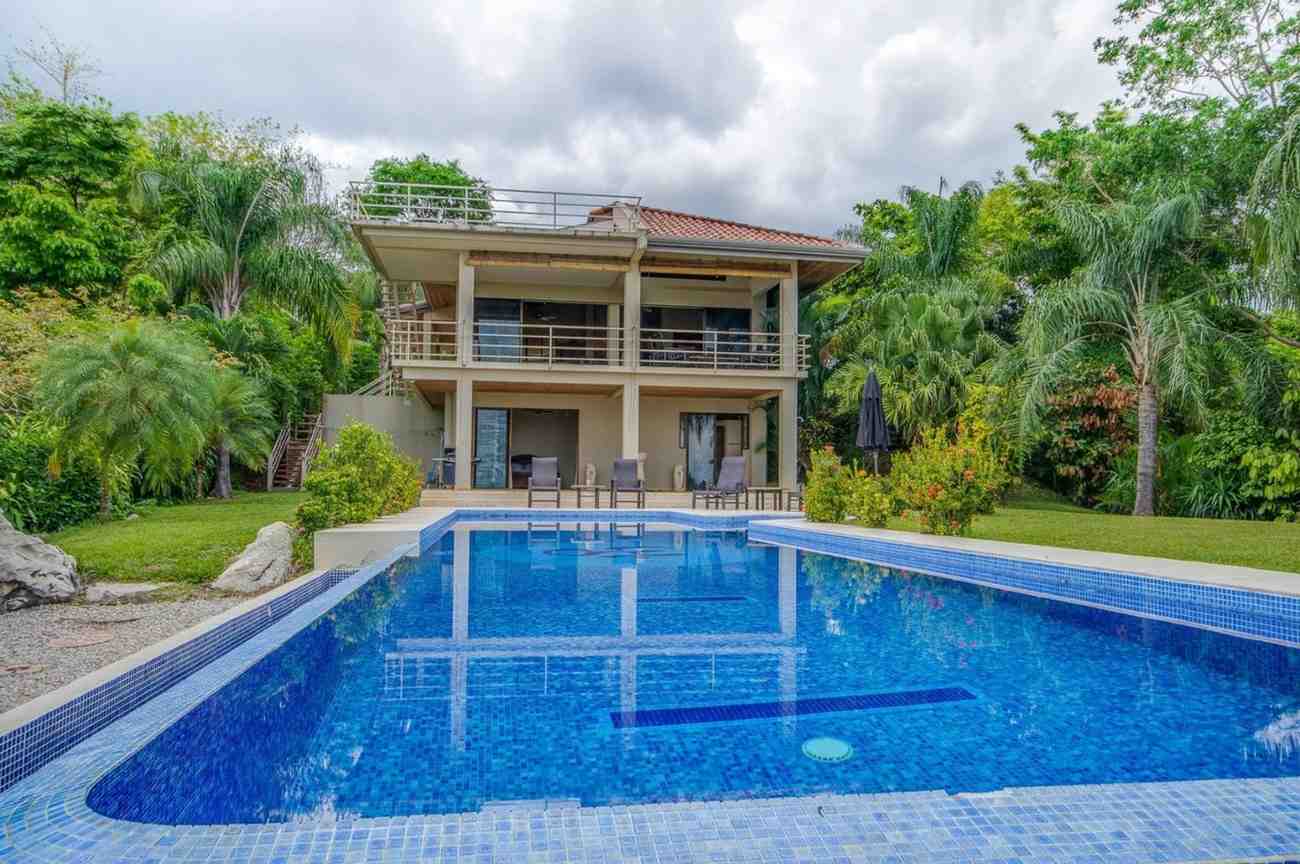
Costa Rica offers a high quality of life, warm weather, Pacific and Caribbean coasts, pura vida culture, and improving internet. The country’s time zone also aligns well with North American business hours, which makes remote work easier.
With a remote work visa, digital nomads can rent long-term, join coworking spaces, enroll in language schools, and base themselves in Guanacaste, san jose, or beach towns like santa teresa.
Best Areas in Costa Rica for Digital Nomads
| Location | Internet Speed | Coworking | Best For |
|---|---|---|---|
| San José / Escazú | 100+ Mbps fiber | Many options | Urban amenities, networking |
| Tamarindo | 50–100 Mbps | Several spaces | Beach + surf lifestyle |
| Nosara | 30–80 Mbps | Growing scene | Yoga, wellness, nature |
| Santa Teresa | 30–60 Mbps | Cafe-based | Surf, bohemian community |
| Uvita / Dominical | 30–60 Mbps | Limited | Jungle, eco-adventure |
San José / Escazú: Best for connectivity, healthcare, offices, nightlife, and urban convenience. A one-bedroom apartment in San José averages about $650 per month.
Tamarindo, Guanacaste: Surf, cafés, coworking, restaurants, and a strong expat network. A one-bedroom in Tamarindo can reach about $950, with higher prices in peak season.
Playa Flamingo, Playa Conchal, Playa Potrero, Playa Grande: Gold Coast communities with beach access, family-friendly living, boating, and luxury rentals.
Santa Teresa: Surf, yoga, cafés, and relaxed beach life, though roads and internet can be less predictable.
Rural areas: Beautiful and quieter, but verify internet, roads, healthcare, and backup power before committing.
Opening a Costa Rican Bank Account as a Digital Nomad
One advantage of the digital nomad visa is the ability to open a local bank account. Banks typically request a valid passport, proof of legal status, proof of address, and income documentation.
A costa rican bank account helps with rent, utilities, colones, security deposits, and SINPE Móvil. Expect detailed questions because of anti-money laundering oversight by SUGEF.
Cost of Living and Everyday Logistics
| Expense | Monthly Cost (USD) |
|---|---|
| Rent (1BR, furnished) | $600–$1,500 |
| Coworking space | $100–$250 |
| High-speed internet | $30–$60 |
| Groceries | $200–$400 |
| Dining out | $150–$300 |
| Transport (scooter/bus) | $50–$150 |
| Health insurance | $50–$200 |
| Total | $1,500–$2,800 |
In 2025–2026, city one-bedroom rentals often range from USD $650–$900, while popular Guanacaste beach towns often run USD $900–$1,400 or more depending on season and amenities. Electricity, water, and internet for a modest apartment may range from USD $120–$300 monthly, but air conditioning near the coast can raise bills quickly.
Groceries, transport, and coworking passes vary widely. Cooking at home and living near walkable services costs far less than dining out often and keeping a rental car.
From Digital Nomad to Property Owner: How Coastal Realty & Property Management Helps
At Coastal Realty & Property Management, we see many digital nomads arrive for one year and decide they want a more permanent base on Costa Rica’s Gold Coast. The visa is a practical way to test drive life here while exploring long-term rentals, schools, neighborhoods, and property purchases. Buyers who find a property valued at $150,000 or more may also qualify for the Costa Rica investment visa, which opens a separate path to temporary residency.
We are a boutique brokerage and property management firm serving Tamarindo, Playa Flamingo, Playa Potrero, and nearby coastal communities. Browse our current listings of homes for sale in Guanacaste to get a sense of what is available across the Gold Coast.
Buying Coastal Real Estate While on a Digital Nomad Visa
Foreign nationals, including digital nomads, can buy titled property in Costa Rica in their personal name or through a local corporation, with ownership rights similar to Costa Ricans. Beachfront concession property in the maritime zone has special rules.
Common buyer questions include escrow, due diligence, closing costs, inspections, legal representation, and whether to buy a condo or villa. Our guide to condos for sale in Costa Rica is a useful starting point if you want to compare locations, price ranges, and HOA structures before touring. Our team helps from property tours through negotiation, attorney coordination, inspections, and closing, even when clients are still working remotely.
Property Management and Vacation Rentals for Remote Workers
Some remote workers buy a property to live in part of the year and rent as a vacation home when traveling. Coastal Realty & Property Management handles vacation rental marketing, guest communication, cleaning, maintenance, individual property management, and HOA/COA administration.
For example, we may manage an ocean-view condo in Playa Flamingo for a U.S.-based software developer or a family villa in Potrero for Canadian clients visiting during school holidays.
Planning Your Move: When to Talk to a Local Real Estate Expert
Contact Coastal Realty & Property Management early, even before applying, to understand rental markets, school options, and which Gold Coast towns fit your work schedule and lifestyle.
If you already hold the costa rica digital nomad visa, schedule property tours during your first few months so you have time to compare neighborhoods. Contact our team for a one-on-one consultation about rentals, purchases, or property management on Costa Rica’s Gold Coast.
Costa Rica Remote Work Visa FAQ
What is the Costa Rica digital nomad visa?
It is officially called the “Estancia para Trabajadores y Prestadores Remotos de Servicios,” established in 2022 under Law No. 10008, allowing remote workers to live legally in Costa Rica for up to two years.
What is the minimum income requirement for the Costa Rica remote work visa?
You need to prove at least $3,000 USD per month in foreign-source income, or $4,000 USD per month if you are applying with dependents.
How long does the Costa Rica digital nomad visa last?
The visa is valid for 12 months and can be renewed once for an additional 12 months, giving you a maximum stay of two years.
Do I have to pay Costa Rican taxes on my remote work income?
No. Costa Rica uses a territorial tax system, so foreign-earned income is not taxed locally and you are not required to file local income tax returns on that income.
What health insurance do I need for the digital nomad visa?
You need long-term health insurance with a minimum coverage of $50,000 USD per person that provides medical care access in Costa Rica. Standard travel insurance does not qualify.
How much does it cost to apply for the Costa Rica remote work visa?
The application fee is $100 USD per applicant, including each dependent. Renewal of the legal stay document costs $90 USD.
Can I bring my family on the Costa Rica digital nomad visa?
Yes. Eligible dependents include your spouse or civil partner, unmarried children up to age 25, children with disabilities of any age, and cohabiting elderly parents.
How long does it take to process the Costa Rica remote work visa?
Initial review takes approximately 15 working days, though processing can be longer during high-demand periods or if additional documents are requested.
Can I work for a Costa Rican company on the digital nomad visa?
No. You are prohibited from local employment, invoicing local clients, or selling services into the Costa Rican market. All income must come from foreign sources.
Do I need to stay in Costa Rica the entire year to renew?
You must spend a minimum of 180 days in Costa Rica during your first year to qualify for renewal. Immigration verifies this through your passport entry and exit records.
Can I buy property in Costa Rica on a digital nomad visa?
Yes. Foreign nationals can purchase titled property in their personal name or through a local corporation, with ownership rights similar to Costa Rican citizens.