
Condo for Sale in Costa Rica: Best Listings for 2026
Every January, a fresh wave of buyers lands at SJO airport with the same plan. Skip the maintenance headaches of a house, buy a condo, and let the building take care of itself while they’re away. In 2026, that plan makes more sense than ever.
The best condo for sale in Costa Rica in 2026 typically costs $150,000 to $450,000 in beach markets like Jacó, Tamarindo, and Playa del Coco. In the Escazú corridor, expect $180,000 to $500,000. Foreigners can own condos outright with full title, and well-chosen units gross 5 to 8 percent annually as rentals.
Those are the headline numbers. The full picture involves HOA health, titled versus concession land, and rental licensing. It also involves a market that rewards buyers who know which region fits their goals. So let’s walk through all of it, region by region and line item by line item.
Table of Contents
- The condo market enters 2026 with real momentum
- Condos solve the lock-and-leave problem for foreign buyers
- Prices vary widely across the five main condo markets
- Guanacaste delivers the classic beach condo listings
- The Central Pacific balances price and rental demand
- City condos in the Central Valley trade views for yields
- The southern zone and Caribbean offer wildcard listings
- Ownership rules favor foreign condo buyers
- HOA fees and building health deserve as much attention as price
- Rental income can carry a well-chosen condo
- Financing and closing follow a predictable path
- Taxes and carrying costs stay light after closing
- Pre-construction deals carry their own rules
- A few condo pitfalls trip up first-time buyers
- The best 2026 listings share five traits
- Common buyer questions, answered
- Your next step toward the right unit
The condo market enters 2026 with real momentum
Costa Rica’s condo segment has quietly become the busiest corner of the country’s property market. Developers delivered a steady pipeline of new towers and low-rise projects through the mid-2020s. Even so, demand from North American buyers has kept absorbing it.
Three forces drive that demand. First, remote work turned the two-week vacation into the two-month stay, and a condo suits that rhythm far better than a hotel. Second, Costa Rica’s investor residency route lets a qualifying property investment anchor legal residency. That pulls in buyers who might otherwise pick Mexico or Panama. Third, the vacation rental economy matured, so a condo can now earn serious income during the months you’re not using it.
The result is a market with depth. You’ll find $130,000 studios near the beach, $2 million penthouses at Papagayo, and everything between. That range is good news for buyers, because it means 2026 listings exist for almost any budget. The catch is that quality varies just as widely, and the gap between a great building and a troubled one rarely shows up in the photos.
Condos solve the lock-and-leave problem for foreign buyers
Houses in the tropics need constant attention. Gardens grow a meter a month in the green season, salt air chews through fixtures, and an empty home invites problems. For part-time residents, that maintenance burden is the hidden cost that listing sites never mention.
A condo outsources nearly all of it. The HOA handles the roof, the pool, the grounds, and the security gate. You lock the door in April and find everything working in December. That’s the core appeal, and it explains why condos dominate buying by snowbirds and rental investors alike.
There are other practical wins too. Condos cluster near restaurants, beaches, and services, so you can often live without a car. Insurance runs cheaper because the building carries the master policy. Also, resale tends to be smoother, since condo comps are easier to establish than one-off house valuations in rural areas. None of this makes condos automatically better than houses. It makes them better for a specific, very common buyer profile. That’s someone who’s on the ground four to eight months a year and wants the place to earn or rest quietly the remainder.
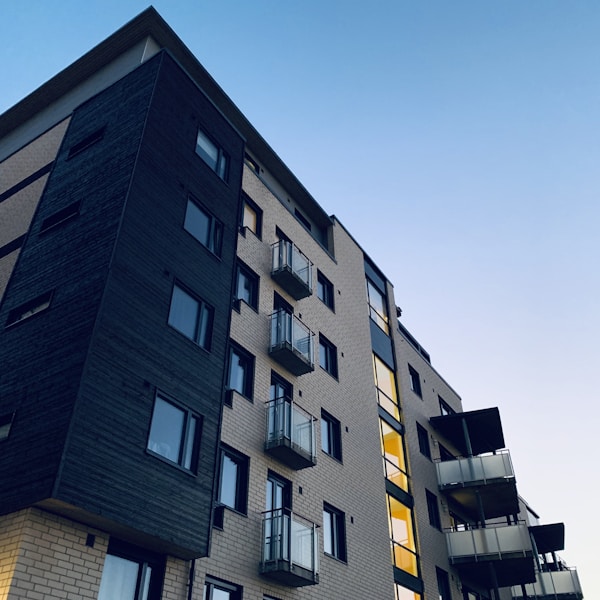
Prices vary widely across the five main condo markets
Costa Rica isn’t one condo market. It’s five distinct ones, each with its own price logic, tenant pool, and personality. Here’s a realistic 2026 snapshot for a two-bedroom unit in good condition:
| Market | Typical 2BR condo | HOA range (monthly) | Best suited for |
|---|---|---|---|
| Tamarindo / Langosta | $250,000 – $600,000 | $250 – $500 | Vacation rental investors |
| Playa del Coco / Ocotal | $160,000 – $400,000 | $150 – $400 | Value beach buyers, retirees |
| Papagayo / Peninsula | $500,000 – $2M+ | $600 – $1,500 | Luxury and resort buyers |
| Jacó / Central Pacific | $150,000 – $450,000 | $200 – $450 | Weekenders, rental income |
| Escazú / Santa Ana | $180,000 – $500,000 | $150 – $400 | Executives, long-term rentals |
San José proper sits below all of these, with solid units from $110,000, though appreciation there runs slower. Prices climbed steadily through the mid-2020s in every beach market, with oceanfront units leading the way. Still, compared with Hawaii, coastal Mexico hotspots, or South Florida, Costa Rican condos remain notably cheaper per square meter.
Guanacaste delivers the classic beach condo listings
When people picture a condo for sale in Costa Rica, they usually picture Guanacaste. The country’s northwestern province holds its sunniest weather, its second international airport (LIR in Liberia), and its deepest inventory of beach condos.
Tamarindo anchors the market. The town offers walkable streets, surf at the front door, and the strongest short-term rental demand in the country. Two-bedroom units near the beach list from around $250,000, while newer ocean-view buildings push past $500,000. Occupancy rates here forgive a lot of purchase-price sins, which is why investors keep circling back.
Playa del Coco and neighboring Ocotal tell a different story. Prices run 20 to 40 percent below Tamarindo for comparable space, the expat community skews toward full-time retirees, and the vibe is more local. For buyers chasing value over glamour, this is arguably the best hunting ground of 2026. Our Playa del Coco real estate guide breaks down its neighborhoods in detail.
At the top of the province sits the Papagayo Peninsula, where branded residences and resort condos occupy their own price universe. Units start around half a million dollars and climb steeply. If that bracket is your target, start with our Papagayo Costa Rica real estate guide before touring anything.
The Central Pacific balances price and rental demand
Drive 90 minutes from San José and you hit Jacó, the condo capital of the Central Pacific. The town’s high-rise skyline looks nothing like the rest of coastal Costa Rica, and that’s precisely its advantage. Vertical construction means more inventory, more competition among sellers, and better prices per square meter than Guanacaste.
Jacó works hard for its owners. Weekend demand from San José residents fills units year-round, not just in high season. That domestic tenant base cushions the market when international tourism dips. Two-bedroom units in established towers list from $150,000, while newer beachfront buildings with pools and gyms run $300,000 to $450,000.
Further south, Puntarenas province stretches past Herradura and Esterillos toward Manuel Antonio, where boutique buildings trade on rainforest-meets-ocean views. Inventory thins out and prices firm up as you go. The province rewards careful research, because micro-locations matter enormously here. Our Puntarenas Costa Rica real estate buyer’s guide maps those differences town by town, and it’s worth reading before you book a single showing.
City condos in the Central Valley trade views for yields
Not every great 2026 listing sits on a beach. The Escazú and Santa Ana corridor west of San José holds the country’s most professional condo market. Expect modern towers, underground parking, gyms, and building management that actually answers email.
The buyer math works differently here. You give up the ocean, but you gain the country’s best hospitals and international schools. A deep pool of corporate tenants from the multinational offices nearby completes the case. Long-term rentals of quality two-bedroom units commonly gross 6 to 8 percent, with none of the turnover costs that vacation rentals carry. Units list from $180,000 in solid mid-rise buildings, and from $300,000 in the premium towers around Avenida Escazú.
Climate is the quiet bonus. At 1,000 meters or more of elevation, these condos need no air conditioning, which cuts both utility bills and HOA reserves spent on shared cooling systems. For the full case on highland living, see our guide to Central Valley Costa Rica real estate. It explains why so many expats end up inland after starting their search at the beach.
The southern zone and Caribbean offer wildcard listings
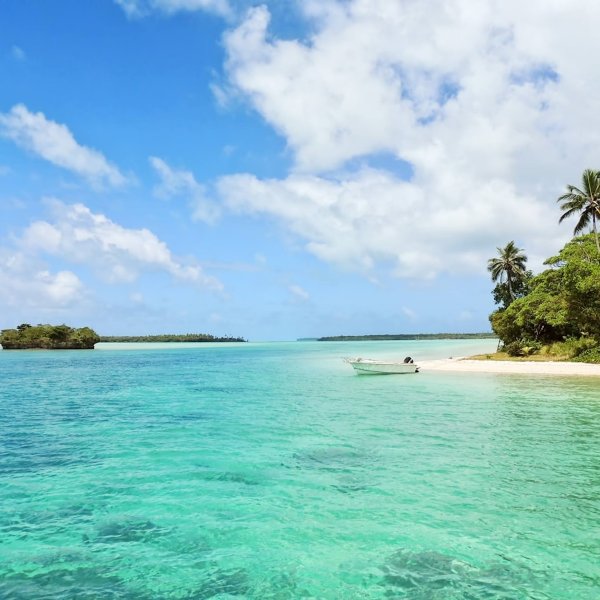
Two regions sit outside the mainstream condo conversation, and both deserve a look from contrarian buyers. Scarcity is their defining feature, for better and for worse.
The Costa Ballena, the southern Pacific stretch from Dominical through Uvita to Ojochal, has long been house-and-acreage country. That’s changing. Boutique low-rise projects have started appearing near Uvita, priced from roughly $250,000 to $500,000, and they sell fast because inventory is so thin. Buyers here trade nightlife and golf for whale-watching, waterfalls, and a quieter expat scene. Appreciation potential looks strong precisely because supply can’t scale quickly in this terrain.
The Caribbean side, around Puerto Viejo and Cahuita, remains the true frontier. Formal condo regimes are rare, so most listings are houses or small titled projects rather than managed buildings. Prices run well below the Pacific, yet due diligence demands extra care, since informal land histories are more common in Limón province. For adventurous buyers with patient capital and a very good attorney, the region rewards early entry. For everyone else, it’s a place to rent for a season first and watch.
Ownership rules favor foreign condo buyers
Here’s the legal foundation, and it’s a strong one. Foreigners can own condos in Costa Rica outright, in their own name, with the same fee-simple rights as citizens. No local partner, no restrictive trust, and no special permit. Condominium ownership runs under Law 7933, which defines your private unit, your share of common areas, and the HOA’s authority.
One distinction matters more than any other for beach buyers: titled land versus Maritime Zone concession. Most condos, even near the ocean, sit on fully titled land, and title is what you want. However, the first 200 meters from the high-tide line is public concession land. There, “ownership” is really a renewable government lease with restrictions on foreign majority control. A handful of older beachfront projects sit in that zone.
The practical rule is simple. Verify title in the National Registry before you fall in love with a view, and treat concession property as a specialist purchase requiring extra legal work. Our roundup of beachfront property for sale in Costa Rica explains how the best oceanfront listings handle this, and which questions to ask the developer.
HOA fees and building health deserve as much attention as price
Experienced condo buyers in Costa Rica spend as much time reading HOA documents as touring units, and 2026 is the year that habit pays off. A building is a small business. Some are run beautifully. Others are quietly broke.
Monthly fees typically range from $150 in modest valley buildings to $1,500 in full-service resort towers, and cheap isn’t automatically good. Suspiciously low fees often signal an underfunded reserve, which means a special assessment is coming the moment the elevator or the pool pump fails. Salt air accelerates everything on the coast, so oceanfront buildings need bigger reserves, not smaller ones.
Before you offer, request three documents through your attorney. Get the HOA’s financial statements for the past two years, the reserve study or savings balance, and the minutes from recent owners’ meetings. The minutes are gold. They reveal leak complaints, lawsuits, delinquent owners, and looming repairs long before any listing agent will. Ten minutes of reading has saved buyers from six-figure mistakes, and it will again this year.
Rental income can carry a well-chosen condo
Most 2026 condo buyers plan to rent their unit at least part of the year, and the numbers support the plan when the location is right. Well-managed vacation condos in Tamarindo, Jacó, and Playa del Coco commonly gross 5 to 8 percent of the price annually. Long-term rentals in Escazú deliver similar gross yields with far less management effort.
The rules are manageable but real. Short-term rental income is subject to Costa Rica’s 13 percent VAT, and hosts should register with the tax authority (Hacienda). Some condo HOAs restrict or ban rentals under 30 days, so read the bylaws before you model a single night of Airbnb income. Property management firms typically charge 20 to 30 percent of vacation rental revenue, or about one month’s rent per year for long-term tenants.
Net of everything, realistic investors target 4 to 6 percent net yields plus appreciation. The best performers share a profile: two bedrooms, walkable to the beach or business district, in a building that photographs well. If income is your main driver, our list of Costa Rica vacation homes for sale ranks the current investment picks along the Gold Coast.
Financing and closing follow a predictable path
Cash remains king in this market, since local bank mortgages for non-residents are scarce and expensive. Even so, buyers have more options in 2026 than a decade ago. Here’s how a typical condo deal runs:
- Line up funds early. Most buyers pay cash from home-country sources, a HELOC, or retirement funds. Developer financing on new projects often covers 30 to 50 percent over three to five years.
- Offer and reserve. A signed purchase agreement plus a 10 percent escrow deposit takes the unit off the market. Always use a registered escrow company, never a direct wire to a seller.
- Run due diligence for two to four weeks. Your attorney verifies title, liens, HOA standing, and the condo regime’s registered bylaws. For beach units, this is where titled-versus-concession status gets confirmed.
- Close before a notary. A Costa Rican notary (a specialized attorney) executes and registers the transfer deed. Closing costs, including the 1.5 percent transfer tax, total about 3.5 to 4.5 percent.
- Register with the HOA and utilities. You’ll sign into the owners’ registry, set up automatic fee payments, and transfer the electric and water accounts.
From accepted offer to keys, plan on six to eight weeks. Annual carrying costs afterward stay light: property tax of 0.25 percent, HOA fees, and insurance on your unit’s interior.
Taxes and carrying costs stay light after closing
Nearly every condo for sale in Costa Rica carries the same friendly tax profile once you own it, and the numbers surprise most North Americans. The annual property tax is 0.25 percent of registered value. On a $250,000 unit, that’s $625 a year.
A few other line items round out the picture. Units registered above the Solidarity Tax threshold (roughly $280,000 in construction value, adjusted annually) pay a progressive luxury levy starting at 0.25 percent. Owners who hold their condo in a Costa Rican corporation, a common structure, pay a modest annual corporation tax plus about $300 to $500 in yearly accounting and legal upkeep. Interior insurance for a typical two-bedroom unit costs $300 to $600 a year, since the HOA’s master policy covers the structure.
Rental owners add the 13 percent VAT on short-term stays and income tax on Costa Rican-source earnings. However, the country’s territorial system leaves your foreign pension, dividends, and home-country income untouched. Add it all up, and a $250,000 condo typically costs $4,000 to $7,000 a year to carry with HOA fees included. Few comparable beach markets anywhere come close to that.
Pre-construction deals carry their own rules
Developers across Guanacaste and the Central Pacific are selling 2026 and 2027 deliveries off the plans, usually at 10 to 20 percent below expected completion prices. The discount is real, and so is the risk, so this segment deserves its own briefing.
The upside is straightforward. You lock today’s price, choose the best unit in the stack, and pay in stages as construction advances. Several buyers in recent projects walked into completion-day equity that took resale buyers years to match.
The protections matter more than the discount, though. Insist that your stage payments sit in escrow tied to construction milestones, not in the developer’s operating account. Check the developer’s delivered track record, not their renderings. Confirm the project’s water letter and permits are registered, because a tower without secured water rights is a rendering forever. Finally, have your own attorney review the sales contract rather than signing the developer’s standard version. Pre-construction can be the smartest buy of 2026 or the slowest mistake, and paperwork is what separates the two.
A few condo pitfalls trip up first-time buyers
An honest guide owes you the failure modes, because they repeat every year. These are the four we see most.
The first is buying on a single sunny visit. A unit that feels perfect in dry-season February can face a moldy surprise in October. So inspect in the rain if you possibly can, and ask specifically about humidity, drainage, and past leaks. The second is ignoring the neighbors’ economics. A building full of struggling short-term rentals cuts its fees, defers maintenance, and slides. You’re buying the building’s finances, not just your unit.
Third, buyers routinely underestimate management. A vacation rental 5,000 kilometers from home is a small hospitality business, and it needs a professional operator, not a lockbox and luck. Fourth, some skip the attorney to save $2,000 on a $300,000 deal. In a market where title, concession status, and HOA solvency decide everything, that’s the worst trade available. None of these pitfalls is hard to avoid. They just require slowing down at exactly the moment the ocean view is telling you to hurry.
The best 2026 listings share five traits
After enough transactions, patterns emerge. The condos that satisfy their owners and resell easily tend to check the same five boxes, whatever the region:
- Titled land, clean registry. Full fee-simple title, verified in the National Registry, with no liens or annotations.
- A funded, transparent HOA. Healthy reserves, published financials, and minutes that read like a well-run business.
- Walkability to the draw. Within ten minutes on foot of the beach, the town center, or the business district. Distance is the yield killer.
- Two bedrooms. The rental sweet spot, appealing to couples, families, and remote-working pairs alike.
- Rental-friendly bylaws. Clear rules that permit the rental strategy you’re planning, in writing, before you sign.
Think of it like buying a boat slip in a marina. The slip matters, but the marina’s management, finances, and location decide whether you love owning it. A condo is the same asset wearing different clothes.
If a listing checks all five, price becomes a negotiation rather than a gamble. That’s the position you want.
Common buyer questions, answered
Can foreigners buy a condo in Costa Rica? Yes. Foreigners can buy condos with the same full ownership rights as Costa Rican citizens, titled in their own name or a local corporation. No residency or local partner is required. Condominium ownership is governed by Law 7933, and standard closings run through an attorney-notary with escrow, costing about 3.5 to 4.5 percent.
How much does a condo for sale in Costa Rica cost in 2026? Realistic 2026 ranges for a two-bedroom unit: $160,000 to $400,000 in Playa del Coco, $250,000 to $600,000 in Tamarindo, $150,000 to $450,000 in Jacó, and $180,000 to $500,000 in Escazú. Luxury Papagayo units start around $500,000. Studios and one-bedrooms begin near $110,000 to $130,000.
Are HOA fees expensive in Costa Rica? Monthly fees typically run $150 to $500 for standard buildings and up to $1,500 for full-service resort towers. Fees cover security, pools, grounds, and building maintenance. Very low fees can signal underfunded reserves, so review the HOA’s financial statements and meeting minutes before buying rather than shopping on fee size alone.
Do Costa Rica condos make good rental investments? Well-located condos commonly gross 5 to 8 percent annually, with net yields of 4 to 6 percent after management, VAT, and expenses. Tamarindo and Jacó lead for vacation rentals, while Escazú excels for long-term corporate tenants. Confirm the building’s bylaws allow your rental strategy, since some HOAs restrict stays under 30 days.
Does buying a condo qualify you for Costa Rica residency? It can. A property investment of at least $150,000 currently qualifies for Inversionista (investor) residency under Law 9996. This reduced threshold is scheduled to sunset in mid-July 2026 and may revert to $200,000. Confirm the current figure with an immigration attorney before structuring your plans around it.
Your next step toward the right unit
The 2026 market gives condo buyers genuine choice: value in Playa del Coco, income in Tamarindo and Jacó, polish in Escazú, and prestige at Papagayo. The winning move is the unglamorous one. Pick your region for the life you’ll actually live, and shortlist buildings before units. Read the HOA’s paperwork like a skeptic, and close with your own attorney. Do that, and the view takes care of itself.