
The Truth About Retiring in Costa Rica (From People Who’ve Done It)
Nobody retires to Costa Rica because of a spreadsheet. They come for a morning walk on the beach and never quite get over it.
Retiring in Costa Rica means trading routine for sunshine, surf, and a slower pace. Most retirees here spend between $2,000 and $3,500 per month, qualify for residency through the pensionado visa, and join the national healthcare system. The lifestyle is real, but so are the adjustments, and the people who thrive plan for both.
We’ve worked with retirees on Costa Rica’s Gold Coast since 2006. Some arrived with a plan. Others arrived with two suitcases and a hunch. After twenty years of helping both kinds settle into Tamarindo, Hacienda Pinilla, Playa Grande and the beaches in between, we’ve heard the honest version of this story many times. Here it is.
Table of Contents
- Why Retirees Keep Choosing Costa Rica’s Gold Coast
- The Real Cost of Retiring in Costa Rica
- Residency Options Explained in Plain English
- Healthcare Works Differently Than You Might Expect
- What Retirees Wish They Had Known Before Moving
- Renting First Beats Buying Blind
- Choosing Your Town on the Gold Coast
- How Coastal Realty Helps Retirees Land Softly
- Frequently Asked Questions
Why Retirees Keep Choosing Costa Rica’s Gold Coast
Costa Rica has been a top spot for retirees for decades, and the reasons hold up. The country abolished its army in 1948 and invested in education and healthcare instead. As a result, it’s one of the most stable countries in Latin America. The climate in Guanacaste is dry and sunny for most of the year. Flights from the U.S. and Canada land at Liberia airport, about an hour from Tamarindo.
Then there’s the culture. Ticos greet strangers, wave you into traffic, and truly mean it when they say “pura vida.” For retirees coming from a life of deadlines, that warmth often seals the deal.
The Gold Coast draws retirees because it blends beach living with real services. You’ll find supermarkets, banks, private clinics, golf at Hacienda Pinilla, and a large English-speaking community. So you get the tropics without feeling cut off from the world.
One retired couple from Minnesota put it to us this way: they came for the weather, but they stayed for the neighbors.
The Real Cost of Retiring in Costa Rica
Here’s the first truth: Costa Rica is not the bargain it was twenty years ago. It’s still cheaper than coastal California or Florida, but beach towns like Tamarindo carry beach-town prices. Anyone telling you that retiring in Costa Rica costs $1,200 a month is describing a lifestyle most North Americans wouldn’t actually choose.
The table below reflects what we see among retired clients living comfortably on the Gold Coast.
| Expense | Modest budget (monthly) | Comfortable budget (monthly) |
|---|---|---|
| Rent (2-bed condo or small home) | $900 – $1,400 | $1,500 – $2,500 |
| Groceries and dining | $500 – $700 | $800 – $1,200 |
| Utilities, internet, phone | $200 – $300 | $300 – $450 |
| Healthcare (Caja plus private) | $150 – $300 | $300 – $500 |
| Transport (car or local travel) | $200 – $300 | $400 – $600 |
| Total | $1,950 – $3,000 | $3,300 – $5,250 |
A few notes from people who live it. Imported goods cost more here, so a jar of peanut butter can sting. Local produce, on the other hand, is cheap and excellent if you shop at the feria. Air conditioning is the silent budget killer here, since running it all day can double your power bill. Most long-term residents learn to love ceiling fans and ocean breezes.
If you own rather than rent, property taxes are a pleasant surprise at just 0.25% of registered value per year. That’s a fraction of what most U.S. retirees pay back home.
Residency Options Explained in Plain English
You don’t need residency to buy property in Costa Rica. Foreigners hold the same property rights as citizens for titled land. But if you plan to live here most of the year, residency makes life much easier.
There are three common paths for retirees:
- Pensionado: For people with a lifetime pension or Social Security of at least $1,000 per month. This is the classic retirement route and the simplest for most of our clients.
- Rentista: For those without a pension. You show stable income of $2,500 per month for two years, or place a $60,000 deposit in a Costa Rican bank.
- Inversionista: For investors. A qualifying investment of $150,000 or more, which can include real estate, opens this path. Buying a Gold Coast home can therefore do double duty as your residency qualification.

Each status starts as temporary and can become permanent after three years. Applications go through Costa Rica’s immigration office, and most retirees hire a local lawyer to handle the paperwork. Expect the process to take several months, sometimes longer. For current requirements, check the official Dirección General de Migración site or the U.S. Embassy in Costa Rica resources before you file anything.
The honest advice from expats: start gathering documents like apostilled birth certificates and background checks before you move. Doing it from abroad is far easier than doing it from a beach chair with spotty printer access.
Healthcare Works Differently Than You Might Expect
This is the part of retiring in Costa Rica that surprises people most, usually in a good way. Costa Rica runs a universal public system called the Caja (CCSS). Once you hold residency, you must enroll, and your monthly fee is tied to your declared income. For many retirees, that works out to somewhere between 7% and 11% of reported income.
The Caja covers doctor visits, hospital care, and prescriptions with no copays. The trade-off is wait times for non-urgent care. Because of that, most expats use a hybrid approach. They keep the Caja for major events and pay out of pocket or carry private insurance for day-to-day care.
Private care here is good, and it costs far less than you’d guess. Hospitals like CIMA in San José and Hospital Metropolitano are well regarded, and the coast has growing private clinics near Tamarindo and Huacas. A specialist visit often costs $80 to $120 without insurance. One retiree we work with had knee surgery privately for roughly a third of the U.S. quote, including recovery time at his condo with an ocean view.
Two practical truths, though. First, Medicare does not cover you in Costa Rica, so budget accordingly. Second, if you have a complex ongoing condition, research specialists in your area before committing to a town. Tamarindo has solid clinics, but certain specialties still mean a trip to Liberia or San José.
What Retirees Wish They Had Known Before Moving
We asked owners and long-term renters in our community what they would tell their past selves. Their answers lined up again and again.
The pace of life cuts both ways. “Tico time” feels wonderful at the beach and frustrating at the bank. Paperwork takes longer. Contractors take longer. The retirees who thrive simply stop measuring Costa Rica against the pace of home, because that contest only makes you miserable.
The rainy season is real, and so is the dry season. Guanacaste is the driest region in the country, which is a huge plus. Still, September and October bring serious rain. Many retirees use those months to visit family up north, then return for the glorious dry season.
Spanish matters more than you think. You can get by in Tamarindo with English. But the residents who learn even basic Spanish report richer friendships, better prices, and fewer misunderstandings. Think of language like sunscreen here: optional in theory, but life is better when you use it daily.
Community is the difference between paradise and isolation. The happiest retirees joined something within the first month. A surf class, a beach cleanup, a poker night, a church group. The ones who struggled waited for community to find them.
Driving is an adventure. Roads are far better now, but potholes, river crossings on back routes, and creative local driving are part of the deal. Most retirees end up owning a small SUV and laughing about it.
None of these truths are dealbreakers. They’re the texture of real life here, and almost everyone we work with says the trade was worth it.
Renting First Beats Buying Blind
If we could give every future retiree one piece of advice, it would be this: rent for six to twelve months before you buy. We say this as a real estate agency that sells homes, so take it seriously.
Renting first lets you test a town through both seasons. It shows whether you’re a “walk to dinner in Tamarindo” person or a “quiet gated community in Hacienda Pinilla” person. Those are very different retirements, and you can’t know which one fits until you’ve lived a stretch of ordinary Tuesdays here.
A long-term rental also teaches you the practical stuff. You’ll learn which neighborhoods flood, where the rooster lives, and how far you really want to drive for groceries. For an overview of leases, deposits, and pricing, see our guide to houses for rent in Costa Rica and what every foreign renter should know before you sign anything.
When you’re ready to buy, remember that Costa Rica has no centralized MLS. Listings sit with many agencies, so you want a local team that checks the whole market. We explain how that search really works in Beyond the Listings: how to find the perfect houses for sale in Costa Rica. Then, once you’ve found a place, our guide to homes for sale in Costa Rica for foreign buyers walks through titles, due diligence, escrow, and the role of attorneys before you make an offer.
Choosing Your Town on the Gold Coast
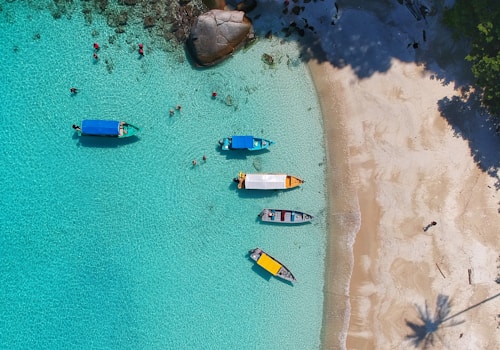
The Gold Coast isn’t one place. It’s a string of beach towns, each with its own personality, and the right town matters more than any single property.
Tamarindo is the social hub. Restaurants, live music, surf schools, medical clinics, and a walkable center. Retirees who want energy and convenience love it. Condo living is popular here, and budgets stretch further than many buyers expect. Our post on beachfront homes for sale in Costa Rica under $200k covers what listing sites won’t tell you about the entry-level market.
Hacienda Pinilla sits just south and feels like a different world. It’s a 4,500-acre gated community with golf, equestrian trails, quiet beaches, and lush, well-kept grounds. For retirees who want security, space, and serenity, Hacienda Pinilla real estate is the gold standard in the region. We compared the two lifestyles directly in [link: Tamarindo vs. Hacienda Pinilla for full-time living].
Playa Grande offers a slower, nature-forward retirement beside Las Baulas National Park. Playa Grande real estate attracts surfers and anyone who wants a world-class beach with a fraction of the crowds.
And if the coast ever feels too warm, some retirees look inland. Our post on Orotina, Costa Rica’s fruit basket and its hidden opportunity covers a cooler, greener alternative within reach of both the beach and San José.
Avellanas, Langosta, Playa Conchal, Brasilito and Flamingo round out the coast with everything from rustic surf hamlets to resort-style communities. Gated hillside communities are popular with retirees who want views and security, and our profile of Mar Vista and elevated living on the Gold Coast shows what that lifestyle looks like near Flamingo. Many retirees also rent their homes as Tamarindo vacation rentals during high season to offset costs, which works beautifully with the right management.
How Coastal Realty Helps Retirees Land Softly
Coastal Realty & Property Management has served Costa Rica’s Gold Coast since 2006, and we’ve never tried to be the biggest agency here, just the best one. We’re a boutique firm in Plaza Tamarindo, and our culture is to know every client on a 1st-name basis.
For retirees, that translates into one integrated relationship instead of five separate vendors. We help you research and purchase the right property, then our property management team cares for it whether you’re in residence, visiting family, or renting it out. No mysterious light-bulb invoices at 5x cost. Just people you know by name looking after your home.
Our owners say it better than we can:
“Coastal Property Management has been taking care of our property for years now. GM Liris Matarrita is intently customer-focused, both with our renters and with us as the property owners. She’s always responsive, she works hard and she solves problems intelligently and immediately.” – David & Tina Hughes, Casa Acuario, Punta Playa Vistas
If you’re starting to plan a Gold Coast retirement, we’d love to hear where you are in the process. Schedule a relaxed 15-minute consult, tell us your timeline and budget, and we’ll give you a straight read on towns, prices, and next steps. Visit our [link: Request Help Purchasing] page or call 1 800 385-5513 to start the conversation.
Frequently Asked Questions
How much money do you need to retire in Costa Rica?
Most retirees on the Gold Coast live well on $2,500 to $4,000 per month, including rent, food, healthcare, and transport. The pensionado residency program requires proof of just $1,000 per month in pension income, but realistic comfort in a beach town like Tamarindo calls for a larger budget than that minimum.
Can U.S. citizens buy property in Costa Rica without residency?
Yes. Foreigners enjoy the same ownership rights as Costa Rican citizens for titled property, and you don’t need residency or citizenship to buy. Many retirees purchase a home first, then apply for residency afterward. An investment of $150,000 or more, including real estate, can also qualify you for inversionista residency.
Is healthcare good in Costa Rica for retirees?
Yes, and it’s a major draw. Residents join the public Caja system, which covers care for an income-based monthly fee. Most expats combine the Caja with affordable private clinics and hospitals for faster service. Note that Medicare doesn’t cover care in Costa Rica, so plan your insurance before moving.
Where is the best place to retire on Costa Rica’s Gold Coast?
It depends on your style. Tamarindo suits retirees who want restaurants, clinics, and a walkable social scene. Hacienda Pinilla fits those seeking a secure, quiet gated community with golf. Playa Grande offers nature and uncrowded surf. Renting in a town for several months before buying is the smartest way to choose.
Do you pay U.S. taxes if you retire in Costa Rica?
U.S. citizens file U.S. taxes regardless of where they live, and Social Security remains taxable under normal rules. Costa Rica generally doesn’t tax foreign-source pension income, which keeps things simple for most retirees. Speak with a cross-border tax professional before you move, because individual situations vary.
The retirees who love it here aren’t the ones who found a flawless paradise. They’re the ones who came with open eyes, rented before they bought, learned a little Spanish, and picked the right town for their actual life. If that sounds like the retirement you’re planning, reach out to Coastal Realty & Property Management. We’ll help you find the home, then take care of it like neighbors do.