
The Safest Place in Costa Rica to Live: A Real Estate Buyer’s Guide for 2026
If you are thinking about buying a home in Costa Rica, safety is not a side question. It shapes where you walk at night, how you lock up when you travel, whether your family feels relaxed, and how confidently you settle into daily life. This guide compares the safest place in Costa Rica for buyers who want beach access, reliable services, and a practical sense of everyday security.
The honest answer is reassuring: Costa Rica is a safe country by regional standards, but safety depends heavily on the exact town, neighborhood, and property type you choose. This guide looks at the safest place in Costa Rica through a real estate buyer’s lens, with special attention to Guanacaste’s Gold Coast, where Coastal Realty has worked with foreign buyers since 2006.
Table of Contents
Is Costa Rica Safe? (Answering Your Big Question Up Front)
What “Safest Place in Costa Rica” Really Means
Safest Areas on Costa Rica’s Pacific Coast (Top Choice for Many Foreign Buyers)
Central Valley Safe Havens: Escazú, Santa Ana, Atenas, Heredia
La Fortuna and the El Carmen Neighborhood: Safe Small-Town Volcano Living
Puerto Viejo and Limón: Honest Look at the Caribbean Coast
How to Choose Your Personal Safest Place in Costa Rica
10 Practical Safety Tips for Living in Costa Rica
FAQs: Safety, Cities, and Daily Life
Why Choose Coastal Realty as Your Partner in a Safe Move
Conclusion: Finding Your Safest Place in Costa Rica
Is Costa Rica Safe? (Answering Your Big Question Up Front)
Yes, Costa Rica is generally safe and is widely regarded as the safest country in Central America. According to the 2025 Global Peace Index, Costa Rica ranked 54th out of 163 nations for overall safety, placing it ahead of many nearby countries in Central America and Latin America.
That does not mean crime does not exist. Petty theft is the most common safety concern in Costa Rica, particularly in tourist areas and urban centers. Violent crime is relatively uncommon in the communities most popular with foreign buyers, making location selection and basic security habits more important than countrywide statistics.
In 2020, Costa Rica had a crime rate of 11%, which is significantly lower than Cancun’s 28% and the Bahamas’ 19%. Still, the US embassy has reported an increase in crime in Costa Rica over the last several years, primarily affecting tourists who do not travel through reputable agencies.
For people who want to live in Costa Rica, the practical picture is more local. Violent crime is concentrated in certain urban areas, transport corridors, and places affected by drug trafficking. Established expat communities, planned beach developments, and suburbs outside san jose often feel as safe or safer than many US and Canadian cities, especially when you use common sense, avoid isolated areas at night, and take basic precautions.
What “Safest Place in Costa Rica” Really Means
There is no single perfect answer to “where is the safest place in Costa Rica?” Safety is a mix of statistics, infrastructure, neighborhood culture, and your personal comfort level.
For long-term residents, the key factors are:
- Type of crime: petty crime versus violent crime
- Police presence and response times
- Lighting, sidewalks, and road conditions
- Healthcare access and emergency services
- Strength of the local community
- Whether homes are occupied year-round or sit empty seasonally
- Security presence, cameras, gates, and visitor controls
Highly developed regions in Costa Rica benefit from robust tourist infrastructure and community-led safety programs, ensuring enhanced safety for visitors. Costa Rica relies heavily on international tourism, contributing to safety through visible tourist police patrols, community-led safety programs, and vetted tour operations.
San José, the capital city, has higher rates of petty theft than more rural destinations, and visitors are advised to avoid walking alone at night. San José has higher rates of petty theft than many rural destinations, and visitors are generally advised to avoid walking alone late at night.
On Costa Rica’s Pacific Coast, safety often improves in well-managed residential areas with modern infrastructure, guards, active neighbors, and reliable roads. On the Caribbean Coast, including Puerto Viejo and Limón, the lifestyle can be beautiful and laid back, but the safety profile requires more caution.
Safest Areas on Costa Rica’s Pacific Coast (Top Choice for Many Foreign Buyers)
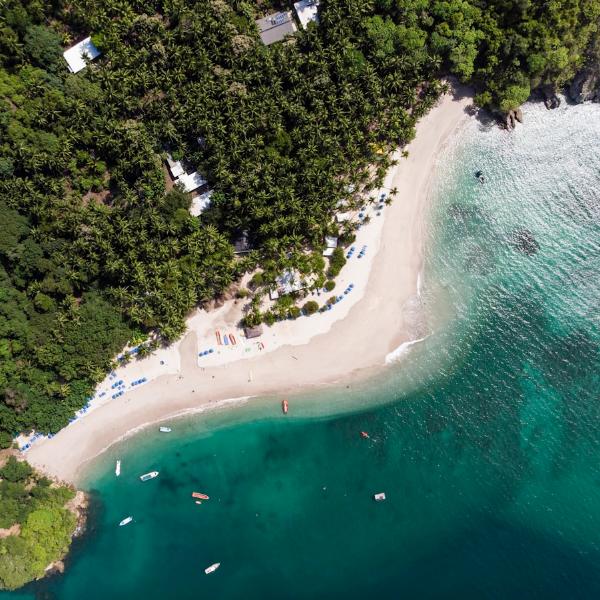
For many foreign buyers, the pacific coast offers the best balance of breathtaking natural beauty, beach vibes, services, and a generally safe environment. This is especially true in Guanacaste, where communities have grown around long-term residents rather than only short-term tourism.
The safest coastal zones tend to include:
Areas like Tamarindo, Nosara, and the Papagayo Peninsula in Guanacaste are known for their gated communities and heavy security presence, making them safer for first-time visitors. La Fortuna, Monteverde, and the Guanacaste Province are widely recognized as the safest destinations in Costa Rica for travelers concerned about security.
Tamarindo is recognized as one of the safest towns in Costa Rica, with a moderate Crime Index and a vibrant community atmosphere, making it popular among expats and tourists. That said, tourist towns with nightlife always require normal precautions. Petty theft exists, especially around beaches, bars, parking areas, and public transport stops.
The Guanacaste Gold Coast: Where Safety and Lifestyle Meet
The Gold Coast is Coastal Realty’s home base: Playas del Coco, Playa Hermosa, Flamingo, Potrero, Las Catalinas, Tamarindo, and the surrounding communities. Since 2006, we have watched these towns mature from sleepy beach areas into year-round residential markets with better roads, stronger services, and a growing expat population.
Many of our clients conclude that their personal safest place in Costa Rica is a well-run gated community on the Gold Coast with neighbors they actually know.
Playas del Coco and Playa Hermosa are practical, lived-in beach towns. You will find families, retirees, remote workers, restaurants, clinics, grocery stores, recreational facilities, and a strong long-term resident base. These areas have low violent crime compared with larger urban areas; most crime involves theft from unattended cars, bikes, or beach bags.
Flamingo and Potrero feel quieter and more residential. The marina area has cameras, guards, and a polished feel, while nearby streets remain relaxed and community-focused. Las Catalinas is different again: a master-planned, car-free town with controlled entrances, on-site security, walkable lanes, and a strong culture of neighbors knowing neighbors.
To read safety on the ground, look beyond the view. Are streets lit? Are people walking dogs after dinner? Do guards actually check visitors? Are homes occupied year-round? Is the area lively without feeling chaotic? The best communities feel secure without feeling like a fortress.
Secure Gated and Planned Communities on the Pacific Coast
Planned and gated communities are often the simplest way to increase both perceived and actual safety in coastal Costa Rica. Restricted vehicle access, 24/7 guards, camera systems, clear visitor registration, and shared maintenance standards all help create a secure environment.
Reserva Conchal offers guarded entrances, patrols, resort infrastructure, and controlled access points. Hacienda Pinilla is a large ranch-style community with multiple gates, roaming security, low-density homes, and quiet roads. Around Playas del Coco, Playa Hermosa, and Tamarindo, smaller HOAs often invest in lighting, cameras, landscaping, and gate staff.
The trade-off is structure. You may pay HOA fees, follow rental rules, and accept design guidelines. For many buyers, that is worth it. For others, a traditional neighborhood with a strong local community feels more natural.
Before buying, visit at different times: weekday morning, evening, and weekend. A community can feel peaceful at 10 a.m. and very different on a Saturday night.
Central Valley Safe Havens: Escazú, Santa Ana, Atenas, Heredia
The central valley gives you cooler weather, quick access to private hospitals, international schools, shopping, and business services. For buyers who want convenience more than ocean views, Costa Rica’s central valley can be an excellent fit.
Safety here often comes from a mix of police presence, private guards, gated condominios, and active neighborhood groups. The main daily downside is traffic, not crime. If you choose well, you can enjoy a relatively safe country lifestyle with city services nearby.
Escazú and Santa Ana: Upscale Suburbs West of San José
Escazú is one of Costa Rica’s most established upscale neighborhoods, with malls, medical centers, embassies, restaurants, and many gated communities. Its safety index is often stronger in residential zones than in the urban core, although its crime index still reflects property crime risks common to affluent areas.
Santa Ana is slightly quieter, with newer developments, office parks, and residential condominios. santa ana appeals to expat families and professionals who want services, schools, and security without living downtown.
In practice, safety comes from guards at entries, monitored garages, better lighting, and low violent crime in residential pockets. The trade-offs are higher prices, more traffic, and a more urban feel than beach towns.
Atenas and Heredia: Smaller, Calm Central Valley Towns
Atenas is a peaceful town known for its mild climate, low crime rates, and welcoming atmosphere, making it one of the safest places to live in Costa Rica, particularly for families and expats. Its walkable center, friendly locals, and retiree community give it a low-drama feel.
Heredia, north of San José, is a historic university and residential city. It is generally safer than central San José, but safety changes by barrio. Some areas feel like a picturesque town with minimal crime; others require more vigilance.
Atenas is ideal if you want rural calm. Heredia is better if you want city access, schools, and services without the intensity of the capital.
La Fortuna and the El Carmen Neighborhood: Safe Small-Town Volcano Living
La Fortuna sits near the iconic Arenal Volcano and is known for hot springs, hiking, zip lining, outdoor activities, and access to national parks. La Fortuna, located near Arenal Volcano, is considered one of the safest places to visit in Costa Rica, with a strong police presence and a focus on tourism safety.
This is a small town with a steady residential base, not just a tourist stop. The el carmen neighborhood is especially attractive to some foreign buyers because it is residential, quieter, and supported by a growing expat population.
Most incidents involve unattended bikes, phones, or electronics rather than confrontation. Infrastructure is more rustic than the Gold Coast or Central Valley, but the community feel is strong. If you want green views, cooler nights, and a slower rhythm, La Fortuna can feel safe and grounded.
Puerto Viejo and Limón: Honest Look at the Caribbean Coast

The caribbean coast has soul, color, music, wildlife, and a laid back feel. But it has a different safety profile than the Pacific and the Central Valley.
Limón province has higher reported crime, including issues linked to drug trafficking. Limón city is not usually a first choice for foreign buyers seeking the safest place in Costa Rica.
Puerto Viejo can feel welcoming by day, with beach cafes, bicycles, and surf culture. At night, however, there are more reports of break-ins, bike theft, and petty theft than in many Pacific towns. If you are drawn to puerto viejo, choose secure fencing, lighting, safes, and trusted property management. Avoid poorly lit streets, isolated roads, and random rides late at night.
This coast can work for adventurous buyers, but it usually requires more hands-on security planning.
How to Choose Your Personal Safest Place in Costa Rica
The safest choice is partly objective and partly personal. A retired couple, a solo remote worker, and a family with teenagers may all define comfort differently.
Use this checklist before buying:
- Check crime type and frequency in the immediate neighborhood.
- Visit by day, early evening, and after dark.
- Notice lighting, sightlines, walls, gates, locks, and neighboring homes.
- Ask locals where they walk, where they avoid, and what they lock up.
- Compare busy tourist areas with residential streets nearby.
- Find out how quickly police, ambulances, and property managers respond.
- Look for community habits: WhatsApp groups, watch programs, and year-round neighbors.
Do not rely only on a town’s reputation. Within the same town, one street can feel calm and another can feel exposed.
10 Practical Safety Tips for Living in Costa Rica
Costa Rica safe living is mostly about layering small habits. You do not need to live in fear, but you should remain vigilant.
- Lock doors and windows, even inside gated communities.
- Do not leave bags, phones, or laptops visible in cars.
- Travelers should never leave belongings unattended on the beach or exposed in parked cars to avoid theft.
- Walk or jog with a buddy at dawn or dusk, and stay aware of your route.
- Travelers should avoid poorly lit areas at night and keep their belongings secure to reduce the risk of petty theft, which is common in urban areas and tourist zones.
- Using reputable transportation options, such as licensed taxis or pre-booked shuttles, is recommended for safer travel in Costa Rica.
- Travelers are advised to stay alert for petty theft, especially in crowded areas like bus terminals and markets, and to keep valuables secure and out of sight. This also applies to crowded markets.
- Install motion lights, cameras, or a video doorbell where appropriate.
- Build relationships with neighbors and join local alert groups.
- Learn basic spanish and keep key safety phrases handy. Even basic spanish helps when speaking with guards, police, contractors, and neighbors.
These are common sense precautions, not drastic measures. Taking basic precautions usually makes the biggest difference.
Why Choose Coastal Realty as Your Partner in a Safe Move
Coastal Realty is a boutique real estate agency focused on Guanacaste’s Gold Coast. Since 2006, we have helped North American buyers compare beach towns, gated communities, condos, villas, and investment properties with clear eyes.
Our value is local, practical, and specific. We know the difference between two streets in the same town. We can help you compare Playas del Coco, Playa Hermosa, Flamingo, Las Catalinas, Tamarindo, and surrounding communities based on budget, walkability, views, rental goals, and security.
We also help you think beyond the closing date. That may include introductions to property managers, contractors, alarm providers, and local contacts who help protect your home when you are away.
The goal is not to sell you the most polished brochure version of Costa Rica. The goal is to help you find a place where you can actually relax.
Conclusion: Finding Your Safest Place in Costa Rica
Costa Rica is a relatively safe country, but the best experience comes from choosing carefully. For many foreign buyers, Guanacaste’s Gold Coast and select Central Valley towns consistently rise to the top because they combine community, infrastructure, services, and security.
Visit your short list in person. Walk Playas del Coco, Playa Hermosa, Flamingo, Atenas, Escazú, or Santa Ana by day and early evening. Notice how your body feels, how neighbors interact, and whether the lifestyle matches your sense of safety.
If you are ready to explore the safest place in Costa Rica for your life, reach out to Coastal Realty at coastalrealtycostarica.com. We would be happy to help you compare communities, tour properties, and build a Pura Vida life that feels secure, grounded, and genuinely yours.
Safest Places in Costa Rica FAQ
Is Costa Rica safe for retirees?
Yes. Many retirees choose Costa Rica because of its political stability, healthcare system, established international communities, and generally low levels of violent crime in popular retirement destinations.
What is the safest place to live in Costa Rica?
There is no single answer, but communities such as Las Catalinas, Reserva Conchal, Hacienda Pinilla, Escazú, Santa Ana, Atenas, and select neighborhoods in Playas del Coco and Playa Hermosa are frequently cited among the strongest options.
Is Guanacaste safe to live in?
Guanacaste is widely considered one of Costa Rica’s safest regions for foreign buyers. Established communities along the Gold Coast benefit from strong infrastructure, active residential populations, and professionally managed developments.
Do I need to live in a gated community to be safe?
Not necessarily. Many non-gated neighborhoods offer a safe and comfortable lifestyle. However, gated communities provide additional security features such as controlled access, guards, cameras, and organized property management.
Is Costa Rica safer than other countries in Central America?
Costa Rica is consistently ranked among the safer countries in Central America due to its political stability, tourism infrastructure, and relatively low levels of violent crime compared to many neighboring countries.
How important is healthcare when choosing a safe place to live?
Healthcare access is an important part of overall safety. Many buyers prioritize locations with convenient access to clinics, pharmacies, private hospitals, and emergency services.