
Living in Costa Rica as an Expat: The Honest Guide for 2026
Costa Rica keeps landing on “best places to retire abroad” lists, and for good reason. But living in costa rica full-time is nothing like a two-week vacation. This guide covers what life actually looks like in 2026, from visa thresholds and healthcare to real budgets, property laws, and the cultural adjustments nobody warns you about.
Table of Contents
This guide focuses on expats in the central valley and the pacific coast Gold Coast (Guanacaste), where Coastal Realty & Property Management operates.
- Is Costa Rica in 2026 Really Right for You?
- Pros and Cons of Living in Costa Rica in 2026
- Where Expats Live: Central Valley, Gold Coast and Caribbean Coast
- Cost of Living in Costa Rica in 2026 (With Sample Budgets)
- Residency, Digital Nomad Visa and Legal Status in 2026
- Healthcare, Health Insurance and the Caja System
- Working, Remote Income and Job Opportunities
- Housing: Renting vs. Buying, Beachfront Laws and Property Management
- Daily Life: Transportation, Driving and Public Services
- Family Life: International Schools, Kids and Community
- Cultural Adaptation, Language and “Pura Vida” Mindset
- Money, Banking, Taxes and Handling a Second Home
- Buying Coastal Real Estate with a Long-Term Plan
- FAQ: Living in Costa Rica as an Expat in 2026
Is Costa Rica in 2026 Really Right for You? (Quick Reality Check)
Costa Rica in 2026 delivers exactly what it promises: extraordinary natural beauty, a pura vida lifestyle, and a stable democracy with no standing army. But it also brings rising costs in popular tourist destination areas, more awareness around property crime, and bureaucracy that tests patience.
Here is the quick snapshot:
- Monthly budgets range from $1,500 for a frugal single in a small town to $3,500–$5,000+ for a couple in a coastal condo with a car
- Main expat hubs: central valley suburbs (Escazú, santa ana), Guanacaste Gold Coast (Tamarindo, Flamingo), and some caribbean coast towns (Puerto Viejo)
- Who thrives: people who embrace a slower pace, plan finances carefully, and invest in local community ties
- Who ends up leaving costa rica: those expecting first-world infrastructure everywhere, rock-bottom prices, or the same conveniences as back home
At Coastal Realty & Property Management, we help expats buy, rent, and manage coastal properties in Guanacaste. We are a long-term local partner, not a one-time agent. As you read, keep a mental “stay or go” checklist covering lifestyle fit, finances, family needs, and risk tolerance.
Pros and Cons of Living in Costa Rica in 2026
Understanding both sides is the first step before committing to a move or a purchase. For a deeper breakdown of the trade-offs, here is what matters most.
Pros:
- Diverse climates: spring-like weather in the central valley, dry pacific coast heat, lush caribbean coast rainforest
- Access to stunning beaches, pristine beaches, and national parks within a few hours of almost anywhere
- Private healthcare costs 50–70% less than in the US, with modern hospitals in san josé
- A stable democracy with a high literacy rate of 98% as of 2024, and strong environmental protection
- Beautiful beaches and natural beauty that draw visitors from european countries and other countries worldwide
Cons:
- Higher-than-expected prices in expat hotspots like Escazú, Tamarindo, and manuel antonio
- “Tico time” delays for internet installation, repairs, and government processes. Costa ricans often say “mañana” for tomorrow, reflecting a relaxed time perception
- Growing concerns about petty theft and break-ins, especially in popular beach towns
- Bureaucracy for costa rican residency and getting a costa rican driver’s license can take months
The pura vida lifestyle feels magical day-to-day: less urgency, more emphasis on relationships. Beach life in Guanacaste means heat, car-dependence, and a tourism-driven economy. Central valley city life means traffic congestion in the Greater Metropolitan Area but better cultural amenities near the capital city.
Our advice: rent at least 6–12 months before buying, and visit in both dry and rainy season. The rainy season runs from May to November and can lead to flooding or landslides in some areas. Many expats recommend renting before buying property to explore different areas.
Where Expats Live: Central Valley, Guanacaste Gold Coast and Caribbean Coast
Most expats cluster in a few corridors, each with a distinct feel, cost level, and infrastructure profile.
Central Valley (san jose metro area)
The central valley is popular among expats for cooler weather and established communities. Suburbs like Escazú, santa ana, Rohrmoser, and Heredia’s Belén offer mid-70s °F weather year-round, access to major hospitals, international schools, embassies, and more job opportunities. San José offers modern amenities and excellent healthcare. Escazú and Santa Ana are considered safe neighborhoods for expats. Atenas, a bit further out, is known for having the best climate year-round.
Pacific “Gold Coast” (Guanacaste)
Tamarindo, Playa Flamingo, Playas del Coco, Playa Conchal, and Peninsula Papagayo define this corridor. The dry climate, surfing, and vacation rentals attract foreign residents from across north america and european countries. Liberia international airport (LIR) provides direct flights from many US cities. Tamarindo is popular for its beach lifestyle and surfing. Learn what makes the Gold Coast special.
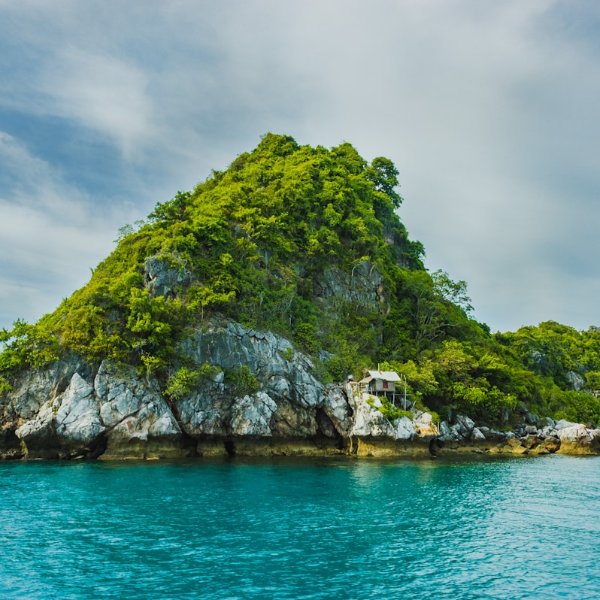
Caribbean Coast
Puerto Viejo, Cahuita, and surrounding mountain villages offer an Afro-Caribbean vibe, reggae culture, and lower prices. Puerto Viejo features a relaxed vibe and Caribbean culture. However, infrastructure (roads, power stability, high-speed internet) varies greatly. Fewer international schools and private clinics mean more self-reliance.
Coastal Realty & Property Management specializes in advising clients considering Guanacaste and nearby communities, including HOA-managed gated neighborhoods. For a deeper look at finding your place in expat communities, explore our community guide.
Cost of Living in Costa Rica in 2026 (With Sample Budgets)
Costa Rica is not an “$800 a month” destination for most expats, especially in popular areas. The cost of living in Costa Rica varies greatly based on lifestyle and location. Housing and vehicles dominate budgets. Monthly expenses can be 30–50% lower than in major US cities, and living costs in rural areas can be 20–30% less than urban areas.
Realistic 2026 monthly ranges:
Lifestyle | Monthly Budget |
|---|---|
Frugal single, small inland town | $1,500–$1,800 |
Comfortable single/couple, Escazú or Tamarindo | $2,300–$2,800 |
Couple, coastal condo with car and HOA | $3,500–$5,000+ |
A single person can live comfortably on about $1,500 monthly in a smaller town. Couples typically need $2,500 to live comfortably in Costa Rica, more in beach zones.
Key cost categories:
- Rent/mortgage: A 3-bedroom in Escazú runs $1,100–$1,800/month; ocean-view coastal condos go higher
- Utilities: Electricity is significantly higher on the coast due to air conditioning. Water costs more during dry season outside the central valley
- Groceries: While local produce is inexpensive, imported goods and electronics can be quite costly due to high tariffs. Budget $300–$500/month for a couple cooking at home
- Health insurance: Caja contributions for residents, plus optional private insurance
- Transportation: Owning a car in Guanacaste is close to essential
Sample Budget 1 – Frugal digital nomad, Central Valley, no car: Furnished one-bedroom near fiber internet, local groceries, occasional dining out. Total: ~$1,600/month.
Sample Budget 2 – American expat couple, Guanacaste, with vehicle: Spacious 2-bedroom ocean-view condo, car fuel and insurance, HOA fees, imported items, dining out. Total: ~$4,000/month.
Living in a gated condo with professional property management changes the equation: HOA/COA fees cover pool, garden, and security, while vacation rental income can offset costs. For more on how costs compare to the US, see our detailed breakdown.
Residency, Digital Nomad Visa and Legal Status in 2026
Long-term living in costa rica requires choosing a legal stay path. Tourist visa border runs are less practical long-term, and immigration enforcement is tightening. You will need a valid passport and a clear plan.
Main residency pathways (2026 figures):
Visa Type | Key Requirement |
|---|---|
Pensionado visa | $1,000 monthly income from a lifetime pension |
Rentista visa | $2,500 monthly income for 24 months, or $60,000 deposit |
Inversionista (Investor) | Minimum $150,000 investment in qualifying assets |
Digital nomad visa | $3,000 monthly income ($4,000 with dependents) |
The digital nomad visa requires proof of $3,000 monthly income from foreign sources, plus health insurance with at least $50,000 in coverage. It grants a one-year legal stay, renewable once. Foreign income under this visa is exempt from Costa Rican income tax. Local employment is not allowed.
Temporary residency applications take 6 to 12 months to process. Temporary residency must be renewed every two years. Permanent residency can be applied for after three years of temporary status, and citizenship options typically open after five to seven years. Once you achieve permanent status, you become a legal resident with broader rights.
Digital nomads can work for foreign clients but not costa rican employers. Most temporary residents can own a business but cannot be an employee until achieving permanent residency. Permanent residents can work without a separate work permit.
Practical advice: Work with a local immigration lawyer, keep apostilled documents current, and never overstay your tourist stamps while waiting for approvals. Family members can often be included as dependents on the same application.
Healthcare, Health Insurance and the Caja System
Costa Rican healthcare is a major draw versus the US. Healthcare costs in Costa Rica are 50–70% lower than US prices, and the country has universal public healthcare through Caja (CCSS).
Public system (Caja / CCSS):
Costa Rica has universal public healthcare through Caja. It is mandatory for residents. Enrolling in Caja requires residency status and a DIMEX card. Contributions are based on declared income. Coverage is comprehensive but involves longer wait times, and most care is delivered in Spanish.
Private system:
Major hospitals like CIMA San José, Clínica Bíblica, and Hospital Metropolitano offer bilingual staff, shorter waits, and modern facilities. Private doctor consultations cost between 25,000 and 45,000 colones (roughly $45–$80 USD). Specialist visits in private healthcare range from 45,000 to 80,000 colones. Private healthcare costs 50–70% less than in the US overall.
Why many expats use both:
Many expats rely on both public and private healthcare systems for medical needs in Costa Rica. They use Caja for catastrophic coverage and routine visits, and carry private health insurance or private insurance for faster appointments and elective procedures.
Health insurance options include local private policies, international expat plans, and the mandatory coverage tied to the digital nomad visa and certain residency categories.
Regional note: The best hospitals are in the central valley. Guanacaste beach towns have smaller private clinics and emergency facilities. If you live on the caribbean coast or in remote rural areas, consider medical evacuation insurance.
Working, Remote Income and Job Opportunities
Most expats who stay long-term do not rely on local salaries. They depend on foreign income, pensions, or investments. Most expats work remotely under the digital nomad visa.
Local job market in 2026:
Common industries hiring include technology and medical device manufacturing, along with shared services and tourism. Fluency in speaking spanish is required for most positions, and costa rican workers have legal priority over foreign residents. Entry-level expat positions typically pay $1,500 to $3,000 monthly, with senior roles reaching $4,000–$6,000+. These rarely match US earnings.
Remote work practicality:
Digital nomads structure their day around stable internet and time zones. Central valley and much of Guanacaste have fiber in many neighborhoods, with 4G speeds averaging 27–57 Mbps depending on the carrier. Power outages happen, so backup mobile data is essential for remote workers. For tips on the digital nomad lifestyle in Costa Rica, check our dedicated guide.
Entrepreneurship:
Small hotels, restaurants, surf schools, and property-related businesses attract expats moving to costa rica. Challenges include labor laws, social security contributions, and municipal permits. You will need a work permit for any locally employed staff.
Many Coastal Realty & Property Management clients treat their Costa Rican property as both a lifestyle asset and an income generator through short-term vacation rentals.
Housing: Renting vs. Buying, Beachfront Laws and Property Management
Housing drives both lifestyle and budget. And the laws for coastal property in this beautiful country differ significantly from inland real estate.
Rent first:
At least 6–12 months of renting lets you test climate, neighborhood noise, traffic patterns, and rainy season realities. Start with furnished rentals in the central valley or Guanacaste beach towns. Many expats recommend renting before buying property to explore different areas.
Foreign ownership rights:
Foreigners can own property in Costa Rica without restrictions on titled land. Foreigners can buy titled land outside the Maritime Zone freely. However, foreign property ownership is restricted in the Maritime Zone, which covers the first 200 meters from the high-tide line. The first 50 meters of the Maritime Zone is public land. Beyond that, concession rules apply and require careful legal review. The US State Department specifically cautions buyers about verifying titled versus concession land.
2026 price ranges (per m²):
Location | Price per m² (USD) |
|---|---|
Escazú (premium) | $1,800–$2,500 |
Santa Ana / Pozos | $1,500–$2,200 |
Guanacaste coastal (ocean-view) | $2,000–$3,500 |
Mortgages for foreigners require a down payment of 30% to 50%.
HOA/COA communities on the Gold Coast offer gated security, shared pools, landscape maintenance, and predictable monthly fees. Coastal Realty & Property Management provides HOA management across Guanacaste communities.
Why property management matters: If you do not live full-time in costa rica, professional management handles bill payments, staff oversight, preventive maintenance, guest check-ins, and compliance with local rental regulations. Salt-air corrosion, storm damage, and drainage issues make coastal maintenance more demanding than inland.
Daily Life: Transportation, Driving and Public Services
Costa Rica was not built around trains or subways. Cars and buses define how most expats get around.
Driving realities:
Many streets lack names. Locals navigate by landmarks, and apps like Waze are essential. Speeds are slower due to curves, speed bumps, and narrow roads. Night driving outside the central valley requires extra caution. Traffic congestion is a significant issue in the Greater Metropolitan Area around san jose.
Driver’s license rules in 2026:
A foreign license is valid for the duration of your tourist visa or legal stay. Once you hold legal residency, you must obtain a costa rican driver’s license, which requires a basic medical exam. The process involves multiple visits, which tests patience.
Public transportation:
The bus network is cheap and extensive. Routes connect the central valley to both coasts, and shuttle services link Liberia international airport (LIR), Juan Santamaría International Airport (SJO), and popular beach towns. However, schedules can be slow in remote areas. Infrastructure quality varies widely; urban areas have better services compared to rural regions.
Taxis and ride-hailing:
Uber, Didi, and InDriver operate in san josé and some coastal cities. Costs are lower than owning a vehicle, but availability drops outside major towns.
Utilities and services:
Occasional power or water outages occur, especially during rainy season in coastal and rural areas. Internet speeds vary by region. Surge protectors and backup mobile data are non-negotiable for remote workers relying on stable connectivity.
Family Life: International Schools, Kids and Community
Costa Rica can be very family-friendly, but schooling and support networks need special planning for expat families.
Public schools:
Instruction is Spanish-only, and quality varies by region. For non-Spanish-speaking children, this is rarely the first choice, though immersion can accelerate language learning.
International schools in 2026:
The greatest concentration sits in the Greater Metropolitan Area: Escazú, santa ana, Alajuela, and Heredia. Schools like Lincoln School, Country Day School, and Blue Valley International serve the international community. Typical annual tuition ranges from $10,000 to $25,000+. Registration and building fees add on top of tuition.
Smaller bilingual and international schools operate in coastal areas like Tamarindo, Brasilito, and Nosara, attracting surf-oriented and eco-focused families. Trade-offs include smaller class sizes and fewer extracurricular options versus more choices near san josé.
Admissions tips:
Start applications 6–12 months in advance. Waitlists are common at top schools. Placement tests determine grade entry.
Community aspects:
Kids’ sports include soccer, surfing, and gymnastics. Church groups, volunteer organizations, and local community events help families integrate. Mixing expat and costa rican friendships helps children learn Spanish faster and feel rooted. Costa Rica has strong community bonds that are vital for social interactions among local residents and foreign residents alike.
Cultural Adaptation, Language and “Pura Vida” Mindset
Language and unwritten social rules sit behind many stories of both success and frustration among american expats and expats from other countries.
Learning Spanish matters:
Even basic conversation improves experiences at banks, Caja clinics, municipalities, and hardware stores. Many costa ricans in tourist areas speak English, but outside those zones, Spanish is essential. Learning basic Spanish is essential for daily interactions with local residents.
Key cultural traits:
Costa rican culture values indirect communication. Public confrontations are rare – avoid aggressive behavior. “Tico time” means flexibility with schedules. Many costa ricans prioritize courtesy and greetings over efficiency. Always greet staff and neighbors. Use “usted” when in doubt. Gift giving is common when invited to someone’s home.
Costa Rica is known for its pura vida lifestyle that promotes a relaxed mindset. Pura vida translates to pure life, and it shapes how people approach everything from business meetings to Saturday errands. Expats report frustrations with long wait times for services, but those who accept the rhythm tend to stay happier.
Common culture shocks:
Noise from motorcycles and fiestas, fireworks at odd hours, early morning schedules, rainy season routines, and stronger security measures like bars on windows and gated entries. The slower pace takes adjustment, but it is part of what makes this new country feel different from anywhere in latin america or central america.
Integration tips:
Join local clubs, language exchanges, and neighborhood events. Balance your expat communities with genuine costa rican friendships. The expats who build roots in the local community rather than staying in an expat bubble are the ones who stay longest.
Money, Banking, Taxes and Handling a Second Home
Financial logistics in Costa Rica are more paper-heavy than in North America or european countries. Early planning avoids surprises.
Opening a costa rican bank account:
You will need a passport, proof of legal stay (residency card or visa), and proof of stable income. Expect multiple branch visits. Common banks include BAC, Banco Nacional, Banco de Costa Rica, and Scotiabank. Having a local bank account simplifies paying utilities, HOAs, and local vendors. A bank account at a costa rican bank is practically essential for long-term residents.
Managing currencies:
Most expats live between US dollars and colones. USD is widely spoken in coastal tourist zones for transactions, but colones remain the national currency for salaries and local commerce. Watch exchange rates carefully when transferring money for large purchases or renovations.

Tax considerations:
Costa Rica operates a territorial tax system, so income earned outside the country is generally not taxed locally. Property taxes are low – about 0.25% of registered value annually, compared with many US jurisdictions. US citizens must keep filing IRS returns and FBARs regardless of where they live.
Rental income:
Vacation rental earnings from a Costa Rican property are generally taxable in Costa Rica. Proper invoicing is required. Many owners use a professional property manager to handle bookkeeping and stay compliant.
Coastal Realty & Property Management can connect buyers with vetted tax, legal, and accounting professionals experienced in expat and investment scenarios.
Buying Coastal Real Estate in Costa Rica with a Long-Term Plan
Many expats evolve from renters to owners after confirming that Costa Rica fits their life. The 2026 market remains active in Guanacaste and the central valley, with annual price increases of 6–10% in premium zones.
Typical buyer profiles:
- Retirees seeking ocean-view condos near beautiful beaches
- Digital nomads wanting lock-and-leave apartments near fast internet and santa teresa or Tamarindo
- Investors targeting high-yield vacation rentals near popular beach towns like Flamingo and Playa Conchal
The purchase process:
It begins with an offer and due diligence period, followed by a title search in the National Registry. Use a reputable Costa Rican attorney. Escrow funding is typically in USD, and closing happens at a notary public’s office.
Key legal checks for coastal property:
Confirm whether the land is titled versus concession. Verify municipal plans and maritime zone boundaries. Review HOA bylaws and financials. Skipping these steps is one of the most expensive mistakes foreign buyers make. For guidance from people who have done this for 18 years, read our real estate guide for expats.
How Coastal Realty & Property Management helps:
We provide buyer representation, honest assessment of rental potential, HOA and property management planning, and on-the-ground oversight for foreign owners not in Costa Rica full-time.
Think about your exit strategy: Consider reselling, leaving costa rica temporarily or permanently, and how to position a property as both a home and an asset. Well-located properties in established expat areas hold value better and rent more easily – making your investment work whether you stay or go.
FAQ: Living in Costa Rica as an Expat in 2026
These questions reflect what american expats and other foreigners most often ask Coastal Realty & Property Management when planning a move to the central valley or the Gold Coast. Each answer draws on 2026-specific facts and common expat concerns.
Is quality of life in Costa Rica getting better or worse in 2026?
It is mixed. On the positive side, healthcare remains strong, the country is a stable democracy, and digital infrastructure keeps improving with fiber reaching more neighborhoods. On the other hand, san josé faces more congestion, costs in coastal hotspots keep rising, and petty crime requires more awareness than a decade ago. Costa Rica has a high literacy rate of 98% and continues investing in education and environmental protection. Many expats still rate their overall happiness higher here than in their home country, provided they adjust expectations, choose the right location, and embrace the pura vida lifestyle rather than fighting it.
How much do I really need per month to live comfortably as an expat?
Three tiers tell the story. A frugal single person can live comfortably on about $1,500 monthly in a small inland town without a car. A comfortable single or couple in the central valley or a smaller beach town needs $2,300–$2,800 per month. An upscale couple in a Guanacaste coastal condo with a vehicle, HOA fees, and imported goods should budget $3,500–$5,000+. Housing and vehicles are the two biggest variables that determine your monthly income requirements.
Is Costa Rica safe for expats and families in 2026?
Costa Rica remains one of the safer countries in latin america and central america, but it is no longer “ultra-safe.” The US State Department rates it Level 2: Exercise Increased Caution. Common crimes include theft from vehicles, home break-ins, and occasional scams targeting tourists. Safety tips that work: choose secure neighborhoods or gated communities, use alarm systems and cameras, never leave valuables visible in cars, and avoid isolated areas after dark. Costa Rica is a popular tourist destination, so areas with heavy tourism see more property crime. Choosing the right neighborhood matters enormously.
Can foreigners own beachfront property in Costa Rica?
Yes, foreigners can own titled property just like costa ricans. The restriction applies only in the Maritime Zone, which covers the first 200 meters from the high-tide line. The first 50 meters is public land that no one can own. Beyond that, concession rules may apply. Foreigners can buy titled land outside the Maritime Zone freely. Always verify whether coastal land is titled or concession before signing anything, and work with an experienced attorney who knows the pacific coast and caribbean coast regulations.
What are the internet speeds like for digital nomads?
In central valley fiber-served neighborhoods, speeds of 100–200 Mbps are common. In Guanacaste beach communities, fiber is arriving in many areas, with 4G mobile speeds averaging 27–57 Mbps depending on the carrier. Remote or heavily forested areas still rely on slower DSL or satellite. If your work depends on video calls, always confirm the connection type and ask about backup options like a second line or mobile hotspot before signing a lease. Internet is widely spoken about as a concern, but it has improved significantly.
Are there good international schools near the beaches?
The greatest concentration of top-tier international schools remains in the central valley. However, Guanacaste towns like Tamarindo, Brasilito, and Nosara have growing bilingual and international options for expat families. Trade-offs are real: smaller class offerings and higher per-student tuition at beach schools, versus more choices, activities, and established reputations near san josé. Many families split their time, with a primary home near central valley schools and a weekend or vacation property on the coast.
How hard is it to leave Costa Rica if it doesn’t work out?
Leaving costa rica involves both emotional and practical steps: selling or renting out property, ending leases, and managing school transitions for children. Well-located properties in established expat areas like Escazú, santa ana, Tamarindo, and Flamingo are easier to rent or sell due to steady demand. That is why planning an exit strategy with your agent from day one is smart. A property positioned as both a home and an investment gives you flexibility whether you stay five years or fifty.
Do I need a car, or can I rely on buses and shuttles?
In the central valley, some expats manage with buses, ride-shares, and occasional rentals. Public transportation is cheap and extensive in urban areas. However, in most coastal areas, a private vehicle or shared car is close to essential for daily life. A modest used SUV in 2026 costs roughly $400–$600 per month when you factor in fuel, insurance (seguro obligatorio), and maintenance. Compare that to the freedom it gives you, especially if you live a few hours from the nearest international airport or major hospital.
How can Coastal Realty & Property Management help my move succeed?
We offer buyer and seller representation, vacation rental and long-term management, HOA administration, and local guidance on neighborhoods along Costa Rica’s Gold Coast. We work on a first-name basis and take an honest, ethical approach to every transaction. Contact us before your scouting trip so we can help you compare central valley versus coastal living, short-list communities, and understand the true ownership and running costs of your next home in this beautiful country.