
12 Smart Costa Rica Real Estate Tips for North American Buyers
You can picture it: morning coffee over the Pacific, warm Guanacaste air, and a home base near Playas del Coco, Playa Hermosa, Flamingo, Las Catalinas, or Tamarindo. For many foreign buyers from the U.S. and Canada, owning property in Costa Rica is not just a lifestyle move. It is a serious property purchase in a foreign country. These Costa Rica real estate tips can help you avoid common buyer mistakes around title, zoning, real estate financing, and local due diligence.
Costa Rica is considered one of the safest places to buy property in Latin America, with strong legal protections for private property, including for foreign buyers. Still, buying property here is not the same as buying in your home country. The buyers who get into trouble usually skip the quiet, unglamorous steps: title search, survey, water letter, escrow, zoning, and independent legal representation.
These Costa Rica real estate tips come from Coastal Realty’s Gold Coast experience since 2006. The goal is simple: help you make confident decisions, avoid common mistakes, and understand the purchase process before you fall in love with a dream home.
Table of Contents
Costa Rica Real Estate Tips: What Trips Up Foreign Buyers First
Can Foreigners Really Own Property in Costa Rica?
Understanding Fee Simple vs Maritime Zone & High-Tide Rules
Essential Due Diligence Before You Make an Offer
Using Independent Attorneys, Notaries & Escrow the Right Way
Closing Costs, Taxes & Ongoing Ownership Expenses
Financing a Property Purchase as a Foreign Buyer
Working With the Right Real Estate Agent in Costa Rica
Location, Lifestyle & Climate: Buying for the Life You’ll Actually Live
Thinking Ahead: Resale Value, Rental Demand & Exit Strategy
Common Mistakes Foreign Buyers Make (and How to Avoid Them)
Frequently Asked Questions About Buying Property in Costa Rica
Why Choose Coastal Realty for Your Gold Coast Purchase
Conclusion: Next Steps Toward Owning Property in Costa Rica
Costa Rica Real Estate Tips: What Trips Up Foreign Buyers First
The biggest surprise for most buyers is not that Costa Rica is risky. It is that Costa Rica real estate is generally safe when handled correctly, but unforgiving when handled casually. Many foreign buyers enjoy the same rights as Costa Rican citizens under fee simple ownership, but there is a notable exception along the coast: the maritime zone.
That matters on the Gold Coast, where beachfront property, ocean views, and rental income often drive demand. A beautiful listing photo does not tell you whether the land is titled land, concession land, public land, or subject to local zoning laws.
Costa Rica offers a variety of property types including beachfront properties, mountain estates, urban condos, and undeveloped land, catering to different lifestyles and investment goals. The right choice depends on your budget, timeline, risk tolerance, and how you plan on owning property.
Can Foreigners Really Own Property in Costa Rica?
Yes. Foreigners can legally purchase and own property in Costa Rica with full rights, enjoying the same ownership rights as Costa Rican citizens under a fee simple title. Every legitimately titled property has a unique identification number called a Folio Real, and that property should be recorded in the National Registry, also called the National Registry in many buyer conversations.
Fee simple means full ownership. You can sell, inherit, lease, mortgage, or transfer the property, assuming there are no restrictions on the title or community documents. Property ownership in Costa Rica can be structured in various ways, including personal ownership, through a corporation, or via trusts, which can simplify tax reporting and estate planning.
For example, a U.S. buyer purchasing a fee simple condo in Playa Hermosa is typically acquiring clear property rights in a registered condominium. Purchasing beachfront property in Flamingo may be different if the parcel sits inside the maritime zone, where specific rules apply and direct personal ownership may not be available.
Special categories, including Indigenous reserves and areas near protected parks, can have specific rules. In Costa Rica, zoning laws also apply to areas around indigenous reserves and national parks, which have specific regulations to protect the environment and restrict certain types of development.
Understanding Fee Simple vs Maritime Zone & High-Tide Rules
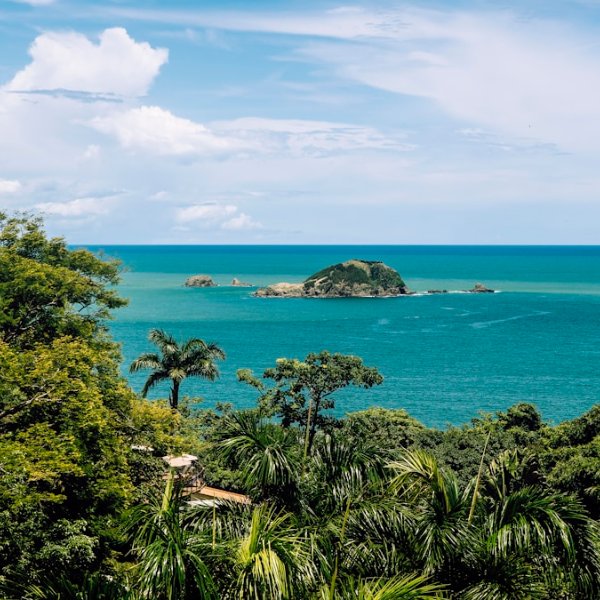
One of the most important Costa Rica real estate tips is to understand the beach before you buy the beach. In Costa Rica, properties located within the Maritime Zone are subject to specific regulations, where the first 50 meters from the high tide line are public land and cannot be owned, while the next 150 meters can only be leased or owned through a Costa Rican corporation with at least 51% local ownership.
Costa Rica distinguishes between titled property and Maritime Zone concessions, where the first 50 meters from the high tide line is public land that cannot be owned or developed, while the next 150 meters are typically concession land leased from the local municipality. That concession may run for a defined term and can involve municipal approvals, tourism zoning, fees, and renewal risk.
Fee simple property outside the 200-meter maritime zone is usually simpler for international buyers and non residents. It is recorded at the Registro Nacional, can often be financed more easily, and is usually cleaner for selling property later.
Example: a concession hotel lot near Flamingo may work for a structured tourism project with Costa Rican partners. A titled ocean-view home across the road, above the maritime zone, may be better for a family wanting simpler ownership. Zoning regulations in Costa Rica restrict the use of coastal land, with much of the prime coastal land zoned for tourism use, meaning that development is limited to hotels and similar tourist facilities to protect the country’s natural beauty.
Essential Due Diligence Before You Make an Offer
Thorough due diligence is essential before submitting an offer on any property in Costa Rica, starting with requesting a title certificate from the National Registry to verify ownership and any liens or encumbrances. Proper due diligence should happen before emotions take over.
Key checks include:
- Title check at the National Registry. Confirm the owner, Folio Real, mortgages, liens, easements, annotations, and property type. Review official documents, not just seller assurances.
- Survey and boundaries. A professional topographer or surveyor should verify that the survey plan matches the physical property boundaries, ensuring accurate access points and compliance with municipal zoning.
- Zoning and land use. Confirm uso de suelo, height limits, density, tourism use, residential use, setbacks, and future development plans.
- Water and utilities. Requesting a valid water availability letter from the local ASADA or AyA (Instituto Costarricense de Acueductos y Alcantarillados) is crucial to confirm that water and utility access are legally permitted before purchasing a property.
- Property inspections. Check roof, drainage, septic, electrical, mold, salt-air corrosion, and rainy-season access.
- Permits and occupancy. Verify permits, blueprints, and occupancy status for existing homes.
- HOA and condo documents. Review rules, fees, reserves, rental restrictions, minutes, and special assessments.
Coastal Realty has advised buyers to walk away from attractive coastal properties when the title looked acceptable at first glance but water approval could not be confirmed. In Guanacaste, a gorgeous lot without legal water is not a bargain. It is a problem.
Using Independent Attorneys, Notaries & Escrow the Right Way
A qualified real estate attorney is one of the most important professionals in any Costa Rica real estate transaction. Your attorney should conduct title searches, verify zoning and land-use regulations, review contracts, confirm ownership rights, coordinate due diligence, and ensure the transaction complies with Costa Rican law. Closing attorneys also act as Notaries Public and are legally responsible for preparing and registering the deed with the National Registry.
Use independent escrow. Do not wire large deposits to a seller, agent, or private account. Your purchase contract should include a due diligence period, often 15–30 days, clear exit rights, and escrow instructions tied to milestones.
Remote closing note:
- If you are in the U.S. or Canada, you may use a power of attorney.
- Signature documents usually need notarization and apostille.
- Your attorney should confirm wording before you sign abroad.
Closing Costs, Taxes & Ongoing Ownership Expenses
Closing costs in Costa Rica typically amount to 3% to 5% of the purchase price, covering notary fees, transfer tax, registry stamps, and document processing. Closing costs in Costa Rica generally range from 3% to 5% of the purchase price, which includes notary fees, transfer taxes, and other document processing fees.
The transfer tax in Costa Rica is 1.5% of the property’s purchase price, which is included in the overall closing costs. You should also budget for legal fees, National Registry stamps, escrow fees, property inspections, and additional costs if you create an S.R.L. or S.A.
Annual property tax in Costa Rica is 0.25% of the registered value of the property, payable to the local municipality after purchase. Higher-value homes may also face luxury home tax. Income tax can apply to rental income, and capital gains tax may apply when selling property, so get tax advice before purchasing real estate.
A practical condo budget in Playas del Coco or Tamarindo might look like this:
Financing a Property Purchase as a Foreign Buyer
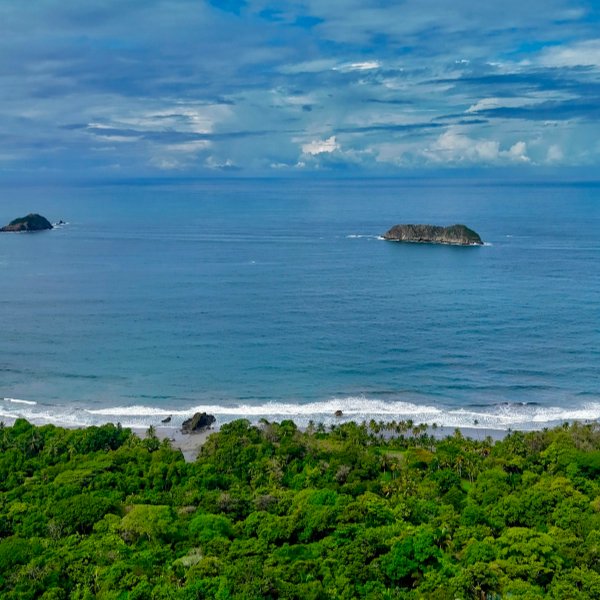
Financing options for foreigners purchasing real estate in Costa Rica are rare; most transactions require cash or private financing. Costa Rican banks and local banks may lend to foreigners, but expect larger down payments, often 40%–50%, proof of income, translated documents, appraisals, and slower approvals.
Most buyers use cash, home equity from their home country, private lenders, seller financing, developer financing, or cross-border mortgage specialists. Costa Rican banks may also avoid concession land, rural parcels, or complicated real estate transactions.
Before you purchase property, speak with Coastal Realty about realistic financing options. It is better to know your true price range before touring a hillside villa or beachfront property you cannot close on comfortably.
Working With the Right Real Estate Agent in Costa Rica
In Costa Rica, there is no formal licensing process for real estate agents, meaning anyone can pose as an agent regardless of their knowledge of real estate law or market dynamics. That is why choosing local market expertise matters.
Choosing a local real estate agent with expertise in the specific market where you plan to purchase is crucial, as they can provide valuable insights and guide you through the buying process. It is advisable to work with a single real estate agent throughout the buying process to ensure a cohesive approach and avoid confusion that can arise from engaging multiple agents.
Look for real estate agents who offer written market knowledge, explain flaws, know water and road issues, and understand rental rules. Coastal Realty’s Costa Rica real estate tips are built around one idea: good advice should protect you before it sells you.
Location, Lifestyle & Climate: Buying for the Life You’ll Actually Live
Do not buy the two-week vacation version of your life. Buy the Tuesday morning version. Coco and Hermosa offer established services and expat communities. Flamingo and Las Catalinas offer marina access, master-planned communities, and higher price points. Tamarindo offers surf culture, restaurants, nightlife, and strong demand.
Beachfront properties and ocean-view homes are highly sought after in tourist areas like Samara, known for their potential to generate rental income. Properties in popular areas like Samara, Nosara, and Tamarindo generate strong demand for both short-term vacation rentals and long-term leases, making them attractive for investors.
Mountain and jungle estates appeal to buyers looking for tranquility and a connection with nature, making them ideal for eco-friendly retreats and sustainable living projects. In urban areas, modern condos and gated communities are popular, offering proximity to amenities like shopping centers and schools, making them suitable for families and professionals. Costa Rica has a significant amount of undeveloped land and farmland, which can be used for agricultural purposes, conservation, or long-term development, appealing to investors interested in green living.
A quiet hillside ocean-view home above Playa Hermosa may offer breezes and privacy, but require driving. A walk-to-everything condo in Tamarindo may simplify daily life, but trade privacy for noise and foot traffic.
Thinking Ahead: Resale Value, Rental Demand & Exit Strategy
Think about resale before you buy, even if your plan is long-term ownership. Paved access, legal water, ocean views, walkability, clear title, and established communities usually support value across the entire country, but especially in coastal properties.
Short-term rentals in Costa Rica can achieve annual net yields of 5% to 8%, particularly in coastal regions where demand is high. Gross numbers can look better, but net income must account for management, utilities, repairs, vacancy, insurance, taxes, and wear from humidity.
Case example: a 2-bedroom condo in Playas del Coco purchased smartly, with $500/month HOA fees and $200/month utilities, may perform well if it reaches 45%–55% occupancy at competitive nightly rates. But if the HOA restricts rentals or the property type is far from services, the numbers weaken quickly.
Common Mistakes Foreign Buyers Make (and How to Avoid Them)
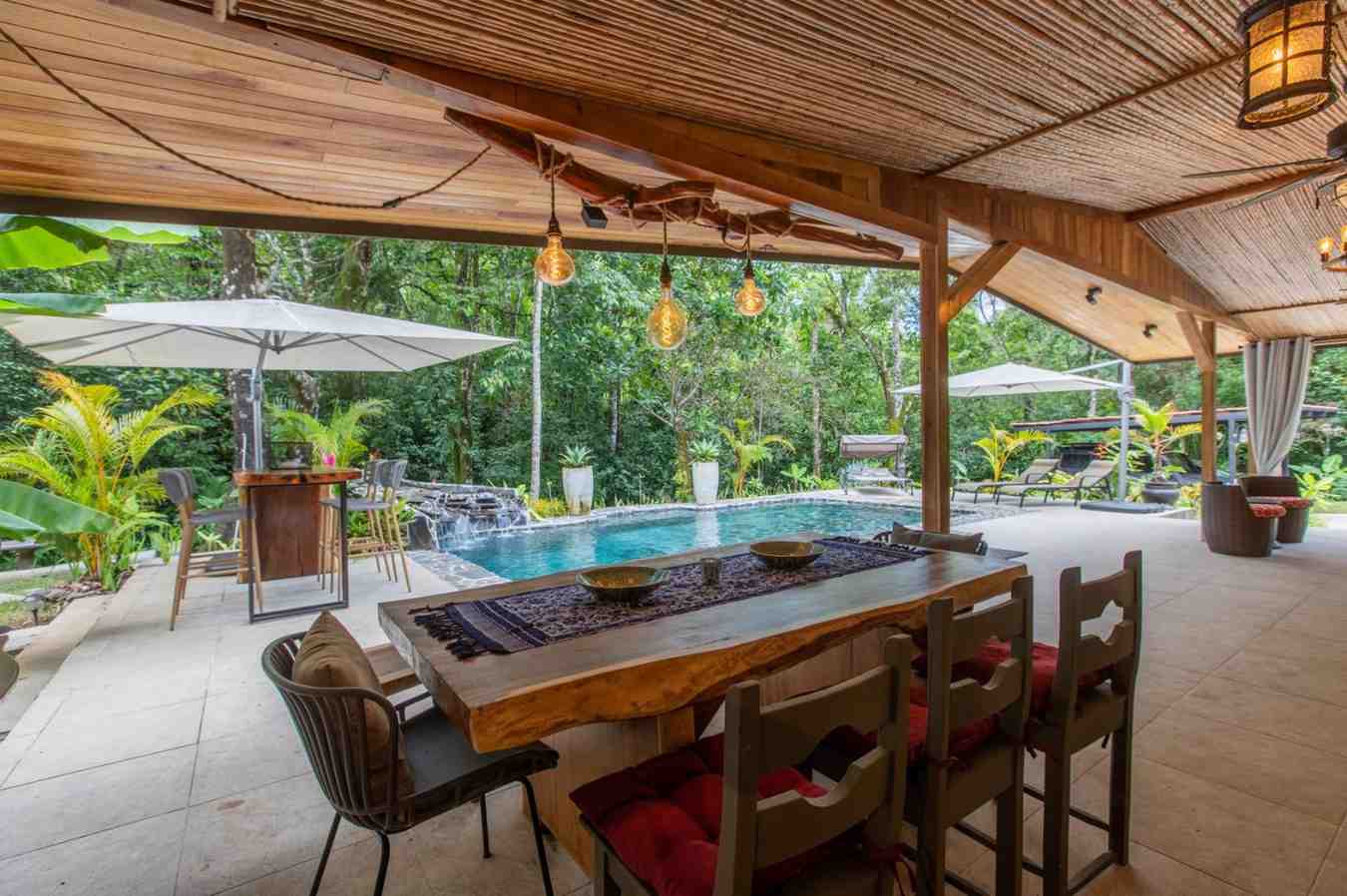
Use this as a quick “don’t do this” checklist:
- Skipping the survey. A map is not enough; boundaries and access must be verified.
- Ignoring water. No current ASADA or AYA letter can stop construction or resale.
- Trusting photos. Visit in rainy season when possible; drainage problems hide in dry months.
- Missing HOA rules. Some communities restrict pets, rentals, remodeling, or parking.
- Rushing because of FOMO. Tamarindo and Flamingo move fast, but waiving due diligence is not smart.
- Confusing concession and title. Beachfront marketing does not prove ownership.
- Underestimating climate. Salt air, mold, heavy rains, and humidity affect maintenance and price.
- Forgetting exit strategy. Buying is emotional; selling property is financial.
Frequently Asked Questions About Buying Property in Costa Rica
- Can foreigners buy property in Costa Rica? Yes. Foreign buyers can own fee simple property with the same rights as Costa Rican citizens, outside restricted categories like most maritime zone concession areas.
- How long does a typical purchase take? The typical buying process in Costa Rica spans 30 to 60 days, starting with a Letter of Intent (LOI) or formal offer, followed by due diligence, and concluding with the signing of the purchase deed before a notary public.
- What is the difference between fee simple and concession property? Fee simple is full ownership. Concession property is usually leased through the municipality and subject to specific rules, renewal terms, and ownership limits.
- Do I need residency to buy? No, you do not need residency to buy fee simple property in costa rica. Concession properties are different and require careful legal review.
- How much should I budget for closing costs? For 2025–2026, budget 3%–5% of the purchase price for closing costs, including transfer tax, notary fees, registry stamps, and processing.
- Do I need a Costa Rican bank account to buy property? No. Many transactions are completed using international wire transfers and escrow accounts. However, some buyers choose to open a Costa Rican bank account for convenience after purchase.
- Can I buy property remotely in Costa Rica? Yes. Many foreign buyers complete transactions remotely using attorneys, escrow services, video inspections, and powers of attorney. Proper due diligence is especially important when buying remotely.
- What is a water availability letter in Costa Rica? A water availability letter confirms that a property has legal access to water through the appropriate authority. This document is often required before construction permits can be issued.
- Should I buy property personally or through a corporation? The best ownership structure depends on your goals, tax situation, and estate planning needs. Buyers should consult a qualified attorney and tax professional before deciding.
Why Choose Coastal Realty for Your Gold Coast Purchase
Coastal Realty is a boutique Costa Rica real estate and property management firm serving the Guanacaste Gold Coast since 2006. Our team focuses on Playas del Coco, Playa Hermosa, Flamingo, Las Catalinas, Tamarindo, and nearby communities where micro-local knowledge changes outcomes.
We help buyers compare title status, concession risk, water access, HOA rules, rental projections, and lifestyle fit. That means we may tell you not to buy a property if the documents, road, water, or price do not support an informed decision.
In one complex deal, a North American buyer loved a coastal lot until document review showed water access was uncertain and the timeline for approval was unrealistic. Coastal Realty helped the buyer pause, avoid a risky deposit, and redirect toward a better-served property with clearer ownership.
That is our proven track record: honest counsel, client satisfaction, and practical guidance through estate in costa rica decisions that deserve more than sales pressure.
Conclusion: Next Steps Toward Owning Property in Costa Rica
Owning property in Costa Rica can be secure, rewarding, and deeply enjoyable when you respect the legal framework. Understand fee simple versus maritime zone rules, hire your own real estate attorney, use escrow, verify the National Registry records, confirm water, and study the local market before you commit.
Your best next step is simple: choose your area, clarify your budget, speak with an attorney, and tour properties with a local advisor who will point out both the beauty and the trade-offs.
Contact Coastal Realty for a no-pressure consultation about your Costa Rica real estate plans on the Gold Coast.
We can help with on-the-ground tours, remote video walk-throughs, and the steady guidance you need to purchase with confidence.