
Costa Rica Mountain Homes For Sale: Highland Properties With Big Views
Trade the beach heat for cool mornings and a view that runs for miles. A few hundred meters of elevation changes everything in Costa Rica, from the temperature on your porch to the price on the listing.
Costa Rica mountain homes for sale sit in the country’s cooler highlands, from the Central Valley to the Southern Zone ridges and Guanacaste’s coastal hills. Prices run from about $250,000 for valley homes to well past $1 million for ocean-view mountain estates. Buyers come for temperate climate, big views, and strong long-term value.
We have worked Costa Rica’s Gold Coast since 2006, and the question we hear most from view-hungry buyers is simple: stay near the beach, or head for the hills? So this guide maps the main highland regions, what they cost, who they suit, and how to buy a mountain home without nasty surprises.
Table of contents
- Costa Rica’s highlands trade beach heat for cool air and long views
- The main mountain regions each have their own character
- Costa Rica mountain homes for sale span a wide price range
- Highland living comes with everyday perks
- A highland home suits a specific kind of buyer
- Highland and coastal homes can work together
- Buying a mountain property comes with its own checklist
- Renting before you buy is the smartest scouting move
- Coastal Realty knows the Guanacaste hillside niche
- A short consult can map your highland search
- Common questions about Costa Rica mountain homes
Costa Rica’s highlands trade beach heat for cool air and long views
Elevation is the whole pitch. The coast is gorgeous, but it is also hot and humid for much of the year. Climb a few hundred meters and the air turns soft and spring-like, often sitting between 60 and 75 degrees Fahrenheit. So many homes in the hills run comfortably without air conditioning or heating at all.
That climate does more than save on power bills. Cooler nights mean better sleep, easier gardening, and long days outdoors without the midday wilt. For retirees and remote workers especially, the highlands feel like a permanent gentle spring.
Big views come standard at altitude
The other draw is obvious the moment you arrive. From a ridge or hillside, you look out over valleys, coffee farms, cloud forest, or the Pacific itself. Some Southern Zone properties sit high enough to see whitewater coastline stretching for miles. A view like that is hard to put a price on, and it tends to hold its value when you sell.
The main mountain regions each have their own character
Costa Rica is not one mountain market. It is several, each with its own climate, price point, and personality. Here is how the main highland zones compare, so you can match a region to how you actually want to live.
The Central Valley balances climate, value, and access
The Central Valley is the practical favorite. Towns like Atenas, Grecia, San Ramón, Escazú, and Santa Ana sit at a comfortable altitude with famously mild weather. Atenas, in fact, has long been tagged as having one of the best climates anywhere. So you get cool air, mountain views, and you stay close to the airport, hospitals, and shopping.
Value is the other story here. Because the valley is inland and well developed, your dollar buys more home than it would on the beach. Many solid family homes land in the mid-six figures, and there are real options below that. If a tighter budget is the priority, our guide to homes for sale in Costa Rica under $150K covers what is realistic at the entry level.
The Southern Zone stacks mountains right against the ocean
The Southern Zone, around Dominical, Uvita, and Pérez Zeledón, is where the drama lives. Here the mountains rise almost straight out of the sea. Ridges above Dominical, like Escaleras, sit between roughly 1,000 and 2,000 feet up, yet they look down on the surf and the famous Whale’s Tail.
This is mountain-meets-ocean living at its most extreme. The trade-off is access, since roads climb steep and rough in places, and you are further from a major airport. Still, for buyers who want jungle, wildlife, and a 50-mile ocean view from the same deck, nothing else compares.
Monteverde and Arenal deliver cloud forest and lake views
Two more regions deserve a mention. Monteverde is Costa Rica’s cloud-forest icon, cool and misty, with world-class reserves a short walk from many homes. You can read more about its forests through Costa Rica’s tourism board at visitcostarica.com. The pace is slow, the wildlife is everywhere, and the setting feels almost otherworldly.
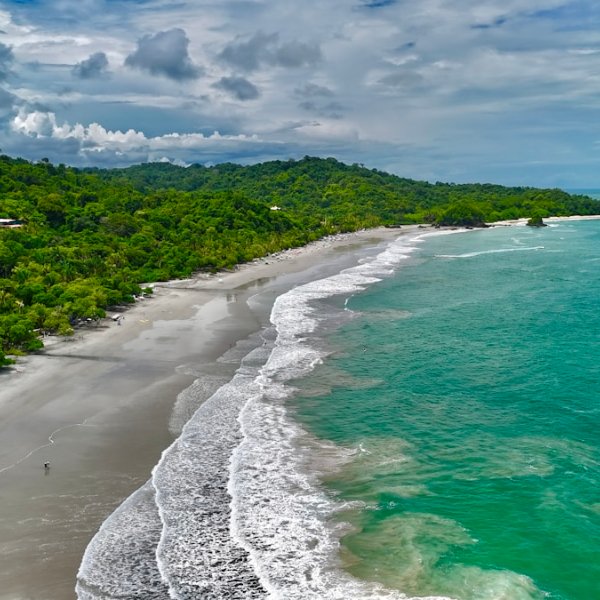
Around Lake Arenal and Nuevo Arenal, the pull is different again. Homes there frame the lake and the cone of Arenal Volcano, with green hills rolling down to the water. For buyers who love a lakefront over a beachfront, this corner of the country is a quiet gem.
Guanacaste’s hillsides give you ocean and mountain views together
Here is the region we know best. You do not have to leave the Gold Coast to get elevation and a view. The hills behind Tamarindo, Hacienda Pinilla, and Playa Grande deliver homes with ocean and mountain views in one frame, plus catch the afternoon breeze that the beachfront misses.
Further south, the Nicoya highlands continue. The hills around Marbella offer ocean-view lots and modern builds with real privacy, and we cover that emerging area in our guide to Marbella Costa Rica real estate. So in Guanacaste you can have the cooler hillside climate while staying minutes from the sand. That combination is rare, and it is the niche we specialize in.
Picking a region comes down to a few trade-offs
No single zone wins on everything, so it helps to weigh what you care about most. Three factors usually decide it:
- Climate. The Central Valley and Monteverde run cool and mild, while Guanacaste’s hills stay warmer but breezier than the beach below.
- Access. Valley towns sit near the airport and hospitals, whereas Southern Zone ridges feel remote and reward a sturdy vehicle.
- View. For raw ocean drama, the Southern Zone and Guanacaste hillsides lead, while inland valleys trade sea views for green mountains and coffee farms.
Rank those three honestly and the right region tends to pick itself.
Costa Rica mountain homes for sale span a wide price range
Pricing depends heavily on region, elevation, and view. A valley home near the airport costs very differently from a ridge estate over the Pacific. The table below gives you a working frame for Costa Rica mountain homes for sale across the main highland zones.
| Property type and area | Typical price range | What you get |
|---|---|---|
| Entry-level highland lots | $50,000 to $150,000 | Buildable land in valley or hillside settings, utilities nearby |
| Central Valley homes | $250,000 to $500,000 | Family homes with mild climate, mountain views, easy access |
| Guanacaste hillside homes | $400,000 to $1,200,000 | Ocean-and-mountain views, breezes, near Gold Coast beaches |
| Southern Zone ocean-view estates | $600,000 to $2,000,000+ | High elevation, panoramic Pacific views, jungle privacy |
Treat these as starting points, not quotes. View, road quality, water rights, and finish level can swing a price hard in either direction. We are always glad to pull current comparables for a specific budget and area.
Mountain homes can hold value well
A common worry is resale. The honest answer is that location still rules. Homes far from beaches or cities can take longer to sell, sometimes years. But highland homes in sought-after spots, like the Central Valley or the hills above the Gold Coast, tend to draw steady demand from expats and retirees, which supports value over time.
Most highland deals close in cash
One surprise for North American buyers is financing. Local bank mortgages for foreigners are limited, slow, and pricey, so most highland deals close in cash. Some sellers offer owner financing over a few years, which can help. Because cash moves fast here, a ready buyer often has real negotiating power, especially on a home that has sat on the market. We help you structure an offer that makes the most of that position.
Highland living comes with everyday perks
The view sells the home, but the daily routine keeps you there. Highland towns tend to run on a gentler rhythm, and the practical upsides add up fast once you settle in.
Coffee country, markets, and a real community
Many mountain regions sit in Costa Rica’s coffee belt, so fresh local beans are a short drive away. Weekly farmers markets, or ferias, fill with cheap produce, cheese, and flowers. Because expats and Ticos mix in these towns, newcomers find it easy to make friends and learn the ropes.
Healthcare and services stay close in the valley
The Central Valley adds a real advantage here. Top private hospitals, clinics, and the main airport all sit within an easy drive of towns like Atenas and Escazú. So you give up almost nothing in convenience for the cooler air, which is a big reason retirees pick the valley over more remote ridges.
A highland home suits a specific kind of buyer
Not everyone wants the mountains, and that is fine. The highlands reward people who value cool air, quiet, and a long view over nightlife and a beach-five-minutes-away lifestyle. Over the years we have noticed three buyer types who keep choosing elevation.
Retirees and wellness seekers settle in for the climate
The first group comes for the weather and the calm. A temperate climate is easier on the body, and the slower pace suits a healthier daily rhythm. Many retirees from the U.S. and Canada like that they can garden year-round, hike most mornings, and skip the air conditioning entirely.
Remote workers and digital nomads chase the focus
The second group has grown fast. A cool, quiet home with a big view is a fine place to work, and internet across the highlands keeps improving. Costa Rica’s digital nomad visa makes a longer stay simple, and we break down that lifestyle in our piece on Costa Rica digital nomad life. For a developer or designer, the mountains trade beach distractions for deep work and clean air.
Investors and second-home owners watch the rental upside
The third group is thinking about returns. Demand for stays in scenic, peaceful settings keeps rising, so a well-run mountain home can earn as a short-term rental. Some owners use the place a few months a year and rent it the rest. Either way, a highland home can be both a retreat and a modest income stream.
Highland and coastal homes can work together
Plenty of buyers do not choose just one altitude. They pair a cool hillside home for daily living with quick access to the beach for weekends, or the other way around. In Guanacaste that pairing is simple, since the hills sit only minutes from the sand.
A blended plan spreads your risk
Some owners take it further and split their money across two properties. A breezy hillside home covers comfort and resale value, while a beach condo earns steady rental income from tourists. So you get two very different Costa Rica experiences, plus a more balanced investment.
Your weekends can shift with the seasons
The rhythm changes through the year, too. In the green season you might stay up in the cool hills, then drift down to the dry, sunny coast in high season. That flexibility is a quiet luxury, and it is one more reason the Guanacaste hills draw buyers who could live anywhere.
Buying a mountain property comes with its own checklist
Costa Rica is friendly to foreign buyers, who hold the same ownership rights as citizens on titled land. Still, mountain and rural properties carry a few quirks the beach condos do not. So a little homework up front saves a lot of grief later.
Water, access roads, and elevation need a close look
In the hills, two things make or break a home: water and the road in. Confirm a legal water source, whether that is a registered well, a community system, or a concession. Then drive the access road yourself, ideally in the rainy season, because a steep dirt route can turn rough fast. Elevation also shapes daily life, so think about how often you want to climb that hill.
Titled land and a clean closing protect your money
Most quality highland properties are titled, fee-simple land, which is what you want. The buying process runs through familiar steps. First comes an offer, then due diligence and a sale agreement. A Costa Rican attorney or notary handles closing, with funds in escrow. Because there is no national MLS, a local agent does real work to find listings and verify the details.
Microclimates and building costs vary by ridge
One ridge can be sunny while the next sits in cloud. So spend time on a property at different hours before you commit, and ask neighbors about the wet-season pattern. If you plan to build, costs vary widely, though many quality homes land somewhere around $150 to $250 per square foot. Local builders who know the terrain are worth their weight in concrete.
Closing costs and yearly taxes stay manageable
Costa Rica keeps ownership costs friendly compared to North America. Closing costs, including transfer tax, notary fees, and stamps, usually run about 3.5 to 4 percent of the price, often split between buyer and seller. Annual property tax sits at just 0.25 percent of the registered value, which is low by most standards. Higher-value homes above a set threshold pay a small extra luxury tax. Because the carrying costs are modest, holding a highland lot while an area grows is not an expensive waiting game.
Renting before you buy is the smartest scouting move
Here is advice we give almost every buyer: rent first. A week or two in a mountain home tells you more than any listing photo ever will. You learn the climate, the road, the drive times, and whether the quiet feels peaceful or lonely to you.
A scouting trip also lets you compare regions back to back. Spend a few nights in the Central Valley, then a few in the Guanacaste hills, and the right fit usually becomes obvious. Our guide to the best vacation home rentals in Costa Rica is a good place to start planning a trip like that.
A trial stay turns guesses into decisions
Renting also takes the risk out of the whole decision. You test a neighborhood without committing six or seven figures, and you meet locals who give you the unfiltered story. For practical planning, our vacation house rentals traveler’s guide walks through how to choose a place and what to expect. Honestly, I would never tell a client to buy a mountain home sight unseen.
Use the trip to test your commute and errands
Beyond the view, run your real life during the stay. Drive to the nearest grocery store, clinic, and town center at the times you would normally go. Time the trip to the airport if you expect to fly often. Check the mobile signal and the internet speed if you work online. These dull details decide whether a dreamy ridge becomes a happy home or a daily chore.
Coastal Realty knows the Guanacaste hillside niche
We have never tried to be the biggest firm in Costa Rica. We have tried to be the best one for the buyers we serve on the Gold Coast and its hills. Since 2006, Coastal Realty and Property Management has worked this stretch of Guanacaste with a boutique approach built on knowing our clients by name.
That focus matters with mountain and hillside homes. Views, breezes, water sources, and road access all vary lot by lot, so you want someone who has actually stood on the property. We handle buyer research and representation, sell-side marketing, individual property management, vacation rental management, and HOA support, all under one roof.
Honest guidance beats a hard sell
For regions outside our backyard, like the Southern Zone or Monteverde, we will tell you straight and point you toward trusted help. So our specialty is Guanacaste’s hillside and highland homes with ocean-and-mountain views, close to the beaches we have served for years. That honesty is part of why owners stay with us.
“We own a property on the Gold Coast, and Coastal Property Management has cared for it for years. They are intently customer-focused, both with our renters and with us as owners. Hard-working and quick, they solve problems intelligently and immediately. Their attitude is always positive, professional, and polite, with service delivered with a smile.”
A Coastal Realty owner, Guanacaste
Stories like that are the whole reason we do this work. If you buy a hillside home and decide to rent it out, that same hands-on care keeps your property in good shape and your guests coming back.
A short consult can map your highland search
You do not need a finished plan to start a conversation. Most of our best relationships began with one question about climate, budget, or which hill catches the best breeze. So if a mountain or hillside home is on your mind, let us help you sort the options before you book a flight.
Reach out for a short consult and we will talk through regions, prices, and timing in plain language, with no pressure. We can pull current listings, flag the lots and homes worth a look, and explain the buying steps that protect you. You can call us at 1 800 385-5513 or 2653-4607 to get started, and we answer our own phones.
Whether you want to buy, sell, or have us manage a hillside home you already own, we are glad to help you make smart Costa Rica memories that last. The mountains are not going anywhere, but the best lots tend to move quietly. So a quick chat now can save you months of searching later.
Common questions about Costa Rica mountain homes
Where are the best mountain homes in Costa Rica?
The most popular highland areas are the Central Valley, including Atenas, Escazú, and Grecia, the Southern Zone above Dominical and Uvita, the Monteverde cloud forest, the Lake Arenal region, and Guanacaste’s coastal hills near Tamarindo and Marbella. Each offers a different mix of climate, price, view, and access, so the best fit depends on your priorities.
How much do Costa Rica mountain homes for sale cost?
Prices cover a wide range. Entry-level highland lots start around $50,000 to $150,000, while Central Valley homes typically run $250,000 to $500,000. Guanacaste hillside homes with ocean-and-mountain views often fall between $400,000 and $1.2 million, and high-elevation Southern Zone estates can exceed $2 million. View, elevation, and road access drive the final number.
Is the climate really cooler in the mountains?
Yes, and the difference is dramatic. Highland areas often sit between 60 and 75 degrees Fahrenheit, far milder than the hot, humid coast. Many mountain homes run comfortably without air conditioning or heating. The cooler air also means better sleep, easier gardening, and pleasant days outdoors, which is a big reason retirees and remote workers favor elevation.
Can foreigners buy mountain property in Costa Rica?
Yes. Foreign buyers hold the same ownership rights as citizens on titled, fee-simple land, which covers most quality highland homes and lots. Near the coast, the Maritime Zone Law adds rules for concession property, but inland mountain land is usually straightforward. A local agent and a Costa Rican attorney keep the process safe and simple.
Should I rent before buying a mountain home?
Renting first is one of the smartest moves you can make. A short stay reveals the real climate, road access, drive times, and whether the quiet suits you. It also lets you compare regions back to back and meet locals before committing serious money. A trial stay turns guesses into confident decisions and rarely leads to buyer’s regret.
Mountain Costa Rica is having a moment, and the buyers who scout now tend to find the best lots before word spreads. If a cooler, view-rich version of the pura vida life sounds like your speed, give us a call and we will help you find the ridge that fits you.