
Americans Moving to Costa Rica: What the First Year Is Really Like
You pictured the beach. Nobody warned you about the bank appointment that needed three separate visits and a notarized copy of a document you had never heard of.
For Americans moving to Costa Rica, the first year blends real excitement with a steady learning curve. Expect a slower pace, friendly neighbors, lower healthcare costs, and paperwork that tests your patience. Most people settle in within six to twelve months, especially on the Gold Coast around Tamarindo, where English-speaking communities make the change feel a lot gentler.
Table of Contents
- The first few weeks feel like an extended vacation
- Setting up the basics takes patience and a sense of humor
- The cost of living cuts both ways
- Healthcare surprises most newcomers in a good way
- Learning pura vida is the real adjustment
- Where Americans settle along the Gold Coast
- Renting before buying saves money and regret
- How Coastal Realty helps Americans moving to Costa Rica land softly
- Frequently asked questions
The first few weeks feel like an extended vacation
The honeymoon stage is real, and it is wonderful. Your first mornings start with howler monkeys instead of an alarm, and your commute might be a barefoot walk to the corner soda for gallo pinto. Everything feels bright and new.
But that glow usually fades around week three or four. That is when the small frictions start to add up. The grocery store does not carry your usual brand. Your phone plan needs sorting out. A delivery you expected on Tuesday shows up the following Monday, and nobody seems concerned about it but you.
This is normal, and honestly it is healthy. The shift from tourist to resident is less about the scenery and more about your expectations. Once you stop measuring Costa Rica against your old routine in Ohio or Texas, the country gets a lot easier to love. Many expats describe a real reality check in those early months, and we cover that head-on in What to Know Before Moving to Costa Rica: 15 Things No One Tells You.
Setting up the basics takes patience and a sense of humor
Here is the part nobody puts on a postcard. Getting your daily life running takes longer than it does back home, and the timeline rarely follows a straight line.
Banking is the classic example. Opening a local account can take several visits, proof of address, and a tax ID number. Internet installation might be quick or might take two weeks, depending on your town. Vehicle paperwork, residency filings, and utility transfers all move at their own speed.
A useful way to think about it: in the United States, systems are built for speed, so you expect things to close in one transaction. In Costa Rica, systems are built around relationships, so things close once the right person knows you and trusts you. Neither way is wrong. They are just different operating manuals, and the first year is where you learn to read the local one.
A few things move faster when you prepare ahead:
- Bring multiple notarized copies of your passport and any vital records before you arrive.
- Set up a U.S. mail forwarding or scanning service so nothing important gets stranded.
- Get a Costa Rican SIM card on day one, because almost everything runs through WhatsApp here.
- Find an accountant or attorney who works with foreigners, since residency rules shift and a local pro saves you weeks.
- Keep a running list of every office visit, because you will repeat steps and good notes save your sanity.
Thinking about the leap? Book a free 15-minute Gold Coast consult with our team and we will walk you through your first-year checklist, neighborhood by neighborhood. Request help purchasing or relocating and talk to a real person, not a call center.
The cost of living cuts both ways
People arrive expecting everything to be cheap. Some things are. Some things will genuinely shock you, and not in a fun way.
Fresh produce, local fish, domestic help, rent outside the prime beach zones, and casual dining all tend to cost less than they do in most U.S. cities. A weekly haul from the farmers market, or feria, can feel almost free compared to a Whole Foods run. So your grocery budget often shrinks.
Then there is the other column. Imported goods carry steep taxes, so your favorite peanut butter, a new car, electronics, and brand-name appliances can cost much more than back home. Air conditioning will push your electric bill up fast in the dry-season heat. Cars hold their value strangely because import duties are so high.
The honest takeaway is balance. If you live like a local, your money stretches. If you try to recreate a full American lifestyle import by import, the savings vanish quickly. We break the trade-offs down in detail in Pros and Cons of Moving to Costa Rica: An Honest Breakdown, which is worth a read before you set a budget.
Healthcare surprises most newcomers in a good way
This is where Costa Rica tends to win people over. The country runs a public healthcare system called the Caja, formally the Caja Costarricense de Seguro Social, and legal residents pay into it through a monthly contribution based on income.
For routine care, the Caja covers a lot for a modest monthly cost. Many Americans pair it with private care for speed and English-speaking specialists. A private doctor visit often costs a fraction of a U.S. copay, and well-regarded private hospitals sit within reach of the Gold Coast in Liberia and the Central Valley.
So what does that mean for your first year? You will likely spend far less on healthcare than you did in the States, and the quality is high enough that medical tourism is a real industry here. That said, the public system runs on its own clock, and wait times for non-urgent procedures can be long. Most expats settle into a hybrid model, and they are pleasantly surprised by the math.
Learning pura vida is the real adjustment
Pura vida is more than a slogan on a t-shirt. It is a whole approach to time, stress, and what actually matters, and it is the single biggest mental shift for Americans moving to Costa Rica.
In practice, pura vida means the plumber might arrive late, but he will fix the leak and ask about your kids while he does it. It means a two-hour lunch is not laziness, it is the point. For people wired to optimize every minute, this can be maddening at first. Then something clicks, usually around month six, and you stop fighting it.
Not everyone makes that shift, and that is okay. Some folks discover the slower rhythm is not for them, and they move on with no hard feelings. If you want a clear-eyed look at why some people leave, read Regret Moving to Costa Rica? Why Some Expats Leave (And What to Do Instead) before you commit. Going in with open eyes is the best predictor of staying happy.
One more practical note: if you are bringing a dog or cat, the cultural adjustment includes a logistical one. The import rules are manageable but specific, and we lay them out in Moving to Costa Rica With Pets: Requirements, Vets & What to Expect.
Where Americans settle along the Gold Coast
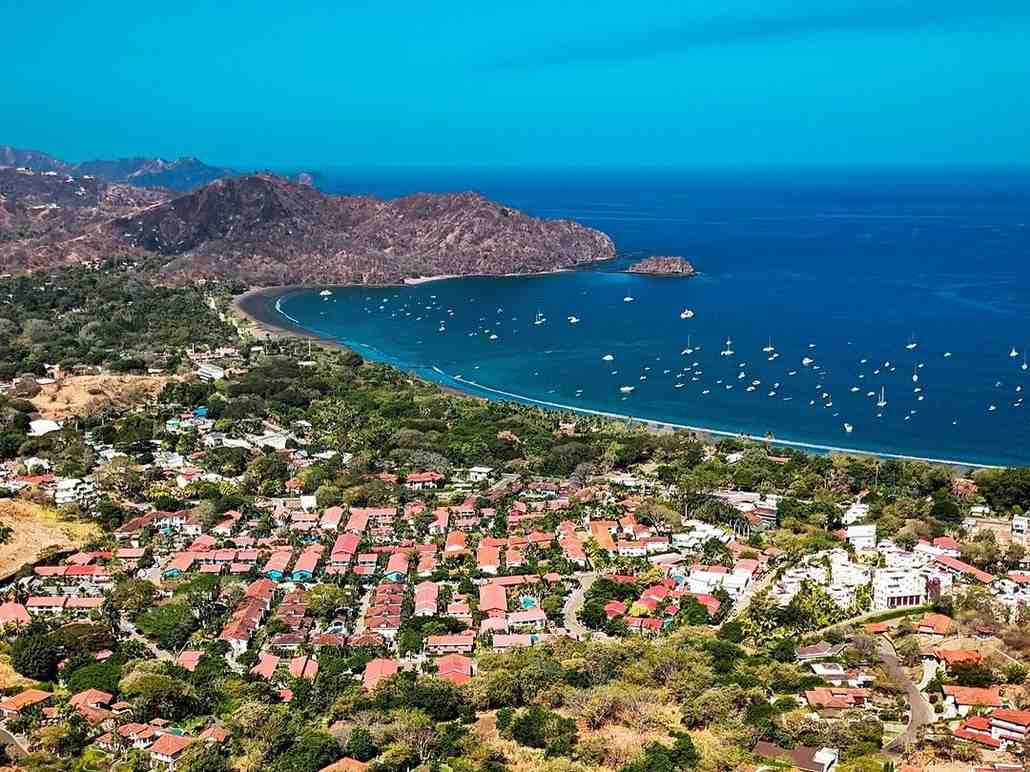
Most newcomers do not move to “Costa Rica” in the abstract. They land in a specific town, and the town shapes the whole experience. Along Guanacaste’s Gold Coast, the beaches near Tamarindo draw the largest English-speaking communities, which softens the first-year curve considerably.
Here is a quick comparison of the core towns we know best, so you can match a place to your plans.
| Town / Area | Best for | Vibe | Coastal Realty serves here |
|---|---|---|---|
| Tamarindo | First-timers, families, easy services | Lively, walkable, lots of English | ✅ Yes |
| Langosta | Quieter beach living near town | Calm, residential, close to Tamarindo | ✅ Yes |
| Hacienda Pinilla | Gated luxury, golf, security | Polished, resort-style, private | ✅ Yes |
| Playa Grande | Nature lovers, surfers, turtles | Laid-back, low-key, protected coast | ✅ Yes |
| Playa Conchal / Brasilito | Resort comfort and shell beaches | Upscale yet relaxed | ✅ Yes |
| Flamingo / Potrero | Boating, dining, sunset views | Social, established expat base | ✅ Yes |
| Avellanas | Surf and seclusion | Rural, peaceful, off the beaten path | ✅ Yes |
Tamarindo works well as a home base because it has the most services, the easiest airport access through Liberia, and the deepest network of doctors, schools, and contractors who work with foreigners. From there, many buyers branch out to quieter spots like Playa Grande or the gated calm of Hacienda Pinilla once they know the area. Our local guides to Costa Rica Gold Coast real estate and Tamarindo condos are a good starting point.
Renting before buying saves money and regret
If you take one piece of advice from this guide, make it this one. Rent first. Buy later.
The Gold Coast has real microclimates and microcultures. A beach that is perfect in January can be a different animal in October. A neighborhood that looks sleepy on a viewing trip might be lively, or vice versa. Renting for six months to a year lets you test the water, literally, before you tie up serious money. Our long-term rental listings and Tamarindo vacation rentals make it easy to try an area before you commit.
There is also a practical reason. Costa Rica has no centralized MLS, so property information is scattered and inconsistent. A local partner who actually walks these streets gives you an edge you cannot get from a portal. When you are ready to buy, you will know your top three neighborhoods cold, and you will negotiate from a position of real knowledge rather than vacation memory. If retirement is your goal, our friends cover the numbers and visa angles in Retiring in Costa Rica: The Complete 2026 Guide for Americans.
How Coastal Realty helps Americans moving to Costa Rica land softly
We have served Costa Rica’s Gold Coast since 2006, and we built our whole approach around one idea: knowing our clients on a first-name basis. We never set out to be the biggest firm in Guanacaste. We set out to be the one that actually picks up the phone.
That matters most in your first year, when you have a hundred questions and no local network yet. We help on both sides of the move. On the real estate side, we handle buyer representation and purchase research so you are not guessing your way through a market with no MLS. On the ownership side, our property management team keeps your home in great shape whether you live here full time or rent it out when you travel. If a gated community fits your plans, ask us about Hacienda Pinilla condominiums and the surrounding luxury inventory.
Our owners feel the difference, and they say so:
“We are the owners of Casa Acuario in Punta Playa Vistas and Coastal Property Management has been taking care of our property for years now. She is intently customer-focused, both with our renters and with us. She works hard and she solves problems intelligently and immediately. We could not be happier.” — David & Tina Hughes, Casa Acuario, Punta Playa Vistas. Read more owner testimonials.
So whether you are scouting your first rental, buying a forever home, or handing the keys to a manager you can trust, we would love to help you plan it. The first year sets the tone for everything that follows, and a good guide makes all the difference.
Ready to talk through your move? Request help purchasing or relocating and book a free 15-minute Gold Coast consult. Real advice, real people, on a first-name basis.
Frequently asked questions
How hard is the first year for Americans moving to Costa Rica?
The first year has a real learning curve, but it is very doable. The hardest parts are paperwork, banking, and adjusting to a slower pace called pura vida. Most people feel settled within six to twelve months, and the Gold Coast around Tamarindo is one of the easiest places to land thanks to its established English-speaking community.
Is the cost of living in Costa Rica actually cheaper than the U.S.?
It depends on how you live. Fresh food, rent outside prime beach zones, domestic help, and local dining are clearly cheaper. But imported goods, cars, electronics, and air conditioning can cost more than back home. Live like a local and your budget stretches. Try to import an American lifestyle and the savings disappear fast.
Do I need to speak Spanish to move to Costa Rica?
You can manage your first year with little Spanish in expat-heavy towns like Tamarindo, where many services run in English. That said, learning even basic Spanish makes daily life smoother and helps you build real relationships, which is how things get done here. Most happy long-term residents pick up the language over time.
Should I rent or buy when I first arrive?
Rent first, almost always. Renting for six months to a year lets you test neighborhoods, weather, and daily logistics before you commit serious money. Since Costa Rica has no centralized MLS, a local agent is key once you are ready to buy. By then you will know your favorite towns well and can negotiate with confidence.
Where do most Americans settle on Costa Rica’s Gold Coast?
Tamarindo is the most popular home base because it offers the most services, easy access to Liberia airport, and a deep network of English-speaking doctors and contractors. From there, many buyers explore quieter spots like Langosta and Playa Grande, or gated communities such as Hacienda Pinilla, once they know the area.