
Best Place to Retire in Costa Rica: Ranked Guide for North American Retirees
Costa Rica is one of the world’s premier retirement destinations, offering a diverse mix of microclimates, high-quality healthcare, stunning natural beauty, and a welcoming expat environment. For many North American retirees, the best place to retire in Costa Rica is not one town-it is the town that fits your health needs, budget, climate preferences, and appetite for community.
Wake up in Guanacaste and you may hear parrots before walking to the beach under dry-season sun. In the central valley, mornings are cooler, greener, and closer to city life. Farther south, the Pacific coast feels lush and wild; on the Caribbean side, Puerto Viejo moves to a slower rhythm.
Coastal Realty has worked with American expats and Canadian retirees since 2006 across the Gold Coast of Guanacaste Province. We’ll be honest: Costa Rica offers pure life, or pura vida, but every choice has trade-offs.
Table of Contents
Best Place to Retire in Costa Rica: How to Decide What Fits You
Top Places to Retire in Costa Rica: Ranked Overview
Guanacaste Gold Coast: Sunshine, Services & Established Expat Communities
Central Valley Favorites: Atenas, Grecia & the Mountain Town Lifestyle
Southern Pacific Coast: Dominical, Uvita & Ojochal
Caribbean Coast Option: Puerto Viejo for Adventurous Retirees
Residency & Visas: Pensionado, Rentista & More
Healthcare in Costa Rica: CAJA, Private Hospitals & Practical Access
Cost of Living, Local Taxes & Everyday Budgeting
Where Coastal Realty Helps Most: Gold Coast Retirement Planning
Why Choose Coastal Realty for Your Costa Rica Retirement
Frequently Asked Questions About Retiring in Costa Rica
Conclusion: Choosing Your Personal Best Place to Retire in Costa Rica
Best Place to Retire in Costa Rica: How to Decide What Fits You
There is no single best place to retire in Costa Rica. The country offers beach towns, mountain towns, smaller towns, wellness villages, and urban suburbs surrounding San José.
Think practically. A retired couple from Toronto may want sun, walkability, and social dinners near the beach. A solo retiree from Colorado may prefer cooler temperatures, lower cost, and fewer A/C bills.
- Climate: The Central Valley offers a mild, spring-like climate year-round, while coastal regions are hot and tropical, and the Caribbean side offers a wet, humid vibe.
- Healthcare: Consider driving time to private hospitals, private clinics, emergency services, and bilingual doctors.
- Community: Many expats rely on Facebook groups, volunteer circles, and social clubs to settle in.
- Walkability: Some coastal towns let you walk to groceries; rural homes often require a car.
- Budget: housing costs, utilities, and imported groceries vary widely.
- Safety: Costa Rica is widely regarded as one of the safest countries in Latin America, with violent crime being rare, especially in rural and expat-friendly areas. Still, basic safety precautions matter.
- Real estate: Buying property is straightforward for foreigners, but title, HOA rules, and rental income expectations need review.
Top Places to Retire in Costa Rica: Ranked Overview
Based on climate, healthcare access, expat communities, infrastructure, safety, and real estate, these are our ranked picks.
- #1 Playas del Coco: Best for convenience, easy access to Liberia airport, walkability, and established expat life.
- #2 Playa Flamingo & Brasilito: Best for ocean views, marina living, and a polished beach lifestyle.
- #3 Tamarindo & Langosta: Best for social, active retirees who want restaurants, surf, outdoor activities, and modern amenities.
- #4 Atenas: Best for mild weather, affordable living, and a smaller community feel.
- #5 Grecia: Best for local culture, mountain views, public transportation, and healthcare access.
- #6 Southern Pacific: Best for retirees drawn to beautiful natural surroundings, waterfalls, and a slower pace.
- #7 Puerto Viejo: Best for adventurous retirees seeking diversity, tranquility, and lower living costs.
Guanacaste Gold Coast: Sunshine, Services & Established Expat Communities
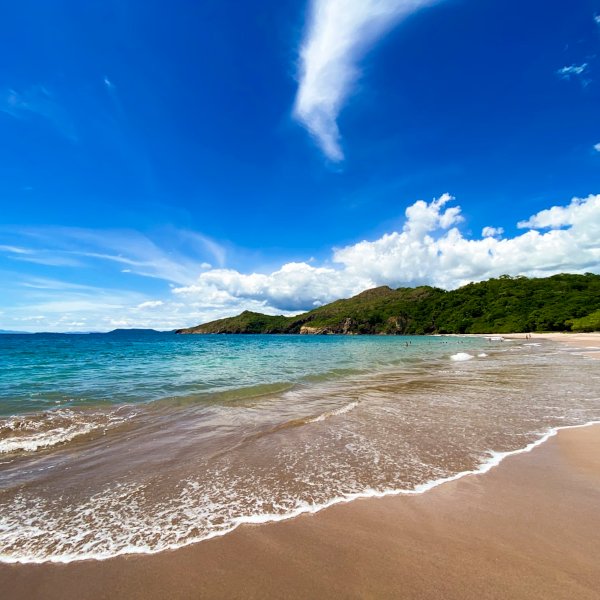
Guanacaste is known as the sunniest and driest province in Costa Rica, great for beach lovers. Guanacaste is often one of Costa Rica’s most attractive retirement destinations because it combines coastal living with modern conveniences and established international communities.
The Gold Coast includes Playas del Coco, Playa Hermosa, Playa Flamingo, Las Catalinas, Tamarindo, and nearby coastal towns. You get reliable internet, ongoing upgrades to roads and public transportation, private clinics, grocery stores, English-speaking businesses, and quick access to Liberia’s airport.
Trade-offs are real: higher purchase prices than remote areas, hot March–April afternoons, more traffic in high season, and salt-air maintenance.
Playas del Coco: Most Convenient Beach Town for North American Retirees
Playas del Coco is often the first scouting stop-and sometimes the final choice-for North American retirees. You are about 25–30 minutes from Liberia airport, with supermarkets, pharmacies, restaurants, banks, private clinics, and a walkable town core.
- Lifestyle: Central condos make it possible to live with taxis, golf carts, or short walks.
- Community: Costa Rica has a vibrant expat community, with many towns like Atenas, Tamarindo, and Grecia offering established networks that help newcomers adjust and integrate into local life; Coco offers similar support through many expats, language exchanges, and volunteer groups.
- Real estate: 1-bedroom rentals often run about $850–$1,300 monthly; 2-bedroom condos may run $1,000–$1,500+; condos often start near $170,000, with ocean-view homes higher.
- Costs: A comfortable coastal lifestyle can run $3,500–$5,000 monthly, depending on rent, A/C, dining, and private insurance.
- Healthcare: Clinics are local; larger hospitals in Liberia are roughly 30–40 minutes away.
- Safety: Low violent crime, but lock doors, avoid dark beach walks, and use basic precautions against petty theft.
Playa Flamingo & Brasilito: Marina Lifestyle and Ocean Views
Flamingo suits you if you want a refined beach community, boating, sunset terraces, and strong resale appeal. Brasilito, next door, feels more local and slightly more accessible.
- The new Flamingo Marina adds restaurants, boating, fishing, and services that matter for part-time and full-time residents.
- Real estate includes ocean-view condos, luxury villas, and inland homes; Flamingo condos often start around $300,000–$700,000, while luxury homes can reach $800,000–$3M+.
- Brasilito offers a more grounded Costa Rican feel with lower cost options nearby.
- Learn more about Gold Coast living and why many buyers call it the best place to retire in Costa Rica.
- Trade-offs: steeper hills, stairs, HOA fees, and premium pricing.
Tamarindo & Langosta: Active, Walkable Beach Town Living
Tamarindo is a vibrant beach town known for its strong expat presence, active social scene, and excellent recreational options, making it a popular choice for retirees. Langosta is quieter and more residential.
- Daily life includes cafés, yoga, farmers markets, surf, beach walks, and dental or medical appointments in town.
- The community includes retirees, families, investors, and people on a digital nomad visa.
- Real estate includes condos, townhomes, single-family homes, and gated communities; prices are typically premium for walkable beach access.
- Best for social retirees; less ideal if you want silence, low traffic, or a deeply local rhythm.
- Use basic precautions in nightlife areas and secure valuables.
Central Valley Favorites: Atenas, Grecia & the Mountain Town Lifestyle
The Central Valley appeals to retirees who prioritize convenient infrastructure, top-tier medical facilities, and a cooler climate. The mountainous region surrounding the capital, San José, is home to nearly two-thirds of the country’s population and the largest concentration of expats.
You are usually within 1–1.5 hours of major private hospitals in San José, including CIMA, Clínica Bíblica, and facilities near Santa Ana. If you have ongoing medical care needs, this access matters.
Atenas: “Best Climate” and Small-Town Expat Community
Atenas is often regarded as having one of the best climates in the world, with mild temperatures year-round and a strong sense of community, making it an attractive option for retirees.
- Lifestyle: central park, farmers market, local restaurants, and a friendly smaller community.
- Expat fit: steady American and Canadian presence without feeling overbuilt.
- Healthcare: roughly an hour to major hospitals, depending on traffic.
- Real estate: view homes, small gated communities, and fewer condos than beach towns.
- Budget: a modest couple may live around $1,800–$2,500 monthly with lower A/C costs.
Grecia: Blend of Local Life and Expat Comfort
Grecia is popular among North American retirees for its comfortable climate, strong small-town culture, and access to healthcare, making it a desirable retirement location.
- Amenities: farmers market, banks, buses, shopping centers, and nearby malls.
- Real estate: hillside homes with valley views, gated communities, and generally lower prices than coastal hotspots.
- Lifestyle: more local energy than resort towns, but more traffic than quieter mountain villages.
- Best for: retirees who want affordable cost, city access, and less beach dependence.
Southern Pacific Coast: Dominical, Uvita & Ojochal
The Southern Pacific is for retirees who want dramatic natural beauty, jungle hills, whales at Marino Ballena, waterfalls, and quiet evenings. Expat communities are smaller but loyal, especially around Uvita and Ojochal.
- Climate is hot and humid at sea level, cooler at elevation, and wetter than Guanacaste.
- Real estate can offer better value per square meter, especially for ocean-view hill homes.
- Maintenance is higher because humidity affects wood, metal, fabrics, and electronics.
- Healthcare is adequate for routine care, but large private hospitals are several hours away.
- Roads can be winding, and rainy season requires patience.
Caribbean Coast Option: Puerto Viejo for Adventurous Retirees
Puerto Viejo, located on the Caribbean coast, offers a unique cultural experience with a relaxed atmosphere and lower living costs compared to the Pacific coast, appealing to retirees seeking diversity and tranquility.
- Best for retirees comfortable living abroad in a less polished environment.
- Monthly living costs in Puerto Viejo are approximately $1,500 for singles and $2,400 for couples, making it one of the best-value cities for retirees in Costa Rica.
- Expect bikes, local food, reggae influence, jungle beaches, rain, humidity, and mosquitoes.
- Major hospitals are farther away, so health profile matters.
- You should speak spanish or be willing to learn.
Residency & Visas: Pensionado, Rentista & More
Legal residency helps you open a Costa Rican bank account, enroll in the public healthcare system, and build a stable life. Verify requirements with an attorney, the costa rican consulate, or the costa rican government before filing.
Pensionado Residency Program
- The Pensionado Program requires retirees to demonstrate a stable monthly income of at least $1,000 from a pension or Social Security to qualify for legal residency in Costa Rica.
- Qualifying retirement income may include social security benefits, military pension, or corporate pension.
- Costa Rica’s temporary residence permit for retirees allows holders to live in the country for two years, with the option to renew if they continue to meet qualifications.
- After three years of living in Costa Rica under a temporary residence permit, retirees may apply for permanent residency.
- Expect apostilled documents such as a birth certificate, background check, proof of monthly income, and sometimes bank account evidence.
- Ask your attorney whether any overseas opportunity letter or special proof applies to your file.
Rentista Visa for Retirees Without a Traditional Pension
- The rentista visa is designed for steady income from investments, rental income, or savings.
- The Rentista visa is available for individuals who can prove a guaranteed monthly income of at least $2,500 for two years or deposit $60,000 into a Costa Rican bank account.
- A Costa Rican bank may require extra compliance paperwork before disbursements.
- Compared with Pensionado, Rentista has a higher income test but similar access to legal residency and CAJA.
Healthcare in Costa Rica: CAJA, Private Hospitals & Practical Access
Healthcare is one of the primary reasons many retirees choose Costa Rica. Legal residents can access the CAJA public healthcare system, while private hospitals and clinics provide shorter wait times, English-speaking providers, and modern medical facilities. Access to specialized care is strongest in the Central Valley, although healthcare infrastructure in Guanacaste has improved significantly in recent years.
Recent improvements in Liberia private hospitals have made Guanacaste more practical for retirees who do not want every specialist visit in San José.
Cost of Living, Local Taxes & Everyday Budgeting
Costa Rica is not as inexpensive as it once was, particularly in popular beach destinations, but it continues to offer strong value for many retirees. Monthly expenses fluctuate greatly depending on location, housing choices, healthcare needs, and personal lifestyle choices. Coastal communities such as Tamarindo, Flamingo, and Playas del Coco generally have higher housing and entertainment costs, while inland communities such as Atenas and Grecia often provide a more affordable day-to-day lifestyle.
One financial advantage for many retirees is Costa Rica’s territorial tax system. In general, foreign investments, Social Security benefits, and many forms of foreign-earned investment income are not subject to local tax, although U.S. citizens and other foreign nationals may still have tax-reporting obligations in their home countries. Housing costs can range from modest rentals in smaller towns to premium prices in high-demand beach markets, making location one of the largest factors affecting retirement budgets.
Beyond housing, most retirees find everyday expenses manageable. Utilities, internet service, transportation, healthcare, and locally produced food are often reasonably priced, although electricity costs can be higher in coastal regions where air conditioning is used regularly. Imported goods, specialty products, and luxury items typically cost more than they do in North America. For retirees considering a permanent move, renting for several months before purchasing property can deliver valuable insight into actual living costs and help guarantee the chosen community is the right long-term fit.
Where Coastal Realty Helps Most: Gold Coast Retirement Planning
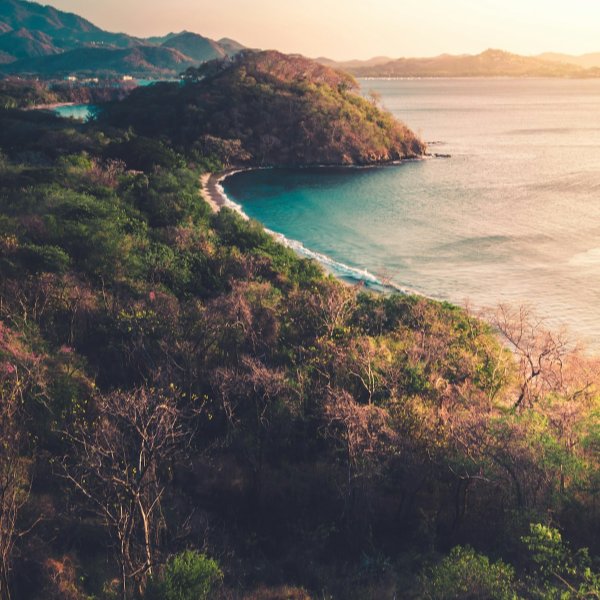
While this guide covers the whole Central American country, Coastal Realty specializes in Guanacaste’s Gold Coast. We help you compare Coco, Hermosa, Flamingo, Las Catalinas, Tamarindo, and nearby communities based on budget, health needs, walkability, and community fit.
- We explain micro-neighborhood differences before you tour.
- We connect you with attorneys, insurance brokers, lenders, and property managers.
- We discuss HOA rules, realistic rental income, and resale potential.
- We tell you when a property is not the right fit.
Frequently Asked Questions About Retiring in Costa Rica
What Is the Best Place to Retire in Costa Rica?
The best place to retire in Costa Rica depends on your lifestyle, budget, healthcare needs, and climate preferences. Many retirees choose Playas del Coco, Playa Flamingo, Tamarindo, Atenas, Grecia, Uvita, or Ojochal because they offer a balance of amenities, community, healthcare access, and quality of life.
Is Costa Rica Safe for Retirees?
Yes. Costa Rica is considered one of the safest countries in Latin America and remains one of the most popular retirement destinations for North Americans. Most retirees find that choosing the right community and following basic safety precautions are more important than concerns about serious crime.
Can I Retire in Costa Rica on Social Security Alone?
Many retirees successfully live in Costa Rica using Social Security income, particularly in communities such as Atenas, Grecia, and other Central Valley towns where housing and daily expenses can be lower than in popular beach destinations. Coastal communities typically require a larger monthly budget, especially for retirees who prefer modern amenities and frequent dining out.
Is Costa Rica or Panama Better for Retirement?
Costa Rica is often chosen for its natural beauty, outdoor lifestyle, established retirement communities, and strong international appeal. Panama frequently attracts retirees seeking lower living costs, modern infrastructure, and retiree incentive programs. The better choice depends on whether lifestyle or affordability is your top priority.
What Is the Best Beach Town in Costa Rica for Retirees?
Playas del Coco, Playa Hermosa, Flamingo, Potrero, and Tamarindo are among the most popular beach destinations for retirees. These communities offer a combination of healthcare access, international residents, shopping, restaurants, outdoor recreation, and convenient access to Liberia International Airport.
Conclusion: Choosing Your Personal Best Place to Retire in Costa Rica
The right retirement location may be a sunny Gold Coast condo, a cooler Atenas hillside home, a Grecia neighborhood with local rhythm, a Southern Pacific jungle-view house, or a Caribbean cottage near Puerto Viejo.
Your decision should match your climate comfort, medical needs, budget, and desired balance between expat communities and Costa Rican life. Plan a scouting trip, stay in two or three areas, and rent before buying if you are unsure.
If Guanacaste Province’s Gold Coast is on your shortlist, contact Coastal Realty at coastalrealtycostarica.com. We’ll help you compare communities, understand real estate options, and plan your next step with clear, grounded advice.