
The Real Pros and Cons of Living in Costa Rica Before You Buy on the Gold Coast
If you are from the U.S. or Canada and thinking about living in Costa Rica long term, you are probably not asking, “Is it beautiful?” You already know it is. The better question is: will daily life here actually fit your budget, health needs, family situation, and tolerance for change? This guide breaks down the real pros and cons of living in Costa Rica so you can decide whether the move fits your lifestyle before you buy.
At Coastal Realty, we have worked with foreign buyers, retirees, and investors on the Guanacaste Gold Coast since 2006. From Playas del Coco and Playa Hermosa to Flamingo, Las Catalinas, and Tamarindo, we have seen both sides: the people who build a wonderful new life here, and the people who discover that pura vida is not the same as permanent vacation.
This guide looks honestly at the pros and cons of living in Costa Rica through the lens of real relocation, not a tourist brochure. We will cover climate, cost, healthcare, safety, residency, property ownership, infrastructure, community, schools, and the everyday realities that matter after the honeymoon period ends.
Table of Contents
Big Picture: Who Thrives in Costa Rica (and Who Usually Doesn’t)
Climate, Nature and the “Healthier Lifestyle” Pro (and Its Hidden Cons)
Cost of Living: Affordable…If You Live Local (Not Like a Tourist)
Healthcare: Excellent Care, But Access Varies by Region
Safety and Crime: Safer Than Many, But Not Crime-Free
Residency, Visas and Bureaucracy: Clear Paths, Slow Processes
Property Ownership and Beachfront Rules for Foreigners
Daily Life and Infrastructure: Internet, Roads, Noise and “Pura Vida” Time
Community, Culture and the Language Barrier
Families, Schools and International Schools
FAQ: Practical Questions About the Pros and Cons of Living in Costa Rica
Why Choose Coastal Realty for Your Gold Coast Move
Conclusion: Weighing Your Own Pros and Cons of Living in Costa Rica
Big Picture: Who Thrives in Costa Rica (and Who Usually Doesn’t)
Costa Rica means “rich coast,” and for many expats, the richness is found in natural beauty, slower pace, warm weather, and a stronger connection to the local community. But life in Costa Rica is easier when your income comes from outside the country. Retirees with pensions, remote workers paid in dollars, and investors with steady cash flow usually have the most comfortable lifestyle.
You may thrive if you want a healthier lifestyle, can handle a new language, and do not need everything to run on North American speed. You may struggle if you need high local job opportunities, dislike heat, expect same-day service for everything, or refuse to learn Spanish. Most expats who adjust well accept that cultural differences are part of the deal.
A retired couple in Playa Hermosa living on about $4,000 per month can often enjoy a relaxed pace, fresh fruit, affordable healthcare, and a modest ocean-view home. A family with young kids trying to recreate a U.S. lifestyle on $2,500 per month, with international schools, imported goods, two cars, and frequent flights to their home country, may feel squeezed quickly.
Climate, Nature and the “Healthier Lifestyle” Pro (and Its Hidden Cons)
A dry-season morning on the Gold Coast might start with a 6 a.m. walk in Playas del Coco, coffee on the terrace, and an ocean breeze before the heat rises. Costa Rica is renowned for breathtaking landscapes, from pristine beaches to lush rainforests and majestic volcanoes, offering endless opportunities to explore and enjoy nature.
Costa Rica has a tropical climate with two main seasons: the dry season from December to April and the rainy season from May to November. Average temperatures in Costa Rica range from 70°F to 81°F (21°C to 27°C), with variations depending on the region and elevation. Coastal Guanacaste is hotter, often mid-80s to mid-90s °F, while the Central Valley near San José feels cooler and spring-like.
Costa Rica offers biodiversity, national parks, surfing, hiking, and outdoor routines that help reduce stress. The country’s commitment to sustainability has made it a leader in environmental policies, promoting rainforest conservation and protection of endangered species, which enhances the quality of life for residents. For nature-focused buyers, this beautiful country can feel like a tropical paradise without being detached from modern services.
The hidden cons are real. The rainy season can bring intense rainfall, particularly from September to October, which may lead to challenges such as muddy conditions and river crossings becoming dangerous. Humidity can create mold, metal corrosion, insects, and roof leaks. Some regions also face earthquakes and occasional landslides, though properly built modern homes on the Gold Coast are designed with these risks in mind.
Visit once in the dry season and once in the rainy season before buying. Look for ventilation, drainage, shaded outdoor space, reliable A/C, and room for dehumidifiers.
Cost of Living: Affordable…If You Live Local (Not Like a Tourist)
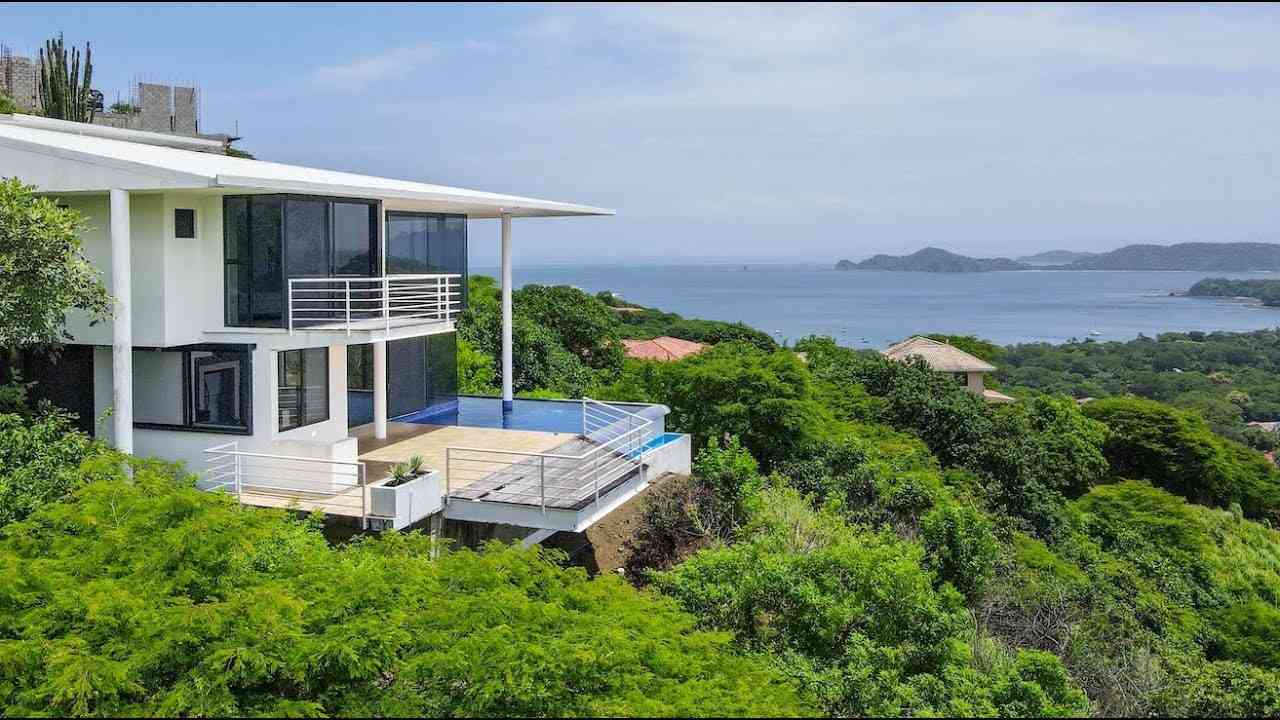
Costa Rica is not a low cost country by Central America standards. In fact, Costa Rica is the most expensive country in Central America, with living expenses often comparable to or surpassing those of many USA cities, which can be a shock for many expats. The cost of living in Costa Rica is higher than in many other Latin American countries, especially in beach towns.
The cost of living depends heavily on lifestyle choices. Buyers who shop locally, eat at traditional restaurants, and live slightly inland often find Costa Rica reasonably affordable. Those who prefer imported products, international schools, newer vehicles, and beachfront housing should expect costs that may approach or exceed those in some North American markets.
On the Guanacaste Gold Coast, housing is typically the largest expense. Popular communities such as Playas del Coco, Playa Hermosa, Tamarindo, and Flamingo generally command higher rents and home prices because of their beach access, amenities, and international demand. Living farther from the coast can often provide significantly more space and value for the same budget.
Imported goods, specialty products, vehicles, and certain electronics frequently cost more than many buyers expect due to taxes, transportation costs, and market availability. Before relocating, it is wise to build flexibility into your budget and account for ongoing expenses such as utilities, healthcare, insurance, travel, home maintenance, and property management.
Healthcare: Excellent Care, But Access Varies by Region
Healthcare is one of the primary reasons many retirees and expats choose Costa Rica. Legal residents can access the Caja public healthcare system, while private hospitals and clinics provide faster access to specialists, shorter wait times, and English-speaking providers in many areas.
Healthcare quality is generally strongest in San José and continues to improve in Guanacaste, where residents have access to clinics in Playas del Coco and Tamarindo, as well as larger medical facilities in Liberia. Many retirees choose a combination of Caja coverage, private insurance, and personal savings for added flexibility.
The biggest consideration is location. Buyers who require ongoing specialist care ought to prioritize communities with convenient access to hospitals and medical services rather than concentrating solely on views or proximity to the beach.
Safety and Crime: Safer Than Many, But Not Crime-Free
Costa Rica has no army, a stable democracy, and is often described among the safest countries in Central American countries. Still, petty crimes like pickpocketing and theft are quite common in Costa Rica, and while violent crimes are less frequent, they still occur, leading to concerns about personal security.
The typical risks for foreigners are car break-ins, unlocked-home theft, beach-bag theft, and scams. The crime rate has risen in some port and urban areas due to drug trafficking, but violence is rarely directed at foreign residents who use common sense.
Use cameras, alarms, good locks, and reputable property management if your home sits vacant. Do not leave bags in cars at beach parking lots. Talk with neighbors and other expats, and visit any neighborhood at night before buying property.
Residency, Visas and Bureaucracy: Clear Paths, Slow Processes
There are straightforward visa paths for retirees and digital nomads, making long-term stays legally accessible. Common options include Pensionado, Rentista, Investor, and the Digital Nomad stay. Pensionado generally requires lifetime pension income of at least $1,000 per month, while Investor residency is commonly tied to qualifying investment in real estate or business.
Legal residency helps with Caja enrollment, banking, a local driver’s license, and long-term stability. But bureaucracy is a con: paperwork is in Spanish, queues are long, and rules can feel inconsistent. Bureaucratic processes are often slow, frustrating residents with inefficiencies in banking, residency paperwork, and utilities.
A good Costa Rican attorney or residency facilitator is worth the cost. Coastal Realty regularly coordinates with local attorneys for foreign buyers so you are not navigating a new country alone.
Property Ownership and Beachfront Rules for Foreigners
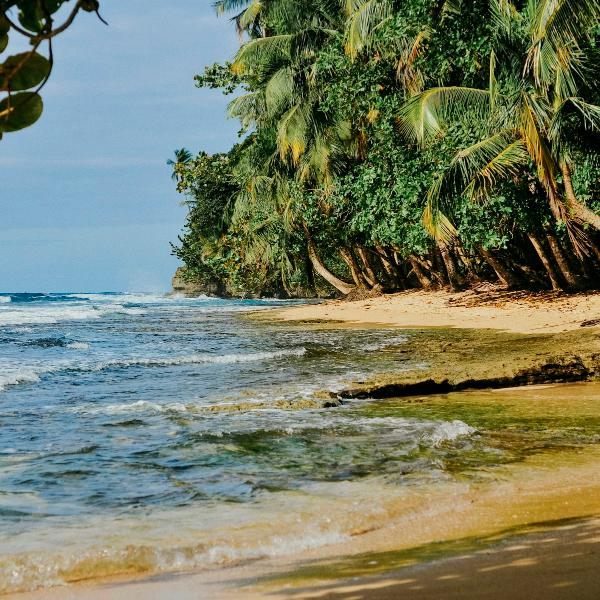
Foreigners can own titled property in Costa Rica in their own name or through a corporation, and the country encourages foreign investment, especially in areas such as real estate, agriculture, and small businesses, making it easier for expats to start a business or invest locally.
The major pro is that titled land is clear when due diligence is done properly. Annual property tax is low, around 0.25% of registered value. The major complexity is beachfront. The Maritime Zone generally covers the first 200 meters from the average high-tide line: the first 50 meters are public, and the next 150 meters are usually concession land, not fee-simple title.
That is why many Coastal Realty clients choose condos in Playas del Coco, hillside villas in Playa Hermosa, or marina-view properties near Flamingo rather than “on the sand” parcels. Always verify title in the National Registry, confirm zoning, review surveys, and use an experienced attorney. Budget for HOA fees, insurance, maintenance, and property management.
Daily Life and Infrastructure: Internet, Roads, Noise and “Pura Vida” Time
Daily life might include grocery shopping, online work, school runs, sunset swims, and a WhatsApp message to your plumber. The pura vida lifestyle is real: Costa Ricans, known as Ticos, embody the Pura Vida lifestyle, which represents a laid-back, positive approach to life, making it easier for newcomers to feel at home in the country. The locals, known as Ticos, are incredibly friendly and welcoming, embodying the Pura Vida lifestyle, which represents a laid-back, positive approach to life.
Infrastructure in Costa Rica varies significantly by region. Communities along the Guanacaste Gold Coast generally benefit from reliable internet, modern grocery stores, and improved services, although road conditions, utility interruptions, and slower response times can still occur. Buyers moving from North America should expect occasional inconveniences and build flexibility into daily routines.
Community, Culture and the Language Barrier
Life in Costa Rica is richer when you engage beyond expat circles. You can find expats in Playas del Coco, Playa Hermosa, Tamarindo, Flamingo, and Las Catalinas through pickleball, sailing, yoga, volunteering, and language exchanges.
While English is widely spoken in many tourism-focused communities, Spanish remains essential for healthcare, government offices, contractors, utilities, and deeper integration into local life. Expats who invest time in learning Spanish often find it easier to build relationships, navigate daily tasks, and feel more connected to their communities.
Cultural festivals and traditions in Costa Rica, such as the Fiestas de Palmares and Semana Santa, provide opportunities for expats to immerse themselves in local customs and celebrations. The culture in Costa Rica emphasizes a slow, low-stress rhythm often leading to better physical and mental health, and the Pura Vida lifestyle reflects a culture that prioritizes family, community, and low-stress living.
Families, Schools and International Schools
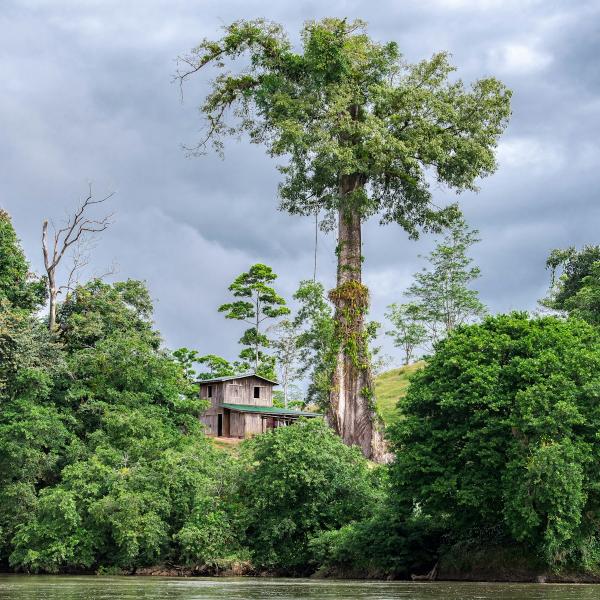
Families choose Guanacaste for nature, safety, and education options. Public schools are free and Spanish-based; private bilingual schools mix English and Spanish; international schools may follow U.S. or IB-style programs.
Costa Rica has one of the highest literacy rates in Latin America at 98.04%, reflecting a strong focus on quality education, with both public and private universities offering a wide range of programs. On the Gold Coast, international schools near Tamarindo, Brasilito/Flamingo, and Liberia make relocation possible, but tuition can reach $7,000–$15,000+ per child per year after fees, uniforms, transportation, and activities.
The upside is bilingual children, multicultural classmates, and more outdoor life. The downside is cost and commute time. Visit campuses before you buy.
Why Choose Coastal Realty for Your Gold Coast Move
Coastal Realty is a boutique agency focused on the Guanacaste Gold Coast since 2006. We help U.S. and Canadian buyers, retirees, and investors compare towns, neighborhoods, property types, and trade-offs before they commit.
Our value is local and practical. We know which hillside roads are difficult in the green season, which condos are easier to rent, where future development may affect views, and when a property is wrong for your budget or lifestyle. We can also connect you with vetted attorneys, inspectors, builders, insurance providers, and residency experts.
The genuine upsides are strong: stunning natural beauty, warm weather, excellent healthcare options, a stable democracy, friendly communities, and a slower pace that can improve daily life. For the right person, living in costa can be more grounded, active, and peaceful than life back home.
The downsides are equally real: higher prices for imported goods, bureaucracy, infrastructure quirks, a language barrier, rainy-season challenges, and adjustment to cultural differences. This premier destination is also a popular tourist destination, but moving here is different from vacationing here.
Come experience the Gold Coast in both seasons. Walk the neighborhoods, test the internet, visit clinics and schools, and ask hard questions. When you are ready, contact Coastal Realty through coastalrealtycostarica.com for an honest conversation about whether Costa Rica, and which town on the Guanacaste Gold Coast, truly fits your new life.
Living in Costa Rica FAQ
Is Living in Costa Rica Cheaper Than Living in the U.S. or Canada?
It depends on your lifestyle. Local food, public healthcare, and many everyday services can cost less than in North America. However, imported goods, vehicles, private schools, and beachfront housing can be surprisingly expensive, especially in popular coastal communities.
Can Foreigners Buy Property in Costa Rica?
Yes. Foreigners generally have the same property ownership rights as Costa Rican citizens when purchasing titled property. Buyers should always verify title status, zoning, surveys, and any restrictions related to concession land within the Maritime Zone.
Is Costa Rica Safe for Expats?
Costa Rica is widely considered one of the safest countries in Central America and remains a popular destination for retirees, remote workers, and foreign property owners. While petty theft and property crime can occur, most expats live comfortably by following common-sense security practices.
How Good Is Healthcare in Costa Rica?
Costa Rica offers both public and private healthcare systems. Legal residents can access the Caja public healthcare system, while private hospitals and clinics provide faster access to specialists and shorter wait times. Healthcare access is generally strongest in San José and larger regional centers such as Liberia.
Do I Need Residency to Live in Costa Rica?
Many people initially spend time in Costa Rica as visitors, but legal residency is typically the best option for long-term living. Common residency pathways include Pensionado, Rentista, Investor, and Digital Nomad programs, each with different requirements.
How Much Spanish Do I Need to Live in Costa Rica?
English is widely spoken in many tourism-focused communities, particularly along the Guanacaste Gold Coast. However, learning basic Spanish can make healthcare visits, banking, government processes, home maintenance, and community involvement much easier.
What Are the Biggest Challenges of Living in Costa Rica?
The most common challenges include bureaucracy, higher-than-expected costs for imported goods, seasonal weather, infrastructure inconsistencies, and adapting to a slower pace of life. Most successful relocations happen when buyers visit multiple times, set realistic expectations, and choose a community that matches their lifestyle goals.
What Is the Best Area of Costa Rica for Retirees and Expats?
The best location depends on your priorities. Many retirees and expats choose communities along Guanacaste’s Gold Coast, including Playas del Coco, Playa Hermosa, Flamingo, and Tamarindo, because they offer beach access, established international communities, healthcare access, and strong property markets. Others prefer the Central Valley for its cooler climate and proximity to major hospitals and services.