
Costa Rica Retirement Visa (Pensionado): Complete Guide for a Pura Vida Retirement
If you are exploring a warmer, more affordable place to retire, the costa rica retirement visa is one of the most practical paths to legal residency. This guide explains the pensionado visa, other residency options, documents, taxes, healthcare, and where to live, with a special focus on Guanacaste’s Gold Coast.
Quick Answer: How the Costa Rica Retirement (Pensionado) Visa Works
The pensionado visa is Costa Rica’s classic retirement visa for foreign retirees who can prove reliable retirement income. Costa Rica is popular because it combines natural beauty, affordable healthcare, costa rica’s stable democracy, and the pura vida lifestyle in one of the most established retirement destinations in latin america.
To retire in costa rica under the pensionado program, the main applicant must show a lifetime pension of at least $1,000 USD per month from a guaranteed source, such as social security, social security benefits, a government pension, military pension, or qualifying private annuity. A lump-sum retirement fund or lump-sum retirement accounts do not qualify for the Pensionado visa unless converted into a qualifying lifetime pension.
The visa grants temporary residence, usually in two-year periods, and after three consecutive years retirees may apply for permanent residency. Foreign source income, including pension income and social security payments, is generally not taxed because Costa Rica operates under a territorial tax system. Retirees usually pay taxes only on costa rican sourced income, such as rental income from local property or profits from a Costa Rican business.
Legal residents must enroll in CAJA, Costa Rica’s public healthcare system, and many retirees also use private healthcare or private insurance for faster appointments. If your retirement plan includes buying or managing a home on the Gold Coast, Coastal Realty & Property Management can help connect the residency timeline with rentals, purchase planning, and long-term property care.
Why Retire in Costa Rica? Pros, Cons, and the Pura Vida Lifestyle
Costa Rica has attracted foreign retirees since the 1980s, and costa rica offers a rare combination of political stability, warm climate, friendly locals, and excellent access to nature. It has no army, strong civic institutions, and a reputation for being more stable than many latin american countries.
Key benefits include:
Pacific beaches, volcanoes, rainforest, and national parks
Active expat communities in Tamarindo, Playas Flamingo, Atenas, and the central valley
A relaxed lifestyle centered on outdoor living, fresh food, and wellness
Public healthcare through CAJA and affordable private coverage
Cost of living that is generally about 30% lower than in the United States, though higher than some other Latin American countries
Tamarindo is a popular beach town in Costa Rica known for its surfing, vibrant expat community, and numerous beachfront restaurants, making it an ideal retirement destination for those who enjoy an active lifestyle. Manuel Antonio is famous for its national park, which features diverse wildlife and beautiful beaches, making it a great option for retirees who appreciate nature and outdoor activities. The Central Valley, particularly around San José, offers the best amenities and healthcare access, making it a top choice for retirees who prioritize convenience and community.
There are downsides. Bureaucracy can be slow, Spanish is useful outside tourist hubs, roads can be rough, and utilities may be inconsistent during rainy season. Many readers ask whether costa rica safe conditions are realistic for retirees. The answer is generally yes, but normal precautions matter: secure your home, avoid displaying valuables, and be alert in busy beach and tourist areas.
Types of Costa Rica Retirement Visas and Residency Options
Costa Rica offers three main residency options for retirees: the Pensionado visa, the Rentista visa, and the Inversionista visa. These programs are administered under migration rules enforced by the costa rican government and the Costa Rica Directorate General of Migration.
Rules have evolved through migration law and reforms such as Law No. 9996. The EY summary of Law No. 9996 explains incentives for investors, rentiers, and pensioners, including changes that made Costa Rica more competitive for foreign retirees.
For most people with social security or a company pension, the pensionado visa is the simplest and most affordable path. Higher-net-worth retirees planning to buy Costa Rican real estate may also consider the inversionista route, especially when the property purchase is already part of the plan.
The Pensionado Visa: Costa Rica’s Classic Retirement Residence
The pensionado visa is Costa Rica’s official retiree category under residencia temporal. To qualify for the Pensionado visa, retirees must have a lifetime monthly pension of at least $1,000 from a government agency or private organization.
The income normally must be payable to the main applicant and cannot usually be combined between spouses to reach the $1,000 monthly income threshold. Dependents can often be included, including a spouse, children under 25, and disabled adult children. There is no minimum age requirement to apply for a retirement visa in Costa Rica.
Pensionado residents must deposit qualifying pension income into a costa rican bank account and keep CAJA monthly contributions current. After three years, they may apply for permanent residency, which leads to fewer restrictions and eventually permanent resident status.
Rentista and Inversionista Options for Non‑Traditional Retirees
The Rentista visa requires proof of a stable monthly income of at least $2,500 from investments or business activities, which must be guaranteed for at least two years. Many applicants prove this by depositing $60,000 into a costa rican bank and arranging monthly disbursements.
Rentista works well for early retirees who have investment income, passive income, or business income abroad but do not yet receive a pension or retirement fund distribution that qualifies as lifetime income.
The Inversionista visa allows retirees to gain permanent resident status by investing at least $150,000 in real estate or a Costa Rican corporation. Some older sources still mention $200,000 because thresholds have changed over time. Coastal Realty & Property Management can coordinate with local attorneys so a Guanacaste property purchase is structured strategically for immigration, title, and long-term management.
Eligibility and Core Requirements for the Costa Rica Pensionado Visa
The core idea is simple: applicants must show financial self-sufficiency so they will not become a burden on Costa Rica’s social systems. The main requirement is a lifetime pension of at least $1,000 per month from a reliable source such as US social security, a military pension, a government pension, or a private annuity.
All applicants for Costa Rica’s retirement visas must pass a background check as part of the application process. Applicants typically need a clean criminal record for the previous 3–5 years and should not have serious immigration violations.
Retirees must maintain active immigration status, keep CAJA payments current, and spend at least part of each year in Costa Rica. Many immigration professionals cite at least one day per year for temporary residency, but practical requirements can change, so confirm current rules before making long-term plans.
Financial Proof: Pension, Bank Deposits, and Costa Rican Bank Accounts
Proof usually comes from an official benefits letter from the us government, social security administration, a pension or retirement fund, or a private organization. The letter should state the amount, payment frequency, and lifetime pension duration.
All foreign documents must be authenticated with an apostille from your home country and translated into Spanish by a certified translator. Pension letters are usually expected to be recent, often issued within the last six months.
Once approved, retirees must show deposits into a Costa Rican bank account at a costa rican bank such as Banco Nacional, Banco de Costa Rica, BAC San José, or another reputable institution. Some banks may open a basic bank account before final approval, but a full local bank account with online services and SINPE transfers often requires a DIMEX card.
When using bank portals or a costa rican ministry website, you may see a security verification screen designed to block malicious bots; wait until the page says verification successful before uploading files. Coastal Realty & Property Management can refer Gold Coast clients to bilingual bankers familiar with foreign retirees.
Documents Needed for a Costa Rica Retirement (Pensionado) Visa
| Document | Notes |
|---|---|
| Valid passport | 6+ months validity, certified copy |
| Birth certificate | Apostilled and Spanish-translated |
| FBI background check | Apostilled, under 6 months old |
| Proof of pension income | $1,000/mo minimum, apostilled letter |
| Marriage certificate (if applicable) | Apostilled and translated |
| Consular registration | Register at Costa Rica consulate |
| Passport photos | Recent, white background |
Strict paperwork is the main reason applications get delayed. The Costa Rica Directorate General of Migration enforces strict documentation rules for the Pensionado permit, so a small mistake can trigger months of follow-up.
Typical documents include:
Valid passport with at least 6–12 months validity
Birth certificate
Police background check
Marriage certificate, if applicable
Passport-style photos
Pension letter proving at least $1,000 in reported monthly income
Application forms and fee receipts
Civil records, criminal records, and pension evidence must be apostilled or legalized in the issuing country and translated into Spanish in Costa Rica. Background checks often have short validity windows, such as 90–180 days, so timing matters.
Costa Rica Immigration and Healthcare–Specific Documents
Applicants must complete forms from the Dirección General de Migración y Extranjería, the costa rican immigration office also known as DGME. Filing may be done through a costa rican consulate, through an attorney, or at the immigration office in Costa Rica.
Fingerprints and police archive registration are usually completed in san josé or designated offices. Applicants also need proof of tourist entry, fee payments, and revenue stamps.
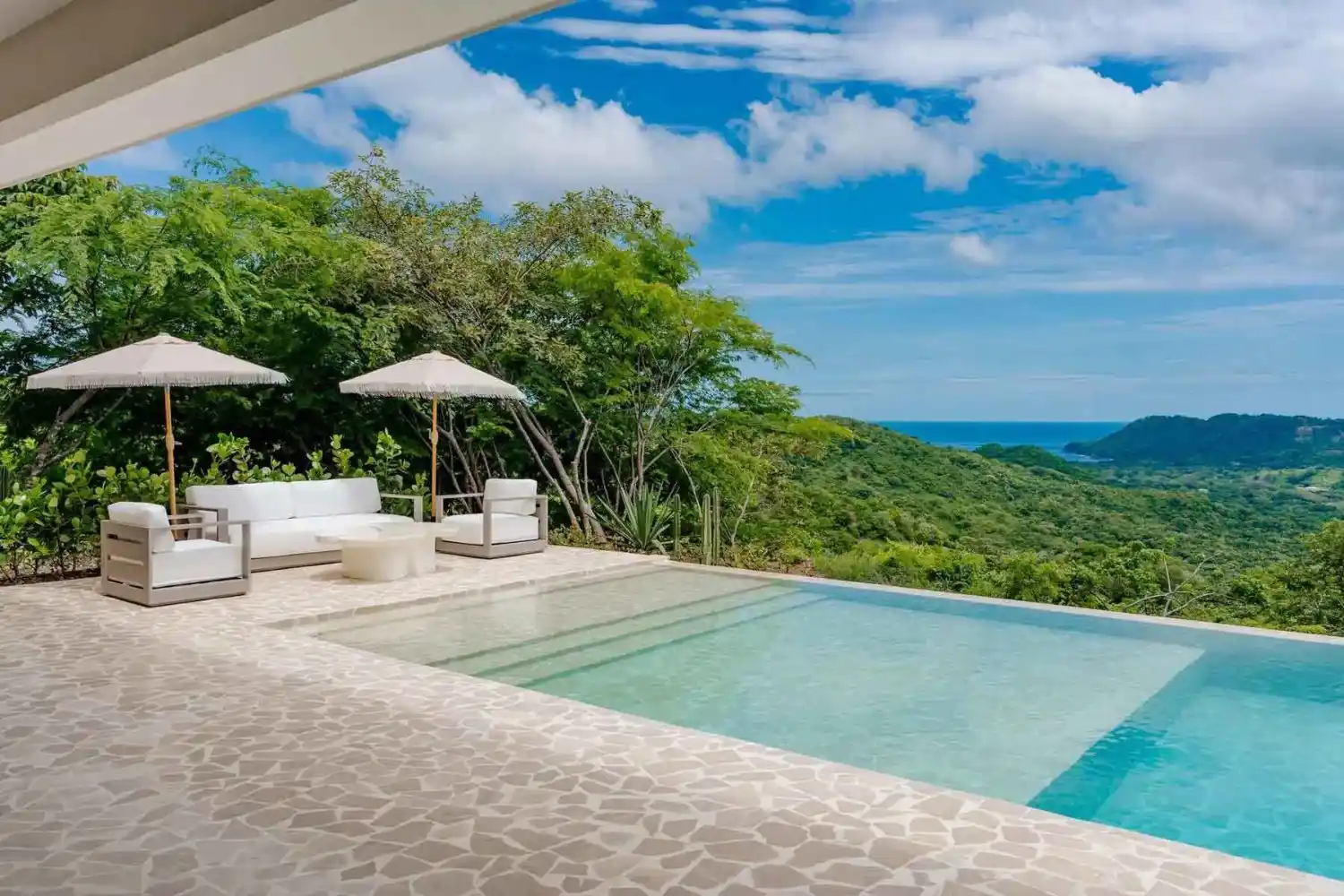
Private health insurance is wise while waiting, but formal CAJA enrollment occurs after residency approval. Hiring a local attorney or gestor helps ensure each document meets DGME standards and that security verification, background checks, and translations are handled correctly.
Step‑by‑Step: How to Apply for the Costa Rica Pensionado Retirement Visa
| Step | Action | Timeline |
|---|---|---|
| 1 | Gather and apostille documents in the US | 4–8 weeks |
| 2 | Get Spanish translations (certified) | 1–2 weeks |
| 3 | Authenticate at Costa Rica consulate | 1–2 weeks |
| 4 | Enter Costa Rica and hire immigration attorney | 1 week |
| 5 | Submit application to DGME | 1 day |
| 6 | Await approval | 3–12 months |
| 7 | Receive cédula (ID card) | 2–4 weeks after approval |
Pensionado Visa Application Timeline
You can begin through a costa rican consulate abroad, through a local attorney, or after entering Costa Rica as a tourist. Plan this as a multi-month project, not a last-minute move.
The basic process is:
Gather documents in your home country.
Apostille or legalize every required foreign document.
Translate documents into Spanish in Costa Rica.
Enter Costa Rica or file through the consulate.
Submit the residency file to DGME.
Complete fingerprints and photos.
Wait for review.
After approval, enroll in CAJA and receive your DIMEX card.
Processing often takes 9–18 months, and DGME backlogs can make it longer. A well-prepared file with clear pension evidence reduces the risk of extra information requests.
Application Costs, Government Fees, and Typical Timelines
Budget for an application fee of around $250 per person, plus smaller charges for forms, timbres, fingerprint processing, notaries, apostilles, certified translations, and attorney fees.
CAJA starts after approval and is based on reported income. Costa Rica’s universal healthcare system, known as CAJA, covers medical appointments, procedures, hospital stays, and medications, requiring residents to contribute 7-11% of their income each month.
Expect a few weeks to gather documents, possible delays for filing appointments, and 12–15 months or more for review. Avoid committing to a permanent lease, shipment, or purchase until your legal path is clear.
After Approval: Living in Costa Rica on a Retirement Visa
Once approved, you receive DIMEX residency documentation, register with CAJA, get assigned to a local clinic, and begin monthly payments based on reported income.
Daily life also means setting up utilities, maintaining a costa rican bank account, and understanding local rules for municipalities, HOAs, and property taxes. Pensionado residents cannot legally work as employees in Costa Rica, but they may own businesses, receive rental income, earn investment income, or hold local real estate.
DIMEX renewal is usually every two years until permanent residence is granted. After three qualifying years, many retirees apply for permanent residency.
Banking, Money Management, and Costa Rica Taxes for Retirees
A local account is essential for utilities, CAJA, HOA fees, property expenses, and maintenance. Many expats keep both a Costa Rican account and an account in their home country.
Costa Rica operates under a territorial tax system, meaning only income earned within the country is subject to taxation, making it attractive for retirees with foreign-source income such as Social Security and pensions. Costa Rica does not tax pensions or income earned abroad for retirees, but income from Costa Rican sources, such as rental income, is subject to local taxes ranging from 15% to 30%.
In plain English, costa rica taxes are favorable if your only income is foreign pension income. But costa rican sourced income, local capital gains, and business profits can create a tax bill. Becoming a tax resident can also affect filing duties, so speak with a tax professional.
U.S. citizens living in Costa Rica must continue to file U.S. tax returns and report their worldwide income, including Social Security and pensions, despite not being taxed by Costa Rica on foreign income. For us citizens, foreign accounts may also trigger FBAR or FATCA reporting.
Housing, Real Estate, and Best Places to Retire in Costa Rica
Renting first is smart. Many retirees test several regions before buying because climate, medical access, driving time, and community feel vary sharply.
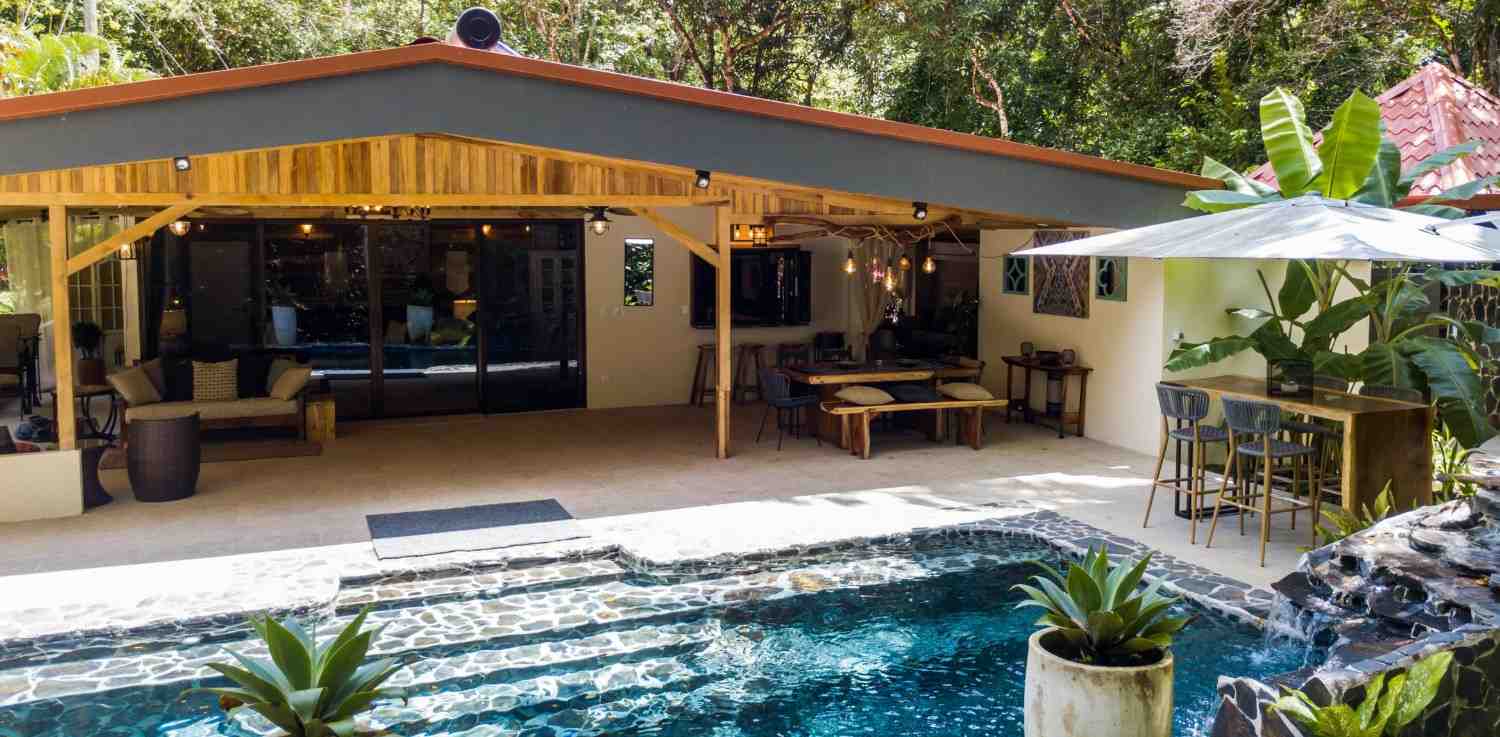
Popular areas include:
Central Valley: Escazú, Santa Ana, Atenas, and san jose for hospitals, shopping, and cooler weather.
Guanacaste Gold Coast: Tamarindo, Playa Flamingo, Playa Conchal, and Playa Potrero for beaches and expat communities.
Southern Zone: Dominical, Uvita, Ojochal, and Manuel Antonio for nature.
Lake Arenal: cooler temperatures and stunning views, making it a good option for retirees who prefer a more remote lifestyle, though access to amenities may be limited.
Atenas is a small mountain town close to San José, known for its peaceful atmosphere and laid-back lifestyle, appealing to retirees seeking tranquility. The temperate central valley is ideal for retirees who want convenience and healthcare access, while Guanacaste fits those who want sunshine, beach clubs, and outdoor living.
Coastal prices vary widely, from condos under $200,000 to oceanfront villas in the millions. Beachfront buyers must understand maritime zone rules: the first 50 meters from high tide are public, and the next 150 meters may involve concession rights rather than traditional ownership.
Rent or Buy? How Coastal Realty & Property Management Can Help
Renting first gives you time to test towns, microclimates, internet, driving routes, and real day-to-day costs. On average, a single person can expect basic monthly costs without rent to be around 893 USD, while a family of four can expect about 3,261 USD without rent.
In Guanacaste, a popular expat area, rent is approximately 80% lower, restaurant prices are 38.5% lower, and groceries are 31.2% lower than in Houston, Texas. Still, imported goods and prime beach areas can be expensive, especially if you arrive in costa rica thinking every town is low-cost.
Many retirees eventually buy for stability, customization, appreciation potential, and vacation rental use while traveling. Foreigners can own titled property in their own name or through a corporation, with few restrictions outside concession zones.
Coastal Realty & Property Management assists with buyer representation, attorney coordination, due diligence, inspections, HOA/COA review, vacation rental marketing, maintenance, guest management, and transparent owner reporting.
Healthcare, Safety, and Quality of Life for Costa Rica Retirees
Healthcare and safety are usually the top concerns for anyone living abroad. The good news is that Costa Rica has both public healthcare and private healthcare options.
CAJA is comprehensive but may involve wait times for non-urgent specialists or procedures. Many retirees in Costa Rica opt for a combination of public healthcare through CAJA and private health insurance to access faster services and additional benefits.
Private healthcare in Costa Rica is popular among expats, with standard doctor visits costing around $75 and specialist visits approximately $100, making it an affordable option compared to U.S. prices. Private hospitals in San José and Liberia often have English-speaking doctors, and private coverage can help control medical expenses.
Costa Rica is one of the safer countries in latin america, but secure your home, use good lighting, avoid leaving valuables in cars, and ask local property managers about neighborhood-specific precautions.
Life on the Gold Coast: Pura Vida in Guanacaste
Guanacaste’s beach communities offer sunny weather, active expat circles, and year-round outdoor living. Tamarindo is ideal for surfing, dining, and nightlife. Playa Flamingo and Playa Conchal attract retirees who want marina access, golf, luxury homes, and quieter residential communities.
Lifestyle options include sailing, fishing, yoga, wellness retreats, golf, beach walks, and easy flights through Liberia International Airport. The region includes gated communities and more local, laid-back towns, so retirees can choose their preferred balance of resort comfort and authentic costa rican life.
Coastal Realty & Property Management has on-the-ground teams who understand Gold Coast HOA rules, rental markets, maintenance needs, and long-term care for retiree-owned homes.
Is the Costa Rica Pensionado Visa Right for You? Next Steps
The costa rica retirement visa is a strong option if you have at least $1,000 per month in lifetime pension income, want a low-tax environment for foreign pensions, and value affordable healthcare, natural beauty, and pura vida living.
Before moving, visit for 3–6 weeks. Compare the central valley, Guanacaste, Lake Arenal, and the Southern Zone. Meet with an immigration attorney to confirm current rules, then consult a cross-border tax professional and estate planning attorney before buying property or transferring large assets.
If the Gold Coast is on your shortlist, contact Coastal Realty & Property Management for help with rentals, property purchases, and long-term management aligned with your retirement visa timeline. With the right planning, the pensionado visa can turn a favorite vacation destination into a comfortable permanent home.
Costa Rica Pensionado Retirement Visa FAQ
What is the income requirement for the Costa Rica Pensionado visa?
You must have a lifetime pension of at least $1,000 USD per month from a guaranteed source such as Social Security, a military pension, or a government pension.
Is there a minimum age to apply for the Pensionado visa?
No. There is no minimum age requirement as long as you can demonstrate at least $1,000 per month in qualifying lifetime pension income.
Can I work in Costa Rica with a Pensionado visa?
No, Pensionado residents cannot work as employees in Costa Rica. However, you can own a business, earn rental income, and hold investments.
How long does the Pensionado visa application take?
The process typically takes 9 to 18 months from start to finish, including document gathering, apostille authentication, translation, and DGME processing.
What documents are required for the Pensionado visa?
You need a valid passport, apostilled birth certificate, FBI background check (under six months old), pension income verification letter, passport photos, and marriage certificate if applicable, all translated into Spanish.
How much does the Pensionado visa cost?
The application fee is approximately $250 per person, plus additional costs for apostilles, certified translations, notaries, attorney fees, and CAJA enrollment contributions.
Do I have to pay for healthcare with a Pensionado visa?
Yes. After approval you must enroll in CAJA, Costa Rica’s public healthcare system, and pay monthly contributions of approximately 7 to 11 percent of your declared income.
Is my US pension taxed in Costa Rica?
Generally no. Costa Rica uses a territorial tax system, so foreign-source income like US pensions and Social Security is typically not taxed. You must still file US tax returns.
Can I include my spouse and children on my Pensionado visa?
Yes. Eligible dependents include your spouse, children under 25, and disabled adult children.
How often do I need to renew the Pensionado visa?
The DIMEX card and temporary residency must be renewed every two years. After three consecutive years of temporary residency, you can apply for permanent residency.
Where do most retirees live in Costa Rica?
Popular retirement regions include the Central Valley (Escazu, Santa Ana, Atenas) for healthcare and amenities, and the Guanacaste Gold Coast (Tamarindo, Playa Flamingo, Potrero) for beach lifestyle.
What is the cost of living for retirees in Costa Rica?
Monthly expenses without rent average approximately $893 for a single person. Rent, restaurants, and groceries in areas like Guanacaste can be 30 to 80 percent lower than comparable US cities.