
Why Costa Rica Still Earns Its Reputation as the World’s Premier Retirement Destination
The Lived Reality Behind the Rankings: What Makes Guanacaste Different
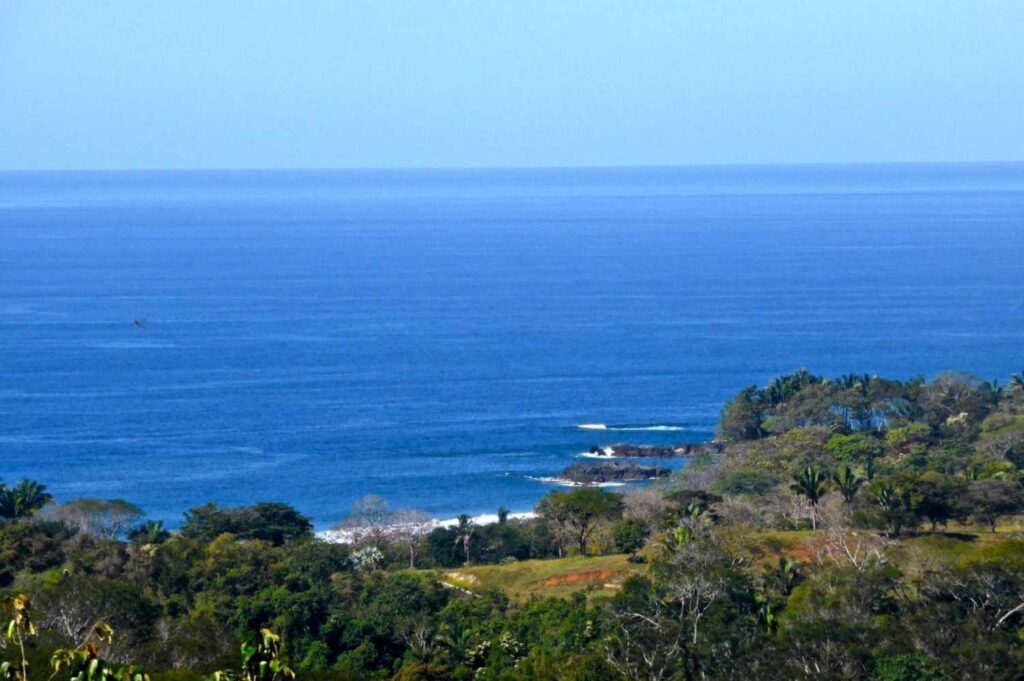
Costa Rica has topped international retirement rankings for years, and Guanacaste’s Gold Coast isn’t just riding that reputation. It earns it on its own terms. The province sits on the Pacific side of the country, which means over 300 days of sunshine annually, a consistent dry season from November through April, and the kind of predictable climate that lets you actually plan your life. The rainy season brings green hills and emptier beaches, not the flooding or storm risk you’d find elsewhere in Central America. Costa rica retirement visa is one of the most searched topics among foreign buyers exploring this part of Central America.
What separates Guanacaste from the Central Valley, where most of San José’s expat community concentrates, is the pace. It’s coastal, but it’s not a tourist circus. The communities here have matured into real infrastructure, with good private hospitals, international grocery options, and reliable high-speed internet, while keeping the natural setting intact. Retirees here live near the water without paying Miami prices for the privilege.
Gold Coast Communities at a Glance: Tamarindo, Flamingo, Conchal, and Nosara
Each community along the Gold Coast draws a different kind of retiree, and choosing the wrong one is one of the more recoverable but still frustrating early mistakes people make.
Tamarindo is the most developed, a walkable town with restaurants, surf schools, expat-friendly services, and a year-round social scene. It suits retirees who want activity and convenience within walking distance. Flamingo sits just north and feels more residential and refined, with a marina and a quieter pace that appeals to couples who want proximity to services without the foot traffic.
Conchal anchors the luxury end of the market, centered on the Reserva Conchal resort community and its world-class golf. Nosara, about an hour south, operates on its own rhythm entirely, wellness-focused, intentionally less developed, and strongly oriented around surfing and yoga culture. It attracts retirees who are actively choosing to slow down and disconnect.
None of these communities is objectively better. The right one depends on how you actually want to spend your days.
Is Costa Rica Right for You? How to Honestly Evaluate the Fit Before You Commit
The “Test-Drive” Strategy: Spending Extended Time Before Signing Anything
The most consistent advice from retirees who made a smooth transition is this: spend at least three months here before you commit to anything permanent. Not a vacation, but a genuine dry run. Rent a house, open a local bank account, figure out where you get your groceries, and go through the rainy season if you can. Costa Rica allows tourists to stay 90 days on entry, which gives you a real test window. This is a key dynamic shaping the costa rica retirement visa market in 2026.
What the test period reveals is usually not what people expect. Most fall more in love with the country. Some discover that a specific community doesn’t match their personality, even if the country does. A smaller group realizes they need more urban infrastructure than the Gold Coast provides and recalibrate toward San José or Escazú. All of those are good outcomes. The alternative is making a $300,000 property commitment based on a two-week visit.
What Seasoned Retirees Say They Wish They Had Known First
Three things come up consistently when experienced Gold Coast retirees reflect on their transitions.
First, the bureaucracy is real. The Costa Rica retirement visa process is manageable, but it moves on its own timeline, and the documentation requirements are strict. Going in with patience and professional help saves enormous stress.
Second, community matters more than amenities. The retirees who thrive are the ones who invest in relationships, with local neighbors, expat social groups, Spanish lessons, and volunteer work, not just the ones who bought the best house.
Third, the cost of living is lower than most of the US or Canada, but it is not cheap. Budget conservatively in year one until you understand what you actually spend here.
—
Pensionado vs. Rentista: Choosing the Visa That Fits Your Life, Not Just Your Income
Understanding the Two Pathways: What Each Visa Category Actually Means
Costa Rica’s residency program for retirees runs through two categories that look similar on the surface but serve different financial profiles. Both are issued as temporary residency permits, renewable every two years, with a path to permanent residency after three years. The difference is in what you use to qualify. Buyers researching costa rica retirement visa will find this pattern consistent across the region.
The Pensionado Visa: Pension-Backed Residency and the $1,000 Monthly Threshold
The Pensionado visa requires a minimum of $1,000 per month in pension income, defined specifically as a guaranteed, lifetime benefit from a government agency, military pension, Social Security, or a qualified institutional retirement fund. The income must be permanent and verifiable, not a brokerage account you’re drawing down.
The $1,000 threshold is intentionally accessible. It was designed to bring retirees into Costa Rica’s economy, and it reflects what the government considers a baseline contribution to local spending. Most applicants from the US qualify through Social Security alone, or combine Social Security with a pension to clear the threshold. It is one of the factors that distinguishes costa rica retirement visa from comparable markets.
The Rentista Visa: Income or Deposit Options and the $2,500 Monthly Requirement
The Rentista visa was built for people who don’t have a traditional pension but have stable income or capital. It requires either $2,500 per month in provable passive income, such as dividends or rental income, or a lump-sum deposit with a Costa Rican bank. This context is essential for anyone seriously researching costa rica retirement visa.
The $60,000 Bank Deposit Option: Who It Actually Works For
The deposit option requires $60,000 placed in a Costa Rican bank, with the bank certifying that it will generate a monthly disbursement equivalent to the $2,500 minimum over 24 months. This approach suits early retirees who have capital but haven’t yet converted it into recurring income streams, or people navigating a transitional financial period. The catch is that you need to move actual funds into a local account, which involves FATCA disclosure and some currency conversion logistics. It’s workable, but it requires planning. The costa rica retirement visa sector has been defined by exactly these dynamics over recent years.
How Your Lifestyle Goals Should Drive This Decision
If You Plan to Relocate Permanently vs. Split Time Between Countries
If you’re planning full relocation, either visa works, but the Pensionado is simpler to maintain long-term because the income source doesn’t require ongoing bank coordination. If you’re planning to split time between countries, both visas technically permit that, but you need to enter Costa Rica for a minimum period each year to stay in good standing. The exact requirement is tied to residency maintenance rules, not the visa category itself. For those active in costa rica retirement visa, this distinction is well understood.
If Your Income Sources Are Mixed, Variable, or Still Consolidating
People with a mix of part-time consulting income, investment draws, and Social Security often find that neither category fits cleanly. The most common solution is to qualify on whatever stable income component is strongest, then supplement with savings during the transition period. An immigration attorney earns their fee precisely in situations like this. They can structure the application around your strongest qualifying elements and document mixed income in a way the DGME will accept.
Covering Your Family: Dependent Eligibility for Spouses and Children Under 25
Both visa categories extend to dependents. A qualifying applicant can include a spouse and unmarried children under 25 who are enrolled as full-time students. Dependents do not need independent income. They qualify through the primary applicant. Each dependent requires their own documentation set, including translated birth or marriage certificates, but they file under the primary application rather than separately.
Can I Lose My Visa If My Income Changes?
Yes, technically, but the practical risk is lower than most people fear. The DGME does not conduct ongoing income surveillance between renewals. What matters is your income status at renewal time, when you resubmit proof of income as part of the two-year renewal process. If your pension is reduced, eliminated, or the income source changes materially, you would need to document the new situation at renewal. In practice, Social Security and government pensions are stable enough that this is rarely an issue. The higher-risk scenario involves a Rentista applicant whose bank deposit was drawn down or whose passive income sources changed significantly.
—
Exact Requirements, Documentation, and the Application Process
What the DGME Actually Scrutinizes Beyond the Headline Numbers
The Dirección General de Migración y Extranjería, known as the DGME, reviews applications more carefully than the headline income numbers suggest. Beyond proving you meet the income threshold, they scrutinize the source and permanence of that income, the completeness and authenticity of your documentation, and whether all documents meet their specific certification standards. Applications that fail rarely fail because the income is genuinely insufficient. They fail because a document wasn’t apostilled correctly, a translation wasn’t done by a certified translator, or a form was submitted without the right notarization.
The Complete Documentation Checklist: What You Need Before You File
Proof of Income: What Counts, What Doesn’t, and How to Certify It
For the Pensionado visa, you need an official letter from the paying institution, whether the Social Security Administration, your pension administrator, or an equivalent body, stating your monthly benefit amount, confirming that it is permanent, and that it meets or exceeds $1,000. The letter must be recent, typically issued within six months of filing, on official letterhead, and apostilled at the federal level. A bank statement showing deposits is not sufficient on its own.

For the Rentista visa, you need either a certified statement of passive income from a US financial institution with apostille, or a letter from a Costa Rican bank confirming the $60,000 deposit and the disbursement commitment. This is central to understanding what costa rica retirement visa offers right now.
Apostille Requirements: Which Documents Need Authentication and Why
An apostille is a form of international document authentication established under the Hague Convention. For US applicants, federal documents such as Social Security benefit letters are apostilled through the US Department of State. State-issued documents, including birth certificates and marriage records, are apostilled through the Secretary of State’s office in the issuing state. The DGME will not accept documents that require an apostille without one, regardless of how official they appear otherwise.
Birth Certificates, Marriage Records, and Notarization Standards
Every document in your application that was issued outside Costa Rica must be apostilled and officially translated into Spanish by a certified translator registered with the Costa Rican Ministry of Foreign Affairs. That last part trips people up. A bilingual attorney or a general translation service is not sufficient. The translator must be officially registered in Costa Rica’s system. Your US-based documents need to be apostilled first, then translated after apostille is in place. Anyone navigating costa rica retirement visa should keep this consideration in mind.
US Embassy Registration and Background Check Requirements
Registering with the US Embassy in San José through the Smart Traveler Enrollment Program (STEP) is not a formal visa requirement, but it is strongly recommended for any long-term resident. It allows the Embassy to reach you in emergencies and provides access to consular services. Separately, a letter of good conduct obtained through FBI channels is a DGME requirement as part of the background check documentation. That process runs through federal channels and requires fingerprinting.
Why Common Applications Get Rejected and How to Avoid the Same Mistakes
The four most common rejection triggers are missing or incorrectly apostilled documents, translations not done by a DGME-recognized translator, income letters that don’t explicitly state permanence or meet the threshold, and incomplete dependent documentation. The DGME will issue a notice of deficiency rather than an outright denial in most cases, but responding to that notice restarts the clock and adds months to your timeline.
The simplest way to avoid rejection is to have an immigration attorney review your full package before submission. Attorneys who specialize in this process know exactly what language the DGME expects in an income letter, which translators are currently accepted, and how to structure a mixed-income application. The cost of a professional review is modest compared to the cost of a six-month delay.
The Two-Year Renewable Permit Structure: What Renewal Actually Looks Like
Your initial approval grants temporary residency for two years. Renewal requires submitting updated proof of income re-issued within the renewal window, a refreshed criminal background check, and updated photos and biometric data. The renewal process is lighter than the initial application but follows similar documentation standards. You must initiate renewal before your current permit expires to maintain continuous legal residency status.
The Path from Temporary Residency to Permanent Residency in Costa Rica
After three years of continuous temporary residency, meaning you’ve held and renewed your permit without significant lapses, you can apply for permanent residency in Costa Rica. Permanent residency removes the income requirement entirely. You no longer need to prove $1,000 or $2,500 per month. You simply demonstrate that you have maintained your prior residency status in good standing. Permanent residents can also work in Costa Rica if they choose, which temporary residency categories do not permit. The trajectory of costa rica retirement visa reflects these trends directly.
—
The Costa Rica Retirement Visa Application Checklist: Documents, Steps, and Filing Sequence
Use this as your master tracking document. Work through each phase in order, because documents obtained out of sequence frequently need to be re-issued when they expire before filing.
Phase 1: Determine Your Visa Category
- Confirm your qualifying income source: pension or Social Security for the Pensionado visa, or passive income and a bank deposit for the Rentista visa.
- Verify income meets the threshold: $1,000 per month for Pensionado, $2,500 per month or a $60,000 deposit for Rentista.
- Identify dependents to include: spouse and unmarried children under 25 enrolled in school.
Phase 2: Gather US-Side Documents (allow 6 to 10 weeks)
- Request an official income letter from the Social Security Administration or pension administrator stating the amount and confirming permanence.
- Order an FBI background check with apostille by submitting fingerprints to the FBI and requesting federal apostille from the US Department of State.
- Obtain certified copies of birth certificates for all applicants, primary and dependents.
- Obtain a certified copy of your marriage certificate if including a spouse.
- Request apostilles for all state-issued documents through the Secretary of State in the issuing state.
Phase 3: Translate All Documents
- Hire a translator certified with Costa Rica’s Ministry of Foreign Affairs. Your immigration attorney can provide referrals.
- Translate all apostilled documents into Spanish. The apostille must be in place before translation begins.
- Verify that translated documents include the translator’s official certification stamp.
Phase 4: Costa Rica-Side Steps
- Open a Costa Rican bank account if pursuing the Rentista deposit option.
- Complete biometric enrollment, fingerprints and photos, at the DGME or an authorized location.
- Register with the US Embassy STEP program.
- Have a qualified immigration attorney review your full package before submission.
Phase 5: File with the DGME
- Submit the complete application package to the DGME in San José, in person or through your attorney.
- Retain copies of all submitted documents and your receipt of submission.
- Track application status through the DGME online portal.
- Respond promptly to any deficiency notices. Delays in response extend your processing timeline significantly.
Phase 6: After Approval
- Collect your DIMEX residency card from the DGME.
- Enroll in CAJA, Costa Rica’s public healthcare system, within 30 days of residency approval.
- Set a calendar reminder for renewal 60 days before your two-year permit expires.
- Note your three-year anniversary date for permanent residency eligibility tracking.
—
Timelines, True Costs, and the Hidden Logistics Nobody Warns You About
How Long Approval Really Takes: Honest DGME Processing Timelines
Plan for six to twelve months from submission to approved residency card in hand. That range is not a hedge. It reflects genuine variability in DGME processing, and experienced immigration attorneys will tell you the same. Applications with complete, correctly formatted documentation tend to come in at the lower end. Applications that trigger even a single deficiency notice often push past the twelve-month mark because responding to the DGME restarts portions of the review clock.
The practical implication: do not arrive in Costa Rica with a flight home tied to your visa approval date. Build a buffer. Most applicants enter on tourist status, complete their 90-day stay, make a brief border run to reset their entry stamp, and repeat this cycle while the application processes. This is common, legal, and expected. Immigration attorneys factor it into their timeline planning as a matter of course. This is what separates costa rica retirement visa from comparable opportunities elsewhere.
The Full Cost Picture: Government Fees, Attorney Fees, and Bridging Expenses
The DGME filing fees are modest, typically under $300 USD for the application plus per-person fees for dependents. Those numbers are not where your real budget goes. The full cost picture looks more like this:
- Immigration attorney fees: $1,500 to $3,000 USD for a full-service firm handling document review, translation coordination, DGME submission, and status tracking.
- Translation costs: $300 to $700 USD depending on document volume and translator fees.
- Apostille processing and FBI background check: $150 to $400 USD including federal document authentication.
- Document shipping and notarization: $100 to $250 USD.
- Bridging costs while waiting for approval: three to twelve months of rental housing before you can commit to a property purchase with full confidence in your residency status.
That last line is the one most guides skip. Retirees who budget for the visa fees but not for a year of renting while they wait often find themselves making rushed property decisions to escape limbo. Build the bridging period into your budget before you file anything.
Do You Need an Immigration Attorney? The Honest Answer
For most applicants, yes. The DGME process is not impossibly complex, but it requires a level of precision that is genuinely difficult to achieve without someone who navigates it weekly. A single incorrectly formatted income letter or a translation done by an uncertified provider can cost you six months. An attorney who knows current DGME expectations will catch those problems before they become delays.
There is a narrow category of applicants who can manage the process independently: those with straightforward income documentation, no dependents, fluent Spanish, and previous experience navigating Latin American bureaucracy. If that description fits you, self-filing is possible. For everyone else, an attorney is not a luxury. It is cost-effective insurance against a much more expensive mistake.
What a Qualified Costa Rica Immigration Attorney Actually Does for You
A qualified immigration attorney does more than file paperwork. They assess your income documentation before you request it, catching format issues before they become rejection triggers. They know which translators the DGME currently accepts and will route your documents accordingly. They write cover letters that frame mixed or non-standard income sources in language that satisfies DGME reviewers. They track your application status and respond to deficiency notices on your behalf. When your renewal window opens, they initiate that process on schedule so your residency status never lapses.
The best ones also advise on timing decisions that affect your broader relocation strategy, including when to open a bank account, how to structure dependent applications to minimize document complexity, and what to do if your income situation changes before renewal.
How to Vet an Attorney: Credentials, Red Flags, and Fee Structures
Start by verifying that the attorney is a licensed member of the Colegio de Abogados y Abogadas de Costa Rica, the national bar association. This is publicly verifiable, and any reputable firm will provide their bar number without hesitation. Look for an attorney or firm that specializes specifically in immigration law rather than a general practice that handles residency applications as a sideline. Specialization matters because DGME requirements and informal expectations shift regularly. Smart buyers in the costa rica retirement visa market factor this in from the start.
Ask for a written fee agreement before signing anything. Flat-fee arrangements are standard and appropriate for visa applications. If someone quotes you an hourly rate for this work, that is unusual and worth clarifying. Expect total attorney fees in the $1,500 to $3,000 range for a full-service application. Significantly below that range often signals limited service scope, and above $3,500 for a standard application warrants a clear explanation.
Request references from prior clients, specifically retirees who completed the process within the last two years. The immigration landscape changes, and current experience matters.
Warning Signs of Unreliable Professionals
The most common red flag is a guarantee. No reputable immigration attorney guarantees approval, because the DGME has final authority and processes change. Anyone who promises approval or a specific timeline should be avoided entirely.
Watch for attorneys who are vague about which translators they use or who offer to handle translations in-house without clarifying that those translators are DGME-certified. Be cautious about firms that discourage you from reviewing documents before submission or who request full payment upfront with no written agreement. Avoid any professional who does not maintain an actual office presence in Costa Rica. Remote-only immigration services with no Costa Rica-based operations are poorly positioned to handle DGME interactions when something goes sideways. This dynamic continues to influence pricing and availability across costa rica retirement visa.
—
Healthcare, Taxes, and the Financial Realities of Your Costa Rica Retirement Visa
Enrolling in CAJA: Costa Rica’s Public Healthcare System and What It Covers
Enrollment in the Caja Costarricense de Seguro Social, universally called CAJA, is mandatory within 30 days of receiving residency approval. This is not optional, and failure to enroll is one of the more common compliance oversights new residents make. CAJA contributions are income-based, typically running between $75 and $150 per month for most retirees, and they cover a genuinely comprehensive range of services including primary care, specialist visits, hospitalization, surgery, prescription medications, and emergency treatment.
CAJA quality varies by location and service type. Routine care and emergency services are generally reliable. Wait times for non-urgent specialist appointments at public facilities can run weeks to months. That gap is why most retirees use CAJA as their primary safety net while maintaining private insurance for faster access to specialists and elective procedures.
Private Health Insurance in Costa Rica: When and Why Most Retirees Use Both
Private health insurance in Costa Rica is affordable by US standards. A healthy 65-year-old typically pays $150 to $300 per month for a plan covering private hospital access, specialists, and diagnostics. The combination of CAJA plus a private plan runs most retirees $250 to $450 per month total, which is dramatically less than comparable US coverage. Private hospitals in Guanacaste serving the Gold Coast corridor are modern and well-staffed, and most physicians treating expats have trained internationally and speak English. Understanding costa rica retirement visa means engaging with nuances like this one.
What Happens to Medicare When You Move Abroad
Medicare does not travel with you. Parts A and B cover almost nothing outside the United States, with narrow exceptions for border-region emergencies involving Canada and Mexico. If you’re eligible for Medicare and relocate to Costa Rica, you are essentially paying premiums for coverage you cannot use. Many retirees elect to suspend or drop their Part B coverage to avoid the premiums, though this decision requires careful analysis of your plans to return to the US and the potential late-enrollment penalties that apply if you re-enroll later. This is a conversation for a Medicare-savvy financial advisor before you finalize your relocation timeline. The costa rica retirement visa market has built its reputation on exactly this kind of resilience.
US Tax Obligations for Americans Retiring in Costa Rica: What FATCA Means for You
Americans abroad are taxed on worldwide income. Moving to Costa Rica does not change your IRS obligations. You continue filing US federal returns regardless of where you live. FATCA, the Foreign Account Tax Compliance Act, requires US citizens with foreign financial accounts exceeding $10,000 to report those accounts annually via FBAR (FinCEN Form 114). If you open a Costa Rican bank account, fund a $60,000 Rentista deposit, or hold property through a Costa Rican corporation, all of that falls under disclosure requirements. For international investors, costa rica retirement visa presents this profile consistently.
The practical implication is that you need a US-based accountant who works with expats, not a general tax preparer. Expat-specialized CPAs are familiar with FATCA reporting, the Foreign Earned Income Exclusion, and the foreign tax credit framework for offsetting taxes paid in Costa Rica against your US liability.
Capital Gains Tax, Property Taxes, and the Foreign Tax Credit Framework
Costa Rica charges property tax at a flat 0.25% of the registered property value annually, one of the lowest rates in the hemisphere. A $400,000 property generates roughly $1,000 per year in property tax.
Capital gains on real estate are taxed in Costa Rica at a flat 15% on profit when you sell, with certain exemptions for primary residences held over two years. The US also taxes that gain, but the foreign tax credit allows you to offset the Costa Rican tax paid against your US liability, typically eliminating double taxation on the same gain. Structure matters here. How you hold the property, whether personally or through a Costa Rican corporation, affects which taxes apply and when. A cross-border tax advisor should review your ownership structure before you purchase.
The Real Cost of Living in Guanacaste: Beyond the Minimum Income Threshold
The $1,000 Pensionado minimum is a visa floor, not a livable budget. A realistic monthly budget for a couple living comfortably in a Gold Coast community looks roughly like this:
- Housing (rent or mortgage equivalent): $1,500 to $2,500
- Healthcare (CAJA plus private insurance): $250 to $450
- Groceries and household: $600 to $900
- Utilities and internet: $150 to $250
- Transportation: $200 to $400
- Dining, entertainment, and travel: $400 to $800
That puts a comfortable two-person budget between $3,100 and $5,300 per month. It is considerably higher than the visa minimum threshold, but also considerably lower than comparable coastal living in Florida or California. Retirees who budget at $2,500 to $3,500 per month exist and live well, especially those who own rather than rent and cook at home frequently. The point is to go in with a realistic number, not the minimum.
—
Property Ownership on a Costa Rica Retirement Visa: Building Long-Term Wealth from Day One
The Legal Reality: Full Property Rights for Foreign Nationals in Costa Rica
Foreign nationals have the same property ownership rights as Costa Rican citizens under the country’s constitution. There is no nationality-based restriction on purchasing titled property anywhere in Costa Rica. You do not need residency, citizenship, or a corporate structure to buy titled real estate as an individual. This is a significant distinction from many other retirement destinations and one of the structural reasons Costa Rica attracts long-term foreign investment with confidence.
What Buying Property Does and Doesn’t Do to Your Residency Status
Purchasing property in Costa Rica does not confer residency, accelerate your visa application, or automatically satisfy any visa requirement. These are entirely separate tracks. Your property purchase has no bearing on your DGME file, and your visa status has no bearing on your property rights. You can buy property as a tourist, as a visa applicant in process, or as an approved resident. The legal rights are identical.

What property ownership does affect is your long-term financial stability, your housing cost structure, and your sense of permanence in the community. Retirees who own rather than rent tend to integrate more deeply, invest more in their surroundings, and report higher satisfaction with the transition overall.
Fideicomiso and Other Ownership Structures: What They Mean in Plain Language
Most titled property in Costa Rica is held in fee simple, directly in the owner’s name, exactly as you would hold property in the US. A fideicomiso is a trust structure used primarily for maritime zone property, which is land within 50 meters of the high-tide line that cannot be privately owned, and the zone between 50 and 200 meters, which can only be leased through a concession. If you are considering beachfront or near-beach property, understanding the maritime zone boundaries and the concession structure that applies is essential due diligence.
Some buyers use a Costa Rican sociedad anónima, essentially a corporation, to hold property. This can offer estate planning benefits and simplified transfer of ownership, but it also introduces annual filing requirements and corporate tax considerations. Whether this structure makes sense depends on your specific tax situation, estate goals, and how many properties you plan to hold. Get a recommendation from your attorney and cross-border tax advisor before defaulting to either approach.
Why the Visa Application Period Is the Right Time to Start Your Property Strategy
The months you spend in the visa application process are not dead time. They are the ideal window to research communities, tour properties, understand the local market, and build relationships with a real estate professional who knows the Gold Coast in depth. Retirees who start that process in parallel with their visa application arrive at approval with a clear sense of where they want to live, what price range is realistic, and what trade-offs they’re willing to make. That clarity allows them to act decisively when the right property becomes available, rather than scrambling under time pressure after approval.
Rushing a property purchase is one of the most expensive mistakes in any relocation. The visa application period gives you a natural timeline to work with. Use it.
Rental Income, Property Management, and Turning Property Into a Financial Asset
Many Gold Coast retirees offset their housing costs by renting their property during periods when they are traveling or splitting time between countries. The Guanacaste rental market supports this strategy well, particularly for properties near Tamarindo, Flamingo, and Conchal, where short-term vacation demand is consistent. A well-managed two-bedroom near the beach can generate meaningful rental income during peak season, reducing the net cost of ownership significantly.
Generating that income reliably requires professional property management. A qualified local manager handles marketing, bookings, guest communication, maintenance coordination, and financial reporting. The management fee typically runs 20 to 30% of rental revenue, a real cost, but one that is offset by the difference between a professionally run rental that operates consistently and a self-managed unit that generates sporadic income and deferred maintenance problems.
HOA and COA fees are a separate line item worth examining carefully before you purchase in a resort community. Monthly fees range from $200 to $800 or more depending on amenities, and the financial health of the HOA, its reserves, its governance, and its history of special assessments, is material to the value of the property. This is due diligence that buyers who focus primarily on the purchase price often skip.
The Biggest Post-Visa Property Mistakes Retirees Make and How to Avoid Them
Choosing a Property That Doesn’t Match Your Actual Lifestyle
A beachfront condo in a resort community is not the right choice for a retiree who wants to walk to restaurants, join a yoga class, and build a social life in town. A house in a quiet residential neighborhood is not right for someone who wants resort amenities and a managed rental program. The property type, location, and community context all need to match how you actually plan to live, not how you want to feel when you imagine yourself in Costa Rica.
The test-drive period discussed earlier is the right time to stress-test those assumptions. By the time you’re ready to purchase, you should have lived in or spent serious time in the community you’re targeting.
Underestimating HOA and COA Red Flags During Due Diligence
Request and read the HOA’s financial statements, meeting minutes, and reserve fund balance before making an offer. Signs of trouble include inadequate reserves, frequent special assessments, unresolved litigation against the HOA, and boards that are unresponsive to information requests. A community with deteriorating common areas or deferred infrastructure maintenance is telling you something about its governance. The purchase price alone will not compensate for ongoing assessment exposure.
Skipping Professional Property Management on Rental Units
Self-managing a rental from abroad is harder than it sounds. You are several time zones away from a plumber who needs to be called on a Sunday morning, and your rental guest reviews will reflect every maintenance delay. Retirees who try to manage remotely without professional help either burn significant time doing it or end up with an underperforming rental that costs more in neglect than the management fee would have. Hire locally, set clear expectations in writing, and choose a manager with verifiable references from properties similar to yours.
—
An Illustrative Scenario: From First Inquiry to Gold Coast Homeowner
How One Couple Navigated the Visa, the Property Search, and the Transition
Consider a couple named David and Carol, both 64, who began researching the Costa Rica retirement visa in earnest about eighteen months before their planned retirement date. David receives Social Security of $2,200 per month and Carol receives $900. Their combined income qualifies easily under the Pensionado threshold. They had spent two weeks in Guanacaste the previous year on vacation and had been informally researching the area since.
Their first real step was a strategy session with an immigration attorney, which clarified two things immediately: they qualified for the Pensionado visa comfortably, and the documentation process would take roughly three to four months to assemble correctly. They began gathering documents while simultaneously renting a furnished house in Flamingo for two months, using that stay to narrow their community preference and start working with a local real estate advisor.
By the time they filed their visa application, they had toured fourteen properties, identified two serious candidates, and understood the trade-offs between a managed community in Conchal and a smaller residential neighborhood north of Flamingo. They submitted their application in month four of the process and received their DGME residency cards nine months later, within the normal range.
The Timeline from Pre-Visa Strategy to First Rental Income
David and Carol purchased a three-bedroom home in Flamingo in month seven, two months before their visa was approved, because they had done enough due diligence to feel confident in the decision and the market was competitive. They enrolled with a local property management company, furnished the property for vacation rental, and listed it before they returned to the US to finish closing out their primary residence.
Their first rental income arrived during month ten. By month fourteen, the property had generated enough rental revenue during their return trips to the US to cover their monthly HOA fees and a significant portion of their mortgage payment. They enrolled in CAJA within the required 30-day window after approval and supplemented with a private plan that cost them $290 per month combined.
What Life Looked Like One Year After Approval
One year post-approval, their monthly expenses ran approximately $3,800, covering housing, healthcare, groceries, utilities, transportation, and regular dining out. Rental income offset a meaningful portion of that during peak months. They had joined a local tennis club, established a routine with a Spanish tutor twice weekly, and built a social circle that mixed expats and local Tico families through a volunteer program at a nearby school.
In their telling, the visa was the least interesting part of the story. It was the decisions made around the visa, which attorney to hire, which community to choose, which property to buy, when to engage a property manager, that determined whether their first year felt settled or chaotic. For David and Carol, it felt settled. Not because the process was frictionless, but because they had built a strategy that ran parallel to the paperwork from day one.
—
Choosing the Right Local Partners: Why Vendor Due Diligence Is Non-Negotiable
The visa gets you legal status. The professionals you hire determine everything else. David and Carol’s story worked out well, but the variable that made it work was not luck. They vetted every professional they engaged before writing a check, and they built a team on the ground before they needed one urgently.
The Four Key Professionals Every Relocating Retiree Needs on the Ground
You need four people in place before your visa approval arrives: an immigration attorney, a real estate advisor, a cross-border tax accountant, and a property manager if you plan to rent. Each plays a distinct role, and none substitutes for the others.
Your immigration attorney handles the DGME process and residency compliance. Your real estate advisor guides property selection, due diligence, and purchase logistics. Your tax accountant bridges your US filing obligations with Costa Rican tax reality, covering FATCA reporting, the foreign tax credit, and property ownership structure. Your property manager handles on-the-ground operations if your unit generates rental income.
The mistake most people make is hiring these professionals reactively, finding an attorney when the application is urgent, adding a tax accountant when a filing deadline appears. Assembling the team early, while you still have time to vet carefully and course-correct, is one of the highest-value decisions in this entire process.
How to Evaluate a Costa Rica Real Estate Partner Beyond the Website
A polished website and a gallery of beautiful listings tell you almost nothing useful about a real estate firm’s actual reliability. What matters is track record, market depth, and how the firm handles the moments when things go sideways.
Ask directly how many transactions they have closed in the specific communities you are targeting. Can they explain the title history process, the maritime zone boundaries in areas you are considering, and the HOA due diligence steps without looking anything up? Do they refer you to independent legal counsel for the purchase transaction, or do they discourage it? Any firm that resists independent legal review of a purchase contract is waving a flag you should not ignore.
Ask for client references from the past two years, specifically buyers who went through a full purchase and, if possible, a subsequent rental setup. A firm with genuine depth will provide them without hesitation.
The Role of the ARCR in Your Network
The Association of Residents of Costa Rica (ARCR) is a membership organization that has served the expat community for decades. Joining before you arrive is one of the most underused practical moves a prospective retiree can make. The ARCR maintains a vetted service provider directory, offers legal and immigration guidance workshops, and connects new residents with experienced members who have been through the process recently.
The value is not primarily organizational. It is relational. New members gain access to an informal knowledge network that no website can replicate. Questions about which translators the DGME currently accepts, which banks are easiest to work with for a Rentista deposit, and which property management firms have strong reputations in a specific community get answered by people with direct experience. ARCR membership is available to applicants who have not yet received residency approval. Starting during your visa application process, rather than after approval, gives you access to community knowledge at the exact moment you most need it.
What Coastal Realty’s Track Record Since 2006 Means for Your Due Diligence Process
Operating on the Gold Coast since 2006 means Coastal Realty has navigated every market condition Guanacaste has produced in that period, from the pre-2008 expansion to the correction, the gradual recovery, and the accelerated demand of recent years. That history matters for due diligence because a firm that has operated through full market cycles understands what holds value, what deteriorates, and which communities have delivered on their long-term promises.
It also means a verifiable reference base. Clients who purchased in 2010, 2015, and 2020 can speak to what the ownership experience actually looks like five and ten years out, not just at closing. When you evaluate Coastal Realty as a potential partner, that is the conversation worth having: not what properties are available today, but what the experience of working with this team looked like for buyers who made similar decisions years ago.
—
Life After Approval: Residency Maintenance, Renewal, and Community Integration
Staying Compliant: The Practical Requirements of Maintaining Your Residency Status
Residency approval is not a one-time event. It is an ongoing status that requires active maintenance. The practical requirements are straightforward but easy to neglect when life settles into a routine.
You must spend meaningful time in Costa Rica each year. There is no published minimum-day requirement for Pensionado and Rentista holders in the way some countries structure it, but extended absences can create complications at renewal and signal abandoned residency to the DGME. Most immigration attorneys recommend spending at least six months per year in Costa Rica if maintaining temporary residency is a priority. You must keep your DIMEX card current and your CAJA enrollment active, and you must initiate your renewal before your two-year permit expires, ideally 60 to 90 days in advance.
Renewing Your Two-Year Permit: What Changes and What Stays the Same
The renewal process is lighter than the initial application but follows the same documentation standards. You submit updated proof of income issued within the renewal window, a refreshed criminal background check, and updated biometric data. Your income letter must meet the same specifications as your original: recent, on official letterhead, explicitly stating permanence and amount, and apostilled if it originates from a US institution.
The income threshold does not change at renewal. If you qualified at $1,000 per month under the Pensionado visa, you renew at $1,000 per month. Your attorney handles the renewal filing on the same timeline as the initial application, and DGME processing time is typically shorter for renewals than for first-time applications.
After your third year of continuous temporary residency, you become eligible for permanent residency in Costa Rica. At that point, the income requirement drops away entirely. Permanent residency is renewed every five years and does not require ongoing income proof, only confirmation that you have maintained prior residency status in good standing.
Building a Life, Not Just a Residency: Integration Into the Gold Coast Community
The retirees who report the highest satisfaction with their Costa Rica transitions share one pattern. They invested in community before they had a reason to. They joined a tennis club before they felt lonely, started Spanish lessons before they needed them at the pharmacy, and introduced themselves to neighbors before they needed a favor. Community here is not something that happens to you. It is something you build with intention.
The Gold Coast expat community is genuinely welcoming to newcomers, but it rewards participation. Social groups, volunteer organizations, church communities, local markets, and sports clubs all provide natural on-ramps. Retirees who engage those networks within their first six months consistently report feeling settled far faster than those who wait until they feel the absence of connection before seeking it.
The Tico community is equally worth investing in. Learning conversational Spanish, even imperfectly, changes your daily experience in ways that convenience services cannot. It opens relationships, earns respect from local neighbors, and makes routine tasks in a Spanish-language environment feel manageable rather than stressful.
—
Your Costa Rica Retirement Roadmap: 8 Things to Do Before, During, and After Visa Approval
Before You File:
- Determine your visa category based on your qualifying income source, not just the income threshold.
- Spend at least 30 days in your target Gold Coast community before committing to any property.
- Assemble your professional team: immigration attorney, real estate advisor, and cross-border tax accountant.
During the Application Process:
- Start your property research in parallel with document gathering. Use the waiting period productively.
- Join the ARCR to access community knowledge and a vetted service provider network.
- Build your bridging budget to cover 6 to 12 months of rental costs while your application processes.
After Approval:
- Enroll in CAJA within 30 days of receiving your DIMEX card. This is mandatory, not optional.
- Set your renewal reminder 60 to 90 days before your two-year permit expires and initiate the process on schedule.
—
Conclusion: The Visa Is the Starting Line
Why the Decisions Around the Visa Matter More Than the Visa Itself
The Costa Rica retirement visa is achievable. The documentation is demanding but manageable. The income thresholds are accessible for most US retirees. The DGME process, while slow, is predictable when you approach it correctly. None of that is the hard part.
The hard part is building a life that actually reflects what you came here for. That requires decisions about community, property, professional relationships, and daily routine that the visa application process cannot make for you, but that the visa application period gives you the time to think through carefully. The retirees who thrive here are not the ones with the cleanest paperwork. They are the ones who treated the months of waiting as a strategic runway and arrived at approval with a clear plan already in motion.
The Most Important Things to Do Before You File a Single Document
Before a single apostille is requested, do three things. First, spend real time in the community you are targeting, not a vacation, but a month-long trial that tests your assumptions about daily life. Second, consult an immigration attorney to confirm your visa category and identify any documentation complications before you start the clock. Third, begin your professional team search, because vetting a real estate advisor and a tax accountant takes time, and the months during which your visa processes are the best window you have to do it without pressure.
Everything else, the document gathering, the translation coordination, the DGME filing, follows naturally from those three starting points. Go in without them, and the process becomes reactive. Go in with them, and you are building a strategy from day one.
How Coastal Realty Guides You from First Question to Fully Settled Life on the Gold Coast
Coastal Realty’s role is not to manage your visa application. That is your immigration attorney’s job. Our role is everything that surrounds it: helping you understand the communities, identify properties that match how you actually plan to live, navigate due diligence on HOA health and title history, connect you with vetted professionals we trust, and support the transition from first conversation through the first year of ownership.
We have been doing this on the Gold Coast since 2006. We know which communities have delivered on their promises over time and which have not. We know what a well-run HOA looks like versus one that will generate special assessments in three years. We know which local attorneys, tax advisors, and property managers have built reputations worth trusting, and we make those referrals freely, because your success in this transition is what earns a long-term relationship, not a single closed transaction.
If you are in the research phase, the right first step is a conversation, not a commitment. Reach out to our team, share where you are in the process, and let us help you think through the decisions that will shape your first year and beyond.
—
Frequently Asked Questions
What are the most common reasons Costa Rica retirement visa applications get rejected?
The most common rejection triggers are not income-related. Applications typically fail because of incorrectly apostilled documents, translations performed by providers who are not registered with Costa Rica’s Ministry of Foreign Affairs, income letters that don’t explicitly state permanence, or incomplete dependent documentation. The DGME usually issues a deficiency notice rather than an outright denial, but responding to that notice restarts the clock and can add months to your timeline. Having an immigration attorney review your full package before submission is the most reliable way to avoid these problems.
How do I know which visa category, Pensionado or Rentista, is right for my situation?
The Pensionado visa is the right choice if you receive at least $1,000 per month from a guaranteed, permanent source such as Social Security, a government pension, or a qualified institutional retirement fund. The Rentista visa applies if you have $2,500 per month in stable passive income, such as dividends or rental income, or if you can place a $60,000 lump sum in a Costa Rican bank. If your income is mixed or transitional, an immigration attorney can help you identify your strongest qualifying elements and structure the application accordingly. The goal is to match the visa to your most stable and documentable income source, not simply the higher threshold.
Can I lose my Costa Rica retirement visa if my income drops or changes?
Technically yes, but the practical risk is lower than most people fear. The DGME does not monitor your income between renewals. What matters is your income situation at the two-year renewal point, when you resubmit proof of income as part of the standard renewal process. Social Security and government pensions are stable enough that this is rarely an issue for Pensionado holders. The higher-risk scenario involves Rentista applicants whose bank deposit has been drawn down or whose passive income sources have changed materially. If your financial situation shifts, consult your immigration attorney well before your renewal window opens so you have time to assess your options.
What happens to my visa if I buy property in Costa Rica? Does it affect my residency status or property taxes?
Purchasing property in Costa Rica has no effect on your visa application or residency status. These are entirely separate legal tracks. You can buy property as a tourist, as a visa applicant in process, or as an approved resident, and your property rights are identical in all three cases. On the tax side, Costa Rica charges property tax at a flat 0.25% of the registered property value annually, which is one of the lowest rates in the region. Capital gains on real estate are taxed at a flat 15% on profit when you sell, but the US foreign tax credit framework typically prevents double taxation on the same gain. How you hold the property, personally or through a Costa Rican corporation, affects which taxes apply and when, so a cross-border tax advisor should review your ownership structure before you purchase.
How do Costa Rica retirement visas interact with US tax obligations and Medicare?
Moving to Costa Rica does not change your US tax obligations. Americans abroad are taxed on worldwide income and must continue filing federal returns regardless of residence. If you hold foreign financial accounts exceeding $10,000, FATCA requires annual disclosure via FBAR. A US-based accountant who specializes in expat tax is essential for navigating these requirements correctly. On the Medicare side, Parts A and B cover almost nothing outside the United States, which means you are paying premiums for coverage you cannot use. Many retirees elect to drop Part B coverage, though this decision requires careful analysis of your plans to return to the US and potential late-enrollment penalties. A Medicare-savvy financial advisor should be part of this conversation before you finalize your relocation timeline.
Is it possible to test-drive living in Costa Rica before committing to a visa and property purchase?
Absolutely, and experienced retirees consistently recommend it. Costa Rica allows tourists to stay 90 days on entry, which gives you a genuine window to live rather than vacation. Renting a house, navigating grocery shopping and utilities, going through at least part of the rainy season, and spending time in your target community will reveal things that no research trip or online forum can replicate. Most people come away more confident in their decision. Some discover that a specific community doesn’t match their personality, or that they need more urban infrastructure than the Gold Coast provides, which are all useful and recoverable insights before a property purchase is on the table.
What are the biggest financial mistakes people make after getting their Costa Rica visa?
The most common financial missteps fall into three categories. The first is budgeting too close to the visa minimum. The $1,000 Pensionado threshold is a legal floor, not a livable budget for a couple. A realistic comfortable budget for two people on the Gold Coast is closer to $3,100 to $5,300 per month. The second is failing to account for bridging costs during the application period, which can run six to twelve months of rental housing before most people feel confident committing to a property purchase. The third is skipping professional property management on rental units and attempting to self-manage from abroad, which almost always results in underperformance, deferred maintenance, and more time spent than the management fee would have cost. Building realistic numbers into your budget from the beginning, and hiring well from the start, prevents all three.