
What Rainy Season in Costa Rica Actually Is (And Why Property Owners Should Think About It Differently) — When Is Rainy Season In Costa Rica
The Local Language: Why Costa Ricans Call It “Winter” and Tourists Call It “Green Season”
Costa Ricans call it invierno, winter. The tourism industry calls it Green Season. Neither label is wrong, but both tell you more about the speaker’s priorities than about the weather itself. Invierno reflects the agricultural and cultural calendar: rain means growth, replenishment, and the rhythm of rural life. Green Season is a rebranding effort designed to soften the perception of clouds and mud. For a property owner, neither framing is particularly useful. What matters is understanding the season as a predictable operational cycle, one you can plan around rather than one that simply happens to you.
The Real Date Range: May Through November, With Important Caveats
The standard answer to when is rainy season in Costa Rica is May through November. That answer is accurate enough as a starting point, but it flattens real regional variation. The season does not arrive like a light switch. It builds gradually from early May, shifts in character through the middle months, peaks in September and October, and winds down through November in ways that differ meaningfully depending on where your property sits. The end of November on the Gold Coast feels very different from the end of November on the Caribbean coast or in the Central Valley. Treating the season as a single, uniform block leads to planning mistakes, particularly for owners managing rental calendars or scheduling maintenance from abroad.
Reframing the Question: From “Will It Rain on My Vacation?” to “How Does This Affect My Investment?” — When Is Rainy Season In Costa Rica
Travel blogs spend enormous energy reassuring tourists that rainy season is “not that bad.” That is the wrong question for a property owner. The more useful questions are: How does seasonal rainfall affect rental occupancy and pricing power? What maintenance tasks need to happen before the rains arrive, and which ones can only be assessed after? Does the drainage hold up when the hillside above your property gets saturated for weeks? These are answerable questions with real cost implications. Shifting from tourist framing to owner framing is the first move toward managing the Gold Coast seasonal cycle with genuine confidence.
—
The Gold Coast Difference: How Guanacaste Experiences Rainy Season on Its Own Terms
Why the Pacific Slope and Guanacaste Province Follow a Distinct Seasonal Pattern
Guanacaste sits in the rain shadow of the Cordillera de Guanacaste, a volcanic mountain range that intercepts Caribbean moisture before it reaches the Pacific slope. The result is a drier, more defined seasonal pattern than almost anywhere else in the country. The dry season is genuinely dry, sometimes dramatically so, and the rainy season, while real, delivers rain in concentrated afternoon bursts rather than sustained all-day downpours. This matters because Guanacaste’s rainfall is more manageable and more predictable than the picture painted by national-level weather averages, which are skewed by the Caribbean coast’s year-round rainfall.
Beachfront vs. Hillside Properties: How Micro-Climate Shapes Your Ownership Experience — When Is Rainy Season In Costa Rica
Even within the Gold Coast corridor, two properties ten minutes apart can have meaningfully different rainy season experiences. Beachfront properties generally receive less rain and benefit from coastal breezes that dry surfaces quickly. Hillside and elevated properties often catch more moisture, see heavier runoff, and face greater erosion risk on slopes that were graded during construction. A hillside home above Tamarindo and a beachfront condo in Flamingo are both on the Gold Coast, but their rainy season maintenance checklists look quite different. If you are evaluating a purchase, the micro-climate of a specific parcel matters more than the regional average.
Rainy Season in Liberia and the Surrounding Corridor
Liberia, the provincial capital and home of Daniel Oduber Quirós International Airport, functions as a useful weather reference point for the broader Gold Coast corridor. The city sits inland and slightly lower in elevation, which means it often receives rain slightly earlier in the afternoon and in somewhat higher volumes than coastal communities. Rainfall data from Liberia consistently reflects the Guanacaste pattern: a dry season with almost no measurable precipitation, a gradual onset in May, and a clear peak in September and October before trailing off. Owners flying in from abroad land in Liberia, and the drive down to the coast gives you a real-time read on seasonal conditions.
How the Gold Coast Compares to the Rest of Costa Rica, and Why Broader Articles Mislead You
When considering when is rainy season in costa rica, most articles about rainy season in Costa Rica aggregate data from across the country, including the Caribbean coast, which receives over 3,000 millimeters of rain annually and has no true dry season. When that data gets averaged with Guanacaste’s figures, the result makes the Gold Coast sound wetter and more uncertain than it actually is. The Caribbean side can receive many times the annual rainfall of some Guanacaste beach communities. If you are reading generic Costa Rica weather guidance to inform decisions about a property in Nosara, Tamarindo, or Playa Hermosa, you are working from the wrong dataset. The Gold Coast earns its reputation for sunshine despite how rarely national averages reflect the actual local climate.
—
Month-by-Month: What Rainfall Actually Looks Like from May Through November on the Gold Coast — When Is Rainy Season In Costa Rica
May and June: The Season Opens Gradually
May on the Gold Coast feels more like a warning than a season. The first rains arrive as afternoon showers, sometimes dramatic, often brief, with mornings that still feel like dry season. Beach days remain entirely possible, and most weeks in May look more sunny than not. June builds on that pattern with slightly more consistent afternoon activity, but the landscape shifts noticeably: the hills go from brown to green, and the air loses the hard, dry edge of March and April.
For property owners, May and June are actually prime working months. The heat of dry season is breaking, the busiest stretch of peak tourism has passed, and contractors have more availability. Pre-season drainage inspections, roof checks, and any exterior painting or sealing should happen in May before the rains establish a routine.

July and August: The “Little Summer” Interruption Most Travel Blogs Don’t Mention
July brings something counterintuitive: a relative dry spell known locally as the veranillo, or little summer. Trade winds pick up along the Pacific coast, rainfall drops noticeably compared to June, and the Gold Coast often enjoys a stretch of clear, breezy days that surprise first-time visitors expecting a washout.
This window matters for rental strategy. Owners who price July and August as if they were peak months lose bookings. Those who recognize the veranillo as a genuine selling point, warm, green, less crowded, with real beach weather, can capture a guest demographic that dry season prices push away. It is an underpriced opportunity hiding inside the rainy season label.
September and October: Peak Rainfall, Honest Realities, and What This Means for Property Owners — When Is Rainy Season In Costa Rica
For those researching when is rainy season in costa rica, these two months are where rainy season earns its name on the Gold Coast. September and October bring the heaviest and most sustained rainfall of the year, and property owners who are not prepared for this window tend to find out the hard way.
Does It Rain All Day During Rainy Season in Costa Rica?
No. The pattern in Guanacaste is concentrated intensity, not persistent gray. A typical September day might start clear and sunny, cloud over by early afternoon, deliver a hard downpour for one to three hours, and then clear again by evening. All-day rain happens, particularly later in October, but it is not the norm. This pattern is worth communicating clearly to guests and to yourself when setting expectations.
What Is the Wettest Month in Costa Rica?
Nationally, October is typically the wettest month, and that holds for Guanacaste as well. On the Gold Coast, Liberia and surrounding communities average roughly 300 to 400 millimeters of rainfall in October, the bulk of the annual total arriving in a concentrated window. Flooding is possible on low-lying roads, and soil saturation on hillside properties becomes a real concern by mid-October. For properties with drainage issues that went unaddressed in May, this is when those issues become expensive.
November: The Transition Month That Confuses Everyone — When Is Rainy Season In Costa Rica
Is November Still Rainy Season in Costa Rica?
Technically yes, but functionally November is the exit ramp. Rainfall drops significantly from October’s peak, and by the second half of the month many days feel more like early dry season than true rainy season. The transition is uneven, and a wet spell can push into late November in some years, but as a planning benchmark, November is where rental calendars start recovering and maintenance work can resume before December’s high season surge.
Planning Around Seasonal Forecasts: What to Watch
El Niño and La Niña cycles influence Guanacaste’s rainy season intensity from year to year. El Niño conditions tend to produce drier, shorter rainy seasons on the Pacific coast, while La Niña years often extend and intensify the September-October peak. Current forecasting should be monitored through NOAA’s seasonal outlooks and Costa Rica’s Instituto Meteorológico Nacional, which publishes regional forecasts. The core planning structure, May onset, veranillo pause, September-October peak, November taper, stays consistent. What shifts is intensity, not timing.
—
Gold Coast Rainy Season Property Owner’s Calendar — When Is Rainy Season In Costa Rica
Among the options for when is rainy season in costa rica, a practical month-by-month framework for owners managing from abroad.
May
- Rainfall intensity: Low to moderate, building
- Maintenance priority: Pre-season inspection of roof, gutters, drainage channels, and exterior seals
- Rental strategy: Shoulder pricing targeting surf and nature travelers
- Management focus: Confirm contractor relationships before demand peaks
June
- Rainfall intensity: Moderate, afternoon pattern established
- Maintenance priority: Landscaping and vegetation management, pool system checks
- Rental strategy: Green season pricing emphasizing lush scenery and value
- Management focus: Remote monitoring adequate with a reliable local contact
July
- Rainfall intensity: Reduced (veranillo effect)
- Maintenance priority: Light monitoring
- Rental strategy: Promote the dry window as an underrated booking opportunity
- Management focus: Remote monitoring adequate
August
- Rainfall intensity: Moderate, veranillo fading late in the month
- Maintenance priority: Mid-season drainage check before October peak
- Rental strategy: Value positioning at shoulder rates
- Management focus: Confirm October caretaker schedule
September
- Rainfall intensity: High, peak begins
- Maintenance priority: Active monitoring of drainage, slopes, and interior moisture
- Rental strategy: Lowest occupancy month; target long-stay or remote-work guests
- Management focus: On-site or frequent local oversight recommended
October
- Rainfall intensity: Highest of the year
- Maintenance priority: Address problems immediately, as delayed repairs compound quickly
- Rental strategy: Minimal bookings expected; use the month for deep cleaning and property refresh
- Management focus: On-site oversight or a trusted property manager is essential
November
- Rainfall intensity: Declining and variable
- Maintenance priority: Post-season assessment; prepare for December high season
- Rental strategy: Rates begin recovering; start marketing for December and January
- Management focus: Resume normal remote management by mid-month
—
Vacation Rental Occupancy and Booking Strategy During Green Season
How Rainy Season Shifts Booking Windows, Lead Times, and Guest Demographics
The guest who books a Gold Coast property in September looks very different from the guest who books in January. Rainy season attracts a higher share of surfers chasing consistent swell, remote workers extending stays for lower rates, expats visiting family, and cost-conscious travelers who have researched enough to know that Guanacaste’s rainy season is manageable. These guests tend to book closer to their travel dates, stay longer when they do book, and carry more flexible expectations about weather. Understanding who is actually in your market during green season changes how you write your listing, set your minimum stay, and price by night.
Gold Coast Vacation Rental Occupancy: What the Seasonal Cycle Realistically Looks Like — When Is Rainy Season In Costa Rica
Occupancy on the Gold Coast follows a predictable arc. December through April is peak season, with well-managed properties seeing their highest nightly rates and strong occupancy. May and June step down meaningfully. July picks up slightly with the veranillo. September and October are the low point. November starts the recovery toward December.
For owners underwriting a rental property, the honest projection treats September and October as near-zero income months and builds the annual return model around the other nine. Properties that generate strong returns do so because they maximize the shoulder months and dominate peak season, not because they somehow fill in September.
Can You Rent Your Vacation Home During Rainy Season?
Yes, guests book during rainy season. The question is what they expect and what you charge. A property listed at dry-season rates in October will sit empty. The same property priced competitively for extended stays, promoted through surf or digital-nomad channels, and managed with honest photography and accurate descriptions will find takers. The mistake most owners make is applying a uniform pricing strategy year-round or abandoning rainy season entirely rather than repositioning for the available market.
Pricing Strategy and the Green Season Opportunity
As part of exploring when is rainy season in costa rica, the owners who benefit most from rainy season are the ones who use it strategically. Discounting rates from peak-season levels to capture length-of-stay bookings, offering weekly and monthly rates that competitors don’t, and using October to refresh the property and build reviews from long-stay guests are all moves that pay dividends when December arrives. By peak season, those owners have momentum, ratings, and an updated listing that converts at higher prices.
How Savvy Owners Use Off-Peak Months to Strengthen Long-Term Rental Performance — When Is Rainy Season In Costa Rica
Off-peak months are when the gap between well-managed and poorly managed properties becomes visible. Owners who treat green season as dead time return to December with a property that looks six months older. Owners who use the slower period for deep cleaning, repairs, photo updates, and review cultivation return to peak season with a real competitive advantage. Repeat guests, higher ratings, and a refreshed listing all compound over multiple seasons.
Costa Rica Green Season Property Investment: Why Slower Bookings Are Not the Whole Story
Rental income tells only part of the rainy season story for investors. Property values on the Gold Coast do not pause during green season. Acquisition opportunities, renovation timelines, and infrastructure improvements all happen year-round. An investor who evaluates success only by September occupancy is measuring the wrong thing. The annual return picture, combined with appreciation in a supply-constrained coastal market, is what the investment thesis actually rests on.
—
Property Maintenance, Drainage, and Infrastructure: The Owner’s Honest Checklist
What Rainy Season Does to Gold Coast Properties That Go Unmanaged — When Is Rainy Season In Costa Rica
A Gold Coast property left without active oversight during rainy season does not simply wait for you. Mold establishes itself within weeks inside spaces with poor ventilation. Roof leaks that were hairline cracks in April become interior water damage by June. Drainage channels blocked by dry-season debris overflow in the first heavy rain. Vegetation grows aggressively against structures, trapping moisture and accelerating wood deterioration. None of these outcomes are inevitable. All of them result from skipping a predictable maintenance window.
Drainage, Erosion, and Hillside Risk: Beachfront vs. Elevated Properties
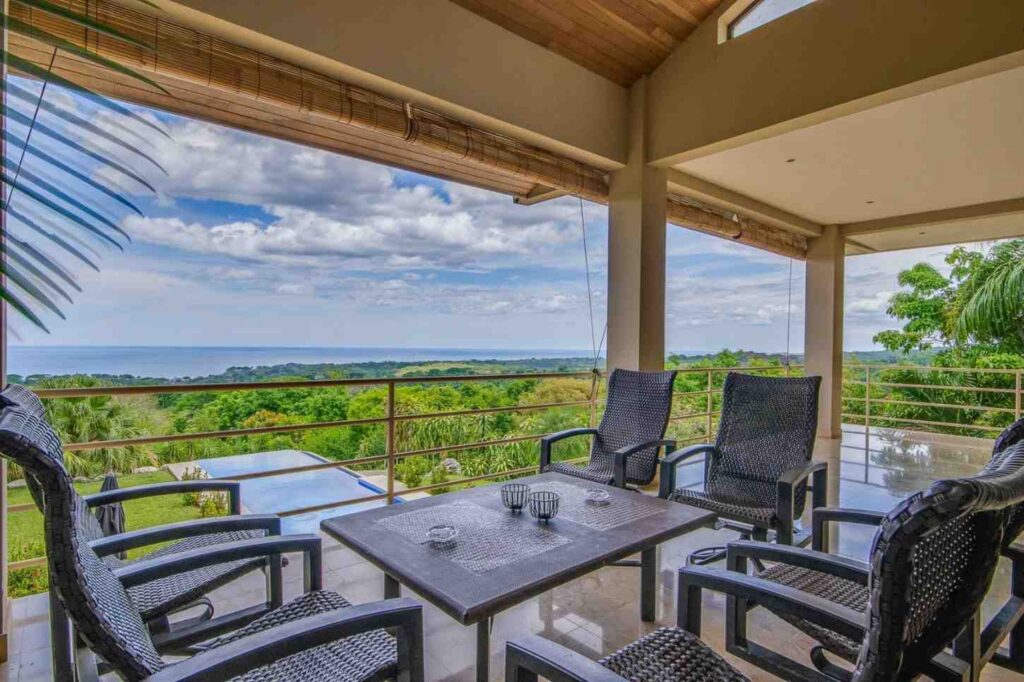
Micro-climate shapes the ownership experience, and nowhere is that more true than with drainage. Beachfront properties deal primarily with surface water management and the corrosive effects of humidity on fixtures and finishes. Hillside properties face a different category of challenge: slope stability, retaining wall integrity, and the erosion that follows when graded surfaces get saturated repeatedly. A property on a hillside above Tamarindo should have drainage channels, proper grading, and ideally a retaining structure engineered for the actual soil and rainfall load of the site. If you are evaluating a hillside purchase, request documentation of the drainage design and review the slope condition during rainy season before you commit.
How Bad Is Rainy Season for Property Condition?
If you’re looking into when is rainy season in costa rica, rainy season is not hard on well-maintained properties. It is genuinely hard on neglected ones. The damage that owners attribute to the season is almost always the outcome of deferred maintenance meeting concentrated rainfall. A roof that needed sealing, a gutter that needed clearing, a window seal that had dried out — the rains expose these vulnerabilities. Properties with a consistent maintenance calendar, local caretaker oversight, and quality construction materials handle six months of Guanacaste rainy season without meaningful deterioration.
Insurance, HOA Coordination, and Property Management Considerations for Foreign Owners — When Is Rainy Season In Costa Rica
Foreign owners who cannot visit during peak rainfall months need two things in place before May: a reliable local property manager with clear authority to authorize routine repairs, and an insurance policy that reflects the actual replacement cost of the property. Many owners carry under-insured policies set at purchase and never updated as construction costs rose. HOA communities vary significantly in what common area maintenance they handle versus what falls to individual owners. Confirm this in writing before rainy season begins, not after you discover a drainage issue on shared land.
Building a Maintenance Calendar Around the Seasonal Cycle
The math on proactive maintenance is straightforward. A pre-season inspection and targeted repairs in April and May cost a fraction of what emergency repairs cost in October, when contractors are busy and water damage has compounded. The owners who spend the least on rainy season maintenance over a decade are the ones who treat May as a checklist month, not the ones who hope nothing goes wrong.
Pre-Season Preparation for Owners Who Cannot Be On-Site During Peak Rain
If you cannot be in Costa Rica during September and October, your preparation window is April and May. A practical pre-season checklist for remote owners includes:
- Roof inspection and sealing by a qualified local contractor
- Gutter and drainage channel cleaning and clearance
- Exterior wood surfaces sealed or painted before sustained humidity arrives
- AC units serviced and filters cleaned, as mold risk increases significantly in humid months
- Pool system set to handle extended periods without guest use
- Interior ventilation plan confirmed with your property manager
- Local caretaker authorized to approve repairs up to a defined cost threshold without waiting for owner approval
That last point matters more than most owners expect. A repair addressed promptly in May costs a fraction of what the same repair costs in October, or worse, in December when high season guests have already arrived. The authorization structure you set up before the season is the difference between a property manager who acts and one who waits.
—
How Rainy Season Creates a Strategic Window for Real Estate Buyers and Investors — When Is Rainy Season In Costa Rica
Why the Seasonal Market Cycle Affects Listing Activity, Negotiation, and Buyer Leverage
Understanding when is rainy season in costa rica means most sellers on the Gold Coast list in dry season. Their properties photograph beautifully, showing pools against blue skies and gardens at their most manicured. Buyer traffic is high, competition is real, and sellers have little reason to negotiate. By June, that dynamic shifts. Listing activity drops, international buyer visits slow, and sellers who need to transact face a thinner market. For a prepared buyer, that imbalance creates leverage that simply does not exist in January.
Real Estate Market Cycles on the Gold Coast: What Shifts Between Dry and Rainy Season
Rainy season does not trigger a price collapse on the Gold Coast. What it does is reduce the number of competing buyers in the room. Sellers who listed optimistically in high season and didn’t transact become more realistic by August. Properties with motivated sellers, including estates, owners relocating, and developers managing carrying costs, surface during this window in ways they rarely do during peak tourism months when casual interest inflates the sense of demand. The deals that close quietly in September and October rarely come up in the conversations buyers have at dry season open houses.
Pattern Recognition: What Years of Observing Gold Coast Seasons Teaches — When Is Rainy Season In Costa Rica
After watching multiple market cycles on the Gold Coast, a few things become consistent. Buyers who purchased during or just before rainy season generally paid less and negotiated more effectively than those who bought during peak. Sellers who accepted green season offers were often the ones who had been waiting since January for a number that never came. And buyers who visited properties during rainy season made better decisions, because they saw conditions that dry season tours obscure entirely.
Is Rainy Season Actually the Right Time to Visit Properties You Are Considering?
Yes, and not just for the negotiation advantage. A property tour during dry season shows you the best version of a home. A tour in September shows you the real version. Does the driveway drain, or does it pool? Does the hillside above the property show erosion channels? Are the windows sealed well enough that the interior stays dry? Does the neighborhood feel livable when it is overcast and humid, not just when it is sunlit and breezy? These are questions that a January visit cannot answer. If you are serious about a purchase, find a way to visit during at least part of rainy season before you commit. What you learn in two days of green season walking a property is worth more than a week of dry season tours.
—
Living the Gold Coast Rainy Season as a Future Resident or Expat Owner
Is the Gold Coast Worth Living in During Rainy Season? — When Is Rainy Season In Costa Rica
For future residents evaluating whether the Gold Coast is where they want to spend their retirement years, the rainy season question cuts deeper than weather. It is really a question about whether the lifestyle holds up when the Instagram version fades. The honest answer is yes, with eyes open. The Gold Coast in rainy season is quieter, greener, and noticeably more local in character. Restaurants that fill with tourists in December become the places where expats and Ticos eat together. Traffic along the coastal highway drops. The pace slows in ways that many long-term residents describe as a genuine relief after high season intensity.
Daily Life, Community, and the Surprising Lifestyle Upside of Green Season
The topic of when is rainy season in costa rica covers the social fabric of expat communities on the Gold Coast actually strengthens in rainy season. With fewer seasonal visitors, the people who are present are the ones who chose to be there year-round. Community events, informal gatherings, and the kind of neighborly connection that gets crowded out by peak tourism all tend to deepen between June and November. Prices drop across services, restaurants, and activities. Local tradespeople are more available. For someone weighing whether to retire here full-time or seasonally, experiencing green season firsthand is the clearest test of whether this place fits your actual life, not just your vacation expectations.
What Rainy Season Tells You About a Neighborhood Before You Commit to Buying
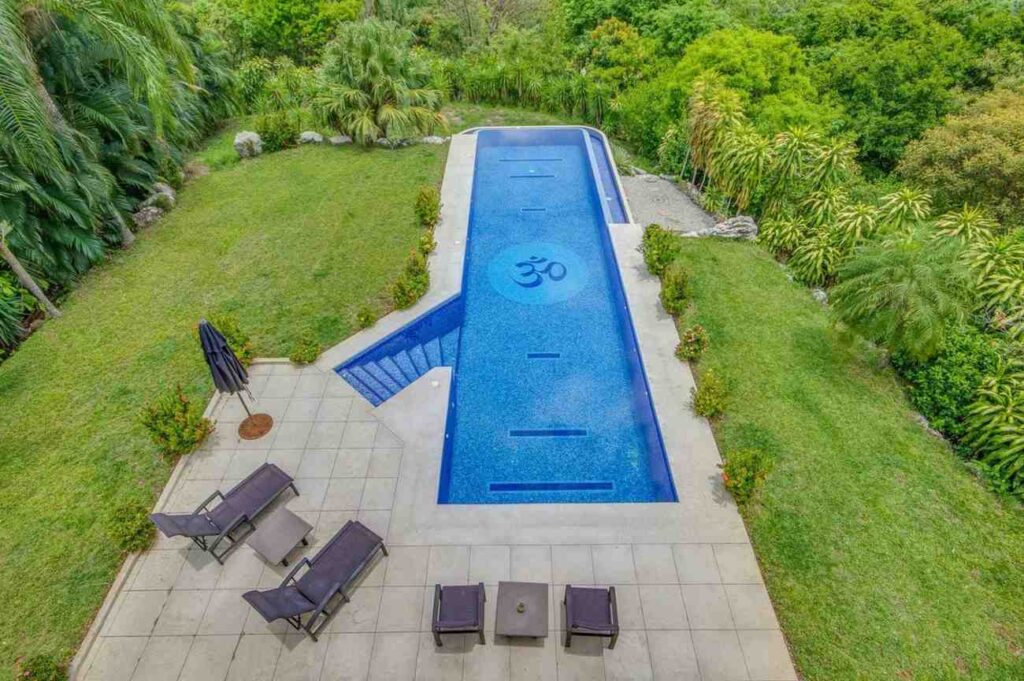
Infrastructure reveals itself under pressure. Roads that handle dry season traffic without issue can flood or wash out in October. Power reliability varies by community and by how recently the local grid was upgraded. Neighborhoods with well-maintained drainage and paved access hold up better and feel meaningfully different from those that don’t. If you are choosing between two communities, visiting both during rainy season compresses years of owner learning into a short observation window. Ask residents how the neighborhood handles peak rain. The answers will tell you more than any HOA document.
Long-Term Livability: What Retirees on the Gold Coast Say After Their First Rainy Season — When Is Rainy Season In Costa Rica
The most common thing retirees say after their first full rainy season on the Gold Coast is that it was not what they feared and better than they expected. The rains feel dramatic at first, especially in October. But the pattern becomes familiar quickly, and the afternoons clear reliably. The heat softens. The landscape, which can look almost burned in late dry season, turns vivid. Most retirees find that by their second year, rainy season feels like a natural reset rather than an interruption. Several describe it as their favorite time of year.
—
Gold Coast Rainy Season at a Glance
- Rainy season runs May through November, with dry season roughly December through April.
- Peak rainfall falls in September and October, typically 300 to 400 millimeters per month in Guanacaste.
- The veranillo (little summer) brings a drier window in July, creating an underused rental opportunity.
- Pre-season maintenance in April and May costs a fraction of reactive repairs in October.
- September and October are near-zero rental months; build your income model around the other nine.
- Green season is the best time to buy: fewer competing buyers, more motivated sellers, and properties that reveal their real condition.
—
Conclusion: Turning Seasonal Knowledge Into Confident Ownership on the Gold Coast
From Weather Anxiety to Strategic Clarity
Most buyers approach rainy season as a risk to manage. What this guide has laid out, section by section, is that the season is actually a planning framework. You now know when it starts and how it builds, how the Gold Coast’s distinct micro-climate differs from national averages that mislead, where the rental opportunities hide inside the green season calendar, what maintenance has to happen before the rains arrive, and why September in Guanacaste might be the best time to buy a property rather than avoid one. That knowledge is not common. Most buyers arrive at closing without it.
Understanding when is rainy season in Costa Rica is only the beginning. The more consequential insight is knowing how that season shapes your rental income, your maintenance budget, and your buying opportunity on the Gold Coast, and having a plan that accounts for all three.
How a Trusted On-the-Ground Partner Helps You Plan for Every Season
Seasonal knowledge only translates into action when you have someone on the ground to act on it. Knowing that pre-season drainage inspections matter is different from having a property manager who runs that checklist every April. Understanding that rainy season creates buyer leverage is different from having an agent who knows which listings have been sitting since January and why. The Gold Coast rewards owners who plan proactively, and proactive planning from abroad depends entirely on the quality of the local relationships you build before you need them. The season is predictable. What varies is whether you have the right team in place to use that predictability to your advantage. We’re here to help you build that team, and to make sure every season works for you, not against you.
—
Frequently Asked Questions
How bad is rainy season in Costa Rica, really?
When it comes to when is rainy season in costa rica, for most people, rainy season on the Gold Coast is far more manageable than they expect. The typical pattern in Guanacaste involves sunny mornings, brief to moderate afternoon showers, and clear evenings. Sustained all-day rain is uncommon outside of September and October’s peak weeks. Daily life continues normally, and the tradeoff, a greener landscape, lower prices, and a quieter, more local atmosphere, makes the season genuinely appealing to many long-term residents.
What is the rainy season like on the Gold Coast and in Guanacaste specifically?
Guanacaste’s rainy season is distinctly milder than what national weather averages suggest. The region sits in the rain shadow of a coastal mountain range, which limits overall rainfall compared to the Caribbean coast or Central Valley. Rain arrives in predictable afternoon bursts rather than persistent downpours, and the veranillo dry spell in July creates a welcome mid-season break. The Gold Coast has one of the most favorable tropical climates in the country for property owners and residents alike.
Does rainy season damage property or affect rental income?
Rainy season does not damage well-maintained properties. Neglected properties are another matter: deferred maintenance combined with concentrated rainfall is what causes real problems. For rental income, September and October should be modeled as low-to-no revenue months, with the annual return built around the stronger nine months of the year. Owners who prepare proactively in April and May, and who reposition their listings for the available rainy season guest market, protect both their property condition and their income.
What do I need to do to prepare my Costa Rica property for rainy season?
The preparation window is April and May, before the rains establish a routine. Key tasks include a roof inspection and sealing, clearing gutters and drainage channels, treating exterior wood surfaces, servicing AC units, and confirming that your local property manager or caretaker has the authority to approve routine repairs without delay. Owners who complete this checklist consistently spend far less on rainy season maintenance over the long term than those who respond reactively.
Is November still rainy season in Costa Rica?
Technically yes, but in practice November is the transition out of rainy season, particularly on the Gold Coast. Rainfall drops significantly from October’s peak, and the second half of November often feels closer to early dry season than true rainy season. Rental calendars begin recovering in November, and property maintenance work can resume in preparation for December’s high season. Some years see a wet spell push into late November, so it is worth keeping flexibility in your planning, but the worst of the rainy season is typically behind you by early November.
How does rainy season affect property values or the best time to buy?
Property values on the Gold Coast do not fall during rainy season, but buyer competition does. Sellers who listed during dry season and did not transact often become more flexible by August and September. With fewer competing buyers in the market, rainy season creates genuine negotiating leverage for prepared purchasers. There is an added practical benefit: touring a property during green season reveals drainage performance, slope stability, and neighborhood infrastructure in ways that a dry season visit simply cannot. For serious buyers, rainy season is often the smartest time to look.