
Why the Gold Coast Is Where Luxury Real Estate Dreams Become Livable Reality
The Fear Behind the Dream
The luxury real estate Costa Rica market is unlike anywhere else in the world — and most buyers only discover that after they’ve already made expensive mistakes. You’ve done the research. You’ve watched the sunset videos, read the forums, maybe even taken a scouting trip. The dream is vivid. But somewhere between “I want this” and “I’m doing this,” something stops you cold.
For most foreign buyers we’ve worked with over nearly two decades, that something has a very specific shape. It’s not the price. It’s the fear of making a $700,000 mistake in a country whose legal system you don’t fully understand, from a zip code 3,000 miles away, with no one on the ground you can actually trust. The fear of buying a property with a title problem nobody mentioned. The fear of closing day going smoothly and then finding yourself with no one returning your calls, a property sitting vacant, and HOA bills piling up in a language you’re still learning.
That fear is rational. It is not a reason to walk away. It is a reason to choose your partner very, very carefully.
Why the Dream Is Still Worth Chasing
Costa Rica has welcomed foreign property owners for decades, and its legal framework for non-resident ownership is among the most straightforward in Latin America. Tens of thousands of North Americans and Europeans own property here, many of them full-time investors who have built real wealth on the Gold Coast of Guanacaste. In the luxury real estate Costa Rica space, properties priced above $1M require layers of due diligence that standard listings simply don’t.
The fear is manageable because it has a known solution: the right partner, not just the right listing. Every specific risk that paralyzes buyers at the research stage, from title irregularities to post-purchase management gaps, is a solved problem when you work with someone who has navigated it hundreds of times and is still present to navigate it with you years later. Explore our luxury property listings on the Gold Coast.
What Makes Guanacaste’s Gold Coast Different From Every Other Luxury Market
The Lifestyle and Infrastructure Advantage
Guanacaste’s Pacific coast earns its “Gold Coast” nickname for reasons that go well beyond marketing. The region averages over 300 sunny days per year, with a dry season running from November through April that aligns almost perfectly with North American winter escapes. The rainy season is green and warm, not grey and cold, and the afternoons remain swimmable.
Infrastructure here has matured considerably. Daniel Oduber International Airport in Liberia offers direct flights from major U.S. and Canadian cities, cutting travel time to under six hours from most North American hubs. Paved roads connect the key communities. High-speed internet, international schools, private hospitals, and modern grocery options are no longer aspirational. They are present facts for buyers evaluating quality of life.
Tamarindo, Flamingo Beach, Potrero, and Playas del Coco: Four Communities, Four Buyer Profiles
The Gold Coast is not a single market. It is four distinct communities within 45 minutes of each other, each with a different personality and a different buyer profile. What makes luxury real estate Costa Rica buyers so vulnerable is the combination of unfamiliar legal frameworks and aggressive developer marketing.
Tamarindo draws the cosmopolitan crowd: surfers, digital nomads, vacation rental investors, and buyers who want walkable restaurants, a proven short-term rental market, and an established expat community. Inventory ranges from condos to multi-bedroom villas, and occupancy rates for well-managed rental properties are among the strongest on the coast. Costa Rica’s National Registry is the authoritative source for verifying property title chains.
Flamingo Beach attracts the buyer who prioritizes prestige, privacy, and long-term appreciation. The marina development has accelerated demand. Estates here are larger, prices are higher, and the buyer tends to be a sophisticated investor focused on capital preservation as much as lifestyle.
Potrero sits just north of Flamingo and offers a quieter, more residential feel at a meaningful price discount. Buyers who choose Potrero tend to be planning longer stays or permanent relocation and value community integration over visibility.
Playas del Coco is the most established community on the coast, with a strong base of full-time expats, an active marina, and a growing vacation rental market that still offers entry-level luxury inventory compared to its neighbors to the south. The Gold Coast luxury real estate Costa Rica corridor — from Tamarindo to Playa Conchal — has seen prices rise 40%+ since 2020.
The Thesis That Changes Everything: Listings Are Easy, Lifecycle Partnership Is Rare
Why Polished Inventory Isn’t the Problem
Listings are abundant. You can find Gold Coast properties on a dozen platforms before breakfast. What you cannot find on any platform is the answer to what happens after you sign.
Who coordinates the title search and explains what it means? Who guides you through the SUGEF compliance process when your bank wire triggers a documentation request at the worst possible moment? Who calls you two years later to tell you the HOA is changing its fee structure and you need to respond? Who manages your property during a peak January week when the pool pump fails and your guests are arriving in 48 hours?
That is not a listing problem. That is a lifecycle problem. And most agents in this market are not equipped to solve it, because solving it requires years of local relationships, operational infrastructure, and a business model that values long-term client outcomes over transaction volume.
The Difference Between a Closing and a Ten-Year Relationship
A closing is one day. Ownership is every day that follows. The buyers who genuinely thrive on the Gold Coast are those who treated agent selection as a ten-year hire, not a one-time service engagement. They chose a partner who knows the specific quirks of their community’s HOA, has relationships with the best local attorneys, and can tell them from experience whether a particular neighborhood’s rental yield projections are realistic or optimistic. Experienced luxury real estate Costa Rica agents will always recommend a local attorney independent from the developer or seller.
That distinction, between a partner and a transaction facilitator, is the central argument of everything that follows in this guide.
From Dream to Doorstep: A Gold Coast Buyer’s Journey
What the Search Process Actually Looks Like
Consider a composite of buyers we have walked through this process: a couple in their late 50s, still working but approaching retirement, drawn to Costa Rica after a vacation in Tamarindo. They have equity to deploy, a strong income record, and a genuine desire to own something that could generate rental income while they are not there. They have also spent four months on real estate websites, gotten three different answers to every legal question they’ve Googled, and are genuinely unsure whether they should form a corporation before buying or purchase in their personal names.
They are not naive. They are informed enough to know what they don’t know, and nervous enough that the complexity has started to feel like a stop sign.
The first conversation they expected was a sales call. What they got instead was a 45-minute education: market context, realistic price-per-square-meter ranges by location, and an honest assessment of which communities matched their lifestyle goals and which ones were being over-marketed to buyers with their profile.
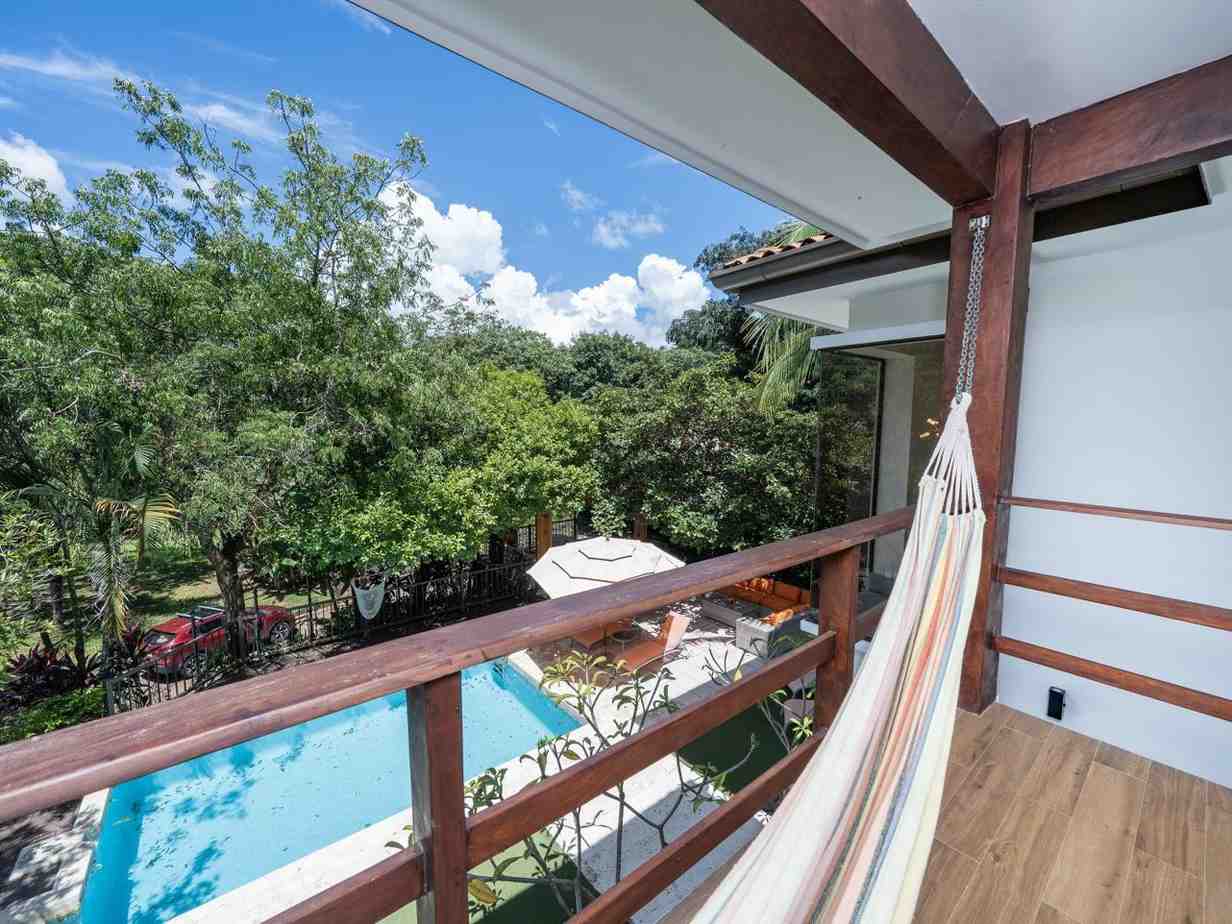
By the time they visited properties, they already understood what they were evaluating. The showings felt less like a pitch and more like field research with a knowledgeable guide. They saw properties they loved and properties that looked beautiful online but had drainage problems the listing photo couldn’t capture. Having someone with ground-level context made the difference between a good decision and a costly one. Understanding the true cost of owning luxury real estate Costa Rica properties means factoring in HOA fees, maintenance, and property management.
What a Lifecycle Partner Does That a Transactional Agent Cannot
Navigating the Legal Process Without Panic
After identifying a villa in Flamingo Beach, the legal process began, and this is where the real value of a lifecycle partner becomes clear. A qualified Costa Rican real estate attorney was engaged from a trusted network, not a referral made carelessly. The attorney reviewed the property’s title history, confirmed no liens or encumbrances, and structured ownership through a Costa Rican S.A. that would simplify future rental operations and eventual resale.
When the bank requested additional source-of-funds documentation under SUGEF regulations, the process did not stall. The team had seen this request dozens of times and helped the couple compile the right documentation in the right format. The escrow process was explained step by step. No surprises, no panic.
The Post-Closing Reality, and Why It Mattered More Than Closing Day
Closing day felt significant. Two weeks later, it felt distant. The couple was back home, the property was sitting furnished and ready, and the real question became operational: how do you turn a luxury villa in Flamingo into a performing asset from 3,000 miles away?
The answer was the same team that sold them the property. Rental management, a trusted local property manager on call, coordination of the first guest bookings, and a clear explanation of the annual reporting and tax obligations that come with owning property in Costa Rica. The post-closing relationship was not a bonus. It was the product.
Measurable Outcomes Over Five Years: Rental Income, HOA Resolution, and Peace of Mind
An Illustrative Rental Income Model for a Flamingo Beach Luxury Villa
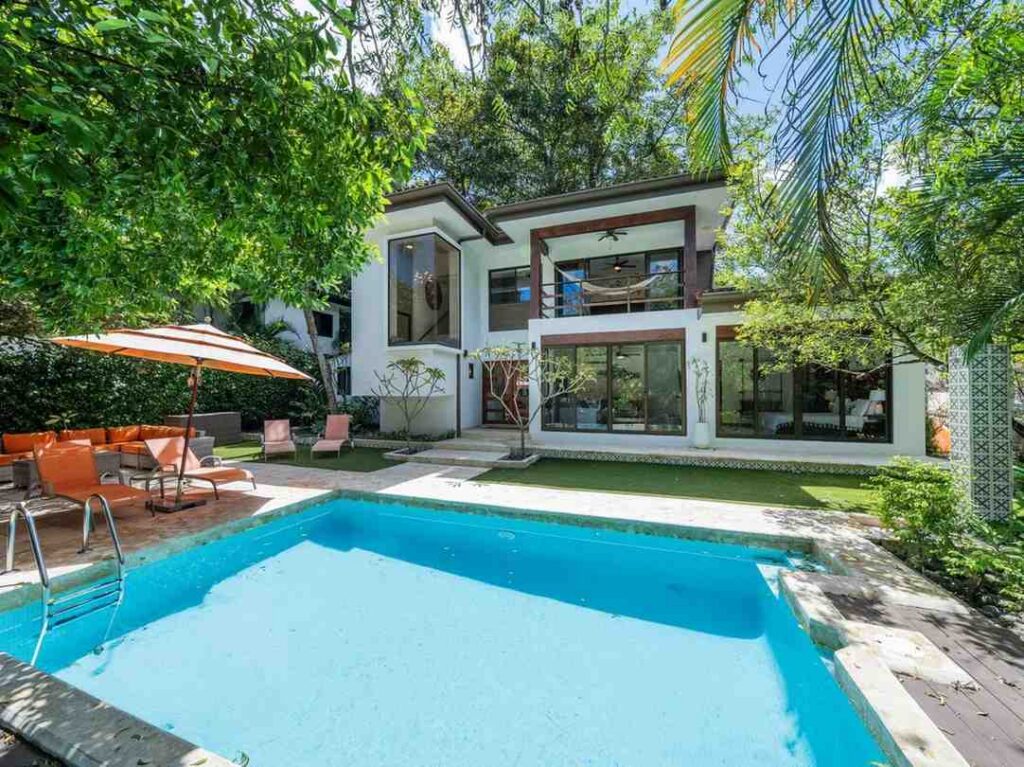
A well-managed three-bedroom villa in Flamingo, priced around $1.2M, can generate meaningful rental income under realistic operating assumptions. Here is an illustrative model based on observed market performance: The best luxury real estate Costa Rica investments combine title security, rental income potential, and long-term capital appreciation.
- High season (December through April): 14 to 16 weeks of availability, average nightly rates of $550 to $700, with 75 to 85% occupancy
- Shoulder season (May, June, November): 8 to 10 weeks, nightly rates around $400 to $500, 55 to 65% occupancy
- Low season (July through October): selective bookings at $300 to $400 per night
Under these assumptions, gross rental income can range from $65,000 to $95,000 annually before management fees, utilities, maintenance reserves, and taxes. After a full-service management fee of 20 to 25%, net operating income falls in the $45,000 to $70,000 range. That is not a guarantee. It is a planning benchmark built from observed market performance.
The variables that move this number most are management quality, property condition, and listing optimization. A poorly managed property with dated photos and slow response times will underperform. A well-maintained property with professional photography, active pricing strategy, and responsive guest communication will consistently outperform market averages.
What “Still Answering Your Calls” Looks Like in Practice
In year three, an HOA dispute emerged in the couple’s community over a proposed fee increase and a maintenance decision they disagreed with. From their perspective in another country, the situation felt opaque and slightly alarming. One call resolved it, not because problems vanish, but because having a local advocate who attends HOA meetings, knows the board members, and understands the governing documents means you are never navigating those situations alone.
That is what “still answering your calls” actually means. Not just accessibility, but active representation of your interests by someone who knows your property, your community, and your goals as well as you do.
Boutique Lifecycle Partner vs. High-Volume Brokerage: A Buyer’s Evaluation Guide
Before committing to any real estate partner for a Gold Coast purchase, use these criteria to evaluate your options.
Gold Coast Micro-Market Depth. A boutique lifecycle firm operating exclusively on the Gold Coast can tell you the specific rental history of a street in Flamingo, which HOAs have governance issues, and which developments have resale liquidity. A high-volume national or global brokerage may have local agents, but their knowledge is often spread across multiple markets and filtered through a corporate listing process. Ask how many transactions your agent has personally completed in the specific community you are considering, and ask them to walk you through comparable sales, not just listings.
Post-Purchase Services. A boutique lifecycle model builds property management, rental optimization, HOA advocacy, vendor coordination, annual compliance guidance, and resale planning into the relationship from day one. A high-volume brokerage typically ends engagement at commission. Post-closing services, if they exist at all, are outsourced or referral-based.
Legal Guidance. Neither model replaces a qualified Costa Rican attorney, and any partner who claims otherwise is a red flag. What differentiates them is the quality of the attorney network and the team’s ability to coordinate the legal process smoothly alongside your transaction.
Rental Management. Ask specifically whether the firm manages rentals directly or refers you to a third party. Direct management means accountability. A referral means you are introducing a new relationship at the moment you are most dependent on local execution.
HOA and COA Advocacy. This criterion is almost never discussed before closing and almost always matters after it. A boutique firm embedded in the community attends meetings, knows board members, and can represent your interests in disputes or governance decisions. A transactional brokerage has no mechanism for this.
Advisor Continuity. High-volume brokerages experience significant agent turnover. Ask directly: who will be your point of contact after closing, and how long have they been with the firm?
These six criteria are your filter. The answers will tell you everything you need to know.
What Luxury Real Estate on the Gold Coast Actually Costs, and What You Get for It
Price Tiers Across the Gold Coast Market
Luxury real estate in Costa Rica is genuinely competitive with comparable markets in Mexico, the Caribbean, and Mediterranean Europe, and in most cases it offers more land, more privacy, and more structural integrity for the same spend.
Entry-Level Luxury: $500K to $1M in Tamarindo and Potrero
In this range, buyers typically access two- to three-bedroom condominiums in established communities with pools, security, and managed common areas, or smaller standalone homes with ocean views but not direct beachfront access. Tamarindo and Potrero offer the most inventory at this tier.
Build quality varies significantly at this price point. Some developments are well-constructed with solid HOAs and proven rental demand. Others carry deferred maintenance that can turn a good purchase price into a costly ongoing expense. The difference is not always visible in listing photos.
Mid-Tier Estates: $1M to $3M in Flamingo, Tamarindo, and Surrounding Communities
This is the most active segment of the Gold Coast luxury market. Buyers in this range access four- to five-bedroom villas with private pools, high-quality construction, smart-home features, and genuine ocean or beachfront positioning. At $1.5M to $2.5M, you can buy properties that generate real rental income, appreciate in line with regional demand growth, and serve as legitimate second homes with minimal operational friction. This tier has seen consistent appreciation over recent years as North American demand has accelerated.
Ultra-Luxury: Flamingo Beach Estates Above $3M
Above $3M, the Gold Coast market thins but does not disappear. Flamingo anchors this segment with estate-scale properties offering direct beach access, multi-car garages, staff quarters, and custom architectural finishes that would command significantly higher prices in comparable Caribbean or Mexican resort markets. Buyers at this tier are typically paying for irreplaceability: the combination of specific location, lot size, construction quality, and privacy that cannot be assembled again at any price.
Price Drivers That Listings Don’t Explain
Beachfront vs. Ocean-View vs. Inland: Why Location Within Location Matters
The difference between “beachfront” and “ocean-view” is not just semantic on the Gold Coast. It is a price multiplier of 30 to 60% on otherwise comparable properties, and it drives meaningfully different rental demand and appreciation trajectories. Beachfront properties carry both higher acquisition costs and higher ongoing maintenance costs due to salt air exposure and coastal construction standards.
Ocean-view properties elevated on hillsides above the beach often offer better breeze, better privacy, and lower maintenance costs than their beachfront counterparts while still commanding strong rental premiums. Many of our most satisfied investor-buyers have chosen elevated ocean-view over beachfront once they understood the full ownership cost comparison.
Construction Quality, HOA Fees, and Community Infrastructure
Two properties priced at $1.2M in the same coastal community can have dramatically different ownership experiences depending on build quality and HOA health. A well-run HOA with adequate reserves, a functioning management company, and clear governing documents is a significant asset. An HOA with chronic underfunding, governance disputes, or deferred infrastructure maintenance is a liability that will not appear in the listing description.
Before making any offer in a gated community, review the HOA financial statements, ask about pending special assessments, and confirm the current monthly fee structure. This due diligence step is non-negotiable.
How the Guanacaste Real Estate Market Is Shaping 2026 Valuations
Guanacaste has absorbed a meaningful wave of demand since 2020, driven by remote work migration, post-pandemic lifestyle reassessment, and continued growth in direct flight access. That demand has pushed prices in Flamingo and Tamarindo upward over the past several years in well-located segments.
The 2026 outlook reflects continued demand from North American buyers, ongoing infrastructure investment in the region, and a constrained supply of beachfront and premier ocean-view inventory. The buyers in this market are predominantly cash purchasers with long time horizons, not leveraged speculators, which has kept the Gold Coast luxury segment notably stable.
The Hidden Costs Every Foreign Buyer Must Budget For
Taxes and Transfer Costs at Closing
Closing costs in Costa Rica are real and predictable once you understand the structure. The property transfer tax is 1.5% of the registered property value, which is often lower than the purchase price, though this gap has been narrowing as the government updates fiscal valuations. Notary and registration fees add approximately 1 to 1.5% of the declared value. Legal fees typically run 1 to 1.5% of the purchase price. Budget 3 to 4% of the total purchase price for closing-related costs to avoid surprises.
Annual Property Tax, the Luxury Home Tax, and Ongoing Ownership Fees
Annual property tax in Costa Rica is 0.25% of the registered fiscal value, which is generally low by North American or European standards. However, properties above a periodically adjusted fiscal value threshold are also subject to the luxury home tax (Impuesto Solidario), which applies on a sliding scale starting at 0.25% and rising for properties with higher declared fiscal values. This tax is often overlooked entirely in buyer planning, so confirm the current thresholds with your attorney before closing.
HOA fees vary widely by community, ranging from $300 to $1,500 per month depending on amenities, security infrastructure, and the size of common areas. Factor this as a fixed ownership cost when modeling rental returns.
Escrow, Title Insurance, and Legal Fee Expectations
Escrow in Costa Rica works similarly to the U.S. model. Funds are held with a neutral third party and released to the seller only when all agreed conditions are met and title has transferred cleanly. Escrow fees are typically 0.25 to 0.5% of the transaction amount. For foreign buyers wiring significant sums internationally, this mechanism is essential.
Title insurance is available through international providers and is recommended for transactions above $500K. The premium is modest relative to the protection it provides against post-closing title disputes. Legal fees for a straightforward purchase handled by a qualified Costa Rican attorney typically run $2,000 to $5,000 depending on transaction complexity and ownership structure.
The Legal Reality of Foreign Ownership, Demystified
Can a Foreigner Buy Property in Costa Rica?
Fee Simple Title and Equal Rights for Non-Residents
Yes, and with the same rights as a Costa Rican citizen. Costa Rica’s constitution guarantees equal property rights to foreign nationals, and the practical reality matches the legal guarantee. Non-residents purchase fee simple titled property through the same public registry as local buyers. The title is recorded in your name (or your corporation’s name) and is enforceable under Costa Rican law.
This is not a leasehold arrangement, a fractional ownership structure, or a use-right agreement. It is outright ownership with full rights to sell, rent, improve, and transfer the property.
Do You Need to Live in Costa Rica to Own Property There?
No. Ownership and residency are entirely separate questions in Costa Rica. You can own property as a non-resident tourist who visits twice a year. There is no minimum stay requirement attached to property ownership. Residency through investment is an option available to buyers who want it, but it is never required.
Legal Requirements and Process Steps for Foreign Buyers
The Role of a Costa Rican Real Estate Attorney
Every property transaction in Costa Rica is formalized through a notary public who is also a licensed attorney (notario). As a foreign buyer, you need your own independent attorney, distinct from the seller’s notary, who reviews the title, confirms the property’s legal status, verifies there are no liens or encumbrances, and advises you on ownership structure.
Skipping this step to save on legal fees is among the most expensive decisions a foreign buyer can make. We have seen transactions where buyers who used only the seller’s notary discovered, too late, that they had purchased property with an unregistered easement or an unresolved municipal debt. Your attorney is your protection layer. Spend the money.
Understanding SUGEF Regulations and Source-of-Funds Requirements
SUGEF is Costa Rica’s financial regulatory authority, and its anti-money laundering framework applies to real estate transactions. Foreign buyers should expect to provide documentation of the source of funds used for the purchase, typically including bank statements, tax returns, and a letter of explanation for the origin of the capital.
This is standard compliance practice aligned with international banking norms, not a bureaucratic obstacle designed to inconvenience foreign buyers. The key is knowing what is required before you wire funds, not after. A good legal team will prepare you in advance.
How Escrow Protects You in a Costa Rica Transaction
For foreign buyers, the escrow process creates a documented paper trail that satisfies both compliance and due diligence requirements. Your funds are protected if the transaction does not close as expected, and the escrow company verifies transaction documentation independently. It is the appropriate mechanism for every real estate purchase here, without exception.
Ownership Structures Every Buyer Should Understand Before Signing
Personal Ownership vs. Costa Rican Sociedad Anónima
You have two primary options for holding title to property in Costa Rica: personal ownership in your name, or ownership through a Costa Rican corporation (Sociedad Anónima, or S.A.).
Personal ownership is simpler administratively and carries lower annual maintenance costs. It works well for buyers who are not generating rental income and plan to hold the property long-term without complex estate considerations.
An S.A. adds a layer of liability protection, since the corporation owns the property rather than you personally. It also simplifies the transfer of ownership shares without requiring a formal title re-registration, can facilitate estate planning for foreign nationals, and is generally preferred for properties that will operate as vacation rentals. The tradeoff is an annual corporate tax filing and a modest ongoing maintenance cost.
How Your Ownership Structure Affects Taxes, Liability, and Future Exit
The choice between personal and corporate ownership has downstream effects on the luxury home tax calculation, rental income reporting, liability exposure, and how you will eventually exit the investment. Corporate ownership can allow a buyer to sell shares of the S.A. rather than the property itself, potentially simplifying the transfer process and reducing transaction costs at resale.
This is a decision your attorney should guide based on your specific tax residency, estate planning goals, and intended use of the property. Make it before the purchase contract is signed, not after.
Residency Through Investment: What the Thresholds Actually Mean
Costa Rica’s Inversionista residency category offers a pathway to legal residency for qualifying property investors. Residency provides practical benefits including local banking access and simplified long-term stay logistics. Processing times typically run 12 to 24 months, so buyers planning to spend significant time in Costa Rica should initiate the process early. Confirm current investment thresholds and qualifying conditions with a qualified Costa Rican immigration attorney, as these details are updated periodically.
Is It Safe to Invest in Costa Rica Real Estate as a Non-Resident?
Title Search, Due Diligence, and the Maritime Zone Caution
The Costa Rican public property registry (Registro Nacional) is a searchable, reliable record of title history, liens, encumbrances, and ownership chains. A qualified attorney conducting a proper title search will trace ownership back a minimum of 30 years and verify the property’s legal status against current registry records.
One area that requires specific caution is the Maritime Terrestrial Zone (ZMT). Costa Rica’s coastal law restricts private ownership of land within 200 meters of the mean high-tide line. The first 50 meters (the public zone) cannot be owned privately by anyone. The remaining 150 meters (the restricted zone) can be concession-held but not owned in fee simple. If a listing presents beachfront property as fee simple titled and it falls within the restricted zone, that is a serious legal problem. Your attorney will identify this immediately, but buyers who skip independent legal review sometimes do not discover it until after they have committed funds.
What Goes Wrong When Buyers Skip Proper Legal Guidance
The failure modes in Costa Rica real estate are well-documented and almost universally traceable to due diligence shortcuts: using the seller’s notary exclusively, skipping the independent title search, purchasing within the Maritime Zone without understanding the concession framework, or transferring funds without escrow protection.
None of these risks are exotic or unpredictable. They are known hazards with known prevention steps. The legal fees for a properly structured transaction are a fraction of a percent of the purchase price. There is no rational case for avoiding them.
Tax Implications and Ownership Structures Every Buyer Must Understand
Choosing the Right Structure Before You Sign
If you are buying primarily for personal use with occasional informal rentals, personal ownership keeps things simple. You avoid annual corporate filings and hold title in a way that is straightforward to understand and explain.
If you are buying as an investment with active vacation rental income, an S.A. is almost always the better structure. It separates your personal liability from the rental business, simplifies the operational framework for managing guest bookings and vendor contracts, and creates a cleaner path to exit. When you eventually sell, you can transfer the shares of the S.A. rather than formally re-registering the property, which reduces transaction friction and can lower transfer costs.
The decision is not permanent, but restructuring after the fact adds cost and complexity. Make it with your attorney before closing, not after.
Costa Rica Property Taxes and the Luxury Home Surcharge
Costa Rica’s base annual property tax is 0.25% of the registered fiscal value, which for most Gold Coast properties runs meaningfully below market value. That low rate is one of the genuine advantages of ownership here compared to comparable markets in the U.S. or Mexico.
The tax that catches buyers by surprise is the Impuesto Solidario, commonly called the luxury home tax. It applies to properties above a certain fiscal construction value threshold, assessed on a sliding scale. For a higher-value luxury villa, this tax can represent a meaningful annual expense depending on the registered construction value. Two things to know: the tax is assessed on declared construction value plus land, not necessarily on market value, so how your property is registered matters. It is also filed and paid annually through a process that non-resident owners often miss or mishandle. Your property management team or attorney should have this on the annual calendar.
U.S. and Canadian Tax Obligations on Foreign-Held Real Estate
Owning luxury real estate in Costa Rica does not put you outside the reach of your home country’s tax authorities. U.S. citizens and permanent residents are required to report worldwide income, including rental income from foreign properties, on their federal return. Canadian residents face similar global income reporting requirements under CRA rules.
For U.S. owners, a foreign property held in a Costa Rican S.A. may also trigger FBAR and FATCA reporting obligations if the corporation holds financial accounts above certain thresholds. These requirements are not punitive, but missing them carries significant penalties.
The practical implication: before you close on a property in Costa Rica, have a conversation with a U.S. or Canadian tax advisor who has specific experience with foreign real estate. Your Costa Rican attorney handles the in-country structure. Your home-country tax advisor ensures the structure is compatible with your reporting obligations abroad. These two professionals need to work in the same direction.
What a Thoughtful Ownership Structure Actually Protects You Against
A well-designed ownership structure does three things: it limits your personal liability exposure from rental operations, it creates a clean mechanism for estate transfer without requiring Costa Rican probate, and it positions you for an efficient exit when the time comes.
Costa Rican probate for a foreign national who holds property in their personal name is a slow, expensive process. An S.A. with properly designated share succession avoids that entirely. For buyers thinking about what happens to this asset in their estate, corporate ownership is not just a tax strategy. It is a fundamental piece of estate planning that most people only consider after they need it.
The Hidden Value After Closing: Property Management, Vacation Rentals, and HOA Advocacy
Why the Closing Table Is Where Most Brokerages Say Goodbye
The signing is done. The wire has cleared. You are officially a property owner on the Gold Coast. And for most brokerage relationships, that is where the engagement ends. The agent’s commission has been earned. There is no business model that keeps them involved in what comes next.
That gap is not a minor inconvenience. For a foreign buyer who does not live in Costa Rica, the post-closing phase is where the real complexity begins. How do you find a trustworthy property manager? Who handles the first rental booking? What do you do when the HOA sends an unexpected assessment notice in Spanish? These are not edge cases. They are routine realities of remote ownership, and they arrive whether you are prepared for them or not.
How Vacation Rental Income Works on the Gold Coast
Peak Season, Shoulder Season, and Low Season Benchmarks
The Gold Coast rental market is genuinely seasonal, and understanding the shape of that seasonality matters for financial planning. High season runs from mid-November through April, aligned with North American winter. A well-positioned three-bedroom villa in Flamingo or Tamarindo during this window can achieve strong occupancy at nightly rates between $500 and $750 depending on property quality and positioning.
Shoulder season (May, June, and November) sees occupancy ease, with rates adjusting to roughly $400 to $500 per night. The low season months of July through October present the most variability. Surf travelers and European visitors sustain some demand, but selective booking at $300 to $400 per night is a realistic expectation rather than a planning floor.
What Professional Rental Marketing Does for Your Net Yield
The difference between a well-managed rental and a poorly managed one is not primarily the property. It is the marketing, pricing strategy, and guest experience execution. Professional rental marketing means dynamic pricing that adjusts rates based on demand signals, high-quality photography updated to reflect seasonal presentation, active listing management across multiple booking platforms, and responsive guest communication that drives positive reviews.
That review accumulation is not cosmetic. A property with dozens of strong reviews on Airbnb or VRBO commands a premium over a comparable property with a thin or mixed track record. The compounding effect of good management shows up in year two and year three yields more than in year one.
After a full-service management fee of 20 to 25%, a well-performing property can generate meaningful net operating income. That return is achievable, but only with the management quality to sustain it.
Property Management in Practice: What Remote Ownership Really Requires
Remote ownership of a Costa Rican vacation property requires local infrastructure that most buyers underestimate. You need someone who responds to guest emergencies at 2 a.m., coordinates pool maintenance before each arrival, manages vendor relationships for repairs, and tracks utility payments and local compliance deadlines.
The question to ask any potential management partner is not “do you offer property management” but “who specifically is responsible for my property and how do I reach them.” A management firm with hundreds of properties under one point of contact is not the same as a team where your property has a dedicated local coordinator who knows your home, your preferences, and your guests.
HOA and COA Advocacy: The Most Stressful Gap for Foreign Owners
HOA governance issues consistently surface as the most stressful post-closing surprise for foreign owners, and they are almost never discussed before closing. Special assessments appear without warning. Fee increases get voted through at meetings you did not know were scheduled. Maintenance decisions that affect your property’s access or condition get made by a board operating in a language and legal framework that is not your own.
Without a local advocate who attends those meetings, reviews the minutes, and flags issues before they become problems, foreign owners are essentially unrepresented in the governance of their own community. That is not a theoretical risk. It is a common one.
A lifecycle partner embedded in the community provides that representation. Not because they are a legal proxy, but because they know the board, they read the governing documents, and they tell you what is happening before you need to ask.
What “Still Answering Your Calls in Year Five” Actually Means
In year five, the property you bought has a history. You have had good rental seasons and slow ones. You have navigated an HOA dispute, replaced an aging air conditioning unit, and had a guest booking go sideways in a way that required local intervention. You are now thinking about whether to reinvest in a renovation or position the property for sale.
The lifecycle partner relationship means none of those moments happened in isolation. Someone who knows your property intimately advised each decision. That context is not transferable. It is built through years of specific, ongoing engagement with your asset, your community, and your goals. No new agent found through a listing search can replicate it.
How to Find a Real Estate Partner Worth Trusting, Not Just an Agent With Listings
The Fundamental Problem With the Transactional Brokerage Model
A transactional brokerage optimizes for volume. The business generates revenue at closing, so the incentive is to move transactions efficiently and begin the next one. That model is not dishonest. It is structurally misaligned with what a foreign buyer actually needs, which is a partner whose value extends well beyond the day the deal closes.
The result is a predictable pattern: enthusiastic engagement through the purchase process, followed by a sharp drop in responsiveness once the commission clears. Foreign buyers who chose agents based on listing inventory or online presence often discover this pattern at the worst possible time, when they need local help and have no one to call.
What a Boutique, Gold Coast-Specialist Firm Offers That Volume Players Cannot
A firm that operates exclusively on the Gold Coast, has done so for nearly two decades, and structures its business around long-term client relationships offers something fundamentally different: depth over breadth.
That depth means knowing which specific streets in Tamarindo have drainage issues that photos don’t show. It means relationships with the most capable Costa Rican real estate attorneys in the region, not a generic referral list. It means a rental management operation that serves your property because it is yours, not because you are one name among hundreds on a roster.
Depth also provides honest advice. A boutique specialist has no incentive to push you toward a property that does not fit your goals. Their business model runs on referrals and long-term relationships, which only works if the client is genuinely well-served.
Questions Every Foreign Buyer Should Ask Before Signing a Buyer’s Agreement
Before you commit to a real estate partner for a Gold Coast purchase, these questions will reveal what you need to know:
- How many transactions have you personally completed in this specific community in the past three years?
- Who is my point of contact after closing, and will that person still be with the firm in year three?
- Do you manage rentals directly, or do you refer to a third party?
- Have you attended an HOA meeting in any of the communities where you are selling?
- Can you walk me through a title issue you identified during due diligence and what happened next?
- What does your engagement with a client look like 24 months after closing?
The answers to those questions reveal whether you are talking to a lifecycle partner or a listing agent.

Why Decades of On-the-Ground Market History Changes the Advice You Receive
Market history is not nostalgia. It is a data set. An agent who has been operating on the Gold Coast for nearly two decades has personally witnessed economic corrections, uneven recovery years, the infrastructure buildout, the post-2020 demand surge, and how each micro-market responded differently to each cycle.
That experience changes the quality of every piece of advice. When a long-tenured Gold Coast specialist tells you that a particular development in Potrero has consistently underperformed on resale despite strong listing prices, they are sharing something no market report captures. When they say that Flamingo beachfront property has held value through every cycle in the region, that is not a marketing claim. It is an observation with years of supporting evidence behind it.
You cannot buy that kind of insight from a listing platform. You can only access it through a relationship with someone who has been present for all of it.
An Illustrative Scenario: From First Showing to Long-Term Rental Income on the Gold Coast
Year One: Purchase, Setup, and the First Rental Season
A buyer closes on a three-bedroom ocean-view villa in Flamingo in November. The S.A. structure is in place. The property manager is already onboarded. By December 1st, the property is listed on three platforms with professional photography and a competitive pricing strategy built from current market comparables.
The first rental season runs December through April. A maintenance issue with the outdoor shower is resolved same-day by the local coordinator before a guest arrival. The HOA sends a notice in February about a proposed road improvement assessment. The lifecycle partner flags it, explains what it means, and advises whether to support it based on how it affects the property’s rental appeal and long-term condition.
By the end of the first partial season, the buyer has spoken with their local team multiple times, and none of those conversations involved a crisis.
Years Two Through Five: Optimization, Community Integration, and Exit Planning
In year two, the pricing strategy is refined based on first-season performance data. The property earns a Superhost designation based on consistent five-star reviews, and gross revenue increases meaningfully over the prior year.
In year three, the buyer begins spending several months annually at the property. The local team introduces them to neighboring property owners, a trusted doctor, and restaurants they become regulars at. The property is no longer just an investment. It is a place.
By year five, the buyer is asking a different question: is now the right time to sell, and what would a well-positioned exit look like? The lifecycle partner has been informally tracking comparable sales in the neighborhood for two years. They know the market, they know the property, and they know the buyer’s goals well enough to give an honest answer that puts the client’s outcome first, not the transaction.
Which Buyer Profile Are You?
Not every buyer starts from the same place. Here is how to match your situation to the right first conversation.
The Retirement Dreamer. You are 5 to 10 years from a full move, have a property budget between $600K and $1.5M, and want something that generates income while you are not there. Start with a micro-market orientation session to identify which Gold Coast community fits your lifestyle goals, then model rental income against carrying costs before you look at a single listing. The financial picture should come before the emotional one.
The Remote Investor. You are not planning to spend significant time in Costa Rica. You want a well-positioned luxury asset that generates net income and appreciates over a 7 to 10 year horizon. Start with a rental yield conversation focused on specific properties in Tamarindo or Flamingo, and evaluate the management infrastructure before you evaluate the property. An asset is only as good as its operations.
The Active Vacationer. You want a property available for your own use 6 to 10 weeks per year and renting the rest of the time. Your primary constraint is not financial. It is finding the right community. Start with a lifestyle fit conversation covering how each micro-market serves your specific preferences for walkability, dining, activities, and privacy. Then build the financial model around the property that fits the life you want to live there.
Conclusion: Your Gold Coast Story Starts With One Honest Conversation
What the Right Lifecycle Partner Changes About the Entire Experience
The difference between an anxious foreign buyer and a confident property owner on the Gold Coast is not legal sophistication or a higher budget. It is having a partner who knows the market, manages the complexity, and remains present through every season that follows. With the right team beside you, the legal process becomes clear, the post-closing reality becomes manageable, and the asset performs closer to its potential than it ever would without that ongoing support.
Recapping the Path: From Intimidated Researcher to Confident Owner
You started this guide at the research stage, informed enough to know the dream was possible, uncertain enough to wonder whether the risks were manageable from thousands of miles away. What this guide has walked through is the actual path: how the Gold Coast market is structured, what ownership genuinely costs, how the legal framework protects you, what tax obligations follow you home, how rental income works in practice, and what separates a lifecycle partner from a transactional agent.
None of those answers required you to be an expert. They required you to ask the right questions of the right people.
Your Next Step: A Personal Conversation With the Coastal Realty Team
There is no obligation attached to a first conversation, and there is no sales script waiting on the other end of it. What you will get is an honest assessment of whether the Gold Coast is the right market for your specific goals, which communities match your lifestyle and financial profile, and what a realistic ownership experience looks like for a buyer in your situation.
Coastal Realty has been operating on this coast since 2006. The team knows these communities the way you know your own neighborhood: the good streets and the difficult ones, the developments that deliver on their promise and the ones that fall short, the HOAs that run well and the ones that do not. That knowledge does not appear in any listing. It lives in a relationship.
Reach out when you are ready. The conversation starts wherever you are.
Frequently Asked Questions
Can a foreigner buy property in Costa Rica?
Yes, and with exactly the same rights as a Costa Rican citizen. Costa Rica’s constitution guarantees equal property rights to foreign nationals, allowing non-residents to purchase fee simple titled property through the public registry. This is outright ownership with full rights to sell, rent, improve, and transfer, not a leasehold or use-right arrangement.
What are the legal requirements for foreign property ownership in Costa Rica?
Foreign buyers must work with an independent Costa Rican real estate attorney who will conduct a title search, confirm there are no liens or encumbrances, and advise on ownership structure. All transactions are formalized through a licensed notary attorney (notario). Foreign buyers should also be prepared to provide source-of-funds documentation to comply with SUGEF anti-money laundering regulations, and using a qualified escrow company to hold funds during the transaction is strongly recommended.
How much does luxury real estate cost in Costa Rica?
On the Gold Coast of Guanacaste, entry-level luxury condominiums and smaller homes typically start around $500,000 to $1M, while the most active segment of four- to five-bedroom ocean-view or beachfront villas runs from $1M to $3M. Estate-scale beachfront properties in Flamingo Beach are available above $3M. Overall, Gold Coast luxury real estate is competitively priced relative to comparable Caribbean, Mexican, or Mediterranean markets.
Do I need to live in Costa Rica to own property there?
No. Property ownership and residency are entirely separate matters under Costa Rican law. You can own and rent a property as a non-resident who visits a few weeks per year, with no minimum stay requirement attached to ownership. Residency through investment is an available option for buyers who want it, but it is never a condition of owning property.
What are the hidden costs and taxes for real estate ownership in Costa Rica?
Beyond the purchase price, buyers should budget approximately 3 to 4% of the total purchase price for closing costs, including the 1.5% property transfer tax, notary and registration fees, and legal fees. Annual property tax is 0.25% of the registered fiscal value, which is generally modest. Higher-value properties are also subject to the Impuesto Solidario (luxury home tax), which applies on a sliding scale and is often overlooked in buyer planning. HOA fees range from $300 to $1,500 per month depending on community, and U.S. and Canadian owners must also account for home-country income reporting obligations on rental earnings.
Is it safe to invest in Costa Rica real estate as a non-resident?
Yes, when buyers follow the proper due diligence process. Costa Rica’s public property registry provides a reliable record of ownership history, liens, and encumbrances. The most important step is engaging an independent Costa Rican real estate attorney to conduct a thorough title search and verify the property’s legal status, including whether it falls within the restricted Maritime Terrestrial Zone. Buyers who shortcut independent legal review and escrow protection are the ones who encounter serious problems. Those who follow the established process consistently complete safe, well-structured transactions.
How do property management and rental income work in Costa Rica?
Vacation rental management Costa Rica style involves local coordinators who handle guest communication, maintenance coordination, platform listing management, and on-the-ground emergencies. A full-service management company typically charges 20 to 25% of gross rental revenue. On the Gold Coast, a well-managed three-bedroom luxury villa can generate meaningful gross rental income annually, driven primarily by the November through April high season. Net returns depend heavily on management quality, property condition, and the consistency of the guest experience, so evaluating the management infrastructure is just as important as evaluating the property itself.