
Real Estate in Costa Rica for Expats: A Practical Guide from Coastal Realty
Note: All prices and ranges in this article are indicative as of 2026. Specific values depend on each property’s age, view, condition, and exact location. For current listings and verified pricing, reach out to Coastal Realty directly.
Two years in, you stop calling it Costa Rica and start calling it home. That shift has very little to do with paperwork — and almost everything to do with the property you’re standing in. Expat real estate in Costa Rica isn’t transactional the way US buying is; it’s the foundation on which an entirely different life gets built.
More North American expats—especially from the US and Canada—are buying real estate in Costa Rica for expats than at any point in recent memory. The reasons vary but tend to overlap: remote work flexibility that no longer ties people to expensive metros, investment potential in a market where coastal property values are increasing (particularly in prime areas like Guanacaste and the Nicoya Peninsula), and a genuine desire for a different kind of life. The real estate market in Costa Rica has seen significant growth in recent years, driven by foreign investment and a strong demand for vacation rentals, particularly in tourist areas.
This article is a straightforward, boots-on-the-ground guide from Coastal Realty, a boutique brokerage based in Playas del Coco since 2006. We wrote it specifically for serious foreign buyers researching Costa Rica real estate—not tourists looking for a beach day. You will find answers to the questions that actually matter: whether foreigners can buy property here, how the purchase process works, which regions expats prefer, realistic budgets and ongoing costs, tax considerations, and how property management and rental income fit into the picture.
Can Foreigners Really Buy Real Estate in Costa Rica?
Foreigners have the same property rights as Costa Rican citizens, allowing them to purchase property without needing to be residents. This is not a workaround or a special program—it is the law. In Costa Rica, properties often possess a fee simple title, granting absolute ownership, and transactions are overseen by a notary public to ensure legal compliance. You can hold property in your own name, enjoy full ownership rights, and sell whenever you choose.
The narrow exception involves the Maritime Zone. The first 200 meters from the high-tide line in coastal areas of Costa Rica are restricted, with the first 50 meters being public and the next 150 meters classified as concession land leased from the government. Beachfront properties in that concession zone cannot be privately owned in the traditional sense, though long-term leases are sometimes available. For most buyers looking at Costa Rica properties a short walk from the sand, this restriction does not apply. A qualified attorney will verify exactly where a property falls before you commit.
Most expats buy properties in Costa Rica through a corporation or limited liability company for management purposes, though this is not a legal requirement. Forming a Sociedad Anónima or SRL can simplify estate planning and offer some liability protection, but it adds annual maintenance costs. Buying in your personal name works fine for many people. Costa Rica’s investor visa requires a minimum investment of $150,000 in real estate, providing a pathway to residency for foreign buyers—but you are not required to obtain residency just to own land here.
Real Estate in Costa Rica for Expats: How the Buying Process Works
Imagine visiting Guanacaste in January, falling for a townhome in Playas del Coco by March, and holding the keys by May. That timeline is realistic when documents are clean and both parties are motivated. The process of purchasing property in Costa Rica typically involves signing an agreement of sale, completing a due diligence period, and paying a deposit of around 10% of the purchase price.
The sequence usually unfolds like this: you work with a buyer’s agent to identify properties that fit your criteria, make a verbal offer, then formalize it with an Offer to Purchase. During the due diligence period—typically fifteen to thirty days—your attorney conducts a title search in the National Registry, confirms boundaries and survey plans, checks for liens or annotations, and reviews HOA rules if you are buying into a condo or gated community. There is no central Multiple Listing Service (MLS) in Costa Rica, leading to multiple agents listing the same property at different prices, which makes working with a knowledgeable local agent even more important.
Closing occurs before a notary public who authenticates the public deed and registers it with the National Registry. Foreign buyers often use escrow accounts and power of attorney to close remotely if they cannot be present. Closing costs in Costa Rica generally range between 6% and 8% of the property value, covering transfer taxes, stamp duties, notary fees, and registry fees. Coastal Realty coordinates with trusted attorneys to keep the process as stress free as possible.
Where Expats Buy: Key Regions and Lifestyles
Picture two mornings: one where you watch the Pacific swallow the sun over Tamarindo, the air dry and warm; another in Escazú, where mist rolls through the coffee-green hills and you grab a light jacket before heading to brunch. Different microclimates, different lifestyles, different kinds of expats.
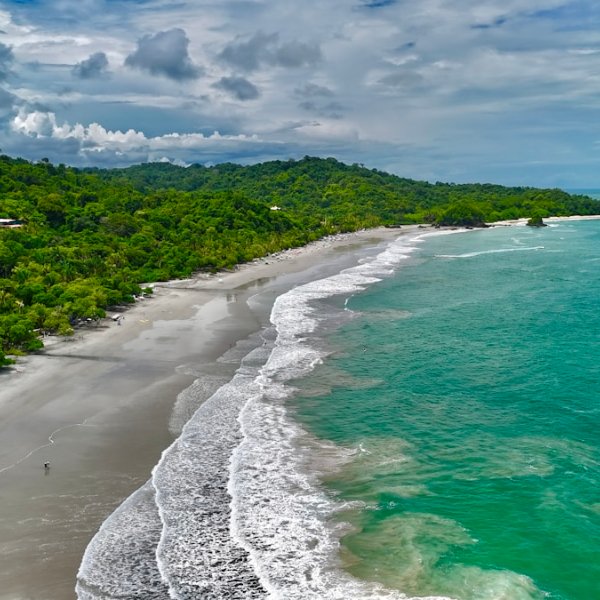
Costa Rica’s North and Central Pacific coasts draw the lion’s share of foreign buyers, especially the Gold Coast stretch that includes Playas del Coco, Playa Hermosa, Playa Ocotal, Tamarindo, Flamingo, and Potrero. Guanacaste is popular for high-end luxury and wellness communities, as well as international schools. The Tamarindo real estate market is characterized by consistent foreign investment, leading to significant increases in property values and a strong demand for vacation rentals, ensuring high occupancy rates for investors. Tamarindo, Costa Rica, is home to a large and supportive expatriate community, with around 1,500 expats living there year-round, swelling to approximately 5,000 during peak tourist season. Tamarindo offers a variety of modern amenities for expats, including supermarkets, healthcare facilities, and recreational activities, ensuring a comfortable living experience. Tamarindo’s real estate market offers a diverse range of properties, catering to various preferences and budgets, including beachfront properties and gated community homes.
The Southern Zone—Dominical, Uvita, Ojochal—appeals to buyers wanting more jungle, waterfalls, and smaller communities. Trade-offs include steeper hillsides, more rain, and longer drives to major airports. Urban areas like the Central Valley provide good amenities and proximity to the airport, making them desirable for many buyers. Escazú, Santa Ana, Atenas, and Heredia offer cooler temperatures, city conveniences, and shorter commutes to San José, often favored by full-time professionals and families. Coastal Realty’s local focus on Guanacaste’s Gold Coast means we know this region street by street—and the short flights via Guanacaste International Airport, English-speaking services, and established expat communities make it especially accessible for North American buyers.
What Kinds of Properties Expats Actually Buy
Three typical Coastal Realty buyers: a remote worker couple looking for a two-bedroom condo with reliable internet and a pool, a semi-retired family wanting a three-bedroom home in a gated community with space for visiting grandchildren, and an investor assembling a small vacation rental portfolio near the beach. Each has different priorities, but all are looking for Costa Rica expat living that matches their reality.
Condos and townhomes dominate beach towns like Playas del Coco and Tamarindo. In Costa Rica, popular types of properties include beachfront condos, luxurious villas, homes in gated communities, and development parcels. Gated communities in Costa Rica are a top choice for investors and retirees due to the security and shared amenities they provide. HOA fees cover pools, security, and common-area maintenance, making these properties ideal for lock-and-leave owners who visit several times a year. Costa Rica’s real estate market features eco-friendly developments, condos, and homes in gated communities as some of the most in-demand property types.
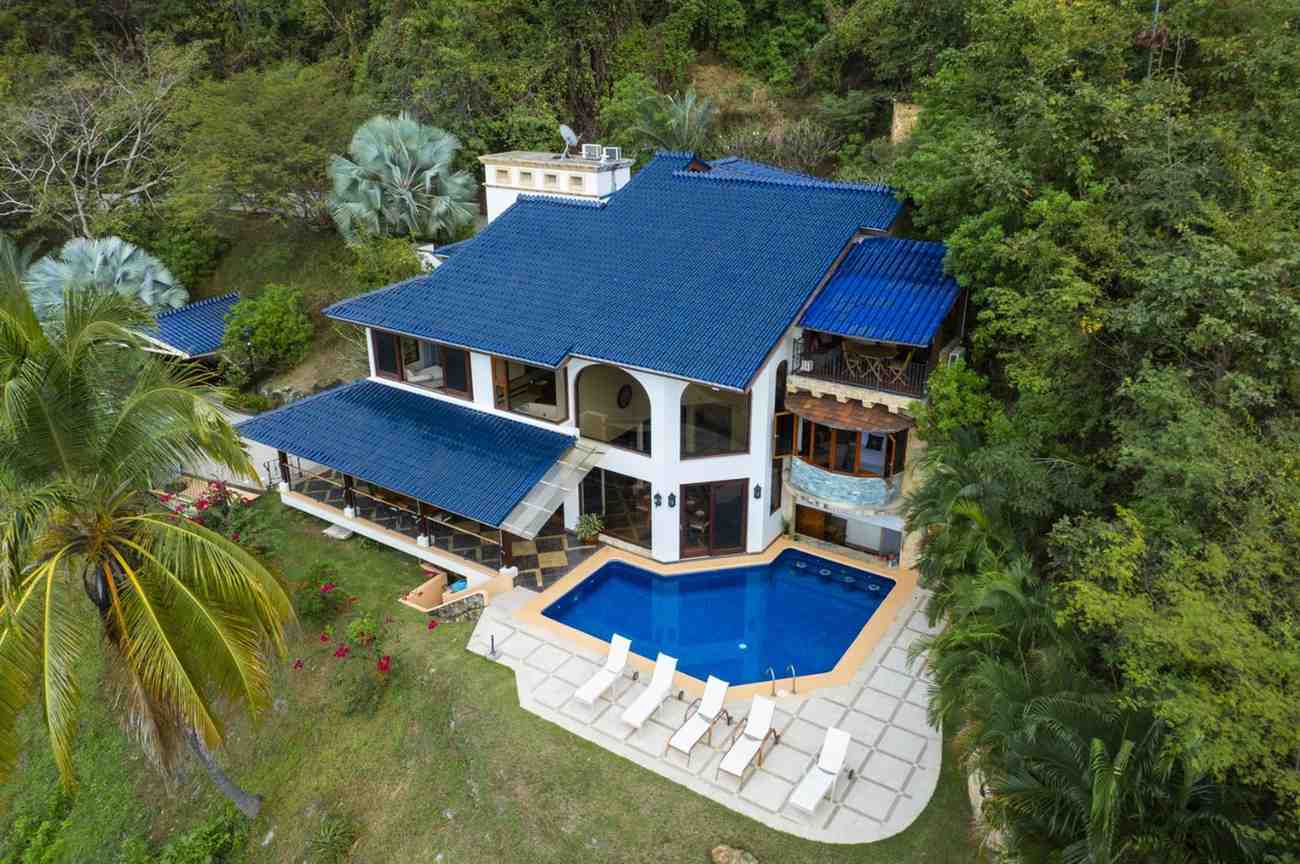
Stand-alone homes and villas offer more privacy, outdoor living space, and the potential for private pools and gardens. Common layouts include single-level three-bedroom, three-bathroom homes on lots ranging from 1,000 to 5,000 square meters—popular with retirees who want space without stairs. Residential lots and development land appeal to buyers who want to build custom. Key considerations include access roads, utilities, and building restrictions. Expect six to twelve months for permits and feasibility studies. Some expats explore mixed-use or commercial properties—small hotels, B&Bs, retail spaces—but operating a business adds licensing complexity that goes beyond simple property ownership.
Budgets, Financing, and Ongoing Costs
Compare your current mortgage and property tax bill in a US city to what ownership might look like for a condo near Guanacaste’s beaches. Many buyers find that their total monthly costs drop significantly, even with HOA fees and utilities factored in. Costa Rica’s real estate prices are generally higher than those in Panama, with prime locations like Guanacaste and the Central Valley being particularly in demand among investors, but they remain accessible compared to comparable US coastal markets.
Budget ranges in coastal Guanacaste vary widely. Modest one- and two-bedroom condos start in the low $200,000s, while larger homes in gated communities range from $400,000 to $800,000. Luxury beachfront villas and estates can exceed $1 million. Many foreign buyers in Costa Rica prefer to purchase properties using cash due to challenges in obtaining mortgages for non-residents. Local bank financing exists but typically requires larger down payments, shorter terms, and higher interest rates. Developer or private financing is occasionally available.
Property taxes in Costa Rica are low, averaging roughly 0.25% of the registered value—far less than most US states. HOA fees range from $200 to $600 monthly depending on the community. Electricity can spike if you run air conditioning heavily. Budget for optional services like gardeners and housekeepers at $20 to $30 per day. Homeowner’s insurance covering fire and liability runs $800 to $2,000 annually, with earthquake and flood coverage recommended for coastal properties.
Taxes, Legal Considerations, and Staying Compliant
Buying property in Costa Rica for expats means thinking about two tax systems at once—Costa Rica’s and your home country’s. The goal is to avoid surprises after closing.
Costa Rica’s main property-related taxes include the transfer tax at purchase (roughly 1.5%), annual property tax at that 0.25% rate, and capital gains tax that can apply when selling. Legal residents who sell a primary residence may qualify for exemptions. The 13% VAT on construction labor and services adds to renovation or new build budgets, so always request tax-inclusive quotes.
Cross-border considerations matter. Rental income from Costa Rican property is taxable locally and must be reported in the US or Canada. Consult a home-country tax advisor familiar with foreign real estate. A Costa Rican attorney handles title verification, corporation setup if needed, and ongoing compliance with evolving regulations. Coastal Realty connects you with vetted legal professionals who understand expat needs.
Living as an Expat: Everyday Life on Costa Rica’s Gold Coast
A typical weekday in Playas del Coco: early morning walk on the beach while pelicans skim the water, a few hours of remote work from a shaded terrace, then sunset at a local restaurant where Ticos and expats share tables and stories. The lifestyle in Tamarindo and surrounding areas promotes the pura vida ethos, which emphasizes a relaxed and fulfilling way of life, making it an ideal place for those seeking a slower pace. That pura vida lifestyle is not a slogan—it is how people actually move through their days.
The social fabric here includes established expat communities that blend with local culture. Basic Spanish helps, but you can function in English at most shops, clinics, and restaurants. Healthcare access includes clinics in Liberia and private hospitals in San José about an hour away. Families find international schools in Guanacaste, and grocery shopping ranges from local ferias with fresh produce to modern supermarkets stocked with familiar brands.
Trade-offs exist. Rainy season runs roughly May through November. Power outages happen occasionally. Bureaucratic processes move at their own pace. Patience and flexibility are not optional—they are part of the deal. But for buyers who understand that, the rewards outweigh the inconveniences.
Short- and Long-Term Rentals: Turning Your Property into an Investment
Consider a buyer who uses their condo for eight to ten weeks a year and rents it professionally the rest of the time. They cover their costs, build equity, and still enjoy their own beach getaway. This is how lifestyle and investment blend for many Costa Rica expat owners.
The vacation rental market in coastal Guanacaste peaks from December through April, with shoulder seasons attracting longer-stay digital nomads. The rental market in Costa Rica for vacation rentals has gross yields averaging around 7.8%, though results depend heavily on location, property type, and management quality. The demand for vacation rentals in Costa Rica is particularly strong in tourist areas, leading to high occupancy rates and lucrative returns for property owners who utilize management services. In Costa Rica, both local and foreign property owners can engage in short-term rentals, but local regulations regarding vacation rentals can vary significantly by region.
As of 2026, a stricter 12.75% withholding tax on short-term rental income through platforms like Airbnb will be enforced—one more reason to work with professional management that handles compliance. Property management services in Costa Rica often include marketing vacation rentals, managing bookings, and providing ongoing maintenance and care for properties. HOA rules may set minimum stay requirements or noise policies that affect your rental strategy.
How Coastal Realty Helps You Buy, Own, and Enjoy Property Here
Working with a boutique team feels different from dealing with a large franchise like Coldwell Banker or RE/MAX. At Coastal Realty, you work with names and faces you will know for years—not a rotating cast of agents. We have been in Playas del Coco since 2006, and our relationships with attorneys, inspectors, and builders run deep.
For buyers, we tailor the property search to your actual priorities, offer video tours for remote clients, and give honest assessments of each neighborhood’s own unique charm and drawbacks. For sellers and investor owners, we provide professional listing strategies, realistic pricing advice grounded in local comps, and marketing that reaches qualified international buyers. Our property management services handle maintenance, staff oversight, accounting, and on-the-ground problem solving so you can live abroad or visit periodically without stress. Finding your dream property or managing your perfect home in a country you love should not feel like a second job.
Ready to Explore Real Estate in Costa Rica for Expats?
Picture yourself on that terrace again—the sun dipping toward the Gulf, ice clinking in your glass, the decision behind you. Not a rushed purchase, not a gamble. An informed decision made with clarity and confidence.
Costa Rica offers solid property rights for foreigners, accessible purchasing processes, diverse regions to suit different lifestyles, and both lifestyle and investment potential when you approach it with open eyes. Whether you dream of pristine beaches, majestic mountains, or a community that balances modern comforts with Central America’s natural beauty, the search starts with honest information.
When you’re ready to move on real estate in Costa Rica for expats, reach out to Coastal Realty. We can discuss budgets, neighborhoods around Playas del Coco and greater Guanacaste, property types that fit your plans, and whether buying in Costa Rica actually makes sense for your life. The first conversation costs nothing, and we would rather help you decide this is not for you than push you toward a property that does not fit. That is how we have done business since 2006, and it is how we plan to keep doing it.