
Where on Earth Is Nicoya? Geography, Provinces, and the Lay of the Land — Nicoya Costa Rica
The Nicoya Peninsula stretches roughly 130 kilometers along Costa Rica’s Pacific coast, a long finger of land pointing southeast into the Pacific Ocean. Most people hear “Nicoya” and picture beaches, and they’re not wrong. But the geography here is more layered than the postcard images suggest, and those layers carry real consequences for property buyers.
The Peninsula vs. the Canton: A Distinction That Matters for Buyers
“Nicoya” refers to two different things, and confusing them is an easy mistake with expensive implications. The Nicoya Peninsula is a geographic feature, the large landmass that juts into the Pacific between the Gulf of Nicoya and the open ocean. Nicoya Canton, by contrast, is an administrative municipality centered on the inland town of Nicoya, which sits near the base of the peninsula in Guanacaste Province.
When a real estate listing says a property is “in Nicoya,” it almost certainly means the canton, not a coastal address. When wellness researchers refer to Nicoya as a Blue Zone, they’re describing the demographic patterns observed across a broader cultural region. For buyers, this distinction matters because municipal services, property registrations, local governance, and zoning all flow through cantonal and provincial structures, not geographic features.
Guanacaste vs. Puntarenas: How Provincial Boundaries Shape Your Purchase
The peninsula straddles two provinces. The northern and central sections fall under Guanacaste, home to the famous Gold Coast beach towns, including Tamarindo, Nosara, Sámara, Playa Carrillo, and Playa Flamingo. The southern tip, including Montezuma, Santa Teresa, and the Cabo Blanco Absolute Natural Reserve, falls under Puntarenas Province.
This boundary isn’t just administrative trivia. Property taxes, municipal regulations, zoning codes, and infrastructure investment priorities differ between the two provinces. A buyer purchasing in Nosara operates under different cantonal rules than one buying in Santa Teresa, even though both properties might sit on similar-looking beachfront hillsides. Working with a local attorney and real estate advisor who understands both provincial contexts is not optional. It’s the baseline.
Key Subregions at a Glance: From the Gold Coast to the Southern Tip — Nicoya Costa Rica
The peninsula breaks naturally into three buyer-relevant zones.
The Gold Coast, covering northern Guanacaste, includes Tamarindo, Flamingo, Conchal, Nosara, and Sámara. This zone offers the highest infrastructure development, the strongest established rental markets, premium price points, and the most international buyer presence.
The Central Corridor, encompassing Playa Carrillo, Hojancha, and the quieter towns between Sámara and the southern boundary, presents emerging values, less tourism saturation, and genuine upside for buyers who get there early.
The Southern Tip, under Puntarenas Province, covers Montezuma, Santa Teresa, and Malpaís near the Cabo Blanco Absolute Natural Reserve. This zone features high-energy surf and wellness culture, a younger buyer demographic, strong short-term rental demand, and a slightly more complex access story.
When considering nicoya costa rica, each zone has a distinct character, a distinct buyer profile, and distinct risk-reward dynamics, all covered in depth throughout this guide.
Gateway Access: How the Caldera Highway and Ferry Routes Connect the Peninsula to the World
Getting to the Nicoya Peninsula used to be the deterrent that kept it from going mainstream. That has changed. The Caldera Highway (Route 27) now connects San José to the Pacific coast in under two hours, and the Puntarenas ferry crossing to Paquera opens the southern peninsula to anyone arriving by car from the capital. The Liberia International Airport (LIR), roughly 90 minutes from Tamarindo in high season, handles direct flights from major U.S. and Canadian hubs, making the Gold Coast genuinely accessible for North American second-home buyers without a San José layover.
For the southern peninsula, the ferry remains the most practical option from the mainland, though road connections via the Friendship Bridge route have improved. This access infrastructure isn’t just a convenience story. It’s a demand driver. Properties within 45 minutes of LIR consistently outperform on short-term rental occupancy because they’re easier for guests to reach.
—
The Blue Zone Effect: How Nicoya’s Longevity Reputation Translates Into Real Estate Demand
Most guides lead with the wellness narrative and leave it there. That’s useful for a travel magazine and less useful for a buyer trying to understand whether this market has structural demand or just good PR. The honest answer is that it has both, and separating them is how you invest wisely.
What the Blue Zone Designation Actually Means for Buyers — Nicoya Costa Rica
Researcher Dan Buettner identified five global regions where people live measurably longer and healthier lives. Nicoya, Costa Rica became one of them based on documented demographic data showing that the peninsula’s male population reaches age 90 at rates that significantly exceed the global norm. The proposed drivers include diet, physical activity, strong social networks, a sense of purpose, and low chronic stress.
What the Blue Zone label does for real estate is create a self-reinforcing demand cycle. The designation generates media coverage. Media coverage attracts wellness tourists. Wellness tourists become lifestyle buyers. Lifestyle buyers generate rental demand. Rental demand attracts investors. Each wave of attention, whether a Netflix documentary, a New York Times feature, or a trending wellness podcast, restarts the cycle at a higher baseline.
How Longevity Tourism Is Reshaping Buyer Demographics and Rental Guest Profiles
The buyer demographic on the Nicoya Peninsula has shifted noticeably over the past decade. Where early foreign buyers were primarily surfers and adventure travelers seeking affordable coastal land, today’s inquiry pool includes a significant cohort of health-conscious retirees and pre-retirees from the U.S., Canada, and Western Europe who are explicitly drawn by the Blue Zone narrative.
This matters for rental strategy. A property marketed to wellness travelers commands different pricing, requires different amenities such as an outdoor shower, yoga deck, or proximity to organic markets, and attracts guests with longer average stay lengths than a surf-focused rental. Average stay length directly affects your net operating costs. Fewer turnovers means lower cleaning and management overhead per occupied week.
The Demand Thesis: Why Mainstream Attention on Nicoya Is Still in Its Early Innings
Here is the honest market read after nearly two decades of watching this peninsula develop: the international discovery curve for Nicoya is real, but it remains early relative to comparable coastal markets in Mexico, Bali, or the Portuguese Algarve. Tamarindo is often compared to what Tulum looked like fifteen years ago. Nosara draws comparisons to what Tulum looks like today. The southern peninsula still has entry points that would have been impossible to find in those markets once mainstream attention arrived.
For those researching nicoya costa rica, the structural drivers, including the Blue Zone media cycle, growing Liberia airport capacity, improving road infrastructure, and Costa Rica’s political stability and property rights clarity, are not speculative. They are documented trends. The question isn’t whether Nicoya will attract more international buyers. It’s whether you enter before or after that wave crests.
—
The Foreign Buyer’s Entry Checklist: Eight Steps from First Research to Closed Deal — Nicoya Costa Rica
Use this as your working framework from initial interest to title transfer.
- Define your use case first. Are you buying primarily for personal use, rental income, or appreciation? Your answer should drive subregion selection, property type, and budget allocation.
- Research subregions before properties. Spend time understanding Gold Coast vs. Central Corridor vs. Southern Tip dynamics before falling in love with a specific listing.
- Engage a local real estate advisor early. The Nicoya market is not well-served by remote research. Local expertise surfaces off-market deals and flags issues that don’t appear in listings.
- Hire a Costa Rican attorney before signing anything. Your attorney handles title search, due diligence, and closing. This is not a step to defer.
- Verify title through the National Registry (Registro Nacional). Confirm the property is fee-simple titled, free of liens, and outside the Maritime Zone, or has a valid concession if it isn’t.
- Confirm zoning and permitted use. What a seller says a property can be used for and what municipal zoning actually permits are sometimes different things.
- Structure your purchase correctly. Most foreign buyers purchase through a Costa Rican S.A. (corporation) for liability management and future transfer efficiency. Discuss this structure with your attorney before closing.
- Plan for closing costs in your budget. Expect transfer tax (1.5%), legal fees (1 to 1.5%), and registration fees to add approximately 3 to 4% to your purchase price.
—
Natural Wonders, Daily Life, and the Pura Vida Lifestyle Foreign Buyers Are Actually Buying Into
Beaches, Biodiversity, and the Natural Setting: Playa Carrillo, Cabo Blanco, and Curu National Wildlife Refuge
Playa Carrillo sits at the southern end of a double-bay system with Sámara to the north, and it consistently ranks among Costa Rica’s most beautiful beaches precisely because it hasn’t been overdeveloped. The palm-lined crescent is calm, clean, and backed by a quiet fishing village, the kind of beach that makes buyers stop rationalizing and start making offers.
The Cabo Blanco Absolute Natural Reserve, at the peninsula’s southern tip, was Costa Rica’s first protected area. It’s dense primary forest meeting rocky Pacific coastline, with howler monkeys, white-faced capuchins, and nesting seabirds. The Curu National Wildlife Refuge, on the Gulf of Nicoya side, offers crocodiles, deer, and scarlet macaws within walking distance of calm swimming beaches. These aren’t distant day trips. They’re the backdrop of daily life for peninsula residents.

What a Typical Week Looks Like for a Resident or Long-Stay Owner — Nicoya Costa Rica
Monday might start with a sunrise surf check at a beach that’s a four-minute drive from your house, followed by an açaí bowl at the local soda before heading to a coworking space with reliable fiber internet. Wednesday involves the farmers market, where your produce comes from growers you know by name. Thursday afternoon is a snorkel trip to a nearby reef that most tourists never find. Saturday is a barbecue with a mix of Costa Rican neighbors and fellow expats from six different countries.
The rhythm is unhurried without being unproductive. It’s a lifestyle that attracts a specific kind of buyer, one who has worked hard enough to be intentional about what comes next.
Climate, Seasons, and How Each Affects Rental Income
The Nicoya Peninsula runs on a clear two-season cycle. Dry season, roughly December through April, delivers consistent sunshine, offshore winds, and the peak rental period when North American and European visitors arrive to escape winter. Green season, May through November, brings afternoon rain, lush vegetation, lower prices, and the quieter pace that many long-stay residents actually prefer.
When to Visit Before You Commit to Buying
Visit during both seasons before you commit. Dry season shows you the market at its most appealing and gives you the best read on rental activity. A green season visit shows you what daily life actually looks like when the tourist crowds thin, and reveals which communities have enough local infrastructure to sustain a comfortable year-round lifestyle without depending entirely on seasonal visitors.
How Seasonal Demand Shapes Vacation Rental Pricing Strategies — Nicoya Costa Rica
Peak season nightly rates in established markets like Nosara and Tamarindo can run two to three times green season rates for comparable properties. Effective revenue management means pricing dynamically across that spread rather than setting a flat annual rate. Properties with year-round appeal, whether through proximity to surf breaks, wellness amenities, or reliable rental management that keeps the listing visible in search rankings, maintain stronger green season occupancy than properties that depend purely on the sunshine effect.
—
Cost of Living in Nicoya, Costa Rica: A Realistic Financial Snapshot for Prospective Owners
Monthly Budget Benchmarks: What Life Actually Costs
Among the options for nicoya costa rica, a couple living comfortably on the peninsula, eating well, covering utilities, transportation, health insurance, and occasional dining out, can realistically budget $2,500 to $3,500 per month. That range assumes a modest rental or owned home, not a luxury villa. Add $500 to $800 for those who want private health insurance, regular international travel, or a higher dining-out frequency, and you’re still well below comparable comfort levels in most U.S. coastal markets.
Groceries run roughly 30 to 40% cheaper than U.S. prices for local produce, proteins, and staples. Imported goods and name-brand products cost more. Eating at a local soda costs $5 to $8 for a full meal. A restaurant dinner for two at a mid-range expat spot runs $30 to $50 with drinks.
Healthcare, Schools, and Infrastructure: Quality-of-Life Realities for Residents and Part-Time Owners — Nicoya Costa Rica
Public vs. Private Healthcare Access on the Peninsula
Costa Rica’s public healthcare system, known as CAJA, is available to legal residents and is genuinely functional, not a last resort. Legal residents pay into the system based on income and receive access to clinics, hospitals, and specialist care. For the Nicoya Peninsula specifically, the nearest full public hospital is in Nicoya town for Guanacaste-side residents and Puntarenas city for those on the southern peninsula.
Most full-time expat residents supplement CAJA access with private insurance, which runs $100 to $300 per month depending on age and coverage level. Private clinics in Tamarindo and Nosara handle routine care well. For complex procedures or surgery, San José private hospitals, a three-to-four-hour drive away, offer quality comparable to mid-tier U.S. facilities at a fraction of the price.
Schooling Options for Expat Families
Bilingual private schools operate in Tamarindo, Nosara, and Sámara, with tuition typically ranging from $4,000 to $8,000 per year, a fraction of comparable private school costs in North America. Instruction is in Spanish and English, which many expat parents view as an advantage rather than a compromise. Families relocating to quieter subregions should assess school proximity carefully, as the school network does not extend evenly across the peninsula.
Roads, Internet, and Utilities: An Honest Infrastructure Assessment by Subregion — Nicoya Costa Rica
The Gold Coast has seen the most infrastructure investment. Nosara and Tamarindo both have fiber internet options that support remote work reliably. Roads into established communities are paved or well-maintained gravel, and utilities are stable in developed areas.
The story changes as you move into the Central Corridor or less-developed pockets of the southern tip. Some roads remain unpaved and require four-wheel drive in green season. Electricity outages are more frequent in outlying areas. Internet connectivity in rural micro-zones can still be satellite-dependent. None of this is a dealbreaker, but it’s information a buyer needs before falling in love with a hillside lot that costs half of what a comparable Gold Coast property would.
What the Cost of Living Means for Your Property Strategy: Owner-Occupier vs. Investor Calculus
For owner-occupiers, the low cost of living is the headline: your dollar stretches further here than almost anywhere else with comparable natural beauty and political stability. The financial case is about lifestyle quality per dollar spent, not yield optimization.
For investors operating primarily from abroad, the calculus shifts. Low local operating costs are a genuine advantage. Property management fees, maintenance labor, cleaning crews, and landscaping all cost materially less than in North American markets. That cost structure expands your net operating margin on rental income and makes the yield math more attractive than headline property prices alone suggest.
—
Can Foreigners Legally Buy Property in Nicoya? What Costa Rican Law Actually Says
Freehold Ownership Rights for Foreign Nationals: The Legal Foundation in Plain Language — Nicoya Costa Rica
As part of exploring nicoya costa rica, costa Rica’s constitution grants foreign nationals the same freehold property ownership rights as citizens. There is no requirement to form a joint venture with a local partner, no foreign ownership cap, and no mandatory waiting period tied to residency status. A U.S., Canadian, or European buyer can purchase titled property in their own name or through a legal entity on the same terms as a Costa Rican national.
This is not a given across the region. Many competing markets impose foreign ownership restrictions that complicate title transfer, limit the percentage of a property a foreigner can hold, or require local partnership structures that add legal risk. Costa Rica eliminated those complications decades ago, which is one structural reason the country has attracted consistent international buyer interest.
Title Verification, the National Registry, and Why Due Diligence Is Non-Negotiable
Every titled property in Costa Rica is registered with the Registro Nacional, the country’s centralized property registry. A title search through the Registry confirms ownership, identifies any liens or encumbrances, and verifies the property boundaries against the cadastral map. This search is the foundation of every legitimate due diligence process.
The critical word is “titled.” Not all land on the Nicoya Peninsula carries clean fee-simple title. Squatter occupation claims, boundary disputes, and informal transactions that were never properly registered create title defects that can surface years after a purchase. An experienced local attorney, not a general-practice lawyer operating remotely, should conduct this search and provide a written legal opinion before you transfer any funds.
Maritime Zone Land and Concession Properties: The Critical Distinction Every Beachfront Buyer Must Understand
Costa Rica’s Maritime Zone Law (Law 6043) defines the first 200 meters measured from the high-tide line as a protected public zone. The first 50 meters are entirely public and cannot be privately owned by anyone. The next 150 meters, known as the Restricted Zone, can be occupied only through a concession granted by the relevant municipality, not through fee-simple title.
This matters enormously for beachfront buyers. A property advertised as “beachfront” may sit entirely within the Maritime Zone, which means you’re acquiring a concession interest, a government-granted right to occupy and use the land, not ownership in the traditional sense. Concessions can be transferred, but they require municipal approval, carry renewal requirements, and cannot be held by foreigners who don’t hold Costa Rican residency. A Costa Rican corporation can hold a concession even if its shareholders are foreign nationals, which is the most common ownership structure for these properties.
Properties titled above the Maritime Zone, set back on a hillside or a few hundred meters from the water, carry clean fee-simple title with no concession complications. Know which you’re buying before you make an offer.
Property Taxes and Ongoing Ownership Costs: A Transparent Breakdown for Foreign Buyers — Nicoya Costa Rica
Annual Property Tax Rates and How Assessments Work
Costa Rica’s annual property tax is assessed at 0.25% of the registered property value. The registered value is typically set by the municipality based on declared values, and historically, registered values have run below market values, which keeps effective annual tax burdens low. A property with a $500,000 market value might carry a registered value of $300,000 and an annual tax bill of $750.
Property owners are required to update their declarations every five years. The gap between registered and market values has been narrowing as municipal assessments improve, but the tax burden remains one of the most favorable aspects of Costa Rica property ownership compared to North American alternatives.
Transfer Taxes, Legal Fees, and Closing Costs to Budget For
If you’re looking into nicoya costa rica, buyers should budget approximately 3.5 to 4% of the purchase price for total closing costs. The components break down roughly as follows.
- Transfer tax (Impuesto de Traspaso): 1.5% of the registered property value
- Legal fees: typically 1 to 1.5% of the transaction value, negotiated with your attorney
- National Registry stamps and notary fees: 0.5 to 0.75%
- Additional property transfer fees vary slightly by municipality
Costa Rica closing costs are relatively transparent and modest. There are no surprise state or county transfer taxes layered on top of the national structure.
HOA Fees, Maintenance Reserves, and Community Cost Structures — Nicoya Costa Rica
Gated communities and condominium developments on the peninsula carry HOA fees ranging from $200 to $600 per month depending on amenities, security staffing, pool and common area maintenance, and road upkeep. Luxury communities with 24-hour security, multiple pools, and manicured grounds sit at the higher end of that range.
Standalone properties outside managed communities have no HOA obligation, but smart owners build a maintenance reserve, typically 1 to 1.5% of property value annually, to cover the inevitable. Tropical humidity is hard on paint, roofing, and mechanical systems, and owners who neglect maintenance reserves find that deferred repairs erode rental appeal faster than they would in a temperate climate.
—
What Do Homes Actually Cost in Nicoya? A Market Overview Grounded in Ground-Level Experience
Price ranges on the Nicoya Peninsula span a wider band than most buyers expect, and where you land within that band depends almost entirely on subregion, property type, and proximity to the coast. Here is what the market actually looks like at ground level.
Entry-Level to Luxury: Price Ranges by Property Type Across the Peninsula
The most accessible entry point on the peninsula is a modest inland home or small lot in the Central Corridor, where titled land parcels start around $50,000 to $80,000 and modest residences with rental potential begin in the $150,000 to $200,000 range. These aren’t luxury plays, but they are legitimate footholds in a market with structural appreciation drivers.
Move toward established beach communities and the numbers shift quickly. A two-bedroom house within walking distance of the water in Sámara or Nosara starts around $250,000 to $350,000. A well-finished three-bedroom villa with a pool, the workhorse of the vacation rental market, runs $400,000 to $700,000 depending on location, finishes, and lot size. Oceanview or beachfront properties in Tamarindo, Flamingo, or premium Nosara compounds clear $800,000 readily, and trophy properties with direct beach access or panoramic Pacific views routinely exceed $1.5 million.
Condominiums in managed developments offer a different entry point. Between $180,000 and $350,000 buys a one- or two-bedroom unit in a gated community with shared amenities, professional management infrastructure already in place, and a lower maintenance burden than a standalone villa. For buyers who want rental income without the operational complexity of managing an independent property, this segment often makes the most practical sense.
What 18-Plus Years on the Gold Coast Have Taught Us About Price Trends and Appreciation — Nicoya Costa Rica
The clearest pattern over nearly two decades is this: the markets that appreciated most reliably were not the ones that were already famous when buyers arrived. They were the ones just behind the discovery wave. Tamarindo was an affordable surf town in the early 2000s. Nosara was an insider’s secret as recently as 2015. Both markets saw appreciation that compounded meaningfully for buyers who entered before mainstream visibility arrived.
Understanding nicoya costa rica means appreciation in Nicoya, Costa Rica is not uniform. Properties in well-managed communities with strong rental track records appreciate faster than comparable standalone properties with no rental history. Properties in areas with improving road access appreciate faster than those where access remains a friction point. And properties where title was clean at purchase transfer more easily and at better prices than those with unresolved Maritime Zone or boundary issues.
The buyers who have done best here were not speculators timing a short cycle. They were buyers who matched a clear use case to a subregion, bought well-titled property with rental infrastructure in place, and held through the green seasons and the slow years with a local management partner keeping the asset performing. Patience, combined with proper positioning at entry, is what generates the outcomes worth talking about.
Rental Yield Benchmarks by Property Type: Illustrative Models for Vacation Rental Income Potential
Gross rental yields in established Nicoya Peninsula markets range from approximately 6% to 12% annually, with the spread determined by property type, management quality, and subregion. These are illustrative ranges based on market observation, not projections.
A three-bedroom villa in Nosara purchased for $550,000, listed at $350 to $450 per night in peak season and $200 to $250 in green season, with 65 to 75% annual occupancy under active management, can generate $55,000 to $75,000 in gross annual revenue. After management fees (typically 20 to 30% of gross), cleaning, maintenance, HOA fees, and property tax, net operating income lands in the $35,000 to $50,000 range. That’s a net yield of roughly 6 to 9% on the purchase price, before accounting for appreciation.
A condominium unit purchased for $220,000 in a managed Sámara development, with lower nightly rates but also lower operating overhead, might generate $25,000 to $35,000 gross, netting $15,000 to $22,000 after expenses. The yield percentage is comparable, with significantly lower capital at risk and less management complexity.
Properties without rental history, poor professional photography, weak listing optimization, or inconsistent guest communication consistently underperform these benchmarks. The property is not doing the work. The management is.
Honest Risk Assessment: When Nicoya Underperforms Relative to Buyer Expectations
Several scenarios reliably produce disappointing outcomes, and buyers deserve to hear them plainly before they commit.
Buyers who purchase based on a developer’s projected rental income rather than verified comparable performance in the same subregion frequently find reality runs meaningfully below projection. Developer pro formas are optimistic by design. Ask for rental history from comparable properties under professional management, not estimates.
Properties in subregions with access friction, including unpaved roads that become impassable in green season, unreliable utilities, or no nearby medical or grocery infrastructure, struggle to maintain year-round occupancy regardless of natural beauty. Location quality for rental guests is not the same as location quality for a buyer who fell in love with a view.
The topic of nicoya costa rica covers finally, buyers who self-manage from abroad almost always underperform relative to buyers using professional local management. The operational demands of a vacation rental, including guest vetting, turnover coordination, maintenance response, listing optimization, and dynamic pricing, require daily attention and local presence. The math on saving a management fee rarely survives contact with the reality of a self-managed property running at low occupancy.
—
Choosing Your Subregion: A Buyer-Profile Comparison Across Key Nicoya Areas — Nicoya Costa Rica
Subregion selection is the decision that determines everything else. The right property in the wrong subregion for your use case produces frustration. The right subregion with clear-eyed expectations produces results.
Tamarindo and the Gold Coast: High Visibility, Established Rental Infrastructure, Premium Entry Costs
Tamarindo is the peninsula’s most internationally recognizable address, which is both its greatest asset and its most honest limitation. The rental market is mature, guest expectations are calibrated to a global standard, and the management infrastructure to serve those guests is fully developed. Entry costs reflect all of that. You are buying into a proven market, and you are paying for the proof.
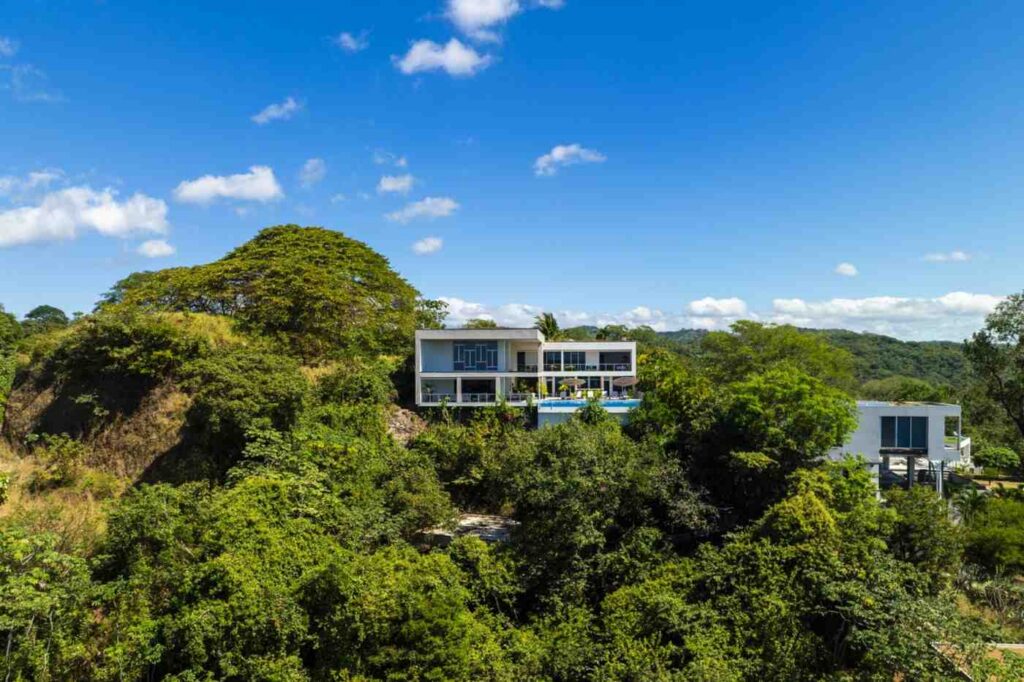
The buyer who belongs in Tamarindo wants reliable occupancy, established services including restaurants, medical care, international schools, and airport proximity, and a property they can walk into generating income from day one. This is not a high-upside discovery play. It’s a stable, performing asset in a market where the discovery already happened.
Nosara and Sámara: Wellness-Oriented Markets with Distinct Buyer Profiles and Yield Dynamics
Nosara has become the peninsula’s wellness capital, with a concentration of yoga studios, organic cafes, surf schools, and health-conscious visitors that has reshaped its buyer demographic entirely. Properties here attract longer-stay guests, command premium nightly rates relative to purchase price, and benefit from a brand identity that self-selects for high-quality renters.
Sámara draws a different profile: more family-oriented, slightly more budget-conscious visitors, and a growing expat resident community that values the quiet over the scene. Properties in Sámara carry lower entry costs than Nosara with yields that remain respectable. The gap between these two adjacent markets is narrowing as Sámara’s infrastructure catches up.
Montezuma and Santa Teresa: High-Energy Southern Markets with Different Risk-Reward Profiles — Nicoya Costa Rica
Santa Teresa and Montezuma operate on a different register. The buyer demographic skews younger, the rental guest profile leans toward surf culture and adventure travel, and the energy of both towns reflects that orientation. Peak season occupancy in Santa Teresa is strong, driven by an international surf and wellness community that has made it genuinely well-known in its niche.
The access story remains more complicated than the Gold Coast. Ferry crossing dependence and longer drive times from Liberia airport are real frictions for some guest segments. Buyers who understand and accept those constraints enter a market with meaningful upside, particularly in the corridor from Sámara toward Santa Teresa, where some of the peninsula’s best-priced oceanview land still trades at values that feel disconnected from the natural setting.
Playa Carrillo and the Quieter Corridor: Emerging Value and the Case for Getting There Early
Playa Carrillo and the surrounding corridor between Sámara and the southern boundary represent the closest thing this peninsula has to an early-stage opportunity in an already-discovered country. Infrastructure is improving. The beach itself is genuinely beautiful. Rental demand is building as travelers who are priced out of Nosara or looking for a quieter alternative discover the area.
When it comes to nicoya costa rica, entry costs here are still materially lower than comparable properties one hour north. The buyers who arrive before the next wave of visibility will look back on their timing the way Nosara buyers from 2012 look back on theirs.
How to Match Your Buyer Profile to the Right Subregion
Three questions determine your subregion. First: what is your primary use case? Personal use with occasional rental, full rental investment, or full relocation? Second: what is your tolerance for access friction, infrastructure variability, and slower-developing rental markets? Third: what is your time horizon? A five-year hold requires different positioning than a fifteen-year lifestyle asset.
- Primary use, personal enjoyment, all amenities nearby: Tamarindo or Nosara
- Rental income optimized, wellness guest profile, longer stays: Nosara
- Lower entry cost, quieter lifestyle, growing market: Sámara or Playa Carrillo
- Surf culture, younger demographic, higher-risk and higher-upside: Santa Teresa
- Discovery play with the longest runway: the Central Corridor and Playa Carrillo
—
Residency Pathways and How to Make Your Move to Nicoya Official — Nicoya Costa Rica
Property ownership and legal residency are separate tracks in Costa Rica. You can own titled property here as a foreign national without residency. But if you plan to spend significant time on the peninsula, working toward residency gives you CAJA healthcare access, simplifies banking compliance, and removes the 90-day tourist stamp cycle that otherwise governs your stays.
ARCR Residency Categories Explained: Pensionado, Rentista, and Investor Options
Costa Rica’s residency framework offers three pathways most relevant to foreign buyers.
The Pensionado category requires proof of a lifetime pension income of at least $1,000 per month from a recognized source. Social Security qualifies, as do corporate pensions. This is the most common pathway for retirees relocating to the peninsula.
The Rentista category requires proof of a guaranteed income source of at least $2,500 per month for a minimum of two years, typically demonstrated through a bank deposit or investment account. Income doesn’t need to come from employment.
The Investor category requires a minimum investment in a Costa Rica-based enterprise or property. Qualifying investments include titled real estate, though the application process involves demonstrating that the investment meets the threshold and is registered correctly. An immigration attorney familiar with the process is essential, because documentation requirements are specific and the threshold can shift over time.
SUGEF Regulations and What They Mean for Moving Money Into Costa Rica
SUGEF, Costa Rica’s financial regulatory authority, imposes anti-money-laundering compliance requirements on bank accounts and wire transfers. For foreign buyers, this means opening a local bank account requires documentation of income source, and wire transfers above certain thresholds trigger reporting requirements. None of this is prohibitive, but buyers who arrive expecting to wire funds and open accounts without preparation will hit delays.
The practical solution is to engage a local attorney and a banking contact before you transfer funds. Have your source-of-funds documentation ready and expect the account opening process to take two to six weeks. Wire transfers for property purchases flow through the closing process under attorney supervision, which provides the documentation trail that satisfies compliance requirements.
How Owning Property Relates to, and Differs From, Establishing Legal Residency — Nicoya Costa Rica
Regarding nicoya costa rica, owning property in Costa Rica does not automatically grant or accelerate residency. The Investor pathway creates a connection, but the property must meet value thresholds and be structured correctly for the application. Many property owners spend years as tourists before initiating formal residency applications, which is legal but creates friction over time.
The decision to pursue residency is separate from the decision to buy property, and the two should be planned in parallel with legal counsel guiding both tracks. Your real estate attorney handles the property transaction. Your immigration attorney handles the residency application. In a boutique local firm, these relationships are often connected, which streamlines the coordination considerably.
What a Smooth Relocation Timeline Actually Looks Like
The buyers who relocate most smoothly share a common pattern. They visited at least twice before committing, they started their legal and banking groundwork before their purchase closed, and they gave themselves 12 to 18 months from initial research to the day they moved. The ones who compressed that timeline encountered solvable but stressful problems at each step.
The peninsula is genuinely welcoming to foreign residents. The local expat community is established, the services that support relocation exist, and the lifestyle delivers on its promise. The friction is almost always bureaucratic and logistical, not cultural. A local partner who has walked this path with dozens of clients before you can compress the learning curve significantly.
—
Managing Your Nicoya Property from Abroad: The Full-Service Solution to the Absentee Owner’s Biggest Challenge
The Real Operational Challenge: Why Most Overseas Owners Struggle Without a Local Partner — Nicoya Costa Rica
Most overseas owners underestimate what it takes to keep a vacation rental performing from 3,000 miles away. A guest arrives to find the pool green. A pipe leaks and sits unaddressed for a week because the owner is asleep in a different time zone. A scathing review posts before anyone realizes what happened. These are not edge cases. They are the predictable outcome of absentee ownership without a professional local presence.
The real problem isn’t any single operational failure. It’s the compound effect of small failures on review scores, occupancy rates, and the asset’s long-term market position. A poor guest experience one week can cost months of reputation repair.
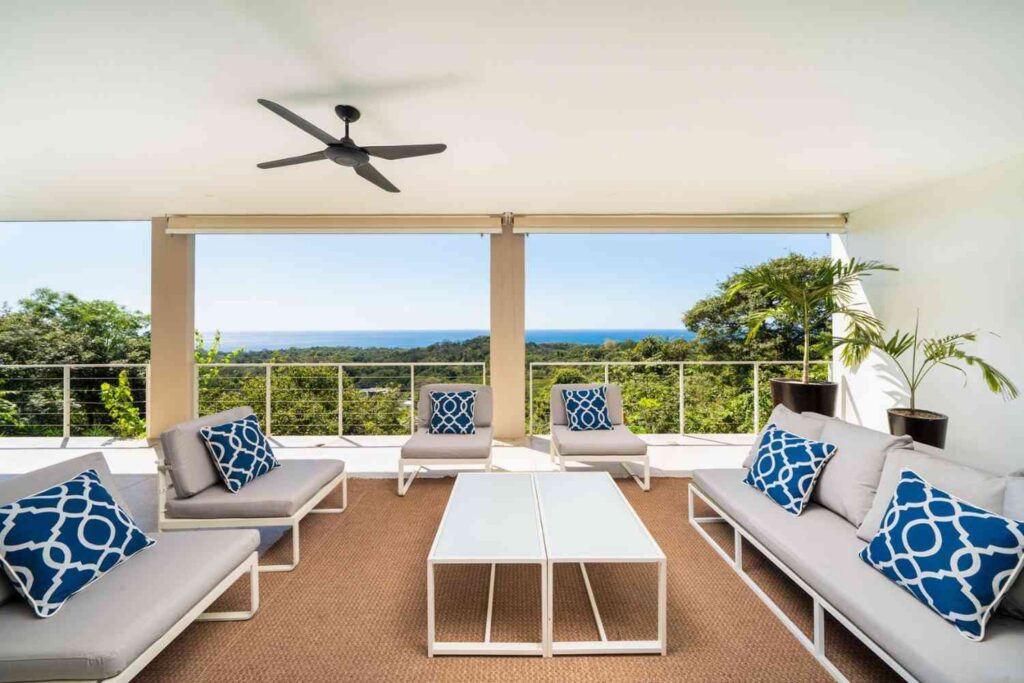
What Full-Service Property Lifecycle Management Actually Covers on the Peninsula
Full-service property management on the Nicoya Peninsula covers far more than guest coordination. The scope includes:
- Pre-arrival inspections and property readiness checks
- 24/7 guest communication and on-site support during stays
- Professional turnover cleaning and linen management
- Routine maintenance coordination with vetted local contractors
- Preventive maintenance scheduling for pool, HVAC, and plumbing systems
- Financial reporting and owner disbursements on a regular cycle
- Local bill payment for utilities, HOA fees, and property tax
- Representation at HOA meetings and community governance
For owners who will spend more time away from their property than in it, this is not a luxury service. It’s the infrastructure that makes the investment work.
Vacation Rental Marketing, Guest Vetting, and Revenue Optimization: How Hands-Off Ownership Works in Practice
Listing optimization on platforms like Airbnb and VRBO is an active, ongoing discipline, not a one-time setup. Algorithms reward properties with high response rates, strong review velocity, and competitive pricing. Professional management means your property stays visible through active listing management, not passive hosting.
In the context of nicoya costa rica, dynamic pricing matters here as much as in any yield-sensitive market. A flat annual rate leaves money on the table in peak season and loses bookings in shoulder season. Active revenue management adjusts nightly rates against real-time demand signals, local event calendars, and competitor pricing. The difference between a well-managed and a passively managed property in the same building can translate to a significant gap in annual gross revenue.
Guest vetting is the underrated side of the equation. Clear booking policies, minimum stay requirements calibrated to your operating cost structure, and pre-arrival screening reduce the probability of the high-damage, low-review guests that define horror stories from self-managed owners.
HOA Oversight, Maintenance Coordination, and Long-Term Asset Protection from a Distance — Nicoya Costa Rica
For properties in managed communities, HOA oversight is a specific and ongoing responsibility. Community meetings happen. Assessment disputes arise. Maintenance requests to the HOA need follow-up. Without a local representative who knows your property and attends to these interactions, issues drift.
Deferred maintenance is the slow erosion of a tropical property’s value. A professional property manager running a preventive maintenance schedule catches the cracked grout before it becomes water damage, the pool chemistry before it becomes a guest complaint, and the roof flashing before it becomes a leak. These interventions cost hundreds of dollars. Ignoring them costs thousands, and in peak season, costs bookings you can never recover.
—
Key Takeaways: What Every Foreign Buyer Should Know Before Entering the Nicoya Market
- Property prices range from $150,000 for modest inland homes to $1.5 million-plus for premium beachfront, with the $400,000 to $700,000 range representing the core vacation rental market.
- Gross rental yields of 6% to 12% are achievable with professional management, the right property type, and realistic occupancy expectations. Net yields of 6% to 9% are realistic in established subregions.
- Foreigners hold the same freehold ownership rights as Costa Rican nationals, but Maritime Zone properties require concession structures, not fee-simple title.
- Property ownership and legal residency are separate processes. Plan both with appropriate legal counsel and build 12 to 18 months into your relocation timeline.
- Subregion selection is the most consequential decision you will make. Match your buyer profile, use case, and risk tolerance to the right area before you fall in love with a specific listing.
- Professional property management is not optional for absentee owners who want their investment to perform. The operational complexity of a vacation rental requires daily local attention that remote owners cannot provide.
- The Nicoya market rewards patience and proper entry positioning. The buyers who do best here buy well-titled, well-managed properties in subregions ahead of the discovery curve, and hold.
—
Conclusion: Nicoya Is More Than a Place People Forget to Die. It Is Where Smart Investors Are Quietly Building Wealth.
The Investment Thesis: Lifestyle Appeal, Legal Clarity, and a Market Still Ahead of Mainstream Demand
The case for Nicoya, Costa Rica rests on a convergence that is genuinely unusual in international real estate. You have a legally accessible market with freehold ownership rights for foreign nationals, a cost structure that expands net operating margins relative to comparable North American markets, a Blue Zone-driven demand cycle that keeps renewing itself with each wave of mainstream media attention, and a peninsula-wide discovery curve that still has meaningful runway before it catches up to comparably beautiful coastal markets around the world.
The legal clarity separates Nicoya from markets where foreign ownership involves structural risk. The lifestyle quality separates it from markets that offer yield without livability. And the combination of institutional-grade demand drivers with a still-early-innings buyer audience creates the window that disciplined investors recognize and act on.
Why Local Expertise From a Boutique Firm With Deep Peninsula Roots Changes the Ownership Experience
The difference between a pleasant transaction and a genuinely successful investment on the Nicoya Peninsula almost always comes down to local knowledge applied at the right moment. Knowing which subregion is ahead of the discovery curve before the listings reflect it. Recognizing a title issue before it becomes a closing obstacle. Identifying the maintenance risk that doesn’t show up in a weekend walkthrough. Understanding which rental management strategies work in Nosara and which ones don’t apply in Sámara.
A boutique firm with 18-plus years of peninsula experience is not offering a generic real estate service. It’s offering the accumulated pattern recognition of hundreds of transactions, thousands of guest stays, and a network of local relationships, including attorneys, contractors, municipal contacts, and community leaders, that takes decades to build and cannot be replicated by someone arriving with a license and a laptop.
Your Next Step: Start the Conversation With Coastal Realty and Property Management
If this guide has moved you from curiosity to serious consideration, the right next step is a direct conversation. Not a contact form into a void. A real conversation with people who have been on this peninsula longer than most of its current listings have existed, and who will tell you honestly whether the property you’re considering is the right fit for your goals.
Coastal Realty and Property Management works with buyers at every stage, from the first exploratory call to the post-closing management of a performing rental asset. Reach out and tell us what you’re looking for. We’ll tell you what’s actually available, what it’s likely to cost, and whether it makes sense for you. That’s how we’ve worked for eighteen years, and it’s why our clients keep coming back.
—
Frequently Asked Questions
What is the average cost of real estate in Nicoya, Costa Rica?
Property prices on the Nicoya Peninsula span a wide range depending on subregion, property type, and proximity to the coast. Modest inland homes and small titled lots in the Central Corridor start around $150,000 to $200,000, while three-bedroom villas with pools in established beach communities like Nosara or Sámara typically run $400,000 to $700,000. Premium oceanview and beachfront properties in top Gold Coast locations regularly exceed $1.5 million. Condominiums in managed developments offer an accessible mid-range entry point between $180,000 and $350,000.
What are typical rental yields and ROI for vacation rentals on the Nicoya Peninsula?
Gross rental yields in established Nicoya Peninsula markets generally range from 6% to 12% annually, depending on property type, subregion, and the quality of management. A well-managed three-bedroom villa in a market like Nosara can generate strong gross annual revenue, with net yields of approximately 6 to 9% after management fees, cleaning, maintenance, HOA fees, and property tax. Properties with professional management, optimized listings, and dynamic pricing consistently outperform those managed passively or remotely.
How do foreigners legally purchase and own property in Nicoya, Costa Rica?
Costa Rica’s constitution grants foreign nationals the same freehold property ownership rights as citizens, with no joint-venture requirements, ownership caps, or residency prerequisites for purchasing titled land. The process involves engaging a Costa Rican attorney, conducting a title search through the Registro Nacional, verifying zoning and permitted use, and structuring the purchase, often through a Costa Rican corporation. The one critical distinction is Maritime Zone property, which requires a concession structure rather than fee-simple title and has specific rules for foreign holders.
What is the cost of living in Nicoya, Costa Rica compared to North America?
A couple living comfortably on the Nicoya Peninsula, covering housing, utilities, groceries, transportation, and health insurance, can typically budget $2,500 to $3,500 per month, well below the cost of a comparable lifestyle in most U.S. or Canadian coastal markets. Local produce and dining at traditional sodas are significantly cheaper than North American equivalents, though imported goods cost more. Adding private health insurance and occasional international travel brings the budget to roughly $3,000 to $4,300 per month, still highly competitive against North American alternatives.
Which neighborhoods in Nicoya offer the best investment returns?
Nosara currently leads on rental yield relative to purchase price, driven by its wellness-oriented guest profile, longer average stays, and premium nightly rates. Tamarindo offers stable, proven returns with lower upside given its mature market position. Sámara presents a compelling combination of lower entry costs and improving rental demand. For buyers with a longer time horizon and higher tolerance for an emerging market, Playa Carrillo and the Central Corridor offer entry-level pricing in areas where infrastructure and visibility are steadily improving, much as Nosara did a decade ago.
What are the property taxes and ongoing ownership costs for foreign buyers in Nicoya?
Costa Rica’s annual property tax is assessed at 0.25% of the registered property value, which historically runs below market value, making effective annual tax bills very low by North American standards. Buyers should budget 3.5 to 4% of the purchase price for closing costs, including the 1.5% transfer tax, legal fees of 1 to 1.5%, and registry and notary fees. Ongoing costs for properties in managed communities include HOA fees of $200 to $600 per month. Standalone property owners should set aside a maintenance reserve of roughly 1 to 1.5% of property value annually to account for the demands of a tropical climate.
How reliable is property management and vacation rental income in Nicoya?
Vacation rental income on the Nicoya Peninsula is reliable when paired with professional local management, but highly variable without it. Properties under active management with optimized listings, dynamic pricing, and consistent guest communication routinely outperform passively managed or self-managed properties in the same subregion. The operational demands of a vacation rental, including guest vetting, turnover coordination, maintenance response, and listing visibility, require daily local attention. For absentee owners, partnering with an experienced local property management firm is the single most important factor in determining whether a rental investment performs as expected.