
What Is the Nicoya Blue Zone? How One Peninsula Changed the Science of Aging
Dan Buettner, National Geographic, and the Discovery That Put Nicoya on the Map — Nicoya Blue Zone
A journalist, a demographer, and a remote Costa Rican peninsula walked into a research project and rewrote what scientists thought they knew about human aging. In 2004, writer Dan Buettner partnered with National Geographic and demographer Michel Poulain to investigate a striking statistical anomaly: why were so many people in the Nicoya Peninsula living well past 90 and 100, and why were they doing it in such apparently good health?
What Buettner and Poulain found wasn’t a fluke in the data. It was a convergence of diet, environment, social structure, and purpose so consistent that it demanded a name. Buettner called these pockets of exceptional longevity “Blue Zones,” a term borrowed from the blue ink Poulain used to circle the regions on his research maps. Nicoya became one of the original five Blue Zones identified, and the only one in Latin America.
Why Nicoya Qualifies as Latin America’s Largest Blue Zone
The Nicoya Peninsula stretches roughly 130 kilometers along Costa Rica’s Pacific coast in the province of Guanacaste. The Blue Zone designation isn’t based on a single health metric but on a cluster of measurable outcomes: unusually high rates of reaching age 90 and beyond, low rates of chronic disease among the elderly, and strong functional health well into old age.
Researchers focused particularly on men in the region. Nicoyan males over 60 have one of the highest probabilities in the world of surviving to age 90. That finding, published in peer-reviewed demographic research, set Nicoya apart not just as a travel curiosity but as a legitimate subject of geroscience, the study of how and why organisms age.
How Nicoya Compares to the Other Blue Zones Globally
The five original Blue Zones are Sardinia (Italy), Okinawa (Japan), Loma Linda (California), Ikaria (Greece), and Nicoya. A sixth, Singapore, has been added in more recent Blue Zones research. Each region demonstrates exceptional longevity, but each arrives there through different cultural and environmental pathways.
What Makes Nicoya Distinct from Okinawa, Sardinia, and Loma Linda
Okinawa’s longevity is tied closely to plant-based eating, caloric restraint, and the concept of “ikigai,” a sense of purpose. Sardinia’s is linked to genetics, mountain terrain that demands physical activity, and tight multigenerational households. Loma Linda’s is largely explained by the Seventh-day Adventist community’s faith-based dietary and lifestyle practices.
Nicoya shares threads with all of them, including a plant-forward diet, strong faith communities, and daily physical movement. But it adds something the others don’t have in quite the same combination: mineral-rich drinking water drawn from limestone aquifers, a warm coastal climate that supports year-round outdoor living, and a deeply rooted cultural philosophy called “pura vida” that functions as a genuine stress-reduction practice rather than a bumper sticker.
Is Costa Rica Considered a Blue Zone? — Nicoya Blue Zone
Technically, the Blue Zone designation applies to the Nicoya Peninsula specifically, not to Costa Rica as a whole. Costa Rica does rank exceptionally well on global happiness and life satisfaction indices, having placed first on the Happy Planet Index multiple times. But the longevity data that defines a Blue Zone is concentrated in Nicoya’s older, more traditional communities rather than distributed evenly across the country.
—
The Nicoya Blue Zone at a Glance: 7 Defining Longevity Factors
When considering nicoya blue zone, here is a clear reference for anyone researching what makes this peninsula genuinely different.
1. Exceptional Centenarian Rates. Nicoyan men over 60 have among the world’s highest probabilities of surviving to age 90. The data comes from peer-reviewed demographic studies, not wellness marketing.
2. Mineral-Rich Drinking Water. Nicoya’s water is drawn from limestone aquifers high in calcium and magnesium. Research links this to stronger bones, better cardiovascular health, and lower rates of hip fracture among the elderly.
3. The Traditional “Three Sisters” Diet. The core of the Nicoyan diet is maize tortillas, black beans, and tropical squash (ayote). This combination delivers complete protein, complex carbohydrates, and sustained energy with minimal processed food.
4. Plan de Vida (Reason to Live). Nicoyan elders consistently articulate a clear sense of purpose, caring for family, tending land, contributing to community. Psychological research identifies this as one of the strongest predictors of healthy aging.
5. Daily Natural Movement. Physical activity here isn’t scheduled. It’s built into walking to neighbors’ homes, tending small gardens, and living in a landscape that invites gentle, consistent movement every day.
6. Strong Social and Faith Networks. Multigenerational households and active participation in Catholic faith communities reduce isolation, one of the most damaging factors for aging health.
7. Warm, Low-Stress Climate. The Guanacaste dry tropics offer over 300 sunny days per year with cooling coastal breezes. Outdoor living is not a seasonal luxury but a daily default, reinforcing nearly every other factor on this list.
—
The Science Behind the Centuries: Why Nicoyans Live So Long
Centenarian Statistics and What the Life Expectancy Data Actually Shows
The numbers that anchor the Nicoya Blue Zone story come primarily from peer-reviewed demographic research published in academic journals. Studies found that a 60-year-old Nicoyan man has a greater chance of reaching 90 than in almost any other studied population, including Japan. The data controls for income and healthcare access, which means the advantage isn’t explained by wealth or medical infrastructure. Nicoya is a relatively rural, modest-income region.
For those researching nicoya blue zone, what stands out beyond raw survival rates is the quality of that longevity. Nicoyan centenarians tend to remain mobile, socially engaged, and cognitively sharp into very old age. That distinction matters. Living longer while healthy is a fundamentally different outcome than living longer with increasing disability.

The Biological Advantages: Mineral-Rich Water, Bone Density, and Heart Health
Calcium, Magnesium, and What Nicoya’s Drinking Water Has to Do With Longevity — Nicoya Blue Zone
The Nicoya Peninsula sits on a geological formation that filters groundwater through calcium- and magnesium-rich limestone. Residents who have consumed this water throughout their lives show measurably higher bone density than comparable populations in other parts of Costa Rica. Calcium supports skeletal integrity, and magnesium plays a role in cardiovascular function and blood pressure regulation.
Researchers believe this combination partially explains why elderly Nicoyans experience lower rates of hip fracture and osteoporosis, conditions that often mark the beginning of rapid health decline in older adults elsewhere.
Lower Rates of Cardiovascular Disease and Cancer Among Nicoyan Elders
Studies comparing Nicoyan elders to Costa Ricans living outside the peninsula found significantly lower mortality from heart disease and certain cancers. The working hypothesis connects this to the combined effect of diet, water quality, physical activity, and social cohesion. No single factor explains it alone, which is precisely what makes Nicoya scientifically interesting. It’s a system, not a supplement.
Plan de Vida: The Psychological Driver Behind Healthy Aging
Ask a Nicoyan elder why they get up in the morning, and they’ll tell you with specificity. There’s the grandson to help with school, the garden that needs tending, the neighbor who depends on their visits. This isn’t incidental. Researchers call it “plan de vida,” a Spanish phrase meaning reason to live or life plan, and it functions as a psychological anchor against the depression, cognitive decline, and immune suppression that often accompany purposelessness in old age.
The concept parallels Japan’s “ikigai” but carries a distinctly relational quality in Nicoya. Purpose here is rarely self-referential. It’s almost always oriented toward someone else.
Social Bonds, Faith Communities, and the Longevity Power of Belonging
Isolation is physiologically harmful. Chronic loneliness triggers inflammatory responses, disrupts sleep, and accelerates cognitive aging. Nicoyan communities are structurally resistant to it. Multigenerational households keep elders embedded in daily family life rather than separated into care settings. Catholic parish life creates regular, predictable social rituals. Neighbors drop in without formal invitation.
This isn’t a romanticized portrait of a simpler time. It’s a functional social architecture that happens to produce measurable biological benefits, and it’s one of the hardest longevity factors to replicate anywhere outside the community that built it.
—
Eating and Living the Nicoya Way: Diet, Daily Habits, and the Pura Vida Philosophy — Nicoya Blue Zone
The Traditional Nicoya Diet: Maize Tortillas, Black Beans, Tropical Squash, and Why It Works
Among the options for nicoya blue zone, the Nicoyan diet is not a wellness program. It is simply what people here have eaten for generations, and it happens to be one of the most nutritionally coherent diets on Earth. The foundation is three ingredients: nixtamalized maize tortillas, black beans, and ayote, a tropical squash similar to pumpkin. Together, they form a complete protein without meat, deliver complex carbohydrates that release energy slowly, and provide fiber that supports gut health and stable blood sugar across a long day of physical work.
The Costa Rican diet in its traditional form is low in processed sugar, low in saturated fat, and built almost entirely from whole foods grown close to where people live. There is no calorie counting, no macronutrient tracking, and no supplements. The longevity benefit emerges from decades of consistent, uncomplicated eating.
What Do Nicoyans Eat for Breakfast?
A traditional Nicoyan breakfast is gallo pinto: black beans and rice cooked together, typically seasoned with Salsa Lizano, a mild Worcestershire-style sauce, and served alongside a corn tortilla, a fried or scrambled egg, and sometimes a wedge of sour cream or a slice of fresh cheese. Tropical fruit, papaya or mango, often appears on the side.
This is not a light meal. It is a working meal designed to sustain someone through a morning of physical activity. The protein, fiber, and carbohydrate balance keeps blood sugar stable for hours, a key contrast with sugar-heavy Western breakfast patterns.
How the Traditional Costa Rican Diet Differs From Modern Westernized Eating
The traditional diet is almost entirely homemade, seasonal, and low in ultra-processed ingredients. Modern Westernized eating, by contrast, derives a significant portion of daily calories from packaged food, refined flour, seed oils, and added sugar. The health gap between these two patterns is not subtle. Research consistently links ultra-processed food consumption to higher rates of obesity, cardiovascular disease, and metabolic disorders.
Younger generations in Nicoya are beginning to adopt more Westernized patterns as the peninsula opens to tourism and commercial development. Longevity researchers consider this dietary drift one of the primary threats to the Blue Zone’s continued vitality, a reminder that the longevity outcomes here are tied to a specific way of living, not just a geographic location.
Natural Physical Activity: Why Nicoyans Stay Fit Without Ever Going to a Gym — Nicoya Blue Zone
Nicoyan elders do not exercise. They move. The distinction matters. Structured exercise is a compensation strategy for sedentary modern life. In rural Nicoya, movement is the default condition of the day. Elders walk to neighbors’ homes, tend small vegetable gardens, carry firewood, and navigate terrain that requires consistent, gentle physical effort from morning through evening.
Research on Blue Zones confirms that this pattern of low-intensity, consistent movement is more protective against chronic disease than infrequent high-intensity exercise. The body responds better to regular, moderate demands than to occasional intense demands followed by long periods of sitting. Nicoyans achieve this without any deliberate fitness routine because their environment makes stillness impractical.
Stress Reduction and the Rhythms of Rural Life on the Peninsula
As part of exploring nicoya blue zone, rural life in Nicoya moves at a pace that urban professionals often describe as disorienting at first. Deadlines are loose. Schedules bend. The day is organized around meals, sunlight, and social visits rather than calendar blocks and email queues.
This is not inefficiency. It is a structural stress buffer. Chronic stress elevates cortisol, disrupts sleep, accelerates cellular aging, and impairs immune function. The rhythms of Nicoyan daily life simply do not generate the sustained stress loads that characterize urban professional environments. Afternoon rests are common among elders. Social visits are unscheduled. There is no cultural expectation of constant productivity.
For someone accustomed to a high-pressure career environment, the adjustment takes time. But most long-term residents describe the shift as the most significant health improvement they experienced after relocating, more impactful, they say, than any change in diet or exercise.
Pura Vida as a Living Philosophy: More Than a Tourist Slogan
Every visitor to Costa Rica hears “pura vida” within the first hour. It means, literally, pure life. Tourists receive it as a greeting and a goodbye, and it can start to feel like a marketing phrase after the hundredth repetition on a souvenir mug.
But watch how older Nicoyans use it and the meaning sharpens. It is spoken in response to difficulty: when a plan falls through, when weather changes a day’s work, when something small goes wrong. It is a practiced acceptance of what cannot be controlled, expressed not with resignation but with genuine lightness. That distinction is the whole point.
Psychologists studying longevity identify emotional regulation, specifically the ability to release stress rather than ruminate on it, as a significant predictor of healthy aging. Pura vida is not a passive attitude. It is an active practice of choosing proportion over drama, and Nicoyans have been practicing it for generations.
—
Sun, Sea, and Microclimate: The Geographic Advantages of the Nicoya Peninsula
What the Climate Is Like Year-Round in Nicoya — Nicoya Blue Zone
The Nicoya Peninsula operates on two seasons rather than four. The dry season runs from roughly December through April, with clear skies, low humidity, and consistent warmth in the mid-to-upper 20s Celsius (low-to-mid 80s Fahrenheit). The green season spans May through November, bringing afternoon rains that cool the air and keep the landscape lush, with mornings that are almost always clear.
Neither season is extreme. Temperatures rarely drop below 20 Celsius or climb above 34 Celsius at the coast. The climate supports outdoor living every day of the year, which is not incidental to the longevity outcomes documented here. Sunshine, fresh air, and time spent outside are not wellness add-ons in Nicoya. They are defaults.
Guanacaste’s Dry Tropics, Coastal Winds, and the Gold Coast Microclimate
If you’re looking into nicoya blue zone, the Gold Coast, the stretch of Pacific coastline running through communities like Tamarindo, Nosara, Sámara, and Playa Flamingo, benefits from a specific microclimate shaped by the Guanacaste dry forest region to the east and consistent trade winds off the Pacific to the west. The result is lower humidity than most tropical destinations at the same latitude, a factor that makes warm temperatures genuinely comfortable rather than oppressive.
Evening sea breezes cool homes naturally, reducing reliance on air conditioning. Mornings are crisp and bright. The light quality here, golden and warm without being harsh, is one of those sensory details that photographs never quite capture but that residents mention unprompted when asked why they stayed.
Natural Surroundings as a Daily Wellness Practice: Beaches, Forests, and Open Space
Living near the ocean and forests of the Nicoya Peninsula changes the texture of daily life in ways that are hard to quantify and easy to feel. A morning walk on a beach before 7 a.m. encounters more birds than people. Howler monkeys announce sunrise from the tree line behind residential neighborhoods. National parks and biological reserves are within an hour’s drive of most coastal communities.
Environmental psychology research consistently links regular exposure to natural settings with reduced cortisol, lower blood pressure, and improved mood. Nicoyans don’t schedule “nature time.” They live inside it. For expats and retirees accustomed to urban environments, this is often the first and most immediately felt change after relocating.
Is Nicoya Safe for Retirees and Remote Workers?
Safety in Nicoya is meaningfully better than in Costa Rica’s major urban centers. The coastal communities of the Gold Coast have established expat populations, regular tourist traffic, and the social infrastructure that comes with both. Petty theft, primarily opportunistic theft from vehicles or unlocked properties, is the most common concern and is largely preventable with basic precautions.
Violent crime rates in the Nicoya Peninsula are low relative to San José and other urban areas. Many retirees and remote workers describe feeling safer here than in mid-sized cities in the United States or Europe. Gated communities are available for those who want them, but plenty of expats live comfortably in open, unfenced properties without incident. Normal awareness and reasonable precautions are sufficient for most people.
—
From Fascination to a Life You Actually Live: What Relocating to Nicoya Really Looks Like — Nicoya Blue Zone
The Honest Reality Check: Romanticized Vision Versus Lived Experience
The version of Nicoya that appears in longevity documentaries is real, but it is incomplete. The centenarians, the morning tortillas, the slow afternoons and tight communities: all of that exists. What documentaries rarely show is the learning curve that comes with building a life in a country where bureaucracy moves slowly, internet connections in rural areas can be unreliable, and the nearest well-stocked supermarket or specialist hospital may be an hour’s drive away.
Most expats who relocate successfully to the Nicoya Peninsula describe a common arc: an initial honeymoon phase, a period of friction when the practical realities set in, and then a genuine settling into a quality of life they describe as better than anything they had before. The friction phase is real, and it catches people off guard when they haven’t prepared for it. Understanding it in advance takes care of most of the challenge.
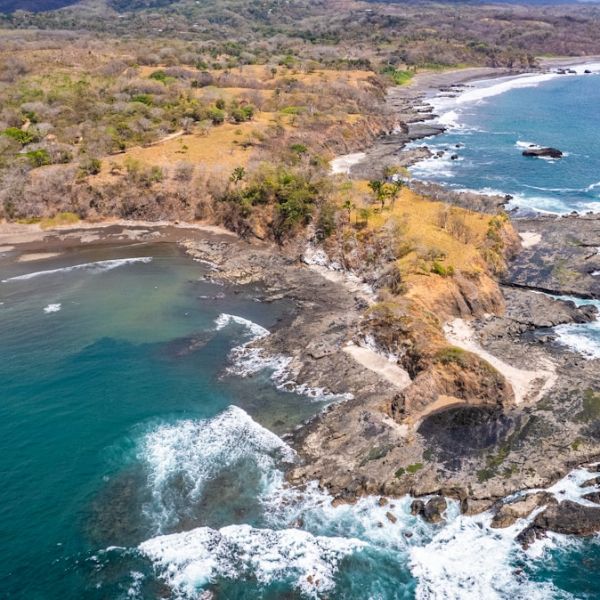
Understanding nicoya blue zone means the people who struggle are usually those who expected everything to work the way it does at home. The people who thrive are those who arrived with flexibility, a reliable local support network, and enough financial cushion to handle unexpected delays or costs in the first year.
Healthcare Options in Nicoya for Expats: Public CAJA System and Private Clinics
Costa Rica operates a universal public healthcare system called the Caja Costarricense de Seguro Social, universally referred to as CAJA. Legal residents, including those on approved visa categories, can enroll in CAJA and access public hospitals and clinics for a monthly contribution calculated as a percentage of declared income. The system covers a broad range of services including specialist care, hospitalization, and prescription medications.
In practical terms for expats living on the Gold Coast, the nearest major public hospital is in Nicoya town or Liberia, both accessible within roughly an hour depending on your exact location. Wait times for non-urgent specialist appointments through the public system can be long.
Private clinics operate throughout the peninsula and in Liberia, offering shorter wait times, English-speaking doctors in many cases, and costs that are still significantly lower than equivalent private care in the United States or Canada. Many expats use a combination: CAJA enrollment for major hospitalization coverage and private clinics for routine care and faster specialist access. Supplemental international health insurance is also widely available and relatively affordable for retirees in their 50s and 60s.
What It Costs to Live in Nicoya, Costa Rica: A Realistic Monthly Budget
Cost of living in Nicoya is genuinely lower than in North America or Western Europe, but the gap has narrowed in popular coastal communities as the expat population has grown. Imported goods carry significant markup due to Costa Rica’s import duties.
A comfortable monthly budget for a couple in a Gold Coast community looks roughly like this:
- Housing (renting a two-bedroom home): $1,200 to $2,000 depending on location and amenities
- Groceries, eating locally and minimizing imports: $400 to $600
- Utilities (electricity, water, internet): $150 to $250
- Transportation (fuel, vehicle maintenance, or taxis): $200 to $350
- Dining out and entertainment: $300 to $500
- Private health insurance or out-of-pocket medical: $200 to $500
A realistic total for a comfortable lifestyle runs between $2,500 and $4,200 per month for two people. Living more modestly, cooking at home and avoiding imported products, can bring that closer to $2,000. Living more expansively, in a newer property with a pool, dining out frequently, and traveling regionally, pushes costs toward $5,000 or beyond. Property owners with no rent payment can live comfortably on significantly less.
Can Foreigners Move to the Nicoya Blue Zone? Residency and Visa Pathways Explained
Costa Rica has intentionally designed its residency system to be welcoming to foreign retirees and income-earning remote professionals. The pathways are clear, the income thresholds are accessible by international standards, and the process, while requiring documentation and patience, is navigable with competent legal guidance.
The Pensionado Visa: Who Qualifies and What It Provides — Nicoya Blue Zone
The topic of nicoya blue zone covers the Pensionado visa is designed for retirees receiving a government or private pension. The threshold is $1,000 per month in guaranteed pension income, one of the lowest requirements among popular expat destinations globally. Qualifying pensioners receive legal residency, the right to import household goods and a vehicle duty-free on first entry, and access to CAJA enrollment.
This visa is renewable and allows holders to live in Costa Rica indefinitely. The $1,000 income floor covers a wide range of applicants, including those receiving Social Security benefits combined with a modest pension or investment income.
The Rentista Visa: An Option for Remote Professionals and Pre-Retirees
The Rentista visa is structured for applicants who can demonstrate $2,500 per month in stable passive income, or who deposit a lump sum in a Costa Rican bank and draw from it monthly. It does not require pension income specifically, which makes it accessible to remote workers, early retirees living from investment portfolios, or those receiving rental income from property elsewhere.
The Rentista provides the same residency rights as the Pensionado and is renewable on the same cycle. We strongly recommend working with a qualified Costa Rican immigration attorney to confirm the current deposit requirements, as these figures are subject to change.
Permanent Residency and the Long-Term Path to Staying in Costa Rica
After three years of maintaining either Pensionado or Rentista residency in good standing, applicants become eligible to apply for permanent residency. Permanent residents can work legally in Costa Rica, own property without restriction, and remain in the country indefinitely without ongoing income documentation requirements.
The path to permanent residency is straightforward for those who maintain their status consistently. Many long-term expats describe the three-year wait as a natural settling-in period that, in retrospect, they were glad to have had before making a permanent commitment.
—
Real Estate in the Nicoya Blue Zone: Property Types, Land Values, and the Investment Case
Why Foreign Buyers Are Increasingly Drawn to the Gold Coast Property Market
The same qualities that make Nicoya one of the world’s great longevity destinations are now driving a distinct shift in its real estate market. Foreign buyers, many of them arriving after researching the Blue Zones concept, are finding that the Gold Coast offers something rare: undervalued coastal property in a politically stable country with strong property rights, a favorable climate, and a growing rental economy built on year-round tourism demand.
Nicoya Peninsula real estate is not yet priced like Cabo or Phuket. That gap is narrowing, but it still represents a meaningful window for buyers who move before the next wave of infrastructure development closes it.
Can Foreigners Buy Property in Nicoya, Costa Rica? Your Ownership Rights Explained — Nicoya Blue Zone
When it comes to nicoya blue zone, foreign nationals can purchase and hold titled property in Costa Rica with the same legal rights as citizens. There is no restriction on foreign ownership of titled land, no requirement to form a local partnership, and no cap on the number of properties a foreigner can own. A legally registered property sits in the National Registry, and that title is your ownership record.
The one significant exception involves maritime zone property. The first 50 meters from the high tide line is public land and cannot be privately owned by anyone. The next 150 meters is classified as the maritime zone, where concession rights rather than full title apply. Concession property can be leased and developed but requires specific legal structuring. Most residential and investment properties that attract foreign buyers sit outside the maritime zone on fully titled ground.
What Types of Properties Are Available: Beachfront Homes, Inland Land, and Turnkey Villas
The Gold Coast offers a wider range of property types than most buyers expect:
- Turnkey homes and villas with pools, typically in gated communities near Tamarindo, Playa Flamingo, and Nosara, priced from $350,000 into the millions
- Beachfront and ocean-view lots where buyers build to specification, ranging from under $100,000 in less-developed areas to $500,000 or more for prime coastal frontage
- Inland agricultural land and farm parcels, often the most affordable entry point, suited to buyers interested in privacy, self-sufficiency, or long-term land banking
- Condo units in established resort-style developments, which carry lower maintenance burdens and often come with built-in rental management infrastructure
Each category carries different risk profiles and due diligence requirements, which is why working with a local expert before committing to a property type matters as much as the property search itself.
Understanding Land Values and Price Trends Across the Nicoya Peninsula
Prices vary significantly across the peninsula based on road access, proximity to amenities, and coastal views. Tamarindo and Nosara, the two most established expat communities on the Gold Coast, carry the highest price per square meter and the most developed service infrastructure. Sámara and Playa Carrillo sit at a slightly lower price point with a quieter character. Emerging areas further south along the coast, and inland communities near Nicoya town, offer the lowest entry prices but require greater tolerance for limited services and longer drives to international airports.
The general trend across all sectors has been gradual appreciation over the past decade, with notable acceleration following 2020 as remote work freed buyers from geographic constraints. The fundamental drivers, limited titled coastal land, a stable political environment, and growing international demand, have remained consistent throughout.
Vacation Rental Income and the Property Management Opportunity
The Gold Coast runs two distinct rental seasons. The dry season from December through April generates the highest nightly rates and occupancy, driven by North American and European visitors. The green season, previously considered the off-season, has strengthened considerably as travelers discover that the peninsula remains beautiful and far less crowded from May onward.
A well-located two-bedroom villa in Tamarindo or Nosara, managed professionally, can generate meaningful gross rental income depending on location, amenities, and marketing quality. Owners who use the property part-time and rent it during their absence can meaningfully offset carrying costs and sometimes generate net positive cash flow.
Regarding nicoya blue zone, professional property management is widely available on the Gold Coast. A reputable management company handles listing, guest services, maintenance, and local compliance, typically for a fee in the range of 20 to 30 percent of gross rental revenue. For buyers who plan to rent while living elsewhere for part of the year, this infrastructure removes the most common barrier to making the numbers work.
How to Navigate the Purchase Process as a Foreign Buyer — Nicoya Blue Zone
The purchase process in Costa Rica follows a clear sequence, but it differs enough from North American or European norms that attempting it without local guidance creates unnecessary risk.
Choosing a Qualified Local Real Estate Partner
Costa Rica does not currently require real estate agents to hold a government license, which means the field includes experienced professionals and unqualified opportunists in roughly equal measure. A qualified local agent should have verifiable transaction history on the Gold Coast, familiarity with the specific sub-markets you are considering, and established relationships with the legal and technical professionals you will need. Ask for references from past foreign buyers. An agent who resists that request tells you something important.
Title Search, Legal Due Diligence, and the Role of a Costa Rican Attorney
Every property purchase should include a full title search through the National Registry, conducted by a licensed Costa Rican attorney. This confirms that the seller holds clear title, that there are no liens or encumbrances, and that the boundaries match the registered survey. The attorney also prepares and registers the purchase deed and handles the transfer of the property into your name or a holding structure of your choice.
Attorney fees for a standard residential transaction typically run between 1 and 1.5 percent of the purchase price. Transfer taxes and registration fees add approximately 3.5 percent on top. Budget for these costs in your total acquisition calculation.
Working With Coastal Realty: Local Expertise on the Gold Coast Since 2006
Coastal Realty has been working with foreign buyers on the Gold Coast since 2006, through the boom years, through the 2008 correction, through the post-pandemic surge, and through every market shift in between. That history is not a credential on a wall. It is a knowledge base about which communities hold value, which title situations need extra scrutiny, and how to negotiate effectively in a market where relationships matter as much as listing prices.
If you are in the early stages of exploring property in the Nicoya Blue Zone, a conversation with our team is the most efficient way to cut through the noise and understand what is actually available, what it actually costs, and what the ownership experience genuinely looks like. We are not here to sell you on Costa Rica. You have already done that research. We are here to help you make the right move, in the right place, without the preventable mistakes.
—
Conclusion: Your Longer, Healthier Life Is a Decision, and Here Is How to Start Making It — Nicoya Blue Zone
Why the Nicoya Blue Zone Is More Than a Longevity Story Worth Reading About
Most longevity research stays in journals. The Nicoya Blue Zone has stayed in the world because the place itself is still here, still largely intact, and still producing the outcomes that drew researchers two decades ago. You can walk the same dirt roads, eat the same breakfast, and watch the same light come over the Pacific that Nicoyan centenarians have watched for ninety-plus years. That is not common in longevity science. Usually you study a phenomenon. Here, you can move into it.
Investing in Property Here Means Investing in a Science-Backed Blueprint for Life
A property purchase in the Nicoya Blue Zone is not simply a real estate transaction. It is a structural commitment to a daily environment that science has repeatedly shown to support longer, healthier, more purposeful living. The mineral water comes out of your tap. The farmers’ market produce is grown fifteen minutes away. The beach walk is your morning commute. The slower pace is not a lifestyle choice you have to maintain through willpower. It is the default condition of the place.
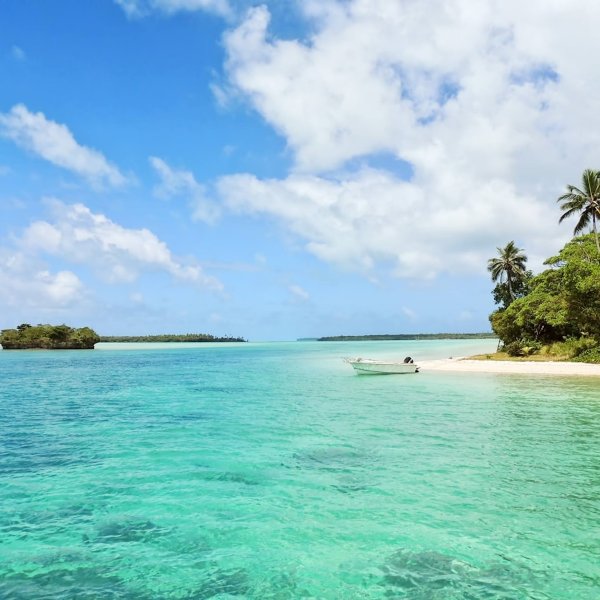
That is what makes retiring in Costa Rica’s Blue Zone genuinely different from other coastal retirement destinations. The lifestyle return on investment here is measurable, not aspirational. And for anyone who has spent time researching what the longevity lifestyle in Costa Rica actually looks like, that distinction is everything.
Your Next Step: Connecting With a Trusted Local Partner Who Knows This Market
The question most people reach at the end of this kind of research is not whether they want to be here. It is whether they can actually make it work. The honest answer is that most people who want it badly enough, and who approach it with reasonable preparation and the right support, do make it work.
In the context of nicoya blue zone, the part that trips people up is trying to navigate the property, legal, and relocation process from a distance without someone on the ground who genuinely knows the market. That is exactly what Coastal Realty exists to provide. Reach out whenever you are ready. The conversation costs nothing, and it will tell you more in thirty minutes than most people learn from months of online research.
—
Frequently Asked Questions
What do Nicoyans eat for breakfast?
A traditional Nicoyan breakfast is gallo pinto, black beans and rice cooked together with Salsa Lizano, served alongside a corn tortilla, a scrambled or fried egg, and fresh tropical fruit such as papaya or mango. It is a high-protein, high-fiber meal designed to fuel several hours of physical activity, and its nutritional balance stands in meaningful contrast to the sugar-heavy breakfast patterns common in Western diets.
What is the best Blue Zone in the world?
Researchers don’t rank Blue Zones against each other because each represents a distinct combination of factors that produce exceptional longevity. Sardinia has the highest concentration of male centenarians per capita, Okinawa has the longest longitudinal data on female longevity, and Nicoya offers compelling evidence linking environmental factors, particularly water mineral content and climate, to biological aging outcomes. For anyone evaluating where to actually live, the more useful question is which Blue Zone fits your lifestyle, budget, and practical needs.
How much does it cost to live in Nicoya, Costa Rica?
A comfortable lifestyle for a couple in a Gold Coast community runs between roughly $2,500 and $4,200 per month, covering housing, groceries, utilities, transportation, dining, and private health coverage. Property owners with no rent payment can live well for less. Imported goods carry a significant premium, so costs drop meaningfully for households that eat locally and minimize imported products.
Can foreigners buy property in Nicoya, Costa Rica?
Yes. Foreign nationals can purchase and hold fully titled property in Costa Rica with the same legal rights as citizens. There is no restriction on foreign ownership of titled land and no requirement to form a local partnership. The key exception involves maritime zone property within 200 meters of the high tide line, which requires concession rights rather than full title. Most residential properties popular with foreign buyers sit on fully titled ground outside this zone.
What is the visa process for moving to Costa Rica’s Blue Zone?
The two primary pathways are the Pensionado visa, designed for retirees with qualifying pension income, and the Rentista visa, designed for those with stable passive income or a qualifying bank deposit. Both provide legal residency, access to the public CAJA healthcare system, and a path to permanent residency after three years. Income thresholds are among the most accessible of any popular expat destination, and the process is straightforward with qualified legal guidance.
What are the healthcare options in Nicoya for expats?
Legal residents can enroll in Costa Rica’s public CAJA system for broad coverage at a monthly contribution based on declared income. Private clinics throughout the Gold Coast and in the city of Liberia offer shorter wait times, English-speaking physicians, and costs well below North American equivalents. Most expats combine CAJA enrollment for major hospitalization coverage with private clinic access for routine care and faster specialist appointments.
Is Nicoya safe for retirees and remote workers?
The Gold Coast communities of the Nicoya Peninsula have significantly lower crime rates than Costa Rica’s urban centers. Opportunistic petty theft, primarily from vehicles, is the most common concern and is preventable with basic precautions. Many long-term residents describe feeling safer here than in mid-sized North American cities. Standard awareness and reasonable habits are sufficient for the large majority of expats living in the area.