
Why Americans Are Choosing Costa Rica — and Why the Gold Coast Stands Apart — Living In Costa Rica As An American
The Real Reason This Guide Exists: Beyond the Lifestyle Fantasy
Most guides about living in Costa Rica as an American stop at the lifestyle pitch. They describe the sunsets, the “pura vida” philosophy, the friendly locals, the tropical weather, and then hand you a visa checklist and call it a day. That is not what this guide does.
What those guides consistently skip is the part that actually determines whether your Costa Rica chapter becomes one of the best decisions of your life or an expensive, stressful cautionary tale: the property layer. How you buy, what you buy, how it’s protected legally, and how it performs financially while you’re not standing next to it — these are the decisions that separate the expats who thrive from the ones who sell and go home disillusioned.
We’ve spent 18 years on the Gold Coast working with American buyers at every stage of this journey. This guide reflects what we’ve learned from that experience: the legal mechanics, the real costs, the honest tradeoffs, written for someone who is serious enough to want the full picture before making a move.
What Makes the Gold Coast (Guanacaste) Different from the Rest of Costa Rica
Costa Rica is a small country with a surprising amount of regional variation. The Central Valley around San José offers cooler temperatures, urban infrastructure, and the country’s best hospitals. The Caribbean coast has its own distinct culture and ecology. The Southern Zone draws adventurous travelers and eco-conscious buyers. Each region has its advocates.
Guanacaste, the Pacific northwest province that includes what the expat community calls the Gold Coast, occupies a category of its own for Americans who want both lifestyle and investment performance. The dry season runs from December through April, delivering the reliably sunny weather that drives North American tourism. International flights from the U.S. land directly at Liberia’s Daniel Oduber International Airport, cutting travel time to three to five hours from most major American cities. The expat community density here is among the highest in the country, which means English-speaking doctors, attorneys, and neighbors are genuinely accessible.
Tamarindo, Flamingo, Conchal, and the Papagayo Corridor: A Micro-Market Overview — Living In Costa Rica As An American
The Gold Coast is not one market. It is a cluster of distinct communities, each with different buyer profiles, price points, and rental dynamics.
Tamarindo is the region’s most established expat town: walkable, vibrant, with a deep short-term rental market driven by surf tourism and younger international visitors. Property prices here reflect its maturity, and entry-level condo inventory is increasingly limited, but occupancy rates remain strong year-round.
Playa Flamingo and the surrounding area attracts a more established, quieter buyer. Marina access, upscale dining, and a calmer pace make it the preferred address for full-time retirees. Conchal, home to the Westin Golf Resort, is the Gold Coast’s luxury anchor. Fractional and whole ownership opportunities here carry some of the highest price tags in the country, backed by a global resort brand’s hospitality infrastructure.
The Papagayo Peninsula is where institutional resort investment meets private residential ownership. All-inclusive resorts and Four Seasons-branded residences sit alongside private villas. The buyer here is typically sophisticated, often using the property as a combination of personal retreat and income asset.
Why Proximity, Infrastructure, and Expat Community Density Matter
For an American considering remote property ownership, which describes most of our buyers, these factors are not aesthetic preferences. They are operational realities. A direct flight means you can be on-site within a day if something requires your attention. A dense expat community means there are established property management firms, bilingual attorneys, and reliable service providers who have served foreign owners for years. A functioning road network between communities means your property manager can actually reach your home.
These details compound. The Gold Coast’s infrastructure advantage is one reason vacation rental occupancy rates here consistently outperform more remote regions. Guests can get here easily, and once they arrive, there is enough amenity density to keep them coming back.
Is It Hard for an American to Move to Costa Rica?
The honest answer: less hard than most people expect, and harder in specific ways that most guides fail to warn you about. The barriers are real but navigable.
Costa Rica does not restrict property ownership by nationality. Americans are treated the same as Costa Rican nationals under property law. You do not need residency to purchase real estate. The country maintains a stable democratic government, has no standing army, and has maintained consistent rule of law for decades. Politically and legally, the framework is genuinely foreigner-friendly.
The friction points are procedural and bureaucratic, not ideological. Government processes move slowly. Document requirements can seem labyrinthine. Translation, apostille, and authentication requirements for U.S. documents add weeks to timelines. The legal system operates in Spanish. None of this is insurmountable, but all of it is significantly easier with professionals who know the specific requirements and current processing timelines.
The Fear Behind the Dream — Living In Costa Rica As An American
The Americans who contact us are usually not afraid of Costa Rica. They’re afraid of a specific scenario: signing a contract, wiring money, and discovering too late that something was misrepresented, a title was clouded, or a property manager has been collecting rental income without remitting it. They’ve heard stories from friends of friends and from expat forums, and those stories live in the back of their minds.
That fear is legitimate. Foreign ownership creates a specific vulnerability: distance. When you’re 2,500 miles away, the consequences of choosing the wrong attorney, the wrong agent, or the wrong management company are amplified. Problems that a local owner would catch early become expensive by the time a remote owner discovers them.
This guide addresses that fear directly and specifically, not by minimizing it, but by showing you exactly where the risks live and how the right legal structure, title protections, and management relationships neutralize them.
Why the Property Layer Changes Everything
When considering living in costa rica as an american, here is what distinguishes the Americans who build genuine long-term wealth and quality of life in Costa Rica from the ones who treat it as an extended vacation: they think of their move as a real estate decision from day one, not an afterthought.
When your property is legally clean, appropriately titled, professionally managed, and strategically positioned in the rental market, Costa Rica stops being a lifestyle expense and starts functioning as a financial asset. The rental income can cover your carrying costs. The appreciation, which has been meaningfully positive across Guanacaste over the past two decades, builds equity you can eventually monetize. The lifestyle benefits you came for exist alongside a property that works for you while you’re not there.
That is the frame for everything that follows.
—
Visa and Residency Pathways for Americans: Which Route Is Right for You?
Do You Need to Become a Resident to Buy Property in Costa Rica? — Living In Costa Rica As An American
No. This surprises many Americans who assume that property ownership and legal residency are linked. They are not. A U.S. citizen can legally purchase, title, and own fee-simple property in Costa Rica without ever applying for residency. The purchase process is the same regardless of your immigration status.
Residency matters for different reasons: your ability to live here legally for extended periods, your access to the public healthcare system, certain tax considerations, and eventually the path to a driver’s license and other practical entitlements. If you intend to spend more than 90 days per year in Costa Rica, which most serious buyers eventually do, residency stops being optional and becomes a practical necessity.
The Four Main Pathways American Expats Use
The Pensionado Visa: The Gold Standard for Retirees
The Pensionado visa is designed for retirees receiving a lifetime pension income. The requirement is a verified, stable monthly income of at least $1,000 from a pension source, including Social Security, a government pension, or a qualifying private pension. For Americans with even modest retirement income, this threshold is typically achievable.
Pensionado status comes with genuine benefits: import tax exemptions on household goods and a vehicle when you first establish residency, access to CAJA (Costa Rica’s public healthcare system) once enrolled, and a defined, well-worn pathway through the immigration system that attorneys know inside and out. Processing typically runs six months to a year, though current backlogs can extend this.
The Rentista Visa: For Remote Professionals and Early Retirees — Living In Costa Rica As An American
The Rentista visa addresses a different income profile: someone with reliable monthly income who does not receive a traditional pension. The requirement is $2,500 per month, demonstrated either through a certified income stream or a $60,000 deposit in a Costa Rican bank account that generates the income. Remote professionals, early retirees with investment income, and small business owners typically explore this route.
The income demonstration requirement is stricter to document than the Pensionado, and the $2,500 threshold reflects that. The structure is otherwise similar. It leads to temporary residency, renewable annually, with a path toward permanent residency after three years.
Temporary Residency: The Broader Category and How It Evolves
Both the Pensionado and Rentista visas are subcategories of temporary residency. Temporary residency is valid for two years initially and is renewable. During this period, you are legally present, can open bank accounts, enroll in CAJA, and operate a business. You cannot vote and are subject to the income demonstration requirement at each renewal.
There is also a category of temporary residency based on being a first-degree relative of a Costa Rican national, which is relevant for Americans married to Costa Ricans or with Costa Rican-born children.
The Path to Permanent Residency
After three years of maintained temporary residency, you can apply for permanent residency. This removes the income demonstration requirement and grants you the right to work in Costa Rica in any capacity. Many long-term expats pursue this route not because they need the work authorization, but because the administrative simplicity of not renewing income documentation annually is worth the effort of the permanent residency application.
Permanent residency does not require you to renounce U.S. citizenship or to be present in Costa Rica for any minimum period each year, which makes it a practical option for part-time residents.
What Is the Best Visa Option for Americans Retiring to Costa Rica? — Living In Costa Rica As An American
For most American retirees, the Pensionado visa is the clearest path, assuming you have qualifying pension income. It has the lowest income threshold, the longest track record, and the most established processing pathway. The attorney community knows it well, which means fewer surprises.
If you are retiring early, say in your 50s before Social Security begins, and you are living on investment income or remote work income, the Rentista is the appropriate route. The $2,500 monthly requirement sounds significant, but for most Americans leaving U.S. cost-of-living behind, it is manageable.
What we consistently recommend: engage a Costa Rican immigration attorney before you begin gathering documents. Requirements shift, processing timelines change, and the specific documentation path depends on your income type and situation. An attorney’s guidance fee is money that prevents costly errors.
Can You Invest in Real Estate in Costa Rica on a Tourist Visa?
Yes, legally. Property ownership is not tied to residency status. You can enter Costa Rica on a tourist visa, engage a real estate attorney, sign a purchase agreement, wire funds to escrow, and complete a property acquisition without ever applying for residency.
For those researching living in costa rica as an american, what you cannot do on a tourist visa is stay in Costa Rica beyond 90 days without leaving the country. You also cannot formally enroll in CAJA, and certain practical activities, including opening a bank account and signing certain employment contracts, require legal residency status.
For buyers who are still in the evaluation phase and want to purchase a property before committing to full residency, purchasing on tourist status is a legitimate and commonly used approach. Many of our buyers close on a Gold Coast property during an extended exploratory visit, then initiate their residency application from the U.S. once they’ve committed to the plan.
Practical Timelines, Required Documents, and What to Expect
Residency applications in Costa Rica are not fast. Plan for six to twelve months from initial document filing to approved status. The preparation phase, including gathering, authenticating, translating, and apostilling U.S. documents, takes two to three months on its own if you start organized.
Core documents typically required for a Pensionado or Rentista application include:
- Birth certificate (original, apostilled)
- FBI background check (apostilled, issued within three to six months of filing)
- Marriage certificate if applicable (apostilled)
- Proof of income (certified letter from pension administrator or Social Security Administration)
- Passport photos and valid passport copy
- Health certificate from a Costa Rican doctor (completed after arrival)
Every document that originates in the U.S. must be apostilled through the relevant state authority, and everything must be translated into Spanish by a certified translator. An experienced Costa Rican immigration attorney will give you a current, specific document list at your first consultation.
Visa Pathway Selection: Matching Your Income Profile and Timeline to the Right Route — Living In Costa Rica As An American
Step 1: Identify your primary income source.
Pension, Social Security, or lifetime annuity points you toward the Pensionado. Investment income, remote work, or no traditional pension yet points you toward the Rentista. If your spouse is a Costa Rican national, explore family-based residency.
Step 2: Confirm you meet the income threshold.
Pensionado requires $1,000 per month minimum from a verified pension source. Rentista requires $2,500 per month or $60,000 in a qualified Costa Rican bank account.
Step 3: Assess your timeline.
Purchasing a property before residency? You can proceed immediately; residency can run concurrently. Planning a move within 12 months? Begin document collection now, as apostille processing adds six to ten weeks. Planning a move in two or more years? File early anyway. Earlier filing means earlier approval and earlier CAJA access.
Step 4: Gather your U.S. documents.
Birth certificate, FBI background check, and proof of income are the core requirements. All documents require an apostille from the issuing state. Budget 60 to 90 days for complete document preparation.
Step 5: Retain a Costa Rican immigration attorney.
Your attorney prepares and files your complete application package with DGME, Costa Rica’s immigration authority. Expect six to twelve months from filing to approved temporary residency.
Step 6: Understand what comes after approval.
Temporary residency is valid for two years and renewable. Enroll in CAJA within 30 days of approval. After three years of maintained residency, you qualify to apply for permanent residency.
—
The Real Cost of Living in Costa Rica as an American: By Lifestyle Tier
How Much Does It Cost to Live in Costa Rica as an American?
The number you find in most articles, somewhere between $1,500 and $3,000 per month, is real but requires context. That range describes a lifestyle that looks nothing like what most Gold Coast buyers are actually building. It reflects inland living, local markets, minimal entertainment spending, and no vehicle. For Americans moving to Guanacaste with the intention of owning property, eating at good restaurants occasionally, and maintaining something close to their U.S. quality of life, the honest number is higher.
That said, Costa Rica’s cost advantage over the U.S. remains real at every tier. You spend more than the generic expat estimate, but less than you would for the same quality of life in Florida, California, or the Pacific Northwest.
Tier One: The Budget Expat Lifestyle

A couple living primarily on local food, using public transportation, renting a modest apartment in a non-tourist town, and minimizing imported goods can genuinely live on $1,500 to $2,000 per month. This lifestyle exists and is sustainable, but it means shopping at the local farmers’ market rather than the expat grocery store, eating at sodas (local diners) rather than international restaurants, and forgoing the Gold Coast beach communities in favor of smaller inland towns.
This tier works for Americans who have genuinely embraced Tico culture and have modest income constraints. It is not the baseline for most of our buyers.
Tier Two: The Mid-Range Comfort Zone — Living In Costa Rica As An American
The realistic mid-range for a couple living comfortably, renting or owning a modest home near the coast, eating out two to three times per week, maintaining a vehicle, paying for private health insurance, and taking occasional domestic trips, runs $2,500 to $3,500 per month. This is the range most expats land in after their first year when the initial adjustment to local costs settles.
Among the options for living in costa rica as an american, at this tier, housing typically accounts for the largest single line item: $800 to $1,500 per month for a clean two-bedroom rental in or near a Gold Coast community.
Tier Three: The Gold Coast Premium Lifestyle
Americans who purchase property in Flamingo, Conchal, or the Papagayo corridor and who intend to enjoy the full amenity suite of that lifestyle should budget $4,000 to $6,000 per month for a couple. This includes private health insurance, a quality vehicle with full coverage insurance, regular dining at beachside restaurants, domestic flights when convenient, and the ongoing costs of property ownership.
This is not extravagance by U.S. standards. A comparable lifestyle in coastal Florida or Southern California would cost multiples of this. The value proposition remains strong. It simply requires honest expectations.
Regional Variance: Why Gold Coast Costs Diverge from Inland Estimates
The Central Valley consistently runs 20 to 30 percent cheaper than the Gold Coast for comparable housing and services. Inland agricultural towns are cheaper still. The Gold Coast commands a premium because of its climate advantage, direct international flight access, and the infrastructure investment that tourism has driven into the region.
This variance is particularly visible in grocery costs. The major expat-facing supermarkets in Tamarindo and Flamingo stock imported goods that reflect import tariffs and retail markup. A jar of peanut butter that costs $3 in the U.S. might cost $7 to $9 here. Local produce and proteins remain affordable. Imported convenience goods do not.
Breaking Down the Monthly Budget — Living In Costa Rica As An American
Here is a realistic mid-range monthly budget for a couple in Tier Two on the Gold Coast:
- Housing (rent or ownership costs): $1,000 to $1,500
- Groceries (mix of local market and expat supermarket): $400 to $600
- Dining out (two to three times per week): $300 to $500
- Vehicle (insurance, fuel, maintenance): $300 to $450
- Utilities (electricity, water, internet): $150 to $250
- Health insurance (private): $200 to $400 depending on age and coverage
- Entertainment and activities: $200 to $400
- Miscellaneous and household: $200 to $300
Total range: $2,750 to $4,400 per month, with most couples landing toward the middle of that band.
How Much Can $100 Get You in Costa Rica?
On a practical day in Tamarindo, $100 USD covers a full week of local produce and proteins from the Saturday farmers’ market, a mid-week dinner for two at a beachside restaurant with a bottle of local craft beer, two tanks of gasoline for a compact SUV, and a Sunday surf lesson. Not a single item on that list requires compromise. That same $100 in coastal California buys two people a modest dinner and a tank of gas, full stop.
The daily-life cost advantage is real, and it shows up most clearly in the lifestyle categories Americans most want to protect in retirement: time outdoors, good food, physical activity, and social connection. These cost less here without being worse.
—
Healthcare for American Expats: What CAJA and Private Options Actually Deliver
Is Healthcare Accessible and Affordable for American Expats in Costa Rica? — Living In Costa Rica As An American
Costa Rica’s healthcare system is one of the primary reasons Americans choose this country over other Central American options. The country consistently ranks among the top healthcare systems in Latin America by independent measures, and life expectancy here is comparable to the United States at a fraction of the cost. For expats, that headline figure translates into practical, daily-life healthcare accessibility that most find genuinely reassuring.
The system has two components that work in parallel: CAJA (Caja Costarricense de Seguro Social), the public universal system, and a robust private clinic and hospital sector concentrated in San José but with significant Gold Coast presence.
Understanding CAJA: How the Public System Works and Who Qualifies
CAJA is Costa Rica’s public, universal healthcare system, funded through mandatory payroll contributions and open to all legal residents. Once enrolled, you have access to the full public system: primary care clinics (EBAIS), hospitals, specialist referrals, prescription medications, and emergency services. The cost to a legal resident is a small monthly contribution calculated as a percentage of declared income, typically between $50 and $150 per month for most expat income profiles.
The quality of care within CAJA is genuinely good for primary care and routine services. Medications are dispensed at no additional cost at CAJA pharmacies. Emergency services are available to anyone regardless of residency or ability to pay. The system’s limitation is capacity: specialist waits can be long, and facilities in smaller clinics are basic.
Enrolling in CAJA as a Legal Resident
Enrollment in CAJA is a legal requirement for residents. It is not optional once you hold residency status. You register at a local CAJA office, present your residency documentation and income proof, and receive your assigned primary care EBAIS clinic, the neighborhood entry point to the system.
The enrollment process typically takes one to two visits. The wait to be formally assigned a primary doctor can take four to six weeks in some areas. In the Tamarindo-Flamingo corridor, the local EBAIS clinics are functional, and English-speaking staff are more available than in rural areas.
Private Hospitals and Clinics: Where Most Gold Coast Expats Spend Their Healthcare Dollars — Living In Costa Rica As An American
Most Gold Coast expats use CAJA as a safety net and rely on private care for their day-to-day health needs. The Gold Coast has a growing number of private clinics in Tamarindo and nearby Santa Cruz, with bilingual physicians, walk-in availability, and consultation fees of $40 to $80. Diagnostics, lab work, and minor procedures are dramatically cheaper than U.S. equivalents even when paying out-of-pocket.
As part of exploring living in costa rica as an american, for serious procedures and surgeries, the private hospital ecosystem is concentrated in San José, two to three hours from the Gold Coast. Hospitals like CIMA and Clínica Bíblica consistently receive American patients for elective procedures at 30 to 60 percent of U.S. prices, with quality that frequently surprises first-time patients.
A growing number of Gold Coast expats carry international health insurance with a high deductible, use CAJA as backup, and travel to San José for major care when needed.
Honest Limitations: What the System Does Well and Where It Falls Short
CAJA handles volume, not speed. For chronic condition management, routine prescriptions, and emergency care, it performs well. For specialist access in cardiology, orthopedics, or oncology, the public system waiting periods can be weeks or months. Most expats who develop a condition requiring specialist care choose private options in San José and budget accordingly.
Dental care operates almost entirely in the private sector and remains affordable by U.S. standards. Dental work that would cost $1,500 in the U.S. often runs $400 to $700 at a well-equipped private practice in Tamarindo. Many expats find that dental savings alone offset a year of private health insurance premiums.
Practical Healthcare Planning Before You Relocate
Before your move date, complete any elective procedures, fill a three-to-six-month supply of prescription medications, and schedule a comprehensive physical. Bring copies of your full medical history and a list of current prescriptions with generic drug names, as not all U.S. brand names translate directly to the Costa Rican pharmacy formulary. Research private health insurance options that cover both Costa Rica and the U.S. Many Americans on the Gold Coast maintain a policy that covers evacuation to the U.S. for catastrophic care.
Healthcare planning is the one area where a detailed, specific plan before you move materially reduces stress after you arrive. The system here will take care of you, but knowing in advance how you intend to use it prevents the anxiety of figuring it out from scratch when you actually need it.
—
Can Americans Own Property in Costa Rica? Rights, Protections, and the Legal Framework — Living In Costa Rica As An American
The Short Answer — and Why It Matters More Than Most Guides Admit
Americans can own property in Costa Rica under the same terms as Costa Rican nationals. There are no restrictions on foreign ownership, no limitations on the type of property foreigners can hold, and no requirements to partner with a local national. This is not a recent concession. It has been the legal framework for decades, backed by the Costa Rican constitution’s property rights protections.
This fact matters more than a casual mention because it changes the risk profile of the entire purchase. You are not navigating a leasehold structure, a nominee shareholder arrangement, or a foreign investor category with special limitations. You own the property. It is titled in your name or in the name of your Costa Rican corporation. Your rights are identical to those of a local buyer.
Fee-Simple Title Ownership: What It Means and Why It Puts Americans on Equal Footing
Fee-simple title is the same concept it is in the U.S.: outright ownership of land and improvements, with the right to sell, lease, mortgage, or transfer to heirs. When you purchase fee-simple titled property in Costa Rica, you receive the same ownership rights that the seller held, recorded in the same national system that tracks all titled land in the country.
Most residential and commercial property in established communities, including the vast majority of homes, condos, and lots in Tamarindo, Flamingo, Conchal, and the Papagayo area, is held as fee-simple title. The purchase process centers on verifying that title and ensuring it transfers clean.
What Legal Protections Do American Property Buyers Have in Costa Rica? — Living In Costa Rica As An American
The legal protection framework for foreign buyers rests on three pillars.
First, the Costa Rican constitution explicitly prohibits the government from expropriating private property without due process and fair compensation, a stronger standard than many Latin American constitutions provide. There is no political tradition of property confiscation here, and no credible threat of it.
Second, the National Registry (Registro Nacional) maintains a public, searchable record of every titled property’s ownership history, liens, encumbrances, and legal status. Any attorney conducting due diligence can pull a complete chain of title and identify issues before a purchase closes.
Third, Costa Rican law does not distinguish between foreign and domestic buyers in contract enforcement. A fraudulent sale or misrepresented title gives a foreign buyer the same legal remedies, including civil litigation and criminal fraud charges, as a Costa Rican national would have.
The National Registry: Your First Line of Defense
Before any offer is made on a Costa Rican property, a thorough National Registry search is the first non-negotiable step. This search reveals the current registered owner, the legal description and boundaries of the property, any outstanding mortgages or liens, any court-ordered restrictions, and the assessed value for tax purposes.
The Registry search is the single most important due diligence step in the Costa Rican purchase process. A clean Registry record does not guarantee a problem-free property, as survey discrepancies and municipal zoning issues are not always reflected there, but it eliminates the most serious risks: undisclosed debt against the title, disputed ownership, or an encumbrance that would cloud your title from day one.
If you’re looking into living in costa rica as an american, in our experience, most title issues surface at this stage, well before any money changes hands. That is exactly how the process is supposed to work.
Understanding the Notario Público: Why This Role Is Unlike an American Closing Attorney
In the U.S., a closing attorney or title company manages the mechanics of a real estate transaction: reviewing documents, holding escrow, facilitating signatures. Their role is largely administrative.
In Costa Rica, the Notario Público is a licensed attorney who is also a representative of the state. Only a notary can legally execute and register real estate transfers. The Notario drafts the transfer deed (escritura), collects the required transfer taxes, and registers the new ownership in the National Registry. Their role carries legal liability that a U.S. closing attorney does not bear.
This distinction matters because the transfer deed, once executed by the Notario and registered, carries significant legal weight. Selecting a qualified, independent Notario rather than simply accepting whoever the seller proposes is a meaningful protection step for any foreign buyer.
Title Insurance in Costa Rica: Whether, When, and How to Use It — Living In Costa Rica As An American
Title insurance is available in Costa Rica but is not standard practice in the way it is in the U.S. Coverage protects against defects in title that were not discoverable through the Registry search, including prior fraud, undisclosed heirs, or registration errors.
For high-value purchases, especially in new developments or in areas where historical ownership records are complex, title insurance is worth the premium. For established resale properties in well-documented communities, many experienced buyers choose to invest the premium in a more extensive attorney review instead.
What title insurance does not protect against: property that was never legally titled in the first place (concession land), zoning violations, or physical encroachments. These require separate due diligence processes.
Concession Land vs. Fee-Simple Title: The One Distinction Every Buyer Must Understand
This is the legal distinction that catches the most American buyers off guard. Costa Rica’s Maritime Zone Law defines a 200-meter strip measured inland from the mean high-tide line. The first 50 meters from the tide line is public land, and no private ownership is possible. The next 150 meters is the “concession zone,” where land can be occupied and used under a government-issued concession but cannot be privately owned in the traditional sense.
Beachfront properties in Costa Rica are often concession properties, not fee-simple title properties. A concession is a renewable lease from the government, not outright ownership. Concessions carry their own rules: they can be transferred, they require annual payments to the municipality, and they carry restrictions on foreign ownership. Foreigners who are not legal residents for at least five years cannot hold more than 49 percent of a concession. The value and stability of a concession depends on the municipal plan for the area and the renewal track record.
This does not mean concession properties are not worth owning. Many of the Gold Coast’s most beautiful and productive beachfront homes operate successfully as concession properties. But the distinction matters enormously to due diligence. Knowing whether you are buying fee-simple or concession before you enter negotiations changes the entire legal process that follows.
The rule is straightforward: always confirm the property’s status in the National Registry and with your attorney before making an offer. On the Gold Coast, we walk every buyer through this distinction before we begin showing properties, because the last thing anyone needs is to fall in love with a home and then discover mid-due-diligence that the ownership structure requires a completely different legal approach.
—
The Property Purchase Process: A Step-by-Step Guide for American Buyers
What Is the Actual Timeline and Cost to Buy Property as a Foreigner in Costa Rica? — Living In Costa Rica As An American
From the day you identify a property to the day your name appears in the National Registry, plan for 60 to 90 days. That timeline assumes clean title, a cooperative seller, and professionals who know what they’re doing. It is achievable, and we’ve seen it done in less. What stretches it, sometimes to four or five months, is incomplete due diligence, document delays, or title issues that surface mid-process and require resolution before closing.
Costs beyond the purchase price run 3 to 4 percent of the declared transaction value, covering transfer taxes, notary fees, and registry stamps. Budget that number from the start, and you won’t be surprised at the closing table.
Step One: Engaging a Buyer’s Agent Who Works Exclusively for You
Costa Rica has no formal MLS system. Properties are listed across a fragmented network of agency websites, private listings, and developer portals. A buyer’s agent navigates that landscape, but the critical point is exclusive representation. Many real estate agents in Costa Rica represent both buyer and seller in the same transaction. That arrangement is not illegal here, but it does mean no one at the table is exclusively protecting your interests.
Engaging an agent who commits to buyer representation in writing, before you begin touring properties, changes the negotiation dynamic, the information flow, and the advice you receive during due diligence. Ask directly: “Do you represent buyers exclusively, or do you also represent sellers in dual-agency situations?” The answer matters.
Step Two: Due Diligence — Title Search, Survey, and Environmental Checks
Due diligence in Costa Rica runs parallel on three tracks: legal, physical, and environmental.
Understanding living in costa rica as an american means the legal track begins with the National Registry pull described earlier in this guide. Your attorney searches ownership history, confirms no outstanding liens, and verifies that the person or entity selling the property has the authority to sell it. If the property is held in a Costa Rican corporation, a common and legitimate ownership structure, the corporate records must be searched as well.
The physical track involves hiring a licensed surveyor to verify that the legal boundaries in the Registry match the physical boundaries on the ground. Encroachments, disputed fences, and easement questions are common enough that skipping this step is a meaningful risk, not a formality.
The environmental track matters most for coastal and hillside properties. Protected zone restrictions, setback requirements from waterways, and SETENA (Costa Rica’s environmental agency) approvals for any planned construction are all worth confirming before you commit. A property with an unapproved structure or a restriction that limits development can still be a good purchase, but you need to know before you buy, not after.
Step Three: The Offer, the Escrow, and the Purchase Agreement — Living In Costa Rica As An American
In Costa Rica, the purchase process typically moves through two agreements: a preliminary purchase-sale agreement, and then the final deed executed at closing. The preliminary agreement locks in the price, terms, and timeline, and is usually accompanied by an earnest money deposit of approximately 10 percent of the purchase price.
Funds are held in escrow by a licensed escrow company, often a Costa Rican attorney or an escrow service that specializes in foreign buyer transactions. Using a reputable, independent escrow service rather than an account controlled by the seller or seller’s agent is non-negotiable. This is where the money lives until the title transfers clean, and the protection it provides is the most direct safeguard against the scenario that intimidates most buyers.
Step Four: The Notario Closing Process in Plain English
The closing happens in the office of the Notario Público. Both parties, or their legal representatives under power of attorney, sign the transfer deed. The Notario verifies identities, confirms the title status one final time, calculates and collects the transfer taxes, and stamps the deed for registration.
For buyers who cannot travel to Costa Rica for closing, which describes many of our clients, a power of attorney granted to your Costa Rican attorney allows them to sign on your behalf. The power of attorney must be properly authenticated and, if executed in the U.S., apostilled. This is a routine arrangement, and it means you do not need to be present on closing day.
Step Five: Registration, Transfer, and the Day You Officially Own It
After the Notario executes the deed, it is presented to the National Registry for inscription. The Registry processes the transfer and updates the official ownership record to reflect your name or your entity. Registration currently takes two to four weeks from submission.
Until registration is complete, the purchase is not fully recorded in the public system, but the executed deed represents a legally binding transfer. Your attorney retains a certified copy, and the property is legally yours from the moment the deed is signed. Registration simply makes that ownership visible to the world through the public record.
Financing Reality: Cash Market Dynamics, Local Bank Options, and SDIRA Possibilities — Living In Costa Rica As An American
The Gold Coast property market is predominantly cash-driven. Most sellers price and negotiate with cash buyers in mind, and the transaction process is streamlined around cash closings. This is not because financing is impossible. It is because the available options are more limited and more expensive than what American buyers are accustomed to.
Costa Rican banks do offer mortgages to foreign buyers, but the terms reflect the risk profile they assign to non-resident borrowers: interest rates typically running 7 to 10 percent, loan-to-value ratios of 50 to 70 percent, and substantial documentation requirements. For buyers who need financing, it is workable but not efficient.
One option that more American buyers are exploring is using a self-directed IRA (SDIRA) to hold Costa Rican real estate. An SDIRA can legally own foreign real property, allowing retirement funds to invest in a Gold Coast property with the same tax-advantaged structure as a domestic real estate holding. The IRS rules around this are specific and the custodian selection matters significantly. If this structure interests you, work with a U.S. attorney who specializes in self-directed retirement accounts before any purchase discussions begin.
Closing Costs Unpacked: The 3 to 4 Percent Buyers Should Budget For
The 3 to 4 percent figure breaks down as follows:
- Transfer tax (Impuesto de Traspaso): 1.5% of the declared sale price or fiscal value, whichever is higher
- National Registry stamps and fees: approximately 0.5%
- Notario fees: regulated by the Costa Rican Bar Association on a sliding scale, typically 1 to 1.25% for a standard residential transaction
- Documentary stamps and miscellaneous fees: approximately 0.25%
These costs are typically split by custom, though everything is negotiable. Legal representation for the buyer, separate from the Notario, runs $1,500 to $3,000 for a standard transaction and is money well spent.
An Illustrative 90-Day Ownership Timeline
- Weeks 1 to 2: Identify property, engage buyer’s agent and attorney, sign representation agreement
- Weeks 2 to 3: National Registry search, preliminary survey review, zoning and environmental confirmation
- Week 3: Negotiate and sign preliminary purchase agreement, wire earnest money to escrow
- Weeks 3 to 8: Due diligence period covering title search, physical survey, corporate record search if applicable, and environmental review
- Week 8: Due diligence complete, clear to proceed confirmed by attorney
- Week 9: Final deed drafted by Notario, reviewed and approved by buyer’s attorney
- Week 10: Closing day — deed executed, balance released from escrow, transfer taxes paid
- Weeks 10 to 14: Deed submitted to National Registry, inscription completed, ownership recorded
That is a functioning process. It requires professionals who communicate proactively and a buyer who responds to document requests promptly. Neither condition is exotic.
—
Taxes You Need to Know: What Americans Owe on Costa Rican Property and Rental Income — Living In Costa Rica As An American
What Taxes Do Americans Pay on Costa Rican Rental Income?
The answer involves two tax systems operating simultaneously, and understanding both before you start generating rental income prevents the kind of expensive surprises that come with a late discovery. Most American property owners on the Gold Coast owe taxes in two places: to Costa Rica on rental income earned here, and to the U.S. on worldwide income.
Your U.S. Tax Obligations Don’t Disappear: FBAR, FATCA, and Form 1040 Reporting
U.S. citizens are taxed on worldwide income regardless of where they live or where the income is earned. Rental income from a Costa Rican property is reported on your U.S. Form 1040, Schedule E, the same way domestic rental income would be. The foreign location of the property does not create an exemption.
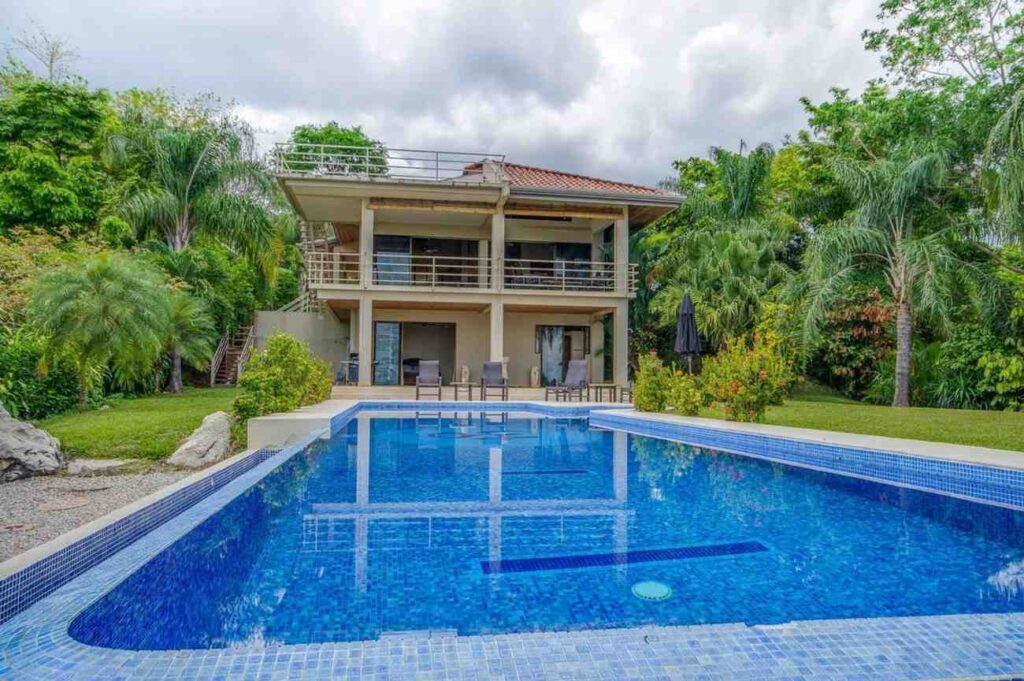
The topic of living in costa rica as an american covers beyond income reporting, two disclosure obligations apply to Americans with foreign financial assets. FBAR (FinCEN Form 114) is required if your foreign bank accounts exceed $10,000 in aggregate at any point during the year. FATCA (Form 8938) applies at higher thresholds — $50,000 for single filers, $100,000 for married filing jointly — and covers a broader range of foreign financial assets. Both are informational disclosures, not additional taxes. The penalties for non-compliance are severe enough that no one should be casual about them.
The Foreign Tax Credit: How to Avoid Double Taxation — Living In Costa Rica As An American
The mechanism that prevents you from paying tax twice on the same rental income is the Foreign Tax Credit (Form 1116). Taxes paid to Costa Rica on rental income can be credited dollar-for-dollar against your U.S. tax liability on that same income, up to the amount of U.S. tax owed. In practice, because Costa Rica’s rental income tax rate falls between 10 and 15 percent, which is lower than most American marginal rates, you will typically owe the difference to the IRS after claiming the credit.
The foreign tax credit is not automatic. You claim it by filing Form 1116 with your U.S. return. A tax professional who handles both Costa Rican and U.S. filings can structure your reporting to maximize the credit and minimize your combined tax exposure.
Costa Rica’s Annual Property Tax: Why 0.25% Is Not a Typo
Costa Rica’s annual property tax (Impuesto sobre Bienes Inmuebles) is 0.25 percent of the property’s registered fiscal value. On a $300,000 property, that is $750 per year. The fiscal value is typically lower than the actual market value, as municipalities reassess periodically but often lag the market, which means the effective tax burden is even lower than the rate suggests.
Property taxes are paid to the municipality where the property is located, either annually or in quarterly installments. Delinquent property taxes accrue penalties and, in extreme cases, can become a lien against the title. Staying current is simple given the amounts involved.
The Impuesto Solidario (Luxury Home Tax): Who It Applies To and How It’s Calculated
The Solidarity Tax (Impuesto Solidario) applies to residential properties with a construction value above approximately $270,000, though the threshold is adjusted periodically by the government. If your home clears that threshold, the tax rate is progressive, starting at 0.25 percent on the value above the threshold and rising in tiers to a maximum of 0.55 percent on values above roughly $1.4 million.
This tax is assessed on the construction value of improvements, not the total market value of land plus improvements. Many mid-range Gold Coast properties fall below or near the threshold. Higher-end homes in Conchal or Papagayo will almost certainly exceed it. Your property attorney can calculate the estimated obligation on any specific property you are evaluating.
Rental Income Tax in Costa Rica: Registration, Rates, and Compliance Basics — Living In Costa Rica As An American
Property owners who generate rental income in Costa Rica must register with the Ministerio de Hacienda, Costa Rica’s tax authority, and file returns on that income. For short-term vacation rentals, the category most Gold Coast owners operate in, income is treated as business income and is subject to a 15 percent withholding tax that can be reduced through deductions for documented expenses including property management fees, maintenance, utilities, and insurance.
Registration is not optional. Operating a rental property without tax registration creates a compliance exposure that becomes a problem when you eventually sell or when the Hacienda’s digital cross-referencing of online rental platforms catches up with you. A Costa Rican accountant who specializes in foreign-owned rental properties handles registration and quarterly filings at relatively low cost.
Working With Professionals Who Understand Both Systems
The intersection of Costa Rican and U.S. tax law is not well-served by generalist accountants in either country. You need a U.S. CPA with international experience and a Costa Rican contador who handles foreign-owned rental properties regularly. Ideally, they communicate with each other during tax season. The cost of a well-coordinated cross-border tax approach is small relative to the cost of a filing error that triggers penalties or back taxes on both sides of the reporting divide.
—
Turning Your Property Into Income: Vacation Rental Strategy on the Gold Coast
Why the Gold Coast Rental Market Is Structurally Different from Other Regions — Living In Costa Rica As An American
Most coastal vacation rental markets depend on domestic tourism. Guanacaste depends primarily on international tourism, specifically North American travelers who make up the majority of arrivals through Liberia’s airport. That distinction has meaningful consequences for how the rental market behaves.
International visitors book longer stays, spend more per visit, and are less affected by local economic conditions than domestic tourists. The Gold Coast’s rental market is effectively benchmarked to U.S. disposable income and U.S. travel patterns, not to the Costa Rican economy. That insulation is part of what makes this region’s rental income more predictable for owners who understand its dynamics.
Peak Season Dynamics, Occupancy Patterns, and What Drives Demand
Guanacaste’s high season runs December through April, aligned with the dry season. This is when North Americans escape winter, and it is when the Gold Coast commands its highest nightly rates. January through March represents the pricing peak, with some properties achieving rates two to three times their low-season baseline.
May through November brings shoulder and low season. Occupancy drops but does not collapse. Surf tourists extend the season in Tamarindo. Costa Rican national holidays bring domestic visitors in July and August. A well-managed property targeting both international and domestic segments can achieve meaningful annual occupancy, enough to generate real returns even accounting for operating costs and management fees.
Matching the Property Type to the Rental Opportunity
Each Gold Coast micro-market attracts a distinct rental guest, and your property type should align with that guest profile.
Tamarindo’s surf and social energy attracts younger travelers and couples. Studio and one-bedroom condos with walkable access to the beach and restaurants perform well here. Longer stays from remote workers during low season have added a newer demand layer that smart owners can capture with monthly rates.
When it comes to living in costa rica as an american, flamingo’s quieter, marina-adjacent atmosphere draws families and older couples. Three-bedroom homes with pools command strong weekly rates during high season. The guest profile here is less price-sensitive and more particular about property condition.
Conchal and the Westin-adjacent area lean heavily on the resort brand’s guest overflow. Properties within recognized resort communities benefit from the brand’s marketing and an established luxury guest expectation. The investment is higher, but so is the nightly rate ceiling.
Papagayo villas compete at the top of the market. Weekly rates for well-equipped properties are achievable during peak season at levels that reflect the sophistication of both the guest base and the competition. Property presentation, photography, and listing quality matter disproportionately at this price point.
Realistic Income Potential: How to Frame Projections Without Overpromising — Living In Costa Rica As An American
A well-positioned, well-managed two-bedroom condo in Tamarindo priced at $250,000 to $350,000 might gross $25,000 to $40,000 annually in rental income at realistic occupancy. After management fees (typically 20 to 30 percent of gross rental income), maintenance reserves, property taxes, and HOA fees, net returns of 5 to 8 percent of purchase price are achievable. Not guaranteed, but achievable with the right property and the right management.
Any projection beyond that range should be treated with skepticism. Rental income depends on property condition, listing quality, pricing strategy, and active management. Projections built on peak-season rates extrapolated to 12 months are a red flag.
The Absentee Owner’s Greatest Risk: What Goes Wrong Without On-the-Ground Management
The failure mode we see most often is not fraud. It is negligence that compounds. An owner 2,500 miles away cannot see that a pool pump is failing, that a guest left the property in poor condition, that a reservation was double-booked, or that the cleaning crew has not been showing up consistently. Each of these problems is minor in isolation. Together, they produce declining reviews, declining occupancy, and a maintenance backlog that costs more to fix than it would have to prevent.
The second failure mode is pricing passivity. A static nightly rate set when the property launched and never revisited leaves money on the table during high season and produces vacancies during shoulder periods that dynamic pricing would fill.
Neither of these problems requires bad intent to occur. They require only distance and the absence of someone with a professional incentive to manage your property as actively as their own.
How an Integrated Property Management Model Changes the Return Equation
An integrated management model, where the same firm handles rental bookings, guest services, maintenance coordination, and financial reporting, eliminates the coordination failures that plague fragmented arrangements. When the person who handles your booking calendar is also the person who dispatches maintenance and oversees the cleaning schedule, there is no gap between those functions for problems to fall into.
The financial reporting component deserves specific mention. Monthly statements showing actual income, itemized expenses, and net remittance to the owner are not a luxury. They are a basic accountability mechanism. If your property manager cannot produce transparent monthly financials, that opacity is itself a risk signal.
—
Post-Purchase Life: HOA Management, Remote Ownership, and Protecting Your Investment from Abroad — Living In Costa Rica As An American
How Do You Manage Rental Property in Costa Rica from the U.S. Without Being Taken Advantage Of?
The question most Gold Coast buyers actually want answered is this: once I own the property and go home, how do I know my interests are being protected? The honest answer is that protection comes from structure, not trust. Trust is built over time and earns its place, but it should never be the primary mechanism protecting a remote owner’s investment.
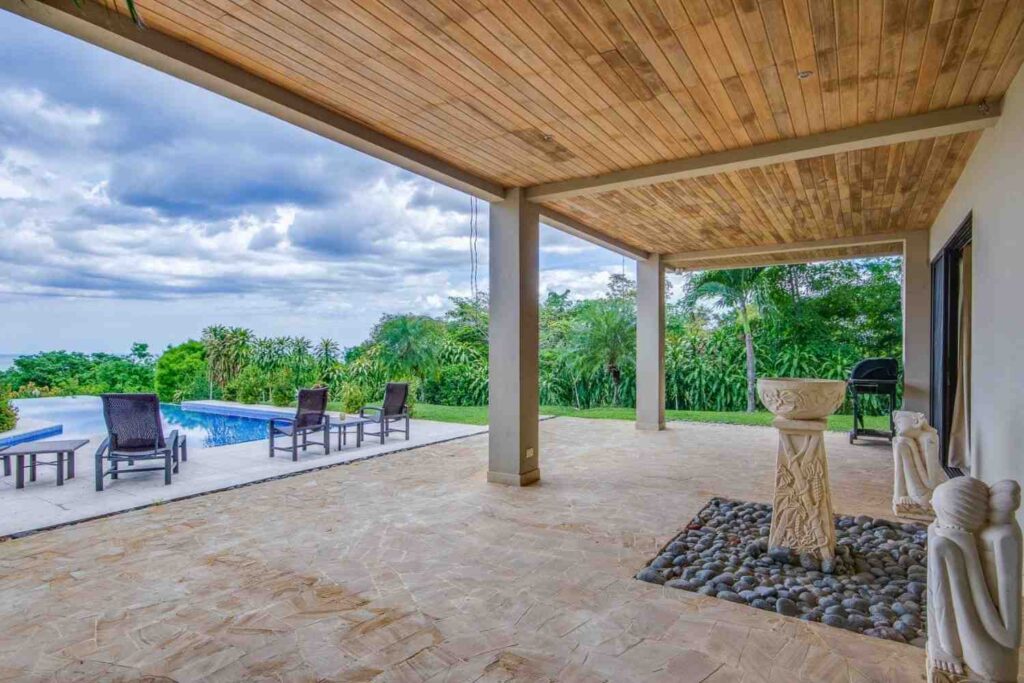
Structure means: a written management agreement with clear performance metrics and termination rights, monthly financial statements with bank-level documentation, regular property condition reports with photographs, and a direct relationship with an attorney who is not affiliated with your property manager.
What HOA Management Actually Entails in Costa Rica
Many Gold Coast properties sit within condominium developments governed by a Condominium Association (Régimen de Condominio in Costa Rican law). The association maintains common areas, enforces community rules, and collects monthly HOA fees from owners. Costa Rican condominium law is codified and provides a legal framework for governance, fee collection, and dispute resolution.
HOA fees on the Gold Coast range from $200 to $800 per month depending on the amenities the association maintains. This is real carrying cost and should be factored into your pro forma from the beginning. In exchange, associations maintain pools, gardens, security, and the common infrastructure that makes properties rentable and protects their value.
Foreign owners who are not present should designate a local representative to attend association meetings, review annual budgets, and flag any special assessments early. Special assessments, which are one-time fees for major repairs or improvements, can be significant. Advance notice allows planning.
What Happens If You Have a Dispute With Your Property Manager or HOA? — Living In Costa Rica As An American
Costa Rican law provides remedies for both situations. A dispute with a property manager over undisclosed fees or retained income is a contract matter, and potentially a fraud matter, addressed through Costa Rica’s civil courts or through direct negotiation facilitated by an attorney. A well-drafted management agreement includes a dispute resolution clause with mediation first, then arbitration, that avoids the cost and delay of litigation.
Regarding living in costa rica as an american, hOA disputes follow the condominium law framework. Association decisions can be challenged through a formal dispute process, and an attorney familiar with Costa Rican property law can advise on the realistic path and cost of any specific situation.
The practical deterrent to either type of problem is documentation from day one: signed agreements, written communications, and monthly financial records. These are the materials that make a dispute resolvable.
Common Failure Points of Remote Ownership — and How to Structure Against Them
The patterns we observe repeatedly are preventable:
- No written management agreement specifying remittance timelines, fee structures, and reporting requirements
- Maintenance reserves that were never established, leaving the owner to cover unexpected repairs from personal funds
- Rental income deposited into a property manager’s account rather than a dedicated owner account
- HOA communications going unreceived because no local representative was designated
- Tax filings lapsing because no accountant was engaged at purchase
Each of these has a structural solution that costs less than the problem it prevents.
What a Full-Service Property Management Partner Should Actually Provide
A management partner worth retaining delivers active rental listing management across multiple booking platforms with dynamic pricing, guest screening and communication from booking to checkout, coordinated cleaning and maintenance with documented completion, monthly financial statements reconciled to bank deposits, annual property inspections with written condition reports, and a local contact the owner can call when something needs attention.
That is not an aspirational list. It is a minimum standard for professional management of a foreign-owned income property. If a prospective manager cannot describe how they deliver each of these, that gap is your answer.
Building the Right Team: Attorney, Accountant, Manager, and Agent
The Americans who navigate Gold Coast ownership with the least friction share one characteristic: they assembled a coordinated team before they needed one. An attorney for legal matters and title questions. A Costa Rican accountant for tax filings and Hacienda compliance. A property manager for day-to-day operations. A buyer’s agent for future acquisition decisions.
These professionals should know each other, or at minimum be aware of each other’s roles. When a legal question has tax implications, or when a management dispute requires an attorney’s letter, a team that can coordinate internally resolves the issue faster and at lower cost than a disconnected set of individuals who have never interacted.
Your Gold Coast Ownership Checklist: Five Non-Negotiables for Confident Remote Property Ownership
- Clean, registered fee-simple title confirmed by a search conducted by your own attorney, not the seller’s.
- A written property management agreement specifying fees, remittance schedule, reporting frequency, and termination rights before you sign with any manager.
- Monthly financial statements from your property manager reconciled to actual bank deposits in an owner-designated account.
- A designated local representative for HOA communications, meetings, and special assessment notifications.
- Coordinated U.S. and Costa Rican tax professionals who file your annual reporting on both sides before deadlines pass.
These five conditions are not complicated. They are simply non-negotiable.
—
The Honest Pros and Cons of Living in Costa Rica as an American
What Are the Biggest Challenges Americans Face When Relocating?
The challenges that actually catch Americans off guard are not the ones they expected. Crime is not the source of daily friction. Language, while real, is manageable in the Gold Coast’s dense expat environment. The challenges that wear people down are infrastructural and bureaucratic, and they are persistent enough to be worth addressing directly.
The Genuine Advantages: Climate, Stability, Cost, and Proximity to Home
The climate advantage is real and daily. In Guanacaste’s dry season, five months of near-perfect beach weather with low humidity, reliable sun, and warm evenings is the baseline, not the highlight. Even the rainy season, which runs May through November, produces afternoons of dramatic tropical rain followed by cooler, clear evenings. It is not the relentless gray of a northern winter.
Political stability is genuine and long-established. Costa Rica abolished its military in 1948 and has maintained democratic governance since. It is not a political risk destination. The property rights framework treats American owners identically to nationals. These are not aspirational claims. They are decades-long observable facts.
Cost advantages persist across the lifestyle categories that matter most in retirement: outdoor activities, dining, domestic help, dental care, and the daily leisure pace that most Americans are actively paying a premium for in coastal U.S. markets. The proximity advantage, four to five hours from most U.S. cities, means the Gold Coast is not an exile. It is a relocation.
The Real Friction Points: Infrastructure, Bureaucratic Pace, and Road Conditions
Roads between and within Gold Coast communities range from good to genuinely challenging. A highway that appears passable on a map may require a high-clearance vehicle after the rainy season. Some of the region’s most beautiful properties sit at the end of unpaved roads that become difficult in a standard sedan. A four-wheel drive vehicle is not a lifestyle choice in Guanacaste. It is a practical requirement for most of the region.
Bureaucratic processes move at a pace that routinely frustrates Americans. The CAJA enrollment that should take two visits often takes four. A municipal permit that was supposed to arrive in three weeks arrives in seven. Power outages, slow internet in some areas, and intermittent water service in others are realities that infrastructure investment is addressing but has not eliminated.
None of this is a reason not to relocate. Americans who arrive expecting the administrative efficiency of the U.S. and encounter Tico time instead go through an adjustment that is easier when anticipated.
Language, Culture, and the Social Integration Curve
In the context of living in costa rica as an american, the Gold Coast’s expat density means English is functionally available for most daily transactions: groceries, restaurants, medical appointments, real estate, and banking. But the deeper integration of living in a place, understanding your neighbors, navigating a government office, participating in community life, requires Spanish.
Most long-term Gold Coast expats reach functional conversational Spanish within 18 months of committed practice. The Tico cultural orientation, patient, indirect, conflict-averse, and genuinely warm, is different from the American directness many buyers bring with them. The adjustment is real, and it is also one of the things that most expats eventually describe as one of the best parts of the experience.
The Emotional Arc: What the First Year Actually Looks Like
The first six months are characterized by logistical problem-solving: setting up banking, completing residency applications, navigating CAJA, finding reliable service providers, and learning where things are. This phase is stressful in proportion to how well-prepared you were before arrival. Buyers who arrived with an established local team, attorney, accountant, and property manager, move through it significantly faster than those who are assembling those relationships from scratch after the move.
Between months six and twelve, a shift occurs. The processes that felt foreign become routine. The community of expat friends and Tico neighbors fills in. The daily quality of life — the beach, the pace, the cost of a good meal, the year-round warmth — starts to feel like the baseline rather than a novelty. This is what experienced expats describe when they say living in Costa Rica as an American changed their life. It is not hyperbole. It is what happens when you give the adjustment the time it requires.
A Balanced Assessment Worth Trusting
The case for the Gold Coast is strong and backed by nearly two decades of watching Americans build genuinely satisfying lives here. The case against any specific individual’s version of it exists too, and it usually traces back to a mismatch between expectations and reality during the transition period, or to a property decision made without sufficient due diligence.
The people who regret relocating to Costa Rica almost universally share one of two stories: they moved without a clear financial and legal structure for their property, or they arrived expecting a simpler version of America and were never able to make peace with the differences. The people who thrive are not uniformly wealthy or unusually adventurous. They are prepared, patient, and backed by professionals who know the terrain.
—
Conclusion: Building a Life and Legacy on the Gold Coast
The Thread That Runs Through Everything: Strategy, Not Just Lifestyle
Every section of this guide returns to the same underlying point: the quality and permanence of your Costa Rica chapter is determined more by how you approach the property and legal layer than by how enthusiastically you embrace the lifestyle. The lifestyle is real and it delivers. But it is the property decision — what you buy, how it’s titled, how it’s managed, and how it fits your financial goals — that determines whether you are building something lasting or simply renting a beautiful experience.
The Americans who do this well treat the move as a considered strategic decision from the first research session. They ask the operational questions before the aspirational ones. They build the team before they need the team. And they find that the dream they came for and the financial returns they hoped for are not in tension. They reinforce each other.
Why the Right On-the-Ground Partner Changes the Entire Equation
Distance amplifies every variable. A good decision made with the right guidance becomes a great outcome. A good decision made without it becomes an expensive lesson. The Gold Coast has enough foreign buyers who learned that lesson the hard way to make the pattern statistically visible.
What changes the equation is a partner who has stood in every position in this process: buyer’s agent, due diligence coordinator, legal liaison, property manager, and long-term relationship that persists after the closing is done. That partner’s value is not primarily their market knowledge, though that matters. It is their institutional memory of what goes wrong, and their active effort to prevent it from going wrong for you.
What 18+ Years on the Gold Coast Actually Means for You
Eighteen years on the Gold Coast means we have seen every phase of this market: the appreciation cycles, the regulatory changes, the management firms that came and went, the title structures that held and the ones that didn’t. We have helped buyers navigate purchases from under $200,000 to over $2 million. We have managed properties through hurricanes, pandemic travel restrictions, and the regional infrastructure changes that reshape rental demand.
That history is not a credential. It is a resource that is available to you. When you ask us whether a particular micro-market is positioned for the next five years, or whether a specific property’s title history gives us pause, or how to structure a purchase through an SDIRA, we are not consulting a textbook. We are drawing on two decades of outcomes from clients who asked the same questions before you.
From Research to Reality: Your Next Concrete Step
If this guide has moved you from interested to seriously considering, the productive next step is not more research. It is a conversation with someone who can connect your specific income profile, timeline, and property goals to the actual inventory and legal pathway that fits you.
That conversation costs nothing and commits you to nothing. It replaces the abstraction of online research with the specificity of actual properties, actual market pricing, and an actual residency path based on your situation rather than a generic framework.
Reach out to the Coastal Realty team directly. Tell us where you are in the process, whether that’s early exploration, ready to visit, or somewhere in between. We will give you a clear, honest picture of what the next step looks like for someone in your position. No pressure, no pitch. Just the information you need to decide whether the Gold Coast is the right chapter for you.
—
Frequently Asked Questions
Is it hard for an American to move to Costa Rica?
Less hard than most people expect in terms of legal rights, but harder in specific procedural ways that catch people off guard. Costa Rica welcomes American buyers and residents with no property ownership restrictions, stable democratic governance, and a well-established residency pathway. The friction comes from bureaucratic pace, document authentication requirements, and the time it takes to build a reliable local team. Americans who arrive prepared — with an immigration attorney retained and documents in order — navigate the transition far more smoothly than those who figure it out after arrival.
Do I need to become a resident to buy property in Costa Rica?
No. U.S. citizens can legally purchase, title, and own property in Costa Rica without holding any form of residency. The purchase process is identical regardless of your immigration status. Residency becomes relevant when you want to stay longer than 90 days per year, access the public healthcare system (CAJA), or simplify your long-term administrative life. Many buyers close on a Gold Coast property first and then initiate their residency application separately.
What legal protections do American property buyers have in Costa Rica?
Three layers of protection apply. The Costa Rican constitution prohibits property expropriation without due process and fair compensation. The National Registry maintains a public record of every titled property’s ownership history, liens, and encumbrances, giving buyers full visibility before any money changes hands. And Costa Rican contract law treats foreign and domestic buyers identically, meaning a foreign buyer has the same legal remedies — including civil litigation and criminal fraud charges — as a Costa Rican national in the event of misrepresentation or fraud.
What is the actual timeline and cost to buy property as a foreigner in Costa Rica?
Plan for 60 to 90 days from property identification to National Registry inscription, assuming clean title and cooperative parties. What stretches timelines, sometimes to four or five months, is title issues that require resolution or incomplete due diligence. Closing costs beyond the purchase price run 3 to 4 percent of the declared transaction value, covering transfer taxes, notary fees, and registry stamps. Budget separately for your buyer’s attorney, which typically runs $1,500 to $3,000 for a standard residential transaction.
How do you manage rental property in Costa Rica from the U.S. without being taken advantage of?
Protection comes from structure, not trust. Before you sign with any property manager, have a written agreement in place that specifies fees, remittance timelines, reporting requirements, and your right to terminate. Require monthly financial statements reconciled to actual bank deposits in an owner-designated account. Maintain a separate relationship with a Costa Rican attorney who is not affiliated with your property manager. The remote owners who experience problems almost always share one thing in common: they relied on informal arrangements and verbal understandings instead of documented agreements.
Can you invest in real estate in Costa Rica on a tourist visa?
Yes. Property ownership in Costa Rica is entirely separate from residency status, and there are no nationality-based restrictions on foreign buyers. You can enter on a tourist visa, retain a real estate attorney, execute a purchase agreement, wire funds to a licensed escrow account, and complete a full property acquisition without ever applying for residency. The tourist visa does limit your stay to 90 days without a border exit, and it restricts certain activities like formal bank account opening and CAJA enrollment, but none of those limitations affect your ability to legally purchase and own property.