
Land for Sale in Guanacaste, Costa Rica: Your Guide with Coastal Realty
Pricing for land for sale in Guanacaste, Costa Rica varies dramatically by zoning, road access, water rights, and topography — figures below are indicative for 2026 only. For verified current pricing, reach out to Coastal Realty directly.
You pull off Highway 21 near Liberia, follow a dirt track for fifteen minutes past mango groves and grazing cattle, and the GPS gives up entirely. That’s usually how it happens. The best land deals in Guanacaste are the ones the algorithm can’t find. For US and Canadian buyers exploring land for sale in Guanacaste Costa Rica, what follows is a practical guide to the choices that actually matter.
If you’re researching land for sale in Guanacaste, Costa Rica, you’ve likely already sensed the appeal. The question now is how to move from browsing listings to standing on a parcel that makes sense for your goals. That’s what this guide is for.
Guanacaste at a Glance
Guanacaste province occupies Costa Rica’s northwest Pacific coast, stretching from the Nicaraguan border south to the Nicoya Peninsula. Locals and agents call it the Gold Coast, and for good reason: the region is known for its beautiful beaches and is a major destination for travelers, making it a prime location for land investment. The region is also known for world-class beaches, surf, and wildlife refuges that draw visitors year-round.
The climate here differs from Costa Rica’s Central Valley and Caribbean side. A pronounced dry season runs from December through April, with minimal rainfall and daytime temperatures averaging 28-32°C. The wet season, roughly May through November, brings afternoon rains and transforms the tropical dry forest from dusty tan to vivid green. This seasonal cycle affects everything from construction scheduling to which months you’ll spend outdoors without an umbrella. Most builders plan foundation work during dry months to avoid soil issues common in clay-heavy terrain.
The Guanacaste International Airport, also known as Daniel Oduber International Airport, facilitates access to the North Pacific coast of Costa Rica from over twenty US and Canadian cities. Liberia sits just twenty to forty-five minutes from most beach towns, connected by paved highways like Route 1 and Route 21. You’ll find private hospitals in Liberia, bilingual clinics in Tamarindo and Nosara, and international schools such as Costa Rica International Academy near Liberia. Fiber optic internet now reaches roughly eighty percent of coastal zones—a detail that matters if you’re planning to work remotely.
Beach towns each carry their own character: Playas del Coco offers marina access and an established expat community; Tamarindo pulses with surf culture and nightlife; Playa Grande draws those who prefer turtle sanctuaries to crowds; Nosara centers on yoga and wellness. Inland, you’ll find cattle country, volcanic foothills near Rincón de la Vieja, and cooler microclimates around Lake Arenal. This variety means land buyers aren’t limited to one template.
Why Buy Land in Guanacaste Right Now?
Guanacaste is experiencing a surge in real estate investment due to its robust tourism economy and the presence of an international airport, making it accessible for foreign buyers. The inventory of land for sale in Guanacaste offers outstanding investment opportunities for both commercial and residential properties, with many lots located near essential services and amenities. Over 2.5 million tourists visit Costa Rica annually, with roughly seventy percent heading to the Pacific coast. Add fifteen thousand or more digital nomads arriving each year since 2020, plus expanded airline routes from hubs like Toronto, Dallas, and Atlanta, and you have sustained demand pressure on coastal real estate.
Land prices vary significantly by location and use. Small inland agricultural lots in areas like Limonal or Cañas Dulces start from thirty to fifty-five thousand dollars for one to five hectares. Ocean-view residential lots in Playa Hermosa or Tempate range from $285,000 to $430,000 for one to five acres. Development tracts near Papagayo or Playa Matapalo with resort adjacency move into high six or seven figures. Compared to finished homes—which average $400,000 to $1.2 million for a three-bedroom beach villa—raw land offers forty to sixty percent lower entry points, full design flexibility, and the option to phase construction as your budget allows. The trade-offs include permitting timelines of six to eighteen months, variable utility hookups, and self-funded infrastructure like wells.
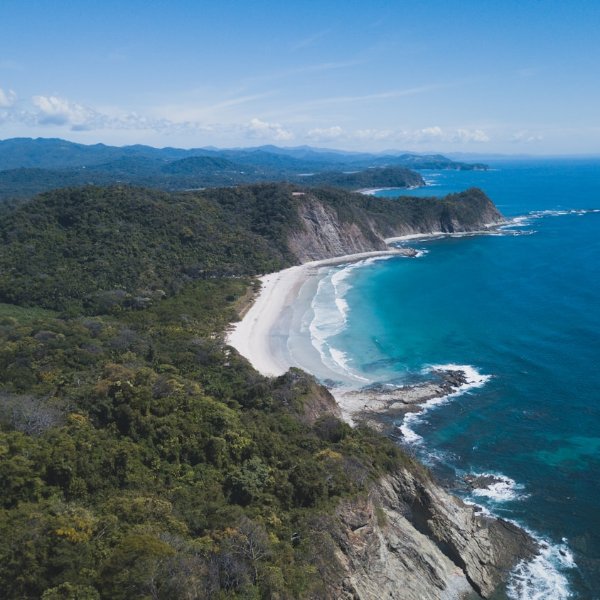
The demand for luxury properties in Guanacaste is increasing, particularly in areas like Tamarindo and Playa Grande, which are known for their beautiful beaches and vibrant communities. The tourism market in Tamarindo is characterized by strong rental demand and vibrant nightlife, with well-located vacation rentals averaging eight to twelve percent gross returns via platforms like Airbnb. Nosara, Coco, and the Papagayo area see similar interest from wellness travelers and families. If your plan includes rental income, these numbers matter when evaluating where to buy.
Key Areas in Guanacaste for Buying Land
Playas del Coco and Playa Ocotal form an established expat enclave with marina access for sportfishing charters and a walkable town center. Ocean-view hillside lots in gated communities typically range from $150,000 to $350,000 for 500-1,500 square meters, while commercial road-front parcels suit boutique retail or services. The vibe here is practical and community-oriented—think morning coffee at a familiar café, boat trips leaving before noon, and a quiet and safe neighborhood where you recognize your neighbors.
Playa Hermosa and the Papagayo area extend the luxury appeal with gated golf communities like Peninsula Papagayo, where one to ten hectare tracts target eco-lodges or private estates with master-planned infrastructure already in place. Playa Flamingo and Potrero are recognized for luxury living and the new Flamingo Marina, attracting high-end buyers and luxury rental clientele. Calm bays contrast with Hermosa’s surf breaks, and roughly thirty-five percent of listings in this zone are pre-construction projects.
Tamarindo and Langosta are known as a premier tourist hub, suitable for vacation rentals and high-end condos. Tamarindo, Playa Grande, and Avellanas pulse with surf culture, hosting pro competitions and drawing seventy percent North American renters. Las Ventanas de Playa Grande is a gated community that features amenities such as tennis and basketball courts, a skatepark, a fishing pond, and private hiking and mountain biking trails. Hacienda Pinilla offers an abundance of 5-star amenities including access to four private beaches, a golf course, tennis and pickleball courts, and a beach club with a gym and spa. Areas like Playa Avellanas, Playa Grande, and Playa Negra are emerging markets gaining attention for surf-focused boutique projects and eco-friendly developments.
Playa Nosara is often described as a wellness haven focused on yoga, surfing, and sustainable living, commanding high per-square-foot prices. Tighter zoning controls enforce forty percent maximum lot coverage, preserving low-density character and elevating values to $350,000 or more for one-acre ocean-view parcels. Playa Sámara and Carrillo offer laid-back, community-oriented environments with easy access to amenities—worth considering if you prefer a quieter pace. CalaSol is a private coastal sanctuary that includes wellness and lifestyle amenities designed for everyday enjoyment, along with direct beach access and a low-density master plan.
Guanacaste is experiencing strong growth in commercial development, driven by its strategic location near Liberia International Airport and major transportation routes, making it an attractive area for investors. The Liberia and airport corridor—including Guardia, Curubandé, and Sardinal—offers two to forty-eight hectare parcels five to thirty minutes from the airport, priced from $100,000 to $900,000 or more. High-traffic parcels near the Guanacaste International Airport or along major roads are prime for retail, hotels, or service-based businesses. These areas suit logistics parks, mixed-use projects, or hospitality ventures capitalizing on cargo growth and passenger traffic.
Interior zones like Bagaces, Tilarán, and the Lake Arenal area offer cooler climates (20-26°C year-round) with Rincón de la Vieja volcano panoramas. Prices run lower—$30,000 to $150,000 per hectare for ten to one hundred hectare fincas—with fertile volcanic soils suited to coffee, cattle, or eco-lodges near geothermal springs. If coastal heat isn’t your preference, the Costa Rica mountain and Costa Rica countryside landscapes here provide a compelling alternative.
Types of Land for Sale in Guanacaste, Costa Rica
Properties in Guanacaste range from small residential lots to large parcels suitable for commercial development, with prices varying significantly based on location and size. Guanacaste’s real estate market is characterized by a mix of residential, commercial, and mixed-use developments, reflecting the area’s growth and the increasing interest from both local and international investors.
Residential lots in gated communities typically range from 500 to 2,000 square meters with pre-installed services like electricity, community water systems, and fiber optic internet reaching speeds up to 500 Mbps in many Coco and Tamarindo projects. HOAs mandate architectural reviews—expect requirements for tropical modernism with open-air pavilions and native hardwoods—and amenities often include 24/7 security, communal pools, tennis courts, and trail networks through dry forest. Residential developments are ideal for single-family estates, gated communities, or modern luxury villas. These lots provide ample space for a large garden, swimming pool, and bbq area without the unknowns of raw land.

Larger fincas and development land span ten to one hundred hectares with ocean, valley, or volcano views, offering subdivision potential under agricultural zoning. These parcels suit wellness retreats, small resorts, or multi-villa rental projects. Elevated lots offer better ocean views but may incur higher construction costs in Costa Rica, particularly when sloped sites demand retaining walls ($15,000-$50,000) and geotech studies for stability. Flat land surrounded by tropical dry forest eases foundations but requires careful attention to drainage during wet season.
The region offers a variety of commercial land options, including properties suitable for hotels, retail centers, and mixed-use developments, particularly along key routes like Route 21. Commercial land in Guanacaste is often characterized by excellent visibility and accessibility, which are crucial for attracting customers and ensuring business success. A strategically located development lot with direct frontage on Route 21 or near downtown Liberia suits gas stations, retail centers, offices, or hospitality projects. Airport property and prime commercial property near the Liberia county corridor benefit from growing cargo and passenger traffic.
Topography shapes what you can build. Ocean-view ridges yield spectacular views but require engineering investment; flat coastal plains minimize grading costs but may need attention to flood risk. Riverfront and parcel offers near creeks carry environmental setbacks but enhance eco-appeal. The Nicoya Peninsula includes properties with breathtaking ocean views, while interior sites offer lush greenery and cooler temperatures.
What to Check Before You Buy Land in Costa Rica
It is essential for foreign buyers to conduct due diligence on properties in Costa Rica, which includes verifying property titles, zoning regulations, and any existing liens or encumbrances. Start with National Registry title verification through a licensed attorney, confirming the property’s status free of mortgages, easements, or ownership disputes. A topographer survey ($1,500-$3,000) delineates exact boundaries—important given common discrepancies from old finca divisions. Co-ownership splits or access roads (servidumbre de paso) must be mapped before you proceed.
Zoning under municipal Uso de Suelo plans dictates what you can build. Residential zones carry building footprint limits of forty to sixty percent with height restrictions of seven to twelve meters. Tourist and commercial designations allow higher density near beaches. Agricultural land limits urbanizable area to roughly five percent. A prime building lot in a peaceful neighborhood Liberia or surrounding area may carry different rules than coastal tourist zones.
Availability of water and electricity is critical for property development, and one must verify water availability prior to purchasing. Obtaining a formal letter confirming legal access to water is essential for a building permit in Costa Rica—whether from an ASADA community system, ICE municipal supply, or a registered well. Obtaining building permits requires proof of water concession, electrical access, and legal road frontage. Public road frontage simplifies access; landlocked parcels require documented easements.
Environmental setbacks in Costa Rica require restrictions on building near rivers, creeks, and springs typically of 15-50 meters. Proximity to national parks like Rincón de la Vieja imposes 500-meter buffers, and protected species such as guanacaste trees require MINAE permits before removal. Maritime zone rules regulate the 50-250 meters closest to beaches—titled beachfront is rare and heavily regulated under concession systems. An ideal canvas for your project starts with understanding these constraints, not fighting them later.
Timelines from offer to closing typically run thirty to sixty days, but municipal approvals for construction can take three to twelve months depending on project scale and required environmental impact assessments. Coastal Realty works with local attorneys, topographers, and engineers to conduct due diligence for foreign buyers—identifying issues before they become expensive surprises.
How the Buying Process Works for Foreigners
Foreigners can own property in Costa Rica, but they must comply with specific legal requirements, including obtaining a legal representative and ensuring proper title transfer. The good news: you hold the same fee simple rights as Costa Rican citizens for most land purchases. Exceptions apply in the maritime zone, where concession-based ownership requires different documentation.
The process begins with an initial consultation—often a video call—where we clarify your goals: retirement, relocation, rental investment, or development. We discuss location preferences, budget ranges, and timeline. From there, Coastal Realty curates land options pre-filtered for title clarity, zoning compatibility, and access, saving you from touring properties that don’t match your criteria.
When you visit Costa Rica, we schedule focused property tours across Playas del Coco and the wider Gold Coast. Once you identify a property, making an offer involves a formal Carta de Intención with five to ten percent earnest deposit, typically refundable if due diligence uncovers issues. Negotiation covers price, timelines, and contingencies like water letters or survey confirmation.
The due diligence period—usually thirty to forty-five days—involves attorney-led title research, municipal zoning certification, water viability letters, and boundary verification via topographer. Physical inspections confirm road access and site conditions. This phase is where problems surface and get resolved before closing.
Costa Rica’s property laws require that all real estate transactions be conducted through a notary public, who is responsible for ensuring the legality of the transaction and the proper registration of the property. Closing occurs at a Costa Rican notary (often the same attorney handling due diligence), with escrow via banks like BAC. Transfer tax runs approximately 1.5% of assessed value, plus stamps and attorney fees totaling three to six percent. Buyers can sign via power of attorney if not in-country. Title transfers instantly upon payment completion.
Budgeting Beyond the Purchase Price
Closing costs aggregate three to six percent of purchase price: attorney fees around one percent, notary fees 0.5-1%, transfer tax 1.5%, and registration stamps 0.5%. Property taxes (impuesto territorial) run roughly 0.25% of assessed value annually—typically $200 to $1,000 for a lot valued at $200,000. This is remarkably low compared to North American norms, though luxury tax tiers apply to homes valued above approximately $250,000.
Raw land carrying costs remain minimal: minor road maintenance, HOA fees if applicable (often $500/year), and basic upkeep like fence repair. The real budget consideration comes when you build. Construction in Guanacaste averages $1,200 to $2,500 per square meter for mid-range tropical homes with concrete block walls and metal roofing. Site preparation—grading, retaining walls, access roads—adds $20,000 to $100,000 depending on slope and soil conditions. Architect and engineer fees run eight to twelve percent of construction cost.
Infrastructure upgrades add up quickly on raw land. Drilling a well runs $10,000 to $25,000. Power transformers or line extensions cost $5,000 to $15,000. Septic systems range from $8,000 to $20,000. Total infrastructure adds twenty to forty percent beyond land cost for a turnkey build. Public services and essential services in established communities reduce these variables significantly.
Living with Your Land: From Raw Lot to Home or Investment
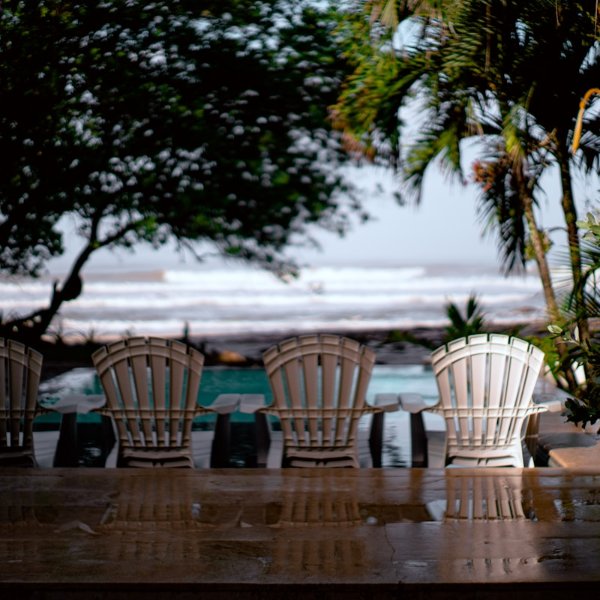
Owning land in Guanacaste becomes something tangible when you imagine daily living there. In Playas del Coco, you might walk to morning markets while howler monkeys call from the trees behind your property. A lot combines tranquility with convenient access—twenty minutes to Liberia for groceries or medical appointments, five minutes to the beach for sunset.
Build a vacation home near Tamarindo and you’re positioned for eighty-five percent occupancy during peak season, with dynamic pricing generating returns that offset carrying costs. A strategically located property near surf breaks or the peaceful slice of Playa Grande commands premium nightly rates. Or develop a small eco-retreat on a larger finca in the hills—a different pace, cooler temperatures, with spectacular views of volcanic ridges at dawn.
Trade-offs exist. Construction timelines run four to six months minimum, sometimes longer. Rural sites mean longer drives for schools or hospitals. Coastal heat suits some; others prefer interior microclimates. The relaxed lifestyle and pura vida lifestyle appeal comes with learning to work on Costa Rican time—not everything moves as fast as you might expect. Coastal Realty can manage a finished house or small collection of villas for owners who don’t live on-site full-time, handling guest communication, maintenance, HOA relations, and bill payments.
How Coastal Realty Helps You Find the Right Guanacaste Land
Coastal Realty has operated as a boutique agency on Costa Rica’s Gold Coast since 2006, with deep focus on Playas del Coco and the wider Guanacaste market. We’re not a franchise with rotating agents—this is personal, first-name-basis service where the same people who show you land are the ones answering your questions six months later.
What sets this apart from big-box real estate is simple: we tell you which parcels to avoid and why. A lot at best price isn’t a deal if the water concession is blocked or the road access is legally questionable. We pre-vet listings for title clarity, zoning compatibility, and infrastructure realities before your touring day. When you find the right property, we negotiate terms (clients typically save five to fifteen percent through informed negotiation), coordinate with attorneys and surveyors, and introduce you to architects and builders we’ve worked with for years.
After closing, we’re still here. Property management, HOA liaison work, rental marketing if you build a vacation property—these services keep your investment protected when you’re back home. This is an exceptional opportunity to work with people who know the market from the inside and care about getting it right.
When you’re ready to move on land for sale in Guanacaste Costa Rica, reach out to Coastal Realty. We can discuss the specific locations, budget ranges, and timelines that match your goals—whether that’s a residential lot in a gated community, commercial land near the international airport, or a finca with room to breathe. Land for sale in Guanacaste, Costa Rica represents a fantastic opportunity, and finding the right parcel starts with a conversation. We’re ready when you are.