
What Does a House in Costa Rica Actually Cost in 2026?
Why National Averages Mislead, and Why Region Is Everything
A national average price for Costa Rican real estate is nearly meaningless for a buyer trying to set a real budget. The same $200,000 buys a modest two-bedroom home in the Central Valley, a well-appointed condo steps from a Guanacaste beach, or almost nothing on the Gold Coast’s most sought-after stretch of coastline. Costa Rica is a small country with dramatically different micro-markets, and region determines price more than almost any other variable.
The buyers who struggle most are the ones who arrive with a number pulled from a surface-level search, only to find that the properties they actually want — the ones with the right climate, the amenities, the lifestyle — sit in a completely different price band. The solution is to anchor your budget to a specific region and property type from the start.
The Four Budget Tiers Every Buyer Should Know
Entry-Level ($50K to $100K): What the Market Offers
This tier exists, but it comes with trade-offs worth understanding clearly. Properties in this range are typically smaller homes or lots in inland towns, rural areas of the Central Valley, or less-developed coastal provinces like Puntarenas. You will find older construction, limited proximity to expat amenities, and in many cases, properties that require significant renovation investment after purchase. For buyers with flexibility on location and a hands-on approach, genuine value exists here. For buyers prioritizing beachfront access or established expat communities, this budget will not deliver what they are picturing.
Mid-Range ($100K to $200K): The Sweet Spot for Most Buyers
This is where the market opens up considerably. At $150,000 to $200,000, buyers can access condominiums in gated communities along the Central Pacific coast, solid single-family homes in Guanacaste’s inland towns, and entry-level units in some of the more developed beach corridors. Construction quality improves noticeably at this tier, and properties increasingly come with amenities like pools, security, and reliable infrastructure. For buyers whose primary goal is a comfortable retirement home or a first Costa Rica investment, this range represents the most realistic entry point into the lifestyle they are imagining.
Premium ($200K to $400K): Lifestyle Upgrades and Better Locations
The jump from mid-range to premium is not just about square footage — it is about location. At $250,000 to $400,000, buyers access communities within walking or short driving distance of major beach towns, higher-end construction finishes, and properties with genuine rental income potential. This tier includes spacious condos in well-managed communities near Tamarindo and Flamingo, as well as inland homes with mountain or ocean views that would be out of reach at lower price points.
Luxury and Beachfront ($400K and Up): Trophy Properties on the Gold Coast
Beachfront and near-beachfront properties on the Gold Coast start in this range and climb steeply from there. A well-positioned oceanview villa in Playa Flamingo or a luxury condo in a resort community near Tamarindo can reach $700,000 to $1.5 million or more. At this level, buyers are purchasing not just a property but a specific lifestyle: world-class beaches, established infrastructure, international dining, and the kind of property that commands strong short-term rental returns during high season.
How Prices Have Moved Heading Into 2026
Costa Rica’s coastal markets have appreciated steadily since 2020, driven by sustained demand from North American buyers, limited developable beachfront land, and the country’s reputation as a stable, welcoming destination for foreigners. The Gold Coast in particular has seen meaningful annual appreciation in premium micro-markets, with inventory in high-demand areas remaining tight.
Buyers hoping to wait for a significant price correction in coastal zones are likely to be disappointed. The structural drivers of demand have not changed: favorable property rights for foreigners, no capital gains tax, no inheritance tax, and a genuinely excellent quality of life. What has changed is that well-priced properties in desirable areas move faster than they did five years ago.
—
Costa Rica Real Estate Prices by Region: How Location Shapes Your Budget
The Gold Coast Premium and Why It Commands One
The Gold Coast refers to the stretch of Guanacaste coastline running through Playa Flamingo, Tamarindo, Playa Conchal, and the surrounding beaches. It commands a premium over virtually every other region in Costa Rica, and the reasons are concrete, not just marketing.
The Gold Coast has what most of Costa Rica’s coastline does not: reliable infrastructure. That means paved roads, a nearby international airport (Liberia’s Daniel Oduber Quirós Airport, roughly a 45-minute drive), consistent utilities, established medical facilities, and a critical mass of restaurants, international schools, and services that make year-round living genuinely comfortable. Buyers are not just paying for a view. They are paying for a fully functional expat ecosystem that took decades to build. That combination of natural beauty and livability infrastructure is what sustains both property values and rental demand.
Guanacaste Property Prices: Inland Towns vs. Coastal Corridors
Move 20 to 40 minutes inland from the Gold Coast and prices drop by 30% to 50%. Towns like Nicoya, Santa Cruz, and Filadelfia offer homes in the $80,000 to $160,000 range with larger lots and traditional Costa Rican community character. The trade-off is distance from the beach and fewer expat-oriented services. For buyers who prioritize space and value over beach access, Guanacaste’s inland corridor is an underrated option. For those who want the coastal lifestyle, the price premium for coastline proximity is genuinely justified.
Central Pacific Coast: Jacó, Santa Teresa, and Puntarenas Compared
The Central Pacific offers a different profile entirely. Jacó is Costa Rica’s most accessible beach town from San José, roughly 90 minutes away, which drives consistent weekend and vacation rental demand but also creates a more urban, commercial feel. Property prices in Jacó run $150,000 to $350,000 for most residential options. Santa Teresa, on the Nicoya Peninsula, has become a premium surf and wellness destination with prices that now rival mid-tier Gold Coast properties. Puntarenas homes for sale represent the most affordable coastal entry points overall, but buyers should research infrastructure quality carefully before committing.
Central Valley as an Alternative: Lower Prices, Different Trade-Offs
San José, Escazú, Santa Ana, and the broader Central Valley remain the most affordable markets for buyers who prioritize urban amenities over beach access. Prices for a comfortable single-family home range from $120,000 to $300,000 depending on neighborhood and finishes. The climate is spring-like year-round, the healthcare infrastructure is the best in the country, and international schools and services are readily available. The trade-off is that you are not living in a beach destination. For buyers whose vision is retirement by the sea, the Central Valley serves better as a comparison point than a primary target.
What Currency Should You Use to Buy Property in Costa Rica?
Property in Costa Rica is priced and transacted almost universally in US dollars, particularly in the markets most relevant to foreign buyers. The Costa Rican colón is the local currency, but coastal and luxury real estate operates entirely in USD. Your transaction price, escrow deposits, and legal fees will all be quoted in dollars. This simplifies budgeting considerably for North American buyers and eliminates the guesswork of currency conversion at the purchase stage, though exchange rate risk does re-enter the picture for ongoing costs paid in colones. More on that in the section on hidden costs below.
—
Property Types and What You Can Realistically Expect to Pay
Single-Family Homes: Price Per Square Meter and Construction Standards
New residential construction in Costa Rica runs approximately $800 to $1,400 per square meter depending on finish quality, location, and builder. A modest 100-square-meter home built to solid but not luxury standards costs roughly $80,000 to $120,000 in construction alone, before land. In coastal markets, land itself often represents the majority of the total cost. Existing homes on the resale market vary widely in construction quality, and buyers should always engage an independent building inspector. Costa Rica has a formal construction permitting process through the Colegio Federado de Ingenieros y de Arquitectos (CFIA), and any home built with proper permits carries documentation you can verify.
Condominium Prices in Costa Rica: Amenities, HOA, and Value
Condominiums in gated communities are the most popular property type among foreign buyers for practical reasons: professional management, shared security, maintained common areas, and built-in rental infrastructure. Prices in established condo communities along the Gold Coast range from $180,000 for a one-bedroom unit to $500,000 or more for a large oceanview penthouse. Monthly HOA fees in these communities typically run $200 to $600, covering amenities like pools, landscaping, security, and often basic cable and water. That ongoing cost is real and should be factored into your total ownership budget from day one.
Beachfront Villas and Oceanfront Properties: Understanding the Premium
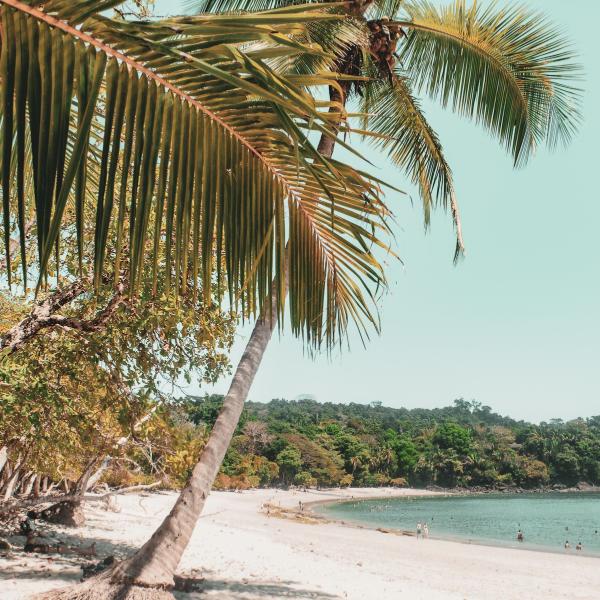
True beachfront property — sitting on or directly adjacent to the high-tide line — triggers a specific legal framework that every foreign buyer must understand before falling in love with a listing. In Costa Rica, the first 200 meters from the high-tide line fall under the Maritime Zone Law (Zona Marítimo Terrestre), and the first 50 meters are entirely public and cannot be privately owned by anyone. This means most “beachfront” properties that appear in listings are either set back from the actual shoreline or held under a concession rather than fee simple title. Understanding this distinction before you begin your search will save you both time and frustration.
Fee Simple Title vs. Concession Property: A Critical Distinction for Foreign Buyers
What Is the Maritime Zone Law and Why It Matters
The Maritime Zone Law (Law No. 6043) governs all land within 200 meters of the ocean’s high-tide mark. The first 50 meters is the public zone — no structures, no ownership. The next 150 meters is the restricted zone, where private use is permitted only through a government-granted concession administered by the local municipality. Properties in this zone are not purchased outright. They are leased from the state, typically in 20-year renewable terms.
This distinction matters enormously for price, financing, and long-term security. Fee simple titled properties, those registered in the National Registry with a full property deed, carry the strongest ownership rights and are generally more valuable, easier to finance, and simpler to resell. Concession properties can be excellent investments, but they carry different risk profiles and require careful legal due diligence before any offer.
How Concession Property Affects Price, Risk, and Ownership Rights
Concession properties typically list at lower prices than equivalent fee simple properties, which makes them attractive at first glance. The price discount reflects real risks: concessions can be challenged, non-renewed, or revoked under certain circumstances, and foreigners face additional restrictions. A foreigner cannot hold more than 49% of a concession directly. It must be held through a Costa Rican corporation with appropriate local participation. None of this makes concession property off-limits for foreign buyers, but it does mean that a thorough legal review by a qualified Costa Rican attorney is non-negotiable before proceeding.
—
The Foreign Buyer’s Due Diligence Checklist: 10 Steps Before You Sign Anything
Use this checklist before making any offer or signing any document on a Costa Rican property.
- Confirm title status by verifying whether the property is fee simple titled or held under a maritime zone concession, and pull the current registry record from the Registro Nacional.
- Run a full title search, having your attorney trace ownership history for at least 10 years and checking for liens, encumbrances, easements, and any pending legal disputes.
- Verify the survey (plano catastrado) to confirm that the physical survey on file matches the property boundaries and that no encroachments exist.
- Check municipal permits to confirm that all existing structures were built with proper approvals from the local municipality and the CFIA.
- Review HOA or condo documents by requesting the last 12 months of financial statements and the community’s rules and regulations if purchasing in a development.
- Assess utilities and infrastructure by independently confirming that water, electricity, and road access are legal, documented, and fully operational.
- Hire an independent building inspector and never rely on the seller’s representations for structural condition, especially in older or coastal properties where humidity and salt air accelerate deterioration.
- Confirm corporate structure if applicable, as many properties are held inside a Costa Rican sociedad anónima (SA). If you are buying the company rather than the asset directly, your attorney must audit the corporation’s liabilities and tax obligations.
- Use a licensed escrow service and ensure all deposit funds move through a regulated escrow account, never directly to a seller or agent.
- Engage a Costa Rica-licensed notary-attorney from day one, not one recommended solely by the seller, and confirm their registration with the Colegio de Abogados before engaging their services.
—
The Hidden Costs of Buying a House in Costa Rica
What Most Price Guides Skip, and What It Costs You
Most price guides stop at the listing price. That is a mistake that costs buyers thousands of dollars in surprises at the closing table. The true cost of acquiring property in Costa Rica runs 3.5% to 5% above the purchase price, sometimes higher depending on legal complexity and property type. Budget for this gap from day one.
Transfer Tax, Stamp Duties, and Registry Fees Explained in Plain English
Costa Rica’s transfer tax (impuesto de traspaso) is set at 1.5% of the registered property value or the sale price, whichever is higher. On top of that, stamp duties and registry fees add roughly another 0.5% to 1%, covering documentary stamps required by the National Registry, the Colegio de Abogados, and several other government entities. These fees are fixed by law and non-negotiable. On a $300,000 property, expect to pay $6,000 to $7,500 in transfer taxes and stamps alone.
Legal Fees and Notary Costs: What Is Standard and What Is Not
Legal fees in Costa Rica are regulated by the Colegio de Abogados and are based on a sliding scale tied to the transaction value. The standard rate is approximately 1% to 1.25% of the purchase price for a straightforward residential transaction. On a $250,000 sale, that means $2,500 to $3,125 in notary-attorney fees. More complex transactions, those involving corporate structure transfers, concession properties, or title disputes, will cost more, and rightfully so. Any quote significantly below the regulated minimum should raise questions about what services are actually included.
Escrow Fees and How the Escrow Process Protects You
Escrow in Costa Rica works similarly to the US system: a neutral third party holds your deposit and purchase funds until all conditions are satisfied and the deed is registered. Fees typically run 0.25% to 0.5% of the transaction value, paid by the buyer or split between parties depending on negotiated terms. The protection escrow provides is real. It ensures your funds are not released until title transfers cleanly, giving you a meaningful layer of security in an unfamiliar legal environment. Never wire funds directly to a seller or agent without an escrow agreement in place.
How Much Does It Cost to Close on a Property in Costa Rica as a Foreign Buyer?
Adding it all together, a foreign buyer purchasing a $300,000 property should budget roughly $12,000 to $18,000 in closing costs, covering transfer tax, stamps, registry fees, legal fees, and escrow. A useful working rule is to set aside 4% to 5% of the purchase price as your closing cost buffer. Some buyers also incur additional costs for corporate formation if they are purchasing through a Costa Rican sociedad anónima, which typically adds $500 to $1,500.
Currency Exchange Risk: How USD-to-Colones Fluctuation Affects Your Purchase
The purchase price itself is denominated in US dollars, so that exposure is straightforward. The currency risk enters through ongoing costs. Property taxes, utility bills, local services, and some HOA components are billed in colones. When the colón strengthens against the dollar, your effective cost for these expenses rises. Over a five-year ownership horizon, currency movement can meaningfully shift your actual cost of ownership. This is not a reason to avoid purchasing, but it is a reason to maintain a colones-denominated operating account and plan your annual budget with a currency buffer of 10% to 15% on local expenses.
—
Long-Term Ownership Costs: The Full Financial Picture Beyond the Purchase Price
How Much Are Property Taxes in Costa Rica?
Costa Rica’s annual property tax rate (Impuesto sobre Bienes Inmuebles) is 0.25% of the registered property value, one of the lowest in the Western Hemisphere. On a property registered at $300,000, your annual tax bill is $750. Property values for tax purposes are self-declared and updated periodically by the municipality, and many properties carry registered values below their market price, which keeps effective tax rates even lower. There is also a luxury home tax (impuesto solidario) that applies to properties with construction values above a threshold that adjusts annually. If your property crosses that threshold, an additional progressive tax applies on the construction value. Your attorney can confirm whether a specific property falls within this category.
HOA and COA Fees: What to Expect in Gated Communities and Condos
For properties in gated communities and condominiums, HOA fees are a genuine ownership cost that many buyers underestimate. Fees in established Gold Coast communities range from $200 to $600 per month. The variance reflects what is included: some communities cover water, cable, and internet within the HOA, while others cover only security, landscaping, and pool maintenance. Before purchasing in any development, request the full HOA budget and 12 months of financial statements. Underfunded reserve accounts are a warning sign for future special assessments.
Insurance, Maintenance, and Property Management: Annual Cost Benchmarks
Homeowner’s insurance through Instituto Nacional de Seguros (INS), Costa Rica’s state insurer, runs roughly 0.3% to 0.5% of the insured property value annually. On a $300,000 home, that is $900 to $1,500 per year. Coastal properties may carry higher rates given exposure to humidity, tropical storms, and salt air. Maintenance costs for a well-built coastal property typically run 1% to 2% of property value annually, covering routine repairs, pest control, landscaping, and appliance upkeep. If you are not living on-site year-round, professional property management adds another 10% to 20% of rental revenue or a flat monthly fee in the $150 to $400 range.
Can Foreigners Get a Mortgage in Costa Rica?
Financing is available to foreign buyers, though it works differently than the US market. Most buyers fund purchases with cash or foreign home equity, but local options do exist.
Local Bank Financing Through SUGEF-Regulated Institutions
Costa Rican banks regulated by SUGEF (the banking supervisory authority) do lend to non-residents, but the terms are more conservative than North American buyers typically expect. Loan-to-value ratios of 50% to 70% are common, interest rates on USD-denominated loans generally run higher than comparable US rates, and documentation requirements include international credit history, income verification, and a local legal representative. The process is slower than US closings and requires patience, but it is a legitimate path for buyers who cannot deploy full cash.
Developer Financing and Seller-Carry Options as Alternatives
Many developers on the Gold Coast offer in-house financing, particularly for pre-construction and new inventory. Terms vary widely, but down payments of 20% to 30% with multi-year balloon structures are common. Seller financing also appears in the Costa Rica resale market more often than buyers expect, particularly for motivated sellers or properties that have been listed for extended periods. Both options can move faster than bank financing and offer more flexible qualifying criteria. Negotiate these terms carefully and have your attorney review any financing agreement before signing.
—
What Is the Legal Process for Foreigners Buying Property in Costa Rica?
Do Foreigners Have the Same Property Rights as Citizens?
Yes, with one significant exception. The Costa Rican constitution grants foreign nationals the same property rights as citizens for fee simple titled property. Foreigners can own 100% of a titled property outright, in their personal name or through a Costa Rican corporation, with no nationality-based restrictions. The exception is maritime zone concession property, where a foreigner cannot directly hold more than 49% of the concession. For the vast majority of residential purchases in gated communities and established neighborhoods, foreigners operate on exactly equal legal footing with Costa Rican nationals.
Title Verification, the National Registry, and Why Both Matter
Every fee simple property in Costa Rica should be registered in the Registro Nacional (National Registry), which is publicly searchable and records ownership, liens, mortgages, easements, and encumbrances. A clean title search pulls the full history of a property and confirms that the seller has the legal right to transfer ownership. Your attorney will conduct this search as a standard part of the purchase process. Do not skip it, and do not accept a seller’s verbal assurances as a substitute. The registry is the authoritative record, and any discrepancy between what the seller claims and what the registry shows requires resolution before you proceed.
The Role of a Costa Rican Notary-Attorney in Every Transaction
In Costa Rica, the notary who executes a real estate deed must be a licensed attorney. This is not an administrative role. The notary-attorney drafts the transfer deed, verifies the parties’ identities, confirms the title is free and clear, and registers the transfer with the National Registry. That attorney bears legal responsibility for the accuracy of the deed. Choose your notary-attorney independently, not one suggested solely by the seller or the listing agent, and confirm their registration with the Colegio de Abogados before engaging their services.
Residency and Visa Implications of Property Ownership
Owning property in Costa Rica does not automatically grant residency. However, Costa Rica’s rentista and pensionado residency programs are popular among foreign buyers, and property ownership integrates naturally into the lifestyle those programs support. The pensionado category requires documented retirement income of at least $1,000 per month. The rentista category requires $2,500 per month in verifiable passive income. Investors who purchase property valued at $200,000 or more may also qualify for the inversionista residency category. None of these programs require property ownership, but many buyers pursue residency and property purchase simultaneously, and a qualified immigration attorney can coordinate both processes efficiently.
—
Vacation Rental ROI and Investment Potential on the Gold Coast
What Rental Income Can a Gold Coast Property Realistically Generate?
A well-positioned two-bedroom condo in a managed community near Tamarindo or Playa Flamingo can generate meaningful gross rental income per year in short-term rentals, assuming solid occupancy during the November through April high season and reasonable off-season bookings. Larger villas with pools and ocean views can earn substantially more annually at the upper end. These numbers assume active listing management, competitive pricing, and a property that is genuinely rental-ready. Buyers who purchase with rental income as a primary objective should evaluate properties specifically through that lens. Layout, amenities, proximity to the beach, and community rental policies all affect your income ceiling.
How Professional Property Management Amplifies Returns
Self-managing a Costa Rica rental from abroad is possible but operationally demanding. A professional management company handles guest communications, check-in logistics, housekeeping, maintenance coordination, and platform optimization across listing channels. In exchange, they typically retain 20% to 30% of gross rental revenue. That fee sounds significant until you account for what it actually delivers: higher occupancy through better listings, faster maintenance response that protects the asset, and the ability to be a hands-off owner living wherever you choose. For most Gold Coast investors who do not live on-site year-round, professional management pays for itself in higher net returns and dramatically lower stress.
What Areas in Costa Rica Offer the Best Value for Retirement and Investment?
The answer depends on what value means to you. For lifestyle and long-term appreciation, the Gold Coast remains the strongest combination of rental demand, infrastructure, and property value stability. For pure affordability relative to quality of life, inland Guanacaste towns and the Central Valley offer genuine value for buyers willing to trade beach proximity for lower prices and a more local living experience. The Central Pacific, particularly around Santa Teresa real estate, has attracted a younger, wellness-oriented demographic and shown strong appreciation over recent years, though infrastructure gaps remain in some areas.
The buyers who make the best decisions are the ones who visit each target area, spend at least a week living there, and then match what they experienced against their actual daily life priorities — not the version they imagined from a listing photo.
—
Red Flags and Due Diligence: How to Avoid Costly Mistakes as an Overseas Buyer
How Do I Avoid Scams When Buying Real Estate in Costa Rica?
The Costa Rica real estate market is largely legitimate and well-regulated, but it is not immune to fraud. The buyers who run into serious problems share a common pattern: they moved too fast, skipped independent legal review, or placed trust in a single party with a financial interest in the outcome. The solution is not paranoia — it is process.
Start by understanding who represents whom. In Costa Rica, real estate agents are not legally required to be licensed, which means buyer representation standards vary significantly across the market. A listing agent represents the seller. A developer’s sales office represents the developer. The one professional in every transaction whose job is to protect the integrity of the deal — and who bears legal liability for it — is your notary-attorney, which is precisely why selecting that person independently matters so much. Every other relationship in the transaction should be evaluated through the lens of aligned incentives.
Use escrow without exception. Fraudulent transactions almost always involve requests to wire funds directly to a seller, a seller’s attorney, or an intermediary account. Legitimate sellers accept escrow. Any resistance to using a regulated escrow service is itself a disqualifying signal.
Five Warning Signs That Demand a Closer Look
Most problematic deals telegraph themselves before the closing table if you know what to watch for.
- A seller or agent discourages independent legal review, citing time pressure or unnecessary cost. Legitimate sellers welcome due diligence because it protects both parties.
- The listed price sits noticeably below comparable properties in the same area. Underpriced listings sometimes reflect genuine motivated sellers, but they more often reflect title problems, unpermitted construction, or undisclosed encumbrances that a registry search will surface.
- Ownership is held inside a Costa Rican sociedad anónima, but the seller resists providing the corporation’s full legal and tax history. When you buy a company, you inherit its liabilities. Incomplete disclosure here is a hard stop.
- The property sits within the maritime zone and the seller cannot produce a current, municipally-approved concession with clear documentation of renewal status and any use restrictions.
- You are asked to sign any document — including a letter of intent or a “simple” purchase option — before your attorney has reviewed it. In Costa Rica, signed option agreements can create binding obligations and affect your legal position if the deal falls apart.
None of these signals necessarily mean fraud. Some reflect seller inexperience or disorganized paperwork. But every one of them justifies slowing down and getting clear answers before you proceed.
Why Working With a Locally Established Firm Is Your Most Important Risk-Mitigation Tool
An experienced local brokerage does not replace your independent attorney, but it does something a remote search cannot replicate: it filters the market before you ever see a listing. A firm that has operated in a specific region for years knows which developments have clean HOA financials, which areas have infrastructure gaps that do not appear in listing photos, and which transactions have complicated histories. That institutional knowledge is not documented anywhere. It lives in relationships and on-the-ground observation accumulated over time.
Beyond market knowledge, a locally established firm also has reputational skin in the game. A brokerage that has built nearly two decades of client relationships on the Gold Coast cannot afford to move a problematic property or steer a buyer wrong. That accountability structure works in your favor in ways that a one-off transaction with an unknown party simply cannot provide.
—
Your Complete Cost Snapshot: What to Budget for a Gold Coast Property in 2026
The following example illustrates the full financial picture for a $350,000 two-bedroom condo in a managed community near Tamarindo.
Purchase Costs
- Purchase price: $350,000
- Transfer tax (1.5%): $5,250
- Stamp duties and registry fees (approx. 0.75%): $2,625
- Notary-attorney fees (approx. 1.1%): $3,850
- Escrow fee (approx. 0.35%): $1,225
- Corporate formation if applicable: $500 to $1,500
- Total estimated closing costs: $13,000 to $14,500, or roughly 4% of the purchase price
Annual Ownership Costs
- Property tax (0.25% of registered value): $875
- HOA fees ($350/month average): $4,200
- Homeowner’s insurance (approx. 0.4% of value): $1,400
- Maintenance and repairs (approx. 1.5% of value): $5,250
- Property management if renting (25% of gross rental revenue): variable
- Total estimated annual cost without rental income: $11,700 to $13,500
Rental Income Offset
When actively rented at solid occupancy levels, a well-positioned property at this price point can approach cost-neutral or better on an annual basis after management fees. Add a 10% to 15% currency buffer to colones-denominated expense lines as a planning cushion.
—
Conclusion: Your Full Financial Picture and Your Next Step With Coastal Realty
The Core Truth About Succeeding as a Foreign Buyer in Costa Rica
Understanding how much a house in Costa Rica costs is only half the equation. The buyers who regret their Costa Rica purchase almost always made one of two mistakes: they underestimated the total cost of ownership by anchoring only to the listing price, or they tried to navigate an unfamiliar legal and market environment without genuinely qualified local support. Both mistakes are entirely avoidable with the right preparation and the right partner.
The buyers who succeed — the ones hosting family at their Flamingo villa, depositing rental checks during high season, and telling anyone who will listen that they wish they had done this sooner — did the financial work upfront. They budgeted for closing costs. They understood their HOA obligations. They verified title before they fell in love with a property. And they worked with people who had seen every variation of this process and knew how to navigate it cleanly.
How Coastal Realty’s 18-Plus Years on the Gold Coast Works in Your Favor
Coastal Realty has operated specifically on the Gold Coast since 2006. That means our team knows this market the way only long-term local presence allows: which communities are well-managed, which developments have delivered on their promises, and which areas are appreciating and why. We have guided buyers through every type of transaction in this market — first-time buyers, retirees relocating permanently, investors building rental portfolios, and families purchasing second homes they plan to pass to the next generation.
What that experience translates to practically is a shorter path from your first question to your first closing, with fewer surprises along the way. We coordinate directly with trusted notary-attorneys, escrow providers, and property managers, so you have a coherent team working your transaction rather than assembling professionals independently in a market you are just learning.
Ready to Move From Research to Reality?
You now have the full picture: what houses in Costa Rica cost across budget tiers and regions, what closing costs and ongoing expenses to plan for, how the legal process works for foreign buyers, what rental income potential looks like, and where the real risks are and how to avoid them.
The next step is a conversation — not a sales call, but a practical discussion about your budget, your timeline, your lifestyle priorities, and the specific areas or property types that match what you are looking for. Contact Coastal Realty to schedule a no-pressure consultation with one of our Gold Coast specialists. We will tell you honestly whether your budget fits the market you have in mind, show you what is currently available, and give you a clear picture of what the buying process will look like from offer to registration.
Your Costa Rica chapter is closer than it probably feels right now. We are here to help you get it started.
—
Frequently Asked Questions
What are the hidden costs of buying a house in Costa Rica?
Beyond the listing price, buyers should budget 4% to 5% of the purchase price in closing costs. These include a 1.5% transfer tax, stamp duties and registry fees of roughly 0.5% to 1%, notary-attorney fees of approximately 1% to 1.25%, and escrow fees of 0.25% to 0.5%. On a $300,000 purchase, that adds up to $12,000 to $18,000 in costs that many buyers do not anticipate until they reach the closing table.
How much does it cost to close on a property in Costa Rica as a foreign buyer?
Total closing costs for a foreign buyer typically fall between 3.5% and 5% of the purchase price. If you are purchasing through a Costa Rican corporation, add $500 to $1,500 for corporate formation. Using a practical rule of 4% to 5% as your closing cost buffer will keep you from being caught off guard.
What is the legal process for foreigners buying property in Costa Rica?
The process begins with a title search through the Registro Nacional, followed by a purchase option agreement, due diligence period, and ultimately a transfer deed executed by a licensed notary-attorney. That attorney registers the deed with the National Registry, at which point ownership officially transfers. Foreigners have the same property rights as citizens for fee simple titled property, and the entire process typically takes 30 to 60 days for straightforward transactions.
What areas in Costa Rica offer the best value for retirement?
The answer depends on your priorities. The Gold Coast, particularly around Tamarindo and Playa Flamingo, offers the strongest combination of lifestyle amenities, rental income potential, and long-term appreciation. Inland Guanacaste towns provide affordability and more space at the cost of beach proximity. The Central Valley is ideal for buyers who prioritize urban services and healthcare over coastal living. We always recommend spending at least a week in your target area before committing to a purchase.
How much are property taxes and maintenance costs in Costa Rica?
Costa Rica’s annual property tax rate is 0.25% of the registered property value, making it one of the lowest in the hemisphere. On a $300,000 property, that is $750 per year. Annual maintenance costs for a well-built coastal home typically run 1% to 2% of property value, covering repairs, pest control, landscaping, and appliance upkeep. Homeowner’s insurance through the state insurer adds another 0.3% to 0.5% of insured value annually.
Can foreigners get a mortgage in Costa Rica?
Yes, though the terms differ from what North American buyers are used to. SUGEF-regulated Costa Rican banks do lend to non-residents, but expect loan-to-value ratios of 50% to 70% and interest rates that are generally higher than comparable US rates. Developer financing and seller-carry arrangements are also available in the market and can offer faster approval timelines and more flexible terms. Most foreign buyers fund purchases with cash or home equity from their country of origin, but local financing is a viable option for buyers who need it.