
Homes For Sale In Playa Del Coco Costa Rica: Top Listings for 2026
Homes for sale in Playa del Coco Costa Rica represent the most accessible, most liquid, and most service-rich entry point on Guanacaste’s Gold Coast. No other community along this stretch of Pacific coastline combines year-round infrastructure, an international expat base, a walkable town center, and consistent rental demand in a single address. Playa del Coco is not a resort enclave. It is a functioning town with a 12-month economy, working restaurants and bars, medical facilities, international schools within reach, and a marina that draws sportfishing and sailing traffic from across the Pacific. For buyers in 2026, that combination of lifestyle and logistics is increasingly rare at the price points this market still offers.
This guide comes from Coastal Realty & Property Management, based in Playas del Coco. We work the Gold Coast corridor daily. What follows is an honest, practical picture of the Playa del Coco real estate market in 2026 — what it offers, what it costs, which neighborhoods perform, and what buyers must understand before making a move.
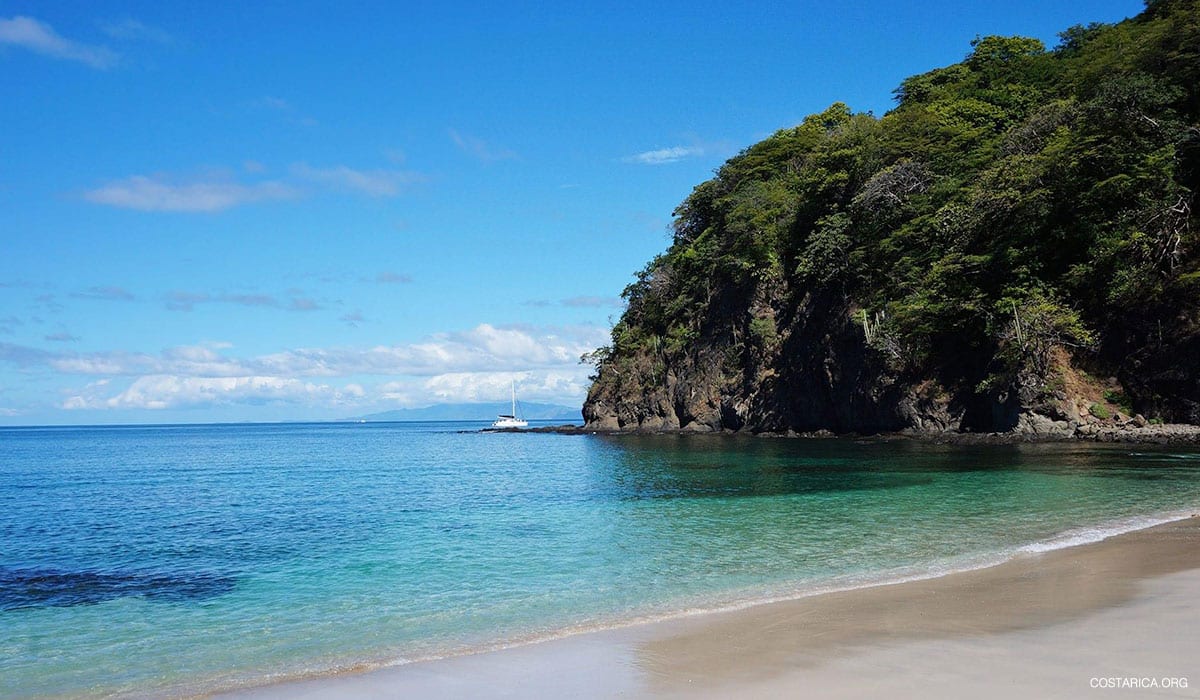
Why Playa del Coco Holds a Distinct Position on the Gold Coast
A Town That Functions Year-Round
Most Costa Rica beach communities are seasonal. Activity peaks from December through April, then contracts sharply when the dry season ends. Playa del Coco does not follow that pattern with the same severity. The town has enough permanent residents — both Costa Rican and expatriate — to sustain commercial activity throughout the rainy season. Restaurants stay open. Services remain available. The infrastructure built to support a year-round population creates conditions that seasonal resort communities cannot replicate.
For property buyers, this matters in two ways. Rental demand holds better during off-peak months than in communities that depend entirely on dry-season tourism. And for buyers considering relocation or extended stays, the town functions as a real place to live — not a resort operation with a support structure that disappears in May.
The Liberia International Airport Advantage
Playa del Coco sits 35 kilometers from Liberia International Airport — roughly 30 to 40 minutes on paved road. That proximity is one of the most significant logistical advantages in Guanacaste. Buyers and rental guests arriving from Miami, Dallas, Houston, Toronto, or New York land and reach a Coco property faster than nearly any other Gold Coast destination. For rental investors, faster guest transit means fewer lost hours on arrival and departure days. For part-time owners, it means the trip is genuinely manageable as a frequent visit rather than a major expedition.
Infrastructure That Supports Full-Time Living
Playa del Coco has the service infrastructure that most competing Gold Coast communities lack. Medical clinics, pharmacies, hardware stores, supermarkets, law offices, property managers, and a growing number of international-facing professional services are all accessible without a long drive. Liberia, with full hospital services and big-box retail, is 35 minutes away. For buyers evaluating Costa Rica real estate for retirement, relocation, or extended residence, this infrastructure baseline is not a minor detail. It is often the deciding factor.
Location: Where Playa del Coco Sits on the Gold Coast Map
Proximity to Key Destinations
Playa del Coco anchors the central section of the Gold Coast. Playa Hermosa is 5 kilometers north — a quieter beach community popular with surfers and snorkelers. Playa Ocotal is 3 kilometers south, fronting a calm protected cove and home to some of the most premium oceanfront properties in the corridor. Playa Panama is 10 kilometers north. Las Catalinas — Guanacaste’s celebrated car-free community — is 19 kilometers north. Liberia International Airport is 35 kilometers east. The position makes Playa del Coco a natural base for exploring the full Gold Coast while maintaining the service advantages of the corridor’s most established town.
The Marina and Sportfishing Economy
Playa del Coco’s marina is one of the primary sportfishing departure points on the Pacific coast. The fleet draws high-spending visitors with a specific activity agenda, and those visitors fill short-term rental inventory during periods that might otherwise see weaker occupancy. The marina economy also supports a commercial strip — charter operators, dive shops, fishing outfitters, equipment suppliers — that gives the town its working, practical character. Buyers purchasing here are not investing in a manufactured resort experience. They are acquiring property in a real coastal economy with organic commercial drivers.
Neighborhoods: Where to Buy in Playa del Coco
The Town Center — Beach Access and Walkability
Properties within walking distance of the main beach and town center represent the most liquid inventory in the Coco market. Condos and smaller residences in this zone generate the strongest short-term rental rates — guests pay a premium for the ability to walk to the beach, restaurants, and the marina without a car. Supply in the core is constrained; the best positions have been developed, and what turns over does so at firm prices. For rental investors prioritizing occupancy consistency, this is the primary target zone.
Ocotal and the Southern Headland — Premium Oceanfront
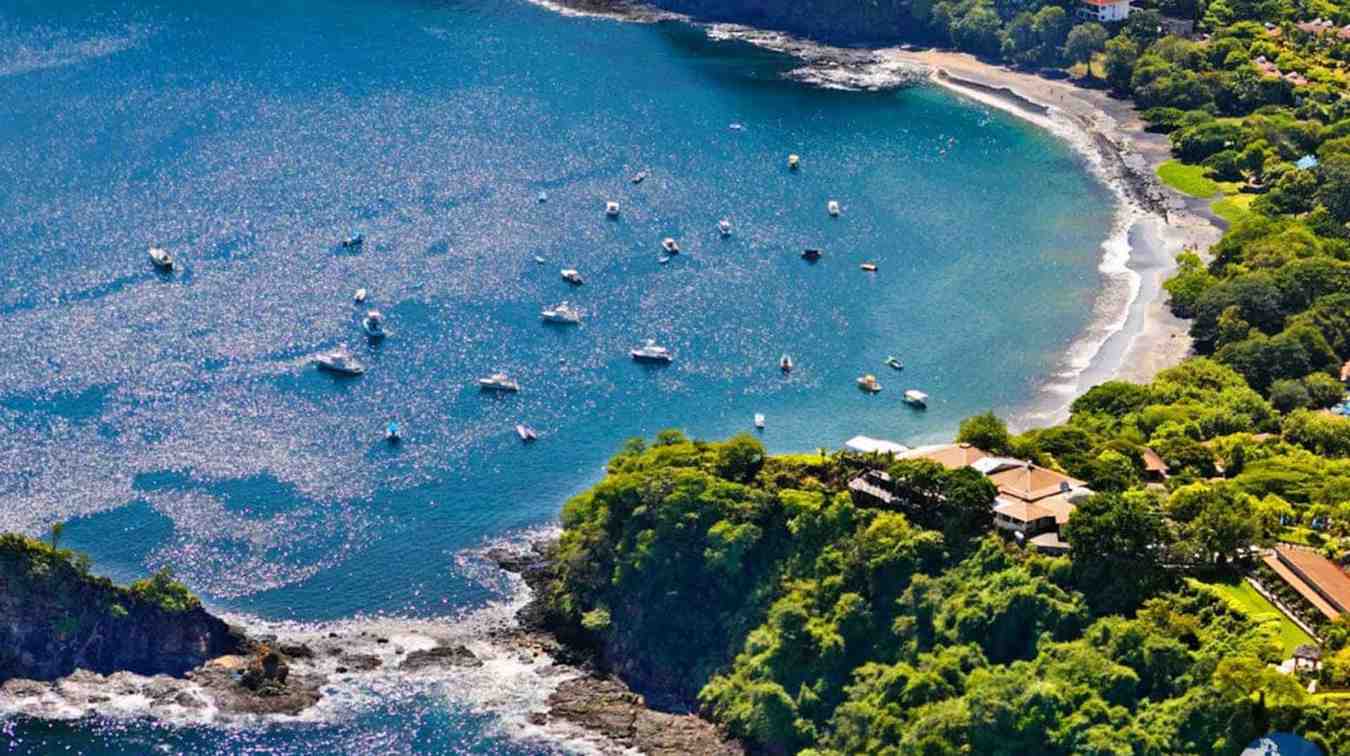
Playa Ocotal, 3 kilometers south of the town center, sits on a protected cove with exceptionally calm water and some of the clearest snorkeling on the Gold Coast. Properties here — particularly those with direct bay and ocean views — attract a different buyer profile than the town center: high-net-worth purchasers prioritizing privacy, views, and water access over walkability to commercial activity. Ocotal villas and condos have historically appreciated well because the geography is physically constrained. Development density on the headland is limited by the terrain. Supply pressure from future construction is lower here than in other Coco sub-markets.
Hermosa Corridor — Larger Footprints and Privacy
Moving north toward Playa Hermosa, lot sizes increase and density drops. Buyers seeking larger homes, private pools, and more residential character without sacrificing proximity to Coco’s services find this corridor appealing. The 5-kilometer drive to the town center is manageable. The price-per-square-meter advantage over comparable properties in the core is real. Families and full-time residents often prefer this zone. Rental demand is softer than the town center but supported by the broader Gold Coast surge in visitor arrivals.
Hillside and View Properties — Panoramic Pacific Positions
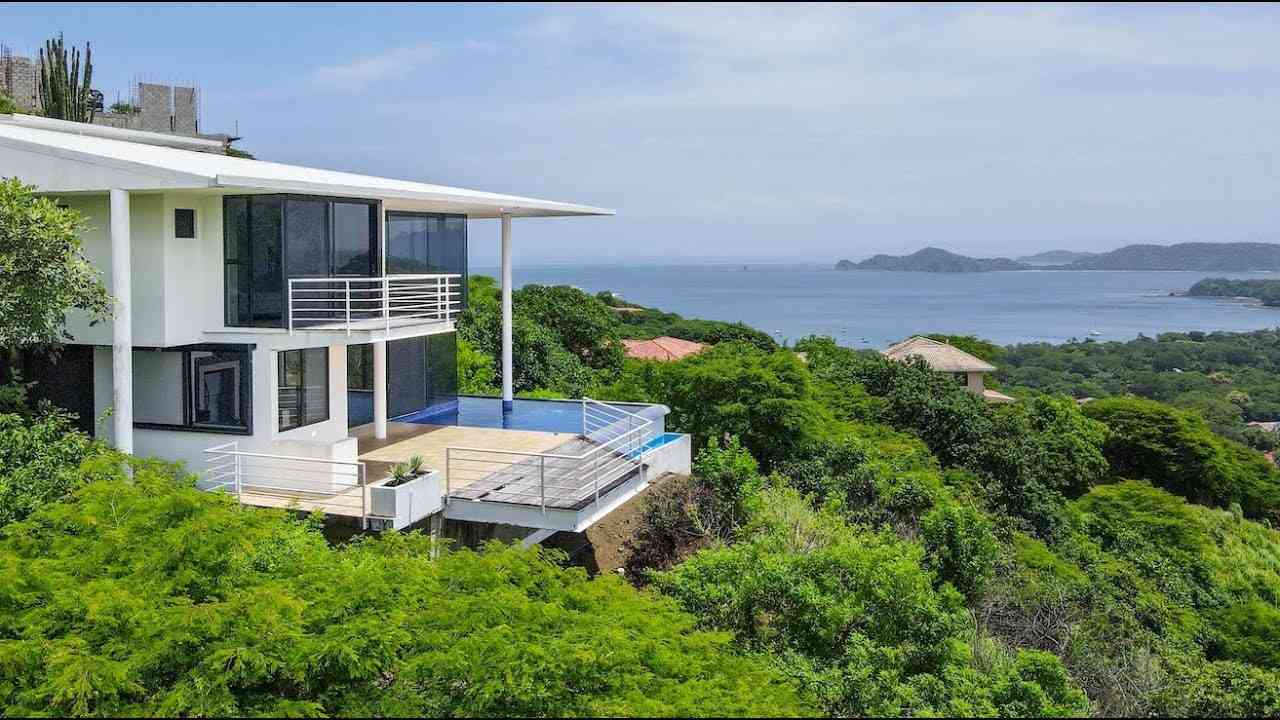
The hills above Playa del Coco offer elevated Pacific panoramas that the flat town center cannot provide. Hillside properties — homes and residences with unobstructed ocean views — attract lifestyle buyers willing to trade beach-walk convenience for dramatic vistas and cooler temperatures. These positions are also typically quieter, removed from the commercial noise of the town core. View properties with strong management programs have demonstrated consistent rental appeal; guests specifically seek out elevated positions with Pacific sunset orientation.
Property Types and 2026 Price Ranges
Studio and One-Bedroom Condos — $150,000 to $350,000
The most accessible entry point in the Gold Coast market. Well-located condos in gated communities with pools generate 5% to 7% gross yield when managed professionally. These units attract buyers who want a Costa Rica foothold without committing to a larger capital deployment. They also attract retirees who want manageable maintenance and a lock-and-leave ownership structure. The Coco market has sufficient inventory in this category to give buyers real selection — something that higher-priced markets like Las Catalinas cannot offer.
Two and Three-Bedroom Homes and Villas — $350,000 to $750,000
The market’s strongest volume tier. Single-family homes and larger condos in this range represent the majority of transaction activity in Playa del Coco. Properties with private pools command a meaningful premium — both in price and in rental rate. Well-positioned homes in this range achieve 6% to 8% gross yield with professional management. This is where most relocating families and semi-permanent residents transact. Inventory quality and condition vary significantly; buyers should conduct thorough due diligence on construction quality and HOA health before committing.
Oceanfront and Premium View Properties — $750,000 to $2M+
Direct oceanfront and Ocotal headland properties occupy a separate performance category. Supply is physically constrained. Appreciation has been more durable than the broader Guanacaste market during the post-pandemic correction. High-net-worth buyers from North America, Europe, and within Costa Rica specifically target this tier. These properties rarely sit on the market long when priced to current conditions. For buyers with the capital to transact here, the Playa del Coco / Ocotal oceanfront tier represents some of the most defensible real estate on the Gold Coast.
Lots and Build Opportunities — From $80,000
Titled residential lots remain available in the Coco corridor at price points that allow buyers to build custom homes without entering the full premium tier. Buyers selecting lots should evaluate road access, title status, utility hookups, and line-of-sight view angles carefully. A qualified Costa Rican attorney and an experienced local builder should be part of any land acquisition process. As the Gold Coast continues to attract international buyers, available land within close range of Coco’s services will become increasingly scarce.
Investment Performance: What the 2026 Data Shows
Price Trends and Market Position
The broader Guanacaste market saw a 30% correction from pandemic-era price peaks through 2024 and into 2025. Playa del Coco was not immune to that adjustment, but the correction was less severe in the town center and Ocotal headland than in speculative resort markets further up the coast. By early 2026, data from the Gold Coast corridor indicates stabilization in the core Coco market and renewed upward pressure in premium oceanfront inventory. The sub-markets most likely to see above-asking activity in 2026 are those with genuine supply constraints and an international buyer pool that competes for limited inventory.
Rental Yields and Occupancy Benchmarks
Well-positioned, professionally managed properties in Playa del Coco achieve 5% to 8% gross annual yield. Peak season from December through April drives occupancy rates of 80% to 90% in well-managed units. Rainy season occupancy holds at 45% to 60% for properties with strong platforms and management. The sportfishing economy extends shoulder-season demand beyond what purely beach-focused communities achieve. Professional management typically costs 20% to 25% of rental revenues. That cost must be modeled from the outset — buyers who underestimate management overhead consistently underperform their projections.
Who Is Buying in Playa del Coco in 2026
The buyer profile has broadened. Early Coco buyers were primarily North American retirees and vacation property seekers. That profile now includes younger buyers — remote workers, digital entrepreneurs, and second-home buyers in their 40s — alongside the traditional retirement market. European buyers, particularly from the UK and Germany, have increased their presence on the Gold Coast following expanded Liberia routes. The diversification of the buyer pool reduces the market’s dependency on any single demographic trend. It also supports resale liquidity in a way that narrower markets cannot.
Lifestyle: What Daily Life in Playa del Coco Looks Like
Morning to Evening
A morning in Playa del Coco can start with a snorkeling session at Ocotal, a paddleboard on the calm bay, or a sportfishing departure from the marina at first light. The town center’s restaurants open early. The beach fills by mid-morning with a mix of residents and visitors. Afternoons are better spent in the shade or at a pool — Guanacaste’s Pacific sun is direct — before the evening brings the town to life. The main strip runs from the beach inward, with bars, restaurants, and shops that serve a genuinely international clientele. Sunsets are a daily ritual.
Water and Outdoor Activities
Playa del Coco is a primary hub for Gold Coast water sports. Scuba diving is the flagship activity — the Catalina Islands, 7 kilometers offshore, host manta rays, bull sharks, and a diversity of reef fish that attract divers from across the world. Sportfishing — sailfish, marlin, dorado, and yellowfin tuna — drives significant marina traffic year-round. Snorkeling, kayaking, and sunset cruises round out the daily offering. Inland, ATV tours, horseback riding, and day trips to Rincón de la Vieja volcano are all accessible from Coco as a base.
The Expat Community and Support Network
Playa del Coco has one of the most established expat communities on the Gold Coast. English-speaking residents have built a functional support ecosystem — language-accessible legal services, medical care, property management, construction, and a social network that new arrivals can tap quickly. For buyers transitioning to Costa Rica life, this matters practically. The difference between a successful relocation and a frustrating one often comes down to the quality of local contacts. Coco’s established expat network is a genuine asset that newer or more isolated communities cannot offer.
What Buyers Must Know Before Purchasing
Title, Legal Structure, and Due Diligence
Costa Rica operates a robust public title registry. Fee-simple titled properties give foreign buyers the same ownership rights as Costa Rican citizens. There are no residency requirements to purchase real estate. A qualified Costa Rican attorney — one with no relationship to the seller — must conduct a full National Registry title search before any offer is finalized. Closing costs typically run 3% to 4% of the purchase price. Annual property tax is 0.25% of registered value. Luxury tax applies to properties registered above approximately $280,000 USD equivalent at graduated rates.
HOA and Condominium Governance
Most gated communities and condo developments in Playa del Coco operate under homeowners associations. HOA quality varies substantially. Before purchasing any condo or community property, review the HOA financial statements, reserve fund status, maintenance records, and meeting minutes. A well-funded HOA with professional management protects property values and prevents the deferred maintenance that erodes returns in under-governed developments. An underfunded HOA is a liability that shows up in special assessments, declining common areas, and difficult resales.
Construction Quality and Inspection
Construction standards in Costa Rica are not uniform. The market includes properties built to international quality benchmarks and properties with significant structural, electrical, or waterproofing deficiencies. An independent property inspection by a qualified professional — not one recommended by the seller — is non-negotiable before committing capital. Roof integrity, plumbing condition, electrical systems, and drainage are the highest-priority inspection areas in coastal tropical environments. The cost of a thorough inspection is trivial relative to the cost of discovering problems post-closing.
Frequently Asked Questions
What types of homes are for sale in Playa del Coco Costa Rica in 2026?
The market includes studio and one-bedroom condos from $150,000, two and three-bedroom homes and villas from $350,000 to $750,000, and premium oceanfront and view properties from $750,000 to $2M and above. Titled residential lots are available from approximately $80,000. The most active transaction volume sits in the $350,000 to $750,000 home and villa category, where supply is broadest and buyer demand is most consistent.
Can foreign buyers purchase property in Playa del Coco?
Yes. Fee-simple titled properties in Costa Rica give foreign buyers identical ownership rights to Costa Rican citizens. There are no residency requirements. A qualified Costa Rican attorney should conduct a full National Registry title search before any offer is finalized. Closing costs run 3% to 4% of the purchase price. Annual property tax is 0.25% of registered value. Luxury tax applies above the applicable threshold at graduated rates.
What rental yields can Playa del Coco property owners expect?
Well-positioned, professionally managed properties typically achieve 5% to 8% gross annual yield. Peak season occupancy from December through April runs 80% to 90%. Rainy season occupancy holds at 45% to 60% for well-managed inventory. Professional management costs 20% to 25% of rental revenues and should be modeled into financial projections before purchase. Properties with pools and ocean or bay views consistently outperform the market average on both rate and occupancy.
How far is Playa del Coco from Liberia International Airport?
Approximately 35 kilometers — 30 to 40 minutes on paved road. That proximity is one of the most significant logistical advantages in Guanacaste. Playa Hermosa is 5 kilometers north. Playa Ocotal is 3 kilometers south. Las Catalinas is 19 kilometers north. The position makes Coco one of the fastest and easiest Gold Coast destinations to reach from North American and European hubs, which directly supports both ownership logistics and rental demand.
What makes Playa del Coco different from other Guanacaste beach towns?
Playa del Coco is a functioning year-round town, not a seasonal resort development. It has the Gold Coast’s most established expat community, a working marina and sportfishing economy, consistent commercial and medical infrastructure, and a price range that still provides accessible entry for buyers who cannot or will not pay Las Catalinas premiums. For buyers who need a real place to live — not just a vacation asset — Playa del Coco’s infrastructure baseline is the most complete on the northern Pacific coast.
Playa del Coco Is the Gold Coast’s Most Complete Address
Homes for sale in Playa del Coco Costa Rica in 2026 represent a market that has proven its durability. The correction from pandemic-era peaks created buying opportunities that a speculative boom obscured. The infrastructure, the expat community, the airport proximity, and the year-round economic activity give this market foundations that newer or more fashionable Gold Coast addresses have not yet built. Buyers entering now — in a market that has stabilized and is showing renewed upward pressure in constrained inventory tiers — are positioning into the most practical and complete address on the northern Pacific coast.
At Coastal Realty, we help buyers evaluate Playa del Coco and the full Gold Coast corridor with a clear, honest view of where each market fits. Our role is to match the right address to the right buyer — every time.
→ Talk to a Coastal Realty Advisor