
Guanacaste Costa Rica: Welcome to Guanacaste: Costa Rica’s Gold Coast in a Nutshell
Why the Gold Coast Earns Its Name and Its Reputation in Costa Rica — Guanacaste Costa Rica
If you’ve been researching guanacaste costa rica, you’re in the right place. The nickname isn’t marketing. Guanacaste’s Pacific coastline earns the “Gold Coast” label through something far more literal: the quality of light that floods the region for roughly half the year. From late November through April, Guanacaste, Costa Rica enjoys reliably blue skies and a warm sun that turns the beaches genuinely golden by late afternoon. Add two hundred miles of Pacific coastline, some of the most biodiverse national parks in Central America, and a string of surf towns that have quietly evolved into world-class expat communities, and you begin to understand why this province carries a reputation that far exceeds its small geographic footprint.
The reputation is also built on something less visible: a consistency of experience that’s rare in tropical destinations. The infrastructure works. The roads have improved dramatically over the past decade. The expat communities are established enough to be welcoming but not so large that they’ve overwhelmed the local character. For visitors who come once and find themselves mentally moving furniture into a beachfront casita, that combination is rarely an accident.
Where Guanacaste Sits on the Map and Why That Geography Matters in Costa Rica
Guanacaste occupies Costa Rica’s northwestern corner, bordered by Nicaragua to the north, the Pacific Ocean to the west, and the central highlands to the southeast. That position matters for reasons beyond orientation. The Guanacaste mountain range acts as a rain shadow barrier, blocking the Caribbean moisture that drenches much of Central America and producing the dry, sunny climate that makes this the most consistently sunny region in the country.
The geography also creates meaningful variety within a compact area. The coast offers exposed beach breaks and sheltered bays within a short drive of each other. The interior rises into volcanic highlands where national parks hold cloud forests, hot springs, and dry tropical ecosystems that ecologists travel from around the world to study. For a prospective resident, this means you can live at the beach and still have true wilderness, working farmland, and a provincial capital city all within an hour’s drive.
The Pura Vida Promise: What Life Actually Feels Like Here in Costa Rica
“Pura vida” gets used so often in Costa Rica tourism materials that it risks becoming meaningless. In Guanacaste, though, it describes something tangible. It’s the produce vendor at the Saturday market in Sámara who remembers your name by your third visit. It’s the unhurried rhythm of morning coffee on a rancho porch while howler monkeys announce sunrise in the trees. It’s also the genuine warmth you encounter when navigating something bureaucratic for the first time and a Costa Rican neighbor sits down and walks you through it without being asked.
This isn’t to romanticize daily life into something effortless. There are real adjustments. Humidity, insects, the occasional power outage, and the pace at which things get done all require patience from people accustomed to North American efficiency. But expats who’ve made the transition consistently report that what they gave up in convenience, they gained back many times over in quality of daily experience. That trade-off is the actual pura vida promise, and for most people who’ve tested it against real life here, it delivers. This is particularly relevant when considering guanacaste costa rica.
Getting Here Is Easier Than You Think: Liberia International Airport and Direct Flights in Costa Rica — Guanacaste Costa Rica
The single logistical barrier that used to limit Guanacaste’s appeal to adventurous travelers has largely disappeared. Daniel Oduber Quirós International Airport in Liberia now receives direct flights from more than a dozen North American cities, including Atlanta, Dallas, Houston, Miami, New York, Toronto, and Los Angeles. Flight times from most major U.S. hubs run between four and six hours, with no layovers through San José and no connecting puddle jumpers.
For someone scouting property or managing a vacation rental from abroad, this directness changes the entire calculus of ownership. A Friday afternoon flight from Miami lands in Liberia by early evening. You can be sitting at a beachfront restaurant in Flamingo or Tamarindo before the night is out. That accessibility is one of the structural factors behind Guanacaste’s growing appeal to absentee owners, and it’s worth keeping in mind as you read the rest of this guide.
—
The Beaches, Coast, and Natural Wonders That Make Guanacaste Unforgettable in Costa Rica
The Pacific Coastline: From Tamarindo to the Nicoya Peninsula in Costa Rica
The Gold Coast doesn’t behave like a single beach. It behaves like a series of distinct ecosystems strung together by coastal highway. From the surf-focused energy of Tamarindo in the north to the protected quiet of Ostional and Nosara further south on the Nicoya Peninsula, each stretch of coast has its own character, its own community, and its own appeal to different kinds of visitors and residents.
The northern section, from roughly the Papagayo Gulf down through Flamingo and Tamarindo, is the most developed and easiest to navigate. Road infrastructure is solid, amenities are plentiful, and the expat and tourist presence is well-established. Moving south toward the Nicoya Peninsula, the roads get more interesting (a polite term locals use for unpaved), the towns get smaller, and the lifestyle gets noticeably slower and more intentional. This gradient from infrastructure-rich to remote and unspoiled is one of the reasons Guanacaste accommodates such a wide range of preferences. For anyone exploring guanacaste costa rica, this matters.
Flamingo Beach, Playa Conchal, and the Northern Gold Coast in Costa Rica — Guanacaste Costa Rica
Flamingo Beach sits on a protected bay with unusually calm water for the Pacific coast, making it a consistent draw for families and sport fishing enthusiasts. The town itself is small and low-key, with a marina that handles both charter fishing operations and larger vessels. The surrounding hills hold some of the Gold Coast’s most desirable residential real estate, a fact that hasn’t been lost on buyers over the past decade.
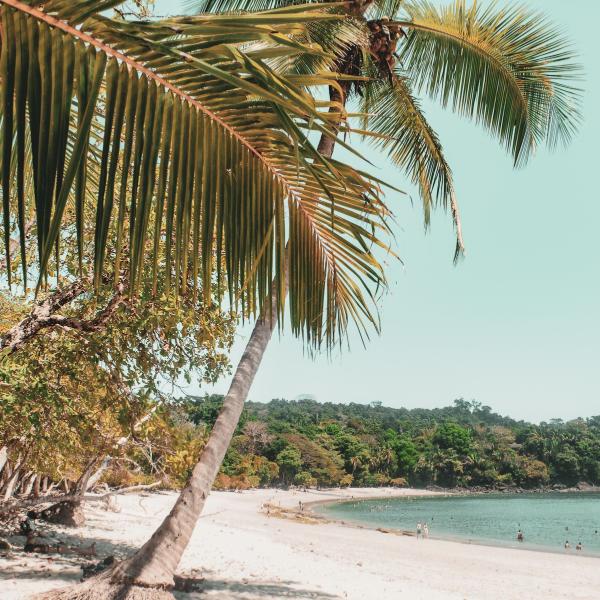
Playa Conchal, a few kilometers south, is something genuinely unusual: a beach where the sand is largely composed of crushed shells, giving it a texture and a pale, almost white color that looks more Caribbean than Pacific. The water is exceptionally clear, and the reef system just offshore offers snorkeling that surprises people who assume the Pacific can’t match the Caribbean. These two beaches together form a stretch of coastline that consistently ranks among the most sought-after on the entire Gold Coast.
Playa Grande and the Leatherback Sea Turtle Nesting Phenomenon in Costa Rica
Playa Grande sits directly across the estuary from Tamarindo, close enough to reach by boat in five minutes but worlds apart in atmosphere. The beach forms the heart of Las Baulas Marine National Park, established specifically to protect the nesting grounds of the leatherback sea turtle, the largest reptile on Earth. Between October and March, female leatherbacks arrive from open Pacific waters to nest on this beach in a cycle that predates human settlement on this coast by millions of years.
Watching a leatherback nest, which happens only through licensed night tours with strict limits on light and noise, is one of those experiences that resets your perspective. The turtles can exceed seven feet in length and weigh over a thousand pounds, navigating by magnetic fields to return to the exact beach where they hatched. The protection of this habitat shapes what Playa Grande can and cannot become as a community, which is part of what keeps it small, quiet, and ecologically intact. Many people researching guanacaste costa rica find this helpful.
Rincón de la Vieja National Park: Volcanoes, Waterfalls, and Dry Forest Wilderness in Costa Rica
About an hour northeast of Liberia, Parque Nacional Rincón de la Vieja rises to nearly 6,300 feet and holds two active volcanic craters, a network of bubbling mud pots and fumaroles, and multiple waterfalls cutting through dry forest and cloud forest zones. The park covers over 34,000 acres and receives a fraction of the visitors that Arenal does, which means the trails feel genuinely wild rather than managed.
Day trips from the coast are straightforward, and several lodges near the park offer multi-day access if you want to move beyond the main trails. The thermal activity near the park boundary feeds several hot spring experiences that range from rustic natural pools to developed resort settings. For expats living on the coast, Rincón de la Vieja becomes one of those places you bring every visitor to, not because it’s convenient but because nothing on the coast quite prepares people for the scale of it.
Palo Verde and Santa Rosa: Where the Tropical Dry Forest Comes to Life in Costa Rica — Guanacaste Costa Rica
Guanacaste’s national parks aren’t limited to volcanic drama. Palo Verde National Park, in the southern lowlands near the Tempisque River, protects one of the most important wetland and dry forest ecosystems in Mesoamerica. During the dry season, when deciduous trees shed their leaves and the landscape looks almost austere, wildlife concentrates around remaining water sources in densities that rival anything in more famous tropical destinations. Crocodiles, caimans, river otters, and hundreds of bird species share the Tempisque floodplain in a way that feels genuinely primordial.
Santa Rosa National Park, on the northern Pacific coast, holds historical significance as the site of a 19th-century battle and ecological significance as one of the largest remaining stands of tropical dry forest in Central America. The park’s Naranjo beach, accessible only by a long dirt road or boat, is considered one of the best surfing waves on the entire coast by those willing to make the effort. When evaluating guanacaste costa rica, keep this in mind.
Birding, Wildlife, and a World-Class Natural Destination in Costa Rica
More than 700 bird species have been recorded in Guanacaste Province, placing this region among the premier birding destinations in the Western Hemisphere. The dry forest habitat produces visibility that dense jungle never can: birds perch in bare tree branches against open sky, making identification and photography far more accessible than in wetter ecosystems. Scarlet macaws, roseate spoonbills, jabiru storks, and dozens of raptor species appear here as regulars, not rarities.
For naturalists and wildlife photographers, the combination of coastal, wetland, dry forest, and highland habitats within a single province creates a checklist that serious birders spend weeks working through. For everyone else, the wildlife is simply present in a way that feels remarkable: monkeys in the hotel garden, iguanas on the beach path, parrots crossing the sky at dusk. It becomes ordinary quickly, which is its own kind of extraordinary.
—
Activities and Experiences: Living the Gold Coast from Sunrise to Sunset in Costa Rica
Surfing the Pacific: Tamarindo, Playa Grande, and Beyond in Costa Rica — Guanacaste Costa Rica
Tamarindo has served as the entry point for surfing in Guanacaste for decades, and for good reason. The break is consistent, forgiving enough for beginners, and backed by a town full of surf schools that have introduced the sport to three generations of visitors. The main beach break isn’t the most challenging wave on the coast, but it produces reliable surfable conditions on most days between November and April.
For surfers who have moved past the beginner stage, the Gold Coast offers serious alternatives within easy reach. Playa Grande’s beach break handles larger swells differently than Tamarindo and attracts a more experienced crowd. Further north, Witch’s Rock and Ollie’s Point inside Santa Rosa National Park require a boat charter to access, but they deliver point break and beach break waves that appear on international surf lists year after year. The access requirement keeps crowds manageable in ways that open beaches never can. This is a key factor for anyone looking at guanacaste costa rica.
Kitesurfing, Sport Fishing, Snorkeling, and Ocean Adventures in Costa Rica
The consistent afternoon trade winds that define the dry season on the Gold Coast create ideal kitesurfing conditions, particularly around Bahía Salinas near the Nicaraguan border, which attracts serious riders from around the world between December and April. The wind patterns there are reliable enough to make it one of the more predictable kitesurfing destinations in the Americas.
Sport fishing deserves particular attention for anyone considering the Gold Coast. Marlin, sailfish, mahi-mahi, yellowfin tuna, and roosterfish move through these waters with seasonal regularity, and Flamingo’s marina supports one of the most active sport fishing charter fleets on the Pacific coast. Snorkeling and diving conditions vary significantly by location: Playa Conchal and the Catalina Islands both offer underwater visibility and marine life diversity that surprise visitors expecting murky Pacific water.
Olive Ridley Turtle Nesting: How to Experience It Responsibly in Costa Rica
Ostional National Wildlife Refuge, on the Nicoya Peninsula, hosts one of the most extraordinary wildlife events on Earth: the mass nesting event known as an arribada, when tens of thousands of Olive Ridley sea turtles emerge from the ocean simultaneously over the course of several days. This happens multiple times per year, with the largest events typically occurring between August and December, driven by lunar cycles and ocean conditions that scientists continue to study.
Access during arribadas follows strict protocols. Official guides accompany all visitors, group sizes are limited, no artificial light is permitted, and certain sections of beach remain off-limits during active nesting. These rules exist because they work: Ostional has maintained one of the healthiest Olive Ridley populations in the world under this model. Booking through licensed local operators or the refuge system directly is the only appropriate way to arrange this experience. Understanding guanacaste costa rica means knowing these details.
Inland Expeditions: Hot Springs, Canopy Tours, and Horseback Riding in Costa Rica — Guanacaste Costa Rica
The interior of Guanacaste offers a different scale of experience from the coast. Zip-line canopy tours operate near several of the national parks and allow perspectives on the dry forest canopy that ground-level trails never provide. Horseback riding through working cattle farms and dry forest reserves connects visitors to the region’s deep ranching heritage, which predates tourism by centuries and remains a defining part of Guanacastecan identity.
Hot spring experiences range from simple natural pools near Rincón de la Vieja’s thermal fields to developed resort settings with multiple pools, volcanic mud treatments, and restaurant facilities. For expat residents, these become the go-to destinations when family and friends visit from abroad, compressing a lot of novelty into a single, easy day trip.
The Quieter Pleasures: Farmers Markets, Yoga Communities, and Expat Social Life in Costa Rica
The social infrastructure of expat life in Guanacaste doesn’t announce itself loudly. It reveals itself gradually: the Saturday farmers market in Nosara where local producers sell alongside longtime American and European residents who greet each other by name, the yoga studios in Sámara and Nosara that serve both tourists and people who have been showing up every Tuesday for five years, and the informal community groups that coordinate beach cleanups, language exchange evenings, and recommendations for trustworthy contractors.
This is the texture of daily life that travel guides miss entirely. For someone evaluating whether they could actually live somewhere long-term rather than just visit, this network of connection matters more than almost any other factor. Communities like Nosara and Sámara have attracted enough like-minded residents from North America and Europe to create genuinely supportive social environments for newcomers, without losing the Costa Rican character that made those communities worth living in. People considering guanacaste costa rica often ask about this.
—
> ### From First-Time Visitor to Potential Resident: A Season-by-Season Planning Framework
>
> Phase 1: First Visit (Dry Season, December–April)
>
> Your goal here is broad exposure. Arrive in Liberia and give yourself at least 10 days. Split your time between two micro-regions rather than one: try three nights in Tamarindo to calibrate against the busiest version of the Gold Coast, then move to Flamingo or Potrero for another four nights to feel the contrast. Use one day for an inland excursion to Rincón de la Vieja. Ask locals and expats at restaurants and markets where they live, not where they recommend tourists go.
>
> Logistics checklist: rent a 4×4 (non-negotiable), book accommodations in advance for December through March, carry cash for smaller towns, and download offline maps before leaving Liberia.
>
> Phase 2: Exploratory Stay (Green Season, May–November)
>
> Return during the rainy season with a deliberate “live-here” lens. Rent a house rather than a hotel for a minimum of two to four weeks. Shop at the local grocery and farmers market. Attend a community event. The green season’s afternoon rains are real but rarely last more than two to three hours, and the landscape transforms into something genuinely lush. Prices drop, crowds thin, and the version of Guanacaste you experience is much closer to daily resident life. This plays a big role in the conversation around guanacaste costa rica.
>
> Priority micro-regions for scouting: Flamingo and Potrero for upscale amenities, Nosara for wellness and community, Sámara for budget-friendlier living with charm intact.
>
> Logistics checklist: road conditions vary more in rainy season, confirm that your rental’s internet supports remote work if relevant, and use this stay to schedule consultations with a local real estate attorney and at least two property agents.
>
> Phase 3: Serious Buyer Visit (Any Season)
>
> This trip has one purpose: due diligence. Meet the attorney you’ve researched remotely. Tour specific properties with a qualified local agent. Visit the nearest CAJA clinic and private hospital in your target area. Drive the routes you’d use for groceries, medical care, and airport access. The questions that couldn’t be answered online get answered on the ground.
—
Guanacaste costa rica: Planning Your Visit: Weather, Safety, and When to Go
Dry Season vs. Green Season: The Real Differences for Travelers and Residents in Costa Rica
The dry season, running from late November through April, delivers what the brochures promise: clear skies, calm seas, and reliably warm temperatures that hover between the low 80s and low 90s Fahrenheit. Beach conditions are at their best, ocean visibility for snorkeling and diving peaks, and surf consistency is highest along the exposed breaks. Practically every tourism operation runs at full capacity, which means activity availability is highest and accommodation prices are highest simultaneously. It’s one of the reasons guanacaste costa rica comes up so often in expat forums.
The green season, from May through November, operates on a different rhythm. Morning skies are often clear, the rains typically arrive in the mid-afternoon, and by evening conditions have settled again. The landscape shifts dramatically: browns and dusty yellows give way to a green intensity that makes the dry season look almost monochrome in comparison. For residents, the green season is often the preferred time of year. The coast quiets down, prices drop across the board, and the community that remains is more local and more relaxed. For a prospective buyer, a green season visit reveals a version of Guanacaste that tourist-season visits never show.
Is Guanacaste Safe? A Realistic Assessment in Costa Rica — Guanacaste Costa Rica
The honest answer is that Guanacaste is safe by any reasonable comparative standard for expats and tourists, with the same caveats that apply to most popular destinations. Petty theft from vehicles and unattended beach belongings represents the most common issue in high-traffic areas like Tamarindo. Property crime in residential neighborhoods is relatively low, particularly in gated communities and established expat areas like Flamingo Hills, Potrero, and the Nosara community zones.
More rural and remote areas of the Nicoya Peninsula require additional common sense, primarily related to road safety rather than crime. The areas closest to the Nicaraguan border warrant a slightly higher level of situational awareness, though this applies mainly to specific border crossing zones rather than the tourist and expat communities along the coast. The expat communities in Flamingo, Tamarindo, Nosara, and Sámara are genuinely well-established and low-drama. Neighbors look out for each other in ways that feel more rural than suburban.
Healthcare Access in Guanacaste: What Expats and Long-Term Residents Actually Use
This question deserves a layered answer because it affects quality-of-life decisions more than almost any other factor for retirees and long-term residents. Costa Rica maintains a universal public healthcare system called the Caja Costarricense de Seguro Social (CAJA), which legal residents can access after enrollment. The CAJA hospital in Liberia serves as the primary public facility for the region, with clinics (EBAIS) distributed across the smaller towns. If guanacaste costa rica is on your radar, this is worth noting.
Most expats who live here long-term use a combination: the CAJA for serious conditions and hospitalization, and private clinics for routine care, specialist visits, and anything requiring speed. Private clinics have expanded notably in Liberia, and several established practices in Tamarindo, Flamingo, and Nosara now provide bilingual care at costs that are a fraction of equivalent care in the United States. For more complex procedures, San José is three to four hours by car and holds genuinely world-class private hospital facilities. Medical evacuation coverage through travel or expat health insurance is standard practice among long-term residents, and it’s affordable.
The Best Time to Visit Guanacaste Depends on What You’re Looking For
A first-time visitor chasing the classic beach vacation should aim for January through March, when peak dry season conditions arrive with every amenity fully operational. A surfer looking for consistent waves will find the best conditions from November through April for most breaks, with northern swells picking up in December and January for exposed beaches.
Someone evaluating the region as a place to live should visit twice before making any property decisions: once during dry season to understand the full-capacity version of their target community, and once during green season to see what daily life actually looks like when the tourism machinery slows down. These two visits reveal different towns in meaningful ways, and the gap between them is information you need before committing to ownership.
—
The Best Beach Towns in Guanacaste and What Sets Each One Apart — Guanacaste Costa Rica
Tamarindo: The Lively Hub That Divides Opinion
Tamarindo is the Gold Coast’s most recognized name internationally, and that visibility is both its greatest asset and its most divisive quality. The town has the broadest selection of restaurants, surf schools, shops, and nightlife in the region. The surf break that put it on the map still works. The expat population is large, diverse, and includes long-term residents who’ve built real lives here alongside the seasonal crowd. This is particularly relevant when considering guanacaste costa rica.
The trade-off is density. Tamarindo in high season is busy in ways that genuinely bother some people and don’t bother others at all. Traffic through the main road backs up. The beach sees more visitors per square meter than any other spot on the coast. For vacation rental investors, that foot traffic translates to strong occupancy numbers and consistent demand. For someone seeking tranquility as a daily experience, it points toward looking elsewhere. The honest read on Tamarindo is that it’s a well-functioning town with real infrastructure. It requires choosing your pocket within it carefully, but it is not a party destination that got out of hand.
Flamingo and Potrero: Quieter, Upscale, and Increasingly In-Demand
Flamingo and its neighboring community of Potrero sit about 20 minutes north of Tamarindo and function as a quieter, more residential alternative with meaningfully better amenities than their population size would typically support. The marina attracts a wealthier boating and fishing clientele, and the hills surrounding Flamingo Bay hold some of the most desirable residential properties on the Gold Coast.
Potrero has attracted significant residential investment from both Costa Ricans and foreigners over the past decade, driven partly by proximity to Flamingo’s amenities and partly by the availability of flatter, more buildable land at lower price points. The community has an established feel: not sleepy, but not tourist-oriented in the way Tamarindo is. For a retiree or remote worker seeking a base with access to good restaurants, a marina, and a growing expat social network without the volume of Tamarindo, this corridor consistently rises to the top.
Nosara and Sámara: Wellness, Surf Culture, and a Different Pace — Guanacaste Costa Rica
Nosara occupies a category of its own on the Gold Coast. The community is defined by a decades-old commitment to controlled development: property owners collectively agreed to limit commercial signage, restrict large hotel development, and protect the surrounding wildlife refuge that holds the Ostional nesting beaches. The result is a town that has grown significantly in value and population while retaining an aesthetic coherence that most Costa Rica beach towns abandoned years ago. For anyone exploring guanacaste costa rica, this matters.
The yoga and wellness community here is not a marketing angle. It’s a genuine infrastructure: multiple internationally recognized yoga schools, a health food and organic produce culture that would be unremarkable in Santa Monica but remarkable on a rural Pacific coast, and a resident community that skews toward intentional living in ways that attract like-minded newcomers. Sámara, 20 minutes south, carries a similar spirit at a slightly lower price point and with a stronger local Costa Rican character. Both towns have grown their expat communities rapidly since 2020, and that growth has tightened available inventory significantly.
Playa Grande: Small, Protected, and Perfectly Positioned
Playa Grande functions as Tamarindo’s quieter alter ego, separated from the town by the estuary and protected from development pressure by the national park designation that covers its beach. The community is genuinely small, the year-round resident population numbers in the hundreds, and the town’s commercial offerings are intentionally limited. That limitation is the point.
For surfers and nature-oriented residents who want to live close to Tamarindo’s amenities without living in them, Playa Grande occupies an appealing middle position. Property within and near the park boundaries involves specific title and concession considerations that require careful due diligence, which is worth understanding before falling in love with a particular listing.
Liberia: The Inland Hub That Makes Daily Life Actually Work
Liberia doesn’t appear on most people’s Guanacaste dream boards, but it makes the dream liveable. The provincial capital sits about 45 minutes inland from the coast and serves as the region’s commercial, healthcare, and logistical center. The airport is here. The region’s largest grocery stores, home improvement retailers, and government service offices are here. The main public hospital is here. Many people researching guanacaste costa rica find this helpful.
For expats living on the coast, Liberia is the destination for larger shopping runs, medical appointments with specialists, and anything requiring government paperwork. The city is growing quickly with genuine urban infrastructure including a pedestrian center, multiple private clinics, and a local service economy that functions at a pace closer to a small North American city than most people expect from an inland Costa Rican town. Understanding Liberia as part of your Guanacaste geography, rather than as a place you pass through on the way to the beach, is a marker of someone approaching this region as a resident rather than a tourist.
—
What It Actually Costs to Live in Guanacaste as an Expat — Guanacaste Costa Rica
Tourist Costs vs. Resident Costs: Why the Numbers Look So Different
The budget you build from a week at a beachfront hotel in Tamarindo has almost nothing to do with what it actually costs to live here. Tourist pricing is designed for people who are spending, not residing. The expat who has been in Nosara for three years shops at the local market, cooks at home most nights, drives a used car bought locally, and pays rent on a long-term lease that runs roughly half the nightly vacation rental rate. Their monthly cost of living looks nothing like a travel budget.
The distinction matters because it shapes how people assess whether Guanacaste is affordable. Most who run the tourist-rate math conclude it’s expensive. Most who run the resident-rate math conclude it’s a remarkable value. Both conclusions are correct, but only one is relevant to someone considering a long-term move.
Monthly Budget Breakdown: Housing, Groceries, Utilities, and Healthcare
A realistic monthly budget for a single person living comfortably in Guanacaste falls between $1,800 and $2,800, depending primarily on location and how much they rely on imported versus local goods. A couple can often manage on $2,500 to $3,500 with a car included. Here’s how that typically breaks down: When evaluating guanacaste costa rica, keep this in mind.
- Housing: A furnished one-bedroom in a town like Sámara or Potrero on a six-month or annual lease runs $700 to $1,200. A larger home or a higher-demand location like Flamingo or Tamarindo pushes that to $1,500 to $2,500. Gated communities with pools and security sit at the higher end.
- Groceries: Shopping at local farmers markets and Costa Rican supermarkets, the monthly grocery bill for two runs $300 to $450. Supplementing with imported products from larger Liberia stores adds roughly $100 to $150 monthly.
- Utilities: Electricity is the variable to watch. Air conditioning drives bills up fast, and electricity in Costa Rica is not cheap. Budget $80 to $150 per month for a typical household. Water is inexpensive. Internet service runs $40 to $70 and quality has improved considerably in most coastal towns over the past several years.
- Healthcare: Legal residents enrolled in the CAJA contribute monthly based on income, typically $80 to $150. A private clinic visit costs $40 to $80 without insurance. A basic expat health insurance plan for routine and emergency coverage runs $100 to $200 monthly for someone in their 50s.
Transportation, dining out two to three times weekly, and leisure activities typically add another $400 to $600.
How the Cost of Living in Guanacaste Compares to North American and European Baselines — Guanacaste Costa Rica
Someone moving from a mid-sized U.S. city should expect to reduce their monthly housing costs by 40 to 60 percent. Someone from coastal California, New York, or Toronto will find the difference more dramatic. Healthcare costs through private care run roughly a quarter of U.S. equivalents, and the public system is available to legal residents at very low cost.
The trade-off is not zero. Imported goods, electronics, and vehicles carry significant import tariffs. A car that costs $20,000 in the United States often sells for $30,000 to $35,000 in Costa Rica. Most long-term expats adapt by purchasing locally, accepting a narrower selection, and recognizing that they simply drive less than they did at home.
For European buyers coming from high-cost cities, Guanacaste often offers comparable or better lifestyle quality at meaningfully lower overall cost, particularly on housing and outdoor recreation. This is a key factor for anyone looking at guanacaste costa rica.
Residency Visa Pathways: What They Require and Why They Matter
You do not need residency to own property in Costa Rica. That point gets confused often enough to be worth stating plainly. Foreigners can purchase, own, and sell property on a tourist visa. Residency is a separate decision, and it matters to your budget primarily because of what it unlocks: CAJA enrollment, the legal right to work locally, and in some categories, income-based tax considerations.
The main residency categories relevant to foreign buyers are:
- Pensionado (Retiree): Requires proof of at least $1,000 per month in permanent pension income. This is the most common path for retirees and offers full access to the CAJA system.
- Rentista (Passive Income): Requires proof of at least $2,500 per month in passive income for a minimum of two years. Suitable for those without a pension but with investment or rental income.
- Investor: Requires a minimum investment of $150,000 in Costa Rican real estate or a qualifying business. Property purchases at this threshold can qualify directly for this category, connecting the residency decision to the property purchase in a practical way.
The application process takes six to eighteen months and requires a local attorney to navigate correctly. Budget $1,500 to $3,000 for legal fees, plus document authentication and translation costs. Once approved, residency renews every two years for the first period and eventually converts to permanent residency.
—
Can Foreigners Buy Property in Guanacaste? Here’s What You Need to Know
Foreign Buyers Have the Same Rights as Costa Rican Citizens — Guanacaste Costa Rica
Costa Rica’s constitution explicitly grants foreign nationals the same property ownership rights as its own citizens. There are no restrictions on foreigners owning titled real estate, no residency requirement, no cap on the number of properties you can own, and no mandatory local partner. This is not the case in many other popular retirement and investment destinations, and it remains one of the defining reasons serious buyers choose Costa Rica over comparable markets in the region. This is especially important when considering guanacaste costa rica.
You can purchase as an individual, through a Costa Rican corporation (Sociedad Anónima), or through other legal structures that your attorney may recommend based on your specific situation. Most buyers holding multiple properties or managing rental income benefit from the corporate structure for liability and estate planning purposes. Understanding guanacaste costa rica means knowing these details.
Titled Property vs. Concession Land: The Most Important Distinction You’ll Make
Not all beachfront property in Costa Rica is the same from a legal standpoint, and understanding this before you fall in love with a listing saves significant heartache. This is especially important when considering guanacaste costa rica.
Titled property (also called fee simple or patrimonial land) works essentially like property ownership in North America or Europe. The title is registered in the National Registry, you own it outright, and your ownership is protected under the same legal framework that applies to any Costa Rican citizen. This is especially important when considering guanacaste costa rica.
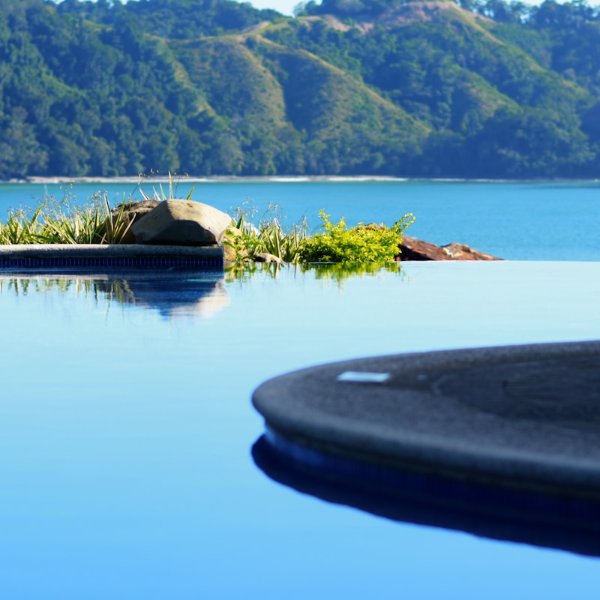
Concession land is a different category. The Maritime Zone Law reserves the first 50 meters from the high tide line as a public zone where no private ownership is permitted. The next 150 meters, known as the restricted maritime zone, can be occupied and developed through government concessions managed by the local municipality. You don’t own the underlying land with a concession. You hold a right to use it, subject to renewal conditions and municipal oversight.
Many of the most visually appealing beachfront properties in Guanacaste sit on concession land. That’s not necessarily a problem, but the purchase process, due diligence requirements, and financing options differ significantly from titled property. Some concessions are well-established and carry minimal practical risk. Others have title irregularities, zoning complications, or unresolved concession status that create serious exposure. Knowing which category you’re looking at, and getting a qualified attorney to verify it, is not optional. People considering guanacaste costa rica often ask about this.
The Purchase Process Step by Step: From Offer to Registered Title
The Costa Rican purchase process follows a clear sequence, even if the timeline feels unfamiliar to buyers accustomed to North American real estate.
- Offer and acceptance: Typically a letter of intent or purchase option agreement, often with a deposit of 10 percent to hold the property while due diligence proceeds.
- Due diligence period: Your attorney verifies title in the National Registry, checks for liens, encumbrances, and back taxes, confirms the property’s legal use status, reviews survey documents, and investigates concession status if applicable. This typically takes four to eight weeks.
- Purchase and sale agreement: A formal contract executed before a Costa Rican notary, often incorporating closing conditions and timeline.
- Closing and transfer: The final purchase deed (escritura) is signed before a notary, transfer taxes and closing costs are paid, and the deed is submitted to the National Registry for recording. The recording process takes several additional weeks, but your ownership is established at signing.
The entire process, from accepted offer to registered title, typically runs two to four months for straightforward titled properties.
Property Taxes, Closing Costs, and Ongoing Ownership Expenses in Plain Language — Guanacaste Costa Rica
Costa Rica’s property taxes are among the lowest in the hemisphere. The annual municipal property tax runs 0.25 percent of the registered property value, which is typically lower than market value. A $300,000 property might carry an annual tax bill of approximately $750.
Closing costs run between 3 and 4 percent of the purchase price and cover transfer tax (1.5 percent), legal stamps, National Registry fees, and notary fees. It’s worth budgeting for both buyer and seller contributions, as costs are sometimes negotiated between parties. This plays a big role in the conversation around guanacaste costa rica.
Ongoing ownership costs beyond property tax include a luxury home tax (Impuesto Solidario) that applies on a sliding scale to properties valued above approximately $270,000. HOA fees in managed communities, routine maintenance, and property management if you’re renting the property are additional layers that the purchase price alone doesn’t reflect.
Is It Safe to Buy Property in Guanacaste as a Foreigner? Addressing the Real Risks
The risks that intimidate foreign buyers most, title fraud and legal vulnerability, are real but manageable through proper process. Costa Rica’s National Registry is a public database, and any titled property’s ownership, lien status, and encumbrances are verifiable by any attorney with registry access. Title fraud of the kind that has plagued some Latin American markets is significantly harder to execute in Costa Rica’s transparent system.
The risks that actually catch buyers are different: purchasing without adequate due diligence, misunderstanding concession versus titled property, relying on verbal representations rather than registered documents, or working with unlicensed intermediaries. These are process failures, not systemic failures of the legal framework. The legal framework itself is solid.
Why Due Diligence and a Qualified Local Attorney Are Non-Negotiable
In Costa Rica, the notary who executes the purchase deed must be a licensed attorney. That creates a baseline of legal formality that doesn’t exist in all markets. But a notary’s role is procedural, not advisory. Your own independent attorney, someone who represents your interests alone and is not sharing a fee with the seller or agent, is what stands between you and the gaps that well-presented listings don’t disclose. It’s one of the reasons guanacaste costa rica comes up so often in expat forums.
A good local real estate attorney costs $1,500 to $3,000 for a standard purchase and provides title verification, due diligence review, contract review, concession research if applicable, and closing coordination. That fee is not a cost to minimize. It’s the single best investment in any transaction.
—
Comparing Guanacaste Micro-Regions for Lifestyle and Investment Potential — Guanacaste Costa Rica
How to Match a Micro-Region to Your Goals, Not Just Your Taste
The mistake most buyers make is choosing a micro-region based on where they enjoyed their best vacation meal. That’s an understandable impulse, but it conflates visitor experience with resident utility and investment performance. The right framework separates three questions: Where would I most enjoy living day to day? Where does my investment thesis perform best? And where do those two things overlap enough to support a decision?
The good news is that for most buyers, at least two or three micro-regions satisfy both criteria simultaneously. The goal is narrowing down, not finding a single perfect answer.
Northern Gold Coast (Flamingo, Potrero, Conchal): Appreciation, Amenities, and Affluent Demand
The Flamingo-Potrero-Conchal corridor has experienced some of the most consistent price appreciation on the Gold Coast over the past decade, driven by limited inventory, proximity to the marina, and a buyer pool that skews toward higher-income North American and European purchasers. Properties here are not entry-level. A modest home in Potrero starts around $350,000. Oceanview homes in the Flamingo hills enter the market at $600,000 and climb from there. If guanacaste costa rica is on your radar, this is worth noting.
What you get for that entry point is a genuine community with working amenities: a marina, quality restaurants, a growing expat social network, and proximity to the Liberia airport. Rental demand in this corridor is strong and driven by a higher-spend visitor demographic that books direct, returns annually, and pays premium weekly rates for privacy and views.
Tamarindo Corridor: Rental Liquidity, Infrastructure, and the Trade-Off of Popularity — Guanacaste Costa Rica
Tamarindo produces the most liquid rental market on the Gold Coast. The name recognition drives search volume that less-known towns simply can’t match on short-term rental platforms, and consistent tourist traffic generates occupancy rates that outperform more prestigious but less-trafficked locations.
The investment trade-off is entry cost and density. Tamarindo properties command prices that reflect their rental income potential, which compresses yield margins. Condos in the main tourist zone carry HOA fees, management fees, and maintenance costs that absorb more of the gross rental income than a comparable property in a less-managed setting. The investor who buys here is essentially buying market liquidity, which is genuinely valuable, but it comes at a price.
Nosara and the Southern Nicoya: Premium Lifestyle, Limited Inventory, and a Loyal Rental Market
Nosara functions as a premium market in both lifestyle and investment terms. The community’s deliberate development restrictions have created genuine scarcity. Inventory turns slowly, and when quality properties appear, they move quickly among a buyer pool that has often been researching the area for years. This is particularly relevant when considering guanacaste costa rica.
The rental market here is driven by wellness tourism, surf retreats, and a repeat visitor demographic with high loyalty and above-average spend. A well-positioned home in Nosara can command weekly rates that rival Tamarindo despite a smaller total visitor pool, because the visitor it attracts tends to book longer stays and return consistently. For an owner who values both lifestyle quality and rental performance, this market rewards patience in acquisition and quality in property selection.
What Healthcare, Schools, and Daily Infrastructure Look Like Town by Town
This is where prospective residents often discover a meaningful gap between expectations and on-the-ground reality. Coverage is not uniform across the Gold Coast.
Tamarindo has private clinic coverage, a pharmacy, and reliable grocery infrastructure. Flamingo and Potrero share access to established private clinics and sit about 20 minutes from larger services in Liberia. Nosara has improved dramatically in healthcare access with established private clinics and reliable pharmacy service, though it remains the furthest from Liberia and requires more planning for specialist care.
For families with school-age children, the options vary. The Gold Coast has no large international school directly on the coast. Several quality private bilingual schools operate in and around Liberia, and some expat families in Tamarindo and Flamingo make that commute work. Nosara and Sámara each have small bilingual private schools that serve the expatriate community, though they lack the accreditation and resource base of the Liberia options. For retirees without school-age children, this is a non-factor. For families, it shapes the viable location list considerably. For anyone exploring guanacaste costa rica, this matters.
—
Vacation Rental Income and Property Management for Absentee Owners — Guanacaste Costa Rica
How the Dry Season and Green Season Shape Rental Income
The Gold Coast’s seasonality is predictable, and that predictability is actually an asset for financial planning. Dry season, December through April, delivers peak occupancy and peak rates. The best-positioned properties in Tamarindo, Flamingo, and Nosara can maintain strong occupancy during these months at weekly rates that make the annual math work even when green season pulls those numbers back.
Green season occupancy drops, but it doesn’t collapse. Properties that are actively managed, well-reviewed, and priced realistically for the off-season still generate meaningful income. The green season visitor is typically a longer-stay traveler or a repeat visitor who specifically prefers the quieter, greener version of the coast. Annual income projections that assume dry-season rates year-round are unrealistic. Annual projections that assume complete green season vacancy are equally wrong.
What Realistic Rental Yields Look Like in Guanacaste
Consider a hypothetical three-bedroom home near Tamarindo, purchased at $450,000, professionally managed, and positioned competitively on major rental platforms. In a typical year:
- Dry season (roughly 5 months): Strong occupancy at competitive nightly rates can generate $35,000 to $50,000.
- Shoulder and green season (roughly 7 months): Reduced occupancy at lower rates typically generates $20,000 to $30,000.
- Gross annual rental income: $55,000 to $80,000.
- Management fees (20 to 25 percent), platform fees, utilities, maintenance, and HOA: $18,000 to $28,000.
- Net income: $30,000 to $52,000 annually.
That represents a net yield of roughly 7 to 11 percent on the purchase price before appreciation, which compares favorably to most North American real estate markets, particularly when you factor in the lifestyle value of personal use weeks. These are illustrative figures, not guarantees. Property location, condition, management quality, and listing presentation all produce meaningful variance. The point is that the math is real and worth stress-testing with actual market data from a qualified local agent. Many people researching guanacaste costa rica find this helpful.
What a Full-Service Property Management Partner Actually Handles — Guanacaste Costa Rica
A full-service property management company earns its fee by removing the logistical burden that makes absentee ownership genuinely difficult. In practice, that includes:
- Listing creation, photography, and pricing strategy across rental platforms
- Guest communication from inquiry through checkout
- Cleaning coordination and linen management between bookings
- Routine maintenance oversight and contractor coordination
- Monthly financial reporting with rental income statements
- Property inspections and condition monitoring between guest stays
- Local response when something breaks on a Tuesday evening
The fee structure runs 20 to 25 percent of gross rental income for full service. That’s the correct number to use in your projections. Managers who quote lower often exclude services that you’ll pay for separately as line items.
HOA Structures, Maintenance, and the Costs Absentee Owners Often Miss
Properties within managed communities, which covers most new construction on the Gold Coast, carry monthly HOA fees that range from $200 to $600 depending on amenities, community size, and staffing. These fees cover security, common area maintenance, pool service, and community management. They are not optional, and they don’t disappear during months when you’re not using the property.
Maintenance costs on tropical properties run higher than North American equivalents. Salt air, humidity, and UV exposure accelerate wear on paint, wood, appliances, and mechanical systems. Budget 1 to 1.5 percent of property value annually for maintenance reserves. Buyers who skip this budgeting absorb it as surprise expenses. When evaluating guanacaste costa rica, keep this in mind.
How to Vet a Property Management Company When Buying Remotely
The test for any property manager you can’t meet in person is their communication behavior before you’ve signed anything. Do they respond quickly and specifically? Do they provide references from current clients willing to have a phone conversation? Can they show you sample monthly financial reports? Do they manage properties comparable to what you’re buying in terms of price and location?
Ask specifically how they handle maintenance issues above a certain dollar threshold without your pre-approval, what their response time protocol is for guest emergencies, and how they handle property transitions between the end of a rental and your personal use arrival. A manager who answers these questions with specifics and documentation is a different proposition from one who simply assures you everything will be handled.
—
Why Guanacaste Remains One of Central America’s Most Compelling Investment Markets
The Structural Tailwinds: Infrastructure, Tourism Growth, and Remote Work Migration
Three forces are accelerating the Guanacaste Costa Rica property market in ways that don’t apply equally to competing destinations. First, infrastructure investment has been substantial and ongoing. Highway upgrades, expanded Liberia airport capacity, improved coastal road conditions, and continued growth in private healthcare facilities have all raised the baseline quality of life and accessibility that supports property values.
Second, tourism arrivals have grown consistently, with Guanacaste capturing a disproportionate share of Costa Rica’s international visitor growth due to the Liberia airport’s direct flight expansion. More visitors mean larger short-term rental markets and deeper pools of potential buyers who arrive as tourists and return as owners.
Third, the post-2020 remote work shift created a category of buyer and renter that didn’t previously exist at scale: location-independent workers who want to leave expensive North American cities and can work from anywhere with reliable internet. Guanacaste has attracted this demographic significantly, and their demand for medium to long-term rentals has filled a gap between short-term vacation rental income and traditional annual lease structures. This is a key factor for anyone looking at guanacaste costa rica.
What Long-Term Gold Coast Market Presence Reveals About Lasting Value
The market here has survived a global financial crisis, a pandemic, and multiple tourism downturns. The properties that held value and generated consistent returns through all of those cycles shared common characteristics: they were correctly titled, professionally managed, positioned in established micro-regions with genuine community infrastructure, and priced based on real comparable sales rather than aspiration.
The buyers who fared worst were those who purchased on speculation in undeveloped corridors, who skipped due diligence on concession properties, or who relied on optimistic rental projections without verifying local occupancy data. The legal framework didn’t fail them. Process did.
The Case for Buying Now Rather Than Waiting for the Perfect Moment
The Gold Coast has never had a moment that announced itself clearly as the optimal entry point. What it has had is a directional trend, interrupted by temporary pullbacks, that has rewarded buyers who purchased quality properties in established locations and held them through market cycles. Properties that felt expensive a decade ago look reasonable from the vantage point of current values, and the same dynamic will likely apply to today’s prices viewed a decade from now.
The structural factors driving demand, accessibility, lifestyle quality, legal transparency, and growing remote work flexibility, are not receding. The inventory constraint in the most desirable micro-regions is real and worsening. Waiting for prices to correct in markets with genuine supply constraints is a strategy with a poor historical record. Understanding guanacaste costa rica means knowing these details.
How to Take the Next Step Without Feeling Like You’re Jumping Off a Cliff
The distance between dreaming about Gold Coast ownership and doing something about it usually isn’t resources. It’s the feeling of not knowing where to start without making an expensive mistake. The antidote to that feeling is information, and the most efficient source of Gold Coast-specific information is not a website or a forum. It’s a conversation with someone who has been working this market for years and can tell you what the listing doesn’t say.
Start with a direct conversation with a locally embedded agent who specializes in the micro-region you’re considering. Ask them to send you three to five recent comparable sales, not listings. Ask them what their buyers in your price range got wrong in the past two years. Ask them which attorneys they consistently recommend and why. The quality of those answers will tell you everything you need to know about whether you’ve found the right guide.
—
> ### Gold Coast at a Glance: 8 Things Every Serious Buyer Should Know
>
> 1. Foreign ownership is fully equal. Costa Rica’s constitution gives foreign nationals identical property rights to citizens, no local partner required.
> 2. Titled vs. concession land is the most important distinction you’ll make. Verify title status before serious negotiation. People considering guanacaste costa rica often ask about this.
> 3. Budget $1,800 to $2,800 monthly for comfortable single-person expat living, less than most North American coastal cities.
> 4. Dry season drives the majority of annual rental income. Green season properties still earn, but the math is seasonal.
> 5. Net rental yields of 7 to 11 percent are realistic for well-managed, well-positioned properties, before appreciation.
> 6. The investor residency pathway requires a $150,000 minimum investment, meaning many property purchases qualify for residency directly.
> 7. Due diligence and a qualified local attorney are non-negotiable. The legal system is sound; the risk is in skipping process.
> 8. Local expertise matters more here than in most markets. The gap between a good purchase and a costly mistake runs through the people guiding you on the ground.
—
Conclusion: From Dream to Deed, Your Gold Coast Journey Starts Here
The Dual Opportunity: Why Guanacaste Works for Dreamers and Investors Alike
What makes Guanacaste Costa Rica genuinely unusual in the landscape of foreign property markets is that the lifestyle case and the financial case reinforce each other rather than compete. Most destinations where foreign buyers chase investment returns require accepting an inferior quality of daily life. Most destinations that deliver exceptional quality of life ask you to accept lower financial performance or higher legal risk. The Gold Coast sits in a rare overlap where the beaches are world-class, the legal framework is transparent, the rental market is real and growing, and the cost of entry remains accessible to buyers who’ve been priced out of comparable markets in North America and Europe.
That combination doesn’t stay undiscovered forever.
The One Thing That Separates Buyers Who Move Forward from Those Who Stay Stuck
The buyers who don’t move forward are not, as a rule, waiting for better prices or better conditions. They’re waiting for certainty, and certainty in any property market doesn’t arrive before the purchase. It arrives after it, as you develop relationships, gain local knowledge, and watch the decision perform over time.
What replaces certainty, and genuinely substitutes for it, is the right guidance. Not generic guidance from people who know real estate theory. Specific guidance from people who know which lots in Potrero have infrastructure access issues, which concessions in Playa Grande are administratively clean, and which property manager in Nosara actually calls you back. That embedded local knowledge is the variable that experienced buyers consistently point to as the difference between a successful Gold Coast purchase and one that didn’t work out as planned.
How Coastal Realty’s Gold Coast Expertise Turns Complexity into Confidence
Coastal Realty has been working this market since before most of the roads to Nosara were paved. That timeline isn’t a credential for its own sake. It means the team has watched micro-regions develop, stagnate, recover, and appreciate through full market cycles. It means they have relationships with the attorneys, notaries, contractors, and property managers who actually perform when something goes sideways. And it means that when a client asks a question that a listing can’t answer, there’s usually someone on the team who has been inside that neighborhood, that community, or that specific property type.
If you’ve read this far, you’re not dreaming idly. You’re doing the research that serious buyers do before they act. The next step is a conversation, not a commitment. Reach out to the Coastal Realty team, tell them where your head is, and let the local knowledge take the uncertainty out of the process. The Gold Coast will still be here after that conversation. The question is whether the right property will be.
—
Frequently Asked Questions
Is it safe to buy property in Guanacaste, Costa Rica as a foreigner?
Yes, with the right process in place. Costa Rica’s National Registry is a public database that allows any licensed attorney to verify a property’s ownership, lien status, and encumbrances before you commit. The legal framework is transparent and well-established. The real risks are process-related, such as skipping due diligence, misunderstanding concession versus titled land, or working with unqualified intermediaries, rather than systemic flaws in the country’s property law.
What are the legal requirements for foreign property ownership in Costa Rica?
There are very few barriers. Costa Rica’s constitution grants foreign nationals the same property ownership rights as citizens. You do not need residency, a local partner, or government approval to purchase titled real estate. You can buy as an individual or through a Costa Rican corporation (Sociedad Anónima). The main requirement is working with a licensed Costa Rican attorney to conduct proper due diligence and execute the purchase deed before a notary.
How much does it cost to live in Guanacaste, Costa Rica long-term?
A single person living comfortably as a resident (not a tourist) can expect to spend between $1,800 and $2,800 per month, depending on location and lifestyle choices. A couple typically manages on $2,500 to $3,500 with a vehicle included. Housing, local groceries, utilities, and basic healthcare are the primary expenses, and all of them run significantly lower than comparable costs in North American or Western European cities.
Which Guanacaste neighborhoods are best for expats and retirees?
It depends on your priorities. Flamingo and Potrero offer upscale amenities, a marina, and strong property values with a quieter feel than Tamarindo. Tamarindo suits those who want maximum infrastructure and a lively expat social scene. Nosara is ideal for wellness-oriented residents who value community cohesion and are willing to pay a premium for it. Sámara offers a similar spirit at a friendlier price point with strong local Costa Rican character. Each area has a distinct personality, and we’d encourage visiting at least two before committing to one.
What is the process for obtaining residency in Costa Rica?
The three most common pathways for foreign buyers are the Pensionado (retiree) category, which requires at least $1,000 per month in verifiable pension income; the Rentista (passive income) category, which requires at least $2,500 per month in passive income for a minimum of two years; and the Investor category, which requires a minimum investment of $150,000 in Costa Rican real estate or a qualifying business. The application process takes six to eighteen months and requires a licensed local attorney. Residency is not required to own property, but it unlocks access to the public healthcare system and other meaningful benefits.
What healthcare options are available in Guanacaste for expats?
Most long-term expats use a combination of Costa Rica’s public healthcare system (the CAJA) and private clinics. Legal residents can enroll in the CAJA after obtaining residency, with contributions based on income. Private clinics in Tamarindo, Flamingo, Nosara, and Liberia provide bilingual care for routine visits and specialist consultations at a fraction of U.S. costs. For complex procedures, San José is three to four hours away and offers genuinely world-class private hospital facilities. Medical evacuation coverage through an expat health insurance policy is standard and affordable practice for long-term residents.
What are property taxes and closing costs for buying in Costa Rica?
Annual property taxes are remarkably low, running at 0.25 percent of the registered property value, which is typically below market value. A $300,000 property might carry an annual tax bill of around $750. Closing costs run between 3 and 4 percent of the purchase price, covering transfer tax (1.5 percent), National Registry fees, legal stamps, and notary fees. Properties valued above approximately $270,000 may also be subject to a luxury home tax (Impuesto Solidario) on a sliding scale. HOA fees, maintenance reserves, and property management costs are additional ongoing expenses that should be factored into any ownership budget.