
Expat Living in Costa Rica: A Practical Guide for Life, Community, and Coastal Real Estate
For retirees, digital nomads, families, investors, and second-home buyers, expat living in costa rica often starts with one idea: a better daily rhythm. The concept of pura vida, meaning pure life, reflects the laid-back lifestyle in Costa Rica, emphasizing appreciation for life’s simple pleasures and a slower pace compared to North American life.
At Coastal Realty & Property Management, we see this dream up close on Costa Rica’s Gold Coast, where living in Costa Rica blends Costa Rican culture, beach towns, strong expat communities, and serious coastal real estate decisions. This guide covers visas, best regions, cost of living, healthcare, job opportunities, and buying or renting coastal property.
Quick Overview: Is Living in Costa Rica Right for You?
| Factor | Details |
|---|---|
| Average cost of living | $1,500–$3,000/month |
| Healthcare | Universal public (CAJA) + private |
| Language | Spanish; English in expat areas |
| Climate | Tropical; 70–90°F year-round |
| Safety | Safest in Central America |
| Internet | Reliable fiber in most towns |
| Nearest US flight | 2.5–5.5 hours |
Costa Rica offers a rare mix in central america: stable democracy, beautiful beaches, lush rainforests, affordable healthcare, two international airports, and a welcoming local community. For many expats, costa rica ticks the big boxes of safety, lifestyle, and access to North America.
Key upsides include:
A peaceful reputation as one of the safest countries in latin america
Mild central valley weather and no need for air conditioning in many areas
Modern private healthcare and universal public care
Strong expat communities in major cities, mountain villages, and coastal hubs
Foreign ownership rights in most real estate
Good access through juan santamaría international airport and Liberia’s international airport
Endless opportunities for surfing, hiking, fishing, wellness, and nature
Main challenges include:
Bureaucracy; securing legal residency or resolving property disputes can take years due to slow legal processes
Import costs; buying a new mid-size car is significantly more expensive due to high import taxes in Costa Rica
The need to learn Spanish and understand local customs
Rainy season realities such as mold, flooding, road damage, and service delays
Residency & Visas: How Expats Stay Legally in Costa Rica
Many visitors enter on tourist status, often up to 180 days for many nationalities with a valid passport, then move into temporary residency. Long-term expats usually obtain legal residency status to access Caja, open bank accounts, and build a stable Costa Rican life.
Costa Rica offers four main residency pathways for US citizens: Pensionado (Retiree) Program, Rentista (Income-based), Inversionista (Investor), and Digital Nomad Visa. Costa Rica has specific residency pathways for foreigners, including the Pensionado, Rentista, Inversionista, and Digital Nomad visa, each with distinct financial requirements. Applications commonly take 3–12 months, and to apply for residency in Costa Rica, you must provide documents that are properly apostilled and translated into Spanish by an authorized translator.
Pensionado (Retiree) Residency
The Pensionado program requires proof of a lifetime pension or retirement income of at least $1,000 per month. This suits retirees receiving Social Security, military pensions, or company pensions.
Benefits include Caja access, possible tax breaks on household goods and a vehicle, and relatively simple income proof. Pensionado status generally does not allow local salaried work, but retirees can own property, invest, and receive foreign pension income under Costa Rica’s territorial tax system.
Rentista (Income-Based) Residency
The Rentista program requires a guaranteed monthly income of at least $2,500 for two years or a deposit of $60,000 in a Costa Rican bank. It suits early retirees, entrepreneurs, and remote earners not yet receiving a pension.
Like Pensionado, Rentista usually does not permit standard employment with a Costa Rican employer, but it may allow you to own business interests, investment property, or vacation rentals.
Inversionista (Investor) Residency
The Inversionista residency option requires a minimum investment of $150,000 in a Costa Rican business, real estate, or government-approved projects, which must benefit the country economically. A $175,000 ocean-view condo in Guanacaste, for example, can meet the qualifying investment threshold if properly documented.
Proof may include deeds, corporate records, valuations, and registry documents. This route is popular with buyers purchasing condos, villas, boutique hospitality properties, and vacation rentals along the pacific coast. Coastal Realty & Property Management can help identify compliant Gold Coast properties and coordinate due diligence with bilingual attorneys.
Digital Nomad Visa

The Digital Nomad Visa allows remote workers to live in Costa Rica for up to two years while working for employers or clients outside the country, requiring proof of a stable monthly income of at least $3,000 or $4,000 for families.
The digital nomad visa is ideal for consultants, developers, marketers, and online entrepreneurs. Popular bases include San José, Escazú, santa ana, Tamarindo, Flamingo, Playas del Coco, and Nosara.
From Temporary Residency to Permanent Residency and Citizenship
Most expats start with temporary residency in Costa Rica, which must be renewed every two years, and after three years, they can apply for permanent residency, offering more stability and fewer renewal requirements. Permanent residents generally have broader work rights.
Citizenship often becomes possible after seven years of legal residency, or five years when married to a costa rican citizen or with Costa Rican children. Consult immigration and tax professionals before changing residency status, especially if obligations remain in your home country. Official immigration updates are available through Costa Rica’s immigration authority.
Where to Live: Central Valley, Gold Coast, Caribbean Coast & Highlands
The entire country is compact, but lifestyles vary sharply. The central valley, central highlands, Guanacaste, and caribbean coast differ in climate, housing cost, healthcare, schools, and expat communities.
Rent first if possible. Up to 80% of expats return home within two years, suggesting a need to rent before buying property. Visit in dry season and rainy season before committing.
Central Valley: Urban Amenities and Mild Climate
The Central Valley features mild 70°F weather year-round, eliminating the need for air conditioning. The climate in Costa Rica is generally pleasant year-round, with average temperatures ranging from 70°F to 81°F (21°C to 27°C), but the rainy season can lead to challenges such as mold and flooding.
San José, also written san jose, is the capital city and the center for embassies, hospitals, international schools, and job opportunities. Escazú, santa ana, Alajuela, and Heredia attract families and professionals who want infrastructure without losing access to Costa Rican culture.
Guanacaste Gold Coast: Beach Lifestyle & Coastal Real Estate
Costa Rica’s Gold Coast includes Tamarindo, Playa Flamingo, Playa Potrero, Las Catalinas, Playas del Coco, and Playa Hermosa. It is hotter and drier than the Central Valley, with strong vacation rental demand, beautiful beaches, and established expat communities.
Prices are higher than inland areas, but many owners offset costs through rental income. Typical Coastal Realty & Property Management clients buy condos, villas, and managed homes that need guest marketing, maintenance, accounting, and HOA oversight.
Caribbean Coast: Laid-Back Vibes and Afro-Caribbean Culture
Puerto Viejo, Cahuita, and Manzanillo offer reggae culture, surf, wildlife, and a slower development pace. This tropical country feels especially lush here, with humidity and rainfall patterns that differ from the Pacific.
The region attracts adventurous expats and long-stay travelers who value culture and nature over high-end amenities. Healthcare access and infrastructure can be more limited than in the Central Valley or Gold Coast.
Central Highlands: Small-Town Life and Cooler Air
Atenas, Grecia, San Ramón, and Cartago offer mountain views, cooler evenings, ferias, and a small town rhythm. These mountain villages are popular with retirees who want lower costs, local residents, and easy trips to both San José and the coast.
Cost of Living: What It Really Costs to Live in Costa Rica in 2026

Costa Rica is generally 20% to 30% more affordable than mid-sized United States cities, but it ranks as one of the most expensive countries in Latin America. The cost of living in Costa Rica is generally 30–50% lower than in major US cities, with the biggest savings on healthcare, housing outside tourist areas, and fresh food.
The biggest variables are location, car ownership, imported goods, and lifestyle. Buying North American brands at upscale supermarkets can cost up to twice as much as buying local staples.
Housing, Utilities, and Neighborhood Costs
Housing costs in Costa Rica vary significantly by location, with coastal tourist areas commanding higher prices compared to rural highlands, where properties are generally more affordable. Housing costs in Costa Rica vary significantly by location, with average rents ranging from $450 to $850 per month for 2 or 3-bedroom homes, depending on whether you are in urban or rural areas.
In Escazú or santa ana, modern two-bedroom apartments may run $1,200–$2,000. On the Gold Coast, ocean-view condos and villas can range from $1,500 to $3,500+. Beach towns incur an extra $1,000 to $2,000 monthly due to mandatory air conditioning electric bills and localized tourist markups, especially for larger homes.
Property taxes are relatively low, typically around 0.25% of the registered value of the property, making it an attractive option for real estate investment. HOA fees in managed coastal communities often cover security, pools, landscaping, and common-area maintenance.
Food, Transportation, and Daily Life Expenses
Local ferias keep produce affordable. Imported wine, specialty foods, and branded goods cost more.
The domestic bus network in Costa Rica is safe, highly affordable, and comprehensive for travelers. Still, most expats outside major cities eventually buy a car. Owning a car is costly as imported used vehicles cost 20% to 50% more than counterparts in the US or Canada.
Foreigners can drive in Costa Rica with a valid foreign driver’s license for the duration of their legal stay, but must obtain a Costa Rican driver’s license if they become residents. Keep your foreign license, passport stamp, and insurance documents together.
Sample Monthly Budgets
| Category | Frugal | Mid-Range | Comfortable |
|---|---|---|---|
| Rent | $400–$600 | $800–$1,200 | $1,500–$2,500 |
| Groceries | $200–$300 | $350–$500 | $500–$800 |
| Utilities & internet | $60–$100 | $100–$180 | $180–$300 |
| Healthcare | $50 (CAJA) | $150–$250 | $300–$500 |
| Transport | $30–$80 | $100–$250 | $300–$500 |
| Entertainment | $50–$100 | $150–$300 | $400–$700 |
| Total | $1,200–$1,600 | $2,000–$3,000 | $3,500–$5,500 |
A single expat can live comfortably on $1,600 to $2,200 per month, while a couple should budget $2,200 to $3,500 per month. Most American couples live comfortably in Costa Rica on $2,000–3,000 per month, including housing, food, healthcare, and entertainment, while single expats typically need $1,500–2,000 monthly.
These budgets exclude residency fees, legal fees, long-haul flights, furniture, and vehicle setup.
Healthcare & Education: Living Well and Raising a Family
Costa Rica is known for strong healthcare and high literacy, making it appealing to retirees and families. Access varies by region: San José and Liberia offer major hospitals, while smaller beach towns rely on clinics and referrals.
Public vs. Private Healthcare Systems
Costa Rica has both universal public healthcare (Caja) and affordable private healthcare options, with medical costs 50–70% lower than US prices. While Costa Rica is known for its high-quality healthcare, the availability and quality of services can vary significantly by region, which may pose challenges for expats.
Many residents use Caja for broad coverage and private healthcare for faster appointments. Routine private visits may cost $60–$120, with specialists often still far below US prices. Learn more from CCSS, Costa Rica’s public healthcare system.
Enrolling in Caja and Considering Private Insurance

Enrolling in Costa Rica’s Caja healthcare system requires a completed residency status with a DIMEX card and involves submitting documentation at your local EBAIS clinic. Contributions are usually based on declared income.
While enrolled in Caja, many US citizens living in Costa Rica also maintain private health insurance for additional coverage and quicker access to specialists.
Schools, International Schools, and Learning Spanish
Families can choose public schools, private bilingual schools, or international schools. A private school or international school in San José, Tamarindo, Flamingo, or Playas del Coco can exceed $10,000 per child per year.
While many Costa Ricans in tourist areas speak English, learning basic Spanish is essential for daily interactions, especially outside expat communities, as it helps in adapting to the local culture. Speak Spanish at ferias, with neighbors, and during appointments. Basic spanish is useful; serious integration requires you to learn spanish.
Work, Business & Earning a Living: Jobs, Remote Work, and Investment
Costa Rica is not the easiest new country for arriving foreigners who simply want a local job. To work legally in Costa Rica, foreigners must have legal residency status that permits work; not all residency types allow employment.
Job Opportunities and Local Employment
Legal local employment generally requires permanent residency or a work permit, and employers often need to show the job cannot be filled by costa ricans. Opportunities exist in tourism, English teaching, and specialized technical roles, but Costa Rican salaries are often lower than in other countries.
Remote Work, Digital Nomads, and the Digital Nomad Visa
Digital nomads often work in software, marketing, consulting, design, teaching, or e-commerce. The Central Valley has the strongest connectivity; Gold Coast towns usually have good internet but occasional outages.
Coworking and café culture are strong in San José, Tamarindo, Santa Teresa, and Nosara. The Digital Nomad Visa lets remote workers stay longer than a tourist visa while serving foreign clients.
Starting a Business and Investing in Costa Rican Real Estate
Foreigners can own 100% of most businesses and most real estate, with caution around maritime zone concessions. Investors often form an S.A. or SRL, register with tax authorities, and hire accounting support.
Vacation rentals, boutique hotels, and small hospitality projects along the Gold Coast can create income and support costa rican residency through Inversionista status. Coastal Realty & Property Management assists with buyer representation, rental projections, due diligence, and full-service management.
Buying or Renting Property as an Expat: Practical Real Estate Guide
Costa Rica’s real estate market allows foreigners to own property with few restrictions, although there are specific regulations regarding ownership in coastal areas, particularly within the maritime zone. This makes property central to many expat plans.
The purchasing process for real estate in Costa Rica differs from that in the United States, requiring specific legal steps such as title registration and property transfer taxes. A typical purchase may take 30–90 days from accepted offer to closing.
Renting vs. Buying as a New Expat
Most newcomers rent for 6–12 months before buying. This helps compare the Central Valley, central highlands, Gold Coast, and Caribbean coast.
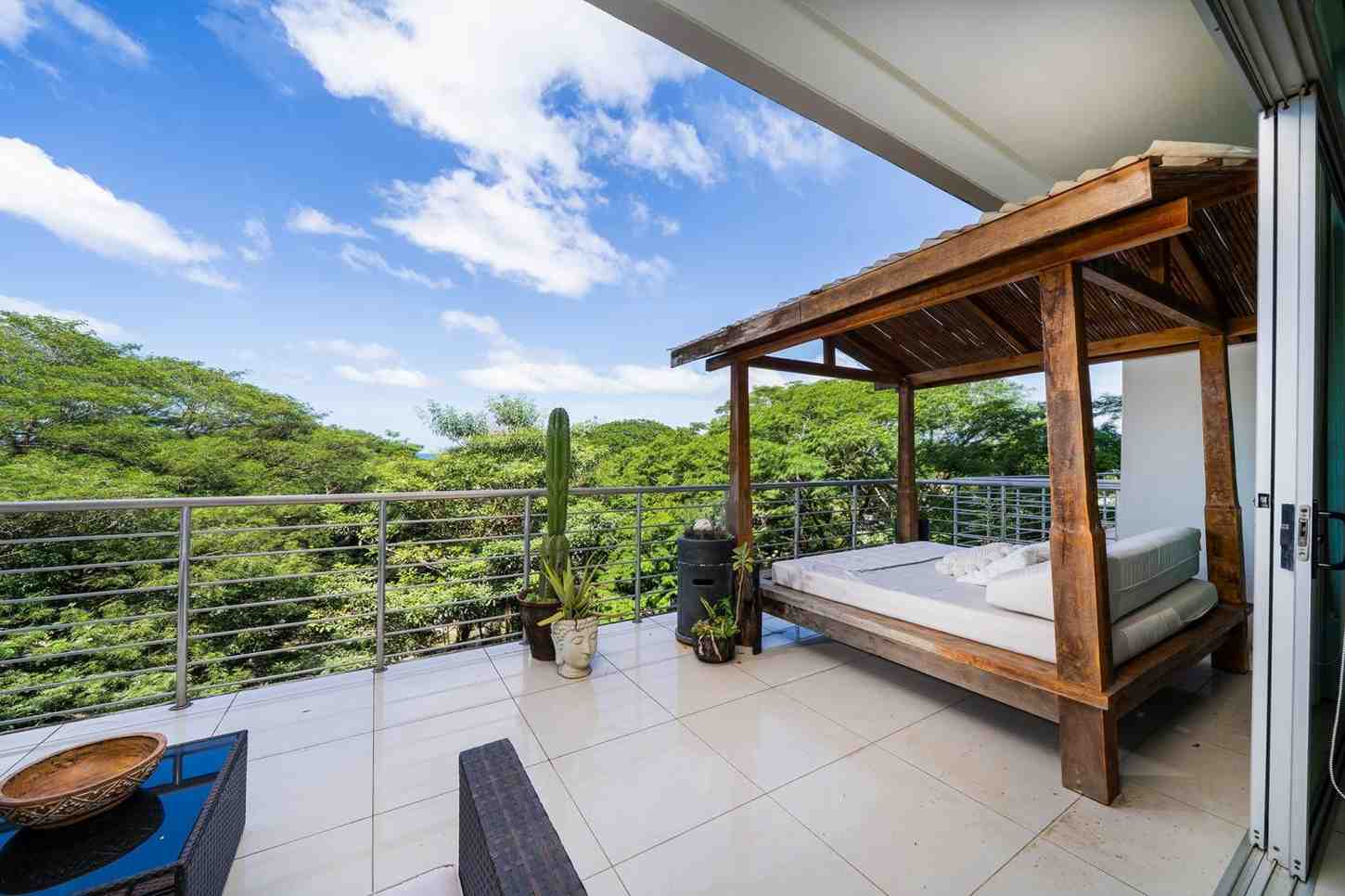
One-year leases are common, deposits are usually one month, and furnished rentals are common near beaches. Investors confident in location may buy earlier, especially where vacation rental demand is proven.
Beachfront Property, Maritime Zone, and Coastal Considerations
Costa Rica’s maritime zone generally covers the first 200 meters from the median high tide line. The first 50 meters are public; the next 150 meters are usually concession land, not standard titled ownership.
Foreigners can participate in some concessions, but rules may require local structures or Costa Rican majority ownership. Many expat buyers choose titled property just outside the maritime zone for simpler ownership.
Working with Coastal Realty & Property Management
Coastal Realty & Property Management supports foreign buyers and owners in Guanacaste with curated listings, video tours, comparative market analysis, attorney coordination, escrow guidance, and closing support.
For absentee owners, property management is not optional. It protects the asset through guest screening, vacation rental marketing, maintenance, accounting, local tax coordination, and HOA/COA management for condo communities and gated developments.
Culture, Language & Daily Life: Adapting to Costa Rican Culture
Costa Rican culture is shaped by Tico hospitality, family values, environmental awareness, Catholic traditions, indigenous influence, and respect for natural resources.
Pura Vida, Social Etiquette, and Expat Communities
Pura vida means pure life, but it also means hello, goodbye, thank you, no worries, and “life is good.” The pura vida lifestyle is beautiful, but Costa Rica’s ‘Pura Vida’ lifestyle promotes a laid-back, carefree attitude, which can be appealing but may also lead to frustrations with delays in services and processes.
Promptness operates differently in Costa Rica, and service providers may routinely arrive hours late. Costa Ricans, known as Ticos, typically greet each other with a handshake or a kiss on the cheek, and using formal titles is important when meeting someone for the first time.
Learning Spanish and Navigating Daily Tasks
Even where English is common, banking, residency, utilities, and healthcare often happen in Spanish. Bring a translator for legal matters until you are comfortable.
Balancing expat circles with the local community creates a richer experience than staying only in English-speaking groups.
Safety, Transportation, and Practical Everyday Tips
Costa Rica is safer than many other central american countries and other central american countries, but petty theft happens. Lock doors, avoid leaving valuables in cars, and use common sense.
Road conditions vary. A 4×4 helps in rural areas during rainy season. Buses are low cost, taxis and ride-hailing work in urban areas, and 911 operates nationwide.
Making the Move: Step-by-Step Planning and How We Can Help
Use this roadmap:
Plan a scouting trip to the Central Valley, Gold Coast, Caribbean coast, and highlands.
Compare costs, healthcare, schools, climate, and transportation.
Choose a visa or legal residency pathway.
Prepare apostilled birth certificates, marriage certificates, police records, pension letters, bank statements, and health records.
Decide whether to rent or buy.
Hire an immigration attorney, tax advisor, real estate broker, and property manager.
Join local residents, volunteer, speak Spanish, and build a real life.
For coastal buyers, Costa Rica offers more than a vacation view. It offers a path to legal residency status, income potential, and a better daily rhythm when planned carefully.
If you are considering living in costa rica, investing in Guanacaste, or managing a second home from abroad, contact Coastal Realty & Property Management for personalized guidance on neighborhoods, listings, rentals, and long-term property care.
Expat Living in Costa Rica FAQ
How much does it cost to live in Costa Rica as an expat?
Most expats spend between $1,500 and $3,000 per month, with couples typically budgeting $2,200 to $3,500 depending on location and lifestyle.
Is Costa Rica cheaper than the United States?
Generally yes, with costs running 20 to 30 percent lower than mid-sized U.S. cities and 30 to 50 percent cheaper than major American metros, though prime beach towns can approach U.S.-level pricing.
What are the best places for expats to live in Costa Rica?
Popular areas include the Central Valley for urban amenities and cooler weather, the Guanacaste Gold Coast for beach lifestyle, and Caribbean towns like Puerto Viejo for a laid-back atmosphere.
Can foreigners buy property in Costa Rica?
Yes, foreigners can own 100 percent of most businesses and real estate, though maritime zone restrictions apply within 200 meters of the high tide line along the coast.
How does healthcare work for expats in Costa Rica?
Costa Rica has a dual system with universal public coverage through the Caja and private clinics that cost 50 to 70 percent less than U.S. prices, and many expats use a combination of both.
Do I need to speak Spanish to live in Costa Rica?
English is common in tourist zones and expat communities, but Spanish is essential for banking, residency paperwork, healthcare, and daily life outside those areas.
Should I rent or buy when I first move to Costa Rica?
Most experts recommend renting for 6 to 12 months before purchasing so you can test the location, climate, commute, and community before making a commitment.
What visa options are available for expats?
The four main pathways are the Pensionado for retirees with $1,000 monthly pension income, Rentista for those with $2,500 monthly income, Inversionista requiring $150,000 investment, and the Digital Nomad visa for remote workers earning $3,000 or more per month.
Is Costa Rica safe for expats?
Costa Rica is the safest country in Central America, though petty theft does occur, so standard precautions like locking doors and not leaving valuables in cars are recommended.
How long does the residency process take?
Applications typically take 3 to 12 months to process, and all documents must be apostilled and translated into Spanish before submission.
Can I work remotely from Costa Rica?
Yes, remote work is popular among expats, with strong coworking scenes in San Jose, Tamarindo, Santa Teresa, and Nosara, and the Digital Nomad visa specifically supports foreign remote workers.