
Why Most Costa Rica Real Estate News Leaves Foreign Buyers More Confused Than Confident
The Information Overload Problem
Most foreign buyers researching Costa Rica real estate news don’t suffer from a lack of information. They suffer from too much of it, poorly calibrated to their actual situation. You can spend an entire Sunday reading appreciation forecasts, expat forum threads, and market roundups and finish the afternoon less certain than when you started. That’s not a reading comprehension problem. It’s a signal problem. Most of what gets published is designed to be interesting to the widest possible audience, which means it’s rarely useful to any specific buyer.
Macro data creates anxiety at the personal level because it raises questions it can’t answer. When you read that Costa Rica’s property market outperformed most of Latin America last year, you’re left wondering: which part of Costa Rica? What type of property? At what price point? And critically, would that performance apply to the specific community you’re considering in Guanacaste? The numbers are real, but the context is missing. This is a key dynamic shaping the costa rica real estate news market in 2026.
What National Appreciation Figures Actually Represent
National appreciation figures are statistical averages drawn from transactions across Costa Rica’s wildly different markets: urban condos in San José, agricultural land in the Central Valley, beachfront villas in Guanacaste, and everything in between. When a headline announces 7.8% appreciation, that number describes the blended performance of all those markets combined. Buyers researching costa rica real estate news will find this pattern consistent across the region.
What it doesn’t describe is your market. A two-bedroom condo in a managed Playa Flamingo community and a raw parcel outside Liberia are both included in that average. They perform differently in rising markets and behave very differently in slow periods. Using national figures to make a neighborhood-level purchase decision is a bit like using the average temperature across the United States to decide what to pack for a trip to Miami.
How the Gold Coast Experience Differs From the National Story
Guanacaste’s Gold Coast, the stretch of Pacific coastline running roughly from the Papagayo Peninsula south through Tamarindo, consistently outpaces Costa Rica’s national appreciation averages. The reasons are structural, not cyclical. This corridor benefits from direct international airlift into Liberia’s Daniel Oduber Quirós International Airport, which eliminated the San José connection that once made coastal property a harder sell to North American and European buyers. Combine that with concentrated tourism infrastructure, a growing base of full-time expat residents, and a pipeline of amenity-rich residential developments, and you have market conditions that simply don’t exist at a national scale. It is one of the factors that distinguishes costa rica real estate news from comparable markets.
The Gold Coast also operates with tighter inventory than most other coastal regions. Quality properties in established communities don’t sit on the market for months the way comparable listings might in less-developed areas. That supply dynamic affects pricing behavior in ways national data cannot capture.
Who This Guide Is For
If you’re reading Costa Rica real estate news late at night because you can’t quite reconcile the promising headlines with your specific concerns about buying from abroad, this guide is written for you. Not for the investor who already owns three international properties and is adding a fourth. For the person who has visited the Gold Coast, felt something shift, and is now seriously asking: could this actually work for me?
The goal here is translation. Taking what the data shows, stripping away what doesn’t apply to your situation, and giving you a clear-eyed picture of what buying on the Gold Coast actually looks like in 2026.
—
Decoding the 2024–2026 Market Data: A Gold Coast Translation
Understanding the Appreciation Picture in Real Terms
Costa Rica posted strong property appreciation in the 2024 cycle, placing it among the better performers in the Knight Frank Global House Price Index and ahead of many Western European markets and comparable lifestyle destinations in Mexico and Panama. This context is essential for anyone seriously researching costa rica real estate news.
On the Gold Coast, that national figure serves as a floor more than a ceiling for well-positioned properties. Established developments in Playa Conchal and the Papagayo corridor, where buyer demand from the U.S. and Canada has remained consistent, have seen stronger per-transaction value growth when you examine the underlying sales data rather than the blended average. What matters most for a buyer isn’t the headline rate but whether the specific property type and location you’re considering has been tracking above or below that national figure over the past three to five years.
What the Knight Frank Global House Price Index Tells Gold Coast Buyers
The Knight Frank index places Costa Rica’s performance in global perspective, which is useful for one specific purpose: validating that you’re not chasing a micro-trend. Costa Rica’s appreciation reflects genuine demand-side pressure from lifestyle migration, limited coastal inventory, and improving infrastructure. These are trends that have held across multiple market cycles. The costa rica real estate news sector has been defined by exactly these dynamics over recent years.
Where the index stops being useful is when you try to apply it to a specific buying decision. It tells you the market is healthy. It doesn’t tell you whether the developer behind a specific Guanacaste project has a track record of delivering on time, whether HOA fees in that community are structured sustainably, or whether rental yield data from comparable properties supports the asking price.
Forward-Looking Growth Projections: Conservative Baseline or Lagging Indicator
Forward-looking projections for Costa Rica through 2028 point to modest annualized growth at the national level. Read those figures carefully. They represent conservative macroeconomic baselines, not Gold Coast forecasts. For those active in costa rica real estate news, this distinction is well understood.
Projections like this tend to lag behind leading indicators because they’re built on transaction data that takes time to flow through official records. On the Gold Coast, the leading indicators, including airport arrivals, new development announcements, pre-sale absorption rates, and rental occupancy trends, have consistently preceded the reported figures by 12 to 18 months. Buyers who waited for official numbers to confirm what local transaction data was already showing have consistently entered at higher price points than those who acted on ground-level signals.
Is It a Good Time to Buy Real Estate in Costa Rica?
The honest answer is that market timing is rarely the defining variable in a foreign real estate purchase. What tends to matter more is whether you’re buying the right property in the right location with the right legal structure and a realistic plan for what happens after closing.
That said, 2026 presents specific conditions worth understanding. Inventory in the Gold Coast’s most desirable communities remains constrained. Financing conditions for cash buyers, who represent the majority of foreign purchasers, are unaffected by interest rate volatility. And the lifestyle migration trend that drove coastal demand during and after the pandemic has shifted from a surge to a structural baseline, meaning the buyer pool supporting property values isn’t going away.
If you’re financially positioned, legally informed, and partnered with someone who knows this market at the neighborhood level, 2026 is a reasonable time to act. If any of those three conditions aren’t yet in place, the framework below will help you get there.
Your 2026 Gold Coast Market Readiness: 8 Questions to Answer Before You Make a Move
Work through these before your next property visit or offer conversation. Each one surfaces a variable that affects whether your purchase succeeds long-term.
- Do you understand the distinction between fee simple title and concession property, and have you confirmed which applies to the specific listing you’re considering?
- Have you received an independent legal review, not from the developer’s attorney, of the property’s title history and any liens or encumbrances?
- Can you clearly articulate your intended use: personal retirement home, vacation rental, or a combination? Have you modeled the financial picture for each scenario?
- Do you know the full carrying cost of the property annually, including HOA or COA fees, property tax, property management if applicable, and maintenance reserves?
- Have you reviewed comparable rental occupancy and yield data for similar properties in the same community, not just the developer’s projected returns?
- Do you have a clear answer for how you’ll manage the property during periods you’re not in residence?
- Have you established a relationship with a Costa Rican attorney and a local real estate professional who specialize in the Gold Coast market specifically?
- Is your timeline realistic? Have you allowed for the due diligence and closing process, which typically runs 60 to 90 days from accepted offer?
—
What Macro Reports Miss: Neighborhood-Level Intelligence on the Gold Coast
Why Playa Flamingo, Playa Conchal, and Tamarindo Are Not Interchangeable Markets
Three beaches. Three very different investment profiles.
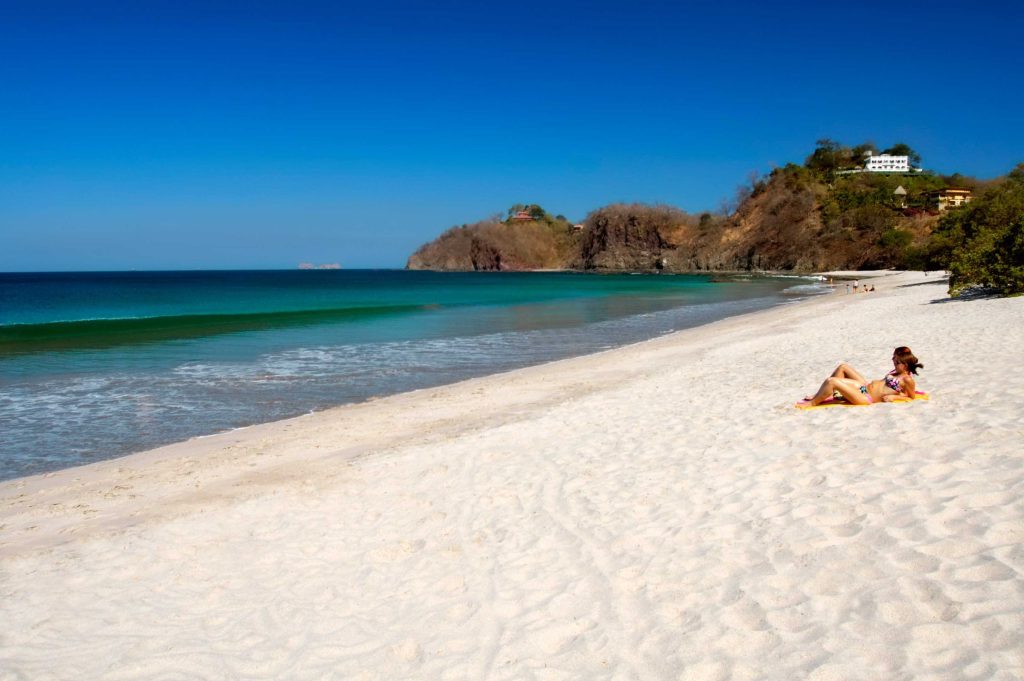
Playa Flamingo attracts buyers who prioritize a quieter, marina-adjacent lifestyle, a more established expat community, and proximity to the Gold Coast’s services without the tourist volume that characterizes Tamarindo. Properties here tend to hold value steadily and attract long-term renters rather than short-stay vacationers.
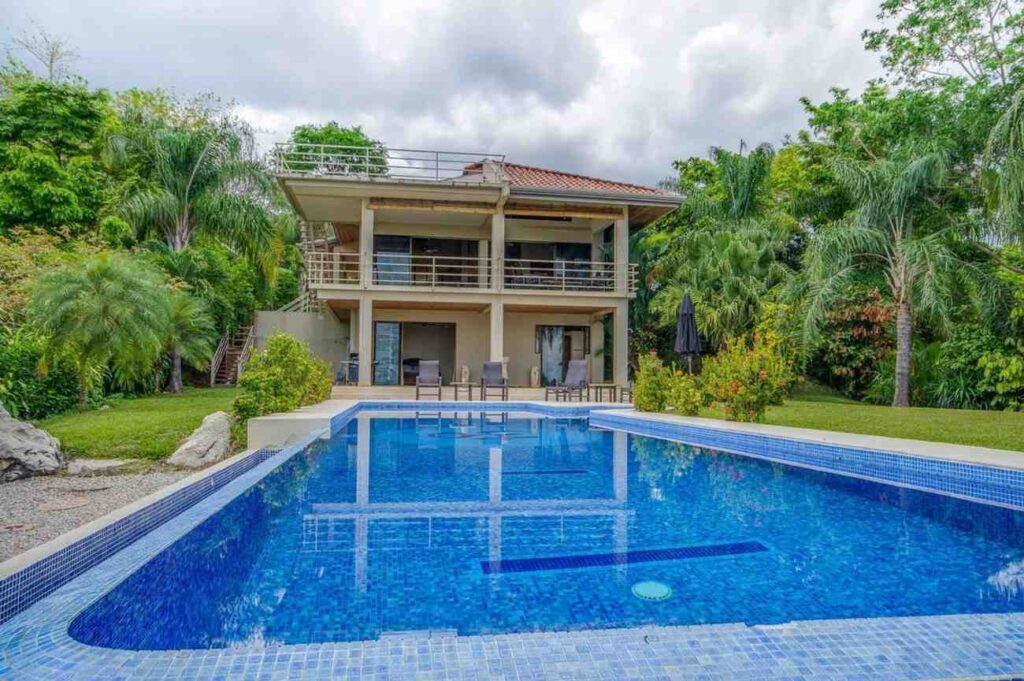
Playa Conchal is anchored by one of the region’s most recognized luxury resort communities, which creates a defined price floor and a buyer profile oriented toward amenity-rich resort living. Resale values in this community track closely with the resort’s own brand performance and infrastructure investment, which has historically been consistent.
Tamarindo operates as the Gold Coast’s most commercially active market, with high tourist volume, strong short-term rental demand, and a wider range of price points. Entry costs are lower in parts of the market, but so is the barrier to competitive rental supply, which affects yield stability.
Treating these communities as equivalent because they share a coastline is one of the most common analytical mistakes foreign buyers make when reading aggregate market data.
The Papagayo Peninsula Premium: Infrastructure Investment and Its Ripple Effects
The Papagayo Peninsula functions almost as its own sub-market within the Gold Coast. Continued government and private investment in the corridor, including marina expansion, road improvements, and resort development, has produced compounding appreciation effects that extend into adjacent residential neighborhoods.
Properties within a short drive of the peninsula’s core development have benefited from halo-effect demand as buyers priced out of the immediate zone look to nearby communities. This dynamic is visible in transaction data but rarely surfaces in national market reports because it operates at a hyperlocal level. Buyers who understood this pattern in the early 2020s entered markets like Playa del Coco and Ocotal at price points that now look prescient.
Developer Quality Differences That Price-Per-Square-Foot Comparisons Cannot Reveal
Price per square foot is a useful starting point and a dangerous endpoint. Two properties at the same price per square meter in Guanacaste can represent fundamentally different long-term value propositions depending on who built them, how the HOA is structured, what the build quality actually looks like on inspection, and whether the developer has a history of delivering what they promised.
The Gold Coast has attracted both exceptional developers with deep regional roots and opportunistic projects that sold well on renderings and delivered poorly on execution. Local transaction history, not listing presentations, is where you distinguish between them. An advisor who has tracked multiple development cycles in this corridor can tell you which communities have maintained values through resale and which have struggled to support their initial pricing.
MLS Trend Signals That Only Appear in Hyper-Local Transaction Data
Aggregate market reports draw on national MLS data, which captures what sold but loses most of the texture that matters to a buyer. Days on market by community, price reduction frequency, the gap between list price and sale price in specific neighborhoods, and absorption rates for particular property types: all of these signals live inside transaction-level data and rarely make it into published market summaries.
On the Gold Coast, these micro-signals have often moved six to twelve months ahead of published appreciation figures. When days on market for beachfront properties in a specific community start compressing and price reductions disappear, that’s a meaningful signal. When a community starts accumulating inventory without corresponding absorption, that’s equally informative. Neither pattern shows up in regional headline numbers until the trend is already well established.
Buying on the Gold Coast Versus Other Costa Rica Regions
The Central Valley, particularly the area around San José and Escazú, offers a different value proposition entirely: urban infrastructure, a year-round temperate climate, and proximity to Costa Rica’s commercial and medical centers. It’s an attractive option for buyers whose priority is walkability, urban amenities, and lower price points, but it doesn’t offer the coastal lifestyle or the rental income potential that drives most foreign buyer interest in Guanacaste. This is central to understanding what costa rica real estate news offers right now.
Other Pacific Coast regions, including the Central Pacific around Manuel Antonio and the Osa Peninsula further south, have their own distinct character. Manuel Antonio combines accessibility with jungle-meets-beach appeal and a solid short-term rental market. The Osa Peninsula draws buyers who want raw, undeveloped natural surroundings but involves meaningful infrastructure trade-offs.
What distinguishes the Gold Coast is the combination of direct international access, established buyer demand from North America and Europe, a maturing amenity ecosystem, and the density of experienced local professionals who support foreign buyers through the purchase process and beyond. That full infrastructure, from airport to attorney to property manager, is harder to replicate in regions where foreign buyer volume is lower and the support network is thinner.
—
The Key Drivers Behind Costa Rica’s Property Appreciation Cycle
Lifestyle Migration as a Structural Demand Driver
The buyers fueling Gold Coast property demand didn’t appear in 2020 and disappear in 2023. They represent a demographic wave that was building before the pandemic and has accelerated since: North American and European retirees and remote workers who looked at their quality-of-life options and made a deliberate, long-term calculation in favor of Costa Rica. Anyone navigating costa rica real estate news should keep this consideration in mind.
Costa Rica consistently ranks among the top destinations in international residency surveys, and Guanacaste draws a disproportionate share of that interest because it combines direct U.S. flight access with an established expat infrastructure. The buyers showing up today aren’t impulse purchasers chasing a trend. They’ve typically visited multiple times, done significant research, and are making a considered life decision. That buyer psychology creates sustained demand, not cyclical spikes. The trajectory of costa rica real estate news reflects these trends directly.
Infrastructure Development and Its Compounding Effect on Coastal Values
Every meaningful infrastructure improvement on the Gold Coast functions as a long-term price multiplier. The expansion of Liberia’s international airport didn’t just add flights. It structurally changed who could access the region and how easily. Marina development in Papagayo, road improvements connecting coastal communities, expanded medical facilities in Liberia, and the gradual buildout of commercial services have collectively raised the livability ceiling in ways that support premium pricing.
Infrastructure investment tends to compound because each improvement attracts the next one. A better-connected coastline attracts better-funded developers. Better-funded developers build communities with stronger amenity packages. Stronger amenities attract higher-income buyers. That cycle has been running on the Gold Coast for over a decade, and the current pipeline of announced projects suggests it continues through the end of the decade.
How Guanacaste’s Tourism Momentum Feeds Residential Property Demand
Tourism and residential property are not separate markets on the Gold Coast. They reinforce each other. Visitors who experience the region as tourists are the primary feeder pool for future buyers. Many of the best properties in Flamingo, Conchal, and the Papagayo corridor were purchased by people who first arrived on vacation.
Guanacaste’s tourism growth also creates direct rental income opportunity, which affects how buyers price properties at acquisition. When a buyer can realistically project strong occupancy during peak season and cover carrying costs through rental income, they’re willing to pay a premium for a well-positioned property. That willingness holds prices in established communities even during slower periods of the broader Costa Rica real estate news cycle.
What the Average Appreciation Timeline Looks Like for Gold Coast Investors
Gold Coast appreciation doesn’t move in a straight line, and buyers who expect it to are often confused by short-term flat periods. The more accurate picture is appreciation that moves in steps: relatively flat for 12 to 24 months, then a compression event as inventory tightens and a cluster of transactions resets the price floor upward.
Buyers who have held quality properties in established Gold Coast communities for five years or more have generally seen meaningful appreciation in total. Buyers who entered, experienced a flat year, and sold early often locked in losses or minimal gains. The pattern rewards patience and correct initial positioning more than precise market timing.
—
The True Cost of Owning Property in Costa Rica: What Every Foreign Buyer Must Know
Closing Costs, Transfer Taxes, and Legal Fees in Plain English
Budget 3.5% to 4.5% of the purchase price for closing costs. That range covers the primary line items:
- Transfer tax: 1.5% of the registered property value
- National Registry stamps and fees: approximately 0.5%
- Legal fees: typically 1% to 1.5% depending on transaction complexity
- Notary fees and miscellaneous documentation: roughly 0.25% to 0.5%
One nuance worth understanding: Costa Rica’s transfer tax is calculated on the registered value in the Registro Nacional, which may differ from the actual purchase price. Your attorney should clarify how this applies to the specific property before you finalize your offer. This is what separates costa rica real estate news from comparable opportunities elsewhere.
Tax Implications for Foreign Property Owners in Costa Rica
Annual property tax in Costa Rica runs at 0.25% of the registered value, which is low by nearly any international comparison. A property registered at $400,000 generates roughly $1,000 per year in property tax. Smart buyers in the costa rica real estate news market factor this in from the start.
If you rent the property, that rental income is subject to a withholding tax for non-residents. Costa Rica does not tax foreign-sourced income, so earnings you generate outside the country are not affected by your property ownership here. There is no capital gains tax on residential property sales, which remains one of the more meaningful structural advantages for long-term holders. This dynamic continues to influence pricing and availability across costa rica real estate news.
How HOA and COA Fees Work and Why They Vary So Dramatically
HOA and COA fees on the Gold Coast range from under $200 per month in smaller gated communities to over $800 per month in resort-integrated developments with full amenity packages. The variance reflects what those fees actually fund: security, grounds maintenance, pool and club facilities, road maintenance, and in some cases resort services and rental program administration.
The question isn’t whether the fees are high or low in absolute terms. The question is whether the fee structure is sustainable, transparently governed, and actually reflected in the community’s physical condition. A development with a $300 monthly HOA that has been consistently maintained looks very different from one with the same fee that has deferred maintenance for years. Ask to see the HOA’s reserve fund balance and recent financial statements before you buy.
Maintenance, Property Management, and the Hidden Math of Long-Distance Ownership
A common mistake foreign buyers make is modeling only the purchase price and carrying costs, then discovering post-closing that ownership in a tropical climate has its own maintenance arithmetic. Salt air, humidity, and year-round sun accelerate wear on everything from appliances to exterior paint to pool equipment. Budget a realistic 1% to 1.5% of property value annually for maintenance and reserves, separate from what your HOA covers.
If you’re not in residence year-round, add property management fees to that figure. Full-service management typically runs 20% to 30% of gross rental revenue when the property is in a rental program, or a flat monthly retainer for oversight-only services.
Can I Manage a Costa Rica Property Remotely?
Remote management is entirely workable, but it requires the right local infrastructure. The properties that succeed as long-distance investments are those with a professional on-the-ground team handling inspections, tenant coordination, maintenance response, and financial reporting. Attempting to manage from abroad without that layer in place leads to deferred maintenance, unhappy renters, and eroded yield.
Full-service boutique property management with rental program participation, maintenance coordination, and owner reporting typically costs several hundred dollars per month for properties not in active rental, and 20% to 25% of rental revenue for active rental properties. Those costs are real, and they belong in your financial model before you buy.
—
Legal Protections and Structural Advantages for Foreign Investors
Fee Simple Title vs. Concession Property: Understanding the Core Distinction
This distinction matters more than almost any other legal concept in Costa Rica real estate. Fee simple title, known locally as titled property or propiedad en plena propiedad, gives you full ownership rights recorded in the Registro Nacional. You own the land and structures the way you would own property in the U.S. or Canada. Understanding costa rica real estate news means engaging with nuances like this one.
Concession property sits within Costa Rica’s maritime zone, the 200-meter strip measured inland from the high-tide line. The first 50 meters from the high-tide line is inalienable public land that cannot be privately owned. The next 150 meters can be leased from the government under a concession, typically renewable in 20-year terms. You can build on it and transfer it, but the underlying land remains state-owned. The costa rica real estate news market has built its reputation on exactly this kind of resilience.
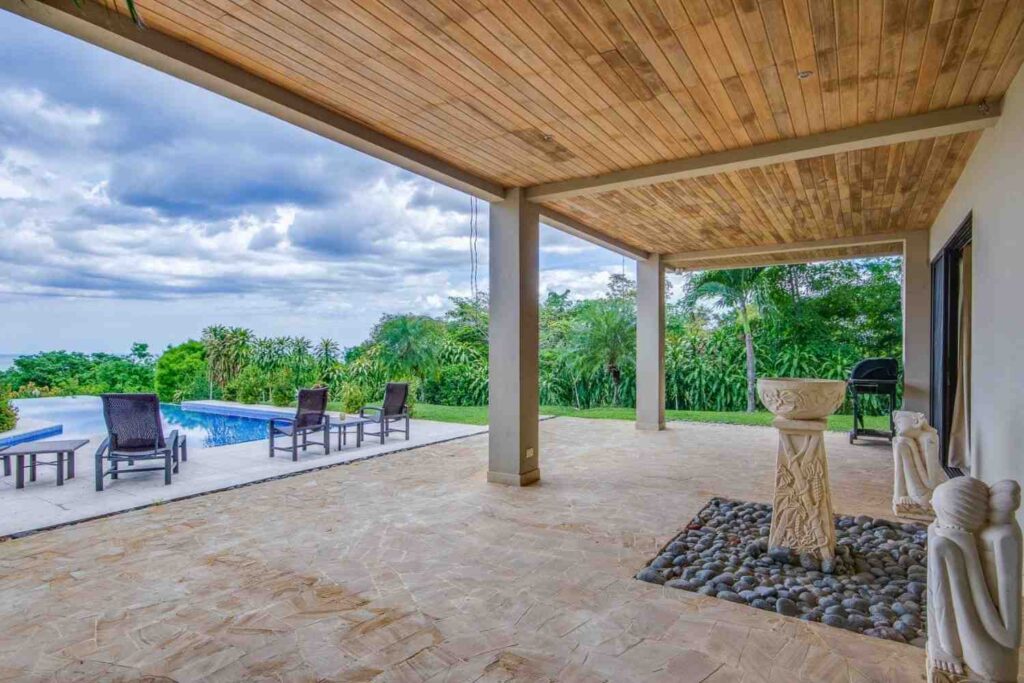
Most buyers can hold concession property through a Costa Rican corporation, but legal requirements vary by municipality and concession type. Your attorney’s review of which regime applies to any specific listing is a mandatory step, not an optional one. For international investors, costa rica real estate news presents this profile consistently.
How the Registro Nacional Works to Protect Foreign Ownership Rights
The Registro Nacional is Costa Rica’s centralized property registry, and it’s the mechanism that makes foreign ownership genuinely secure. Every titled property has a unique folio real number. When you purchase a properly titled property, your ownership interest is recorded in that registry and is legally enforceable. This underlying reality is what makes costa rica real estate news compelling for long-term buyers.
This is not a system where foreign buyers are treated differently from nationals. Costa Rica’s constitution explicitly grants foreign individuals the same property rights as citizens, and the Registro Nacional enforces those rights uniformly. A clean title search through the registry confirms ownership history, identifies any liens or encumbrances, and verifies that the seller has clear legal authority to transfer the property. Anyone serious about costa rica real estate news will encounter this consideration early on.
How to Legally Protect Your Property Investment as a Foreign Buyer
The most effective protection is thorough due diligence before signing anything. That means an independent title search through the Registro Nacional, a survey confirming that the property boundaries match the registered description, a review of any existing mortgages or court-ordered restrictions, and confirmation of the property’s maritime zone status if applicable.
Beyond due diligence, most foreign buyers benefit from holding property through a Costa Rican corporation, either a Sociedad Anónima or Sociedad de Responsabilidad Limitada. This structure simplifies future sale or transfer, provides an additional layer of liability separation, and can streamline the process if the property is part of a rental program. The best opportunities within costa rica real estate news come to buyers who understand this well.
Corporate Structures, Residency, and Titling Explained Simply
Holding property in a Costa Rican corporation is standard practice, not an unusual measure. Your attorney creates the entity, the property title transfers into that entity, and you hold the shares of the corporation. Transferring ownership in the future can then happen through a share transfer rather than a full property deed transfer, which can reduce transfer taxes in some circumstances.
Residency is not required to own property in Costa Rica. You can purchase, hold, and rent property as a non-resident. Residency becomes relevant if you plan to spend more than 90 days per year in the country, want to open a local bank account more easily, or are considering the Rentista or Pensionado programs that offer formal resident status in exchange for demonstrable income.
Hidden Costs of Buying Property in Costa Rica That Are Often Overlooked
The costs that catch buyers off guard tend to fall into a few predictable categories. Currency exchange fees, particularly for buyers who hold savings in currencies other than U.S. dollars, which is the standard transactional currency in Costa Rica real estate, can erode more value than expected if not planned for. Translation and notarization fees for documents required by your home country’s bank or legal system add up. And the cost of multiple property visits before committing, including flights, accommodation, and time, is real and should be part of your total acquisition budget.
On the ongoing side, an annual luxury tax applies to properties above a certain registered value threshold and is calculated on a progressive scale. If your property crosses that threshold, factor the additional annual cost into your carrying cost model.
—
Vacation Rental Market Momentum: Turning Tourism Demand Into Reliable Income
How Guanacaste Tourism Growth Translates to Rental Yield Opportunity
Guanacaste has recorded millions of international tourist arrivals in recent years, with the majority entering through Liberia rather than San José. That volume creates a structurally large pool of potential short-term renters for well-positioned Gold Coast properties.
Gross rental yields for quality properties in active rental programs typically run between 6% and 10% annually, depending on location, property type, and management quality. Beachfront and ocean-view properties in communities with strong brand recognition and amenity packages tend to sit at the upper end of that range. Properties that compete primarily on price, without a differentiated experience, cluster at the lower end and are more vulnerable to occupancy pressure when new inventory enters the market.
What Boutique Property Management Actually Does and Why It Matters to Your Returns
The difference between a property generating strong occupancy and one underperforming in the same community often comes down to how it’s managed, not where it sits. A boutique management team handles dynamic pricing (adjusting nightly rates in real time based on demand signals), guest screening, maintenance response, post-stay reviews, and repeat-guest relationships. A listing aggregator handles none of that.
For a long-distance owner, management quality is a direct income variable. A professional team that actively markets the property, maintains its online reputation, and handles issues before they become negative reviews earns their fee many times over in occupancy differential and guest quality.
Optimizing Occupancy: The Difference Between Listing a Property and Marketing It
Listing a property means putting it on a platform. Marketing it means managing its visibility, pricing, photography, description, and review profile as active, ongoing work. The distinction shows up in occupancy rates within six months.
Properties that perform in the top quartile of their competitive set share common traits: professional photography updated regularly, dynamic pricing calibrated to local event calendars and competitor availability, active response to guest inquiries within hours rather than days, and a consistent effort to generate strong reviews that compound visibility over time.
Where to Buy Rental Property on the Gold Coast
For rental income as a primary objective, Tamarindo and the communities immediately surrounding the Papagayo resort corridor have historically delivered strong occupancy rates due to tourist volume and direct airlift. Tamarindo’s established tourism infrastructure means consistent demand across a longer shoulder season.
For buyers who want to balance personal use with rental income, Playa Flamingo and Playa Conchal offer strong yields during peak season (December through April) and lower but still positive occupancy in the shoulder months, with a calmer environment during personal stays. The best rental property is ultimately one that matches your personal use calendar with a location where rental demand is strong during the windows you’re not in residence.
—
Is Now the Right Time to Buy? A Decision Framework for 2026
Timing the Market vs. Time in the Market
Anyone who tells you they’ve consistently timed the Gold Coast market correctly is either very lucky or rewriting history. The buyers who have built meaningful equity in this corridor over the past decade weren’t the ones who found the perfect entry point. They were the ones who bought well-positioned properties and held them long enough for the market’s natural appreciation cycle to do its work.
Costa Rica property investment 2026 will always give cautious buyers a reason to wait: election cycles, currency fluctuations, inventory concerns. The underlying demand drivers on the Gold Coast, direct international airlift, constrained coastal inventory, and sustained lifestyle migration from North America, haven’t reversed. For a buyer with a five-to-ten-year horizon, entry timing is a secondary variable. Property selection and holding discipline are what actually determine outcomes.
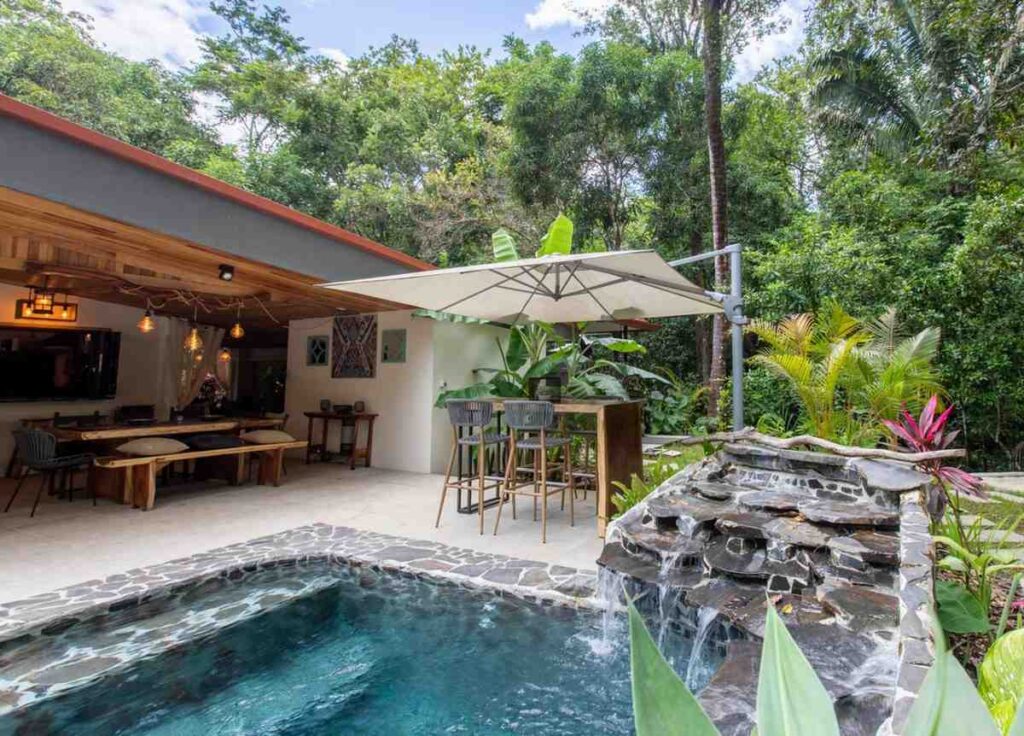
The one timing consideration worth taking seriously is inventory. When specific communities tighten and multiple offers appear on quality listings, waiting tends to cost more than moving cautiously.
Putting Theory into Practice: A Retirement Buyer Scenario on the Gold Coast
Consider a couple in their early 60s, recently retired, who visited Playa Flamingo twice and are now seriously evaluating a two-bedroom condo in a managed community priced at $425,000.
Their all-in acquisition cost runs roughly $15,000 to $19,000 in closing costs and legal fees. Annual carrying costs include approximately $1,060 in property tax (at 0.25%), $4,800 in HOA fees ($400 per month for a mid-tier community), $3,000 in estimated maintenance reserves, and $4,800 in property management oversight during the eight months they plan to be elsewhere. Total annual carrying cost lands around $13,600 before rental income.
During the four months they’re in residence, the property is theirs to enjoy. During the remaining eight months, a well-managed rental program in that community can generate meaningful occupancy at competitive nightly rates. After management fees, net rental income can realistically offset carrying costs and, in stronger seasons, generate a modest surplus.
That scenario only works if the property is correctly selected, professionally managed, and held long enough for appreciation to compound. None of those outcomes depend on whether they bought in January or September of 2026.
The Three Conditions That Signal Genuine Readiness for a Foreign Purchase
After watching hundreds of buyers move through this process, the ones who succeed share three characteristics that have nothing to do with market timing.
Financial clarity. They know their all-in budget, not just the purchase price. They’ve modeled carrying costs, accounted for closing costs, and built a reserve for the first year of ownership before rental income normalizes. Buyers who stretch to the edge of their purchase budget routinely experience stress that undermines what should be a positive experience.
Legal preparation. They’ve engaged an independent Costa Rican attorney before making an offer, not after. Title searches, concession status verification, and corporate structure decisions all take time, and buyers who skip this preparation create pressure that leads to mistakes.
Realistic use plan. They’ve answered honestly how often they’ll be in residence, how the property will generate income or cover costs when they’re not, and what their exit scenario looks like in ten to fifteen years. Buyers who purchase on emotion and figure out the logistics later frequently discover that the property doesn’t fit the life they actually live.
When all three conditions are in place, the question of whether 2026 is the “right” time largely answers itself.
Why Long-Term Local Partnership Shapes Outcomes More Than Entry Timing
The transaction is a single day. Everything that follows, including property management decisions, maintenance oversight, rental program performance, legal updates, and resale positioning, runs for years or decades. The quality of your local partnership has more practical influence on your investment’s performance than the price you paid at entry.
A local advisor with deep community relationships and years of transaction history in a specific corridor brings things no market report can replicate: knowledge of which developments have maintained their HOA reserves, which property managers have track records of protecting owner interests, and which listings are priced to sell versus priced to test the market. That intelligence compounds in your favor over time, and it’s not available from a distance.
2026 Gold Coast Buyer Intelligence: 6 Things Worth Remembering
- National appreciation figures describe a statistical average across wildly different markets. Gold Coast properties in established communities have consistently tracked above that average when examined at the transaction level.
- Closing costs run 3.5% to 4.5% of purchase price. Annual carrying costs, including property tax, HOA fees, maintenance reserves, and management, typically run $10,000 to $18,000 for a mid-tier property. Both belong in your financial model before you make an offer.
- Fee simple title and concession property are fundamentally different legal structures. Confirm which applies to every listing you seriously consider, and have an independent attorney review the title history before you proceed.
- Rental yield in the 6% to 10% gross range is realistic for well-managed properties in high-demand Gold Coast communities. Management quality is a direct income variable, not a fixed cost.
- The lifestyle migration trend driving Gold Coast demand is structural, not cyclical. The buyer pool supporting property values reflects a demographic shift that was building before the pandemic and has continued steadily since.
- Entry timing matters less than property selection, legal structure, realistic use planning, and the quality of your local professional team. Buyers who get those four things right have consistently built equity here regardless of when in the cycle they entered.
—
From Market Noise to Confident Next Steps on the Gold Coast
The Central Truth This Guide Has Built Toward
Every section of this guide has circled back to one practical reality: the macro Costa Rica real estate news cycle tells you the market is performing. It doesn’t tell you whether a specific property in a specific Gold Coast community will perform for you, given your finances, your timeline, and your plans for how you’ll actually use and manage it.
The gap between those two things is where most foreign buyers get lost. They read the headline numbers, feel encouraged, then freeze when they try to apply aggregate data to a specific decision. That freeze is exactly what this guide was written to solve.
What Years of Gold Coast Market Observation Actually Teach
Markets move in patterns, but properties succeed or fail on specifics. The buyers who have built wealth in this corridor consistently did a few things right: they bought in communities with demonstrated resale histories, they understood their carrying costs before they committed, they had legal structures in place that protected their ownership, and they partnered with people who stayed engaged long after closing day.
What they didn’t do was find a perfect moment in the market cycle. They found a good property, prepared well, and stayed the course.
Your Invitation to a Different Kind of Real Estate Conversation
We’re not interested in moving you from interest to transaction as quickly as possible. We’re interested in helping you make a decision that serves you well in year one and year fifteen.
If you’re ready to move past the headlines and talk about what a Gold Coast purchase would actually look like for your specific situation, that conversation starts wherever you are: a question about a specific listing, a request to review your financial model, or simply an honest discussion about whether this market is the right fit for what you’re trying to build. We’ve been here for 18 years, and we plan to be here for whatever comes next.
—
Frequently Asked Questions
Is it a good time to buy real estate in Costa Rica?
For buyers who are financially prepared, legally informed, and working with experienced local advisors, 2026 presents a genuinely solid window on the Gold Coast. Inventory in the most desirable communities remains constrained, the lifestyle migration driving demand shows no signs of reversing, and cash buyers, who make up the majority of foreign purchasers, are unaffected by interest rate volatility. Market timing matters far less than buying the right property with the right legal structure and a realistic ownership plan.
What are the hidden costs of buying property in Costa Rica as a foreigner?
Beyond the purchase price, budget 3.5% to 4.5% of the property value for closing costs, covering transfer taxes, legal fees, registry stamps, and notary charges. Ongoing costs include annual property tax at 0.25% of registered value, HOA or COA fees ranging from $200 to $800 or more per month depending on the community, maintenance reserves of roughly 1% to 1.5% of property value annually, and property management fees if you won’t be in residence year-round. Currency exchange fees and the cost of multiple property visits before committing are also worth factoring into your total acquisition budget.
How do I legally protect my property investment as a foreign buyer in Costa Rica?
Start with thorough due diligence: commission an independent title search through the Registro Nacional, verify property boundaries with a survey, check for any existing liens or court-ordered restrictions, and confirm whether the property is fee simple or concession. Most foreign buyers also benefit from holding property through a Costa Rican corporation, which simplifies future transfers and provides an additional layer of liability separation. Engaging your own attorney, one who is independent from the developer or seller, is essential throughout this process.
Can I manage a Costa Rica property remotely, and what does that actually cost?
Remote ownership is entirely workable with the right local infrastructure in place. A professional property management team handles everything from maintenance response and tenant coordination to financial reporting and guest relations. Full-service boutique property management for an active rental property typically costs 20% to 25% of gross rental revenue. For properties in oversight-only mode, expect a flat monthly retainer. These costs belong in your financial model from the start, not as an afterthought after closing.
What tax implications should I expect as a foreign property owner in Costa Rica?
Annual property tax is 0.25% of the registered property value, one of the lowest rates you’ll find anywhere. Rental income earned by non-residents is subject to a withholding tax. Costa Rica does not tax foreign-sourced income, so earnings from outside the country are unaffected by your property ownership here. There is no capital gains tax on residential property sales, which is a meaningful long-term advantage. Properties above a certain registered value threshold are also subject to an annual luxury tax calculated on a progressive scale, so confirm whether your property crosses that threshold when modeling your carrying costs.
What is the average appreciation timeline for Costa Rica real estate investments?
Gold Coast appreciation tends to move in steps rather than a straight line. Properties typically experience relatively flat periods of 12 to 24 months, followed by upward compression events as inventory tightens and a cluster of transactions resets the price floor. Buyers who have held quality properties in established Gold Coast communities for five years or more have generally seen meaningful appreciation in total. The pattern consistently rewards patient holding and correct initial positioning over precise market timing.