
Costa Rica Homes for Sale on “Zillow”: How to Actually Search, Compare & Buy on the Gold Coast
Note: All prices and ranges in this article are indicative as of 2026. Specific values depend on each property’s age, view, condition, and exact location. For current listings and verified pricing, reach out to Coastal Realty directly.
You’re scrolling through Zillow at midnight in Chicago or Vancouver, coffee going cold beside you, comparing split-levels and condos by price per square foot. Then you type “Costa Rica homes for sale Zillow” and expect the same clean grid of listings. Instead, you wake up to howler monkeys calling across the canopy in Playas del Coco, laptop open on a terrace above the Pacific, realizing the tools you trusted back home don’t exist here. That gap between expectation and reality is where your real search begins.
Understanding “Zillow-Style” Home Search in Costa Rica
Zillow does not operate in Costa Rica as of 2026. There is no US-style nationwide multiple listing service feeding automated platforms with days-on-market data, price histories, or algorithmic valuations. When US and Canadian buyers Google “costa rica homes for sale zillow,” they often land on irrelevant results from neighborhoods in Colorado actually named “Costa Rica” rather than actual Central American inventory.
Costa Rica’s real estate market is characterized by a lack of a centralized MLS, which leads to a fragmented landscape where realtors rely on independent listing websites and informal communication channels. For buyers accustomed to Zillow or Trulia, this requires a mental shift. The Gold Coast of Guanacaste—Tamarindo, Playas del Coco, Flamingo, Playa Hermosa, Potrero, Ocotal—is where Coastal Realty focuses our expertise, and where many Americans and Canadians seek beach homes. Finding the right property here is absolutely possible, but you need different tools and expectations.
Why Costa Rica’s Real Estate Market Doesn’t Have Zillow (Yet)
Unlike the US and Canada, Costa Rica lacks a centralized data-sharing system among brokerages. Real estate professionals here operate independently, curating exclusive listings through private networks rather than feeding a nationwide network of public data. This absence means you won’t find Zestimates, school ratings, or crime stats aggregated on a single platform.
The introduction of OmniMLS in 2023 aims to improve visibility and collaboration among Costa Rican agents by providing a centralized platform, although it does not cover the entire country and has limitations—industry estimates suggest under 30% of listings appear there. Agents in Guanacaste beach towns depend heavily on WhatsApp groups, internal CRMs, and personal relationships for off-market deals. This can disadvantage quick browsers but advantages informed buyers who invest in deeper due diligence with a trusted real estate agent.

How to Search Costa Rica Homes for Sale Without Zillow
Picture yourself in a rental condo in Tamarindo, ten browser tabs open across different agency sites, realizing no single platform shows everything. That’s normal here. Your property search should combine national portals like Encuentra24, the leading local classifieds site for homes, condos, and land, with niche regional broker sites and direct contact with a local firm like Coastal Realty.
Real estate in Costa Rica is localized, and established agencies maintain up-to-date databases of active inventory in their specific operational territories. Coastal Realty curates listings across Playas del Coco, Playa Panama, Ocotal, Flamingo, and surrounding communities—including properties that never hit mass-market portals. Realtor.com International aggregates over 10,000 listings from local brokers for Costa Rica, but Gold Coast specifics require local knowledge.
Typical categories include ocean-view condos, gated community villas, stand-alone homes on titled lots, and development parcels. In Costa Rica, entry-level condos and small homes often start around $150,000 to $250,000, while mid-range homes and gated communities typically range from $250,000 to $500,000. Luxury and beachfront properties often start around $500,000 and can can exceed $1,000,000. Condominiums are very popular for expats and investors, especially in resort and coastal towns like Playas del Coco.
Comparing Costa Rica Homes Like You Would on Zillow (But Smarter)
You’re used to Zillow’s filters, map overlays, and instant comparisons. Translate those habits here: use map views on local sites, then ask your agent for walkability insights, traffic patterns, and proximity to beaches, schools, and healthcare. Easy access to Liberia International Airport (25-30 minutes from Playas del Coco) and CIMA private hospital matters more than abstract neighborhood scores.
Concrete comparison criteria include distance to the beach, road type (paved versus dirt), slope and drainage on hillside lots, HOA structure ($200-500 monthly), water letters proving legal concession, fiber internet coverage (widespread in Coco since 2022), seasonal noise, and rental demand. Coastal Realty builds comparison sets manually using recent local sales, rental performance data from our management portfolio, and on-the-ground knowledge about micro-neighborhoods. Properties in Costa Rica often lack formal addresses, relying instead on descriptive locations or official plano numbers, so this local context proves essential.
Where Zillow Falls Short for Costa Rica Investment Properties
A buyer chasing only the lowest online sales price per square foot misses critical factors: rental yields, maintenance realities, and seasonality. Zillow-style data rarely captures HOA financial health, property management quality, true occupancy rates, or wear from tropical climate.
The vacation rental market in Costa Rica is expected to grow significantly as international tourism resumes, making it an attractive investment opportunity. Popular tourist towns such as Tamarindo and Samara offer high rental yields for vacation properties. A 2-bedroom condo near the beach in Playas del Coco might gross $25,000-$40,000 per year with professional management, versus a similar-priced inland home with almost no tourist demand. The tourism sector in Costa Rica supports high potential for vacation rentals, and it remains a popular retirement destination.
Buyers must consider annual luxury home tax thresholds (0.25% on values over approximately $250,000), municipal property tax rates around 0.25% of registered value, and higher bank financing rates (8-10%+) versus cash purchases. Real estate in Costa Rica is considered a stable investment with favorable conditions such as high growth potential and lower costs, making it attractive for both domestic and foreign buyers—but only with proper market trends analysis.
Step-by-Step: Buying a Costa Rica Home in a Non-Zillow Market
The journey from first call to closing follows a structured path. Initial consultation with Coastal Realty defines goals—relocation versus investment, budget parameters, lifestyle priorities. We then create a curated shortlist of 10-20 properties, mixing portal listings with off-market inventory. Virtual tours via high-resolution 360s or in-person Gold Coast road trips follow.
The Offer to Purchase is a document prepared by the real estate agent when a buyer is ready to negotiate, which initiates the negotiation process. Once the Sales and Purchase Agreement is executed, the due diligence process begins, including thorough inspections and legal verifications. Typical timing runs 30-90 days from accepted offer to closing, with due diligence spanning 2-4 weeks.
Any foreigner, whether a legal resident of Costa Rica or not, can purchase and own real estate using their passport as identification. For foreigners, properties can be registered either in their personal name or through a local corporation (SRL, similar to an LLC), which is often recommended for non-residents. Escrow companies hold deposits (often 10% on signing) and final balance, requiring international wire transfers with source-of-funds documentation prepared in advance.
Coastal Realty coordinates with English-speaking attorneys (fees $2,000-$4,000), surveyors, and inspectors to smooth steps that Zillow-like tools cannot automate. Investing in real estate in Costa Rica can also serve as a pathway to obtaining legal residency.
Due Diligence & Title Safety When You Can’t “Zestimate” Risk
Common fears include unclear title, squatters, concession versus titled beachfront, or hidden structural problems. Legal due diligence involves National Registry title checks, liens and annotations review, corporate status verification if property is held in a company, and cadastral plan verification against ground reality.
Physical inspections cover plumbing, electrical systems, roof and structure, moisture and mold (critical in humid Guanacaste), septic capacity, and slope stability for hillside properties. The Costa Rican government has established a maritime zone extending 200 meters from the high tide line, where construction is heavily regulated to ensure public access to the beach. Beachfront properties are subject to specific regulations protecting public beach access.
Foreigners can purchase beachfront property but must comply with local laws, including registering through appropriate ownership structures. Many foreign buyers prefer fully titled homes a short walk back from the high-tide line rather than concession properties with government revert risk.
Financing, Costs & Ownership Structures for North American Buyers
Buyers of Costa Rica real estate most commonly pay in cash, as it provides the strongest negotiation position—roughly 70% of Gold Coast foreign purchases since 2024. Financing options exist but often come with high interest rates (8-10%+ locally). Most foreigners use HELOCs from their home country, self-directed retirement funds, or owner financing arrangements.
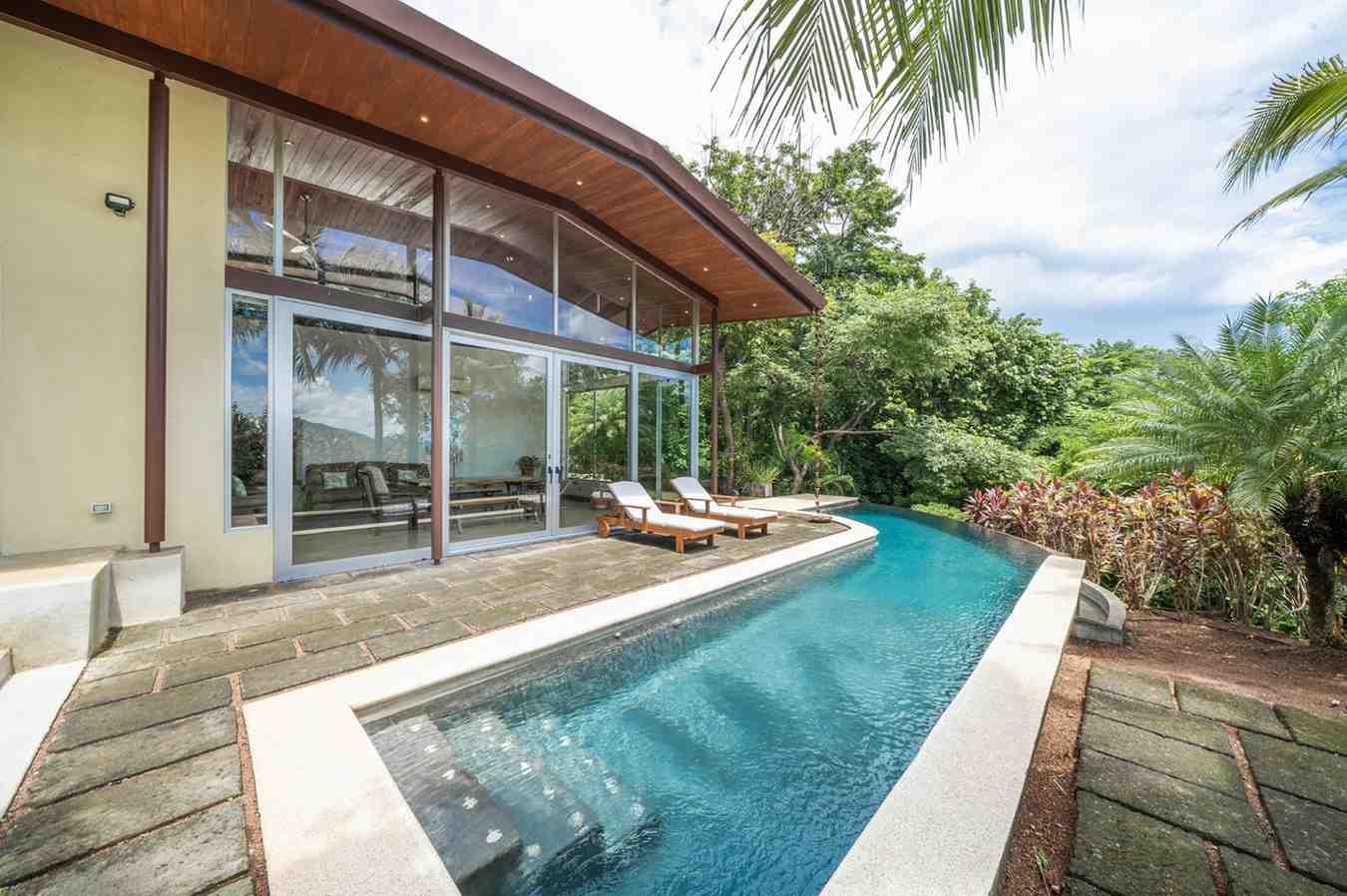
Buyer-side costs run approximately 3-4% of registered price: legal and transfer taxes, notary fees, escrow fees, survey updates, and due diligence inspections. Single-family homes vary from traditional local construction to modern custom builds in gated developments. Land and lots available include raw land or ready-to-build lots in residential communities. Modern condos remain popular in urban areas and beach towns, ranging from mid-range to high-end depending on amenities. Many online listings include high-end properties frequently exceeding $1M to $5M, while luxury estates often feature spectacular views with ocean-view or beachfront villas with premium finishes.
From Online Browsing to Real Life: How Coastal Realty Bridges the Gap
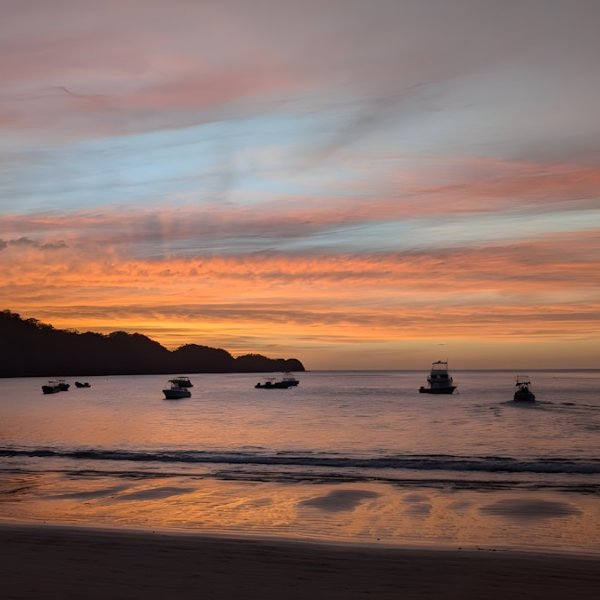
Sunset spreads across the Gulf of Papagayo. Ceiling fans turn slowly. The hum of cicadas replaces city traffic from back home. This is what you’re actually searching for—not just data points on a screen.
Coastal Realty acts as your human link to the Gold Coast market: consolidating listings, providing context beyond any algorithm, sharing rental performance data, and advising on lifestyle fit. Property management services in Costa Rica often include vacation rental marketing and management, essential for owners maximizing rental income. In Costa Rica, property management also encompasses individual property management and HOA/COA management, ensuring properties remain well-maintained and compliant. The lack of a centralized MLS means property management companies rely on personal networks to manage listings and client relationships effectively—exactly the services Coastal Realty provides beyond the sale.
Reach out to Coastal Realty. We can discuss your budget, timeline, and what kind of Gold Coast dream home fits your vision—then create a curated list no automated platform could ever assemble.