
Costa Rica Farm Land for Sale: Your Guide to Productive, Scenic Investment Opportunities
Costa Rica farm land for sale includes cattle ranches, horse properties, coffee farms, fruit-producing fincas, agricultural land, eco-farms, and development-ready acreage throughout Guanacaste and other rural regions. Buyers are attracted to Costa Rica’s fertile soils, favorable climate, natural beauty, property rights, and opportunities for agriculture, conservation, tourism, and long-term land ownership.
Searching for Costa Rica farm land for sale is not just about finding acreage. It is about choosing the right climate, water source, access, legal structure, and long-term use plan so the land can support your lifestyle, income goals, or future development.
Why Do Buyers Choose Farm Land in Costa Rica?

Costa Rica remains one of the most attractive rural real estate markets in Central America due to its stable democracy, established property rights, expanding tourism sector, and international accessibility. Liberia’s airport is also adding a private aviation terminal expected for 2026, improving access to Guanacaste for high-end buyers and investors.
Costa Rica attracts farm land buyers because it offers fertile agricultural land, diverse climates, favorable growing conditions, abundant natural beauty, and opportunities for cattle ranching, fruit production, coffee cultivation, forestry, eco-tourism, and lifestyle farming. Many buyers also value the country’s property ownership protections and long-term investment potential.
Coastal Realty & Property Management focuses on the Pacific “Gold Coast,” including Tamarindo, Conchal, Flamingo, Potrero, Papagayo, Samara, santa cruz, and surrounding countryside, but we can also help evaluate farm and mountain property across guanacaste costa rica.
Foreigners possess the same legal rights to own titled property in Costa Rica as citizens, but purchasing farmland requires rigorous due diligence.
Foreigners can purchase property in Costa Rica without restrictions, and the process is generally straightforward, involving a title search and a purchase agreement.
- Guanacaste remains one of Costa Rica’s most sought-after agricultural regions due to its combination of fertile land, transportation access, tourism growth, and proximity to beaches, airports, and major services. Buyers can find everything from small hobby farms and fruit-producing fincas to large cattle ranches and development-ready agricultural estates.
Types of Farm Land for Sale in Costa Rica
Costa Rica offers a wide variety of agricultural properties ranging from working farms and cattle operations to eco-retreats, lifestyle estates, and investment acreage. The right property depends on climate, elevation, water availability, accessibility, and intended use. The best option depends on land size, water, elevation, road access, and whether the goal is production, a private estate, or a new business.
Cattle and Horse Farms
Cattle and horse farms are common throughout Guanacaste, particularly near Liberia, Bagaces, and other agricultural areas. These properties often feature improved pasture, fencing, water sources, barns, caretaker housing, and infrastructure suitable for livestock operations.
Coffee Farms
Coffee farms are generally located in higher-elevation regions where volcanic soils, cooler temperatures, and shade conditions support premium coffee production. Popular coffee-growing areas include Nandayure, Tilarán, Grecia, La Garita, and portions of the Central Valley.
Fruit Farms and Mixed-Use Fincas
Mixed-use fincas often include fruit production, residential improvements, internal road systems, and opportunities for hobby farming, agri-tourism, or long-term land ownership.
Eco-Farms and Conservation Properties
Eco-farms and conservation-focused properties appeal to buyers interested in sustainability, wildlife preservation, reforestation, wellness retreats, and nature-based tourism opportunities.
Key Regions for Farm Land: From Guanacaste’s Gold Coast to La Garita

Costa Rica’s regions differ sharply in climate, topography, water, pricing, and access. Location drives both lifestyle and ROI, especially when a farm is strategically located near beaches, services, or an international airport.
Guanacaste Costa Rica has a drier tropical climate with a pronounced dry season near sea level, followed by a green season that transforms the hills and valley landscapes.
Daniel Oduber Quirós International Airport in Liberia gives easy access to many farm areas; properties near downtown liberia, Bagaces, Cañas, and Playas del Coco can often be reached in 20–60 minutes.
Farms near Tamarindo, Conchal, Flamingo, Grande, Potrero, and Papagayo benefit from proximity to the pacific ocean, the sea, restaurants, clinics, schools, and a booming vacation rental market.
Costa Rica is known for its booming vacation rental market, particularly in coastal areas like Guanacaste, where demand often exceeds supply.
Ocean-view farms in Costa Rica carry a steep premium due to tourism.
Farmland prices in Costa Rica vary significantly based on location, terrain typography, infrastructure, and proximity to major tourist hubs or coastlines.
The Central Valley and la garita area sit roughly 2,000–2,800 feet above sea level, offering spring-like temperatures, city views, and convenient access to Juan Santamaría International Airport near san jose.
La Garita, Grecia, santa ana, and surrounding towns are known for small coffee farms, hobby farms, and beautiful property options with services close by.
Mountain property near Rincón de la Vieja, Tenorio, Turrialba, manuel antonio, and other protected areas can offer spectacular views, abundant wildlife, waterfalls, cooler weather, and eco-tourism appeal.
Costa Rica’s varying microclimates dictate the most profitable and viable farming ventures, so a crop that works in one province or valley may not work on another property only an hour away.
Farm and Agricultural Properties Near Costa Rica’s Gold Coast
Coastal Realty & Property Management specializes in farms, fincas, and agricultural properties located within practical driving distance of Guanacaste’s Pacific beaches. These properties appeal to buyers seeking both rural privacy and access to tourism, services, and long-term development opportunities. These properties can be the perfect blend of nature, privacy, and access to high-demand tourism corridors.
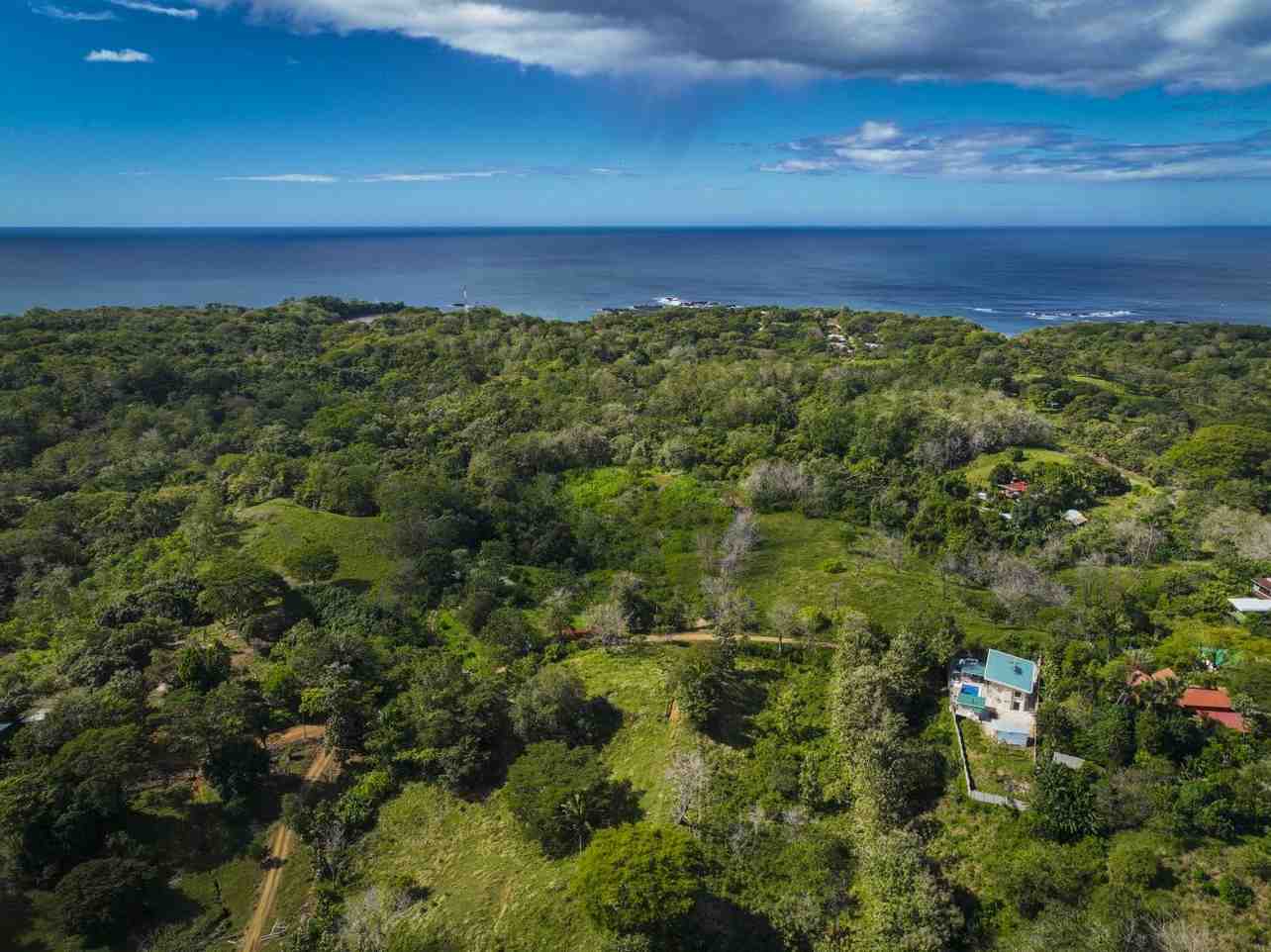
Countryside farms outside Tamarindo, Huacas, and santa cruz often include 10–50 acres, rolling hills, public road frontage, internal roads, distant ocean view corridors, and potential homesites.
Mountain estates above Flamingo and Potrero may offer beautiful mountains, cooler breezes, private access, easy access to marinas and services, and a rare opportunity to own an exceptional property close to the ocean.
Riverfront land for sale along the Tempisque River or smaller seasonal rivers can suit cattle, hay, horse breeding, eco-lodges, or conservation-focused projects.
Many Gold Coast fincas already include basic infrastructure such as electricity, a water meter, public road frontage, fencing, internal farm roads, and a property overview showing land size, construction size, and usable acreage.
What Does Farm Land Cost in Costa Rica?
Mid-sized commercial operations in Costa Rica cost between $400,000 and $1,500,000.
Large-scale cattle ranches or development-ready agricultural estates in Costa Rica can reach anywhere from $2,000,000 to over $10,000,000.
What Can You Do With Farm Land in Costa Rica?

Farm land in Costa Rica can support a wide variety of uses including agriculture, cattle operations, eco-tourism, conservation projects, wellness retreats, equestrian facilities, residential development, and mixed-use investment opportunities, depending on zoning and local regulations. The perfect property is often one with natural beauty, legal water, usable slopes, and access to the coast or city services.
Larger farms near growing beach towns can sometimes be split into smaller residential lots, subject to zoning, road frontage, water availability, and municipal approval.
Eco-lodges, yoga retreats, and wellness centers work well on mountain property with waterfalls, forest, canyon views, natural pools, and abundant wildlife.
Agri-tourism projects on coffee plantations or fruit farms can combine production with farm tours, tastings, guest cabins, and educational experiences.
Boutique communities focused on sustainability, permaculture, or equestrian lifestyles can fit buyers who want a tropical paradise without losing access to clinics, airports, and restaurants.
Projects near Tamarindo, Playas del Coco, Papagayo, Flamingo, and Potrero can benefit from vacation-rental demand, but subdivision and construction planning must be confirmed before closing.
Properties located near tourism corridors may offer opportunities for hospitality-related businesses, eco-lodges, guest cabins, wellness retreats, or other tourism-oriented uses, subject to zoning and permitting requirements.
Zoning, legal water, slopes, and road access must be verified before any construction or subdivision, especially if the intended use includes lodging, a restaurant, a retreat center, or commercial agriculture.
What Should You Check Before Buying Farm Land in Costa Rica?
Farm land purchases require careful due diligence because water rights, zoning, access, environmental restrictions, and agricultural regulations can significantly impact a property’s value and future use. Before you buy costa rica farms, confirm what is legally registered, what is physically usable, and what can actually be built.
Verify title through the Registro Nacional and confirm the cadastral map, boundaries, ownership, easements, liens, and whether the property is free of legal disputes.
It is essential for property buyers in Costa Rica to conduct due diligence, which includes verifying property titles, checking for liens, and ensuring that the property is free of legal disputes.
Confirm legal water sources before closing. Water may come from AyA, an ASADA, a registered well, or a concession, but water rights in Costa Rica are separate from land ownership; verifying water concessions is essential when purchasing property.
Utilizing water from a natural river or spring for commercial agricultural irrigation in Costa Rica requires a formal concession from the Ministry of Environment and Energy (MINAE), usually handled through the Dirección de Aguas.
Review soil quality, drainage, slope, erosion risk, and whether machinery and construction vehicles can enter during both dry and rainy seasons.
Agricultural parcels in Costa Rica are strictly regulated by the Instituto Nacional de Vivienda y Urbanismo (INVU).
Purchasing a parcela agrícola in Costa Rica typically requires a minimum lot size of 5,000 square meters.
Agricultural zoning rules can affect how much of a property may be developed and what types of structures are permitted. Buyers should verify zoning requirements, permitted uses, subdivision rules, and building limitations with qualified professionals before purchasing any agricultural property.
Within the building percentage allowable on agricultural land in Costa Rica, only a fraction can be used for a single-family primary home, capped at a maximum footprint of 300 square meters.
Check protected areas, river setbacks, wetlands, forest restrictions, and environmental rules before assuming a land for sale parcel can support a hotel, subdivision, or large house.
Assess proximity to services such as clinics, schools, hardware stores, supermarkets, beaches, and towns like Tamarindo, Flamingo, Potrero, Liberia, or san jose.
Coastal Realty & Property Management coordinates attorneys, surveyors, engineers, and local specialists to help buyers evaluate legal risk, access, water, and long-term maintenance needs.
Can Foreigners Buy Farm Land in Costa Rica?
Foreigners can generally purchase titled farm land in Costa Rica with many of the same ownership rights as Costa Rican citizens. Buyers may purchase property individually or through a legal entity depending on ownership, liability, and estate-planning goals.
Select suitable Costa Rica farms based on budget, region, access, water, intended use, land size, and whether you want a working farm, lifestyle estate, or development parcel.
Tour short-listed properties on-site, including the main house, water points, boundaries, internal roads, pasture, forest, river areas, and any existing construction.
Work with a local real estate agent who understands the Costa Rican market and can assist with legal requirements and negotiations; it is advisable for foreign buyers to have this support from the start.
Sign an Option to Purchase/Sale agreement with the negotiated sale price, deadlines, contingencies, escrow instructions, and closing terms.
Open escrow and deposit earnest money, commonly 10% or another mutually agreed amount.
Obtain a legal representative and conduct due diligence on title, survey, water, permits, zoning, environmental limits, and documentation before closing the sale.
Foreigners can own property in Costa Rica, but they must comply with local laws and regulations, including obtaining a legal representative to assist with the purchase process.
Costa Rican property laws require that all real estate transactions be conducted through a notary public, who is responsible for ensuring that the transaction complies with legal requirements.
Close at a Costa Rican notary or attorney’s office, pay the balance, sign the deed, and register the transfer.
Typical titled-property purchases take 30–60 days from offer to closing, depending on financing, survey issues, water verification, and the complexity of the farm.
Coastal Realty & Property Management represents buyer interests, coordinates with local attorneys, and can refer reputable farm managers, caretakers, and service providers after closing.
How Coastal Realty & Property Management Helps Buyers Evaluate Farm Land
Coastal Realty & Property Management is a boutique brokerage based on Costa Rica’s Gold Coast, built around personal, ethical, first-name-basis service for buyers, sellers, owners, and investors.
We specialize in coastal and near-coastal land for sale, from small country lots to 100+ acre farms within reach of Guanacaste beaches.
We help buyers evaluate water sources, access, infrastructure, zoning considerations, agricultural potential, conservation opportunities, development possibilities, and long-term ownership goals before committing to a property purchase.
Property management services in Costa Rica often include vacation rental marketing, individual property management, and HOA/COA management.
Effective property management in Costa Rica requires legal representation and due diligence to ensure compliance with local regulations and to protect the interests of property owners.
Many property management firms in Costa Rica offer comprehensive services that include ongoing property care, which is essential for maintaining the value and appeal of coastal properties.
Our integrated services can include buyer representation, seller representation, vacation-rental marketing, individual property management, caretaker oversight, maintenance, and HOA/COA management for larger rural communities or subdivided fincas.
Share your ideal farm size, budget, preferred region, and intended use, and our team can send a curated list of current Costa Rica farm land for sale.
Frequently Asked Questions About Costa Rica Farm Land
Which Region Is Best for Coffee Production?
Higher-elevation areas in the Central Valley, Tilarán, Nandayure, Grecia, and La Garita are often preferred for coffee farming because of their volcanic soils, cooler temperatures, and established agricultural infrastructure. These regions support both commercial coffee production and smaller specialty coffee operations.
Which Region Is Best for Fruit Farms?
The Nicoya Peninsula and parts of Guanacaste support a variety of tropical fruit operations, including mango, citrus, papaya, avocado, and mixed-use fincas. Buyers seeking lifestyle farms often focus on these areas because they combine agricultural potential with proximity to beaches and tourism markets.
Which Region Is Best for Eco-Tourism and Retreat Development?
Mountain regions near Rincón de la Vieja, Tenorio, Turrialba, and other protected areas are popular for eco-lodges, wellness retreats, conservation projects, and nature-based tourism. These locations often offer wildlife, forests, waterfalls, and scenic landscapes that appeal to visitors seeking outdoor experiences.
What Does Farm Land Cost in Costa Rica?
Farm land pricing varies based on acreage, water availability, infrastructure, accessibility, agricultural productivity, development potential, and proximity to major towns or beaches. Smaller hobby farms and fruit-producing properties may be more affordable, while large cattle ranches, productive agricultural operations, and development-ready estates can command significantly higher prices.
Can Foreigners Buy Farm Land in Costa Rica?
Foreigners can generally purchase titled farm land in Costa Rica with many of the same ownership rights as Costa Rican citizens. Buyers should work with qualified legal professionals to verify title, zoning, access rights, and water availability before closing.
What Types of Farms Are Available in Costa Rica?
Costa Rica offers cattle ranches, horse properties, coffee farms, fruit-producing fincas, mixed-use agricultural properties, eco-farms, conservation land, and development-ready acreage. The best option depends on your goals, climate preferences, and intended use.
Which Region of Costa Rica Is Best for Farm Land?
Guanacaste is popular for cattle ranches and near-coastal acreage, the Central Valley is known for coffee production and hobby farms, and mountain regions often appeal to buyers seeking eco-tourism, conservation, or retreat opportunities.
How Important Are Water Rights When Buying Farm Land?
Water availability is one of the most important considerations when purchasing farm land. Buyers should confirm legal water sources, wells, concessions, irrigation rights, and long-term water access before completing a transaction.
Can Farm Land Be Developed in Costa Rica?
Some agricultural properties can support residential, hospitality, agricultural, or mixed-use development, depending on zoning regulations, environmental restrictions, road access, and water availability. Development potential should always be verified before purchase.