
Can americans buy land in costa rica: The Answer Is Yes — But the Real Question Goes Much Deeper
When exploring Can americans buy land in costa rica, it helps to have guidance from those who know the market. Americans can buy land in Costa Rica with the same full legal rights as a Costa Rican citizen. No special permits, no foreign ownership restrictions, no government hoops to jump through. The legal framework is genuinely that straightforward.
But the buyers who thrive here, financially and personally, are not the ones who stopped at that answer. They are the ones who understood what comes after the “yes”: how the purchase process actually works, what the property truly costs to own over time, and who they will rely on when something needs attention and they are back in the US. That is what this guide covers.
Why Legal Permission Is Only the Beginning of the Story
The question of whether Americans can buy land in Costa Rica is the right starting point, but it is not the most important one. Legal permission is a threshold, not a strategy. What actually determines whether your purchase becomes a rewarding investment or a frustrating experience is everything that follows: the ownership structure you choose, the due diligence you do (or skip), the management relationship you build, and the exit strategy you consider before you ever sign anything.
This guide takes you from the basic legal answer all the way through the full ownership lifecycle, because that is what a genuinely informed decision requires. This dynamic makes can americans buy land in costa rica one of the most exciting opportunities in Central America.
What Full Property Rights Actually Mean for a US Citizen in Costa Rica
Costa Rica’s approach to foreign property ownership is among the most welcoming in Latin America. The country’s constitution explicitly grants non-citizens the same property rights as nationals. There is no cap on how much land you can own, no restriction on property type, and no requirement to partner with a local citizen as a co-owner.
Fee Simple Ownership
Fee simple ownership means you hold outright title to the land and everything on it. You can sell it, lease it, mortgage it, develop it, or pass it to your heirs without restriction based on your nationality. This is the same ownership structure a Costa Rican family would hold, and it is the gold standard you should expect when buying titled property on the Gold Coast.
How the Registro Nacional Protects Your Title
Costa Rica’s National Registry, the Registro Nacional, is a centralized public database that records every titled property transaction in the country. Once your deed is registered, your ownership is a matter of public record. Anyone can verify it, and it cannot be quietly transferred away from you. Your attorney will confirm that title is clean, unencumbered, and properly registered before your transaction closes. This is not a formality. It is the legal foundation your entire investment rests on. For buyers focused on can americans buy land in costa rica, this point deserves careful attention.
The One Distinction Every Buyer Must Understand: Fee Simple vs. Restricted Zones
Not all land in Costa Rica is available as fee simple property. The Maritime Zone Law designates the first 200 meters from the mean high-tide line as a restricted public zone. The first 50 meters closest to the water are completely off-limits to private ownership. The next 150 meters are classified as concession land, where you can obtain a renewable concession from the local municipality, but you do not own the land outright.
Concession properties are common on the coast, and many are legitimate, well-managed, and enjoyable to own. But they carry a fundamentally different risk profile than fee simple land. Concessions can be challenged, not renewed, or affected by municipal decisions in ways that titled property cannot. If you are considering a beachfront or near-beach property, ask your attorney explicitly whether you are buying fee simple title or a concession. The answer changes your due diligence checklist considerably.
Do You Need Residency to Purchase Property?
You do not need residency, a long-stay visa, or any special immigration status to purchase property in Costa Rica. A valid US passport is sufficient to sign a purchase agreement and complete a real estate transaction. Many Gold Coast property owners live in the US most of the year and visit on a standard tourist visa. This is a critical factor when evaluating can americans buy land in costa rica options.
Residency and property ownership are two separate legal tracks. Purchasing property can, however, help you qualify for investor residency if that is a goal, and we cover that path in detail later. For now, understand that the purchase decision and the residency decision are independent of each other. You can own property here for years without ever applying for residency, and many owners do exactly that.
How the Purchase Process Actually Works, Step by Step
The Costa Rica purchase process follows a clear sequence, but it differs from a US transaction in ways that catch first-time buyers off guard. Knowing what to expect, and who is responsible for what, saves you time, money, and stress. Savvy investors in can americans buy land in costa rica often cite this as a decisive advantage.
Finding the Right Property: Why the Gold Coast Is Not a Single Market
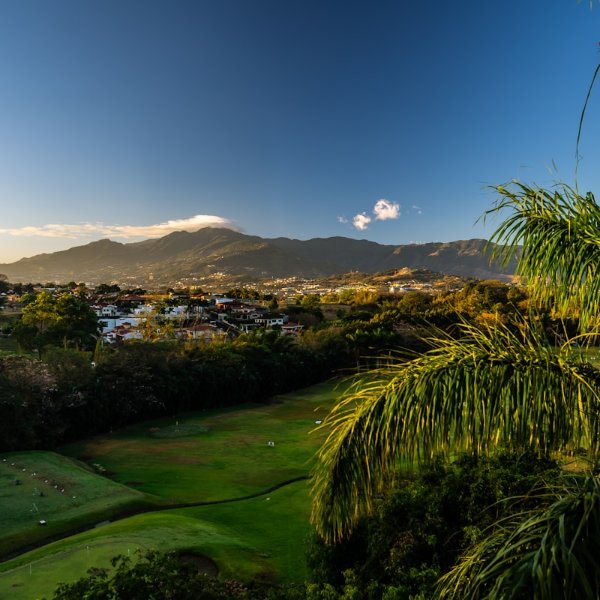
The Gold Coast of Guanacaste stretches along Costa Rica’s northern Pacific coastline and encompasses communities that are distinct from each other in character, infrastructure, price point, and buyer profile. Treating it as one market is the first mistake many buyers make.
Tamarindo, Flamingo, and Nosara: Understanding the Neighborhood Nuances
Tamarindo is the most developed and commercially active community on the Gold Coast. It draws younger buyers, digital nomads, and investors focused on vacation rental income. Infrastructure is strong, services are abundant, and resale liquidity is relatively higher than in more remote areas.
Flamingo and the surrounding Potrero area attract buyers seeking a quieter, more residential atmosphere with marina access and upscale amenities. Properties here tend to command premium prices, and the buyer pool skews toward semi-permanent residents and retirees. This is why demand for can americans buy land in costa rica continues to grow year on year.
Nosara has become internationally recognized as a wellness and surf destination. It draws a health-conscious, design-forward buyer who values environmental integrity and community character over nightlife and development density. Prices have risen sharply in recent years, and inventory is limited.
Each community has its own micro-market dynamics, price trends, and rental demand patterns. Your choice of location should be driven by how you plan to use the property and what your exit strategy looks like if your plans change.
Do Americans Need a Lawyer to Buy Property in Costa Rica?
Yes, and not just technically. A licensed Costa Rican attorney, specifically a notary-attorney or notario, is required by law to prepare and execute the deed transfer. But beyond the legal requirement, your attorney is your primary protection against the due diligence gaps that cause real financial harm. Anyone serious about can americans buy land in costa rica should factor this into their decision.
Your attorney verifies the title chain, confirms there are no liens or encumbrances registered against the property, reviews the plano catastrado (the official cadastral survey), and checks for municipal debt. They also advise on ownership structure and draft or review the purchase agreement. This is not work you outsource to the seller’s attorney. You hire your own, independently.
The Role of Escrow, the Poder Especial, and Buying Remotely from the US
Most Gold Coast transactions use a Costa Rican escrow company to hold deposit and closing funds. The escrow agent releases funds only when specified conditions are met, protecting both buyer and seller and keeping the transaction orderly.
If you cannot be present in Costa Rica for signing, your attorney can act on your behalf through a poder especial, a limited power of attorney specific to the transaction. This document is notarized in the US and apostilled before it travels to Costa Rica, where it authorizes your attorney to sign the deed in your name. Buying remotely is common and legally sound when the paperwork is handled correctly.
Choosing the Right Ownership Structure: Individual Name, S.A., or SRL
You can hold Costa Rican property in your personal name or through a legal entity, most commonly a sociedad anónima (S.A.) or sociedad de responsabilidad limitada (SRL). Each structure has different implications for liability, inheritance, transfer costs, and tax reporting.
A corporate entity can simplify transfer at resale. When you sell the shares rather than the property itself, you may reduce transfer tax exposure and streamline the closing process. Corporate ownership can also offer liability separation if you plan to rent the property. Individual ownership is simpler to set up but may create friction for heirs navigating Costa Rican inheritance law. Your attorney should walk you through the trade-offs based on your specific situation before you decide.
Title Search, the Plano Catastrado, and What Due Diligence Actually Covers
A full title search reviews the property’s registration history in the Registro Nacional, confirming the ownership chain, checking for mortgages, liens, or annotations, and verifying that the registered description matches what you are actually buying.
The plano catastrado is the official survey map filed with the Catastro Nacional. It defines the property’s legal boundaries and should match the physical reality on the ground. Discrepancies between the plano and the actual fencing or improvements on a property are not uncommon and need to be resolved before closing.
Due diligence also covers municipal tax status (unpaid property taxes transfer with the land), HOA obligations if the property is within a development, environmental restrictions, and any permits associated with existing structures.
How Long Does It Take to Close on a Property in Costa Rica?
A typical Costa Rica real estate transaction closes in 30 to 60 days from a signed purchase agreement, assuming due diligence proceeds cleanly. Complex transactions involving corporate structures, concession land, or title irregularities that require resolution can take longer. Setting a realistic timeline with your attorney at the outset prevents unnecessary pressure and protects your negotiating position.
Step-by-Step Purchase Process Checklist for First-Time Foreign Buyers on the Gold Coast
Use this checklist as a working framework, not a substitute for qualified legal counsel.
Before You Make an Offer
- Confirm whether the property is fee simple title or a concession
- Engage your own independent Costa Rican attorney, not the seller’s
- Verify the property is actively listed through a licensed agent
- Clarify the ownership structure you intend to use: personal name, S.A., or SRL
During Due Diligence
- Order a full title search through the Registro Nacional
- Review the plano catastrado and confirm it matches physical boundaries
- Check for outstanding municipal property taxes, HOA dues, or liens
- Verify building permits for any structures on the property
- Confirm water rights and utility connections
At Closing
- Review the purchase-sale agreement with your attorney before signing
- Transfer funds through a reputable Costa Rican escrow company
- If signing remotely, prepare and apostille a poder especial in advance
- Confirm deed registration in the Registro Nacional post-closing
After Closing
- Register as a property owner with the local municipality
- Set up municipal property tax payments, due in quarterly installments
- Establish a property management arrangement if you will not be on-site
- Obtain property insurance appropriate for the region and property type
The Costs Most Buyers Do Not See Coming
The purchase price is the number that gets attention. The costs that follow it are the ones that determine whether your investment actually works.
How Much Does It Cost to Buy Land in Costa Rica?
Land prices on the Gold Coast have risen sharply since 2020, driven by increased US and Canadian buyer demand. Entry-level lots in inland or semi-developed areas begin around $80,000 to $150,000. Ocean-view parcels in established communities like Flamingo or Nosara start closer to $250,000 and move well past $1 million for premium positions. Tamarindo condos and homes suitable for vacation rental range from $200,000 on the low end to $600,000 and above for well-located, turnkey properties.
These numbers reflect listed prices. What you actually pay to close is higher, and predictably so, once you know the full cost structure.
The Closing Cost Stack: Transfer Tax, Attorney Fees, and Registration Costs
Plan for closing costs of approximately 3.5% to 4.5% of the purchase price, paid on top of the agreed sale price. The breakdown looks roughly like this:
- Transfer tax: 1.5% of the registered property value
- Documentary stamps and registration fees: approximately 0.5% to 1%
- Attorney fees: typically 1% to 1.5%, varying by transaction complexity
- Escrow fees: generally a flat fee between $500 and $1,500 depending on the provider
One note on the transfer tax: it is calculated on the registered fiscal value, which is often lower than the market price. Your attorney can advise on this distinction. Title insurance is not standard practice in Costa Rica, but it is available through US-based providers and is worth discussing if you want an additional layer of protection.
Ongoing Ownership Expenses: What the Purchase Price Does Not Cover
This is where buyers most often underestimate what ownership actually costs. The purchase price is a one-time event. What follows is an annual expense structure that requires honest budgeting.
Property Tax, HOA Fees, Insurance, and Maintenance Reserves
Property tax in Costa Rica is 0.25% of the registered value annually, paid to the local municipality in quarterly installments. This is genuinely one of the lowest property tax rates in the Western Hemisphere, and it makes carrying costs manageable even during slower rental seasons.
HOA and COA fees are the larger ongoing variable. In a managed development with community pools, security, and maintained roads, fees can run from $200 to $600 per month or more. Standalone properties outside developments have no HOA, but maintenance costs fall entirely on the owner.
Property insurance in coastal Guanacaste is available through Costa Rican insurers and covers structure and contents. Budget $800 to $2,000 annually for a typical residential property, depending on construction type and coverage level.
Maintenance reserves matter most for owners who are not on-site year-round. Air conditioning systems, roofs, pools, and tropical landscaping all require regular attention. A conservative reserve of 1% to 1.5% of property value per year is a reasonable planning figure for a well-maintained home in a humid coastal climate.
Is It Smart to Buy Property in Costa Rica? An Honest Assessment
For the right buyer with realistic expectations, Costa Rica property ownership offers genuine advantages that are difficult to replicate elsewhere in Latin America. Full fee simple ownership rights with no foreign ownership restrictions, a stable democratic government with a consistent track record of protecting private property, a lifestyle environment that draws sustained international demand, and property tax rates that make carrying costs manageable: these are real and durable advantages.
The challenges deserve equal weight. The resale market is less liquid than US markets, and your timeline to exit is less predictable. Legal and due diligence processes require skilled local professionals you may not already have relationships with. Remote ownership without a reliable management relationship creates real risk. And the learning curve for navigating local permitting, utilities, and municipal systems is steeper than most buyers anticipate from research alone.
The buyers who succeed here are not those with the most money. They are those who treated the purchase as a long-term commitment rather than a quick play, and who built a trusted local team before they closed.
What Are the Pitfalls of Buying Property in Costa Rica?
The most common and costly mistakes share a pattern: they all involve skipping steps that feel optional when everything seems to be going smoothly.
Buying without an independent attorney is the single most dangerous decision a foreign buyer can make. The seller’s attorney works for the seller. You need your own counsel reviewing every document.
Purchasing concession property without understanding the renewal risks is a close second. Concessions can be an excellent investment, but they require specific due diligence and a clear-eyed understanding that you are managing a long-term lease from the municipality, not holding titled land.
Underestimating construction or renovation costs on a fixer-upper catches buyers who transfer US cost assumptions to a market where skilled labor, imported materials, and permit timelines operate very differently. Get a local contractor’s estimate before you negotiate the price.
Finally, buying in a location you have only visited once, in a season that represents the area at its best, is a risk worth naming. The Gold Coast in dry season is stunning. The full year looks different in August. Spend time in the community across different seasons before you commit.
Residency, Visas, and What Property Ownership Means for Your Legal Status
Property ownership and immigration status are separate legal tracks in Costa Rica. Understanding how they interact, and where they do not, prevents expensive assumptions.
Can a US Citizen Live Permanently in Costa Rica?
Yes, but living permanently requires residency status, which must be applied for separately from your property purchase. Costa Rica offers several residency categories suited to foreign retirees and investors, including the pensionado program for those with qualifying retirement income and the rentista and investor programs for those with qualifying assets or income. Residency applications are processed through the Costa Rican immigration authority (DGME) and typically take six to twelve months once the application is complete and submitted.
The Investor Residency Program: How the $150,000 Threshold Works
The investor residency category, known as Inversionista, is the most directly relevant to property buyers. It requires a minimum investment of $150,000 in qualifying assets, which can include real estate. Your property purchase, once registered and valued at or above that threshold, can serve as the qualifying investment.
The practical steps: your attorney prepares a certification of investment value, your title and corporate documents (if held in a legal entity) are compiled, and the application is submitted with supporting financial and identity documentation. The residency, once granted, allows you to live in Costa Rica indefinitely and is renewable. It does not automatically provide work authorization, but it establishes a clear legal status beyond tourist visa stays.
Tourist Visa Stays and the Practicalities for Non-Resident Owners
US citizens enter Costa Rica on a tourist visa and are permitted to stay for up to 90 days per entry. Many property owners who have not pursued formal residency manage their stays on tourist entries, departing for at least 72 hours before returning for another 90-day period.
This is technically a gray area in Costa Rican immigration law. It is common practice and functions smoothly for most owners, but it is not a formal long-stay authorization, and the rules can change. Owners who plan to spend more than half the year in Costa Rica are better served by pursuing formal residency than by relying on continuous border runs.
Capital Gains, US Tax Obligations, and What SUGEF Means for Your Finances
US citizens are taxed on worldwide income, including capital gains from foreign property sales. If you sell a Costa Rica property at a profit, that gain is reportable to the IRS. Costa Rica also has its own capital gains tax on real estate, currently at a flat 15% rate on the gain. Properties acquired before the 2019 tax reform have a transitional option to pay 2.25% of the sale price rather than 15% of the gain. Your attorney and a US-based international tax advisor can help you understand which calculation applies to your situation.
SUGEF is Costa Rica’s financial regulator, governing the banking system that foreign buyers interact with when moving money into the country for a purchase. Large wire transfers typically above $10,000 require documentation of the source of funds. Opening a Costa Rican bank account as a non-resident is possible but takes time and documentation. Many buyers use escrow accounts held at regulated Costa Rican escrow companies rather than maintaining a personal bank account, particularly for the transaction itself.
Consult a US tax advisor with international experience before closing. The interaction between Costa Rican and US tax obligations is manageable, but it requires planning, not improvisation after the fact.
The Honest Conversation About Resale: Liquidity and Exit Strategies
Why Costa Rica Property Can Be Easy to Buy and Harder to Sell
Buying a property in Costa Rica takes 30 to 60 days once you have found the right one. Selling can take considerably longer. The buyer pool for Gold Coast property is predominantly foreign, primarily North American and European, and that pool fluctuates with economic conditions, travel sentiment, and overall inventory at any given time.
This is not a reason not to buy. It is a reason to be honest about your time horizon before you sign.
What Affects Resale Timelines on the Gold Coast
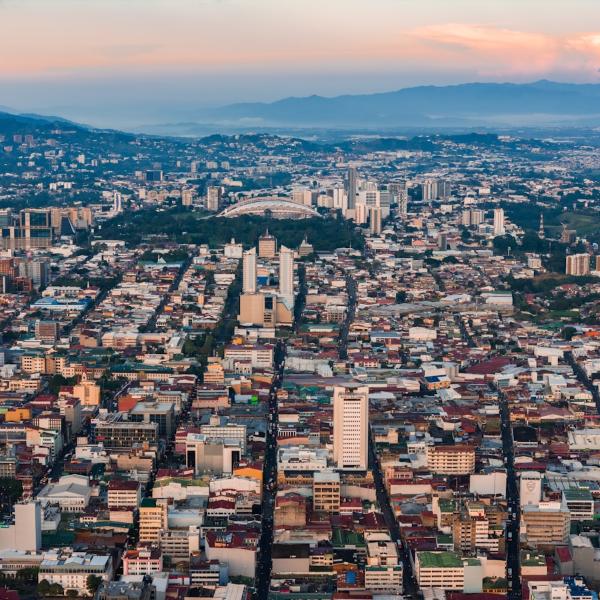
Location is the dominant variable. Properties in Tamarindo and Flamingo, with stronger infrastructure and name recognition among international buyers, tend to find buyers faster than properties in more remote communities. Properties with clear fee simple title, a clean ownership history, and documented permits sell faster than those requiring buyers to do extra legal work.
Price positioning matters enormously. Sellers sometimes anchor to the price they paid or to an aspirational number unrelated to comparable sales. Buyers who do their own market research before listing, and who price against actual recent transactions, move their properties. Those who do not can wait years.
Condition and presentation also play a role that sellers sometimes underestimate. Furnished, well-maintained properties marketed with professional photography and accurate legal documentation attract serious buyers. Properties with deferred maintenance, incomplete paperwork, or ambiguous ownership structures narrow their own buyer pool considerably.
Exit Strategy Thinking: What to Consider Before You Sign Anything
The best time to think about how you will eventually sell a property is before you buy it. That may sound counterintuitive, but it is practical: your ownership structure, your title clarity, and your property’s marketability to future buyers are all decisions you make at the front end.
Ask yourself a few questions before closing. Who is the realistic future buyer for this property? Is the ownership structure I am using easy to transfer, or does it create friction at resale? Is this a location where international buyer demand is growing, or has it already peaked? Would a buyer unfamiliar with this area find the due diligence process manageable?
None of these questions should necessarily stop a purchase, but they should inform how you structure it.
How Ownership Structure and Title Insurance Affect Your Future Options
Corporate ownership through an S.A. or SRL can simplify resale by allowing a share transfer rather than a full deed transfer, which can reduce transfer tax costs for the buyer and streamline the closing process. This is a genuine advantage when the corporate entity has a clean history and no accumulated liabilities. If the corporation has complicated shareholding or unresolved tax filings, it can become a liability rather than an asset at resale.
Title insurance, issued by a US-based underwriter on a Costa Rica property, provides a layer of marketability that some sophisticated buyers look for, particularly those who understand the concession risk landscape. It is not required, and many properties sell without it. For properties in legally complex areas, however, it can be the factor that converts a hesitant buyer into a confident one.
Life After Purchase: Remote Ownership, Property Management, and Peace of Mind
Can I Manage My Costa Rica Property Remotely from the US?
Remote ownership works, but only when the infrastructure for it is deliberately built before you need it. Owners who close, fly home, and assume things will sort themselves out discover quickly that a property in coastal Guanacaste has its own rhythm, and that rhythm does not pause when you are in another country.
What makes remote ownership functional is a single, accountable local contact who knows your property, holds a set of keys, has relationships with reliable tradespeople, and can make judgment calls within agreed boundaries. That person might be a property manager, a caretaker, or a full-service management firm. The form matters less than the clarity of the relationship and the track record behind it.
What Happens When Something Breaks and You Are Not There
Something will break. In a humid, tropical coastal climate, the question is not whether but when. Air conditioning units, water heaters, pool pumps, and roofing materials all operate under conditions more demanding than a home in the American Southwest. Mold can establish itself in a vacant property within weeks during rainy season if ventilation is not maintained. A burst pipe with no one on-site becomes a structural problem instead of a plumbing call.
The owners who handle these situations without drama are the ones who already answered two questions before anything broke: who makes the call, and up to what dollar amount can they act without consulting me? A property manager authorized to approve repairs under $500 without your sign-off is not losing you money. They are preventing a $5,000 consequence that grows from a $200 problem left unaddressed.
How a Full-Service Property Management Relationship Changes the Ownership Experience
A full-service property management relationship is not a luxury add-on for absent owners. For most foreign buyers on the Gold Coast, it is the operating system that makes ownership viable from a distance.
What full-service management typically covers:
- Regular inspections and property walk-throughs, documented with photos
- Coordination of routine maintenance including AC servicing, pest control, landscaping, and pool care
- Utility payment management and monitoring
- Vendor coordination for repairs and improvements
- Guest management and check-in coordination for vacation rentals
- Monthly reporting on property condition and expenses
The fee structure for professional property management typically runs 10% to 15% of gross rental income for vacation rental properties, or a flat monthly fee for properties that are not rented. That cost is real. So is the alternative: owning a property you cannot confidently account for from two thousand miles away.
Vacation Rental Income on the Gold Coast: Realistic Expectations and Demand Patterns
The Gold Coast generates real vacation rental demand, driven by North American travelers who want Pacific beach access with strong infrastructure. Tamarindo and Flamingo carry the strongest year-round name recognition among US travelers. Nosara has developed a loyal wellness and surf audience that commands premium nightly rates. All three communities see bookings outside the traditional high season (December through April) from visitors who time trips around surfing conditions, yoga retreats, or remote work flexibility.
Realistic projections matter more than optimistic ones. A well-located, well-managed two-bedroom property in Tamarindo might generate 55% to 70% occupancy in high season and 35% to 45% in the shoulder months. Annual gross rental revenue for a property in that range that is professionally managed and well-positioned could realistically fall between $28,000 and $50,000 before management fees, maintenance, and platform costs. Properties with ocean views, private pools, and responsive management consistently outperform the market average. Properties that are poorly photographed, inconsistently maintained, or priced without local market insight consistently underperform.
Vacation rental income should be modeled conservatively when you are making your purchase decision. If the property makes financial sense only at peak occupancy every month, it does not make financial sense.
Putting the Ownership Lifecycle Together: From Closing Day Forward
The day you close is not the end of the process. It is the beginning of a long-term management relationship with a piece of real property in a country that operates by its own rules. The buyers who find genuine satisfaction in Gold Coast ownership are those who planned for the full lifecycle: purchase, setup, ongoing management, rental income if desired, and eventual resale.
In practice, that lifecycle looks something like this. You close, your attorney registers the deed, and you set up utility accounts and municipal tax payments. You establish a property management relationship before your first visit ends. You make decisions about furnishing, rental readiness, and insurance coverage. Your manager handles the property in your absence, sends monthly reports, and flags anything that needs your attention. When you visit, you enjoy the place without a maintenance backlog waiting for you. When it comes time to sell, your property has documentation, condition, and a clean ownership history that support the price you are asking.
None of that happens automatically. All of it is achievable with the right team in place.
A Due Diligence Framework for First-Time Foreign Buyers
The Non-Negotiable Legal Checks Before Any Offer
Before you make any offer, four legal checks are non-negotiable. Your independent Costa Rican attorney should complete each of them.
- Title search in the Registro Nacional confirming a clean ownership chain and no liens, mortgages, or annotations
- Plano catastrado verification confirming registered boundaries match the physical property
- Municipal tax clearance confirming no unpaid property taxes attached to the parcel
- Confirmation of whether the property is fee simple title or concession land under the Maritime Zone Law
These are not steps to complete after an offer is accepted. They are steps that inform whether to make an offer at all, and at what price.

Red Flags in a Costa Rica Property Transaction
Certain patterns should stop a transaction until they are fully resolved.
A seller who discourages you from hiring your own attorney is the most serious warning sign in any Costa Rica transaction. Legitimate sellers do not have a reason to resist independent legal review.
Title with breaks in the chain, annotations for unresolved disputes, or ownership that passed through multiple entities in a short period warrants careful investigation before proceeding.
Concession properties where the municipality has not actively renewed the concession, or where the concession holder has changed without proper documentation, carry legal exposure that due diligence may not fully resolve.
Significantly below-market pricing for a property in a competitive area is not a deal. It is a signal that something in the legal, structural, or municipal history makes other buyers unwilling to proceed.
How to Evaluate a Developer, Seller, or Listing from Abroad
Distance makes it easier to be misled and harder to verify. Before engaging seriously with any listing, request the property’s registration number (folio real) and look it up in the Registro Nacional public database, or ask your attorney to do so. Confirm that the person offering to sell the property is actually the registered owner or has documented authority to sell.
For new development projects, ask for the developer’s full corporate registration, proof of permits filed for the project, and references from previous buyers who have completed purchases. Legitimate developers provide this without hesitation. Verify that the land on which the development sits has clear fee simple title and is not a concession being marketed as something more certain than it is.
For resale listings, cross-reference the described improvements against the registered permits. If a home has a second story that does not appear in the permitted construction records, that unpermitted portion is a liability that transfers to you at closing.
Questions to Ask Your Real Estate Partner Before Committing
The right local real estate partner is not just a transaction facilitator. They are a long-term resource whose judgment you will rely on after closing day. Before committing, ask directly:
- How long have you been working specifically on the Gold Coast, and how many transactions have you closed in this community in the past two years?
- Do you provide property management services after closing, and if so, what does that relationship look like?
- Can you refer me to past clients who purchased here as foreign buyers and who are willing to speak with me?
- How do you handle situations where a property I am interested in has a legal issue that needs resolution?
- What is your process for helping a buyer understand the rental income potential of a specific property before purchase?
The answers matter less than how they are delivered. A partner with real experience gives specific, direct answers. A partner primarily focused on closing the transaction gives reassuring generalities.
Key Takeaways: What Every American Buyer Should Know Before Purchasing on the Gold Coast
Your legal rights are solid. Americans have the same fee simple ownership rights as Costa Rican citizens, with no cap on land ownership and no requirement for residency or a local co-owner. The Registro Nacional protects your title as a matter of public record.
The purchase process is navigable with the right team. Hire your own independent attorney. Use escrow. Verify title, the plano catastrado, and municipal tax status before any offer. Budget 3.5% to 4.5% of the purchase price for closing costs.
Understand what you are buying. Fee simple title and Maritime Zone concession land are fundamentally different assets with different risk profiles. Know which one you have before you sign.
Ongoing costs are real and manageable. Property tax is low at 0.25% of registered value annually. HOA fees, insurance, maintenance reserves, and management costs require honest budgeting. Model them before the purchase, not after.
Remote ownership requires a management infrastructure. A reliable property manager is not optional for most foreign owners. It is the system that makes the investment function when you are not there.
Plan your exit before you enter. Resale liquidity on the Gold Coast is real but slower than US markets. Your ownership structure, title clarity, and location all affect how easily you can sell when the time comes.
Your tax obligations follow you home. US citizens pay US capital gains tax on foreign property sales. Costa Rica also has its own capital gains tax. Consult an international tax advisor before closing.
Conclusion: From Curiosity to Confidence on the Gold Coast
The legal question, whether Americans can buy land in Costa Rica, has always had a clear answer: yes, fully and without restriction. What this guide has tried to do is take you past that answer to the place where real decisions are made.
Buying property on the Gold Coast is not complicated. But it is consequential, and the buyers who get it right are the ones who treated the purchase as the beginning of a long-term relationship: with a place, with a legal structure, with a management team, and with a local partner who is as invested in the outcome as they are.
If you are ready to look at specific properties, ask harder questions about a listing, or simply have a candid conversation about whether a particular community fits your goals, that conversation is available to you. The Gold Coast rewards preparation every time, and we are here to help you get it right.
Frequently Asked Questions
Do Americans need a lawyer to buy property in Costa Rica?
Yes, and this goes beyond a technicality. A licensed Costa Rican notary-attorney is legally required to prepare and execute the deed transfer. More importantly, your own independent attorney is your primary protection during due diligence, verifying the title chain, reviewing the plano catastrado, and checking for liens or municipal debt. Never rely solely on the seller’s attorney to protect your interests.
What are the hidden costs of buying property in Costa Rica?
The most commonly overlooked costs are closing costs of approximately 3.5% to 4.5% of the purchase price, covering transfer tax, attorney fees, registration fees, and escrow. Beyond closing, buyers often underestimate ongoing expenses including HOA or COA fees, property insurance, maintenance reserves for tropical wear and tear, and property management fees if you plan to own remotely or rent the property.
Do I need residency to own property in Costa Rica?
No. A valid US passport is all you need to purchase property in Costa Rica. Residency and property ownership are entirely separate legal tracks. Many Gold Coast owners live in the US most of the year and visit on a standard tourist visa. That said, if you plan to spend significant time in Costa Rica, pursuing formal residency through the investor or pensionado programs provides a more secure and straightforward legal status than relying on tourist entry.
What is the difference between Fee Simple and concession ownership in Costa Rica?
Fee simple ownership means you hold outright, titled ownership of the land and everything on it, with full rights to sell, lease, develop, or pass it to your heirs. Concession land, found in the 150-meter zone beyond the public beach area under the Maritime Zone Law, means you hold a renewable permit from the local municipality rather than actual title. Concessions can be legitimate investments, but they carry a different risk profile because they can be challenged, expire, or be affected by municipal decisions in ways that fee simple title cannot.
What is the property tax rate in Costa Rica for foreigners?
Foreign owners pay the same property tax rate as Costa Rican citizens: 0.25% of the registered property value annually, paid in quarterly installments to the local municipality. This is one of the lowest property tax rates in the Western Hemisphere. On a property with a registered fiscal value of $300,000, the annual tax would be approximately $750.
What happens if I want to sell my Costa Rica property later?
Selling is straightforward legally, but it typically takes longer than in US markets. The buyer pool is predominantly foreign, and resale timelines on the Gold Coast can range from several months to over a year depending on location, price positioning, and how well the property is documented and maintained. Properties with clear fee simple title, clean permit records, and a well-maintained condition sell faster. Thinking through your ownership structure, title clarity, and exit strategy before you purchase is the best way to protect your options when the time comes to sell.