
Why Playa Flamingo Is Different From Every Other Beach Town on Your Shortlist
The Tourist Experience vs. the Resident Reality
Most beach towns reveal their limitations around day four. The novelty of the main strip fades, the restaurant rotation gets predictable, and you start wondering whether the people who actually live here have found a parallel version of the place that visitors never access. In Playa Flamingo, that parallel version exists, and it’s better than the tourist one.
The tourist experience here is genuinely good. The beach is long, pale-gold, and calm enough for swimmers of every confidence level. The marina hums with charter boats. The sunset views from the hillside homes above the bay have made more than a few visitors change their plans in ways they didn’t anticipate. But the resident experience adds layers that a week-long stay can’t reach: the Tuesday morning paddleboard group that meets without scheduling, the sport fishing captain who texts when marlin are running, the dry-season community dinners that nobody posts about because they’re not trying to attract anybody new.
What changes when you stay longer is that the activity ecosystem stops feeling like a menu and starts feeling like a rhythm. The things to do in Playa Flamingo shift from curated options you choose between to a calendar that organizes itself around weather, wildlife, and the community you’ve built.
What “Things to Do” Really Means When You’re Evaluating a Place to Live or Own
If you’re reading this as a prospective buyer or retiree rather than a traveler, the question underneath your search isn’t really about activities. It’s about sustainability. Can you build a full, interesting, connected life here across all twelve months? Will your days have enough variety to keep you engaged when the initial excitement of owning a home in Costa Rica settles into ordinary Tuesday afternoons?
That’s the question this guide actually answers. Every activity category below carries two kinds of value: the surface value of the experience itself, and the structural value of what it signals about the destination. A world-class snorkeling reef isn’t just fun. It’s a reason guests book your vacation rental in February. A national park within forty minutes isn’t just a weekend option. It’s the reason your neighbors chose this stretch of coast over a dozen others, and why they stayed.
The Thesis Every Prospective Buyer Should Internalize Before Reading Further
Every catamaran tour, golf round, and sea turtle sighting on the pages that follow is also a data point. The depth and year-round distribution of things to do in Playa Flamingo explains the two outcomes that matter most to foreign buyers: why residents who commit to this community rarely leave, and why vacation rental calendars here fill with less effort than buyers expect. The lifestyle and the investment thesis are not separate arguments. They are the same argument, seen from different angles.
—
Water Adventures That Define Daily Life on the Gold Coast
Catamaran Tours, Snorkeling, and the Pacific Marine Ecosystem
The Pacific marine ecosystem off Guanacaste is not a seasonal attraction dressed up for tourists. It operates year-round, and residents know it. Flamingo Bay sits at an inflection point where nutrient-rich upwelling currents meet warmer nearshore waters, which is why snorkeling off the nearby Catalina Islands produces the kind of visibility and marine density that surprises even experienced divers. Operators run catamaran tours daily during dry season and most days through green season, with calm morning seas making early departures the preferred window for anyone who lives here.
For residents, the catamaran culture is as much social as recreational. Many long-termers have a preferred boat and a preferred captain, and the half-day tour format, departing around 8am and back by noon, fits cleanly into a workday for remote professionals. Guests who rent your property will book these tours before they arrive. The proximity of quality operators to Flamingo Marina is a genuine amenity, not just a nice-to-have.
Paddleboarding, Kayaking, and the Quiet Side of Flamingo Bay
The bay itself is calmer than most visitors expect, which makes paddleboarding and kayaking accessible to a wider range of ability levels than the Pacific’s reputation might suggest. Early mornings on the water, before the wind picks up around 10am, are genuinely tranquil. Residents who paddleboard regularly describe it as their daily reset, thirty to forty-five minutes on flat water before the rest of the day organizes itself.
Kayak rentals are available at the beach, and several residents own boards stored at their properties. For anyone considering a home with direct beach access or a short walk to the water, the low barrier to daily use matters more than it might seem during a first visit.
Sport Fishing: A Lifestyle Anchor, Not Just a Day Trip
Sport fishing is the activity that converts the most visitors into buyers. That’s not marketing language. It’s the pattern that repeats among long-term residents when you ask how they ended up here. They came for a week, went out on the water once, and started doing the math on making it permanent.
What Serious Anglers Know About Guanacaste’s Offshore Season
The offshore fishing out of Flamingo Marina is exceptional for a specific and documentable reason: the convergence of the Papagayo upwelling with the warm blue water beyond the 100-fathom line creates a feeding environment that holds sailfish, marlin, mahi-mahi, and yellowfin tuna across most of the calendar year. December through April is peak season for billfish, with sailfish encounters that routinely run to multiple releases per day on good boats. Green season, May through November, shifts the profile toward mahi and tuna, with offshore marlin still running through September and October.
Serious anglers who move here don’t find a place with one good month. They find a place with twelve months of different fishing, each with its own target and technique.
How Sport Fishing Culture Shapes the Resident Community
The fishing community creates a social structure that operates parallel to, and often separate from, the beach-tourism scene. Tournament weekends draw a specific crowd: people with boats, people who know people with boats, and the extended social ecosystem that forms around both. For new residents, connecting with this community is one of the faster paths to belonging, because fishing culture is inherently participatory and unpretentious in a way that generic expat scenes often are not.
Scuba Diving and the Marine Biodiversity Case for This Stretch of Coast
The Catalina Islands, accessible in under an hour from Flamingo Marina, host dive sites with consistent visibility, healthy coral formations, and a resident population of bull sharks, eagle rays, and manta rays that draws divers from across Central America. Dive operators based out of Flamingo and nearby Brasilito run regular scheduled departures and private charters, giving residents flexible access without the logistics overhead of a longer journey.
Marine biodiversity at this level is not uniformly distributed along Costa Rica’s Pacific coast. The Guanacaste stretch benefits from protected marine zones and the oceanographic conditions that support large pelagic species. For a buyer evaluating coastal properties, good diving nearby is a lifestyle point and a rental marketing point at the same time.
—
A Resident’s Framework for Evaluating Year-Round Lifestyle Fit
Before choosing any beach community in Costa Rica, it’s worth asking five honest questions:
- Water access: Can you get on the ocean within 15 minutes of your front door, on any given morning, without planning ahead?
- Activity depth: Does each activity category have enough variation in location, season, and skill level to stay interesting across years, not just weeks?
- Social infrastructure: Do the activities here create communities you’d actually want to join, or are they purely transactional experiences designed for tourists passing through?
- Off-season sustainability: What do residents actually do during the quieter months, and do those options align with your interests and energy level?
- Rental calendar alignment: Do the activities that attract you personally also attract guests who would rent your property, and across enough months to make occupancy projections realistic?
Playa Flamingo earns a strong answer on all five. That’s rarer than it sounds.
—
Natural Wonders, Day Trips, and the Geographic Advantage of Living in Playa Flamingo
Las Baulas National Marine Park and the Leatherback Sea Turtle Experience
Playa Grande, the nesting beach protected within Las Baulas National Marine Park, sits less than fifteen minutes from central Flamingo by car. Between October and March, leatherback sea turtles, the largest reptiles on earth, emerge from the Pacific at night to nest on this beach. Witnessing it is the kind of experience that recalibrates your sense of what an ordinary evening can mean.
Access is managed and guided, which protects the turtles and ensures the experience remains meaningful rather than chaotic. Residents who have watched dozens of nestings describe it as something that doesn’t lose its weight with repetition.
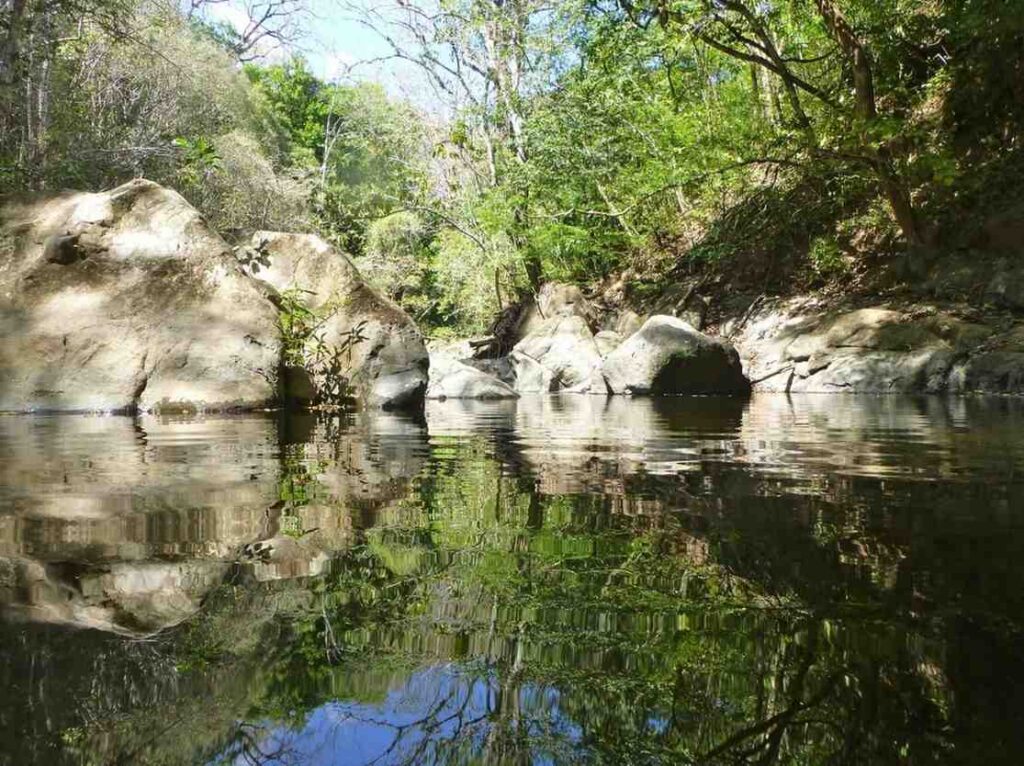
Protected natural areas adjacent to residential communities are a reliable indicator of long-term property value stability. Las Baulas National Marine Park cannot be developed. It creates a permanent natural buffer, a guaranteed wildlife experience for residents and guests, and an ongoing reason for environmentally motivated buyers to choose this stretch of coast specifically. The park’s proximity to Flamingo is a feature that appreciates in value as coastal development increases elsewhere.
Llanos de Cortez Waterfall: The World-Class Attraction Most Visitors Never Find
Roughly an hour’s drive from Flamingo, Llanos de Cortez is a broad curtain waterfall that drops into a wide turquoise pool, the kind of image that belongs on a postcard but somehow stays off the main tourist circuit. The drive takes you through cattle country and small Guanacaste towns, which is itself a good orientation to the region’s character beyond the coast.
Residents treat it as an easy half-day with visiting family or friends. It’s also consistently mentioned by long-term expats as one of the experiences that reminded them, months or years into living here, that the novelty of their surroundings hadn’t worn off.
Rincón de la Vieja National Park and Miravalles Volcano as Weekend Anchors
The volcanic geography of inland Guanacaste gives Flamingo residents weekend options that coastal towns in other countries simply cannot match. Rincón de la Vieja National Park, about ninety minutes from Flamingo, combines active volcanic features, boiling mud pots, fumaroles, and sulfur hot springs, with serious hiking trails, river canyons, and wildlife corridors. The park rewards repeat visits because the trails offer genuinely different experiences depending on season and entry point.
Miravalles Volcano adds thermal hot spring complexes to the rotation, ranging from rustic to resort-quality depending on your preference. For a retiree or remote professional who values the ability to disappear into genuine wilderness on a Saturday without flying anywhere, this geographic depth is a meaningful quality-of-life factor.
How Far Is Playa Flamingo From Other Guanacaste Attractions?
Flamingo’s location within Guanacaste is closer to central than most first-time visitors realize. Rough drive times from Flamingo:
- Playa Grande / Las Baulas Marine Park: 10 to 15 minutes north
- Playa Conchal / Reserva Conchal: 10 to 15 minutes south
- Tamarindo: 30 to 40 minutes south
- Liberia / Daniel Oduber International Airport: 75 to 90 minutes east
- Llanos de Cortez Waterfall: 55 to 70 minutes southeast
- Rincón de la Vieja National Park: 90 to 105 minutes east
The airport proximity matters more than it might seem at first. A 75-minute drive to international connections means that owning here doesn’t require committing to geographic isolation.
Playa Conchal, Brasilito, and Tamarindo: The Neighborhood Context Investors Should Understand
Flamingo sits in a cluster of distinct beach communities, each with a different character and price point. Playa Conchal, immediately to the south, anchors the area’s luxury tier via the Reserva Conchal resort and golf development. Brasilito, between Conchal and Flamingo, has a more local, lower-cost character with a working fishing village feel and genuine Tico restaurants. Tamarindo, further south, is the area’s most developed surf and nightlife town.
For investors, this neighborhood context matters because Flamingo occupies the mid-to-premium position in a cluster with strong internal demand. Buyers who want resort amenities without resort crowds tend to land here. That positioning creates consistent rental demand from a specific and reliable guest profile.
—
Golf, Recreation, and the Amenity Infrastructure That Retains Long-Term Residents
Reserva Conchal Golf Course and What a World-Class Course Next Door Means for Property Values
The Reserva Conchal golf course is a Robert Trent Jones II design set within a private residential and resort community, ten to fifteen minutes from Flamingo. The course offers ocean views, mature tropical landscaping, and a quality of maintenance that belongs in a different category from most Central American options. Residents with golf as a primary lifestyle activity chose this area specifically because this course exists.
The investment angle is straightforward: a world-class golf facility within easy reach of your property is an amenity that appears in guest searches, attracts a buyer demographic with higher purchasing power, and contributes to the overall prestige of the surrounding area. You don’t need to play golf to benefit from it. The buyers and renters it attracts raise the baseline for the whole market.
ATV Tours, Ziplines, and Adventure Recreation as Vacation Rental Search Drivers
ATV excursions through Guanacaste’s dry forest terrain and zipline canopy tours above the coast are among the most commonly searched activities in the region. For vacation rental owners, this matters practically: guests searching for things to do near Playa Flamingo will find these options, and proximity to multiple operators is a marketing point for your property listing.
Operators run tours from Flamingo and surrounding communities, with typical circuits covering two to four hours and reaching ridgeline views of the Pacific that are genuinely dramatic. These activities skew toward first-time visitors and family groups, which is a useful guest profile for rental owners to understand.
Hiking, Wellness, and the Lower-Cost Activities That Sustain Year-Round Residents
The hiking accessible directly from Flamingo and its surrounding hills doesn’t require a national park entrance or a tour operator. The roads and trails above town offer elevation gain, consistent wildlife sightings including howler monkeys, white-faced capuchins, iguanas, and a bird list that rewards anyone with binoculars, and the kind of morning exercise routine that costs nothing and delivers a view at the end of it.
The wellness infrastructure has grown alongside the expat community. Yoga studios, small fitness facilities, and massage therapists operate in Flamingo and neighboring Brasilito, reflecting the preferences of a resident population that values active living but doesn’t need a major city to support it. These options matter for year-round sustainability in a way they don’t for vacation visitors.
Free and Low-Cost Things to Do in Playa Flamingo
The list is longer than most destination guides suggest. The beach itself is public and uncrowded by regional standards. The hiking above town costs nothing. Sunset watching from the Flamingo hilltop road is a nightly community habit. The weekly farmers market in Brasilito offers produce, local food, and conversation with neighbors for the cost of a coffee. Wildlife encounters, monkeys crossing the road, pelicans diving in the bay, scarlet macaws overhead, happen on their own schedule and require no admission.
For residents living here on a thoughtful budget, Playa Flamingo is surprisingly affordable as a baseline. The expensive options, charter fishing, resort golf, catamaran tours, are genuine luxuries you can choose on good months. The free options, the water, the wildlife, the light at 6pm in February, are permanent and unlimited.
—
Dining, Nightlife, and the Social Fabric That Keeps People Here
The Restaurant Scene Around Playa Marina: Resident Favorites vs. Tourist Traps
The dining scene in Playa Flamingo is genuinely good, and residents know how to navigate it in ways that first-time visitors don’t. The marina area concentrates the highest density of options, ranging from open-air seafood restaurants serving the morning’s catch to international menus that reflect the cosmopolitan mix of the resident community. The quality ceiling is higher than most comparable beach towns of this size.
The tourist trap dynamic exists, but it’s more about pricing than quality. Restaurants closest to the beach parking areas tend to charge a premium for the view, while places one street back or in neighboring Brasilito serve comparable or better food at noticeably lower prices. Long-term residents develop their own rotation quickly, mixing a handful of Flamingo restaurants they genuinely prefer with Tico sodas in Brasilito where the casado lunch is filling, excellent, and costs less than a coffee at an airport.
Fresh seafood is the consistent standout. Pargo, corvina, mahi-mahi, and shrimp appear on menus in forms ranging from simple grilled preparations to regional coastal recipes you won’t find outside Guanacaste. For anyone considering the food culture as part of their lifestyle evaluation, access to fresh Pacific seafood is a genuine and lasting pleasure, not a first-week novelty.
Is There Nightlife in Playa Flamingo?
Flamingo is not Tamarindo, and that’s a feature for most of the buyers who end up here. The nightlife is relaxed rather than absent. There are bars along the marina strip with live music on weekend evenings, open-air spots where a mix of expats and locals settle in for the kind of long conversation that happens when there’s no pressure to move on, and enough activity on a Saturday night to feel social without feeling like you’ve stumbled into a resort town’s nightlife district.
If you’re looking for a club scene, late-night energy, or a rotating DJ calendar, Flamingo will disappoint you, and Tamarindo is thirty minutes away. If you’re looking for a place where evening social life centers on good meals, drinks with neighbors, and occasional live music without a cover charge, Flamingo is calibrated exactly right. The buyers who stay longest tend to be people for whom that distinction was precisely what they wanted.
The Expat and Local Community: Where Long-Term Residents Actually Connect
The social life that sustains long-term residents in Flamingo operates mostly outside the tourist infrastructure. It’s not invisible, but it doesn’t market itself. Finding it is a matter of being present and consistent rather than knowing the right list.
Community Events, Informal Gatherings, and How Belonging Gets Built
The connective tissue of the resident community is informal. The farmers market in Brasilito functions as a weekly social anchor as much as a grocery run. Sport fishing tournaments draw a committed crowd and function as multi-day community events. Church groups, pickup beach volleyball, and the informal networks that form around shared activities like yoga, paddleboarding, and hiking all create touchpoints where belonging develops gradually and genuinely.
What Flamingo doesn’t have is a formal expat clubhouse or an organized newcomer structure. The residents who describe feeling most at home here are the ones who put themselves in recurring situations where they saw the same faces week after week. The community rewards persistence and participatory energy rather than passive consumption of organized events.
The Expat-Tico Dynamic and What It Means for Integration
The relationship between the expat community and local Tico residents in Flamingo is more genuinely integrated than in many beach towns that have grown rapidly around a single resort development. Tico families have lived in the surrounding area, particularly in Brasilito and Santa Cruz, for generations, and the community predates the tourism economy. That history produces a different cultural dynamic than you find in towns built essentially from scratch around foreign investment.
Spanish fluency accelerates integration significantly. Residents who make a genuine effort to learn the language, shop locally, and participate in the rhythms of the broader community report a warmth and reciprocity that is one of the more consistent themes in long-term expat accounts of life here. Those who treat the area as a lifestyle enclave and maintain a purely tourist-facing existence tend to find the sense of belonging elusive. The community is welcoming, but it isn’t passively provided.
—
Seasonal Rhythms: How the Gold Coast Shifts Through the Year
Dry Season vs. Green Season: The Honest Trade-Offs Every Buyer Deserves to Know
Guanacaste’s dry season runs roughly December through April. During this window, Flamingo operates at its most photogenic: reliably sunny days, low humidity, offshore winds that produce the warm-turquoise-water conditions you’ve seen in photographs, and a social calendar full enough to feel festive. It is genuinely excellent, and the dry season experience is the one that converts most visitors into buyers.
Green season, May through November, is the trade-off side of the ledger, and it’s worth being direct about it. Afternoons bring rain, often heavy and brief. The landscape turns dramatically greener, which is beautiful in its own right. Humidity rises. Some tour operators reduce departure frequency. A small number of restaurants close for a few weeks in September or October. The community thins out as seasonal residents leave.
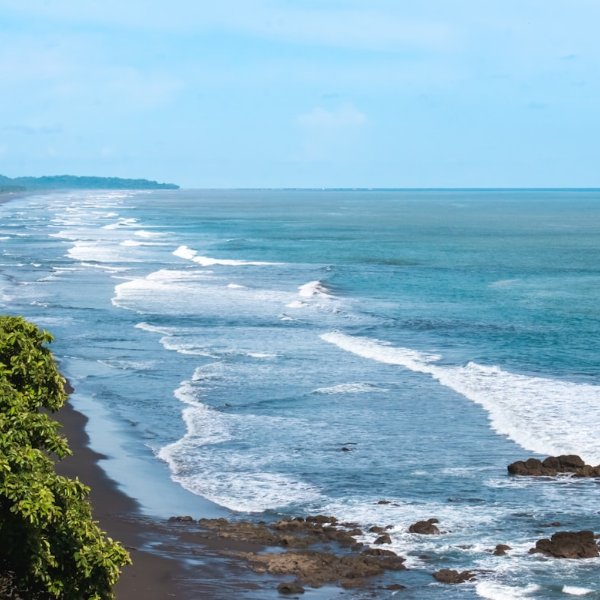
What green season is not is unlivable or boring. Mornings are often clear and beautiful. Surf improves along the coast. Prices on everything from groceries to dinners out drop noticeably. The people who remain are the ones who chose to be there, and the social intimacy of a smaller community has its own appeal.
Can You Live Year-Round in Playa Flamingo Without Getting Bored?
Yes, with the honest caveat that your answer depends on what you need. If your version of a full life requires a constant rotation of new people and high-energy social options, green season will feel quiet. If your version involves morning swims, good reading, reliable outdoor access, a tight-knit group of year-round neighbors, and occasional day trips inland, then the quieter months feel like a different kind of richness rather than a deficit.
The residents who describe the most satisfying year-round lives in Flamingo tend to be people who found a mix of solitary and social activities that don’t depend entirely on visitor density. They fish, hike, maintain creative or professional projects, travel regionally during the slowest weeks, and return to find the dry-season energy waiting for them on the other side of November.
How Seasonality Drives Vacation Rental Occupancy and Guest Profiles
For rental property owners, the seasonal pattern is predictable enough to plan around. Dry season produces the highest occupancy and commands premium nightly rates, particularly during the Christmas to Easter window when North American and European travel aligns with Guanacaste’s best weather. This is the period when well-positioned properties with strong listing presence fill weeks in advance.
Green season occupancy drops, but not to zero, and the guest profile shifts. Budget-conscious travelers, adventure-focused visitors who prefer the surf and green landscapes, and regional travelers from Costa Rica itself fill the gap at lower rates. Understanding this profile matters for property setup and marketing, because the green season guest often has different priorities than the dry season family booking a luxury villa week.
Peak Season Demand Patterns and Premium Pricing Windows
The highest-demand windows are predictable: mid-December through the first week of January, Semana Santa, and the extended dry-season stretch of late January through March. Properties that price strategically during these windows, rather than holding a flat rate year-round, capture a meaningful revenue premium. Advance bookings for Christmas and New Year often come in by August or September, which means a well-managed property needs pricing and availability decisions made well ahead of peak demand.
Guest expectations during peak season also shift upward. High-season guests tend to book longer stays, request more amenities, and compare their experience to a higher baseline. Property condition, responsive management, and thoughtful amenity provision matter more during these windows than at any other time of year.
Green Season Advantages: Lower Competition and a Different Kind of Guest
Green season is when some of the most loyal repeat guests make their bookings. Travelers who have discovered that they prefer Flamingo with fewer crowds, lower rates, and dramatic afternoon storms rolling in off the Pacific become reliable annual visitors who return to the same property year after year. For rental owners, those guests are valuable beyond the revenue they generate in any single stay.
Maintenance costs and local service availability also favor the off-season. Contractors, cleaners, and property managers have more availability during green season. Upgrades and repairs scheduled for September or October avoid the crunch that peak season creates and leave the property fresh and ready for the December wave.
—
What the Activity Ecosystem Reveals About Your Investment and Rental Strategy
Reading Amenity Proximity as a Property Value Signal
Every amenity discussed in this guide, the marina, Las Baulas National Marine Park, Reserva Conchal Golf Course, Catalina Islands dive sites, Llanos de Cortez, the trail network above town, the farmers market in Brasilito, functions as a location premium when it falls within practical reach of a specific property. Buyers who understand this can read the activity map as a value map and identify which properties are positioned to benefit from the broadest combination of amenities.
Properties within walking distance of the beach and marina carry a premium that is structurally justified. Those are the properties that generate the most compelling rental listings, attract the highest-value guests, and hold their appeal across the widest range of buyer and renter profiles. Distance to a single spectacular amenity matters less than proximity to a cluster of amenities, because clusters create the lifestyle depth that retains both residents and repeat guests.
How Guest Search Behavior Maps to the Activities in This Guide
Guests booking vacation rentals in Guanacaste search for specific experiences before they search for specific properties. Queries like “sport fishing near Flamingo,” “snorkeling tours Playa Flamingo,” “beach house near Reserva Conchal golf,” and “things to do in Playa Flamingo with family” are what precede property selection. A rental property that can be credibly described in relation to these experiences, and that genuinely delivers on those descriptions, converts browsers into bookings more reliably than one that leads with bedrooms and square footage.
Understanding guest search behavior is a practical tool for property selection. If your target guest is the sport fishing family, proximity to Flamingo Marina is a non-negotiable. If your target is the golf-and-wellness couple, the Reserva Conchal access point matters more. Matching the property to the guest profile you intend to attract is a decision that begins before you make an offer.
Matching the Right Property to the Right Lifestyle and Rental Goals
There is no single best property in Playa Flamingo, because different properties serve different lifestyle and investment profiles well. A hillside home with Pacific views and a private pool serves the buyer who wants dramatic aesthetics and premium rental rates but accepts a short drive to the water. A beachfront or near-beach property trades the view premium for the daily-use convenience that sustains long-term resident satisfaction and drives strong occupancy from guests who measure their mornings by whether they can walk to the water before breakfast.
The mistake most first-time buyers make is optimizing for one dimension, usually the view or the price point, without mapping that choice against how they actually intend to use the property and who they intend to attract. A conversation about lifestyle goals, rental strategy, and occupancy expectations before making that trade-off is what produces the right outcome.
The Role of Local Expertise: Why Deep Market Knowledge Changes the Equation
The knowledge gap between a buyer who arrives with a list of properties from an online search and a buyer who works with an advisor embedded in this community is not small. Coastal Realty has operated in Playa Flamingo and across the Gold Coast since 2006, long enough to have watched neighborhoods evolve, property values shift, rental markets mature, and buyer profiles change as the area’s international profile grew.
What that history means practically: knowing which streets flood seasonally, which properties have documented rental track records, which HOAs are well-managed and which have unresolved structural issues, which title situations require extra scrutiny, and which locations are positioned for appreciation based on infrastructure patterns. Those are the things you cannot learn from a listing portal, and they are the things that determine whether a purchase delivers on its promise five years later.
—
Key Takeaways for Prospective Buyers and Long-Term Residents
- The lifestyle is real and sustained. Long-term residents describe a year-round quality of life grounded in water access, wildlife, community, and geographic variety that does not diminish with familiarity.
- Seasonality is a feature to plan around, not a problem to be solved. Dry season delivers premium rental revenue and peak social energy. Green season delivers lower costs, a tighter community, and loyal repeat guests.
- Activity proximity is property value. Every amenity within practical reach of your property is a rental marketing point, a lifestyle benefit, and a structural value indicator. Evaluate them together.
- Community integration takes effort and rewards it. The expat-Tico dynamic in Flamingo is genuinely warm, but it responds to participation. Learning Spanish and engaging locally accelerates belonging.
- Match property to strategy before you shop. Your lifestyle goals, target guest profile, and rental expectations should define the property type and location you pursue, not the other way around.
- Local expertise compounds over time. A firm with deep roots in this specific market knows what databases cannot show you, and that knowledge has real financial consequences.
—
Conclusion: The Life You’re Imagining Here Is the One Long-Term Residents Are Already Living
Bringing the Thesis Full Circle: Activities as Investment Data Points
Every section of this guide has made the same argument in different registers. The catamaran tours, the sport fishing culture, the sea turtle nesting beach, the golf course next door, and the farmers market in Brasilito are not separate items on a tourist checklist. They are the components of a lifestyle ecosystem that attracts a specific kind of person, retains them, and generates the rental demand that justifies the investment case for property ownership here.
The things to do in Playa Flamingo are what they are because the ocean, the geography, and decades of community development made them that way. They are also a durable investment thesis, because the same qualities that made a visitor fall in love with this place on a Tuesday morning will make the next guest do the same thing three years from now.
Is Playa Flamingo a Good Place to Retire?
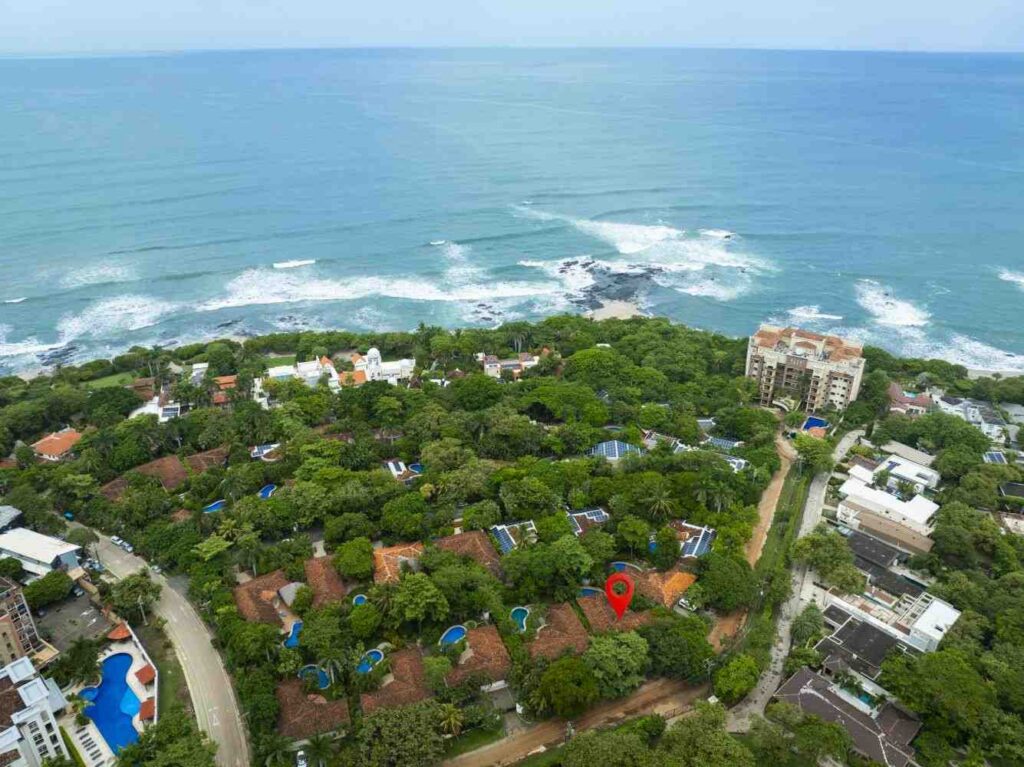
For a specific type of person, it is one of the best places on earth. That person values active outdoor living over urban convenience, finds community in participatory shared activities rather than organized social calendars, is willing to learn some Spanish and engage with a culture genuinely different from the one they came from, and has made peace with the trade-offs that remote Pacific coast living involves: a long drive to a major hospital, inconsistent internet on hard weather days, limited retail selection, and the quiet months of green season.
If that profile matches yours, the residents who already live here will tell you honestly that they cannot imagine having made a different choice.
Your Next Step: A Conversation, Not a Sales Pitch
The buyers who make the best decisions about property in Playa Flamingo are the ones who came with genuine questions and got honest answers before they made an offer. The questions worth asking involve things this guide cannot fully answer for you: your specific financial situation, your timeline, your lifestyle priorities, and the particular properties that happen to be available when you’re ready to move.
Coastal Realty has been having those conversations on the Gold Coast since 2006. If you’re at the point where real information from someone embedded in this community would be useful, we’d be glad to be that resource. Reach out and tell us where you are in the process. We’ll take it from there.
—
Frequently Asked Questions
What is Playa Flamingo known for?
Playa Flamingo is known for its calm, pale-gold beach, its deep-sea sport fishing out of Flamingo Marina, and its position as one of the most livable upscale communities on Costa Rica’s Gold Coast in Guanacaste. It’s also recognized for proximity to Playa Conchal, the Reserva Conchal Golf Course, and Las Baulas National Marine Park, where leatherback sea turtles nest each season. Unlike louder beach towns nearby, Flamingo has built a reputation for a relaxed, community-oriented atmosphere that appeals to buyers and long-term residents as much as vacationers.
Is there nightlife in Playa Flamingo?
Flamingo has a relaxed social scene rather than a high-energy nightlife district. You’ll find bars along the marina with live music on weekends and open-air spots where expats and locals mix over long dinners and drinks. It’s convivial and genuinely social without being loud or resort-like. If a club scene or late-night energy is what you’re after, Tamarindo is about thirty minutes south and offers a livelier atmosphere. Most people who choose Flamingo do so precisely because the evening pace suits them.
Can you live year-round in Playa Flamingo without getting bored?
Most long-term residents answer this with a clear yes, with the honest qualifier that green season, roughly May through November, is quieter and requires more self-direction. Mornings are often beautiful, outdoor activities continue, and the community that remains is tight-knit in a way that has its own appeal. Residents who build routines around fishing, hiking, paddleboarding, regional travel, and creative or professional projects describe the quieter months as a different kind of richness rather than a limitation. The dry season energy, when it returns, feels like a reward.
Is Playa Flamingo a good place to retire?
For the right person, yes, it’s an exceptional choice. The combination of Pacific coast living, strong expat community, year-round outdoor activity, and access to a respected international airport makes it one of the more practical and pleasurable retirement destinations in Central America. The trade-offs are real and worth knowing: the nearest major hospital requires a significant drive, retail options are limited compared to a city, and green season demands some tolerance for rain and quiet. Retirees who prioritize outdoor lifestyle, community connection, and natural beauty over urban convenience consistently describe it as one of the best decisions they’ve made.
How strong is the expat community in Playa Flamingo?
The expat community here is well-established and genuinely integrated into the broader Flamingo and Brasilito area rather than existing as a separate enclave. It’s anchored by long-term residents who have been here for years or decades, which gives newcomers a foundation of people who understand the transition and are generally willing to help. The community doesn’t have a formal clubhouse or organized newcomer structure. Belonging develops through recurring participation in shared activities, the weekly farmers market, sport fishing circles, yoga classes, and informal social gatherings. Spanish effort and local engagement accelerate the process considerably.
What is the real estate market like in Playa Flamingo?
Playa Flamingo sits in the mid-to-premium tier of the Guanacaste coastal market, with property values supported by consistent international demand, limited beachfront inventory, and the lifestyle depth that retains both residents and repeat vacation rental guests. Foreign buyers can own property here under the same fee-simple title structure available to Costa Rican nationals, making the legal framework relatively straightforward compared to some other international markets. Values have generally trended upward alongside the area’s growing international profile, and properties with strong rental track records, good amenity proximity, and professional management tend to hold their appeal across market cycles. Working with an advisor who knows the specific streets, HOA histories, and title situations in Flamingo is strongly recommended before making an offer.