
Best Places To Stay In Costa Rica: Why Where You Stay in Costa Rica Changes Everything
The Question Behind the Question: Visitor Today, Resident Tomorrow — Best Places to Stay in Costa Rica
Most people searching for the best places to stay in Costa Rica think they’re planning a vacation. Some of them are right. But a surprising number are really doing something else: they’re scouting. They may not have named it that way yet, but the question underneath the search, the one they haven’t quite said out loud, is whether Costa Rica could be more than a destination.
That question matters, because it completely changes what “best” means.
How a Scouting Trip Becomes a Life-Changing Decision
It usually starts with a week in Tamarindo or Manuel Antonio, a rented villa, a few too many sunsets with good wine, and a conversation with someone at the bar who moved here six years ago and keeps saying they can’t imagine going back. By day four, the math starts happening in your head. By day six, you’re walking through a neighborhood thinking about where you’d want to live, not just sleep.
This is one of the most consistent patterns we’ve seen in nearly two decades working on Costa Rica’s Pacific coast: the people who make the smartest decisions, whether they eventually buy, rent long-term, or simply return more intentionally, are the ones who treat their first visit as a research trip, even if they didn’t plan it that way.
The problem is that most travel content is designed for the vacation mindset. It answers the booking question, not the belonging question.
What Most Guides Get Wrong About the Best Places to Stay
The Hotel Aggregator Blind Spot
Hotel ranking platforms do one thing well: they tell you which properties have the most reviews and the highest ratings within a given price band. What they cannot tell you is whether the town surrounding that hotel has a functioning expat healthcare network, what the rainy season actually feels like after three months, whether the road to the beach turns impassable in October, or how property values in that corridor have moved over the past decade.
If you’re choosing where to spend a week, star ratings and review counts are probably enough. If you’re choosing where to spend the next chapter of your life, they’re nearly useless.
What Lifestyle Fit and Investment Fundamentals Actually Mean
Lifestyle fit means asking whether a place supports the daily life you actually want, not just the vacation version of yourself. That includes proximity to quality healthcare, the density of English-speaking services, community stability, seasonal climate, and whether the people who already live here seem content or restless.
Investment fundamentals mean asking whether property is titled and legally clean, what the historical trajectory of values looks like, what rental demand is like outside peak season, and what management infrastructure exists for owners who don’t live on-site year-round.
Neither of those questions shows up on a hotel aggregator. That’s the gap this guide is designed to fill.
How to Use This Guide: Two Lenses, One Journey — Best Places to Stay in Costa Rica
Read each regional section through two simultaneous lenses: the visitor’s lens, covering what it’s like to spend time here, and the prospective resident’s lens, covering what it’s like to actually build a life here. The best places to stay in Costa Rica and the best places to own or rent long-term are frequently the same places, but the reasons are different. Understanding both sets of reasons is what separates informed decisions from expensive regrets.
—
The Dual-Lens Regional Evaluation Framework
When considering the best places to stay in costa rica, use this checklist on any scouting trip to evaluate a Costa Rican region as both a visitor and a potential resident. Work through both columns, not just the one that feels comfortable.
Lifestyle Fit
- Does the climate match your ideal year-round, not just during high season?
- Is there a meaningful expat community, or would you be pioneering?
- Are English-speaking services (medical, legal, banking, daily errands) available locally?
- What does the social scene look like for someone at your life stage?
- How far is the nearest city with a major hospital or specialist care?
Property Market Signals
- Is property in this area typically titled, or does it fall in the Maritime Zone (the first 50 meters from the high-tide line, which cannot be privately owned)?
- Have values appreciated consistently, or has the market been volatile or flat?
- Is there active rental demand outside of December through April?
- Are there established property management companies operating here?
Accessibility
- How long is the drive from the nearest international airport, and is that drive on paved roads?
- Is the area accessible year-round, or do green season rains limit access?
- For owners who will visit but not live here: how easy is it to fly in, check on things, and fly out?
Seasonal Livability
- What does green season (May through November) actually feel like here?
- Does the tourism economy sustain local services through the low season?
- What do year-round residents say about the months visitors never see?
Questions to Ask a Local Partner
- Which neighborhoods have the most legally clean title history?
- What infrastructure improvements are planned for this area in the next five years?
- What’s the realistic net rental yield on properties in this corridor after management fees?
- Are there any HOA, zoning, or concession issues worth knowing about before falling in love with a property?
—
The Gold Coast: Costa Rica’s Most Established Corridor for Visitors and Foreign Owners
What Makes Guanacaste Province the Gateway Region
Guanacaste earns its reputation as Costa Rica’s most visitor-friendly and investor-mature region through a combination of factors no other part of the country can fully replicate: a major international airport, a predictable dry season, decades of foreign investment, and an expat infrastructure that has had time to develop real depth. For visitors evaluating the best places to stay in Costa Rica with one eye on the future, Guanacaste is the logical starting point.
Proximity to Liberia International Airport and What It Means for Owners
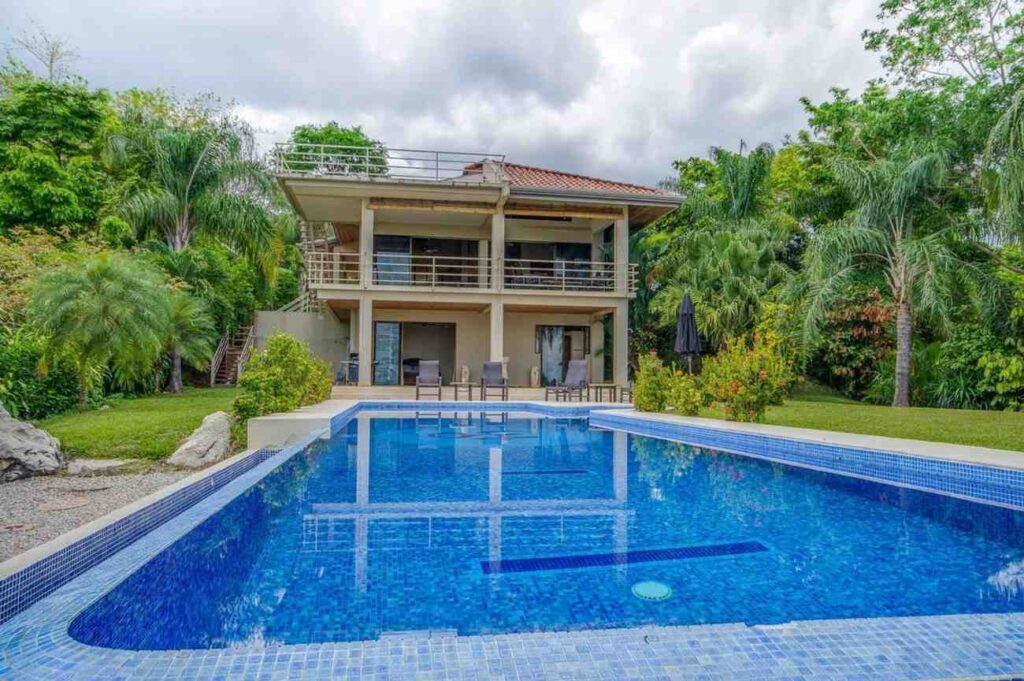
The Daniel Oduber Quirós International Airport in Liberia changed everything for Guanacaste’s Gold Coast when it began receiving direct international flights. For visitors, it means a 30 to 45-minute drive to most beach communities instead of a four-hour grind from San José. For property owners who live abroad, it means the difference between a manageable two-flight trip and a logistical project. That proximity is priced into real estate here, and reasonably so.
Dry Season Reliability and Year-Round Livability
Guanacaste’s dry season runs from roughly December through April, delivering consistent sunshine that the rest of the country cannot guarantee. What matters more for year-round residents, though, is the green season reality: the rains come in the afternoons, the mornings are often clear, and the landscape transforms from golden-brown to impossibly lush. The coast remains livable year-round in a way that parts of the Southern Pacific, which receive significantly heavier rainfall, simply do not.
Tamarindo: The Most Accessible Beach Town on the Pacific Coast — Best Places to Stay in Costa Rica
Traveler Experience vs. Resident Reality
Tamarindo is the town most first-timers encounter, and for good reason: it’s easy. Restaurants, surf schools, yoga studios, ATMs, supermarkets, car rentals, and a lively bar scene are all walkable. As a visitor, the accessibility is genuinely appealing. As a prospective resident, the honest assessment is more nuanced. Tamarindo is busy. High season brings crowds, noise, and pricing that rivals beach towns far more expensive by local standards. The town has also grown faster than its infrastructure in some respects, and traffic in peak months can test the patience of people who chose Costa Rica specifically for a relaxed pace.
For those researching the best places to stay in costa rica, that said, Tamarindo’s expat community is large enough to have self-organized: there are established social networks, reliable legal and financial professionals who specialize in foreign clients, bilingual medical services, and a rental market with enough year-round demand to make investment properties viable.
Expat Community Depth and the Infrastructure That Supports It
What separates Tamarindo from smaller Gold Coast towns isn’t size; it’s institutional depth. Dentists who trained abroad. Lawyers who speak fluent English and understand both Costa Rican property law and the anxieties of a first-time foreign buyer. Property managers who have handled dozens of vacation rentals and can quote realistic occupancy numbers without inventing them. This kind of infrastructure takes fifteen-plus years to develop, and Tamarindo has it.
Property Market Context: What “Most Developed” Means for Buyers and Renters
When considering the best places to stay in costa rica, “Most developed” cuts both ways. Tamarindo offers the Gold Coast’s largest inventory of titled residential and commercial property, which means more legal clarity and more liquidity than emerging markets further south. It also means prices reflect that maturity. Entry-level condos start in the low $200,000s, while beachfront or ocean-view properties command significantly more. The rental market is active but competitive, and returns depend heavily on professional management and consistent marketing.
Playa Flamingo, Playa Conchal, and the Luxury Pocket of the Northern Gold Coast
How These Communities Differ From Tamarindo in Character and Price
Flamingo and Conchal sit roughly 20 to 30 minutes north of Tamarindo and occupy a different register entirely. These are quieter, more residential communities where the luxury resort presence, most notably the Westin at Conchal, anchors a market of larger homes, gated communities, and buyers who prioritize privacy over proximity to nightlife. The character here leans toward established wealth rather than surf culture. Families relocating from the United States often end up here because the community feels more settled, the beaches are among the finest on the Pacific coast, and the lot sizes allow for the kind of property that’s genuinely hard to find in more densely developed Tamarindo.
Beachfront Property and the Titled vs. Maritime Zone Distinction
Beachfront property anywhere in Costa Rica requires a legal education before it requires a deposit. The Maritime Zone Law reserves the first 50 meters from the high-tide line as public domain, meaning it cannot be privately titled. The following 150 meters can be subject to concession agreements managed by local municipalities, which are renewable but not guaranteed. Properties that appear to sit on the beach may actually sit on concession land, which carries different legal standing and different financing options than fully titled property.
In Flamingo and Conchal, as across the Gold Coast, some of the most desirable properties are ocean-view but set back sufficiently to be fully titled. Understanding this distinction before falling in love with a listing is one of the most important things a knowledgeable local partner can walk you through.
Nosara and Sámara: The Quieter, Wellness-Oriented Alternative
Who Thrives Here and Who Finds It Too Isolated
Nosara is internationally known in yoga and wellness circles, a reputation that has shaped the community profoundly. The town has strict building regulations that have preserved the tree canopy and limited commercial sprawl, and the result is a place that feels genuinely different from the more developed Gold Coast towns. People who relocate here tend to be drawn to the intentional pace, the wellness infrastructure, and a community that self-selects for a certain kind of lifestyle.
Who finds it too isolated? Anyone who needs regular access to a major city’s services, anyone who gets frustrated with unpaved roads during rainy season, and anyone who finds the social scene too insular. Airport access is less convenient than Tamarindo, the road to Nicoya requires patience, and the services, while growing, don’t match what you’ll find in a more developed corridor.
Sámara, a 20-minute drive south, offers a gentler version of the same trade-off: quieter, more authentically Costa Rican in character, with a small but stable foreign resident community and a slower pace of development.
Rental Income Potential and the Seasonal Calculus
Both Nosara and Sámara generate strong rental income during peak season, December through April, driven by wellness travelers and surfers willing to pay premium rates for access. The off-season calculus is more challenging. Monthly rates drop meaningfully, and occupancy requires deliberate marketing. Owners who do well here typically commit to a management strategy from the start, not as an afterthought.
What “Best Area to Buy Property in Costa Rica” Really Means on the Gold Coast — Best Places to Stay in Costa Rica
How Neighborhoods Have Evolved: An On-the-Ground Perspective
The Gold Coast today looks nothing like it did when we first worked here nearly two decades ago. Tamarindo had dirt roads through neighborhoods that are now paved and lined with restaurants. Communities that once felt remote now have fiber internet and reliable utilities. This matters for buyers because the infrastructure trajectory of a neighborhood tells you as much about its future value as its current price.
Among the best places to stay in costa rica, the areas that have appreciated most consistently are those that combined titled land, accessibility improvements, and a self-sustaining expat community early enough to establish critical mass.
Safety, Community Stability, and the Factors Visitors Rarely Think to Ask About
Safety in Costa Rica is local, not national. The country’s overall crime statistics are less relevant to your decision than the specific neighborhood’s pattern: is there an active neighborhood watch? Does the expat community have informal communication networks for security concerns? Are local police responsive? These are questions visitors almost never think to ask but residents ask constantly.
For those researching the best places to stay in costa rica, community stability is a related consideration. A neighborhood with high turnover, where investment properties sit empty between rentals and no one knows their neighbors, has a different character than one where long-term residents and property owners have built real relationships with local Costa Rican families. The latter tends to be both safer and more enjoyable to live in.
—
Best Places To Stay In Costa Rica: Manuel Antonio and the Central Pacific: Where Rainforest Meets the Shore
The Traveler’s Experience: Why Manuel Antonio Captivates First-Timers
Manuel Antonio hits differently than the Gold Coast, and that’s the point. The national park’s wildlife, sloths, white-faced monkeys, scarlet macaws, appears within steps of pristine beaches, and the approach road from Quepos winds through rainforest that makes you feel like you’ve traveled to a different country entirely. For first-time visitors to Costa Rica, this is often the image that defines the country: lush, biodiverse, wild, and warm.
Climate, Green Season, and the Two-Sided Calendar
The Central Pacific receives substantially more rainfall than Guanacaste, which produces extraordinary greenery but also means a wetter, more extended rainy season. Green season here runs deeper and harder than on the Gold Coast. October and November bring serious rainfall that can make outdoor activities less predictable. For a one-week visit timed right, this is manageable and often beautiful. For a year-round resident, it requires genuine adjustment.
The Central Pacific as a Place to Live: Expat Presence and Cost of Living — Best Places to Stay in Costa Rica
A real expat community has taken root around Quepos and Manuel Antonio, though it remains smaller and less institutionally developed than Tamarindo’s. The cost of living here is generally competitive with the Gold Coast for daily expenses, though rental prices for well-positioned properties near the park have risen with tourism demand. Healthcare access requires a trip to Quepos for basic services or San José for anything specialized, a factor worth weighing seriously for retirees or anyone with ongoing medical needs.
Rainforest Real Estate and the Investment Landscape
The investment story in Manuel Antonio is primarily driven by vacation rental demand from high-spending eco-tourists and nature travelers. Properties with national park views or jungle settings command premium nightly rates. The legal landscape mirrors the rest of Costa Rica, titled property is the goal and the Maritime Zone rules apply on the beach, but inventory is more limited than the Gold Coast and management infrastructure is less mature. For buyers drawn here by the landscape, the honest trade-off is beauty over liquidity compared to Guanacaste.
—
La Fortuna, Arenal, and the Inland Highlands: Nature Immersion and a Different Kind of Home
Arenal Volcano, Thermal Springs, and the Eco-Lodge Ecosystem
The Arenal region delivers one of Costa Rica’s most iconic travel experiences: a near-perfect volcanic cone rising above a reservoir, surrounded by thermal springs, zip lines, hanging bridges, and some of the country’s best eco-lodges. For visitors, it’s often a two to three-night stop on a broader itinerary, compelling enough to anchor a trip, but rarely the destination people imagine calling home.
Who Actually Relocates to the Highlands and Why — Best Places to Stay in Costa Rica
The people who relocate to La Fortuna or the broader Arenal zone tend to share a specific profile: they prioritize nature immersion, cooler temperatures, and a quieter pace over beach access and social infrastructure. Some are drawn by the relatively lower cost of land compared to coastal areas. A smaller number run or invest in eco-tourism operations that benefit directly from the visitor traffic the volcano generates year-round.
Accessibility Trade-offs and What They Mean for Remote Property Owners
This is one of the best places to stay in costa rica that getting to Arenal requires either a four-hour drive from San José or a combination of travel from Liberia that adds time. For property owners managing assets remotely, this distance is a meaningful variable. The property management infrastructure here is far less developed than the Gold Coast, which means owners need to be more hands-on or more creative about how they find reliable local support.
Cloud Forest Living: Monteverde as a Distinct Lifestyle Proposition
Monteverde sits in a category of its own. The cloud forest, the famous hanging bridges, and the steady flow of ecotourism have created a small, intellectually engaged community of scientists, conservation workers, and long-term expats who chose remoteness deliberately. The cool, misty climate is a genuine draw for people who find coastal heat draining. The roads to Monteverde are famously rough, though improving, and the nearest city services require real travel. For a certain type of buyer, someone seeking altitude, quiet, and a community oriented around conservation and sustainability, Monteverde is genuinely compelling. For anyone who needs regular city access or envisions a rental property with broad market appeal, it remains a niche proposition.
—
Best Places To Stay In Costa Rica: Uvita, the Osa Peninsula, and the Southern Pacific: Untouched, Emerging, and Not for Everyone
The Appeal of the “Last Frontier”: What Draws Adventurous Buyers South — Best Places to Stay in Costa Rica
The Southern Pacific pulls a specific kind of buyer: someone who looked at Tamarindo, found it too developed, looked at Nosara, found it too well-known, and wants to be somewhere that still feels like a discovery. Uvita’s famous whale tail sandbar, the biodiversity of the Osa Peninsula, and land prices that reflect the region’s relative remoteness all feed that appeal. Buyers here often talk about getting in early, before values catch up with the scenery.
That logic isn’t wrong. The Osa Peninsula holds a remarkable concentration of the world’s biodiversity in a relatively small landmass, and the Southern Pacific corridor from Dominical to Uvita to Ojochal has attracted a small but dedicated community of expats who chose wilderness over convenience on purpose.
Infrastructure Gaps and the Honest Cost of Pioneering a Remote Region
The honest part of the Southern Pacific story is the infrastructure gap, and it’s substantial. The Costanera Sur highway has improved access significantly over the past decade, but healthcare remains a serious concern: the nearest facilities capable of handling complex medical situations require significant travel time. Internet connectivity, while improving, is inconsistent outside of Uvita’s town center. Power outages happen. Roads to more remote properties can become genuinely impassable during the heaviest green season rains.
Property management infrastructure is also thin. Finding reliable contractors, consistent rental management, and the kind of legal support network that has matured in Guanacaste requires more effort and more patience here. Buyers who do well in the Southern Pacific tend to either live there full-time or have unusually robust local relationships. For the remote investor looking for a managed asset with predictable returns, this is not the region to start.
Matching Lifestyle Priorities to the Right Region
No single region is the best place to stay in Costa Rica for everyone. The honest answer to that question is a decision matrix, not a ranking.
How to Evaluate Neighborhoods as a Future Resident
Safety in Costa Rica is hyperlocal. National crime statistics tell you almost nothing useful about whether a specific neighborhood is appropriate for a long-term resident. The questions that actually matter: Is there an active neighborhood association? Do long-term residents know their neighbors? Is there a community communication channel for security concerns? How responsive are local police to non-emergency calls? The safest communities across every region tend to share one trait: residents who have invested in knowing each other.
How Real Costs of Living Vary Across Costa Rica’s Regions
The cost of living gap between regions is real but often misunderstood. Guanacaste’s Gold Coast has higher property prices than the Southern Pacific, but it also has the services that make daily life functional without a car trip to San José. A cheaper house in a remote region can cost more in aggregate when you factor in the logistics of getting things done.
As one of the best places to stay in costa rica, as a general frame, retirees living modestly in the Gold Coast corridor typically report monthly expenses in the $2,000 to $3,000 range for a couple, covering rent, food, transportation, utilities, and basic healthcare. The Central Valley around San José tends to run lower. The Southern Pacific can run lower on rent but higher on logistics. The Caribbean coast is generally the most affordable, with trade-offs covered in the next section.
—
Puerto Viejo and the Caribbean Coast: A Completely Different Rhythm
What Makes the Caribbean Coast Distinct in Character and Climate — Best Places to Stay in Costa Rica
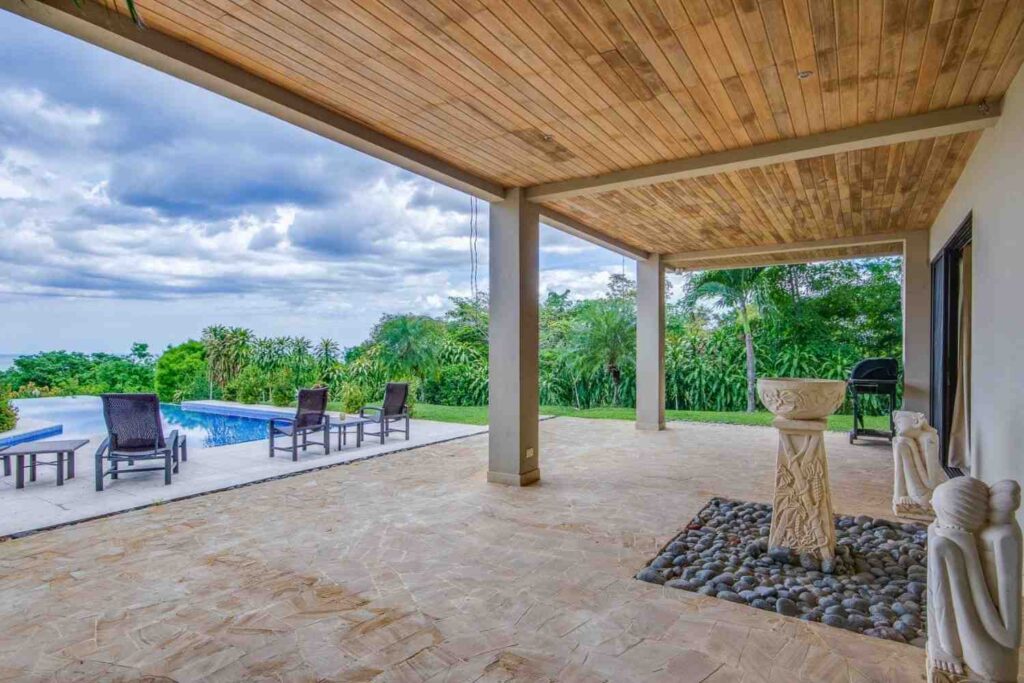
Puerto Viejo doesn’t feel like the Pacific coast, and that’s not a complaint. The Caribbean coast carries Afro-Caribbean cultural influence, a reggae soundtrack, cacao farms, jungle-backed beaches with a wilder aesthetic, and a climate that doesn’t follow the Pacific’s dry season logic at all. Rainfall here is distributed differently across the calendar, with a shorter drier stretch around September and October rather than the extended December-through-April dry season most visitors associate with Costa Rica.
Among the best places to stay in costa rica, the character of Puerto Viejo and the surrounding villages of Cahuita and Manzanillo is genuinely distinct: more relaxed, more colorful, less polished, and deeply tied to local Afro-Caribbean identity in ways that give the community a cultural texture you simply don’t find on the Pacific side.
The Expat Experience Here: Smaller Community, Different Legal Landscape
The foreign resident community on the Caribbean coast is smaller and less institutionally organized than what you’ll find in Guanacaste or even Manuel Antonio. English-language services exist but are limited. The legal landscape around property here includes some of the most complex indigenous territorial and land rights issues in the country, and due diligence requirements are more demanding than in the more legally mature Pacific corridor. Several areas near Puerto Viejo involve land claims and title ambiguities that require experienced local legal counsel before any purchase decision.
Why Most Foreign Buyers End Up on the Pacific, and When the Caribbean Makes Sense
The Pacific coast wins for most foreign buyers on the strength of three things: the Liberia airport connection, the maturity of the legal and property management infrastructure, and the dry season reliability that makes high-season rental income more predictable. These factors collectively reduce risk for buyers who are managing assets remotely or who need confidence that the market they’re entering has real liquidity.
The Caribbean makes sense for a specific profile: someone who has already spent meaningful time in Costa Rica, is drawn specifically to the cultural and ecological character of the Atlantic side, plans to be present rather than managing remotely, and has access to experienced legal counsel familiar with the region’s particular title complexities. It’s a destination for the informed second-mover, not the first-time buyer.
—
Best Places To Stay In Costa Rica: From “Just Visiting” to Seriously Considering: The Transition Every Smart Traveler Eventually Makes
When the Question Shifts From “Where Should I Stay?” to “Where Could I Live?” — Best Places to Stay in Costa Rica
The shift usually happens quietly, somewhere between the second morning coffee on a terrace overlooking the ocean and the third conversation with someone who made the move and never looked back. The search terms change. Instead of “best boutique hotels Costa Rica,” you’re Googling “how to buy property in Costa Rica as a foreigner” and “pensionado visa requirements.” That’s not a vacation anymore. That’s research.
Understanding Foreign Property Ownership in Costa Rica: The Basics Demystified
How Foreign Ownership Works: Titled Property, Maritime Zone, and What to Know First
Costa Rica is one of the few countries in the world where foreign nationals have the same property rights as citizens. You do not need residency to purchase titled property. There is no restriction on foreign ownership of fee-simple titled real estate, and the legal process, while it requires a Costa Rican attorney (called a notary public under local law), is well-established and navigable with the right guidance.
The distinction that matters most before you look at any listing is whether the property is titled or sits within the Maritime Zone. Titled property is privately owned and can be purchased, financed, and transferred like real estate anywhere else. The Maritime Zone covers the first 200 meters from the high-tide line, with the first 50 meters as public domain, and operates under a concession system managed by local municipalities. Concession land is not owned; it is leased from the government under renewable agreements. That’s a fundamentally different asset class, with different legal protections, financing implications, and resale considerations.
Visa and Residency Pathways: The Pensionado Visa Explained
If you’re exploring the best places to stay in costa rica, you don’t need a visa to visit Costa Rica as a tourist from most Western countries, and you can stay up to 180 days. If you’re considering a longer stay or eventual residency, the pensionado visa is the most common pathway for retirees and the one that fits the profile of most people who arrive via a scouting trip and stay longer than planned.
The pensionado visa requires proof of a lifetime pension income of at least $1,000 per month from a government source, Social Security, or a qualifying pension. Once approved, it grants legal residency, access to the public healthcare system, and the ability to live in Costa Rica indefinitely. Processing takes several months and requires document preparation that moves more smoothly with an immigration attorney. The investment visa (Inversionista) is an alternative for buyers who want to tie residency to a property purchase of $150,000 or more.
Renting Long-Term vs. Buying: How to Know Which Decision You’re Actually Ready For
The right answer here depends less on finances than on certainty. Buying a property in a country you’ve visited twice is a different proposition than buying in a community where you’ve spent six months as a long-term renter and confirmed that the lifestyle matches what you imagined.
This is one of the best places to stay in costa rica that long-term renting in Costa Rica is underutilized as a transitional strategy. The rental market across the Gold Coast has options ranging from furnished condos to full houses, often available on three to twelve-month leases that let you test a neighborhood before committing capital. Landlord-tenant law here protects renters more robustly than in many countries, with minimum lease protections built into local statute. That’s worth knowing as you negotiate.
Buy when you know the region, know the legal landscape, and have local partners who can support ongoing ownership. Rent until then.
The Emotional Journey: From Excited Dreamer to Informed Decision-Maker — Best Places to Stay in Costa Rica
What “Retirement Dreamer” Paralysis Looks Like, and How to Move Through It
The paralysis is real and recognizable: you’ve done enough research to know what you don’t know, and the gap feels overwhelming. You know you’d need a lawyer, a property manager, an accountant, possibly an immigration attorney. You’re not sure who to trust. Every forum post you read contradicts the last one. So you book another vacation instead of a scouting trip, and the decision stays theoretical for another year.
Moving through it doesn’t require resolving all the uncertainty. It requires reducing it to a manageable size. That usually means one focused scouting trip with clear evaluation criteria, at least one honest conversation with a long-tenured local expert, and the willingness to treat the trip as a research mission with deliverables, not just a holiday.
Why Having a Long-Tenured Local Partner Changes the Risk Equation
The risk of buying property in an unfamiliar country is real, but it’s not uniform. It concentrates heavily around information asymmetry: not knowing which neighborhoods have title issues, which developers have a track record, which property managers actually deliver on their quoted occupancy rates. A local partner who has operated in one corridor for fifteen or twenty years has absorbed the lessons you’d otherwise learn expensively.
That’s not about having someone hold your hand. It’s about collapsing a decade of local market knowledge into a conversation, so the decisions you make are based on ground truth rather than listing descriptions and optimistic projections.
—
How Foreign Owners Manage Gold Coast Properties Without Being There
The Remote Ownership Reality: What No One Tells You Before You Buy
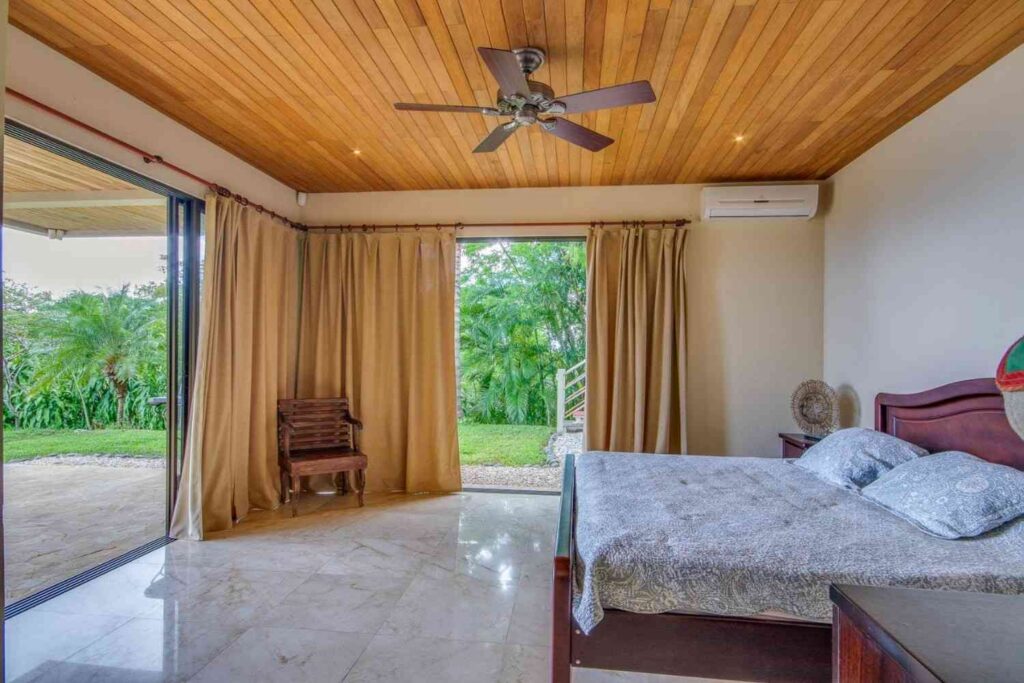
The purchase is the easy part. What comes after, once you’re back home and your property is sitting on Costa Rica’s Gold Coast without you, is where most foreign owners encounter the gap between what they imagined and what actually happens. Maintenance requests go unaddressed. Rental listings go stale. HOA communications arrive in Spanish and sit unanswered. A pipe issue discovered in January becomes a mold problem by March.
The best places to stay in costa rica include none of this is inevitable, but it is predictable without full-spectrum local management in place before you close, not after.
What Full-Spectrum Property Management Actually Covers
Vacation Rental Operations, Guest Relations, and Revenue Optimization
Managing a vacation rental property isn’t just keeping a calendar updated. It involves dynamic pricing across multiple booking platforms, guest screening, check-in coordination, professional photography and listing copy that converts browsers to bookings, and the guest communications that determine whether your reviews stay at five stars. Owners who treat this as something they can handle part-time from abroad consistently underperform owners who hand it to professionals who do only this.
Revenue optimization means adjusting nightly rates in response to local events, regional demand patterns, and competitor inventory changes, not setting a rate in January and leaving it alone until December.
HOA Liaison, Maintenance Coordination, and Legal Compliance
As one of the best places to stay in costa rica, beyond the rental operation, a well-managed property requires someone on the ground who can attend HOA meetings, respond to maintenance issues within hours rather than weeks, coordinate with licensed contractors, and ensure that annual legal filings stay current. Corporations owning property in Costa Rica have their own compliance calendar, and letting any of these obligations slide has cascading consequences that are far more expensive to fix than to prevent.
How a Boutique Local Partner Differs From a Large Management Company — Best Places to Stay in Costa Rica
Large property management operations in mature markets tend toward standardization: your property goes into a system, gets managed to a template, and receives attention proportional to how much revenue it generates. A boutique local partner operating with a smaller portfolio has both the capacity and the incentive to treat each property as an individual asset. You’re not a unit in a spreadsheet.
The practical difference shows in responsiveness when something goes wrong at 11 p.m., in the quality of maintenance contractor relationships that take years to build, and in honest occupancy projections that come from people whose reputation depends on getting them right.
Costa Rica Gold Coast Real Estate Investment: Turning a Lifestyle Asset Into a Performing One
Most foreign buyers on the Gold Coast purchase with a lifestyle motivation: a place to stay during visits, a hedge against future relocation, a property that brings them joy when they’re there. The revenue potential is often secondary in the initial decision. That’s understandable, but it leaves money on the table.
A well-managed Gold Coast property with a professionally optimized rental program can generate meaningful income during the months its owner isn’t there, offsetting carrying costs and sometimes exceeding them. The gap between a lifestyle asset that sits mostly empty and one that performs financially usually comes down to one decision: whether the owner has professional management from day one.
—
Key Takeaways: The Smartest Way to Evaluate the Best Places to Stay in Costa Rica as a Future Resident
Use these principles whether you’re booking a week or beginning a longer journey.
- Visit with both lenses active. The best scouting trips look like vacations but function like research: you’re evaluating lifestyle fit and market fundamentals at the same time you’re enjoying the beaches and the food.
- Prioritize titled property. If you’re considering a purchase at any point, understand the Maritime Zone distinction before you fall in love with a listing.
- Match your region to your actual life, not your vacation self. Remoteness that feels romantic for a week can feel isolating for a year. Climate that suits a December visit may frustrate you in October.
- Treat infrastructure maturity as a proxy for risk. Guanacaste’s Gold Coast has the deepest legal, management, and expat support infrastructure in the country. That maturity reduces the risk of remote ownership in ways that price alone doesn’t capture.
- Rent long-term before you buy. Six months as a resident tells you more about a neighborhood than six visits ever will.
- The scary parts are manageable with the right local partner. Foreign property ownership in Costa Rica is legal, clear, and navigable. The complexity lives in the details, and that’s exactly where an experienced local partner earns their place in your process.
—
Conclusion: From Your First Visit to Your Best Decision, With the Right Partner Beside You
Bringing the Two Lenses Together
This guide started with a simple premise: the best places to stay in Costa Rica and the best places to build a life in Costa Rica are often the same places, but you need both lenses to see them clearly. Every regional section was written to give you the visitor’s experience and the prospective resident’s reality at the same time, because the traveler who only sees one usually makes a more expensive decision in the end.
The One Question Worth Asking Before You Book Anything — Best Places to Stay in Costa Rica
Understanding the best places to stay in costa rica means before you finalize an itinerary, ask yourself honestly: is this a vacation, or is it a scouting trip? If any part of you is considering the latter, structure your visit accordingly. Stay in a neighborhood, not just a resort. Rent a car and drive past the tourist corridor. Have one coffee with someone who moved here five years ago and ask them what they wish they’d known.
That one shift in mindset is worth more than any amount of additional research from home.
Where to Live in Costa Rica as a Foreigner: A Final Word on Fit Over Hype
The places that generate the most online enthusiasm aren’t always the places that generate the most satisfying lives. The Gold Coast’s Guanacaste corridor earns its reputation through years of infrastructure development, legal maturity, accessibility, and a self-sustaining expat community, not through marketing. The visitors who arrive with excitement and leave with a clear-eyed view of what daily life actually looks like here are the ones who make decisions they’re still happy about a decade later.
If you’re exploring the best places to stay in costa rica, fit matters more than hype. A quieter community that matches your lifestyle is worth more than a famous town that doesn’t.
Your Next Step: A Conversation, Not a Sales Pitch
If you’ve reached the end of this guide with more clarity than you started with, that’s the goal. If you’ve reached it with more questions, that’s also useful, because the right questions are where real decisions begin.
We’ve worked with foreign buyers and residents on Costa Rica’s Gold Coast since 2006. We can tell you which neighborhoods have the cleanest title history, which rental properties outperform their projections and why, and what the real cost of ownership looks like after management fees and maintenance. We can also simply help you figure out where to stay on your first visit and which communities are worth a closer look.
Either way, reach out. The conversation costs nothing, and the information is the kind that only comes from being here.
—
Frequently Asked Questions
Which part of Costa Rica is the best to stay in? — Best Places to Stay in Costa Rica
There is no single best region for everyone, and that’s actually good news: it means the right answer is specific to you. Guanacaste’s Gold Coast is the most practical starting point for first-time visitors and those considering relocation, thanks to direct international flights into Liberia, a reliable dry season, and the country’s most mature expat and property management infrastructure. If you prioritize wildlife and lush scenery, the Central Pacific around Manuel Antonio delivers a dramatically different experience. The real question isn’t which region ranks highest; it’s which region’s daily rhythm, climate, and community match the life you actually want to build.
What is the safest area to stay in Costa Rica for first-time visitors and potential relocators?
Safety in Costa Rica is far more neighborhood-specific than national statistics suggest. Across all regions, the communities that consistently feel safest share a common trait: residents who know each other. Well-established expat communities in Tamarindo, Playa Flamingo, and the broader Guanacaste Gold Coast corridor have active neighborhood associations, informal communication networks, and a critical mass of long-term residents that contributes meaningfully to community stability. For first-time visitors, staying in established tourist areas with active property management and visible local services is the most straightforward way to start.
How do I know if a region is suitable for long-term retirement, not just a vacation?
The honest test is to ask what the place is like in October, not December. Visit during the green season if you can, or at minimum talk to year-round residents about what the quieter months actually feel like. Evaluate proximity to quality healthcare, the availability of English-speaking legal and financial services, and whether the local economy sustains essential services outside of peak tourist season. A region that charms you for a week but lacks a specialist clinic within reasonable distance, or where most restaurants close from May through November, may not support the daily life you’re imagining.
What are the real costs of living in different Costa Rican regions for retirees? — Best Places to Stay in Costa Rica
Costs vary more by lifestyle than by region, but geography matters. Retirees living modestly in the Guanacaste Gold Coast corridor typically report monthly household expenses in the $2,000 to $3,000 range for a couple, covering rent or ownership costs, food, transportation, utilities, and basic healthcare. The Central Valley around San José generally runs lower, with better access to specialists and public services. The Southern Pacific can offer lower rent but higher logistics costs for day-to-day living. The Caribbean coast tends to be the most affordable, with trade-offs around infrastructure maturity and legal complexity that are worth understanding before committing.
How do I navigate property ownership and legal considerations as a foreigner buying in Costa Rica?
The most important thing to know first is that Costa Rica gives foreign nationals the same property rights as citizens; you don’t need residency to buy titled real estate. The key legal distinction is between fully titled property, which is privately owned and straightforward to purchase, and property within the Maritime Zone, which operates under a government concession system and carries different protections and financing options. All purchases require a Costa Rican attorney. Working with a legal professional experienced in foreign buyer transactions, alongside a local real estate partner who knows the title history of specific neighborhoods, is the single most effective way to avoid the issues that make headlines in expat forums.
What’s the difference between visiting a beach town and actually living there year-round?
Quite a lot, and it’s worth experiencing firsthand before you buy. The version of a beach town you see during high season, with full restaurants, active social scenes, and perfect weather, is genuinely different from the same town in October, when the rains are heavier, some businesses close, and the community contracts to its year-round core. That core is what you’d actually be living in. The best way to bridge this gap is to spend time in a region as a long-term renter before committing to a purchase. Six months in a neighborhood will tell you more than six vacations ever can.