
American Schools in Costa Rica: Top Choices for US Expat Families
More than 70,000 Americans now call Costa Rica home, and for families with kids, one question matters more than any beach view: where will the children go to school?
American schools in Costa Rica are private, US-accredited institutions that teach a US curriculum in English, follow the North American calendar, and offer AP or dual-enrollment credits. The strongest options sit in two areas: the Central Valley near San José and the Guanacaste Gold Coast near Tamarindo, Brasilito and Flamingo.
We’ve helped relocating families settle on the Gold Coast since 2006, and school choice comes up in almost every conversation. So this guide breaks down the top US-curriculum schools in both regions, what they cost, and how to pick one that fits your family. For a wider look at every type of school in the country, see our companion post on the best schools in Costa Rica compared.
Table of Contents
What an American School in Costa Rica Really Means
Top American Schools in Costa Rica at a Glance
American Schools on the Guanacaste Gold Coast
American Schools in the Central Valley
Tuition, Fees and Paying for School from Abroad
How to Choose the Right School for Your Family
Finding a Home Near Your Child’s School
Frequently Asked Questions About American Schools in Costa Rica
What an American School in Costa Rica Really Means
The label gets used loosely, so let’s define it. A true American school holds accreditation from a US body such as Cognia or the Southern Association of Colleges and Schools (SACS). It teaches primarily in English, follows the August-to-June calendar, and issues a US-style high school diploma that American colleges recognize without extra paperwork.
That last point matters. Costa Rica’s public system runs February through December and teaches in Spanish. A teenager who moves between systems can lose credits or even a full year. An accredited American school keeps your child’s transcript clean, which makes a future move back to the States far smoother.
Most of these schools also hold accreditation from Costa Rica’s Ministry of Public Education (MEP). Dual accreditation gives your child a recognized diploma in both countries, which keeps every door open. If you’re still weighing accredited academies against bilingual or local options, our guide on private schools in Costa Rica for expat parents walks through the differences in detail.
Top American Schools in Costa Rica at a Glance
Here’s a quick comparison before we get into the details of each school.
| School | Location | Grades | Curriculum & Accreditation | Best For |
|---|---|---|---|---|
| Costa Rica International Academy (CRIA) | Brasilito, Guanacaste | Pre-K to 12 | US curriculum, US-accredited, AP and dual enrollment | Gold Coast families wanting a full US college-prep track |
| Country Day School | San Rafael de Alajuela | Pre-K to 12 | US curriculum, Nord Anglia network, AP courses | Central Valley families seeking the most US-style campus |
| Lincoln School | Santo Domingo, Heredia | Pre-K to 12 | US curriculum plus IB option | Academic depth at a lower price point than CDS |
| American International School of Costa Rica | Cariari, Heredia | Pre-K to 12 | US curriculum, AP courses | Smaller community feel near San José |
| La Paz Community School | Flamingo / Brasilito | Pre-K to 12 | IB World School, 50/50 dual immersion | Families prioritizing bilingual fluency |
| Journey School of Costa Rica | Tamarindo | Age 2 to grade 12 | Project-based, US and MEP accredited | Flexible, personalized learning near Tamarindo |
Tuition, programs and policies change from year to year, so always confirm current details directly with each school before you commit.
American Schools on the Guanacaste Gold Coast
We’ll start in our own backyard, because the Gold Coast has quietly become one of the best places in the country to raise school-age kids. The schools below sit within a short drive of Tamarindo, Hacienda Pinilla, Playa Grande, Brasilito and Flamingo.
Costa Rica International Academy (CRIA)
CRIA in Brasilito is the flagship. It’s the only US-accredited school in Guanacaste province and one of about ten in the entire country. The school serves roughly 450 students from toddler age through grade 12 on a purpose-built 32-acre campus, and around 35 to 40 percent of families come from the US.
Academically, CRIA punches well above its size. High schoolers can choose from a dozen Advanced Placement classes plus dual-enrollment programs, and graduates have gone on to Ivy League universities in consecutive years. For a US expat family, this is the closest thing to a strong suburban American school, just with howler monkeys in the trees. You can explore programs and admissions on the official CRIA website.
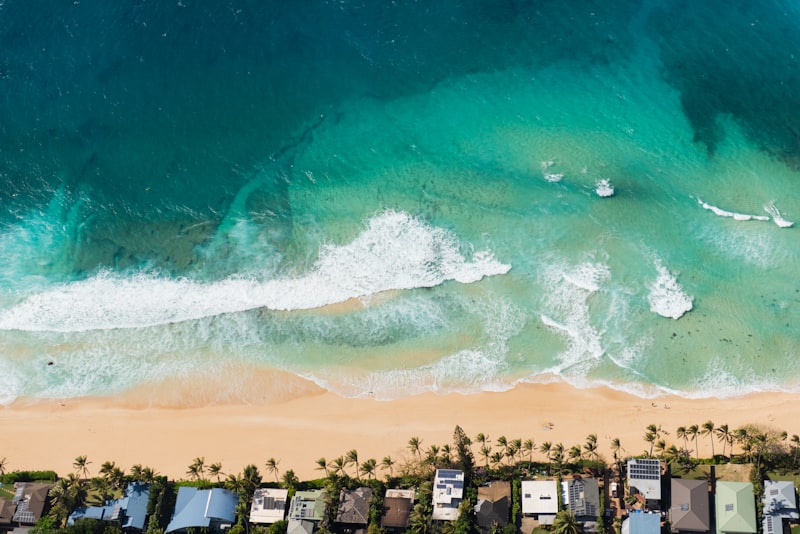
La Paz Community School
La Paz, located near Flamingo and Brasilito, takes a different approach. It’s an accredited IB World School rather than a US-curriculum school, and it runs a true 50/50 English-Spanish dual immersion program from pre-K through grade 12. Kids come out genuinely bilingual, and the IB diploma carries serious weight with US college admissions offices. If bilingual fluency ranks higher on your list than a traditional American transcript, La Paz deserves a hard look.
Journey School of Costa Rica
Journey School sits about five minutes from Playa Tamarindo and holds both US and MEP accreditation. The model is project-based and personalized, serving children from age 2 through grade 12, with onsite and online options. Families who found big-school structure stifling back home often love it here.
Educarte
Educarte, also near Tamarindo, offers bilingual education from pre-K through high school with MEP accreditation. Its student body skews more international and European than American, which some families see as a feature. English instruction is strong in the primary years, with more Spanish added through high school.
The practical upside of this cluster is real: your kids can attend a US-accredited school while you live a few minutes from the surf in Tamarindo, inside the gates at Hacienda Pinilla, or near the national park at Playa Grande.
American Schools in the Central Valley
The Central Valley around San José hosts the country’s oldest and largest American schools. If your work or lifestyle points you toward the capital region, these are the names to know.
Country Day School (CDS) in San Rafael de Alajuela is Costa Rica’s original American school, now part of the Nord Anglia network with more than 55 years of history. It delivers the most US-style experience in the country, with impressive facilities and tuition to match, recently around $20,000 to $21,000 per year for upper grades. Families here often settle in nearby Santa Ana or Escazú. If that’s your direction, our post on Alajuela Costa Rica real estate and Central Valley listings covers the housing side of that decision.
Lincoln School in Santo Domingo de Heredia blends a US curriculum with the IB program and has built a reputation for solid academics at a friendlier price, recently in the range of $10,000 to $13,000 per year depending on grade. The American International School of Costa Rica in Cariari rounds out the premium tier, offering full US accreditation and AP courses in a smaller community setting. Blue Valley School and Pan-American School also serve expat families well, pairing American-style academics with strong Spanish programs.
Tuition, Fees and Paying for School from Abroad
Budget honestly before you fall in love with a campus. As a rough guide, US-curriculum and international schools in Costa Rica run from about $7,000 to $21,000 per student per year. Gold Coast schools generally land below the top Central Valley prices, although annual increases are normal everywhere. On top of tuition, plan for enrollment fees, uniforms, transportation and materials.
Then there’s the practical question nobody warns you about: how you’ll actually pay. Most schools invoice in US dollars or colones through local banks, and wiring money from a US account every month gets expensive fast. Setting up local banking early saves real money and stress. We cover the documents and steps in our guide to opening a bank account in Costa Rica as an expat, and once the account exists, our post on transferring money to a Costa Rica bank account safely shows how to move tuition funds without losing a chunk to fees.
How to Choose the Right School for Your Family
After two decades of watching families make this decision, here’s the order of operations we’d recommend.
- Decide on your region first. Schools anchor your daily life, so pick Central Valley or Gold Coast before you pick a campus. Commutes on rural roads take longer than the map suggests.
- Match accreditation to your timeline. Planning to return to the US for high school or college? Prioritize US accreditation and AP availability. Staying long term? Dual accreditation and bilingual depth matter more.
- Visit in person. Every school on this list welcomes campus tours. Watch a class, talk to current expat parents, and ask about teacher turnover.
- Ask about mid-year enrollment. Because American schools run August to June, a January arrival lands mid-year. Confirm how the school handles catch-up and credit transfer.
- Check the waitlist early. Popular grades at CRIA and CDS can fill up. Apply before you book the moving container, not after.
One honest opinion from us: if your kids are in middle or high school and a US college is the goal, we’d lean toward CRIA on the coast or CDS or Lincoln in the valley. Younger children adapt easily almost anywhere, so bilingual programs like La Paz can be a gift at that age.
Finding a Home Near Your Child’s School
Here’s the part we know best. School choice and home choice are really one decision, like picking a tide and a surf break together. The right house in the wrong location means an hour in the car twice a day, and that wears thin quickly on Guanacaste roads.
The good news is that the Gold Coast school cluster sits within easy reach of the area’s best communities. Brasilito and Conchal put you minutes from CRIA and La Paz. Tamarindo, Langosta and Hacienda Pinilla work beautifully for Journey School and Educarte, and CRIA remains a manageable drive. Playa Grande offers quiet beach living with school access across the estuary route.
Coastal Realty & Property Management has served these towns since 2006, and we keep things on a first-name basis. Whether you want to buy a family home near a campus, rent for a school year while you test the waters, or have us manage your property between visits, we’ll give you straight answers from people who actually live here. Reach out through our Request Help Purchasing page, browse Tamarindo condos and Hacienda Pinilla homes on our site, or just call the office in Plaza Tamarindo and tell us about your family’s plans.
Frequently Asked Questions About American Schools in Costa Rica
Are there US-accredited schools in Costa Rica?
Yes. Costa Rica has about ten US-accredited schools. Costa Rica International Academy (CRIA) in Brasilito is the only one in Guanacaste province, while Country Day School, Lincoln School and the American International School of Costa Rica serve the Central Valley. These schools issue US-style diplomas that American colleges accept without extra validation.
How much do American schools in Costa Rica cost?
Expect roughly $7,000 to $21,000 per student per year, based on recently published rates. Country Day School sits at the top of that range, Lincoln School in the middle, and most Guanacaste schools below the Central Valley peak. Enrollment fees, uniforms, transport and materials add to the total, so always request a current fee schedule.
Do American schools in Costa Rica follow the US school calendar?
Yes, almost all of them run from August to June, matching the US and Canadian calendar. Costa Rica’s public schools run February through December instead. The matching calendar makes transfers back to a US school district much simpler, since your child stays aligned with the same grade-year rhythm.
Can my child get into a US college from a Costa Rican school?
Absolutely. US-accredited schools like CRIA offer Advanced Placement classes and dual-enrollment college credit, and graduates have earned places at Ivy League universities. IB schools such as La Paz Community School carry equal weight with admissions offices. Strong grades and test scores matter far more than the country on the transcript.