
Why Coco Beach Has Become the Gold Standard for Foreign Buyers on Costa Rica’s Gold Coast
The Emotional Reality of Buying Property from Thousands of Miles Away
You’ve done the math. You’ve watched the sunset videos. You’ve run the numbers on rental income, compared the cost of living to your current city, and imagined what it would feel like to own property in one of the most beautiful coastal regions in the Western Hemisphere. The excitement is real, and it’s earned.
So is the anxiety. Buying property abroad means navigating an unfamiliar legal system, transferring significant money across international borders, and trusting people you’ve only met over video calls. You can’t drive by the property on a Tuesday afternoon to check on it. You can’t pop into a title office to ask a question. The stakes are high, the distance is real, and the margin for error feels uncomfortably thin.
Both of those feelings are telling you something true. Coco Beach real estate genuinely offers what the brochures promise: stable dollar-denominated values, strong rental demand, year-round sunshine, and a quality of life that North American buyers routinely describe as transformative. And the risks of getting it wrong are equally real, particularly for buyers who move quickly without the right local guidance.
What Separates Buyers Who Thrive from Those Who Regret
After 18 years of facilitating purchases along Costa Rica’s Gold Coast, the pattern is remarkably consistent. Buyers who thrive treat this as a long-term relationship with a place, not a transaction to complete. They invest time in understanding the neighborhoods, the legal structure, and the true cost of ownership before falling in love with a listing. They ask hard questions about property management, HOA obligations, and rental income projections, and they expect honest answers rather than optimistic ones.
Buyers who regret skipped those conversations. They moved fast, trusted surface-level information, and discovered complications after closing that a thorough due diligence process would have surfaced. The good news is that with the right partner on the ground, most of those complications are entirely preventable.
Why the Gold Coast, and Coco Beach Specifically, Keeps Rising to the Top
Liberia International Airport and the Accessibility Advantage
Guanacaste’s Gold Coast is one of the most accessible international destinations in the Americas for North American buyers. Liberia’s Daniel Oduber Quirós International Airport (LIR) sits roughly 45 minutes from Playas del Coco and receives direct flights from major U.S. and Canadian hubs including Miami, Atlanta, Dallas, Los Angeles, Toronto, and Calgary. Most buyers can reach their front door in under five hours from a U.S. gateway city.
That proximity changes the ownership calculus. A quick trip to check on a renovation, attend a closing, or enjoy a long weekend is genuinely practical. For buyers managing a vacation rental from abroad, that accessibility also means visiting during peak seasons without significant travel burden.
Dollar-Denominated Real Estate and Fee Simple Ownership Explained
Costa Rican real estate is priced and transacted in U.S. dollars. That single fact eliminates one of the most common risks of foreign property ownership: currency exposure. Your purchase price, your rental income, and your eventual sale price are all denominated in the same currency your savings are held in.
Fee simple ownership, the same form of title you hold on a U.S. or Canadian property, is available to foreign buyers throughout the Coco Beach region. You own the land and the improvements outright, in your own name or through a holding corporation, with the same legal protections afforded to Costa Rican citizens. There are exceptions involving maritime zone properties, which we cover in the due diligence section below, but the vast majority of residential properties in this area transfer with clean fee simple title.
Why Americans and Canadians Are Choosing Guanacaste Over Other Regions
Costa Rica has multiple coastal markets that attract foreign buyers. The Osa Peninsula offers raw jungle immersion. The Central Valley provides urban amenities and cooler temperatures. The South Caribbean has a distinct Afro-Caribbean culture and lush rainforest setting.
Guanacaste wins on the combination of factors that matter most to retirement and lifestyle buyers: a dry season that runs from roughly November through April, coinciding precisely with winter in North America, a well-established expat community, U.S.-standard medical facilities within driving distance, a functioning local economy with full-service grocery stores and restaurants, and a real estate market with enough transaction volume that values are supported by actual comparable sales rather than wishful pricing.
Is It Safe to Buy Real Estate in Costa Rica as a Foreigner?
Dismantling the Myth That Foreign Ownership Is Risky or Restricted
Foreign buyers own property throughout Costa Rica with full legal protection. The Costa Rican constitution explicitly guarantees property rights to non-citizens, and that protection has been consistent across administrations for decades. Costa Rica has no foreign ownership restrictions on titled residential property, no caps on the percentage of land foreigners can hold, and no mandatory local partnership requirements for property ownership.
The risks that do exist, and they are real, are process risks rather than political ones. They stem from incomplete title searches, misunderstood concession land boundaries, or transactions conducted without qualified legal representation. None of those risks are unique to foreign buyers specifically, but foreign buyers are more vulnerable to them simply because they’re operating in an unfamiliar system without local context. That’s a solvable problem, not an inherent danger.
Do You Need Residency to Own Property in Costa Rica?
No. Costa Rica does not require residency, a visa, or any special permit to purchase or own property. You can buy as a tourist, as a non-resident foreigner, or as a legal resident, and the ownership rights are identical in all cases. Many buyers own property for years before pursuing residency, and some never pursue it at all.
Residency becomes relevant if you plan to live in Costa Rica long-term, specifically more than 90 days per year under a tourist entry, or if you want to run a business or access certain public services. For the purpose of buying, owning, and renting a property, your passport is sufficient.
A Neighborhood-by-Neighborhood Breakdown: Finding Your Best Fit on the Gold Coast
Why Choosing the Right Neighborhood Matters More Than Choosing the Right Listing
The single most common mistake we see from first-time Gold Coast buyers is starting with the listing instead of the location. A beautifully appointed condo in the wrong neighborhood will deliver years of mild disappointment. A modest home in exactly the right community will feel like the best decision you ever made.
The Investor Profile vs. the Lifestyle Profile
Your neighborhood choice should begin with one honest question: is this property primarily an investment vehicle, a primary or secondary residence, or both? Those goals don’t always point to the same neighborhood.
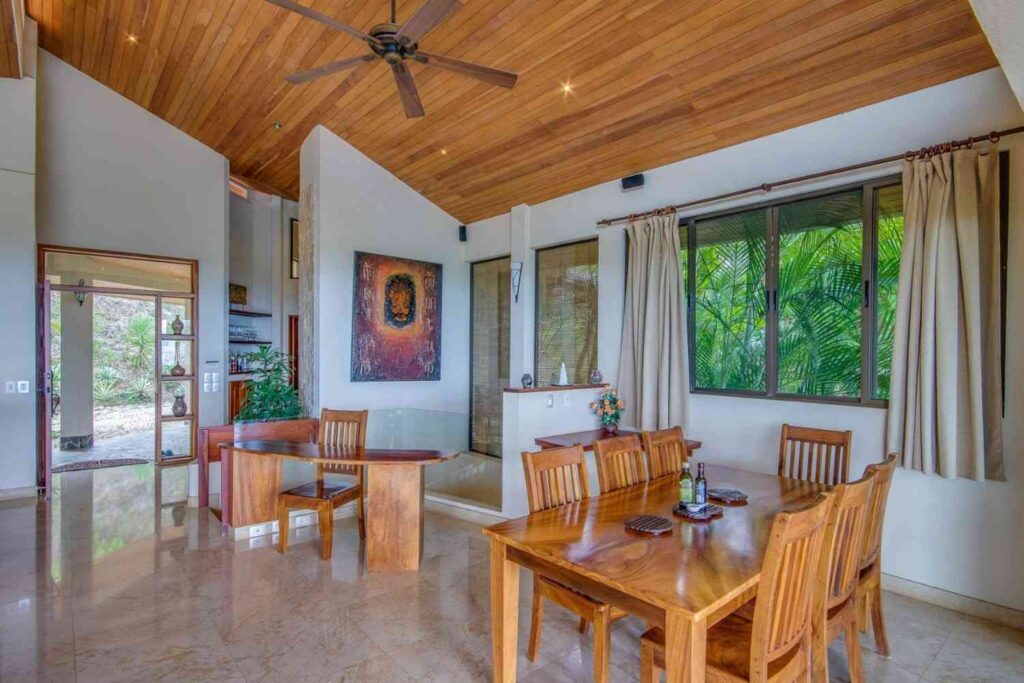
An investor optimizing for vacation rental occupancy needs proximity to the beach, walkability to restaurants and nightlife, and a property profile that appeals to short-term renters. A retiree seeking a quiet primary residence values entirely different things: low ambient noise, a strong local community, and a neighborhood rhythm that supports daily life rather than peak-season tourism.
Why Daily Life Rhythm, Expat Density, and Community Culture Should Drive Your Choice
Most buyers focus on price per square foot and ocean proximity. The buyers who are happiest five years in also factored in what the neighborhood feels like at 7am on a Tuesday in June, not just during peak season. How far is the nearest well-stocked grocery store? Is there a community of other expats you can connect with, or will you be navigating everything solo? Does the town center feel alive and social, or quiet and local?
These aren’t secondary questions. For a buyer who will spend significant time in their property, the daily life experience matters as much as the investment fundamentals.
Playas del Coco: The Social Hub with Year-Round Infrastructure
Who Thrives Here and Who Finds It Too Lively
Playas del Coco is the commercial and social center of the Gold Coast. The town has a functioning main street with grocery stores, pharmacies, banks, restaurants, bars, and enough expat density to make settling in relatively straightforward for a North American buyer. It’s the area with the most established infrastructure and the widest variety of property inventory, from entry-level condos to oceanfront homes.
Buyers who thrive here are social, comfortable with ambient activity, and value convenience over tranquility. Retirees who want neighbors to have dinner with, access to services without a long drive, and a lively beach scene during high season tend to love it. Buyers who prioritize quiet and privacy sometimes find the town center energy too persistent, particularly during holidays and weekends.
Vacation Rental Suitability and Occupancy Dynamics
Coco delivers among the strongest vacation rental occupancy rates on the Gold Coast precisely because of that infrastructure. Short-term renters want walkability, restaurant access, and a lively atmosphere. Well-positioned rentals in Coco see strong occupancy during the November-to-April dry season and moderate bookings through the green season, particularly for properties with pools and strong online marketing.
Playa Hermosa: Low-Key, Local, and Increasingly Sought-After
The Quiet Alternative for Primary Residence Buyers
Eight kilometers south of Coco, Playa Hermosa has a distinctly different character. The beach is long, calm, and largely uncrowded. The town is quieter, more local in feel, and less developed commercially, which is precisely the appeal for buyers who want to live in Costa Rica rather than in an expat enclave.
Hermosa has gained real momentum over the past several years as primary residence buyers, particularly retirees, have discovered that the trade-off in amenities access is worth the gain in peace and community feel. Property values have tracked upward accordingly, but entry points remain more accessible than comparable ocean-proximity properties in Coco.
Trade-Offs Compared to the Coco Town Center
The honest trade-off is simple: you will drive to Coco for most services. There are restaurants and a small commercial strip in Hermosa, but for grocery shopping, banking, and broader services, Coco is your hub. For buyers with a car, which is essentially everyone living in this region, that’s a 10-minute drive that most residents consider entirely manageable.
Playa Ocotal: Boutique, Elevated, and Underrated
Why This Pocket Appeals to the Discerning Buyer
Ocotal sits just 3 kilometers from Coco but feels like a different world. The bay is small, sheltered, and dramatic, with a rocky headland framing a calm cove and some of the clearest water on this stretch of coast. The community is tight-knit, the development is low-density, and the resident profile skews toward buyers who have done their homework and specifically sought this pocket out.
Properties here tend to be hillside homes and villas with ocean views that justify the price premium. If you want to wake up to a postcard every morning and don’t need to walk to a restaurant for lunch, Ocotal delivers consistently.
Practical Considerations: Amenities Access and Distance
Ocotal’s primary practical limitation is the same as Hermosa’s: you rely on Coco for services. The access road is manageable but not a casual walk. Buyers who are comfortable with car dependency will find it perfectly livable. For most retirees with a vehicle, the short drive is a small price for the lifestyle return.
The Papagayo Peninsula and Playa Panama: Luxury, Resorts, and a Different Price Reality
Where the Peninsula Fits for the Ultra-Premium Buyer
The Papagayo Peninsula represents a fundamentally different market segment from the Coco Beach communities. The Four Seasons, Andaz, and a collection of ultra-premium residential developments define the tone here. Properties routinely transact well above $1 million, and the lifestyle centers on resort amenities, private marina access, and an insulated community that is largely self-contained.
Playa Panama, just north of the Peninsula proper, is somewhat more accessible in price while still offering a quiet bay, lower density, and proximity to the Peninsula’s amenities.
How Papagayo Compares as an Investment Vehicle vs. a Lifestyle Choice
As a lifestyle choice for buyers with the budget, Papagayo delivers an unmatched product. As a pure investment vehicle, the math is more nuanced. The ultra-premium rental market is shallower than the broader vacation rental market, and achieving strong occupancy requires targeting a specific high-spend traveler. Buyers who purchase in Papagayo typically do so because they want to use the property heavily themselves and are less dependent on rental income to justify the purchase.
Which Neighborhood Is Best for You?
The honest answer is that no single neighborhood dominates every buyer profile. The matrix below maps the key trade-offs directly.
Neighborhood Decision Matrix: Matching Buyer Profile to Gold Coast Communities
| Playas del Coco | Playa Hermosa | Playa Ocotal | Papagayo / Panama | |
|---|---|---|---|---|
| Investor ROI Suitability | High. Walkability and infrastructure drive consistent short-term rental demand across price points. | Moderate. Growing demand but thinner rental pool than Coco. Works best for buyers with longer time horizons. | Moderate to Low. Premium pricing and limited inventory narrow the renter profile. Higher per-night rates but fewer bookings. | Variable. Strong rates at the top end, but shallow market volume. Best for buyers who will use the property heavily. |
| Primary Residence Livability | High for social buyers. Full services, expat community, and year-round activity. Lower for buyers who prioritize quiet. | High for lifestyle buyers. Calm, local feel with easy access to Coco. Strong choice for full-time retirees. | High for those who value privacy and views over walkability. Requires comfort with car dependency. | High within the enclave. Resort-quality lifestyle but limited integration with the broader local community. |
| Expat Community Density | Highest on the Gold Coast. Established networks, English-language services, and an active social calendar. | Moderate and growing. Smaller, more personal community. Less structured than Coco. | Low to Moderate. Small, self-selected community of buyers who specifically sought this pocket. | Low to Moderate. More international, ultra-high-net-worth profile than North American retiree community. |
| Price-Per-Value Score | Strong. Wide inventory range means more buyers can find a fit. Best value diversity on the coast. | Good. Prices have appreciated but remain below comparable Coco inventory. Best value for primary residence buyers. | Fair. Premium pricing relative to amenities access. Value comes from views and exclusivity, not convenience. | Low for value seekers. Pricing reflects resort amenities and brand adjacency rather than local market comparables. |
The clearest heuristic: if rental income is your primary goal, center your search in Coco. If daily quality of life is your priority, Hermosa and Ocotal deserve serious consideration. If budget is flexible and lifestyle is the entire point, Papagayo is its own category.
What Properties Are Actually Available: Homes, Condos, Lots, and Beachfront Estates
The Honest Inventory Picture: What the Costa Rica MLS Shows and What It Doesn’t
How Property Types Break Down Across Price Points
Costa Rica has a functioning MLS system, but it operates differently from the MLS you may be familiar with in the U.S. or Canada. Listing data is less standardized, coverage is incomplete, and a meaningful portion of available inventory, particularly off-market lots and estate sales, circulates through agent networks rather than public databases.
What the Costa Rica MLS does show reliably is the broad shape of the market: condos from roughly $150,000 to $600,000 across the Gold Coast communities, single-family homes from around $250,000 to well above $1 million depending on location and condition, and land parcels ranging from modest residential lots to large ocean-view parcels. The actual inventory available at any given moment is broader than what any single search portal reflects.
Understanding Ocean View vs. Oceanfront vs. Beachfront, and Why the Distinction Matters
These three terms are used loosely in Costa Rican listings, and the differences in price and lifestyle are substantial.
- Beachfront means the property lot touches the beach boundary directly. In most cases, the property sits within or adjacent to the maritime zone, the first 200 meters from the high tide line, which triggers specific legal considerations addressed in the due diligence section below.
- Oceanfront typically describes a property with direct visual and often physical proximity to the ocean, often on a bluff or hillside with unobstructed water views and easy beach access.
- Ocean view can mean anything from a sliver of blue visible between two buildings to a sweeping 180-degree panorama from an elevated lot. Always confirm what the view actually looks like from the living areas, not from the highest point on the lot on a clear day.
That distinction between “view from the master bedroom” and “view if you stand on the roof” matters considerably when you’re making a purchasing decision from photos alone.
Can You Buy a House in Costa Rica for $50,000?
Technically, yes. Properties at that price point exist in Costa Rica, generally in rural areas with limited services, older construction, or significant deferred maintenance. In the Coco Beach region specifically, a $50,000 budget will not buy a habitable residential property in a location relevant to the lifestyle or investment goals of most foreign buyers.
The real entry point for the Gold Coast market starts around $150,000 to $175,000 for a modest studio or one-bedroom condo in an established development, and around $250,000 to $300,000 for a two-bedroom condo or small home with a reasonable location and condition.
Setting Realistic Expectations Across the $150K to $1M+ Spectrum
A useful way to frame the market:
- $150K to $300K gets you a well-located condo with shared amenities, often in an HOA-managed complex with a pool. Good rental potential and a lower maintenance burden. This is the ideal entry point for first-time buyers.
- $300K to $550K opens up larger condos, townhomes, and smaller single-family homes in established neighborhoods. This range offers the best balance of livability, rental suitability, and value retention.
- $550K to $1M moves into ocean-view homes, hillside villas, and premium condo units with high-end finishes. Properties in this range often compete on uniqueness rather than comparables.
- Above $1M, you’re buying into beachfront estates, Papagayo-adjacent properties, or custom homes on premium view lots. The market is thinner, negotiation dynamics differ, and due diligence becomes even more critical.
Condos vs. Single-Family Homes vs. Raw Land: Which Makes Sense for Your Goals?
HOA and COA Considerations That Come with Condo Ownership
Condos are the most common entry point for foreign buyers, and for good reason. A well-run condominium development handles exterior maintenance, grounds, pools, and security through a Condominium Owners Association (COA) funded by monthly fees. For a buyer managing a property remotely, that structure reduces the management burden significantly.
The trade-off is that you inherit the HOA’s financial health, governance quality, and existing obligations when you buy. A condo in a development with three months of reserves and a contentious board is a very different product than a condo in a professionally managed complex with strong financials. Always request the COA’s financial statements, reserve fund status, and meeting minutes before making an offer. This is standard due diligence that too many buyers skip.
Why Lot Purchases Require a Different Level of Due Diligence
Raw land offers the highest upside and the highest complexity. Before any lot purchase on the Gold Coast, you need confirmed answers on title status and any encumbrances, proximity to the maritime zone boundary, municipal zoning and permitted uses, infrastructure access for water, power, and road, and realistic construction cost estimates for the region.
Construction costs in Guanacaste have risen materially in recent years. Buyers who purchased land expecting to build at one price point are now navigating meaningfully higher costs depending on specifications and site conditions. Budget realistically before committing to land with a specific build in mind.
The Legal and Financial Realities Every Foreign Buyer Must Understand Before Signing
What Are the Legal Requirements for Foreigners Buying Property in Costa Rica?
The Escritura Pública and Registro Nacional: What These Mean in Plain English
Every property transfer in Costa Rica is formalized through an escritura pública, a public deed drafted and executed before a licensed Costa Rican notary attorney. This is not a private contract between buyer and seller. It is a formal legal instrument that must be registered with the Registro Nacional, Costa Rica’s National Registry, to complete the transfer of title.
The Registro Nacional is the authoritative public record of who owns what, and what encumbrances, mortgages, or liens exist against a given property. A clean title search through the Registro Nacional is not optional. It is the foundation of every legitimate purchase.
The Role of a Costa Rican Attorney and Why This Is Non-Negotiable
In Costa Rica, the notary who executes the deed must be a licensed attorney. But the attorney handling your transaction should be doing far more than executing paperwork. Your attorney should conduct the title search, verify there are no outstanding municipal taxes or service debts tied to the property, confirm the property’s status under maritime zone regulations if applicable, structure the ownership vehicle, whether direct ownership or a corporate holding structure, and manage the transfer of funds through a compliant escrow process.
The cost of a qualified real estate attorney is a small fraction of your purchase price. The cost of not having one, or of using an attorney with a conflict of interest, can be significant. Hire your own attorney, independent of the seller’s representation.
How Long the Purchase Process Takes from Offer to Title
A standard residential transaction in Costa Rica moves from accepted offer to recorded title in roughly 30 to 60 days, assuming no complications with title, financing, or document preparation. Cash transactions move faster than financed ones. Title issues, incomplete seller documentation, or delays in the Registro Nacional can extend that timeline.
From initial search to closing, most buyers complete their purchase in 60 to 120 days, including property selection, due diligence, negotiation, and legal processing.
Closing Costs, Transfer Taxes, and the Numbers That Often Go Unmentioned
A Realistic Closing Cost Budget for Buyers
Budget approximately 3.5% to 4% of the purchase price for total closing costs as a buyer. That covers:
- Property transfer tax: 1.5% of the registered property value
- Documentary stamp taxes and registration fees: approximately 0.5% to 0.6%
- Legal and notary fees: typically 1% to 1.25%, negotiable on higher-value transactions
- Miscellaneous registration and certification costs
Some sellers contribute to closing costs as a negotiating point, but the default assumption should be that the buyer covers the above. Do not rely on back-of-envelope estimates from a listing agent. Get a written cost estimate from your attorney before you sign a purchase agreement.
Escrow, Wire Transfers, and How Money Moves Safely Across Borders
Costa Rican real estate transactions are typically conducted via international wire transfer to an escrow account held by a licensed escrow company or attorney trust. Escrow protects both parties: the buyer’s funds are held until all conditions are satisfied, and the seller receives payment only upon confirmed title transfer.
Use a reputable escrow service recommended by your attorney or a trusted local firm. Wire fraud targeting real estate transactions is a global problem. Always confirm wire instructions by phone with a verified contact before initiating any transfer.
Due Diligence in Costa Rica: What You Must Verify Before Any Commitment
Title Searches, Maritime Zone Laws, and the Concession Land Risk
The most consequential due diligence step in a Costa Rican purchase is the title search, and the most consequential factor within that search is maritime zone status.
Costa Rica’s Maritime Zone Law governs the first 200 meters from the mean high tide line on all beaches. The first 50 meters are public domain and cannot be privately owned by anyone. The next 150 meters, known as the “restricted zone,” can only be held through a municipal concession, a government-granted right to occupy and use the land rather than fee simple ownership. Concession land cannot be legally held in the name of a foreigner who has not been a legal resident for at least five years, and concessions can be revoked under specific conditions.
Properties marketed as “beachfront” may be concession properties. That is not necessarily disqualifying, but it requires a completely different legal analysis than a standard fee simple purchase. Understand exactly what you’re buying before you fall in love with the location.
Why 18 Years of Local Experience Changes the Due Diligence Equation
A title search is a technical process, but recognizing what to look for, and what questions to ask when something looks unusual, requires the kind of pattern recognition that only comes from real transaction volume. A firm that has been operating in this specific market since 2006 has seen the edge cases: the title that looked clean until you pulled the adjacent parcel history, the development with undisclosed HOA litigation, the lot that straddled a maritime zone boundary that wasn’t obvious from the cadastral map.
That institutional knowledge doesn’t replace your attorney’s legal review. It complements it. When your real estate advisor and your attorney are working from the same local context, due diligence gaps close faster and more completely than when either is operating in isolation.
The True Cost of Ownership: What You’ll Actually Pay After the Purchase Price
Most foreign buyers arrive at the closing table with a clear picture of the purchase price and a fuzzy picture of everything that follows. That gap is where budgets get surprised. The true cost of owning a property on Costa Rica’s Gold Coast is predictable, but only if you’ve been given the full picture upfront.
Property Taxes in Costa Rica for Foreign Owners
Costa Rica’s annual property tax rate is 0.25% of the registered property value. On a $300,000 property, that’s $750 per year. On a $500,000 property, roughly $1,250. These are among the lowest property tax rates in the Americas, and they apply equally to foreign and domestic owners.
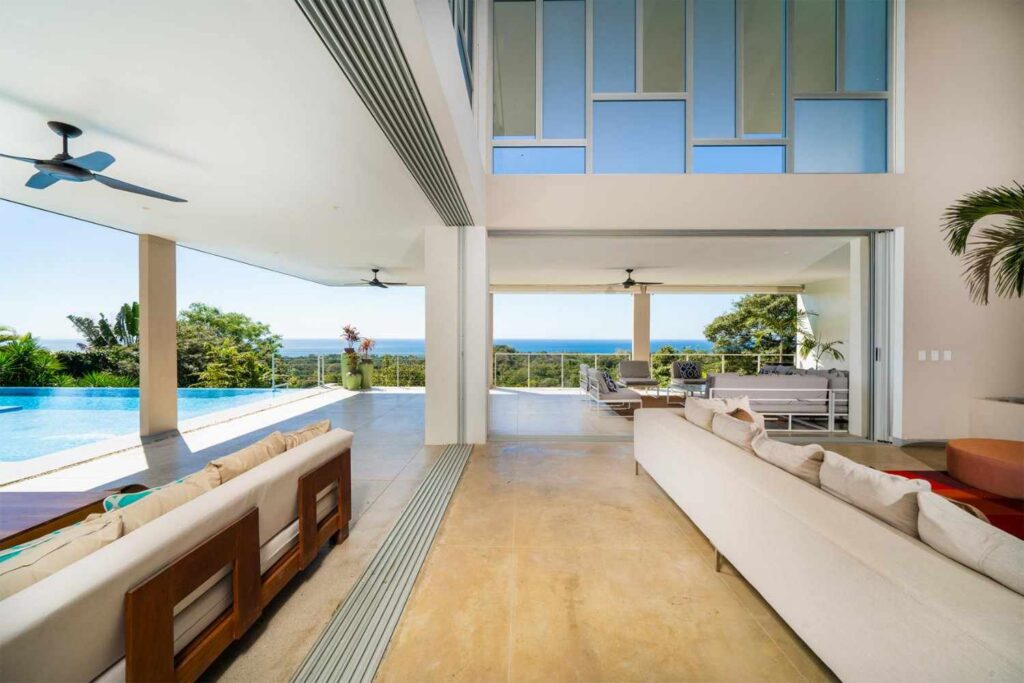
The registered value, the figure the tax is assessed against, is often lower than the actual market value, particularly for older properties or those in areas where cadastral assessments haven’t kept pace with appreciation. This is not a loophole to rely on. Costa Rica periodically updates valuations, and newer transactions tend to register at or near purchase price. Budget at the market rate to avoid surprises.
There is also a luxury home tax, known as the Impuesto Solidario, that applies to residential properties above a value threshold that adjusts periodically. Rates are progressive, starting at 0.25% and rising incrementally on higher-value properties. If your property falls above the threshold, your attorney should walk you through the calculation at the time of purchase.
The Fees That Catch Buyers Off Guard
The closing cost breakdown covered earlier is the headline. What often surprises buyers are the smaller line items that accumulate: municipal certification fees, property condition reports, cadastral surveys when a boundary is unclear, and escrow wire fees. None are enormous individually, but buyers who budget only for the headline percentage sometimes find themselves short at closing.
One expense that deserves specific mention: if you’re purchasing through a holding corporation, a common structure for foreign buyers managing multiple assets or planning eventual estate transfer, the corporation setup and annual maintenance carry their own costs, typically a few hundred dollars per year in legal and tax filing fees.
Annual Maintenance, HOA Fees, and the Ongoing Cost of Owning in a Tropical Climate
This is where the Gold Coast ownership experience diverges sharply from owning property in a dry northern climate. Guanacaste’s environment is beautiful, and it is also relentless on buildings. Heat, humidity, salt air, and seasonal heavy rainfall accelerate wear on paint, wood, roofing, air conditioning systems, and pool equipment in ways that North American buyers routinely underestimate.
What HOA and COA Management Actually Covers, and What Gaps to Watch For
A well-run condominium association handles exterior maintenance, grounds, security, and shared amenities like pools and gates. Monthly COA fees in the Coco Beach area typically range from $150 to $500 per month for a standard condo unit, depending on the development’s amenities and management quality.
What the COA does not cover is anything inside your unit. HVAC servicing, interior paint, plumbing, appliances, and repairs specific to your property are your responsibility. The distinction matters because buyers who assume the HOA handles everything tend to under-budget for unit-level upkeep.
Before purchasing in any condominium development, request the association’s reserve fund statement. A reserve fund that is underfunded relative to the building’s age and infrastructure needs is a liability you are inheriting. Special assessments, one-time charges levied on all unit owners to cover capital repairs, are the mechanism associations use when reserves fall short. They are legal, they can be substantial, and they happen in developments where reserve planning was inadequate.
Utility Costs, Insurance, and Property Upkeep in Guanacaste’s Climate
Monthly utility costs for a two-bedroom property in the Coco region average $150 to $300, depending on air conditioning usage. Costa Rica’s electricity rates are moderate, but air conditioning in a tropical climate runs consistently for much of the year. Water and internet add another $75 to $100 monthly.
Property insurance is available and strongly recommended. Annual premiums for a $300,000 property run approximately $1,500 to $2,500 depending on construction type, location, and coverage. Flood and wind coverage are the key considerations in this climate.
For standalone homes, budget an additional $2,000 to $4,000 annually for ongoing maintenance, covering pool service, landscaping, pest control, exterior repainting on the standard three-to-four year tropical cycle, and HVAC service. Properties that sit vacant for extended periods require additional attention. A house that isn’t regularly occupied and ventilated accumulates mold and pest issues faster than one that is actively used.
How Much Does It Cost to Hire a Property Manager in Costa Rica?
Property management fees in Costa Rica typically run 10% to 15% of gross rental revenue for vacation rental management, which includes marketing, booking coordination, guest communication, check-in and checkout, and basic maintenance oversight. Some managers charge a flat monthly fee for non-rental oversight of a primary or vacant residence, typically $150 to $300 per month depending on scope.
The fee is only part of the equation. The quality variance in property management on the Gold Coast is significant. A capable local manager who responds quickly to maintenance issues, maintains strong relationships with reliable contractors, and actively markets your rental can materially outperform a cheaper alternative who handles bookings reactively and defers maintenance. When evaluating management services, ask about their contractor network, average response time for maintenance calls, and how they handle guest issues during stays.
Building an Honest Annual Cost-of-Ownership Budget
The figures below model a $350,000 two-bedroom condo in Playas del Coco operated as a part-time vacation rental. These are illustrative ranges based on typical market conditions, not guarantees.
- Property tax: $875
- Luxury home tax (if applicable): $875
- COA / HOA fees: $2,400 to $4,800
- Utilities during owner periods and common area: $1,800 to $2,400
- Property insurance: $1,750 to $2,200
- Interior maintenance and repairs: $1,500 to $2,500
- Property management fee at 10% of gross revenue: $2,500 to $4,000, assuming $25,000 to $40,000 gross rental income
- Corporation maintenance if applicable: $400 to $600
Total annual carrying cost lands at roughly $12,000 to $18,000, not including mortgage payments, since most foreign buyers purchase in cash. Net that figure against realistic rental revenue and you have the honest picture that most listing presentations skip entirely.
Vacation Rental Potential: A Grounded Look at What You Can Realistically Expect
The vacation rental projections you’ll see in listing presentations are almost always gross revenue estimates at optimistic occupancy. What you actually need is a net return calculation that accounts for management fees, platform commissions, operating costs, and the real occupancy pattern of this specific market.
Rental Returns for Vacation Properties in Playas del Coco
Occupancy Patterns, Dry Season Peaks, and the Off-Season Reality
The Gold Coast rental calendar is seasonal. The dry season, roughly mid-November through April, is the peak period. Well-positioned properties in Playas del Coco see strong occupancy during this window, with nightly rates that support the high-season premium.
The green season, May through November, tells a different story. Occupancy drops materially for most properties. Rain is frequent in the afternoons, the beach scene is quieter, and the renter pool is thinner. Some properties do well year-round by targeting long-term monthly renters during the green season, a strategy that stabilizes income but requires a different management approach.
The buyers who are happiest with their rental returns planned for the seasonal reality from the start. The buyers who are frustrated expected peak-season performance across 12 months.
Gross Revenue vs. Net Return: The Numbers That Matter
A $350,000 condo in a well-run Coco development might generate $35,000 to $50,000 in gross rental revenue in a strong year. After platform commissions, management fees, operating costs allocated to rental periods, and the annual carrying costs outlined above, net rental income lands closer to $18,000 to $28,000.
That represents a net yield of roughly 5% to 8% on the purchase price, which is competitive for a vacation property in a dollar-denominated coastal market, but meaningfully different from the higher figures that sometimes appear in promotional materials. A grounded 5% to 8% net yield on a property you can also use personally, in a stable currency, in a market with consistent demand, is a genuinely solid outcome. It just requires going in with accurate expectations.
What Separates High-Performing Rentals from Underperforming Ones in This Market
Two identically located condos in the same development can generate dramatically different rental revenue. The gap is almost never location. It’s execution.
Professional Photography, Pricing Strategy, and Platform Management
Listings with professional photography consistently outperform those with phone photos. On visual platforms like Airbnb and VRBO, the difference between a listing that stops a browser and one that gets scrolled past is almost entirely photographic. Budget for a professional shoot before your first rental season.
Pricing strategy matters equally. Static rates set once at the start of the season leave money on the table during peak demand windows and lose bookings during slower periods. Dynamic pricing tools and manual rate adjustments around local events, holiday weekends, and shoulder-period promotions require active management, the kind that most absentee owners cannot provide from thousands of miles away.
How On-the-Ground Property Management Directly Impacts Rental Revenue
A local property manager’s impact on your revenue is not just administrative. Managers who respond quickly to maintenance requests protect your review scores. Managers who know the local contractor network get repairs done in hours rather than days. Managers who actively monitor your occupancy against local market conditions can flag when your pricing is out of step with demand.
The difference between a good property manager and an indifferent one can easily amount to thousands of dollars in net revenue annually. Hire for competence, not just for price.
The Remote Ownership Reality: Why Managing from Abroad Requires a Local Partner
Every foreign owner who tries to self-manage a Gold Coast rental from North America eventually arrives at the same conclusion: it doesn’t work reliably. Time zone gaps mean guest inquiries go unanswered during their waking hours. Maintenance issues that could be resolved in an afternoon stretch into multi-day problems. Reviews suffer and occupancy drops.
This is not a criticism. It’s a structural reality. Your property exists in a place where the workday starts when you’re asleep and where a plumber’s availability depends on relationships you haven’t had years to build. A trusted local management partner is not an optional add-on to remote ownership. For most buyers, it’s what makes remote ownership viable at all.
Quick-Pick: What Kind of Buyer Are You?
Ask yourself one honest question: how do you plan to use this property most of the time?
If you want income with occasional personal use, a Coco condo in a well-managed rental program is your clearest path. Expect seasonal occupancy, realistic 5% to 8% net yields, and a property that pays much of its own carrying costs.
If you want a personal retreat that can offset some costs, a Hermosa or Ocotal home with flexible rental availability during your absence makes more sense than chasing occupancy metrics that the location can’t support.
If you’re relocating or spending significant time here, stop optimizing for rental yield and start optimizing for daily livability. A property that makes you genuinely happy to wake up in every morning is worth more than one that generates a modest premium while you’re somewhere else.
The Post-Purchase Partnership: Why the Real Work Begins After Closing
The Gap That Most Real Estate Firms Leave Open the Moment You Sign
The transaction model of real estate creates a structural incentive to focus on the sale. Most firms are organized around that transaction. They have excellent systems for finding properties and processing closings, and limited infrastructure for what happens after.
For a foreign buyer, that gap appears immediately. The deed is recorded, the keys are handed over, and the agent who spent months answering your questions is now focused on the next client. You are left with a property in another country, a set of contacts you may or may not be able to reach, and a growing list of questions that nobody told you to ask before closing.
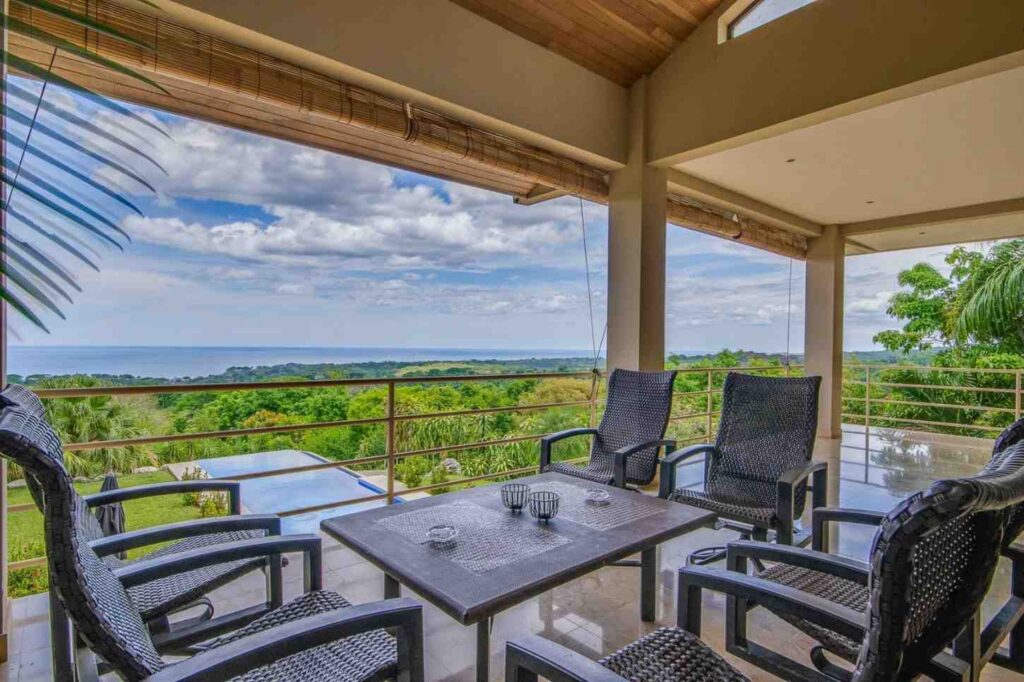
That gap is not inevitable. It’s a choice that firms make about how they’re organized.
What Full-Lifecycle Property Support Actually Looks Like in Practice
A lifecycle approach to foreign ownership means the relationship continues, and in many ways deepens, after closing. The practical components of that support include the following.
Purchase Facilitation and Legal Coordination
The purchase process itself is the foundation. Attorney coordination, due diligence oversight, title search review, escrow management, and closing logistics all require local presence and established relationships to execute smoothly. A firm that has processed hundreds of transactions in this specific market brings pattern recognition that speeds the process and catches issues that first-time buyers and their attorneys might otherwise miss.
Ongoing Property Management and Preventive Maintenance
Once you own the property, someone needs to manage it, not just reactively when something breaks, but proactively. Preventive maintenance in a tropical climate means scheduled AC servicing, pool chemical management, exterior inspections before and after rainy season, and regular pest control. A management partner who tracks these cycles and executes them without waiting for the owner to ask is materially different from one who responds to problems after they develop.
Vacation Rental Marketing, Guest Management, and Revenue Optimization
For rental properties, the management function extends to the full guest experience cycle: platform listing management, pricing optimization, inquiry response, check-in coordination, property inspection between stays, and review management. These tasks require daily attention during peak season and consistent attention year-round. They are genuinely difficult to execute from another country, and the cost of doing them poorly is measured in lost occupancy and damaged review scores.
HOA and COA Administration for Community Properties
Condominium ownership adds a layer of institutional engagement that surprises many foreign buyers. HOA meetings, annual budget reviews, special assessment votes, and maintenance coordination with the association all require local follow-through. A lifecycle partner who attends meetings, monitors reserve fund health, and flags issues before they become expensive is protecting your investment in ways that are invisible until the moment they aren’t.
Why 18 Years on the Gold Coast Changes What “Local Expertise” Actually Means
The phrase “local expertise” is used generously in real estate marketing. What it actually means in practice is the accumulated product of specific transactions, specific problems solved, and specific relationships built over time in one market.
A firm that has operated in the Coco Beach real estate market since 2006 has navigated full market cycles. It has seen major corrections, recoveries, the COVID-era freeze, and the buyer surge that followed. It has relationships with the attorneys, notaries, municipal officials, contractors, and property managers who determine whether your ownership experience is smooth or difficult. It has the transaction history to recognize when something about a deal doesn’t look right, and the standing in the community to find out why.
That is not something a newer entrant can replicate with a good website and a larger listing database. Local expertise is specific, accumulated, and earned over time.
What It Means to Have Someone in Your Corner Five Years After Closing
Five years after a closing, most transaction-focused firms have no remaining relationship with the buyer. The buyer is managing their property through whoever they could find, navigating HOA disputes with imperfect information, and wondering why the rental income projections they were given haven’t materialized.
A lifecycle partner is still the first call you make. When the rainy season reveals a drainage issue that wasn’t visible during the dry-season inspection, you call. When the COA proposes a special assessment that seems disproportionate, you call. When you’re ready to sell and want to understand what the current market will bear, you call.
That continuity is not sentiment. It is the specific, practical resource that transforms foreign property ownership from an anxious exercise in remote problem-solving into the reliable, rewarding experience you imagined when you first started researching coco beach costa rica real estate.
Your Confident Next Step into Coco Beach Real Estate
The Foreign Buyers Who Succeed Here Share One Thing in Common
Across 18 years and hundreds of transactions on Costa Rica’s Gold Coast, the buyers who look back on their purchase with genuine satisfaction share a consistent trait. They did not move the fastest. They did not find the lowest price. They made a considered decision with full information, chose the right neighborhood for their actual goals, and surrounded themselves with people who had strong incentives to see them succeed long after closing.
The buyers who struggle share the opposite pattern. They moved quickly, relied on incomplete information, and discovered post-purchase that the support infrastructure they assumed was in place didn’t exist.
The good news is that the informed path is completely available to you. This market is well understood by the people who operate in it daily. The legal framework is clear. The costs are knowable. The right neighborhoods for the right buyer profiles are identifiable. None of this requires guesswork. It requires the right guide.
What a First Conversation with a Lifecycle Partner Actually Looks Like
A first conversation with our team is not a sales pitch. It is a listening exercise. We want to understand your timeline, your budget, how you plan to use the property, what would make this purchase feel successful in year five, and what concerns are keeping you up at night.
From that conversation, we give you an honest assessment of what the market can offer for your specific goals, including the cases where Coco Beach is not the right fit, or where we’d recommend slowing down to resolve a question before proceeding. That candor is not a courtesy. It’s what makes a long-term advisory relationship work.
Start the Journey, Without Pressure and Without Obligation
You’ve invested real time in understanding this market. You now have a clearer picture of the neighborhoods, the legal structure, the true costs, the realistic rental returns, and what post-purchase support should actually look like. That foundation matters.
The next step is a conversation, not a commitment. Reach out, tell us where you are in your thinking, and let’s figure out together whether the Gold Coast is the right place for you, and if it is, what the right property actually looks like for your life.
Frequently Asked Questions
Is it safe to buy real estate in Costa Rica as a foreigner?
Yes. Costa Rica’s constitution explicitly guarantees property rights to non-citizens, and that legal protection has been consistent across administrations for decades. There are no foreign ownership restrictions on titled residential property. The risks that do exist are process risks, stemming from incomplete due diligence or transactions conducted without qualified legal representation, not political or structural ones. With a reputable local firm and an independent attorney, those risks are highly manageable.
Do I need to be a resident to own property in Costa Rica?
No. You can purchase and own property in Costa Rica as a tourist or non-resident foreigner. Your ownership rights are identical to those of a legal resident or citizen. Many buyers own property for years before pursuing residency, and some never pursue it at all. Residency only becomes relevant if you plan to live in the country for more than 90 days per year, run a local business, or access certain public services.
What are the legal requirements for foreign buyers purchasing property in Costa Rica?
Every property transfer is formalized through an escritura pública, a public deed executed before a licensed Costa Rican notary attorney and registered with the Registro Nacional. As a foreign buyer, you are not required to have residency or a special permit. You are, however, strongly advised to retain your own independent attorney to conduct a title search, verify there are no outstanding debts against the property, confirm maritime zone status if applicable, and manage your escrow process. This legal representation is where the protection happens.
What are property taxes like in Costa Rica for foreign owners?
Costa Rica’s annual property tax rate is 0.25% of the registered property value, which is among the lowest in the Americas and applies equally to foreign and domestic owners. On a $400,000 property, that amounts to $1,000 per year. There is also a luxury home tax, the Impuesto Solidario, that applies progressively to higher-value residential properties above a threshold that adjusts periodically. Your attorney can walk you through both calculations at the time of purchase so there are no surprises after closing.
How much does it cost to hire a property manager in Costa Rica?
For vacation rental management, fees typically run 10% to 15% of gross rental revenue, covering marketing, bookings, guest communication, check-in and checkout, and basic maintenance oversight. For non-rental oversight of a primary or vacant home, flat monthly fees generally range from $150 to $300 depending on scope. Quality varies significantly across providers, so ask specifically about contractor relationships, maintenance response times, and how they handle in-stay guest issues before making a decision.
Where is the best place for Americans to buy in Costa Rica?
Guanacaste’s Gold Coast, and Playas del Coco in particular, consistently ranks as one of the top choices for American and Canadian buyers. The combination of direct flights from major U.S. cities into Liberia’s LIR airport, a well-established expat community, dollar-denominated real estate, strong vacation rental demand, and accessible full-service amenities makes it uniquely practical for North American buyers. Within the Gold Coast, the right specific community depends on whether you’re prioritizing rental income, daily quality of life, or both. Playas del Coco leads on rental suitability and infrastructure. Playa Hermosa and Playa Ocotal offer a quieter, more private lifestyle for buyers who will spend significant time in their property.