
Luxury real estate costa rica: Why the Gold Coast Is Costa Rica’s Premier Luxury Real Estate Market
The Geographic and Economic Case
When exploring Luxury real estate costa rica, it helps to have guidance from those who know the market. Costa Rica’s Pacific South coast, the stretch from Manuel Antonio through Uvita, Dominical, and Ojochal that local insiders call the Gold Coast, outperforms every other region in the country on the metrics that matter most to serious foreign investors: price appreciation, rental yield consistency, and long-term demand fundamentals.
The geography does much of the work. The Gold Coast sits at a lower elevation than most of Costa Rica’s Pacific zones, which means a drier microclimate and longer dry-season windows than the North Pacific, without the arid dust-bowl effect that Guanacaste produces in peak summer. The result is roughly eight months of reliable beach weather anchored by a lush green backdrop year-round. That combination is rare globally, and it is a primary reason the region draws repeat visitors who eventually become buyers.
The economic case is equally specific. The Gold Coast sits within a two-hour drive of San José’s Juan Santamaría International Airport via the improved Costanera Highway, a road upgrade that functionally collapsed the access barrier that kept this coast off the mass-market radar for decades. Improved access accelerated infrastructure investment without triggering the overdevelopment that has flattened yields in parts of Guanacaste. The result is a market that still rewards early positioning but has enough infrastructure maturity to support premium rental rates and reliable property services.
Micro-Market Breakdown: Manuel Antonio, Uvita, Dominical, and Ojochal Compared
The Gold Coast is not a single monolithic market. Each of the four primary corridors attracts a distinct buyer profile and produces different yield and appreciation characteristics. Choosing the right micro-market is the first serious investment decision you will make. This dynamic makes luxury real estate costa rica one of the most exciting opportunities in Central America.
Manuel Antonio: Established Infrastructure and High Tourist Density
Manuel Antonio is the Gold Coast’s most mature market, anchored by the eponymous national park, one of Costa Rica’s most visited protected areas. Tourism infrastructure here is substantial: direct flight connections into nearby Quepos, a dense network of hotels and restaurants, and a consistent year-round visitor base that produces some of the region’s most reliable short-term rental occupancy rates.
For investors, that maturity is both an asset and a ceiling. Entry prices reflect the location’s established status, with luxury villas and oceanview estates commanding premium pricing relative to the rest of the Gold Coast. Appreciation upside is more modest than in emerging corridors, but occupancy rates for well-positioned properties regularly reach 70 to 80 percent during high season, and the rental audience skews toward higher-spending international travelers willing to pay for quality.
Uvita: The Emerging Premium Corridor with Strong Yield Fundamentals
Uvita is where investors with a five-to-ten-year horizon are concentrating capital right now. The town sits at the edge of the Marino Ballena National Park, home to the famous whale tail sandbar formation, and it has attracted a wave of boutique hotel and luxury villa development that is reshaping the area’s price profile without yet pushing values to Manuel Antonio levels. For buyers focused on luxury real estate costa rica, this point deserves careful attention.
The opportunity here is real: luxury properties in Uvita still offer meaningful appreciation potential alongside respectable short-term rental yields. The buyer and renter profile tends toward eco-conscious, higher-income travelers seeking exclusivity over resort amenities, a segment that books longer stays and generates stronger revenue per reservation than volume-driven tourist markets.
Dominical: Surf Culture Meets Boutique Luxury
Dominical occupies a distinct niche. The surf culture is genuine and deeply embedded, which has historically kept it off the radar of traditional luxury buyers, and that is precisely what makes it interesting now. A new wave of boutique luxury development is layering high-end architecture and design onto Dominical’s raw coastal character, creating a category of asset that appeals to buyers who actively want to avoid the resort hotel aesthetic.
Long-term appreciation here has been strong, driven by constrained supply, since challenging topography limits development sites, and growing demand from buyers priced out of Manuel Antonio. Rental yields can be exceptional for properties that authentically capture the Dominical experience rather than defaulting to generic luxury. This is a critical factor when evaluating luxury real estate costa rica options.
Ojochal: Culinary Destination Appeal and the Discerning Expat Buyer
Ojochal is the Gold Coast’s most quietly sophisticated market. Known improbably as one of the most restaurant-dense small towns in Central America, it has become the preferred address for discerning long-term expats and retirees who prioritize quality of life over tourist infrastructure. That buyer profile shapes everything: properties here tend toward larger land parcels, privacy-focused design, and longer holding periods.
Short-term rental yields in Ojochal trail Manuel Antonio and Uvita, but that underrepresents the market’s actual appeal. Many buyers here are not purchasing primarily as an income vehicle. They are buying a lifestyle asset with a credible appreciation thesis. For investors targeting a blend of personal use and selective rental income, Ojochal real estate is consistently undervalued relative to its quality of life offering.
What Makes This Market Resilient: Appreciation Drivers and Long-Term Demand Trends
Three structural forces underpin the Gold Coast’s long-term demand trajectory. First, Costa Rica’s political stability and property rights framework grants foreign buyers the same legal protections as citizens, removing the sovereign risk premium that discounts values in comparable tropical markets. Second, the country’s commitment to conservation, with over 25 percent of land protected, functions as a permanent supply constraint. Land that cannot be developed cannot be overbuilt, which protects the scenic character that drives premium pricing. Third, the North American retirement and remote-work migration trend has proved durable, not cyclical. The Gold Coast has become a credible permanent-residence destination for a growing cohort of buyers who historically would have limited their relationship with Costa Rica to annual vacations. Savvy investors in luxury real estate costa rica often cite this as a decisive advantage.
How Does the Gold Coast Compare to Tamarindo and Other Costa Rican Markets?
Tamarindo dominates name recognition among first-time buyers researching luxury real estate in Costa Rica, but name recognition is not the same as investment performance. The comparison is worth examining carefully.
Micro-Market Comparison Matrix: Gold Coast vs. Tamarindo
| Factor | Manuel Antonio | Uvita | Dominical | Ojochal | Tamarindo | This is why demand for luxury real estate costa rica continues to grow year on year.
| — | — | — | — | — | — |
|---|---|---|---|---|---|
| Buyer Profile | International tourist/investor | Eco-luxury investor | Boutique luxury/surfer | Expat/retiree lifestyle | First-time buyer/vacation home |
| Avg. Yield Range | 6-9% | 7-10% | 6-9% | 4-6% | 5-7% | Anyone serious about luxury real estate costa rica should factor this into their decision.
| Entry Price (Luxury) | $800K-$3M+ | $500K-$2M | $450K-$1.5M | $400K-$1.2M | $500K-$2M+ |
|---|---|---|---|---|---|
| Rental Season Length | 8-9 months | 7-8 months | 7-8 months | 6-7 months | 6-7 months |
| Infrastructure Maturity | High | Moderate-High | Moderate | Moderate | High |
| Appreciation Potential | Moderate | High | High | Moderate-High | Moderate |
| Supply Constraint | Strong | Very Strong | Strong | Strong | Moderate |
Tamarindo offers genuine infrastructure and established rental demand, but its North Pacific location produces a sharper dry season that compresses the effective rental calendar. The Gold Coast’s wetter microclimate, counterintuitively, extends rental viability because “green season” on the South Pacific is dramatically more pleasant than Guanacaste’s equivalent. Experienced investors who have owned in both regions consistently report that Gold Coast properties generate more consistent month-over-month occupancy across the calendar year.
The other distinction is market saturation. Tamarindo has absorbed substantial development capital over two decades, creating competitive supply pressure in the luxury rental segment. The Gold Coast’s later development cycle means premium properties still face less direct rental competition, supporting stronger yields for well-managed assets.
Prime Locations and Property Types: Matching the Asset to Your Investment Strategy
Beachfront Villas and Oceanview Estates: The Trophy Asset Class
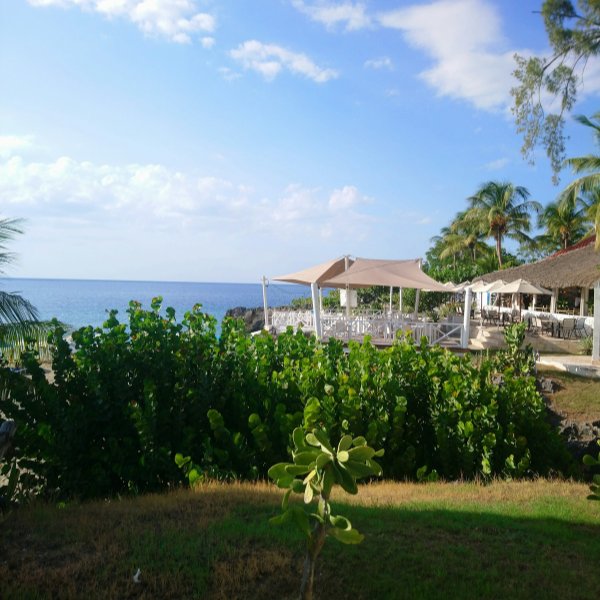
Beachfront and direct oceanview villas are the Gold Coast’s highest-profile asset class, and the most misunderstood from a pure investment perspective. The capital appreciation case for trophy oceanview properties is compelling: supply is genuinely constrained by both topography and Maritime Zone Law, and demand from high-net-worth buyers has proved remarkably inelastic through economic cycles. A well-positioned oceanview estate in Manuel Antonio or Uvita holds its value and its rental premium in ways that inland properties simply cannot match.
The rental yield story is equally strong. Luxury travelers booking Costa Rica vacations overwhelmingly prefer oceanview properties and pay meaningfully more for them, typically a 30 to 50 percent rate premium over comparable non-ocean properties. For investors who can absorb a higher entry price, that premium often produces comparable or superior net yields to lower-cost inland alternatives.
Luxury Condominiums and Gated Communities: Lower Friction, Built-In Management
For foreign investors who want quality assets without hands-on complexity, luxury condominiums and gated communities offer a structurally different value proposition. The appeal is operational simplicity: HOA infrastructure handles common area maintenance, security, and often pool and grounds management, reducing the daily operational burden on absentee owners.
The tradeoff is yield compression relative to standalone villas. Condo rental rates are lower, and HOA fees reduce net income. But for investors prioritizing reliable passive income over maximum yield optimization, a well-governed luxury condo community can deliver consistent 5 to 7 percent net returns with substantially less owner involvement. The governance quality of the HOA is the critical variable, a distinction we examine closely later in this guide.
Mountain Retreats and Jungle Compounds: Privacy Premium and Niche Rental Demand
A growing segment of luxury real estate on Costa Rica’s Gold Coast has moved inland, where dramatic jungle topography, elevation, and privacy produce a category of property that commands its own premium rental market. These are not budget alternatives to beach properties. They are a distinct product targeting a specific traveler: the wellness retreat guest, the private yoga or meditation group, the multigenerational family that needs five bedrooms and a pool surrounded by rainforest.
Yields for well-designed jungle compounds can be exceptional precisely because competition is limited and the guest profile is high-value. The operational complexity is higher than a standard villa, typically requiring on-site caretaking and specialized marketing, but full-service property management makes this category genuinely accessible to remote owners.
Development Land and Turnkey Opportunity: Entry Points for the Active Investor
Raw or semi-developed land parcels represent the Gold Coast’s highest-risk, highest-potential-return entry point. Prices for well-located parcels in emerging corridors like Uvita and Dominical remain well below where comparable oceanview land trades in established markets, a gap that experienced investors view as structural opportunity rather than a warning sign.
The key variables are title clarity, road access, public utility availability, and zoning designation. Buying development land in Costa Rica without verified title and a clear entitlement path carries real risk. With proper due diligence and local expertise, however, the same land can represent one of the strongest capital appreciation plays available in any tropical market globally.
Understanding Maritime Zone Law: What Foreign Buyers Must Know Before Purchasing Near the Coast
Maritime Zone Law is the single most misunderstood aspect of luxury real estate in Costa Rica for foreign buyers, and getting it wrong can mean purchasing something you cannot actually own. The framework governs all land within 200 meters of the mean high-tide line, creating two distinct zones with fundamentally different ownership rules.
The 50-Meter Public Zone
The first 50 meters from the mean high-tide line is designated public zone. No private ownership is permitted in this area, not for Costa Rican citizens, not for foreigners, not for corporations. Properties built within this zone exist in legal limbo regardless of what any seller or agent tells you.
The 150-Meter Restricted Zone and How Concession Titles Work
From 50 to 200 meters from the tide line lies the restricted zone. Private use is permitted here, but not through fee-simple title. Instead, users hold a government-issued concession, a renewable lease from the municipal government that grants the right to use and develop the land. Concession titles can be robust, long-term, and fully bankable, but they require specific due diligence that differs completely from standard fee-simple property review.
A concession title is only as strong as the municipal government that issued it and the renewal history behind it. Before purchasing any concession property, your attorney must verify the following:
- The concession is registered with both the municipality and the National Registry
- All municipal fee payments are current with no arrears
- The concession term and renewal conditions are clearly documented
- The underlying coastal development plan designates the area for the intended use
- No encumbrances, competing claims, or boundary disputes appear in the registry record
Many of the Gold Coast’s most desirable beachfront properties sit within the restricted zone and carry concession titles that, when properly verified, represent secure and transferable ownership rights. The mistake is not buying a concession property. The mistake is buying one without a qualified Costa Rican attorney who specializes in Maritime Zone Law conducting thorough due diligence before any funds change hands.
What Does Luxury Real Estate Actually Cost on the Gold Coast?
Purchase Price Ranges by Micro-Market and Property Type
Price ranges across the Gold Coast vary more by location and configuration than by property type alone. A luxury villa in Manuel Antonio and a luxury villa in Ojochal are fundamentally different investments, not just different addresses.
Here is how the market breaks down by corridor:
- Manuel Antonio: $800,000 to $3M+ for luxury villas and oceanview estates, with condominiums in gated communities from $350,000 to $800,000
- Uvita: $500,000 to $2M for standalone luxury homes, and development parcels from $150,000 to $600,000 depending on ocean view and road access
- Dominical: $450,000 to $1.5M for boutique luxury properties, with jungle compounds that include rental infrastructure ranging from $600,000 to $1.2M
- Ojochal: $400,000 to $1.2M, skewing toward larger land parcels with private pool compounds and multi-acre settings
The most common pricing mistake foreign buyers make is comparing dollar-per-square-foot figures across markets. On the Gold Coast, the view corridor, road access, title type, and proximity to amenities move prices far more than interior square footage. A 3,000-square-foot home with a direct whale tail view in Uvita will outperform a 5,000-square-foot home on a hillside with a partial ocean view, in both rental rate and resale value.
Closing Costs, Transfer Taxes, and Legal Fees
Budget 3.5 to 4.5 percent of the purchase price for total acquisition costs beyond the agreed sale price. That range covers the primary line items:
- Transfer tax: 1.5 percent of the registered property value
- Documentary stamps and National Registry fees: approximately 0.5 to 0.7 percent
- Attorney fees: typically 1 to 1.5 percent, negotiated based on transaction complexity
- Title search, survey confirmation, and due diligence costs: $1,500 to $3,500 depending on property type
One nuance worth understanding: Costa Rica’s transfer tax is assessed on the registered value in the National Registry, which in older transactions may be lower than the actual sale price. A qualified attorney will ensure the registration is updated accurately as part of the closing process, both to protect your ownership record and to keep you compliant with Costa Rican tax law going forward.
Total Cost of Ownership Beyond the Purchase Price
Annual Property Taxes, Insurance, and Utility Baselines
Costa Rica’s annual property tax rate is 0.25 percent of the registered fiscal value, among the lowest in the Western Hemisphere for a country with stable property rights. On a $1M property, that translates to roughly $2,500 per year, assuming a registered value that reflects market reality.
Homeowner’s insurance for a luxury villa typically runs $3,000 to $8,000 annually, depending on construction type, replacement value, and whether the policy includes contents coverage for rental furnishings. Utilities, including electricity, water, internet, and basic services, average $400 to $900 per month for a well-maintained luxury property, with electricity being the primary variable driven by air conditioning and pool use.
HOA and COA Fees: What They Cover and What They Don’t
HOA and COA fees in Gold Coast luxury communities range from $200 to $800 per month. What they actually cover varies significantly. Most fees include security, common area maintenance, road upkeep, and shared amenity management such as pools, tennis courts, and gardens. What they frequently do not cover: individual unit exterior maintenance, adequately funded reserve contributions, and responsive management of owner concerns.
The governance quality behind the fee matters more than the fee amount itself. We examine HOA governance in detail in its own section later in this guide, because it is genuinely one of the most consequential variables in long-term net returns for absentee owners.
Property Management Fees and Maintenance Reserves
Full-service property management for a luxury rental property on the Gold Coast typically costs 20 to 30 percent of gross rental revenue, covering guest services, turnover coordination, routine maintenance oversight, and owner reporting. Some firms charge lower percentages but add fees for maintenance coordination, inspections, and accounting. Always ask for a total cost illustration, not just the headline percentage.
Beyond management fees, budget a maintenance reserve of 1 to 1.5 percent of property value annually. Tropical environments accelerate wear on roofing, exterior finishes, HVAC systems, and pool equipment. Properties that skip reserve discipline face compounding deferred maintenance that erodes both rental quality and resale value.
How Currency Fluctuations and Costa Rican Tax Policy Affect Long-Term Returns
The Costa Rican colón has been relatively stable against the US dollar over the past decade, and the vast majority of Gold Coast luxury real estate transactions, including rental rates, management fees, and resale prices, are denominated in US dollars. That dollar denomination is a meaningful structural advantage for North American investors: your rental income, your property valuation, and your eventual resale proceeds are not exposed to colón exchange risk.
Costa Rican tax policy creates one meaningful obligation for rental property owners. Rental income generated in Costa Rica is subject to a flat withholding tax on gross rental revenue for non-resident owners, applied at source and separate from any income tax obligations in your home country. Structuring your ownership through a properly established Costa Rican corporation, either a Sociedad Anónima (SA) or Sociedad de Responsabilidad Limitada (SRL), can provide flexibility in how income flows and expenses are accounted for. This requires qualified local legal and accounting advice specific to your situation, not a generic structure copied from another investor’s closing documents.
Illustrative Ownership Model: Projecting Net Returns Over a Five-to-Ten-Year Hold
The following model uses a mid-range Uvita luxury villa as the reference asset: purchase price $850,000, three bedrooms, private pool, partial ocean view, concession title in good standing.
Year-one gross rental revenue at 65 percent occupancy and an average nightly rate of $750 comes to approximately $178,000. After platform fees, management fees, property tax, insurance, maintenance reserve, and utilities, net operating income lands at approximately $95,000 to $105,000. That represents a net yield of roughly 8 to 9 percent on a fully loaded basis including closing costs.
Over a five-year hold with conservative annual appreciation, the asset reaches a materially higher estimated value. Combined with cumulative net rental income, total return on the original investment can be substantial. A ten-year hold compounds both income and appreciation well beyond that.
These figures are illustrative, not guaranteed. Occupancy, rate achievement, and appreciation all depend on property quality, management execution, and market conditions. But they are grounded in actual Gold Coast operating data, not optimistic projections.
Legal Rights and the Buying Process: A Plain-Language Guide for Foreign Investors
Equal Property Rights for Foreigners: What Costa Rican Law Actually Guarantees
Costa Rica’s constitution grants foreigners the same property ownership rights as citizens for fee-simple titled land. You do not need residency, a local partner, or a Costa Rican corporation to hold title. You can purchase in your personal name, take title, and sell with full legal standing at every step.
That said, holding property through a Costa Rican Sociedad Anónima or Sociedad de Responsabilidad Limitada is standard practice for foreign investors, and for good reason. Corporate ownership simplifies estate planning, creates a liability buffer, and makes it easier to add or remove co-owners without a full property transfer. It also creates a cleaner structure for managing rental income and expenses. The corporate route is not legally required, but it is practically advantageous for most investor situations.
What Legal Protections Exist for Foreign Property Owners and How Do You Avoid Predatory Agents?
Costa Rica’s National Registry is a public, searchable database that records all property ownership, liens, mortgages, encumbrances, and easements. That transparency is a genuine protection: any attorney can verify the clean status of a title before you commit a dollar. The system is not perfect, as boundary disputes and unregistered encumbrances do exist, but the registry creates a meaningful accountability layer absent in many comparable markets.
The real risk is not the legal system. It is working with agents or developers who exploit information asymmetry. Avoid any agent who discourages you from hiring an independent attorney, pressures you to move quickly on a deal, or cannot clearly explain the title history of a property. A credible Gold Coast specialist welcomes independent legal review, because clean deals close faster and produce better long-term relationships.
The Property Registry Process: How Title Is Verified and Transferred
Due Diligence Checklist
Before signing any purchase agreement, your attorney should verify:
- The current registered owner matches the seller’s identity documentation
- No liens, mortgages, or judicial attachments appear in the registry record
- Property boundaries in the registry match the physical survey
- All property taxes are current with no outstanding obligations
- No easements, rights of way, or restrictions affect intended use
- For concession properties: registration status with the municipality and National Registry confirmed, and all concession fees current
This review typically takes five to ten business days and costs a fraction of what a title defect would cost to resolve after closing.
The Role of a Qualified Costa Rican Attorney vs. a Brokerage Closing Team
Your attorney and your brokerage serve different functions and should never be the same entity. A brokerage facilitates the transaction and represents the deal. Your attorney represents you, reviewing documents with a fiduciary obligation to your interests, advising on title risk, structuring the corporate ownership vehicle if applicable, and ensuring the closing documents reflect exactly what was agreed.
In Costa Rica, property transfers are executed through a notarial deed drafted and authenticated by a licensed notary-attorney. That notary can be your own attorney, ensuring the document reflects your interests from the start. Never accept a seller-provided closing attorney as your sole legal representation.
Step-by-Step: From Signed Offer to Recorded Title
- Signed offer to purchase with escrow deposit, typically 10 percent of purchase price held by a licensed escrow agent
- Due diligence period covering title search, boundary verification, concession review if applicable, and physical inspection
- Corporate entity formation if purchasing through an SA or SRL, which takes approximately 10 to 15 business days
- Final purchase agreement review and signature by both parties
- Closing via notarial deed drafted, signed, and authenticated by the notary-attorney
- Title transfer submitted to the National Registry
- Registration confirmed in the registry, typically 15 to 30 business days post-closing
- Property tax registration updated with the municipality
The full process from signed offer to recorded title runs 45 to 75 days for a straightforward fee-simple transaction. Concession properties or transactions involving corporate restructuring may take longer. Working with an experienced local attorney from day one keeps that timeline predictable.
How to Maximize ROI: Vacation Rental Strategy and Realistic Yield Expectations
What Is a Realistic ROI for Luxury Properties on the Gold Coast?
Gross rental yields for well-managed luxury properties on the Gold Coast range from 8 to 14 percent depending on location, property quality, and management execution. Net yields, after all operating costs, typically land between 6 and 10 percent for properties with strong management. Those ranges compare favorably to comparable luxury vacation rental markets in Mexico’s Riviera Maya or Hawaii, and they hold up across market cycles because of the Gold Coast’s demand fundamentals and supply constraints.
The variable that separates properties at the top of that range from those at the bottom is rarely the property itself. It is the quality of management, pricing strategy, and marketing reach behind it.

Seasonal Demand Patterns and Occupancy Rate Benchmarks
The Gold Coast operates on a demand calendar shaped by two distinct seasons. High season runs December through April, driven by North American and European winter travelers. Shoulder season, May through July, maintains solid occupancy as international school calendars and European summer travel begin. The traditional low season, August through November, sees reduced but not negligible demand, particularly for properties that attract wellness retreat bookings, surf-focused guests, and Costa Rica’s growing domestic luxury travel market.
Realistic occupancy benchmarks for well-positioned, professionally managed properties:
- Manuel Antonio: 70 to 80 percent high season, 50 to 65 percent shoulder, 35 to 45 percent low season
- Uvita: 65 to 75 percent high season, 45 to 60 percent shoulder, 30 to 40 percent low season
- Dominical: 60 to 70 percent high season, 45 to 55 percent shoulder, 30 to 40 percent low season
- Ojochal: 55 to 65 percent high season, 40 to 50 percent shoulder, 25 to 35 percent low season
Annual blended occupancy for top-performing properties across the Gold Coast averages 55 to 65 percent, a figure that drives the yield projections outlined earlier in this guide.
Short-Term Rental Optimization: Pricing Strategy, Platform Selection, and Guest Profiling
Vacation rental property management in Costa Rica requires a dynamic approach to pricing, not a static one. Properties that set a fixed nightly rate and list on a single platform systematically underperform. Effective pricing means adjusting rates weekly based on forward demand, competitive inventory, and local event calendars, with premiums for peak holiday weeks such as Christmas, New Year, Easter, and Semana Santa that can run 40 to 60 percent above standard high-season rates.
Platform selection for Gold Coast luxury properties should prioritize VRBO and Airbnb for volume, supplemented by direct booking channels and affiliate networks that reach the specific traveler segments each micro-market attracts. Uvita and Dominical properties benefit from exposure on platforms targeting eco-conscious and wellness travelers. Manuel Antonio properties perform well on premium family travel channels. Ojochal’s select rental inventory reaches its best guests through long-stay and expat-community networks.
Guest profiling is not about exclusivity for its own sake. It is about matching the right guest to the property. A surf group in a luxury Ojochal compound is likely a mismatch on multiple dimensions. A multigenerational family reunion in a Manuel Antonio oceanview villa is a perfect fit. Management firms that understand this distinction produce meaningfully better reviews, lower damage incidents, and stronger repeat booking rates.
Can You Reliably Manage a Rental Property in Costa Rica from Abroad?
Remote ownership works, but only with the right operational infrastructure behind it. Managing a Gold Coast luxury rental from abroad without local support is not viable. The properties that fail as rental investments almost always trace the failure to absentee management, not market conditions or property quality.
The good news is that full-service management infrastructure exists on the Gold Coast that genuinely functions as an operational proxy for the owner. The distinction is what “full service” actually means in practice.
A Remote Investor’s First Eighteen Months on the Gold Coast
Consider a typical scenario: a buyer from Toronto closes on a three-bedroom Uvita villa in January. By March, the property is live on major rental platforms with professional photography, a dynamic pricing strategy, and a local management team handling guest communications. By month six, the property has completed twelve rental cycles with an average review score above 4.8. By month twelve, a repeat guest books two weeks for the following December. By month eighteen, the owner has received monthly income reports, two maintenance updates, and zero emergency phone calls because the management team resolved each issue before it escalated.
That outcome is not exceptional. It is what competent full-service management is supposed to deliver, consistently.
What Full-Service Management Looks Like Week to Week
A well-run management operation handles the following on a continuous basis:
- Guest inquiry response within hours
- Booking management and contract execution
- Pre-arrival property inspection and setup
- Concierge coordination for guest requests including transportation, tours, and private chefs
- Post-checkout inspection, damage assessment, and deposit reconciliation
- Maintenance work order generation and vendor coordination
- Housekeeping quality control between every stay
- Monthly owner income statements with occupancy data and maintenance records
What it does not look like: a single property manager juggling thirty properties with a messaging app as the communication system. The difference between those two models is the difference between passive income and a part-time overseas job you did not sign up for.
Global Marketing Affiliations and Why International Listing Reach Drives Premium Yield
The Gold Coast’s best rental guests, high-net-worth international travelers willing to pay $700 to $1,500 per night for a luxury villa, are not browsing domestic listing sites. They are booking through curated luxury travel networks, boutique agency affiliations, and global real estate marketing platforms that aggregate premium inventory across destination markets.
A management firm with international marketing affiliations reaches those guests directly. That reach commands two advantages: higher average daily rates because the comparison set is global luxury inventory rather than local alternatives, and access to guest segments that drive longer average stays. A guest booking through a luxury travel affiliate is statistically more likely to stay ten nights than three, which reduces turnover costs and improves net yield even at similar occupancy rates.
For remote investors, the practical implication is straightforward: your property’s yield ceiling is determined by where it is marketed, not just how well it is managed. A Gold Coast firm with genuine international listing reach is not a premium. It is a structural requirement for maximizing what your asset can earn.
HOA and COA Governance: The Hidden Variable That Protects or Erodes Your Investment
Why HOA and COA Oversight Is a Differentiating Factor Most Investors Overlook
Most foreign investors scrutinize purchase price, title status, and rental yield projections with genuine rigor, then gloss over the governance structure of the community they are buying into. That is a costly sequence. For an absentee owner in a gated community or condominium complex, the HOA or COA is not a background administrative detail. It is the operational layer that either protects the asset or systematically drains it.
Governance quality determines whether common areas are maintained to a standard that supports premium rental rates, whether reserve funds exist to cover capital repairs without special assessments, and whether there is any accountability when a vendor underperforms or a board member acts in self-interest. A luxury property inside a poorly governed community is not a luxury investment. It is a premium-priced exposure to someone else’s mismanagement.
What Weak Governance Costs an Absentee Owner Over a Five-Year Hold
The financial damage from weak HOA governance accumulates quietly and compounds. Common failure patterns include reserve funds that were never adequately funded, leaving owners to absorb large special assessments for roof replacements, road resurfacing, or pool infrastructure that should have been planned for. They also include vendor contracts awarded without competitive bidding, where a board member’s relationship with a maintenance company costs owners 20 to 30 percent more than market rate, and annual meetings that are not held, financial statements that are not distributed, and decisions made without quorum.
Over a five-year hold, a well-governed community might collect $2,500 per year per unit in HOA fees and deliver $2,500 in value. A poorly governed community collects the same $2,500, delivers substantially less in value, and then levies a significant special assessment in year four because the reserve fund was never properly capitalized. For a remote owner managing that situation from abroad, the assessment arrives with minimal warning and no recourse.
How to Evaluate a Community’s Governance Health Before You Close
Reserve Fund Adequacy, Meeting Transparency, and Vendor Accountability
Request these documents before signing any purchase agreement in a gated community or condo complex:
- The last three years of audited or reviewed financial statements
- Current reserve fund balance and the reserve study or funding plan behind it
- Minutes from the last four quarterly or annual meetings
- A copy of the current budget with line-item vendor contracts
- The HOA bylaws and any recent amendments
A healthy reserve fund should cover at least 70 percent of projected capital replacement costs over the next ten years. Meeting minutes should reflect attendance, quorum confirmation, and substantive decision records. Vendor contracts should show competitive pricing and clear performance standards.
If the community cannot produce these documents, or produces them only partially, treat that as material information about what you are buying into, not a clerical gap to overlook.
Red Flags in HOA Documents That Signal Future Liability
Specific warning signs in HOA documentation that warrant either renegotiation or withdrawal include:
- Reserve fund below 30 percent of projected ten-year replacement costs
- No reserve study conducted in the past three years
- Multiple years of financial statements showing consistent operating deficits
- Meeting minutes that reference unresolved maintenance issues across multiple consecutive meetings
- Bylaws that allow board decisions without owner vote for expenditures above a nominal threshold
- Vendor contracts with automatic renewal clauses and no performance benchmarks
One additional flag that does not appear in documents but matters equally: a board dominated by one or two long-term members with no rotation. Concentration of board authority in a small community of absentee owners is a governance risk regardless of how competent those members appear on first review.
How a Full-Service Boutique Firm Bridges the Gap Between Ownership and Governance
An experienced full-service firm does not simply flag governance problems at purchase. It provides ongoing engagement that gives remote owners meaningful visibility into community operations after closing. That means attending HOA meetings on behalf of owner-clients, reviewing budget proposals, and escalating issues through proper channels before they become financial surprises.
That role is only possible when the firm has continuous local presence and genuine knowledge of the specific community’s governance history. A transactional brokerage that facilitated the original sale has no institutional incentive to monitor HOA board decisions five years later. A lifetime partner does.
Vetting Your Local Partner: The Framework That Separates a Lifetime Partner from a Transactional Brokerage
How Do You Evaluate and Vet a Local Property Management Company If You Own Remotely?
The fundamental challenge of vetting a local partner from abroad is information asymmetry. You cannot walk the property, meet the team in person before committing, or observe how they handle a maintenance emergency at 10pm on a Saturday. What you can do is ask questions that reveal operating discipline, accountability structure, and track record, and pay close attention to how thoroughly and specifically the answers come back.
Vague answers to specific questions are data. A firm that cannot clearly explain its reporting cadence, its fee structure, or how it handles owner disputes without defaulting to general reassurances is telling you something important about how it operates.

The Transactional Brokerage Model vs. the Lifetime Partner Model
The transactional brokerage model is built around the commission event. The firm’s revenue peaks at closing, and its operational attention follows accordingly. Post-sale support is provided as a goodwill gesture rather than a core service. The owner receives referrals to third-party management firms, a list of recommended attorneys and contractors, and a congratulatory email. What happens next is largely the owner’s problem.
The lifetime partner model inverts that logic. The acquisition is the beginning of the relationship, not its conclusion. Revenue continues through management fees, rental commissions, and service coordination, which means the firm’s financial interest is directly tied to how well the property performs over time. That alignment is not incidental. It changes every decision the firm makes on an owner’s behalf, from pricing strategy to maintenance prioritization to HOA engagement.
Five Verification Criteria for Evaluating Any Prospective Costa Rica Partner
Market Tenure and Continuous Local Presence
Ask how long the firm has operated continuously in the specific micro-market where you are buying. Regional Costa Rica real estate experience does not transfer automatically across markets. The Gold Coast’s maritime zone dynamics, municipal relationships, and vendor networks are distinct from Guanacaste’s. You want a team that has operated through multiple market cycles in your specific corridor, not a firm that recently expanded from a different coast.
Scope of Post-Purchase Services and Accountability Structures
Request a written description of every service the firm provides after closing, including who is responsible for each function and how performance is measured. A credible firm can hand you a service scope document without hesitation. A firm that describes its post-purchase services in general terms is a firm that has not operationalized those services in any structured way.
Transparency on Fees, Yields, and Owner Reporting
Ask for a sample owner statement from an active property in their portfolio with client details redacted. That document reveals more than any sales conversation: whether income and expense line items are clearly separated, whether maintenance costs are documented with supporting detail, and whether the reporting is monthly or quarterly. Ask specifically how the firm handles situations where actual performance falls below projected yield.
References from Remote Owners with Comparable Assets
Request references from at least three remote owners who have held properties comparable to yours for two years or more. Call them. Ask directly whether the firm has ever surprised them with an unexpected expense, how quickly issues were resolved, and whether they would buy through the same firm again knowing what they know now. Owner references are the only verification mechanism that cannot be gamed through polished marketing materials.
Alignment of Incentives
Understand precisely how the firm earns revenue from your property. A management fee structure that captures a percentage of gross rental income aligns the firm’s earnings with your property’s performance. Flat-fee models or structures with excessive ancillary charges create misaligned incentives where the firm earns the same regardless of whether your property achieves 40 or 75 percent occupancy. Ask explicitly: if my occupancy rate drops 20 percent this quarter, how does that affect what your firm earns?
Why Boutique Local Depth Outperforms Global Brand Prestige for the Remote Investor
Global brand prestige solves a marketing problem: attracting buyers to a website and generating leads at scale. It does not solve the operational problem of managing a specific property in Uvita or Dominical with the hands-on attention that asset requires.
A boutique firm with deep Gold Coast roots has relationships with the region’s best contractors, knows which municipalities process permits efficiently, understands which communities have governance problems before they become public, and can put a trusted vendor on-site within hours when something goes wrong. That local depth is not replicable through a global franchise model, regardless of the brand’s international marketing reach. For a remote investor, the relevant question is not “how many countries does this firm operate in?” It is “how well do they know this specific stretch of coast, and who exactly will answer the phone when I need them?”
Partner Vetting Quick-Reference Card: Five Questions to Ask Any Prospective Gold Coast Firm
- How long has your firm operated continuously in this specific micro-market, and can you name the staff member who will manage my property day-to-day?
- Can you provide a sample monthly owner statement from an active comparable property with client details removed?
- Walk me through exactly what happens operationally when a guest reports a maintenance issue at 11pm — who is contacted, who responds, and how is the owner notified?
- What is your current portfolio size, and what is the ratio of properties to active management staff?
- Can you connect me with three remote owners who have held properties similar to mine for at least two years?
Your Gold Coast Investment Starts After Closing
Recapping the Investor’s Thesis: Why Market Selection Is Only Half the Decision
Everything in this guide points toward a single conclusion: the Gold Coast’s structural advantages, including supply constraints, stable property rights, durable North American demand, and a rental calendar that outperforms comparable tropical markets, create a genuinely compelling case for luxury real estate investment in Costa Rica. Selecting the right micro-market and property type captures the upside of that thesis on paper.
What converts that paper thesis into actual net returns is the quality of local execution behind the asset. Market selection gets you into the right location. Operational execution determines what the investment earns and how much complexity it generates for the years you hold it.
The Full Investment Lifecycle at a Glance
A well-structured Gold Coast investment moves through four phases, each requiring different expertise from your local partner:
- Acquisition: micro-market selection, property identification, due diligence coordination, legal structuring, and closing management
- Activation: property preparation, professional photography, platform listing, pricing strategy, and initial rental calendar launch
- Ongoing operations: guest management, maintenance oversight, HOA engagement, monthly reporting, and yield optimization
- Long-term stewardship: market reassessment, resale readiness, and capital allocation guidance as the hold period matures
No single phase is more important than the others. Weakness in any one phase erodes the returns built up in the others.
From First Inquiry to Passive Income: What Engaging a Lifetime Partner Looks Like
The process begins with a conversation, not a property listing. Before any property is identified, a genuine lifetime partner wants to understand your investment parameters, your timeline, your risk tolerance, and your personal use intentions, because those factors shape which micro-market, which property type, and which ownership structure actually serve your goals. A firm that leads with available inventory before it understands your objectives is optimizing for its own transaction, not your outcome.
From that initial conversation through closing, activation, and the first full rental season, a lifetime partner is the single point of accountability for every decision that affects your asset. You should receive proactive communication, not reactive updates. Your questions should be answered with specifics, not reassurances. And your monthly statement should leave no ambiguity about what your property earned, what it cost to operate, and what the next quarter looks like.
That is what passive income from luxury real estate in Costa Rica actually looks like when it works. Not effortless, no real investment is, but genuinely managed, with local expertise absorbing the complexity so you do not have to.
Your Invitation to a Conversation
If this guide has answered your foundational questions about the Gold Coast market, the next step is a direct conversation calibrated to your specific situation. Not a general overview of what we do, but a focused discussion about which micro-market fits your investment profile, what realistic yield ranges look like for properties in your target price tier right now, and what a full-service management relationship would look like for your specific asset.
We are not here to move you toward a property you have not found yet. We are offering to be the local partner who helps you find the right one, close on it cleanly, and operate it well for as long as you own it. That is a different conversation than a sales call, and it is the only kind we are interested in having.
Reach out when you are ready. We will start exactly where your questions are.
Frequently Asked Questions
What is a realistic ROI or rental yield for luxury properties on Costa Rica’s Gold Coast?
Well-managed luxury properties on the Gold Coast typically generate gross rental yields in the range of 8 to 14 percent, with net yields, after all operating costs, landing between 6 and 10 percent depending on location, property quality, and management execution. Manuel Antonio and Uvita tend to outperform on the yield spectrum due to stronger occupancy rates and longer effective rental seasons. These figures are meaningfully higher than comparable luxury vacation rental markets in Mexico or Hawaii, and they are supported by genuine supply constraints and durable North American demand.
How do I evaluate and vet a local property management company if I own remotely in Costa Rica?
Start by requesting a sample monthly owner statement from an active comparable property, a written description of every post-purchase service the firm provides, and direct references from at least three remote owners who have held comparable properties for two years or more. Ask specifically how the firm handles a maintenance emergency after hours, what the ratio of properties to management staff looks like, and how the firm’s compensation changes if your occupancy drops. Vague answers to specific operational questions are a reliable signal of how the firm actually operates day-to-day.
What are the differences between Tamarindo, Manuel Antonio, and the Gold Coast micro-markets in terms of investment returns?
Tamarindo offers established infrastructure and solid rental demand, but its North Pacific location creates a sharper dry season that compresses the effective rental calendar to roughly six to seven months. Gold Coast markets, particularly Manuel Antonio and Uvita, benefit from a more forgiving microclimate that extends rental viability and produces more consistent month-over-month occupancy. Within the Gold Coast, Manuel Antonio leads on infrastructure maturity and occupancy predictability, Uvita offers the strongest current appreciation potential, Dominical appeals to boutique luxury buyers with constrained supply dynamics, and Ojochal attracts discerning expats prioritizing lifestyle and privacy over maximum rental yield.
What are the total costs of ownership beyond the purchase price for a luxury property in Costa Rica?
Budget 3.5 to 4.5 percent of the purchase price for closing costs, covering transfer tax, registry fees, attorney fees, and due diligence expenses. Annual ongoing costs include property tax at 0.25 percent of registered fiscal value, homeowner’s insurance ranging from $3,000 to $8,000 depending on the property, utilities averaging $400 to $900 per month, HOA or COA fees from $200 to $800 per month in community settings, full-service management fees of 20 to 30 percent of gross rental revenue, and a recommended maintenance reserve of 1 to 1.5 percent of property value per year to address the accelerated wear that tropical environments place on roofing, finishes, and pool equipment.
Can I reliably manage a rental property in Costa Rica from abroad, and what does that actually look like operationally?
Remote ownership is entirely viable with the right local management infrastructure in place, but it is not viable without it. A genuine full-service management operation handles everything from guest inquiries and booking management to pre-arrival inspections, concierge coordination, maintenance work orders, housekeeping quality control, and monthly owner reporting. What you should expect as the owner is proactive communication, monthly income statements with clear line-item detail, and the ability to go weeks without a direct operational question because your management team is resolving issues before they reach you. Properties that fail as rental investments on the Gold Coast almost always trace the failure to inadequate local management, not market conditions.
What legal protections exist for foreign property owners in Costa Rica, and how do I avoid predatory agents?
Costa Rica’s constitution grants foreign buyers the same property ownership rights as citizens for fee-simple titled land, and the National Registry provides a publicly searchable record of all ownership, liens, and encumbrances that any attorney can verify before closing. The primary risk is not the legal system itself but working with agents who discourage independent legal review, pressure quick decisions, or cannot clearly explain a property’s title history. Protect yourself by retaining your own qualified Costa Rican attorney from the very beginning of the process, ensuring the notary who drafts your closing deed represents your interests rather than the seller’s, and never accepting a seller-provided closing attorney as your sole legal representation.